Renovating After Water Damage in Canada and Quebec: A Reconstruction Guide
By Cynthia Pigeon
Updated on May 21, 2026
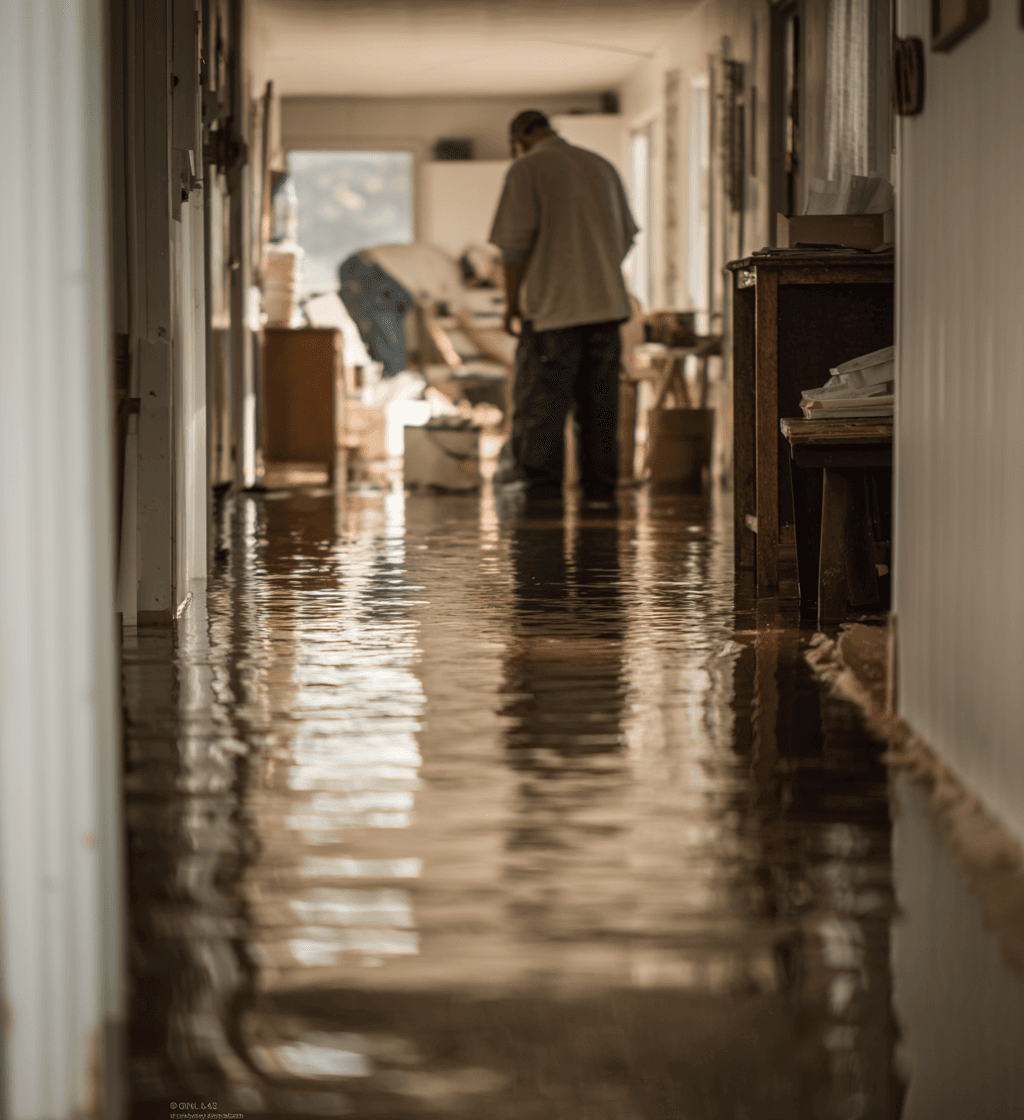
A sewer backup in the basement during heavy fall rain, a pipe bursting in January after a deep freeze, or roof infiltration during spring snowmelt: Canadian homeowners face many water damage risks linked to climate, freeze-thaw cycles, heavy precipitation, aging infrastructure, and regional weather extremes.
Water damage is a highly stressful situation that requires a methodical response, from shutting off the first valve to completing the final stage of reconstruction. In Quebec, data from the Insurance Bureau of Canada, relayed by Infoassurance showed that water damage represented 68% of home insurance claims in 2024. Across Canada, water damage is also one of the most common and costly home insurance issues.
Here is a practical and technical guide to help you respond quickly, document your claim, dry and decontaminate affected areas, and rebuild your home on a healthier foundation.
The First Crucial Steps After Water Damage
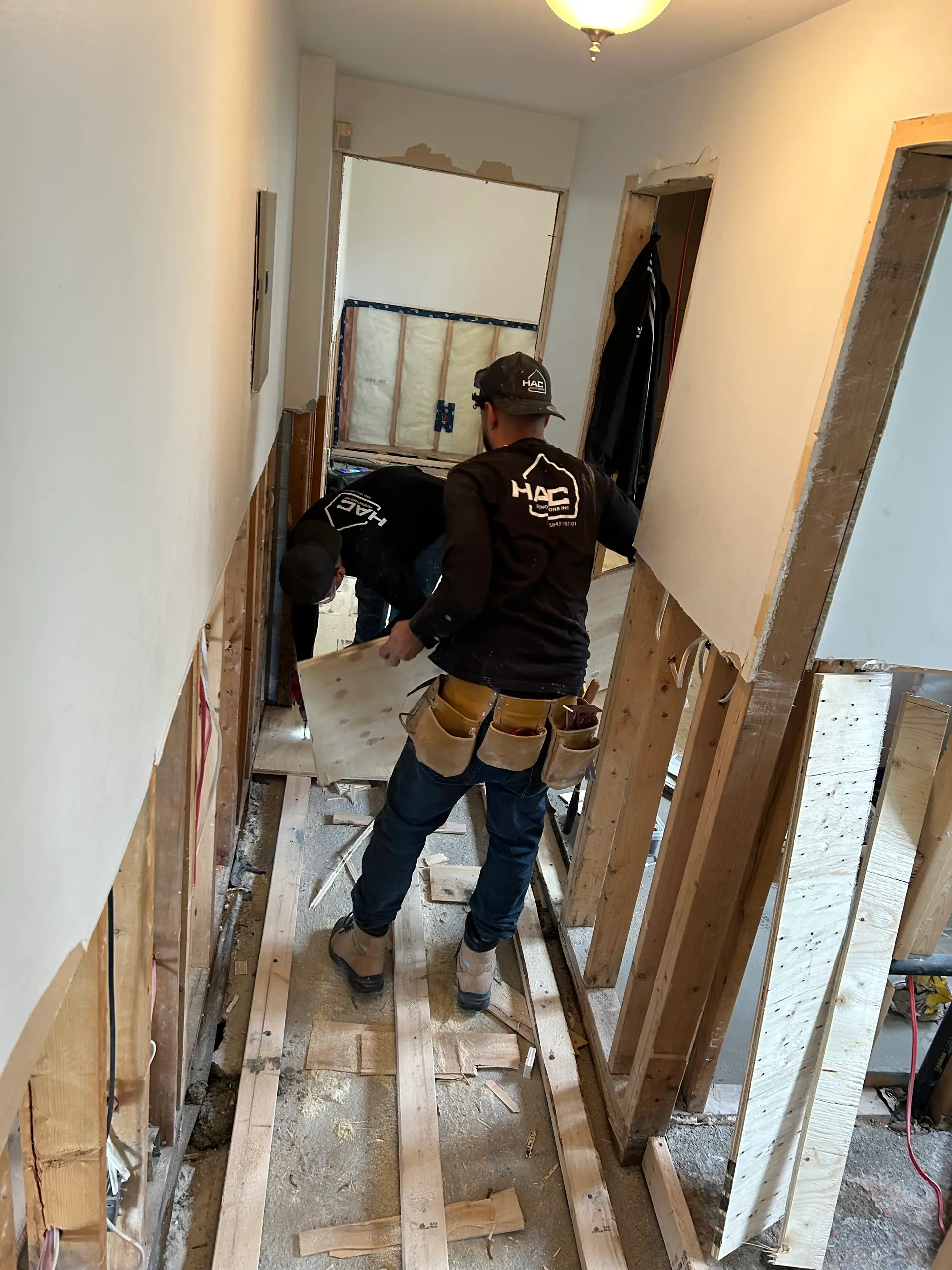
Source: H.A.C. Renovation
When you discover water leaking or accumulating in your home, it is important to act quickly to limit the extent of the damage. The first few hours can have a major influence on the scope of the work required.
Two priorities should guide your immediate actions: occupant safety and stopping the source of the water leak.
Electrical Safety Comes First
Water and electricity are a dangerous combination. If water has reached electrical outlets, baseboard heaters, appliances, or the main electrical panel, do not walk through the water.
If the electrical panel is located in a dry and safe area, turn off the breakers for the affected rooms.
If the panel itself is exposed to moisture, or if you would have to walk through water to reach it, do not touch it. Leave the area and contact a licensed electrician or emergency services to secure the site. In Quebec, electrical work should be handled by a master electrician. In other provinces, use a licensed electrician who meets the requirements of your local electrical authority.
Shut Off the Water Supply
If the water damage comes from an internal plumbing failure, such as a washing machine hose, a burst pipe, or a frozen pipe that splits open, shut off the main water supply valve immediately.
The main shut-off valve is often located in the basement, close to the wall facing the street. In a condo or strata property, locate this valve in advance so you do not lose valuable time during an emergency.
Move Belongings and Remove Stagnant Water
Once the area is safe and the source has been stopped, raise wooden or upholstered furniture located in the affected zone. Place plastic blocks or aluminum foil under heavy furniture legs to help prevent moisture from wicking upward and staining carpets or floors. If you have a wet/dry vacuum, you can begin removing standing water to reduce pressure on the concrete slab or floor coverings. Avoid doing this if the water may be contaminated by sewage, chemicals, or electrical hazards.
Documenting the Damage for Your Insurer

Source: RenoQuotes
Before throwing out soaked carpets, cutting drywall, or applying cleaning products, it is strongly recommended to build a complete visual evidence file. This documentation can become central to your insurance claim.
Take Detailed Photos and Videos
Use your phone to photograph and film all affected areas from several angles.
Take wide shots to show the full extent of the water damage in each room.
Take close-up shots of the likely source of the problem, such as a cracked pipe, foundation crack, roof leak, appliance failure, or HVAC equipment issue.
Photograph the water line on the walls and place a measuring tape next to it to show the exact height the water reached.
Film damaged belongings, including electronics, furniture, carpets, flooring, clothing, and stored items.
Create a Detailed Inventory
Make a list of all damaged or destroyed items. For each item, note:
Brand and model
Approximate year of purchase
Original purchase price
Receipts or proof of purchase (if available through email, online accounts, or bank records)
Structural Drying and Decontamination
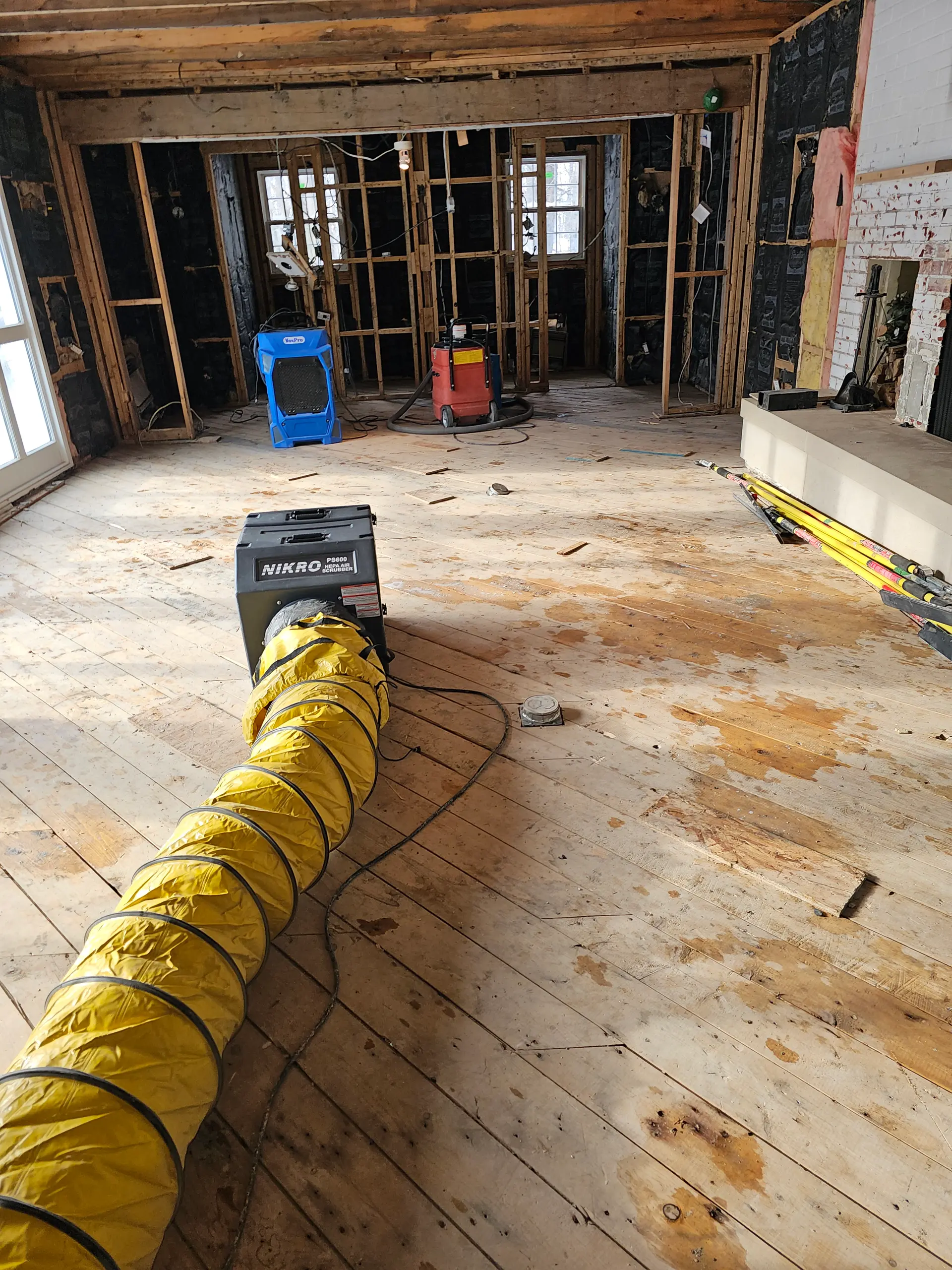
Source: D Destion Rénovation
Once the emergency phase is under control and photos have been taken, drying should begin quickly to limit damage to materials and the structure. For significant water damage, passive drying, such as simply opening windows, is generally not enough to remove moisture trapped inside building materials.
Evaluating the Water Category
Restoration professionals generally use three categories of water to guide cleaning and decontamination.
Water Category | Typical Source | Health Risk | Typical Treatment |
Category 1: Clean Water | Broken supply pipe, clean sink overflow | Low | Rapid drying, with no mandatory demolition if addressed quickly |
Category 2: Grey Water | Dishwasher or washing machine overflow, toilet overflow without fecal matter | Moderate, may contain microorganisms | Deep cleaning, disinfection, possible removal of carpet underpadding |
Category 3: Black Water | Sewer backup, river or ditch overflow, floodwater | High, may contain bacteria, viruses or pathogens | Removal of affected porous materials is generally required, followed by full decontamination |
Using Professional Drying Equipment
For major water damage, or when moisture has entered walls, floors, insulation or structural cavities, professional equipment is strongly recommended. Disaster restoration technicians may use:
Industrial dehumidifiers: Refrigerant or desiccant dehumidifiers remove moisture from the air and help draw trapped moisture out of materials.
Air movers: These high-powered fans are positioned to create airflow across floors and walls, accelerating evaporation.
Air injection systems: These systems can inject dry air behind baseboards or into wall cavities, sometimes reducing the amount of drywall that needs to be removed.
The moisture content of materials should be measured regularly with penetrating or non-destructive moisture meters. Structural drying often takes 3 to 5 days, but the duration can vary depending on the extent of the damage, the materials affected and the moisture readings taken on site.
Preventing Mould Growth
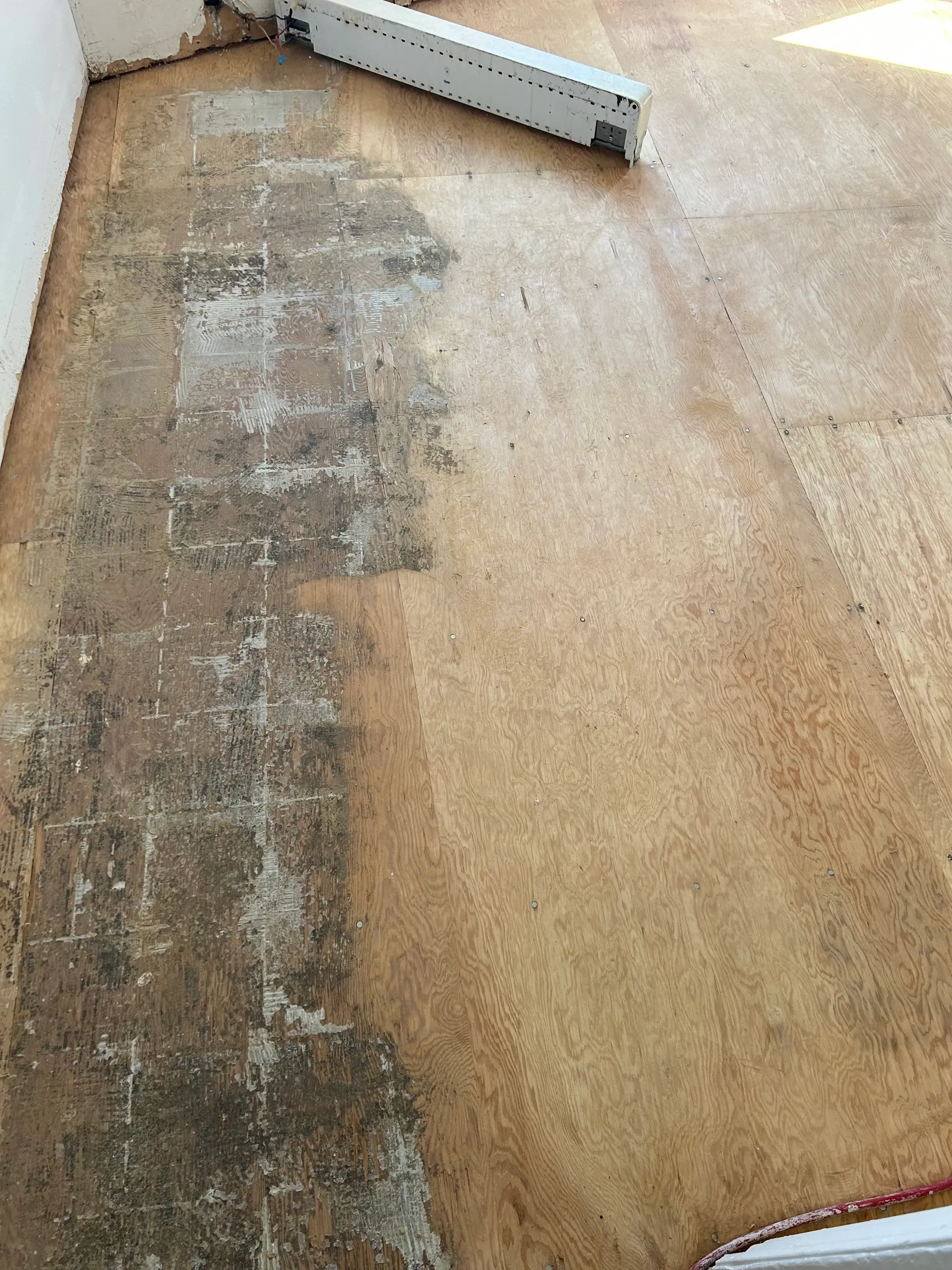
Source: Meulage pro sol
In Quebec and across Canada, indoor humidity and comfortable indoor temperatures can create conditions that support mould growth. Mould can begin to develop within 48 hours on damp materials such as drywall, paper, wood framing, carpet backing and other cellulose-based surfaces.
Health and Respiratory Risks
Leaving moisture untreated can affect the health of occupants. Mould exposure can irritate the eyes, nose and throat, worsen asthma, and contribute to respiratory symptoms in some people, especially young children, seniors and people who are more vulnerable.
Good Remediation Practices
Remediation work should follow recognized health and safety practices, especially when contamination is extensive or affects porous materials. Depending on the situation, a protocol may include the containment of the area, HEPA filtration and appropriate protective equipment.
A qualified remediation specialist can determine the level of precaution required based on the type of water, the affected materials, the size of the contaminated area and the condition of the building.
Choosing a Qualified Contractor for Reconstruction
Source: KC Renovation
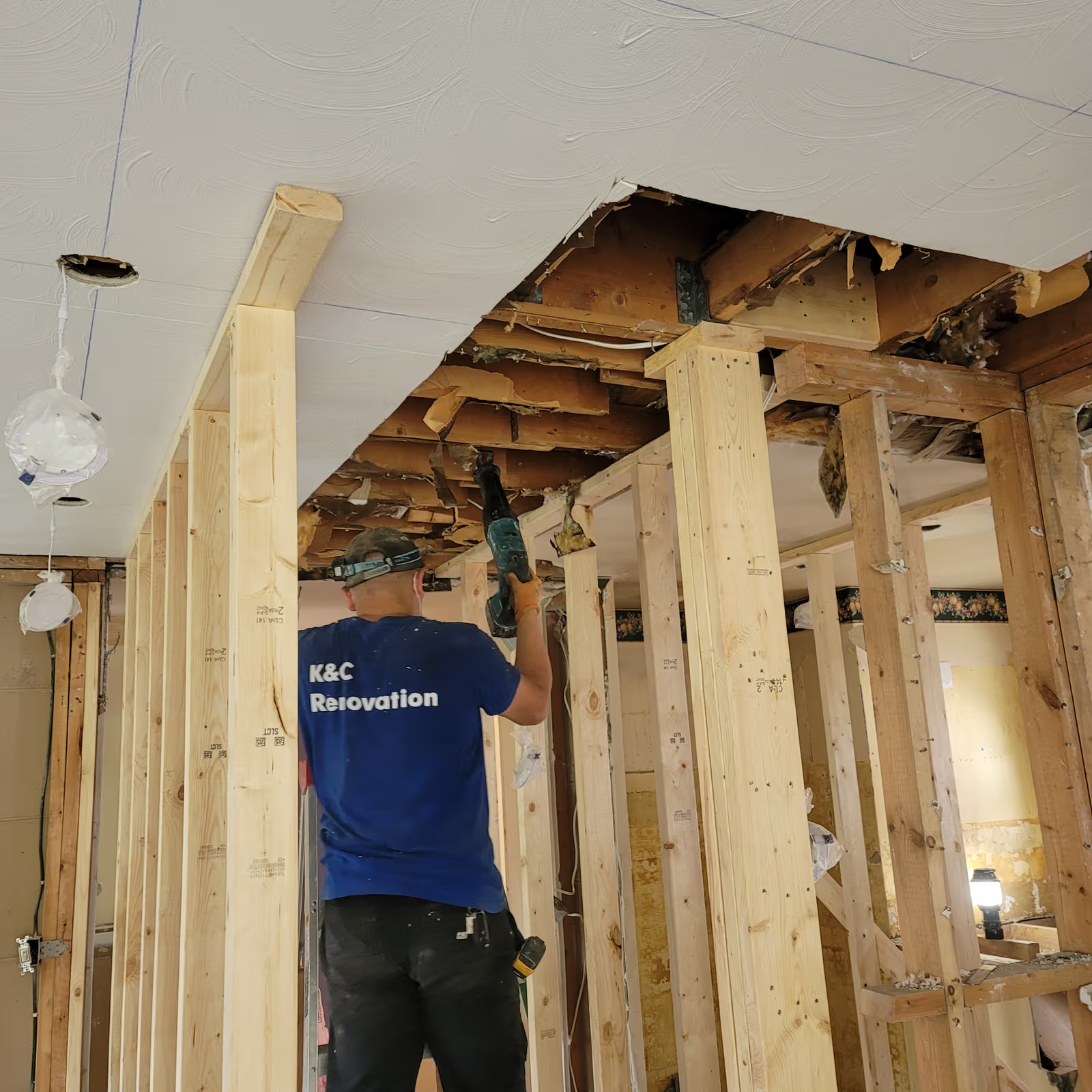
Once drying and decontamination have been completed by the emergency response team, reconstruction can begin. Your insurer may suggest affiliated contractors, but you can generally request other quotes and discuss your choice of contractor with your insurer, depending on the conditions of your policy.
For a reconstruction project involving flooring replacement, drywall repair, insulation, plumbing, electrical work, finishes or structural repairs, it is important to compare contractor quotes and choose a qualified professional.
Steps for choosing a contractor:
Verify the contractor’s licence or qualifications.
Request detailed written quotes.
Check complaint history where applicable.
Confirm liability insurance.
Review experience with post-disaster reconstruction.
In Quebec, this means verifying the contractor’s RBQ licence. In Ontario, British Columbia, Alberta and other provinces, requirements may involve provincial contractor rules, municipal permits, electrical safety authorities, plumbing licences, trade certification or local building requirements. A contractor with solid experience in post-disaster work can help coordinate materials, repairs, inspections and the return to normal use of your living space.
Quebec: RBQ Requirements
In Quebec, reconstruction work performed by a contractor must generally be entrusted to a company that holds a valid RBQ licence and the appropriate subclasses.
Relevant Licence Subclasses
Depending on the scope of the reconstruction, the contractor may need the proper licence subclasses.
General contractor, for example, subclass 1.2 or 1.3, depending on the building type: Often needed when the work involves several trades or requires coordination of subcontractors.
Specialized contractors: If the work is limited to specific areas, verify that the contractor has the correct licence for the work being performed. This may include:
Subclass 9.0, finishing work, for certain interior surfaces such as floor, wall and ceiling coverings, painting and finishing.
Subclass 15.4 or 15.5, plumbing, for modifying or repairing drainage or water supply pipes.
Electrical work, which should be handled by a master electrician who is a member of the CMEQ.
Why an RBQ Licence Helps Protect Your Recourse
If you hire a company without a licence when a licence is required, you may lose access to certain recourses linked to the licence bond and complicate your insurance file. Your insurer may also refuse certain invoices if the work does not comply with your policy requirements or applicable rules. Before signing, ask for the company’s 10-digit licence number and verify its status in the RBQ licence holders’ registry.
Requirements Elsewhere in Canada
Outside Quebec, reconstruction rules vary by province and municipality. Before hiring a contractor, verify:
Whether building permits are required.
Whether plumbing or electrical work must be performed by licensed tradespeople.
Whether the contractor carries liability insurance.
Whether the work must meet local building code requirements.
Whether your insurer requires specific documentation, photos or estimates before work begins.
In every province, electrical work should be handled by a licensed electrician who meets local requirements. Plumbing, structural work, HVAC work and restoration work may also be subject to specific rules depending on the province, municipality and project scope.
Compensation and Insurance: How to Manage Your Claim
Source: Construction Magcor Inc
Successful reconstruction also depends on careful management of your insurance file. The claims process varies by insurer and province, but the core principles are similar across Canada.
The Role of the Claims Adjuster
After you report water damage, your insurer will assign a claims adjuster. In Quebec, claims adjusters must be certified by the Autorité des marchés financiers and are governed by the rules that apply to their profession, including those of the Chambre de l’assurance de dommages.
The claims adjuster’s role may include:
Verifying whether the type of water damage is covered by your policy.
Checking whether you purchased additional coverage or an endorsement for sewer backup, foundation water infiltration or overland water, since these risks may be excluded or limited in some basic policies.
Determining the value of material losses and estimating the cost of building reconstruction.
Evaluating the proposed cleaning and reconstruction steps, then confirming their eligibility under the insurance contract.
Working Effectively to Support the Claim
Treat the claims adjuster as a technical partner rather than an opponent. To help your claim move forward efficiently:
Provide clear quotes: Ask your contractor for a detailed quote, room by room, separating material costs and labour costs. You can also use cost-estimation tools to compare the proposed amount with typical renovation costs.
Respect your policy limits: If your sewer backup coverage is capped at a specific amount, discuss priorities with your contractor. In some cases, it may be best to prioritize decontamination, drying and structural work before choosing higher-end finishes.
Keep all invoices: If you need temporary hotel accommodations, storage for undamaged belongings or other emergency expenses, keep every receipt. These costs may be covered by additional living expenses, depending on your policy.
By documenting each step, insisting on complete drying, and choosing contractors who hold the required licences or qualifications, you improve your chances of restoring a healthy, safe and durable home after water damage.
Looking for something else?
Related articles
The latest industry news, interviews, technologies, and resources.

Léa Plourde-Archer
•17 Apr 2024
Being able to enjoy a cozy basement free of cold floors is probably something you have been dreaming of. If not, should you happen to have an unfinished basement, the possibility of converting this area into a livable space is probably at the forefront of your mind.

Editorial Team
•17 Aug 2026
White, powdery deposits on brick, concrete, pavers, or basement foundation walls are often a sign of efflorescence. Although the residue itself is usually more of a cosmetic issue than a structural problem, recurring efflorescence can indicate that moisture is moving through the material.

Équipe éditoriale
•18 Dec 2024
It’s possible that we spend as much time, if not more, in our offices than our homes. Hence the importance that the office environment is pleasant. Indeed, the layout and development of an office can have a serious impact on satisfaction and in turn, employee productivity. When a workspace is poorly laid out, it can affect many aspects of daily office life. With this in mind, a transformation project can be an improvement for your environment, both practically and aesthetically-speaking.

Editorial Team
•08 Nov 2023
If you haven’t heard of a wet room before, we recommend you start paying attention to this growing trend. The wet room is becoming more desirable as a minimalist, one-of-a-kind feature that works to add value to your home.
Editorial Team
•24 Sep 2024
Besides their low price point, portable air conditioners are valued for their convenience, ease of use, and the fact that their installation requires no particular skill set.