Renovation Payment Schedule: How to Protect Your Money and Plan Key Milestones
By Cynthia Pigeon
Updated on August 12, 2026

According to the Institut de la statistique du Québec, spending on residential renovations represents more than 51% of all residential construction investment in the province. In addition, APCHQ data indicates that more than 64% of Quebec homeowners are moving forward with their renovation plans. Still, taking on major work—whether finishing a basement, updating a kitchen, or adding an extension to your home—comes with its share of financial stress.
One of the main sources of disputes during a renovation project is the management of payments. Paying large sums too early or without supporting documentation can expose you to significant risks, including an abandoned project, contractor bankruptcy, uncorrected deficiencies, or a construction lien or, in Quebec, a legal construction hypothec, registered against your property by unpaid subcontractors.
Negotiating a clear renovation payment schedule that reflects the applicable laws in your province and consumer protection recommendations is one of the best ways to protect your investment while maintaining a healthy working relationship with your general contractor.
How Should You Set Up a Renovation Payment Schedule?
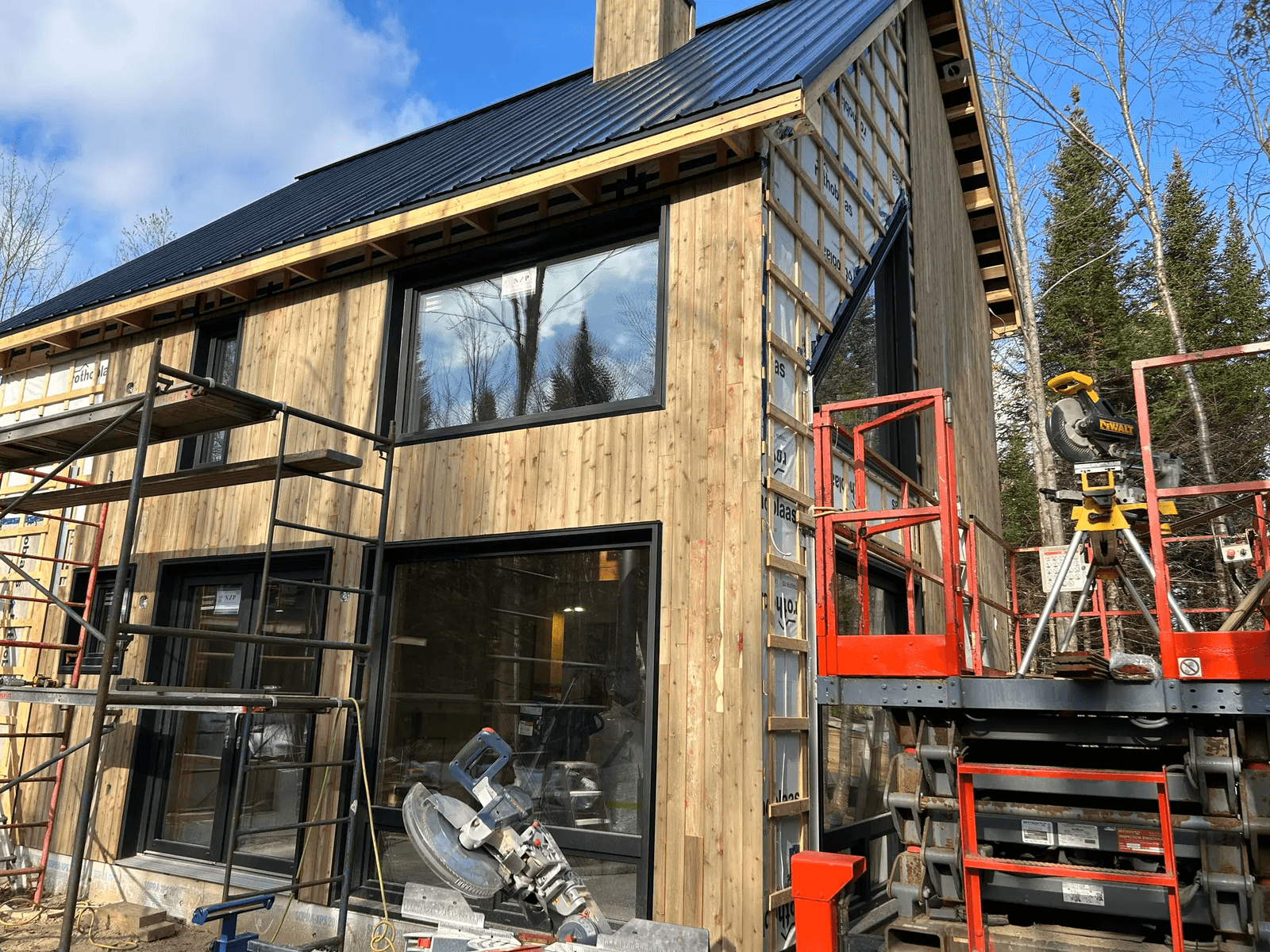
Source: Construction Yannick Gosselin Inc
For residential renovations in Canada, it is generally wise to limit the amount paid before work is completed and structure progress payments around the project's progress. Contractors may still request deposits, particularly to reserve a spot in their schedule or order materials. A balanced payment schedule helps protect homeowners from financial losses while providing contractors with the cash flow needed to purchase materials and pay workers as the project progresses.
A renovation payment schedule can, for example, be divided into four or five instalments tied to clear, measurable construction milestones.
Project Stage | Percentage of Total Budget | Payment Trigger | Documents and Checks Required |
Initial Deposit | Amount agreed to in the contract; ideally limited | Contract signing or delivery of the first major materials to the site | Detailed quote and signed contract, including applicable contractor licence information |
Progress Payment 1 | 25% to 30% | Completion of demolition, framing, floor structure, or foundation work | Homeowner’s visual inspection of the structural work |
Progress Payment 2 | 25% to 30% | Insulation, building envelope, rough-in plumbing, and electrical work | Verification of insulation before drywall installation and material delivery receipts |
Progress Payment 3 | 15% to 20% | Drywall, taping, painting, flooring, and cabinetry | Inspection of finishes and verification that equipment such as the heat pump or lighting is functioning |
Final Payment | 10% to 15% | Completion of the work and review of deficiencies or outstanding items | Final inspection and, where appropriate, relevant payment releases or proof of payment |
How Much Should You Pay as an Initial Deposit?

Source: RenoQuotes
It is common for a general contractor to request a payment when the renovation contract is signed. This deposit may be used to reserve dates in the contractor’s schedule, order custom items such as windows, roof trusses, or kitchen cabinets, or cover municipal permit fees.
However, homeowners should be cautious about the amount requested:
Initial deposit: Deposit rules and recommended amounts vary by province and contract. In Quebec, the law does not establish a standard deposit percentage for renovation contracts, and the Office de la protection du consommateur (OPC) recommends, when possible, paying no deposit or limiting it to a very small amount.
Timing of the payment: The contract should clearly state when the deposit and subsequent payments are due, and homeowners should limit amounts paid before work begins. Special rules may apply in certain circumstances, including some contracts entered into through door-to-door sales.
Excessive deposits of 30%, 40%, or 50%: If a contractor asks for one-third or half of the total project cost before any work has begun, consider it an important warning sign. It may indicate poor cash-flow management or financial difficulties.
To assess the actual cost of your project and receive proposals from verified companies, consider requesting an online renovation quote.
Progress Payments Based on Construction Milestones
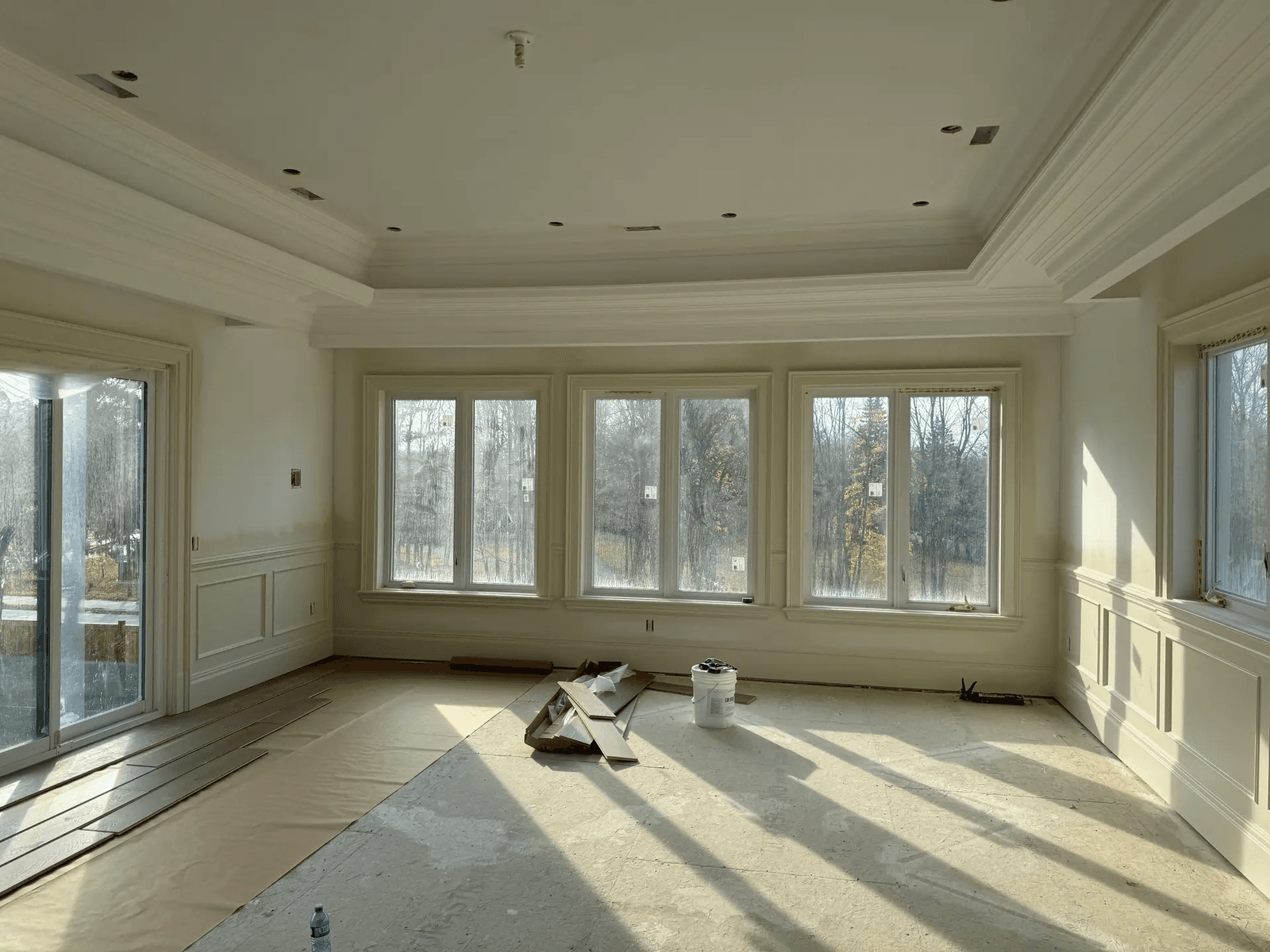
Source: Thomas Construction Services
Each interim payment—or progress payment—should ideally be linked to clearly defined and verifiable construction milestones rather than simply to the passage of time.
For renovation projects in Canadian climates, these milestones may include:
Demolition and Excavation
Preparing the site before freezing conditions
Building Weatherproofing & Sealing
Installing beams and structural components
Waterproofing and weatherproofing
Doors and windows
Insulation and Vapour Barrier
Installing insulation appropriate for the project and local building requirements
Insulation levels that may range from R-30 to R-60, depending on the assembly
Possible use of spray polyurethane foam
Building Systems
Electrical work, including a 200-amp service where required
Plumbing
Ventilation and mechanical systems
Finishes
Drywall installation
Tile
Trim, millwork, and interior finishes
Weatherproofing and structural work: Before releasing a payment associated with the building envelope, make sure the home is fully enclosed and protected from the elements, with roofing installed, weather-resistant membranes in place, and windows properly sealed. A poorly protected site during the fall can suffer significant water infiltration before winter.
Concealed mechanical systems: Before walls are closed with drywall, inspect the plumbing and electrical work and walk through the project with the contractor to verify the locations of outlets, heat pump lines, drains, and other concealed components. The corresponding payment should be made according to the terms of the agreed payment schedule.
Thermal insulation: Visually inspect the insulation and air/vapour control layers before the walls are closed. Proper installation is essential for managing heat loss and moisture in Canadian climates.
Before releasing a progress payment, walk through the site with the person responsible for the project and verify that the corresponding work has been completed satisfactorily.
What Does Quebec Law Say About Deposits and Renovation Payments?
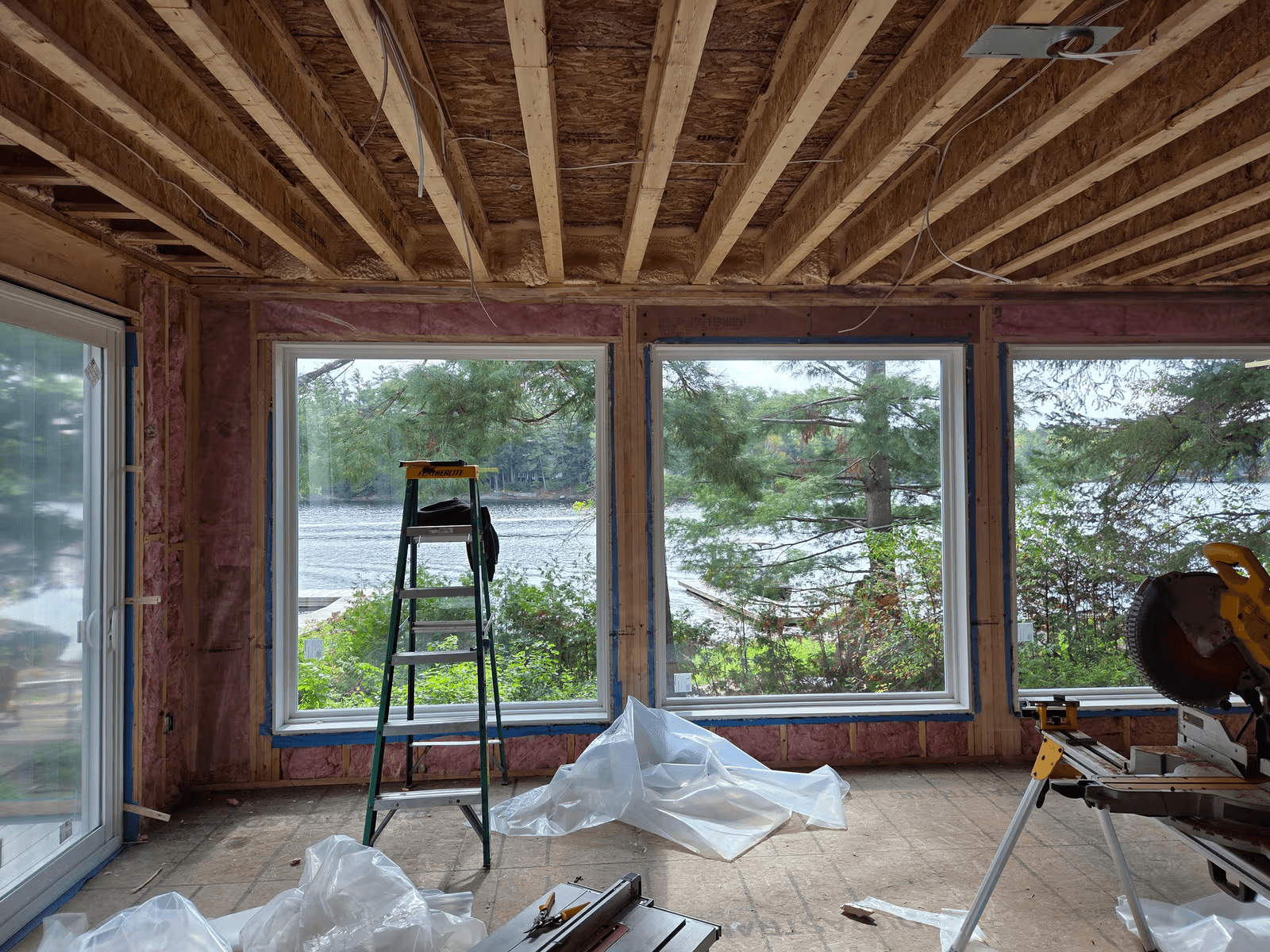
Source: RenoQuotes
In Quebec, the contractual relationship between a residential property owner and a contractor is governed by the Civil Code of Québec and, where applicable, the Consumer Protection Act, administered by the Office de la protection du consommateur (OPC).
Office de la Protection du Consommateur (OPC) Rules
The Office de la protection du consommateur (consumer protection laws) reminds homeowners that Quebec law does not require them to pay a large deposit. The OPC emphasizes that payments should reflect the contractor's performance obligations.
When a renovation contract is subject to Quebec’s itinerant merchant rules, consumers generally have 10 days after receiving their copy of the contract to cancel it. During this period, the itinerant merchant generally cannot request or accept payment, subject to exceptions provided by law. To learn more about these rights, consult the Office de la protection du consommateur.
Régie du bâtiment du Québec (RBQ) Licence and Security
Any RBQ-licensed general contractor or specialized contractor performing work subject to Quebec licensing requirements must hold an active licence from the Régie du bâtiment du Québec. An RBQ licence indicates that the contractor meets the requirements applicable to the licence category or subcategories they hold. However, it does not guarantee the future quality of the contractor’s work.
The RBQ requires licence holders to maintain a mandatory licence bond:
$40,000 for a general contractor
$20,000 for a specialized contractor
This licence security is a financial guarantee that may compensate eligible clients for certain losses involving deposits, failure to complete work, and certain defects or deficiencies, subject to applicable conditions and limits.
Final Holdback: An Important Form of Protection
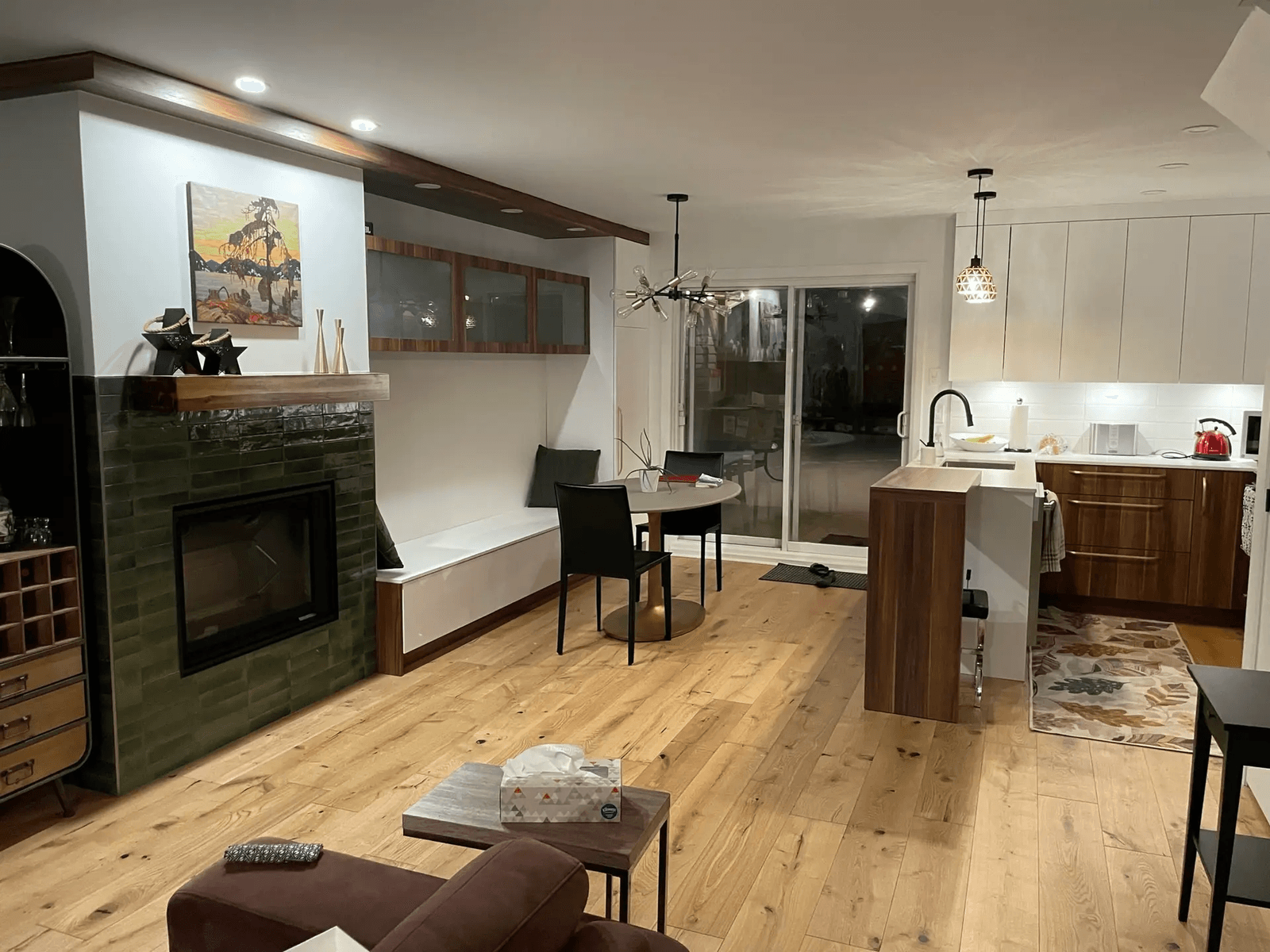
Source: Construction W3 inc
Homeowners can contractually provide for a final payment that is released once the work has been completed and deficiencies have been corrected. In Quebec, the OPC suggests that a final payment of 10% to 15% of the total project cost can be made once the work has been completed. The Civil Code of Québec also allows a client, in certain circumstances, to retain an amount sufficient to have apparent defects or deficiencies corrected upon acceptance of the work.
1. Correct the Deficiency List
During the final inspection, it is common to find minor outstanding items: a poorly fastened piece of trim, an unfinished silicone joint in the shower, a defective electrical outlet, or a missing paint touch-up. If you have already paid 100% of the invoice, the contractor has less financial incentive to return quickly. Keeping the final payment until the agreed conditions have been met can provide additional leverage to ensure the remaining details are completed properly.
2. Protect Yourself Against Construction Liens and Quebec Legal Construction Hypothecs
Across Canada, construction lien legislation can provide payment security rights to contractors, subcontractors, workers, and suppliers, although the rules and terminology vary by province.
For example, in Quebec, if your general contractor receives your payment but fails to pay an electrician or material supplier, the legal construction hypothec can remain valid without registration for 30 days following completion of the work. To preserve it beyond that period, the creditor must, among other requirements, register the notice prescribed by the Civil Code before the deadline expires. A homeowner could consequently face a claim against the property even though the general contractor has already been paid.
Process for Releasing the Final Payment
Completion of the work and joint site inspection
Preparation of the deficiency list and correction of outstanding items
Request for relevant payment releases or proof that subcontractors have been paid
Acceptance of the completed work
Release of the final payment specified in the contract
Before making the final payment, it may be prudent to request relevant payment releases or proof of payment from subcontractors and suppliers that may have lien rights or, in Quebec, rights arising from a legal construction hypothec. For major projects, these requirements should ideally be addressed in the contract.
To move forward with your project with professionals who are transparent about their contractual terms, take the time to hire a general contractor who holds all licences required in your province. In Quebec, verify that the contractor holds a valid RBQ licence.
Payment Mistakes to Avoid When Hiring a Contractor
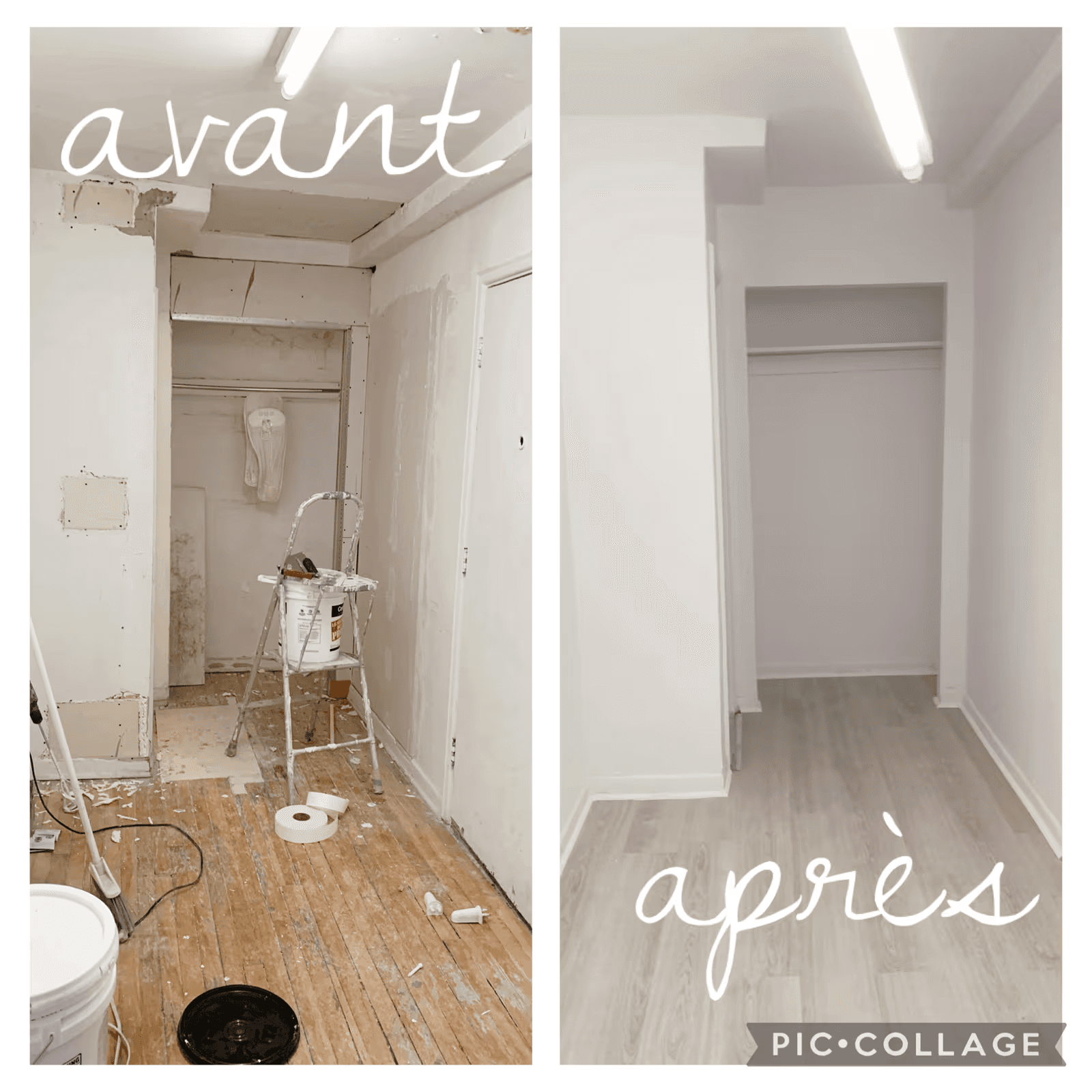
Source: 9477-7489 Québec INC.
Even with a well-planned project, simple mistakes can compromise your financial protection. Here are some of the main pitfalls to avoid:
Paying cash without a receipt: Paying cash to avoid applicable taxes is extremely risky. Without an invoice or clear payment record, it can become much more difficult to prove the existence of the contract, the amounts paid, and the nature of the work, which can significantly complicate a claim against the contractor or through the appropriate regulatory or court process.
Making verbal changes: Any modification to the original project should be documented in a written change order clearly identifying the additional work, its cost, and, where applicable, its impact on the project schedule.
Paying early to “help out” the contractor: If a contractor says they need your next payment early to pay employees or purchase materials for another project, do not agree. You should not be financing work for another client.
Failing to request supporting documents: Do not make a payment without receiving an official invoice corresponding to the agreed stage of the payment schedule.
Risks of Paying Too Much in Advance
Paying the entire contract amount—or an excessive proportion of it—before the renovation is complete can significantly reduce the homeowner’s financial protection.
Loss of financial leverage: The homeowner has fewer means of encouraging compliance with the schedule and contractual obligations.
Risk of job abandonment or delays: A large payment made too early increases the homeowner’s financial exposure if the project slows down or stops altogether.
Risk of losing amounts already paid: If the contractor becomes insolvent or bankrupt, recovering advance payments may be difficult or impossible.
Less protection against deficiencies: If most of the contract has already been paid, the homeowner has less leverage to obtain corrections to deficient work.
If a company becomes insolvent after you have already paid 80% of the project price but only 40% of the work has been completed, you may have to file a claim as part of the insolvency proceedings, and recovery may be difficult or partial. Depending on the province and circumstances, other remedies may also be available. In Quebec, this may include a claim against the contractor’s licence security. Maintaining control over your payment schedule is one of the most effective ways to reduce your financial exposure during a renovation.
To obtain a personalized renovation estimate that reflects realistic market conditions, plan your project carefully before requesting contractor proposals.
What Should You Do in the Event of a Financial Dispute?

Source: RenoQuotes
If a disagreement arises over the quality of the work, an unjustified delay, or an unauthorized cost overrun, respond methodically and document the issue.
The appropriate remedies and court procedures vary by province. In Quebec, the process may include:
Attempting to resolve the issue directly and reviewing disputed payments
Sending a formal demand letter
Reporting the matter to the Régie du bâtiment du Québec (RBQ), where applicable
Filing a complaint with the Office de la protection du consommateur (OPC), where applicable
Filing a claim with the Small Claims Division of the Court of Québec for eligible claims of up to $15,000
Dispute a payment carefully: If you believe an instalment is not yet payable because the work is incomplete, deficient, or inconsistent with the contract, document the problem and verify your rights before withholding payment. An unjustified holdback could itself constitute a breach of contract.
Send a formal demand letter: Send the contractor a formal demand describing the contractual breaches, include dated photographs, and provide a reasonable period—often 10 to 15 business days depending on the circumstances—to fulfil their obligations.
File a complaint with the RBQ or OPC: Where applicable, submit a complaint to the Régie du bâtiment du Québec and the Office de la protection du consommateur. Depending on the circumstances, this may also form part of the process for making a claim against the contractor’s licence security.
Use the Small Claims Division: For eligible financial disputes of $15,000 or less, you can file a claim with the Small Claims Division of the Court of Québec. The process is designed to be accessible without a lawyer.
Before signing your final contract, take the time to compare contractor prices and carefully review the payment provisions. A professional contractor should be able to agree to a clear payment schedule that reflects the actual progress of the work and the project's needs.
Looking for something else?
Related articles
The latest industry news, interviews, technologies, and resources.

Amanda Harvey
•08 Nov 2023
Hygge, pronounced phonetically as "hoo-gah," is a concept that originated in Denmark but has made its' way to the renovation and interior design networks of North America. Hygge roughly translates to "coziness," but is often described as a mindset for fostering positivity and togetherness in negative aspects of life; an attempt to enjoy the smallest and most insignificant moments.

Editorial Team
•08 Nov 2023
A laundry room is a major convenience, allowing for clean clothes at any given moment. Usually separated from the rest of the home, this room can be treated as an afterthought, a place to dump dirty things and forget about them. However, there are plenty of ways to set up a laundry room properly to foster organization and efficiency.
Editorial Team
•14 May 2026
Bathroom upgrades and renovations can take many different forms. They could be relatively minor updates, such as changing the tapware and shower head, or a complete overhaul that brings your bathroom well into the 21st century.

Cynthia Pigeon
•13 Apr 2026
In 2026, the cost to replace the roof of a standard single-family home in Canada generally ranges from $10,000 to $18,000 for asphalt shingles. For a metal roof, the budget typically falls between $25,000 and $50,000, depending on the surface area, slope, accessibility, and complexity of the project. These estimates typically cover the removal of the old roofing, debris disposal, new materials, and labour by a qualified contractor holding the appropriate provincial licences—ensuring your roof can withstand Canada’s demanding climate.

Editorial Team
•08 Nov 2023
2019 is coming to an end, and we are leaving a decade behind us. For many, 2020 promises great things: it’s a return to zero as well as a new beginning. Some will seize the opportunity to finally start the projects that have been put aside, such as pressing renovations.