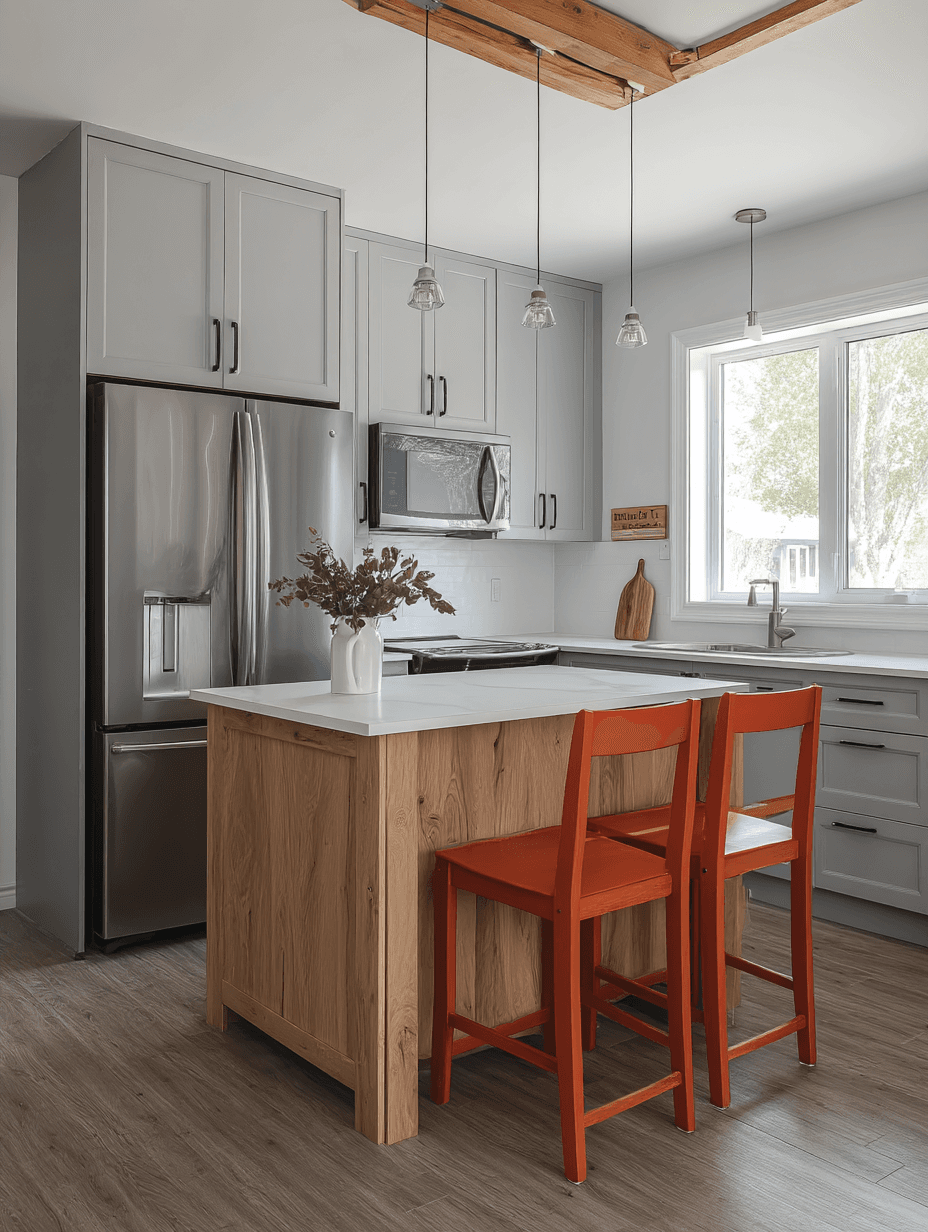
To make the most of a small condo kitchen in Canada, a mobile or narrow “skinny” island can be a particularly useful way to maximize space. It is important to keep about 36 to 42 inches of clearance around the island to allow for smooth traffic flow, while also respecting the kitchen work triangle: sink, stove and refrigerator. By combining smart storage, appropriate materials and safely planned electrical outlets, even a compact kitchen can become a highly functional and welcoming space.
Space-Smart Kitchen Islands for Condo and Townhouse Living
Source: RenoQuotes
Living in a condo in Toronto, a townhouse in Ottawa, or a modern apartment in Vancouver often comes with the same challenge: cooking in a limited space without sacrificing style or functionality. Adding an island may seem ambitious, or even impossible, when every square foot matters. However, kitchen islands are no longer reserved for large suburban homes.
When properly planned, an island can become the heart of an open-concept living area. It can serve as a prep surface, a work-from-home station or even a casual breakfast spot. In this article, we look at how to optimize a small Canadian kitchen with practical, ergonomic and durable design solutions.
Why Choose a Mobile or Narrow Island?
Source: RenoQuotes
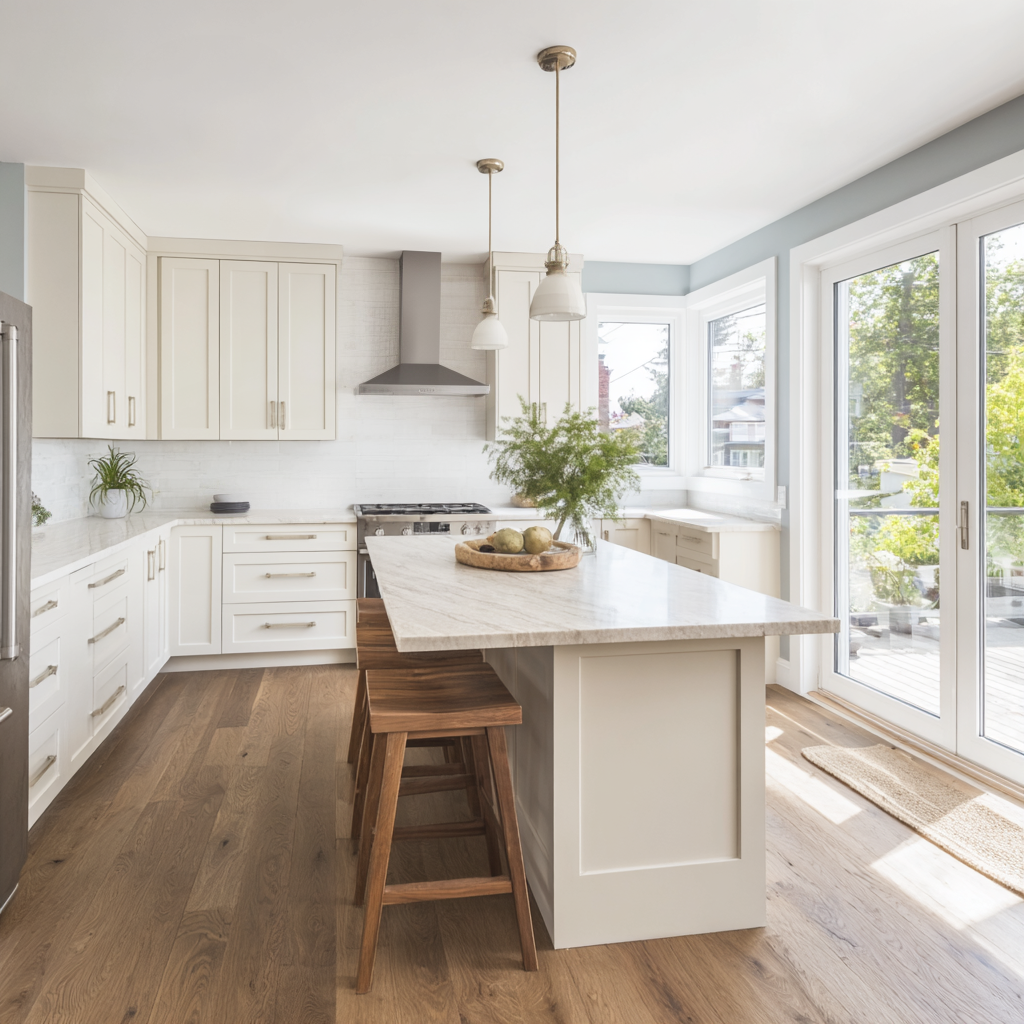
In many Canadian cities, urban density has led to smaller condos, townhouses and open-concept layouts. These layouts can make a home feel larger, but they often reduce the amount of wall space available for upper cabinets and built-in storage. This is where a well-designed island can make a noticeable difference.
Flexibility for Open-Concept Layouts
One of the main advantages of an island designed for small spaces is flexibility. In many Canadian homes, especially in colder climates, indoor space needs to feel open, practical and comfortable during the winter months. A large, bulky island can make a small kitchen feel cramped, while a narrow or mobile model can define the kitchen area without creating a visual barrier. This helps preserve natural light, which is especially valuable during the shorter days of winter.
A Practical Answer to Limited Counter Space
When planning a new kitchen, many homeowners quickly realize that standard layouts do not always provide enough counter space. Even a modest additional work surface can make meal preparation easier, especially in a small kitchen where the sink, stove and refrigerator are close together. A compact island can provide that extra surface without requiring a full kitchen expansion.
A Rolling Island for Maximum Flexibility
Source: Indigo Construction Inc.
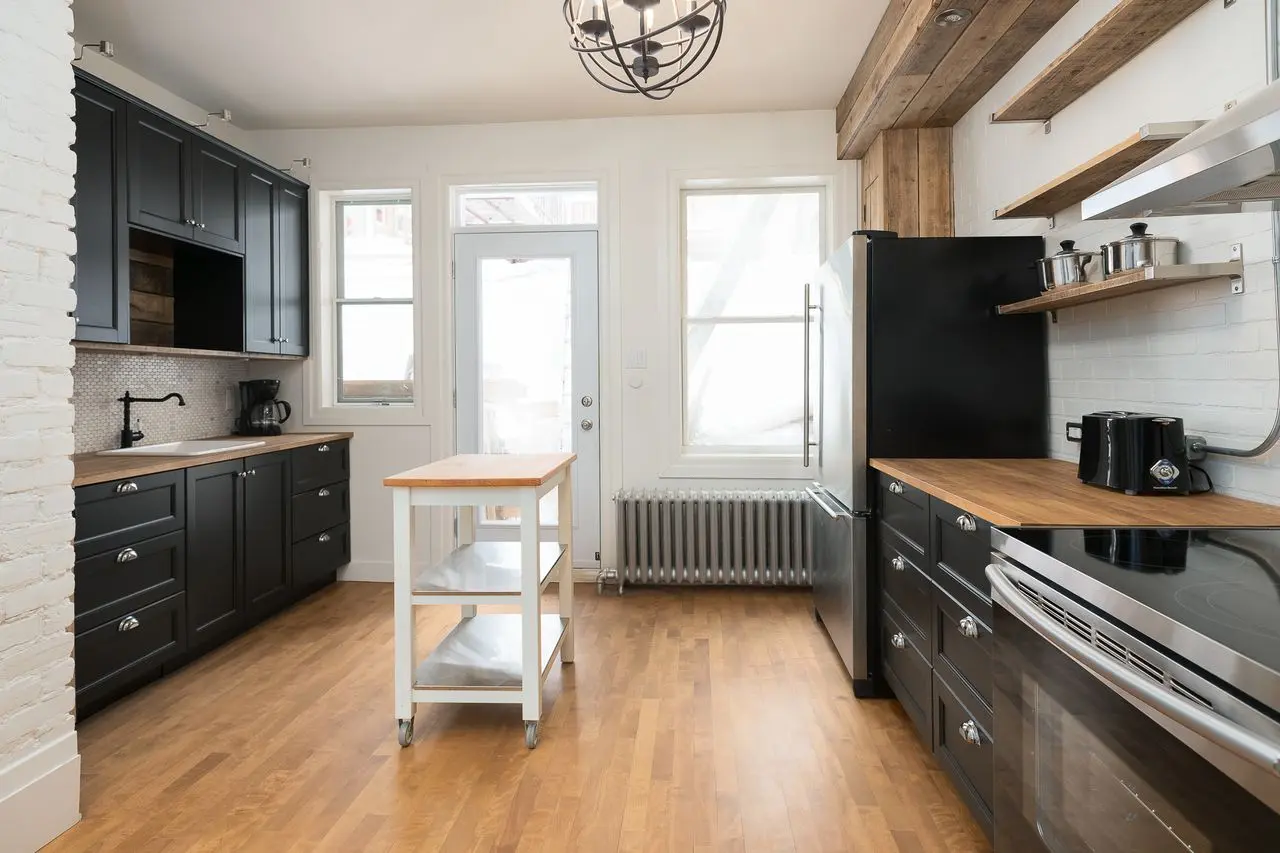
For condo owners or homeowners working with a tight layout, a rolling island can be a very practical option. This type of furniture adapts easily to daily life.
During meal prep: The island can be placed in the centre of the kitchen to create an extra cutting or serving surface.
When entertaining: A mobile kitchen island can double as a serving station or bar cart, then be rolled closer to the dining or living area when guests arrive.
Cleaning and maintenance: Since the island can be moved, it’s much easier to clean the floor underneath and around it.
Expert tip: Choose high-quality wheels with strong locking mechanisms so the island stays stable while you are using it.
The “Skinny” Island: More Counter Space Without Crowding the Room
Source: Évo Conception Inc
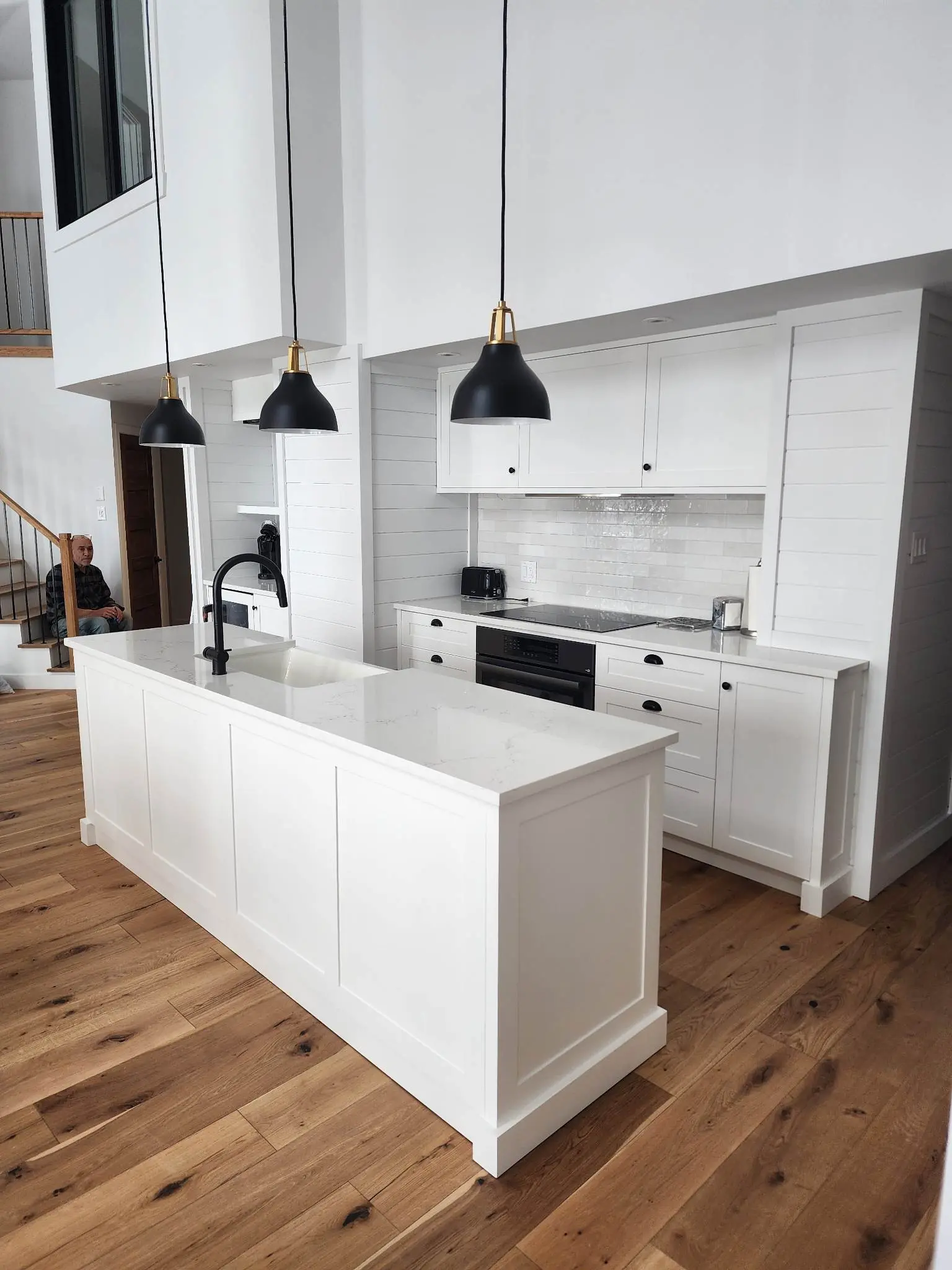
If you prefer the stability of a fixed piece of furniture, a skinny or narrow island can be a good option. Unlike standard islands, which are often about 36 inches deep, narrow models are usually closer to 18 or 24 inches deep. This type of island can provide useful counter space while keeping the kitchen visually light and easy to move through.
Dimensions and Clearance: The Golden Rule
To avoid turning your kitchen into an obstacle course, it is generally recommended to leave at least 36 inches of clearance around the island. If more than one person regularly cooks at the same time, 42 inches is usually more comfortable.
Absolute minimum: Allow at least 36 inches of clearance around the kitchen island.
Ideal spacing: Aim for 42 inches, especially in a two-person household where more than one person may be cooking at the same time.
Dishwasher access: Make sure the dishwasher door can open fully without hitting the island or blocking the main walkway.
A 24-inch-wide by 48-inch-long island is often the sweet spot for galley-style kitchens commonly found in townhouses and compact homes across Canada. For more guidance when planning your project, you can also consult a kitchen renovation guide to help estimate your costs.
Respecting the Kitchen Work Triangle
Kitchen ergonomics are often based on the triangle formed by the refrigerator, sink and stove. In a small kitchen, the island should not interrupt this movement pattern.
Ideally, the sink and stove should remain easy to access, either along the same wall or in a practical corner layout.
The island can then serve as a landing zone for groceries, ingredients or dishes.
If you plan to install a sink in the island, leave enough counter space on both sides to reduce splashing and make the area easier to use.
Materials and Styles Suited to Small Canadian Kitchens
Source: E Martel Construction Inc
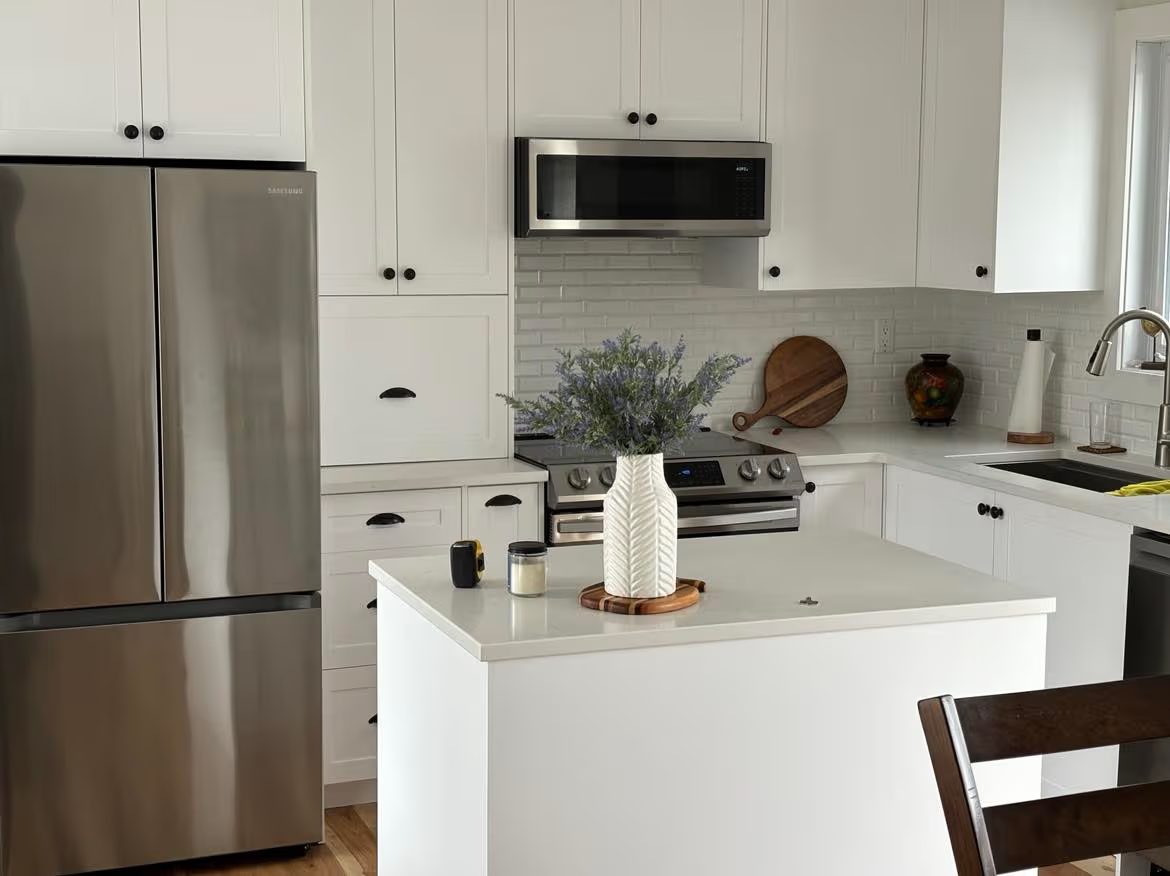
Material choices are important in a small kitchen because they can either lighten the space or make it feel crowded. In Canadian homes, it is also useful to choose materials that can handle seasonal changes in indoor humidity, from dry winter air to more humid summer conditions.
Recommended Finishes
High-quality melamine is a popular choice because it is affordable, easy to clean and now available in finishes that imitate wood grain, concrete and other modern materials.
For countertops, quartz remains a common option because it is non-porous, durable and does not require sealing like granite.
Light colours such as white, pale grey and white oak can help reflect light and make the room feel more open.
For a modern and practical look, consider stools that tuck fully under the island when not in use. This helps free up the space around the island, especially in a space-restricted kitchen.
Built-In Storage: Turning the Island into a Storage Zone
Source: Construction Serras Inc.
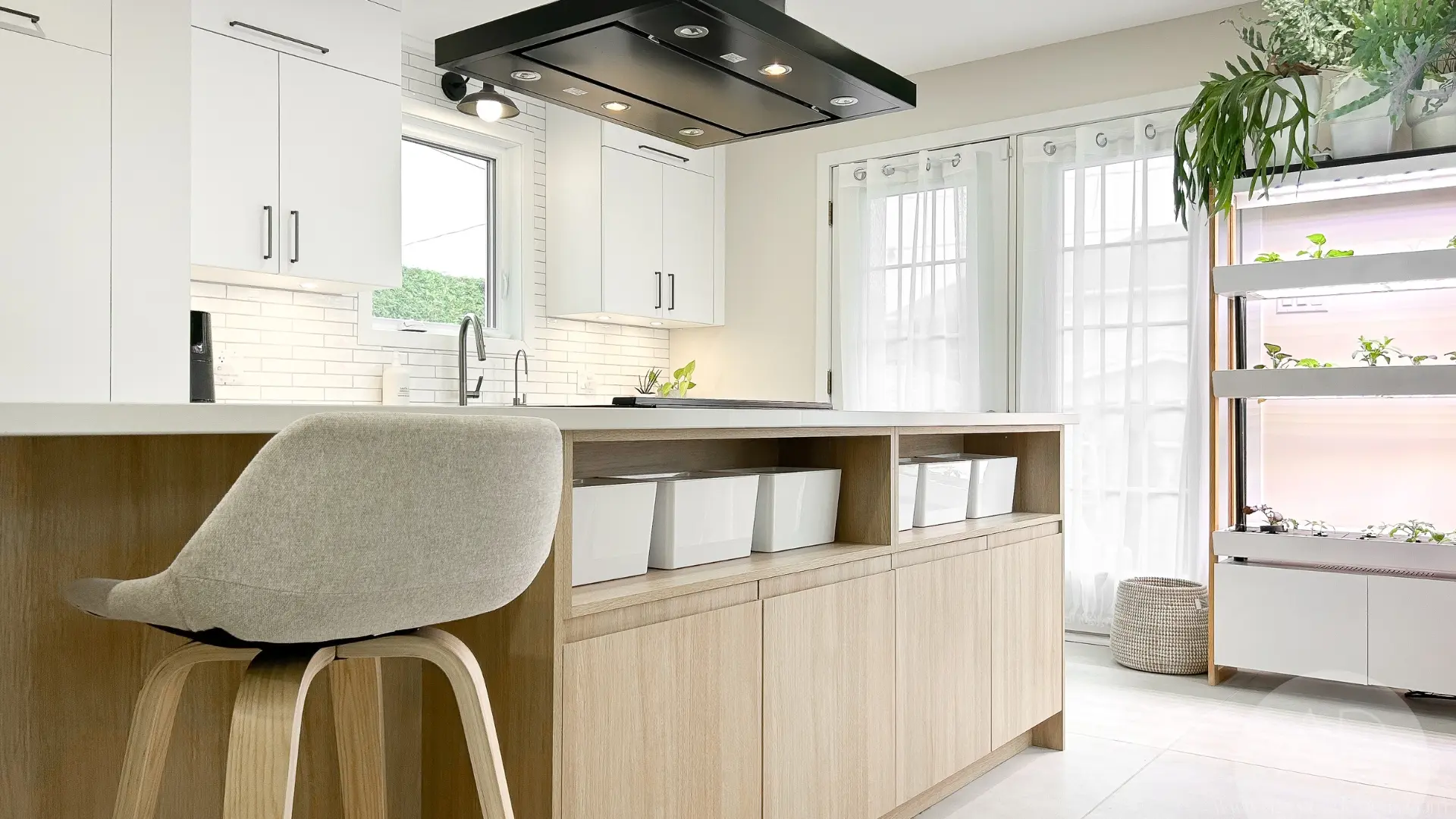
In a small kitchen, an island should do more than provide an extra surface. Every inch should serve a purpose.
Deep drawers can be more practical than shelves for storing pots, pans and small appliances because they make items easier to reach.
Side niches can be used for cookbooks, cutting boards or decorative storage. A small overhang can also create a casual seating area without taking up too much space.
Electrical planning and safety: Across Canada, kitchen electrical work must comply with the applicable provincial or territorial electrical code requirements. If a fixed island includes electrical outlets, they should be installed safely and in compliance with local rules, ideally by a licensed electrician. Well-planned outlets make it easier to use small appliances such as a blender, toaster or mixer without running cords across walkways. This helps reduce tripping hazards and keeps the kitchen safer and more functional.
Do Not Forget the Lighting
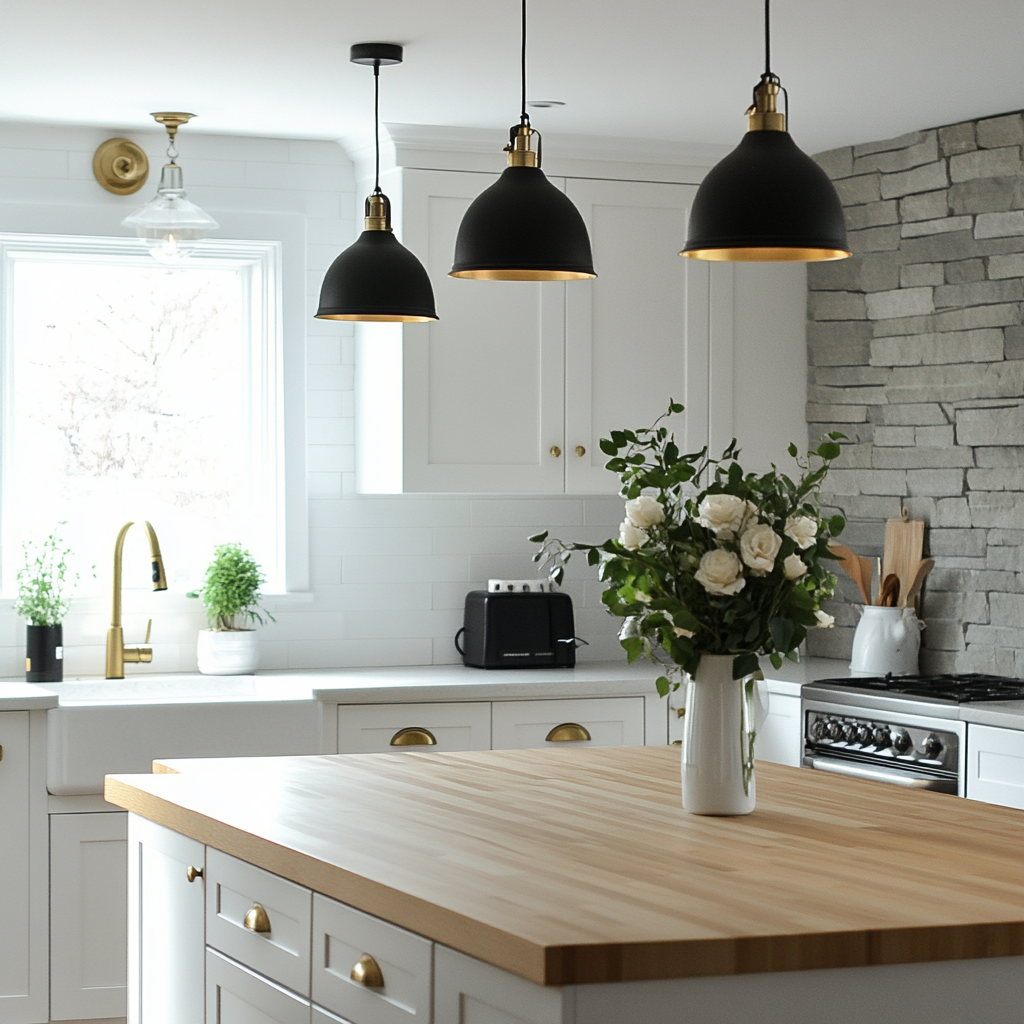
Lighting can make a major difference in how useful an island feels. Pendant lights above the island can help define the space and provide direct task lighting for cooking, chopping and serving. A dimmer switch can also be useful. Brighter lighting works well for meal prep, while softer lighting can create a warmer atmosphere for casual meals or entertaining.
Make a Small Kitchen More Comfortable and Functional
Designing a small kitchen with an island is mainly about finding the right balance between style, storage and clearance space. With a mobile, narrow or multifunctional island, it is possible to gain valuable counter space without overwhelming the room. Before starting the project, take time to verify clearances, electrical needs and material choices so you can create a kitchen that is practical, bright and enjoyable to use every day.
Looking for something else?
Related articles
The latest industry news, interviews, technologies, and resources.
Editorial Team
•13 Jul 2026
A pantry cabinet can add practical kitchen storage without a full renovation. Whether you need room for dry goods, small appliances, cookware, dishes, cleaning supplies, or overflow household items, the right cabinet can help make your kitchen easier to use every day.

Editorial Team
•02 Apr 2026
Are you planning on refurbishing, redecorating, or renovating your kitchen? You can always make this key area, also known as the heart of your home, more user-friendly and ergonomic while still considering your budget and personal preferences. Have no fear, unless said area is stuck in time, there’s no need to demolish everything and start from scratch for a little aesthetic revamp.

Editorial Team
•03 Jun 2024
Demolition may be one of the more exciting parts of construction, as you witness floors, walls, and ceilings can all come down within an instant. While demolitions can be fast, thrilling, and messy, this doesn’t mean that they can be completed mindlessly.
Editorial Team
•08 Apr 2026
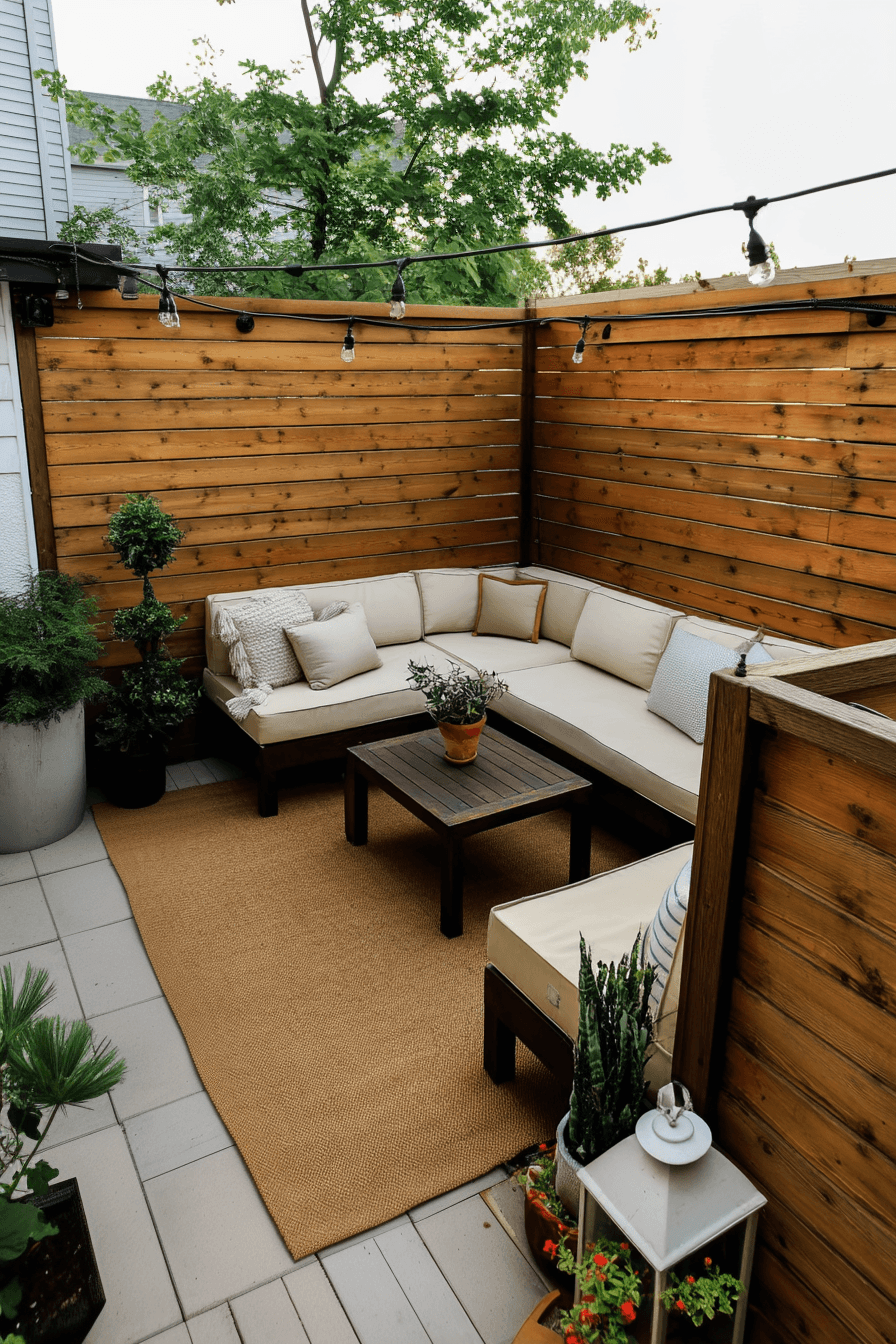
In 2026, the average cost to build a deck or patio in Canada typically ranges from $35 to $130 per square foot, installation included, with higher-end prices usually tied to premium materials such as high-end composite, aluminum, and glass railing systems. For a standard 12 x 12-foot deck (144 sq. ft.), homeowners can generally expect a budget starting at around $5,500 for pressure-treated wood and climbing to $18,000 or more for a premium composite build with glass railings and helical piles. Material choice and foundation type remain two of the biggest factors affecting your final quote.

Editorial Team
•31 Oct 2025
Digging out a basement is a complex building project that leaves no place for improvisation. The slightest error could cause the house to collapse. It is a delicate process, especially if the house contains walls that are shared with other buildings.