Solar Power Grants: Rebates, Incentives, and Grants in Canada
By Editorial Team
Updated on July 23, 2026
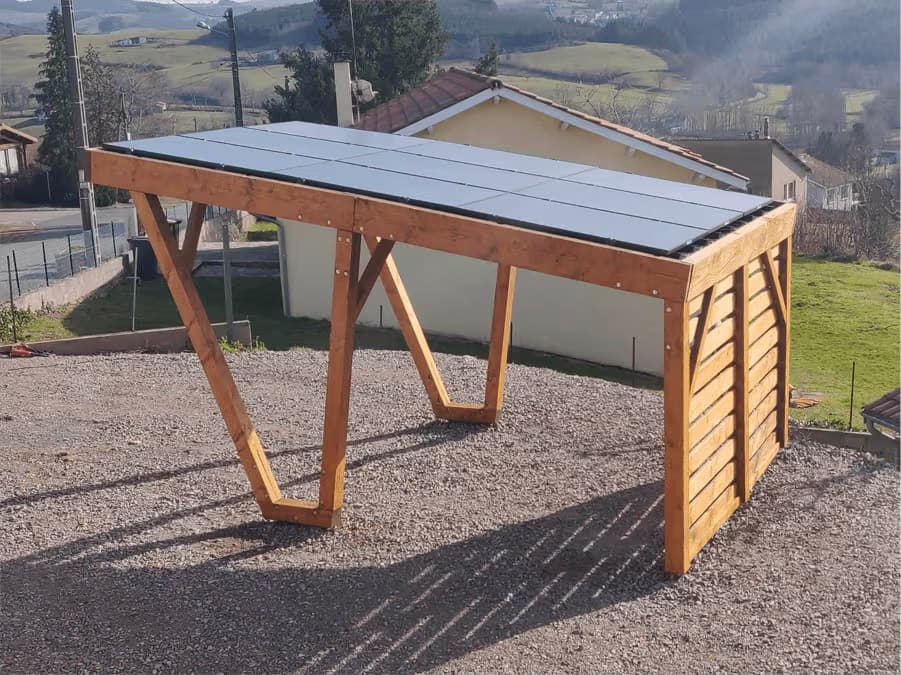
A solar power grant can help reduce the upfront cost of installing solar panels, but the programs available in Canada vary by province, municipality, property type, and applicant. Some programs are direct rebates, while others are loans, property tax financing, mortgage insurance refunds, or tax credits.
As of June 2026, the most important update for homeowners is that the former Canada Greener Homes Grant and Canada Greener Homes Loan are closed to new applicants. However, Canadians may still find support through municipal programs, clean energy financing, CMHC programs, business tax credits, farm programs, Indigenous and remote community funding, and local net-metering or micro-generation credits.
For Alberta homeowners, the strongest current opportunities are usually municipal rebates, CEIP financing, and solar micro-generation credits rather than a province-wide residential solar grant.
Quick Overview: Solar Incentives in Canada
Program | Type | Who It Helps | Amount |
Canada Greener Homes Grant | Federal grant | Existing approved applicants only | Previously $1,000/kW, up to $5,000 |
Canada Greener Homes Loan | Federal loan | Existing approved applicants only | Closed to new approvals |
CMHC Eco Improvement | Mortgage insurance refund | CMHC-insured buyers making energy upgrades | 25% partial premium refund |
Clean Technology ITC | Federal refundable tax credit | Eligible businesses | Up to 30% |
Canada Greener Affordable Housing | Federal financing program | Affordable housing providers | Portal currently closed |
CMHC MLI Select | Mortgage insurance incentive | Multi-unit residential projects | Incentives based on affordability, accessibility, and energy efficiency |
Green Municipal Fund | Grant and loan funding | Municipalities and eligible partners | Varies by stream |
CEIP | Municipal property tax financing | Homeowners in participating Alberta municipalities | Up to 100% project financing, limits vary |
Municipal solar rebates | Local rebates | Homeowners in select municipalities | Varies by city or town |
Net metering / micro-generation | Utility bill credits | Solar owners exporting excess power | Varies by province, utility, and retailer |
Is there still a federal solar power grant in Canada?
Source: Reno Quotes
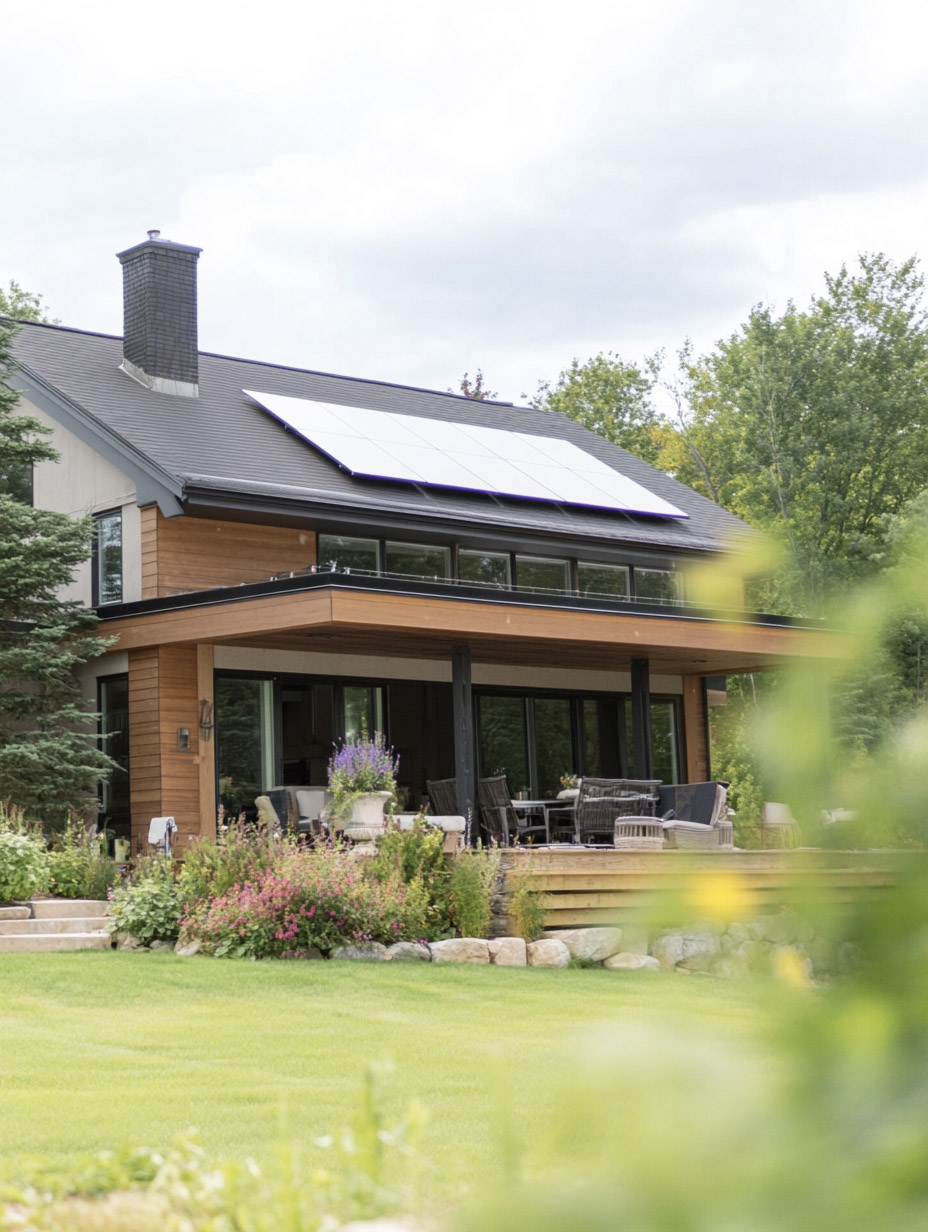
For most new residential applicants, there is currently no open federal solar power grant that works like the former Canada Greener Homes Grant.
The Canada Greener Homes Grant previously offered solar PV funding of $1,000 per kW installed, from $1,000 to $5,000, for eligible solar photovoltaic systems. Eligible systems had to meet technical requirements, such as being at least 1.0 kW DC, using approved equipment, being permanently mounted, and receiving interconnection approval where required.
However, the program is now closed. The federal Greener Homes page states that the grant is closed and that December 31, 2025 was the final date for existing applicants to submit documents. The Canada Greener Homes Loan is also closed to new applications and approvals.
What This Means for Homeowners
New homeowners planning solar panels should not budget around the former Greener Homes Grant unless they already had an approved application. Instead, they should look at:
municipal solar rebate programs
provincial or utility programs where available
net-metering or micro-generation credits
CMHC Eco Improvement if they have CMHC-insured financing
property tax financing in participating municipalities
solar programs for farms, businesses, non-profits, or Indigenous communities
Canada-Wide Solar Incentives and Financing Options
CMHC Eco Improvement
CMHC Eco Improvement may help buyers who recently purchased a home with CMHC-insured mortgage financing and plan to complete energy-efficient renovations. The program offers a 25% partial refund of the CMHC mortgage insurance premium for eligible borrowers who spend at least $20,000 on qualifying energy-efficiency improvements.
CMHC lists renewable energy systems, including solar, as one of the eligible improvement categories.
This is not a direct solar panel rebate. It only applies to eligible CMHC-insured borrowers and has documentation and timing requirements. Applications must be submitted within 24 months of the mortgage closing date.
Clean Technology Investment Tax Credit
The federal Clean Technology Investment Tax Credit is mainly relevant for businesses, not regular homeowner installations. It is a refundable tax credit for eligible capital invested in new clean technology property in Canada from March 28, 2023, to December 31, 2034.
For eligible businesses, the Clean Technology ITC can provide up to 30% for certain clean electricity generation systems, including solar energy systems.
Business owners, farms, corporations, and commercial property owners should confirm eligibility with a tax professional before making investment decisions.
Net Metering and Micro-Generation Credits
Across Canada, many provinces and utilities allow solar panel owners to receive credits for excess electricity sent back to the grid. The rules are different depending on the province, utility, and electricity retailer.
These programs are usually not grants. Instead, they improve the financial return of solar panels by reducing electricity costs or creating export credits.
Common variables include:
system size limits
electricity export credit rates
billing structure
interconnection requirements
utility approval timelines
whether credits expire or carry forward
Before installing solar panels, homeowners should confirm the local net-metering or micro-generation process and apply for approval before work begins.
Provincial and Municipal Solar Incentives in Canada
Source: LAUM Entrepreneur Electricien inc
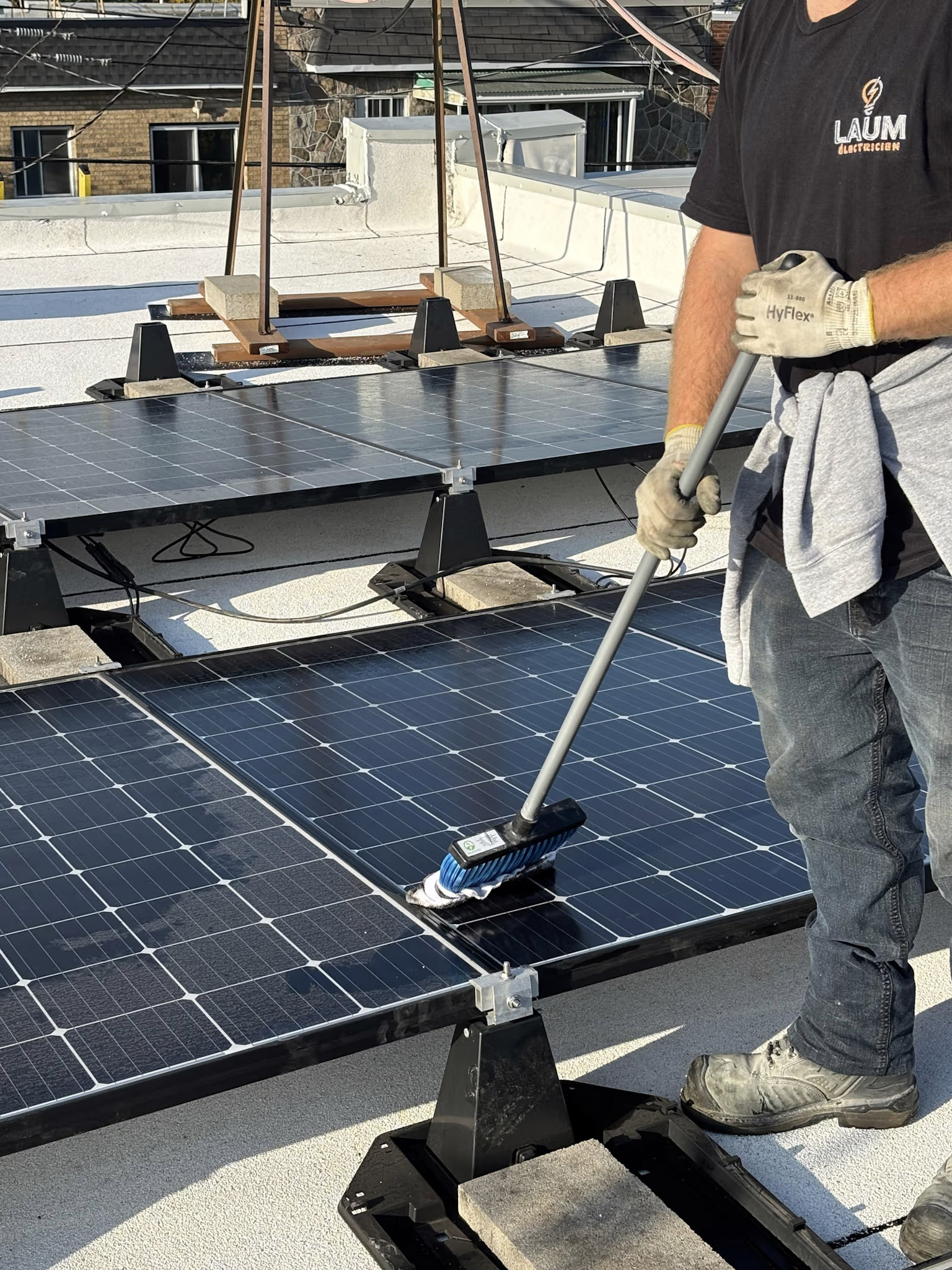
Solar rebates in Canada are often local rather than national. Some provinces have utility programs, while others rely more heavily on municipal rebates, financing tools, or tax-based incentives.
Because programs open, close, and run out of funding, homeowners should always check their local municipality, provincial energy agency, and utility provider before signing a solar contract.
Common types of local solar support include:
direct solar PV rebates
low-interest loans
property tax financing
utility bill credits
commercial clean energy incentives
farm energy-efficiency programs
rebates for battery energy storage systems
incentives for energy-efficient retrofits that can be combined with solar planning
How to Apply for Solar Rebates or Financing
The application process depends on the program, but most follow a similar path.
Confirm your province, municipality, and property type are eligible.
Review the program rules before signing a contract.
Check whether the program requires pre-approval.
Get quotes from qualified solar contractors.
Complete any EnerGuide evaluation if required.
Apply for net-metering, interconnection, or micro-generation approval.
Wait for approval before installation if required.
Install the system.
Complete electrical inspections and utility connection.
Submit invoices, proof of payment, equipment specs, photos, and approval letters.
Wait for the rebate, financing approval, refund, or utility bill credits.
Do not assume a rebate will apply retroactively. Many solar rebate programs require approval before installation starts.
Special Programs for Targeted Groups
Not every solar incentive is designed for a single-family homeowner. Some of the most useful solar-related programs in Canada are aimed at specific groups, such as businesses, farms, affordable housing providers, Indigenous communities, municipalities, and multi-unit residential buildings.
These programs often have more complex eligibility requirements than homeowner rebates. They may require energy modelling, business plans, engineering documentation, ownership verification, project budgets, emissions estimates, or proof that the project meets affordability or community benefit goals.
Homeowners With CMHC-Insured Mortgages
CMHC Eco Improvement can help homeowners who recently purchased a property with CMHC-insured financing and are completing energy-efficient upgrades.
Solar may be eligible as part of a broader energy improvement project, but the program is based on a partial mortgage insurance premium refund rather than a direct solar rebate.
This option is most relevant for buyers who:
recently closed on a CMHC-insured mortgage
plan to invest at least $20,000 in eligible improvements
can complete the required documentation within the program timeline
are combining solar with broader energy-efficiency upgrades
Low- and Median-Income Households
The Canada Greener Homes Affordability Program is intended to support low- to median-income homeowners and tenants with no-cost home retrofits, such as insulation and other energy-saving improvements.
This program is important for household energy affordability, but homeowners should not assume it will operate like the old Greener Homes Grant or that it will automatically fund solar panels. Its scope, delivery model, and eligibility should be checked directly through NRCan and participating delivery partners.
For many lower-income households, the practical first step may be improving insulation, air sealing, windows, heating equipment, or other energy-efficiency measures before considering rooftop solar.
Affordable Housing Providers
The Canada Greener Affordable Housing program was created to help affordable housing providers complete deep energy retrofits on existing multi-unit residential buildings.
The application portal is currently closed because the program has sufficient applications to fully commit its budget. However, it remains relevant for affordable housing operators to monitor because similar funding streams may reopen or be replaced in the future.
Solar PV may be considered as part of a larger retrofit strategy, especially when combined with measures that reduce building energy demand first.
Multi-Unit Residential Buildings
Solar incentives for condos, apartments, and multi-unit residential buildings are usually more complicated than single-family programs.
Eligibility may depend on:
building ownership structure
condo board approval
metering setup
roof access and structural capacity
electrical service capacity
whether solar serves common areas or individual units
whether the property is owner-occupied, rental, affordable housing, or commercial
CMHC MLI Select may be relevant for some multi-unit residential projects because it offers mortgage insurance incentives based on affordability, accessibility, and energy efficiency. It is not a simple solar rebate, but solar may help some projects meet energy performance goals when paired with other upgrades.
Businesses and Commercial Properties
Businesses may be able to access federal tax credits, depreciation benefits, municipal programs, or utility-related incentives for solar.
The most important federal program to review is the Clean Technology Investment Tax Credit, which can provide up to 30% for eligible clean technology investments, including some solar electricity systems.
Commercial property owners should confirm:
whether the solar system is eligible property
whether labour requirements affect the credit rate
how the system is owned and depreciated
whether provincial or municipal incentives can be stacked
how export credits or net metering apply to the business account
Farms and Agricultural Properties
Farm solar incentives vary by province and intake period. In Alberta, the Utilities Consumer Advocate lists an On-Farm Efficiency Program with support of up to $0.60 per watt, capped at 25% of project cost or $50,000, for eligible farms that meet program requirements.
Agricultural producers should verify current availability before budgeting because farm energy programs can open, close, pause, or run out of funding.
Farm solar projects may also involve different considerations than residential systems, including:
load profiles for barns, shops, irrigation, or cold storage
three-phase power availability
ground-mount versus roof-mount design
interconnection limits
tax treatment
commercial insurance
battery energy storage for resilience
Indigenous Communities
Indigenous communities may be eligible for clean energy funding, capacity-building support, and renewable energy project assistance through federal, provincial, utility, and non-profit programs.
The federal Clean Energy for Rural and Remote Communities program says its funding streams are fully committed and no longer accepting applications under any funding stream. However, NRCan continues to describe pathfinding support intended to improve access to clean energy funding and resources in Indigenous, rural, and remote communities.
For Indigenous solar projects, support may focus on:
community energy planning
diesel reduction
clean electricity generation
training and capacity building
ownership models
energy sovereignty
remote community resilience
grid modernization
project development support
Because funding is often project-specific, communities usually need to confirm current opportunities directly with federal departments, provincial agencies, Indigenous clean energy organizations, or regional delivery partners.
Northern, Rural, and Off-Grid Communities
Solar projects in northern, rural, and off-grid communities may have different goals than urban rooftop solar. The focus may be less on simple bill savings and more on resilience, diesel reduction, energy security, and long-term community planning.
These projects often require more technical planning because they may involve:
battery energy storage systems
diesel-solar hybrid systems
microgrids
seasonal production differences
remote logistics and maintenance
operator training
winter performance
community ownership
backup power planning
Although some federal rural and remote clean energy funding streams are currently fully committed, communities may still be able to access pathfinding support, provincial programs, utility partnerships, or future intakes.
Municipalities and Community Energy Projects
Municipalities may access clean energy support through the Green Municipal Fund, which offers funding for eligible community energy projects and municipal climate initiatives.
This type of funding is usually not for individual homeowners. It is more relevant to municipalities, municipal partners, non-profits, and community-scale energy projects.
Examples may include:
solar on municipal buildings
community energy systems
energy upgrades for public facilities
district energy planning
clean energy feasibility studies
energy projects connected to affordable housing or community infrastructure
Alberta Focus: Solar Grants, Rebates, and Incentives
Source: Reno Quotes
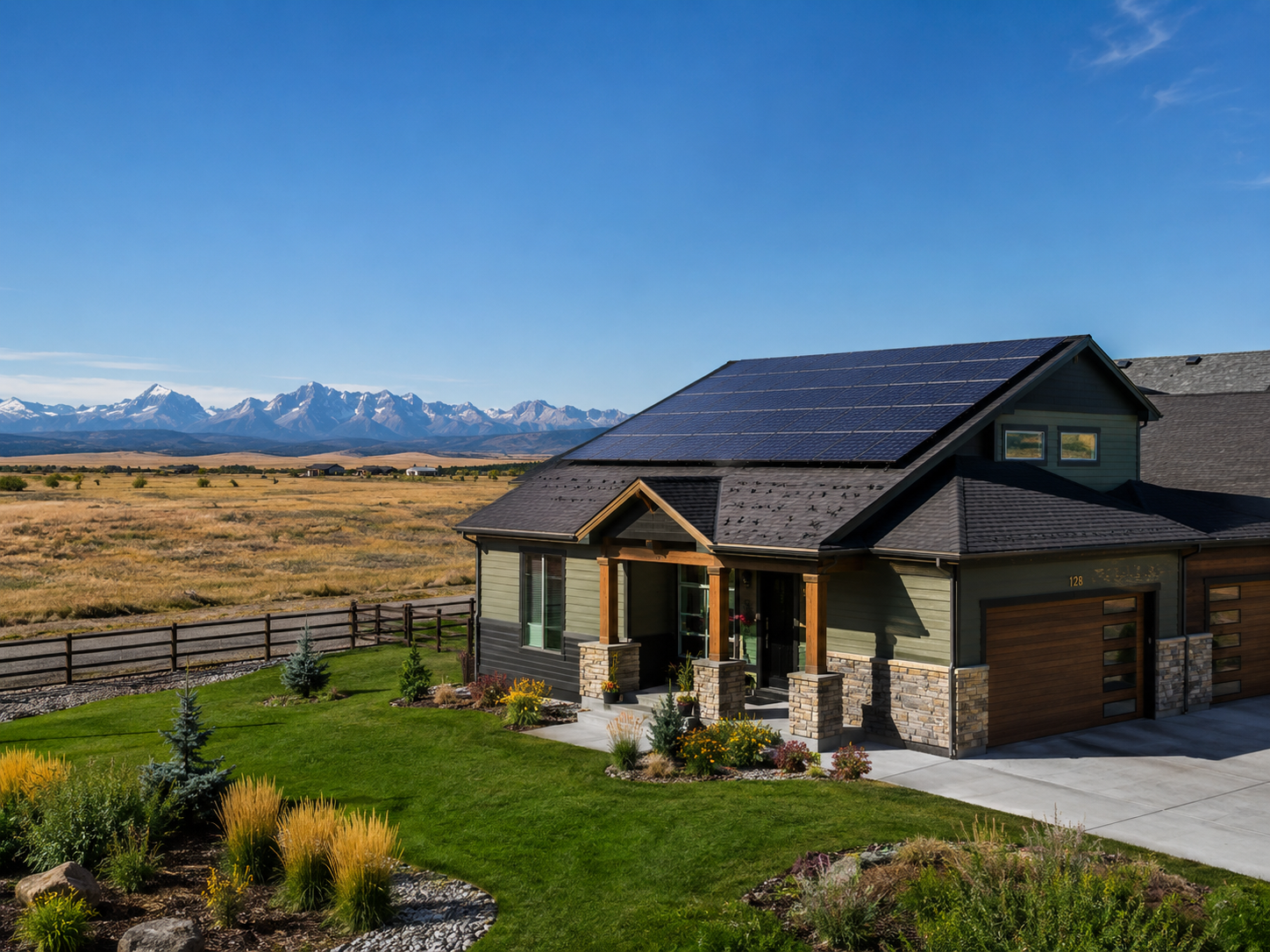
Alberta does not currently offer a broad province-wide residential solar rebate for homeowners. The Alberta Utilities Consumer Advocate says Alberta does not currently offer provincial programs for solar installations, although municipal and federal programs may apply.
That means Alberta homeowners usually need to look at municipal incentives, CEIP financing, solar micro-generation credits, or special programs for businesses, farms, and community projects.
Alberta Solar Incentive Overview
Alberta Program | Type | Who It Helps | Amount |
Banff Solar Incentive | Municipal rebate | Residential and commercial properties | $450/kW residential, up to $9,000 |
Canmore Solar Incentive | Municipal rebate | Canmore homeowners | 2026 intake closed; 20 rebates of $1,250 were offered |
Medicine Hat HAT Smart Solar Electric | Municipal rebate | Residential utility customers | $0.20/W DC, up to $1,000 |
Calgary CEIP | Municipal financing | Eligible low-rise residential property owners | Up to $50,000 |
Edmonton CEIP | Municipal financing | Residential, MURB, and commercial owners | $3,000 to $50,000 residential/MURB; up to $1M non-residential |
Alberta micro-generation credits | Utility bill credits | Solar owners exporting excess power | Varies by retailer and agreement |
On-Farm Efficiency Program | Farm incentive | Eligible agricultural producers | Up to $0.60/W, capped at 25% or $50,000, where available |
Banff Solar Incentive Program
Banff has one of Alberta’s stronger municipal solar rebates. The Town provides residential property owners with $450 per kW of installed solar capacity, up to 20 kW, for a maximum residential rebate of $9,000.
Commercial properties may receive $750 per kW, up to $15,000.
Projects must meet development, building, and electrical safety code requirements, and electrical systems must be CSA or ULC approved for installation in Canada.
Canmore Solar Incentive Program
Canmore’s 2026 solar incentive intake is already closed. For 2026, the Town offered 20 residential incentives of $1,250 for rooftop solar PV arrays.
Eligible systems required a minimum 3 kW array, and the incentive was not retroactive for existing systems.
This program may reopen in a future intake, so Canmore residents should check the Town’s page before starting a solar project.
Medicine Hat HAT Smart Solar Electric Incentive
Medicine Hat’s HAT Smart Solar Electric Incentive offers rebates to residential utility customers installing solar PV systems.
The 2026 rebate is $0.20 per nominal DC watt, or $200 per kW DC, with a maximum rebate of $1,000.
Systems must be designed and installed by a qualified installer, and components and modules must be CSA or ULC approved for use in Canada.
Edmonton Solar Rebate
Edmonton’s residential solar rebate is fully subscribed and no longer accepting applications. The City’s current solar page says the residential solar rebate for both single-family and multi-unit properties has been fully subscribed.
However, Edmonton property owners may still be able to use CEIP financing.
Alberta Focus: CEIP Solar Financing
The Clean Energy Improvement Program, or CEIP, is not a solar rebate. It is a financing tool offered through participating Alberta municipalities.
CEIP can help property owners finance eligible energy efficiency and renewable energy upgrades, including solar panels, and repay the cost through their property tax bill. In some cases, CEIP can cover up to 100% of eligible project costs, subject to municipal limits.
CEIP financing is tied to the property. If the property is sold, the remaining balance may be transferred to the new owner or paid off, depending on the sale conditions and program rules.
Calgary CEIP
Calgary’s residential CEIP allows eligible low-rise residential property owners to finance up to 100% of project costs, to a maximum of $50,000.
Calgary estimates the fixed interest rate at 5.66% to 5.75%, and repayment can run up to 20 years based on the lifespan of the upgrades. Calgary clearly notes that CEIP is not a rebate program and must be repaid.
Edmonton CEIP
Edmonton CEIP applications are open. Residential property owners and multi-unit residential building owners can finance $3,000 to $50,000 of retrofits, while non-residential properties can finance up to $1 million.
Edmonton lists a current tranche interest rate of 6.00%, with repayment through the property tax bill.
Solar PV Eligibility and Technical Requirements
Source: Reno Quotes
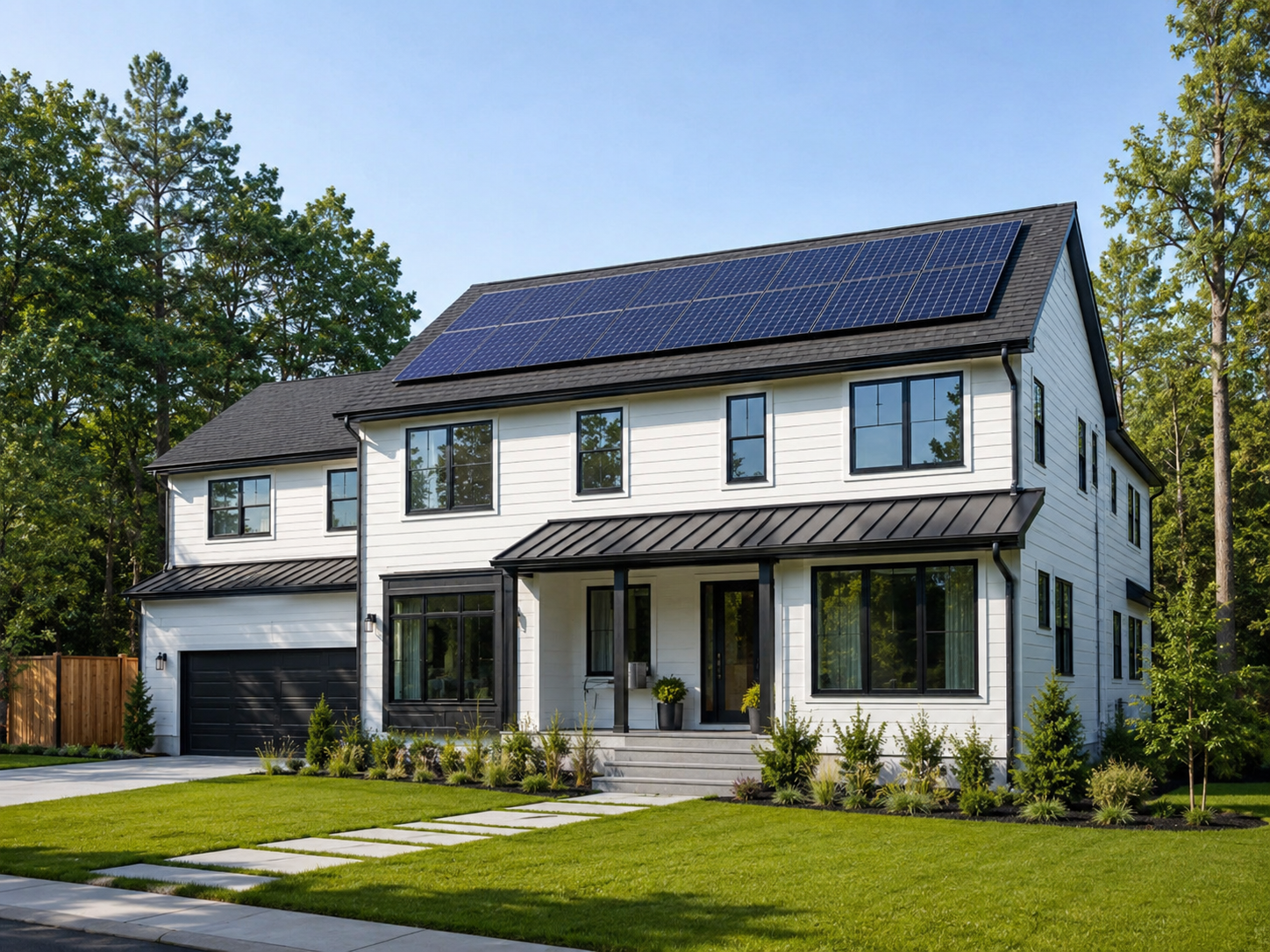
Solar incentive programs usually have technical rules. These requirements protect the homeowner, the utility grid, and the program administrator.
Common requirements include:
solar PV panels and inverters approved for use in Canada
CSA or ULC approved components
a minimum system size
electrical permits and inspections
a grid interconnection or micro-generation approval
installation by a qualified contractor where required
documentation such as quotes, invoices, spec sheets, photos, and proof of payment
Under the former Greener Homes solar rules, systems had to be permanently mounted, at least 1.0 kW DC, and designed and installed according to local building and electrical requirements.
NRCan also recommended using qualified solar PV professionals and referenced CSA’s SPE-900-13 rooftop solar installation best practices guideline.
The Benefits of Solar Panels
Financial Benefits of Solar Panels
Solar panels can reduce electricity bills by offsetting power that would otherwise be purchased from the grid. They may also create export credits when the system produces more electricity than the property uses.
However, savings depend on several factors, including:
system size
roof direction and shading
local electricity rates
export credit rates
financing cost
installation cost
available rebates
household electricity use
future rate changes
panel degradation
roof condition and replacement timing
Solar can offer a stronger return when a homeowner uses available incentives, has a suitable roof, consumes a meaningful amount of electricity during solar production hours, and receives fair export credits.
In Alberta, homeowners should remember that solar may reduce energy charges, but fixed charges such as distribution and transmission may still apply.
Environmental Benefits of Solar Energy
Solar PV systems generate electricity without burning fuel at the point of generation. For homeowners, this can reduce the carbon footprint of household electricity use, especially when paired with other energy efficiency upgrades.
Solar may work especially well as part of a larger home energy strategy that includes:
insulation
air sealing
energy-efficient windows
heat pumps
efficient water heating
smart thermostats
battery energy storage
electric vehicle charging
energy-efficient appliances
Reducing energy demand first can sometimes make the solar system smaller, more efficient, and more cost-effective.
In Conclusion
The main federal solar power grant that many Canadians knew, the Canada Greener Homes Grant, is now closed to new applicants. However, solar incentives still exist in Canada through municipal rebates, financing programs, tax credits, mortgage insurance refunds, farm programs, business incentives, and targeted support for affordable housing, Indigenous communities, and remote regions.
For Alberta homeowners, the best current opportunities are usually local. Banff, Medicine Hat, Calgary, Edmonton, and other participating municipalities may offer rebates or CEIP financing, while solar micro-generation credits can help improve long-term savings.
Before starting a solar project, confirm program availability, apply for any required pre-approval, and make sure your installer understands local electrical permits, interconnection rules, and solar PV eligibility requirements.
FAQs
Is the Canada Greener Homes Grant still available for solar panels?
No, not for new applicants. The Canada Greener Homes Grant is closed. Existing requests submitted by the deadline continue to be processed, but new applicants cannot start a Greener Homes Grant application.
Is the Canada Greener Homes Loan still available?
No. The Canada Greener Homes Loan is closed to new applications and approvals. Applications that were already approved are not affected.
Are there still solar grants in Canada?
Yes, but availability depends on location and applicant type. Some municipalities still offer solar rebates, businesses may qualify for tax credits, and certain communities or property types may have access to targeted clean energy programs.
Does Alberta have a provincial solar rebate?
No broad province-wide residential solar rebate is currently available in Alberta. Alberta homeowners should check municipal rebates, CEIP financing, and micro-generation credits.
What is the best solar power grant in Alberta?
It depends on where the property is located. Banff currently offers a strong municipal rebate, Medicine Hat offers a smaller HAT Smart rebate, Canmore’s 2026 intake is closed, and Calgary and Edmonton residents may be able to use CEIP financing.
Can I combine solar incentives?
Sometimes. This is called stacking incentives. Homeowners should check each program’s rules because some rebates may reduce eligible costs for financing, while others may not be combined.
Do I need an EnerGuide evaluation for solar rebates?
Some programs require one, while others do not. Requirements vary by program, municipality, and property type. Always check before installation.
Can landlords apply for solar rebates?
It depends on the program. Some homeowner programs are limited to owner-occupied homes, while others may allow rental properties, commercial buildings, or multi-unit residential buildings.
Can condos or apartments get solar incentives?
Sometimes. Multi-unit residential buildings may qualify for certain financing, municipal, CMHC, or affordable housing programs, but the approval process is usually more complex than for single-family homes.
Do solar panels have to be installed by a professional?
For most rebate and financing programs, using a qualified professional is strongly recommended and sometimes required. Solar installations also require electrical permits, inspections, and utility approval.
Where can I find official support or help with solar panel grants?
For the most accurate and up-to-date information, consult official program websites:
Alberta Utilities Consumer Advocate: Renewable Energy Programs
Your local municipality’s website for community-specific incentives and programs
Who can I contact if I have questions about eligibility or the application process?
Most programs provide a contact email or phone number for support. For federal programs, use the contact details on the Natural Resources Canada website. For municipal or utility programs, refer to the contact information provided on your city or utility’s official page.
Are there resources to help me choose a qualified solar installer?
Yes. Organizations like Solar Alberta maintain directories of solar providers and offer tips on selecting a reputable installer.
Can I get support if I encounter problems during my application or installation?
If you experience issues, reach out directly to the program administrator (federal, municipal, or utility) for guidance. Many programs also have FAQ sections and downloadable checklists to help troubleshoot common problems.
Where can I learn more about combining (stacking) multiple incentives?
Check each program’s official documentation or FAQ for their rules on stacking incentives. If unclear, contact the program administrator for clarification before proceeding.
Are there online communities or forums for peer support?
Organizations such as Solar Alberta and local environmental groups often host webinars, discussion forums, or community events where you can ask questions and share experiences with other solar adopters.
Looking for something else?
Related articles
The latest industry news, interviews, technologies, and resources.

Editorial Team
•08 Nov 2023
As August comes to an end, it’s time for us once again to get busy and dig through the internet in search of the best articles on interior design, decor and renovation written this past month!

Editorial Team
•08 Nov 2023
Who wouldn't like to add a hint of wood to their decor or integrate it as part of a construction project? Wood suits almost every aesthetic, it's available in countless different finishes, can be used for just about anything, is derived from a renewable source, and is perfect to scaffold zero-carbon buildings.
Editorial Team
•08 Nov 2023
Proper airflow in the home is of the utmost importance, as it has a direct influence on both heat and moisture flow. Airflow is responsible for carrying moisture through the materials, walls, ceilings and floors of your home, and this impacts the longevity and performance of these surfaces.
Editorial Team
•28 Nov 2024
A product of post-war and industrial-inspired aesthetics, modern home decor bridges the gap between time-honoured and cutting-edge looks, featuring functional yet decorative features. This interior decoration style blends minimal aesthetic choices, in terms of colour schemes, patterns, architecture, and furnishings, highlighting pops of colour, within an otherwise sleek, elegant decor.

Editorial Team
•13 May 2026
A staircase renovation project is essential to transforming not only the look of your foyer and interior but also its functionality and safety. A well-designed and renovated staircase is crucial to your home’s aesthetic appeal while adhering to mandatory safety standards.