Top 5 Ways to Transform a Renovated Room With Canvas Wall Art
By Sponsored Contributor
Updated on November 11, 2026
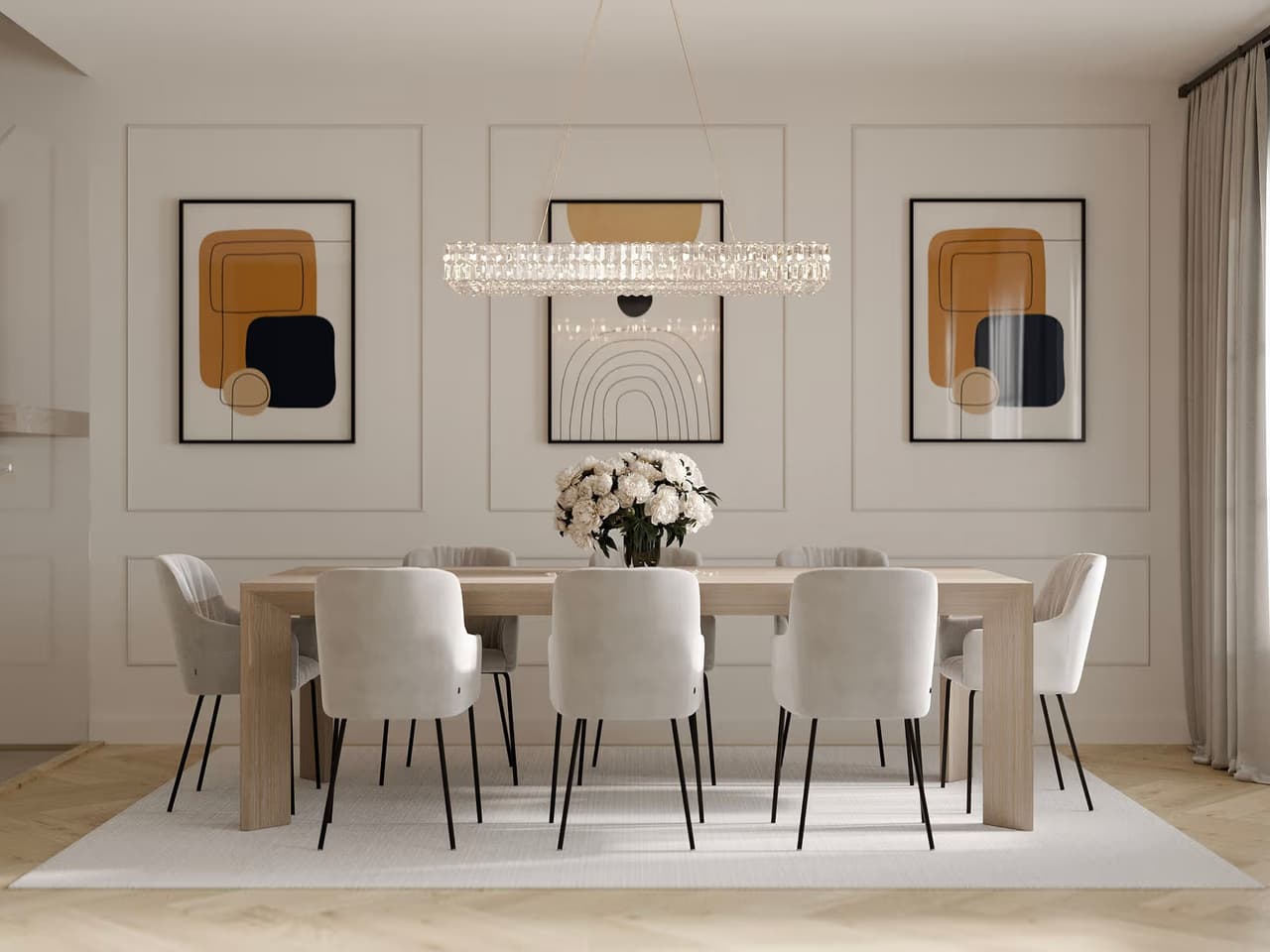
You finish the renovation, and the room is clean. New paint, new floors, new lights. But the walls are bare, and the space feels unfinished. A lot of people live like this for months. They aren’t sure what to hang, so they hang nothing.
It’s a common situation. A Houzz Canada survey found that 56 percent of Canadian homeowners on the platform renovated in 2017, and the median spend was $16,000. Most of that money goes to construction, finishes, and fixtures. Wall decor usually gets what’s left, if anything.
Art is the last step in a renovation, and it makes the room feel complete. Below are five ways to use canvas wall art in a renovated room. The article also covers sizing, hanging, and a few mistakes people make.
Why Canvas Works Well in a Newly Renovated Room
Source: Pexels
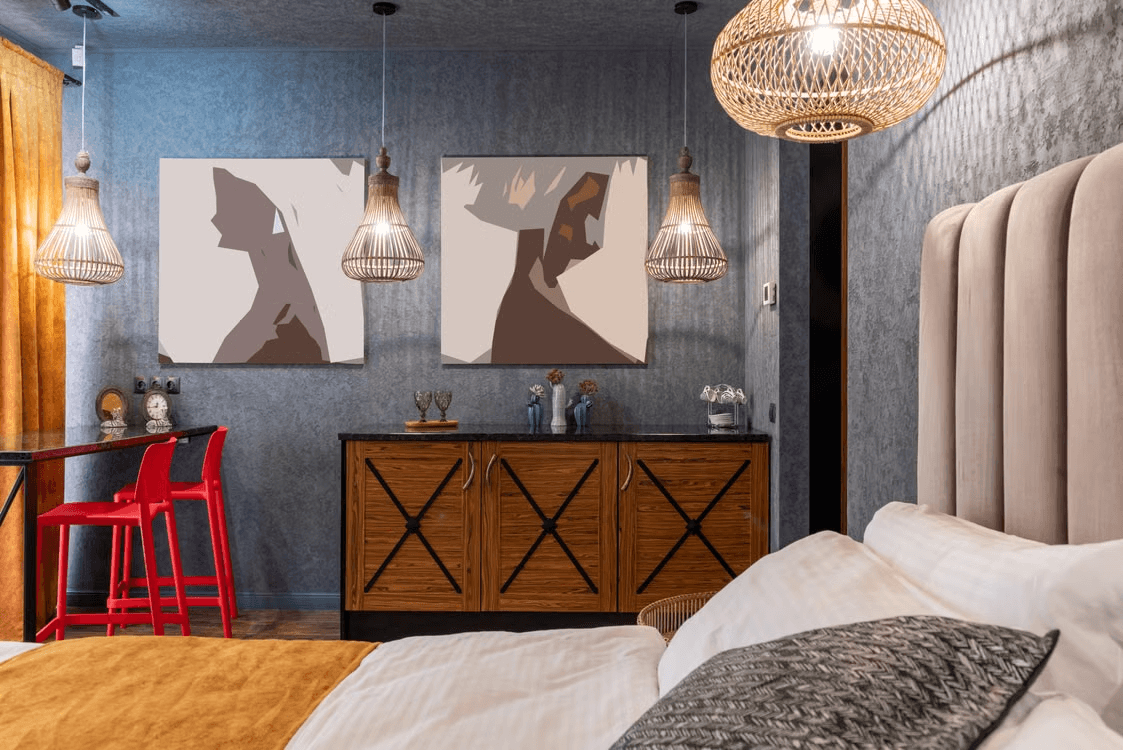
Canvas is light, so most pieces don’t need heavy hardware. It has no glass, so you don’t get glare from new windows or recessed lights. The matte surface also looks fine next to fresh paint.
Custom sizing is another reason people pick it. If you search for canvas prints Canada, you’ll find that many shops let you choose the exact size. That helps after a renovation, because a new wall layout often doesn’t fit standard frames.
Before you buy anything, do these things:
Measure the open wall space in inches. Don’t rely on the width of the furniture alone.
Check where the light comes from in the morning, afternoon, and evening.
List the main paint colours, plus the colour of the sofa, bed, or rug.
Decide if you want one large piece or a group.
1. Build a Focal Wall
A focal wall gives people one place to look. In a renovated room, it’s usually the wall you put the most work into. That might be a feature wall, panelling, or a built-in shelf unit.
One large canvas is the easiest option. Hang it behind the sofa, the bed, or the dining table. The piece should be about two-thirds as wide as the furniture under it. If it’s smaller, it looks lost. If it’s much larger, the wall feels crowded.
What to Put on It
Abstract art and wide landscapes work well here because they don’t compete with the rest of the room. A personal photo works too, as long as the colours fit. If the room is grey and white, pick an image with one or two warm tones. It will stand out without clashing.
Where to Hang It
Put the centre of the canvas about 57 inches (145 cm) from the floor. Galleries and museums use this height as a standard. If the canvas goes over furniture, leave 6 to 10 inches between the furniture and the bottom edge. That keeps the two items looking like one group.
2. Use a Gallery Layout or a Multi-Panel Set
A single canvas may not fill a long wall. In that case, group several pieces together.
You have two main choices. A multi-panel set splits one image across two, three, or five canvases. A gallery wall mixes different images in different sizes. The set is easier to plan. The gallery wall takes more work, but it feels more personal.
If you go with a gallery wall, use this process:
Cut paper templates in the size of each canvas and tape them to the wall.
Keep the gaps even, usually 2 to 3 inches.
Place the biggest piece first and build around it.
Use one shared element, like a colour or a border style, so the group looks planned.
The paper templates are worth the effort. They let you test the layout without making extra nail holes. In a freshly painted room, every hole means patching and repainting later.
Hallways and Stairs
Hallways and stair walls often stay empty after a renovation. A row of canvases that are the same size and hang at the same height works well here. Pick narrow pieces so people walking past don’t hit them.
3. Match the Art to Your Colour and Lighting
Source: Pexels
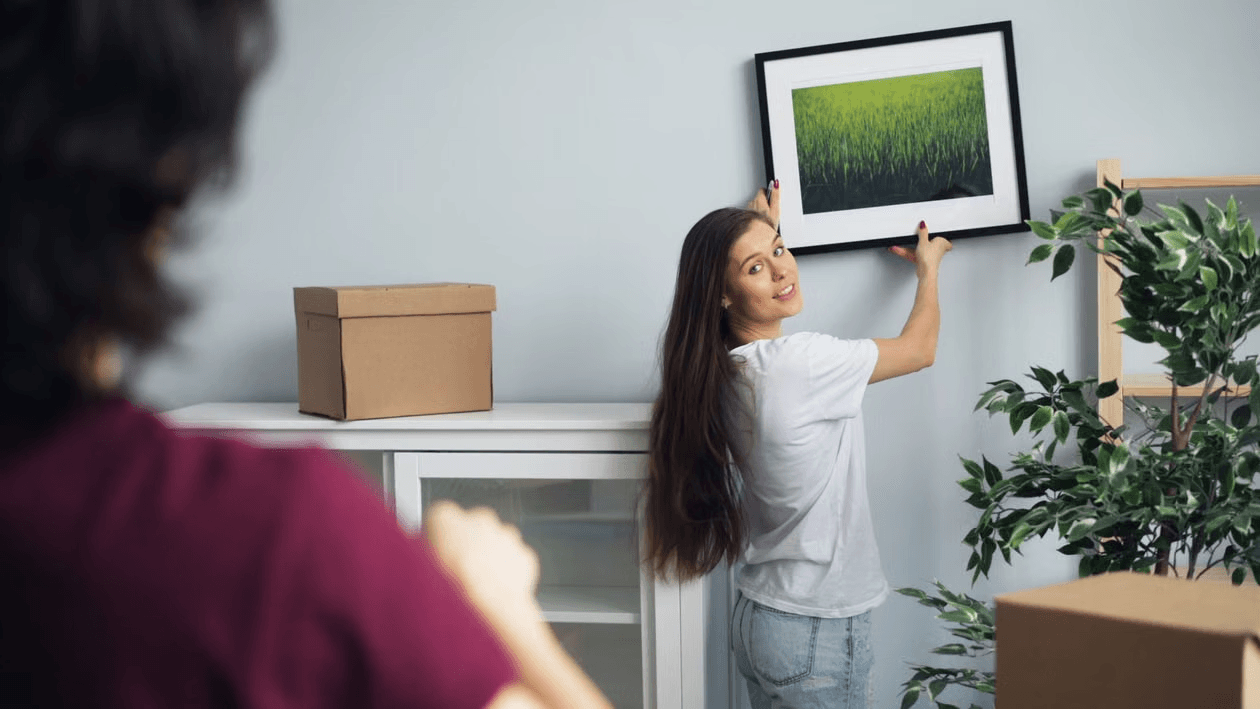
New paint looks different depending on the art near it. Colour and light decide whether a canvas looks right in the room.
Colour
You don’t need to match every colour. A simple method is to pick one accent from a pillow, curtain, or rug, then choose art that includes it. The rest of the image can be neutral or contrast with the wall.
If the renovation used a lot of white or light grey, bold art adds contrast. If the walls are dark or rich in colour, softer and lighter images keep the wall from feeling heavy.
Light
Look at how light hits the wall at different times of day. Canvas doesn’t reflect light like glass does, so you can see it from more angles. But strong sun over many years can fade the colours. Don’t hang canvas where direct sun lands on it for hours every day. If that’s the only wall you have, window film or sheer curtains can help.
Check your new light fixtures too. Recessed lights can leave bright spots on a wall. Hang the canvas where the light spreads across it, not where it hits one corner.
4. Set the Mood for How the Room Is Used
Each room has a job, and the art should fit it. You’ve just renovated, so you already know how each space will work.
Room | Suggested Art Style | Typical Canvas Size | Placement Tip |
Living room | Large abstract, landscape, or city view | 36 x 48 in or larger | Above the sofa, centred |
Bedroom | Soft colours, nature, simple shapes | 24 x 36 in to 30 x 40 in | Above the headboard |
Kitchen | Food, botanical or graphic prints | 16 x 20 in to 24 x 36 in | On a free wall away from the stove |
Home office | Calm landscapes or minimal designs | 20 x 30 in to 30 x 40 in | In view of the desk, not behind the screen |
Hallway | Series of small matching pieces | 12 x 16 in each | At eye level, evenly spaced |
Many people choose calm images for bedrooms and offices. A 2016 Drexel University study of 39 adults found that cortisol levels dropped in about 75 percent of participants after 45 minutes of making art. That study looked at making art, not at looking at it. The group was also small. So it doesn’t prove that wall art lowers stress. It does show that visual art can affect how the body responds. Choosing quiet images for a room where you rest is still a reasonable choice.
Watch the Moisture
Don’t hang canvas in a bathroom with poor ventilation. Also avoid rooms that are still damp from renovation work. New plaster, paint, and flooring can release moisture for weeks. High humidity can warp a canvas. Wait until the room has dried out before you hang anything valuable.
5. Get the Size and Hanging Right
Size is the most common mistake. A good image can look wrong if the canvas doesn’t fit the wall.
Multiply the width of the wall space by 0.5 to 0.6. The result is a rough width for one piece or a group. The table below gives some starting points.
Wall Space Width | Suggested Art Width (Single or Group) | Example |
40 in | 20 to 24 in | One 20 x 30 in canvas |
60 in | 30 to 36 in | One 30 x 40 in canvas |
80 in | 40 to 48 in | One 40 x 60 in canvas or a three-panel set |
100 in | 50 to 60 in | A five-panel set or a gallery group |
120 in | 60 to 72 in | A large single piece or a wide gallery group |
Hanging Tips
Most canvases are light, but large ones still need good hardware. If you can’t hit a stud, use a wall anchor. For wide pieces, use two hooks so the canvas stays level. A small level is cheap and saves time.
Also, don’t rush to hang on fresh paint. Paint can feel dry after a few hours, but it may need two to four weeks to cure. A canvas pressed against paint that hasn’t cured can stick and peel it. Adhesive strips cause the same problem.
Common Mistakes to Avoid
These mistakes come up often:
Hanging too high. Art near the ceiling feels cut off from the room. Keep it close to eye level.
Choosing a piece that’s too small. A small canvas on a big wall looks like a mistake. When unsure, go larger.
Ignoring the room’s colours. The art doesn’t have to match, but it shouldn’t fight the palette.
Buying before measuring. Measure first, then tape up paper templates to check the size.
Spacing pieces too far apart. Big gaps make a group look random.
A Simple Budget Guide

Source: Pexels
Cost depends on size, material, and whether you use a custom image. Instead of looking for a fixed number, split your spending by priority. Spend more on the one or two pieces in the rooms people see most, like the living room and main bedroom. Spend less on hallways, offices, and guest rooms.
You can also buy over time. Hang one piece, live with it for a few weeks, and then decide what the next wall needs. This spreads out the cost and helps you avoid buying things you don’t need.
Conclusion
Wall art is the last step in a renovation, and it changes how the finished room looks. Canvas works well because it’s light, has no glare, and can be sized for new walls.
Here are the five ideas again. Build a focal wall with one large piece. Use a gallery layout or a multi-panel set on long walls. Match the art to the room’s colours and light. Choose images that fit what each room is used for. Take the time to get the size and height right. Measure first, test with paper templates, and wait for the paint to cure before you hang anything.
You don’t have to fill every wall at once. Start with the room you use most and get that one right. Add more pieces later. A few well-chosen canvases will do more for the room than a dozen bought in a hurry.
Looking for something else?
Related articles
The latest industry news, interviews, technologies, and resources.
Editorial Team
•08 Nov 2023
It’s sweater weather, the temperature has taken a turn for the crisp, and the leaves are changing. That's right, it’s about time to start thinking about your Halloween decorations.
Editorial Team
•20 May 2026
Unless it’s in terrible condition, the interior staircase is rarely a top priority in home renovations. After all, its main function is to simply lead us from point A to point B. But what if your staircase could do more than just serve as a passageway? Can it be both functional and a beautiful design element? If you're thinking about renovating your staircase, you might wonder: Where do you begin? Do you need to replace the entire structure, or can a few targeted improvements transform the space? In this article, we’ll explore several renovation projects—both small and large—that will help you restore, remodel, or enhance your interior staircase.
Cynthia Pigeon
•09 Jun 2026
In Quebec, maintaining a single-family home, semi-detached house, or condo requires special attention to the building envelope. Given the harshness of our climate, marked by particularly cold winters, humid summers, and constant freeze-thaw cycles, exterior sealing is your first line of defence against the elements. With economic changes and the rising cost of materials observed in 2026, planning renovation work requires clear and transparent pricing data.
Editorial Team
•08 Nov 2023
Moving into the first month of the year, we’re looking at our interiors with a new and critical eye. As a result of the pandemic, many have had to restructure their lives to comply with restrictions, and are thus spending a significant amount of time in their interior spaces.
Christine Simard
•03 Feb 2025
Whoever takes an interest in interior decorating will have noticed just how prevalent the use of wallpaper has been over the last few years. What was once regarded as retro, rather garish or tacky, now has a versatile appeal that's making a comeback. The colours and patterns available are now tailored to suit all tastes and aesthetics, offering something for everyone within an almost limitless variety of styles.