Wired Security Camera Installation: A Complete Guide
By Cynthia Pigeon
Updated on August 4, 2026
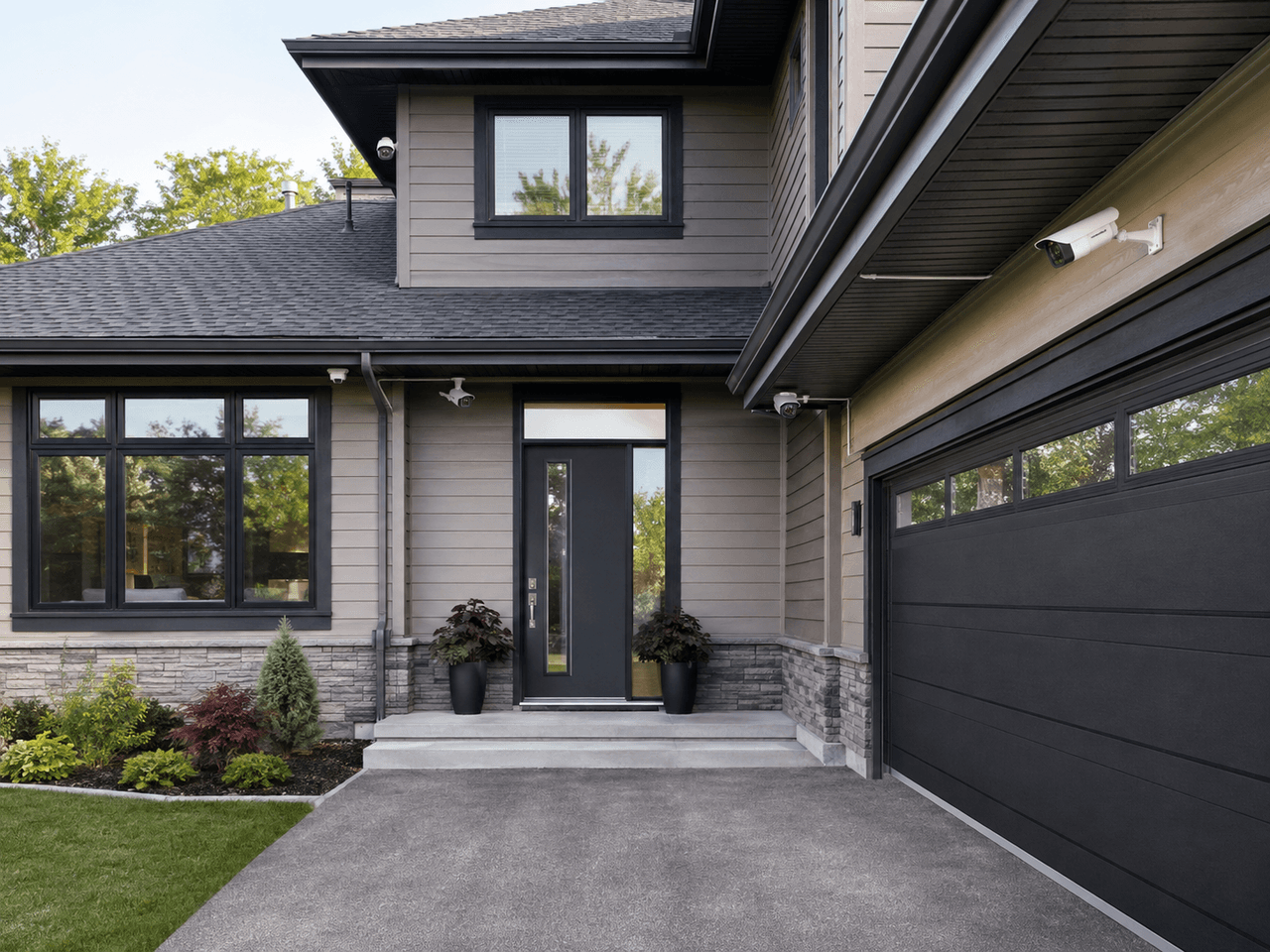
When shopping for a video surveillance system to protect your home, battery-powered wireless cameras can be tempting. However, many Canadian homeowners quickly encounter problems during periods of extreme cold or recurring Wi-Fi disruptions. For a secure and reliable smart home, wired technology—particularly Power over Ethernet (PoE)—is one of the most robust options available.
Connecting your equipment with physical cables generally provides a more stable connection, high image quality with little delay, and the option to avoid the monthly fees associated with certain cloud services.
This technical and practical guide explains what you need to know about installing wired security cameras in Canada, from selecting the right cables to understanding privacy rules and provincial licensing requirements.
Why Choose Wired PoE Cameras for Your Smart Home?
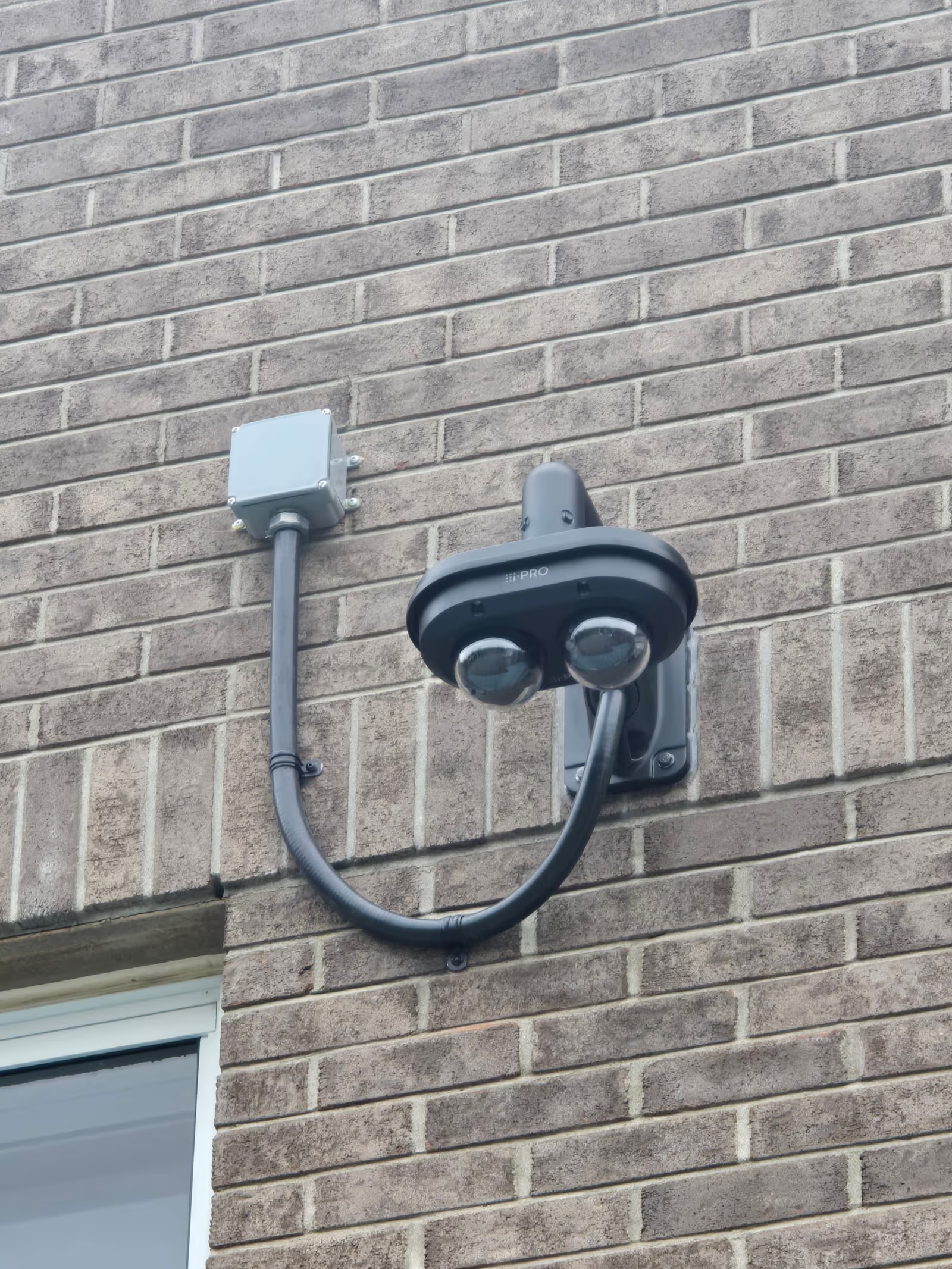
Source: Protekmax Solutions de Securite Inc.
In residential security, the term “wired” has evolved significantly. Modern systems no longer have to rely on complex analogue setups with coaxial cables. Many IP video surveillance systems now use a single Cat5e or Cat6 Ethernet cable to carry both video data and electrical power through PoE technology, including the IEEE 802.3af and 802.3at standards.
Signal Stability and Performance in the Canadian Climate
Canada’s climate creates demanding conditions for electronic equipment installed outdoors. During periods when temperatures fall below −20°C or even −30°C, the performance of lithium-ion batteries used in wireless cameras can decline. Battery life may decrease considerably in very cold weather, and some models cannot be recharged when the battery is exposed to temperatures below 0°C.
Certain building materials, including foil-faced vapour barriers, masonry and thick wall assemblies, can also weaken Wi-Fi signals and reduce their range. A properly installed Cat6 Ethernet connection can support speeds of 1 Gbps over distances that comply with applicable standards. However, actual speed and stability also depend on cable length and quality, connectors and network equipment.
Data Security and Protection Against Hacking
Wireless cameras transmit video through the air using the 2.4 GHz or 5 GHz frequency bands. Malicious individuals may attempt to disrupt certain Wi-Fi cameras through deauthentication attacks or radio-frequency jamming equipment.
A wired system connected to a Network Video Recorder (NVR) is generally unaffected by Wi-Fi interference between the cameras and recorder. However, it can still be vulnerable to power outages, physical damage, network failures and cyberattacks if the equipment is not properly secured.
Independent local storage: Your video footage can be recorded continuously on surveillance-grade hard drives, such as WD Purple or Seagate SkyHawk drives, installed directly in your home.
No mandatory subscription: With a system configured for local storage, you can keep recordings at home without subscribing to a monthly cloud service.
Local storage and transmission: Depending on the configuration, video can remain entirely on your local network. However, communication encryption must be verified and configured separately using secure protocols such as HTTPS or TLS when supported.
When planning computer networking and video surveillance as part of a renovation, consider requesting quotes for electrical and network work so conduits and cables can be installed before the walls and ceilings are closed.
How Can Wired Cameras Be Integrated into a Smart Home System?
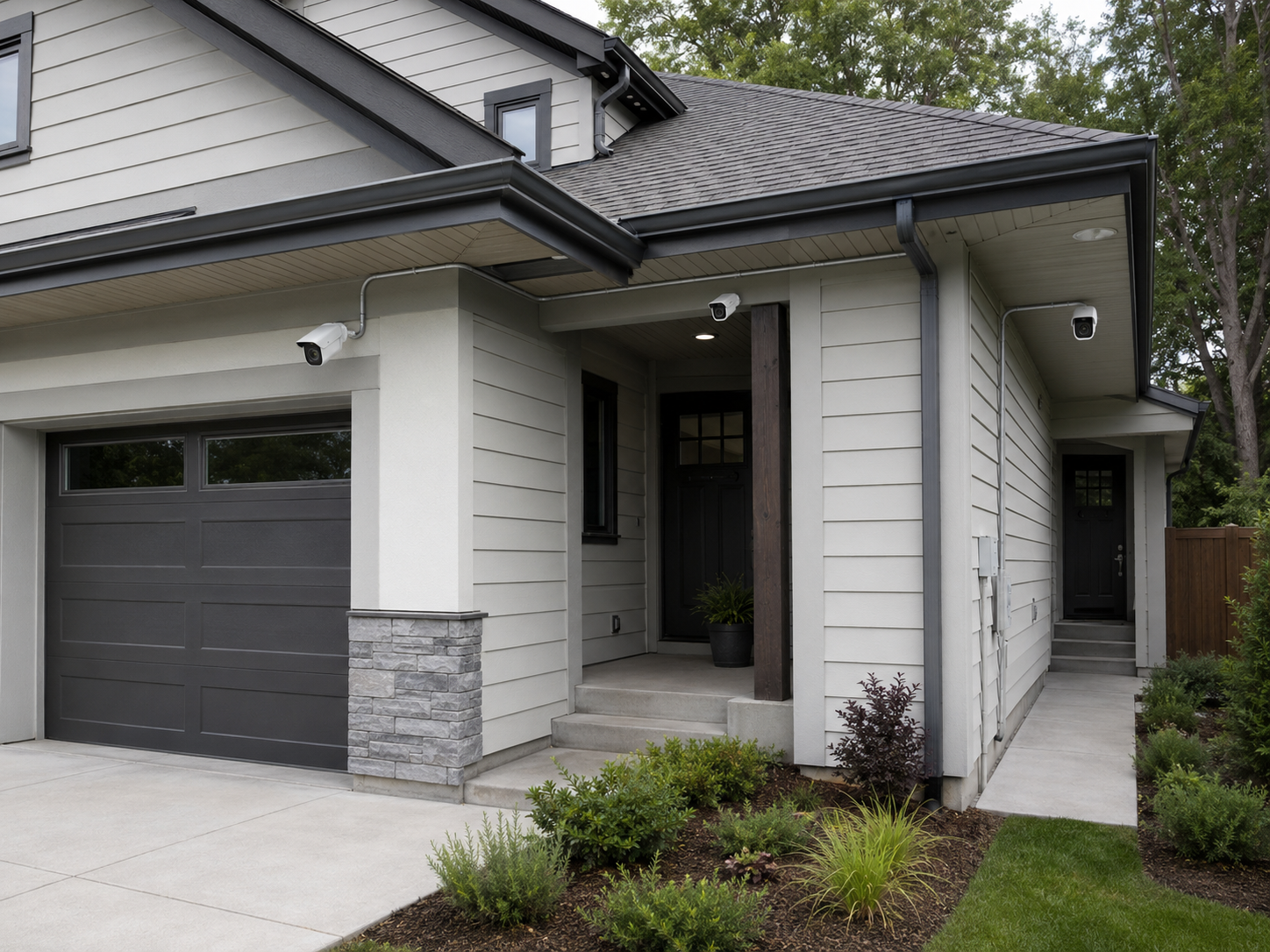
Source: RenoQuotes
Some wired security cameras can be integrated with platforms such as Home Assistant, Apple HomeKit through third-party solutions like Scrypted, Google Home or Alexa, depending on the camera’s compatibility and configuration.
Built-in analytics, including person, vehicle and animal detection, can also allow an outdoor camera to trigger certain smart-home automations.
Automation example: When a wired camera detects a person in the driveway after 11 p.m., it can send a signal to the smart-home system to turn on an exterior LED floodlight and display the live feed on the living-room television.
Compatible Video Protocols: ONVIF and RTSP
To avoid becoming locked into a closed proprietary ecosystem, confirm that the selected wired cameras support open industry standards.
ONVIF profiles S, G and T: ONVIF enables communication between compatible IP surveillance devices. A camera and NVR that support compatible ONVIF profiles can generally communicate for the functions covered by those profiles. However, complete interoperability should be verified for each combination of equipment and software.
Real-Time Streaming Protocol: RTSP allows compatible software or devices to access the video feed from an IP camera. Latency depends on the camera, codec, network, playback software and system configuration.
Installation Steps: From Cat6 Cabling to Connection
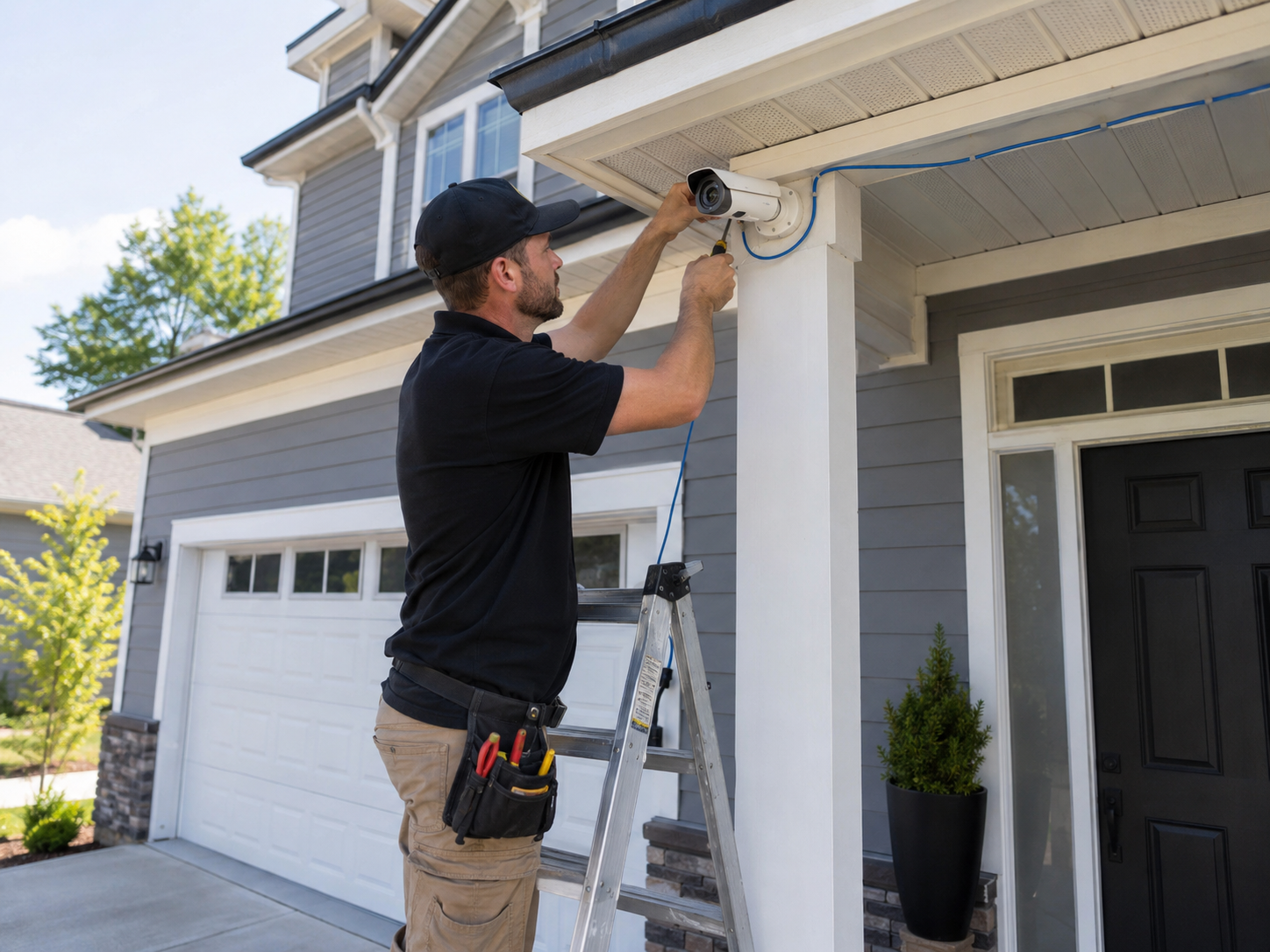
Source: RenoQuotes
Installing a wired camera network requires careful planning. The following are the main steps for a detached house, townhouse, or condominium.
Step 1: Map the Viewing Angles and Mounting Height
Position cameras at strategic locations, including the front entrance, garage door, backyard access points and ground-floor windows that are not visible from the street.
Commonly recommended height: Installing cameras approximately 2.5 to 3 metres, or 8 to 10 feet, above the ground can provide a balance between facial visibility and protection against vandalism. The ideal height depends on the viewing angle and location.
Step 2: Run the Cat6 Cable
During a residential renovation, the most efficient cable route may be through the attic or an unfinished basement.
Use solid, 100% copper Cat6 cable. Avoid lower-cost copper-clad aluminum cable, commonly identified as CCA, as it is less durable when bent and may perform poorly when transmitting PoE power.
When the building configuration permits, route the cable through a soffit or another suitable exit point while avoiding electrical wiring, structural components and ventilation openings.
Sealing requirement: Seal penetrations with a product compatible with the building-envelope materials and designed to provide air or water tightness for the specific location. Indoors, properly repair the air barrier or vapour barrier if it has been penetrated.
Step 3: Connect the PoE Switch and NVR
All Cat6 cables should converge at the network distribution panel, which is often located in the basement, utility room or mechanical room.
Connect the cables to a PoE switch or directly to the back of an NVR equipped with integrated PoE ports.
Cameras can receive power via Ethernet cables from a PoE switch or NVR. However, the NVR, switch, router, monitor and other equipment may require separate electrical connections.
For a larger smart-home renovation, consider installing a dedicated conduit for security wiring to simplify future additions.
Security Camera Regulations and Privacy in Canada
Source: RenoQuotes
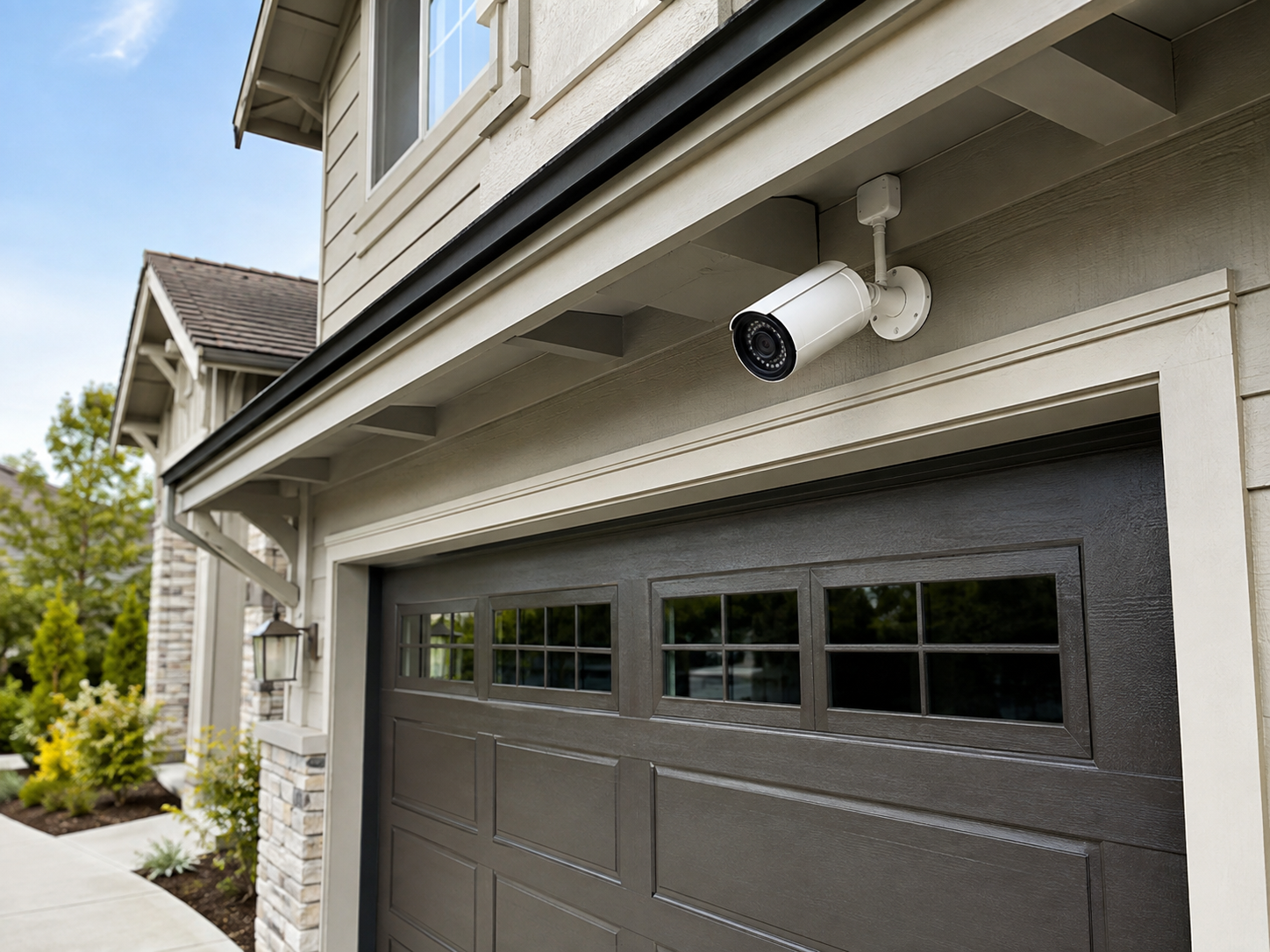
Security camera installation in Canada is governed by privacy principles and provincial or territorial requirements that may apply to contractors and security-system providers.
1. Provincial Licensing Requirements
Licensing requirements for companies and technicians who install, maintain or repair electronic security systems vary by province and territory.
Before hiring a provider, verify whether the business and its technicians require a security services licence, electrical contractor licence or other provincial certification for the work being performed. The retail sale of security equipment does not necessarily require the same licence as professional installation or maintenance services.
2. Respecting Privacy
Homeowners must use surveillance cameras in a way that respects the reasonable privacy of neighbours, visitors and passersby. Cameras should primarily capture the homeowner’s own property and should not be directed unnecessarily toward neighbouring windows, private yards or other areas where people reasonably expect privacy.
When a camera unavoidably captures part of a neighbouring property, privacy masking features can be used to digitally block sensitive areas from the recorded image.
Hiring a Qualified Security Camera Installer
Source: RenoQuotes
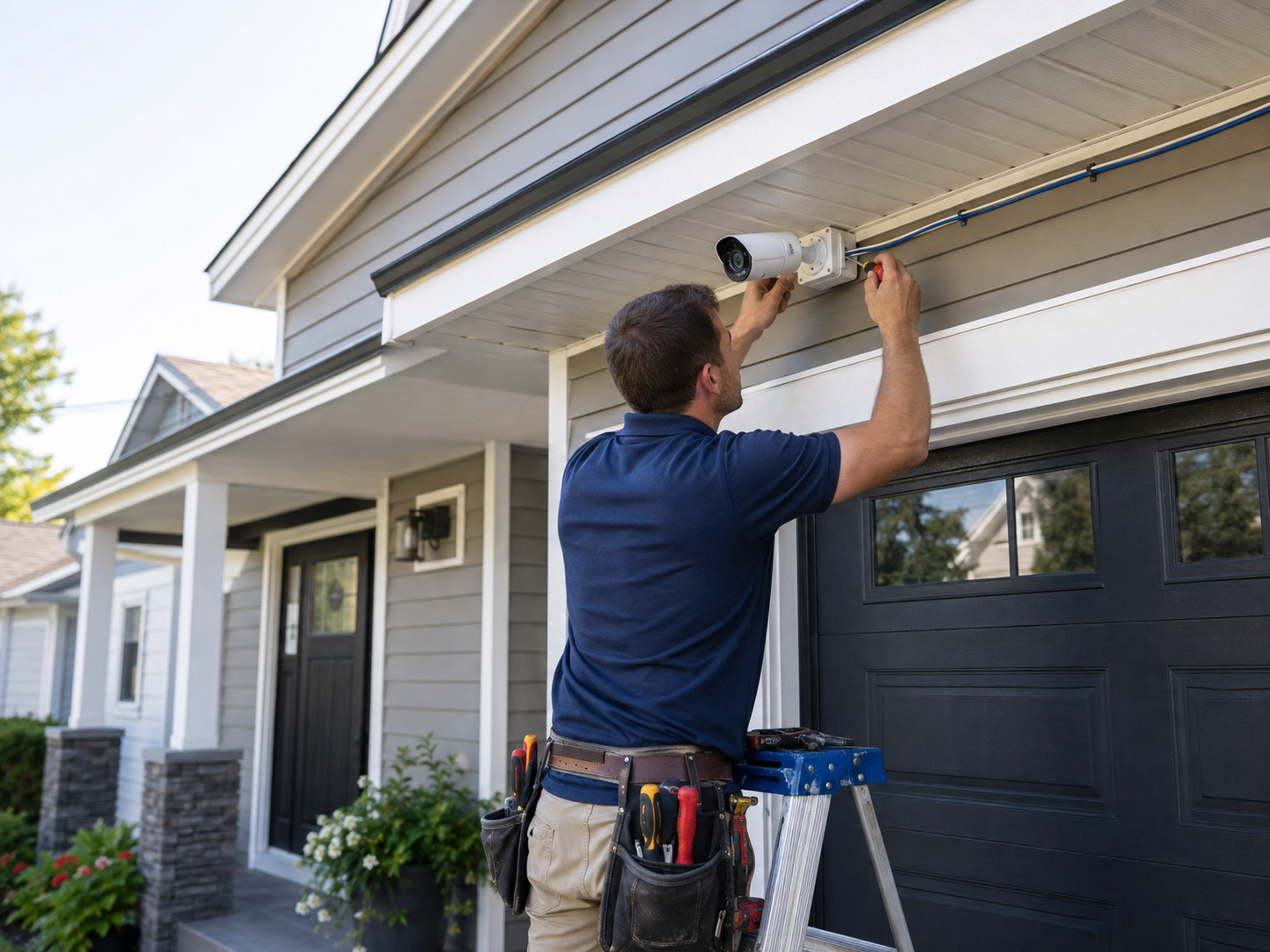
Although homeowners may be able to install some basic camera systems themselves, hiring a qualified professional can reduce cabling risk, weatherproofing, network configuration and regulatory compliance.
Depending on the nature and scope of the work, verify that the installer holds the provincial licences or certifications required for security, electrical or construction work.
Clean, concealed cabling: Cat6 cables can be hidden within the building structure without compromising insulation or damaging existing plumbing and electrical wiring.
Secure network configuration: Depending on the equipment and agreed scope of work, the professional may apply strong passwords, update device firmware and isolate the video network through a virtual local area network, or VLAN, to reduce the risk of unauthorized access.
Documentation for insurance purposes: Some insurers offer discounts for burglary or fire alarm systems, particularly when they are connected to a monitoring station. A camera system connected only to an NVR does not generally qualify for a discount on its own. Confirm eligibility directly with your insurer.
Consider requesting security camera installation quotes to compare equipment and labour costs for your property.
Overview of Wired PoE System Components
Component | Primary Role | Recommended Specification | Effect on Performance |
PoE IP Camera | Image capture and AI analysis | 4K resolution (8 MP), IP67 rating, infrared or colour night vision | Influences image clarity and facial recognition |
Ethernet Cable | Data and electrical connection | Solid, 100% copper Cat6 cable rated CMR or CMP | Supports long-term reliability and helps prevent voltage drops |
PoE Switch | Power distribution | IEEE 802.3at PoE+ with a sufficient PoE power budget measured in watts | Supplies enough power for the cameras and their enabled features |
NVR | Continuous recording and storage management | 3.5-inch hard-drive bay with 4 TB to 12 TB capacity and ONVIF compatibility | Stores footage for a period determined by drive capacity, camera count, resolution and recording settings |
Protect Your Home with a Reliable Wired Camera System
Source: RenoQuotes
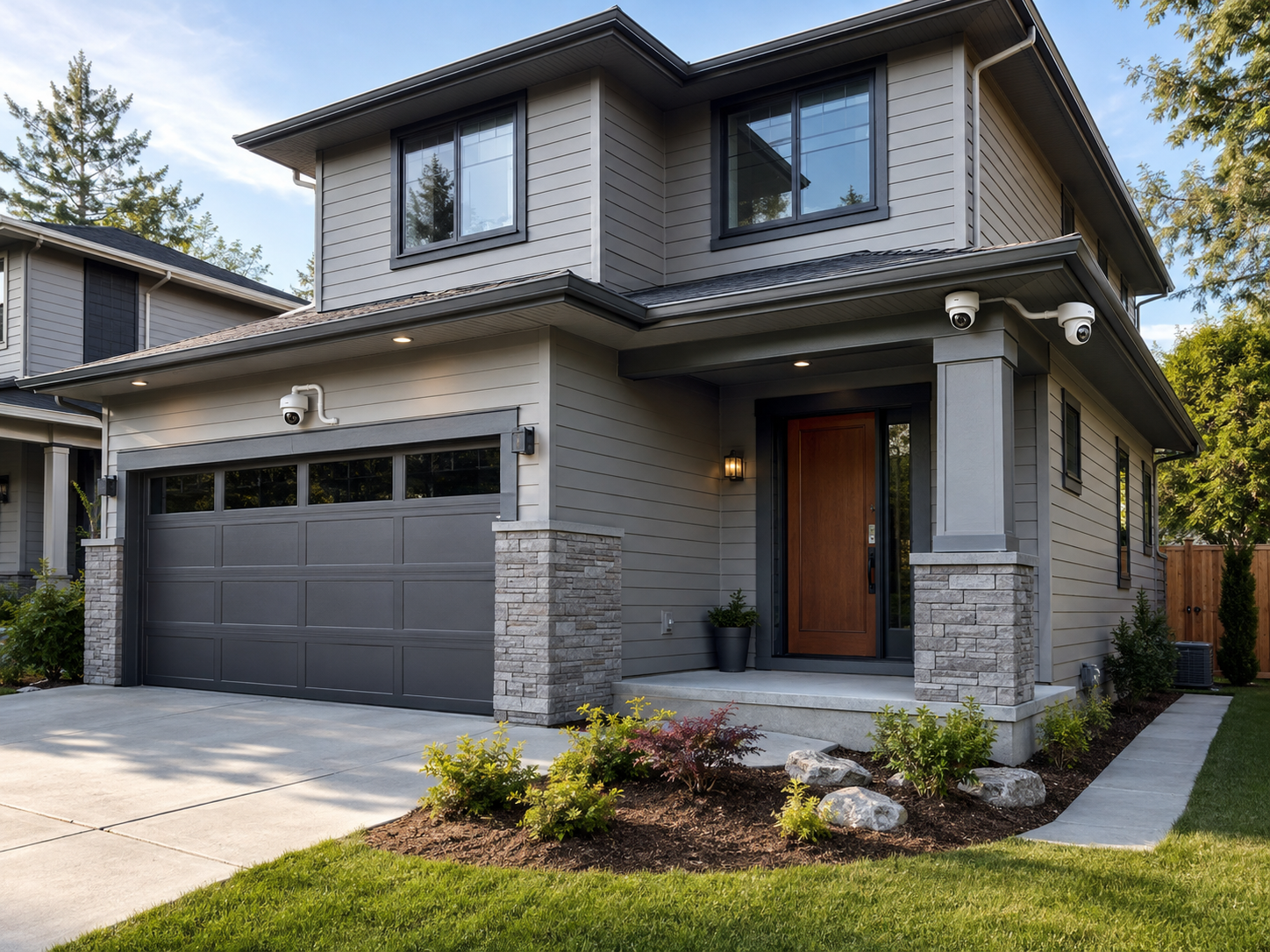
Wired security cameras can be an important part of a more secure and reliable smart home in Canada. By choosing Cat6 PoE technology and local storage, you can avoid battery-related limitations, reduce your dependence on wireless communications and eliminate the need for certain monthly subscriptions.
To complete your project successfully:
Determine your storage requirements, including whether you need continuous 24/7 NVR recording.
Check the ONVIF and RTSP compatibility of your equipment to facilitate smart-home integration.
Respect the privacy of neighbouring properties by carefully adjusting camera angles.
Confirm that the provider and technicians hold any provincial licences required for the work.
Protect your home with a network infrastructure designed to perform in Canada’s demanding climate.
Looking for something else?
Related articles
The latest industry news, interviews, technologies, and resources.
Cynthia Pigeon
•21 Oct 2026
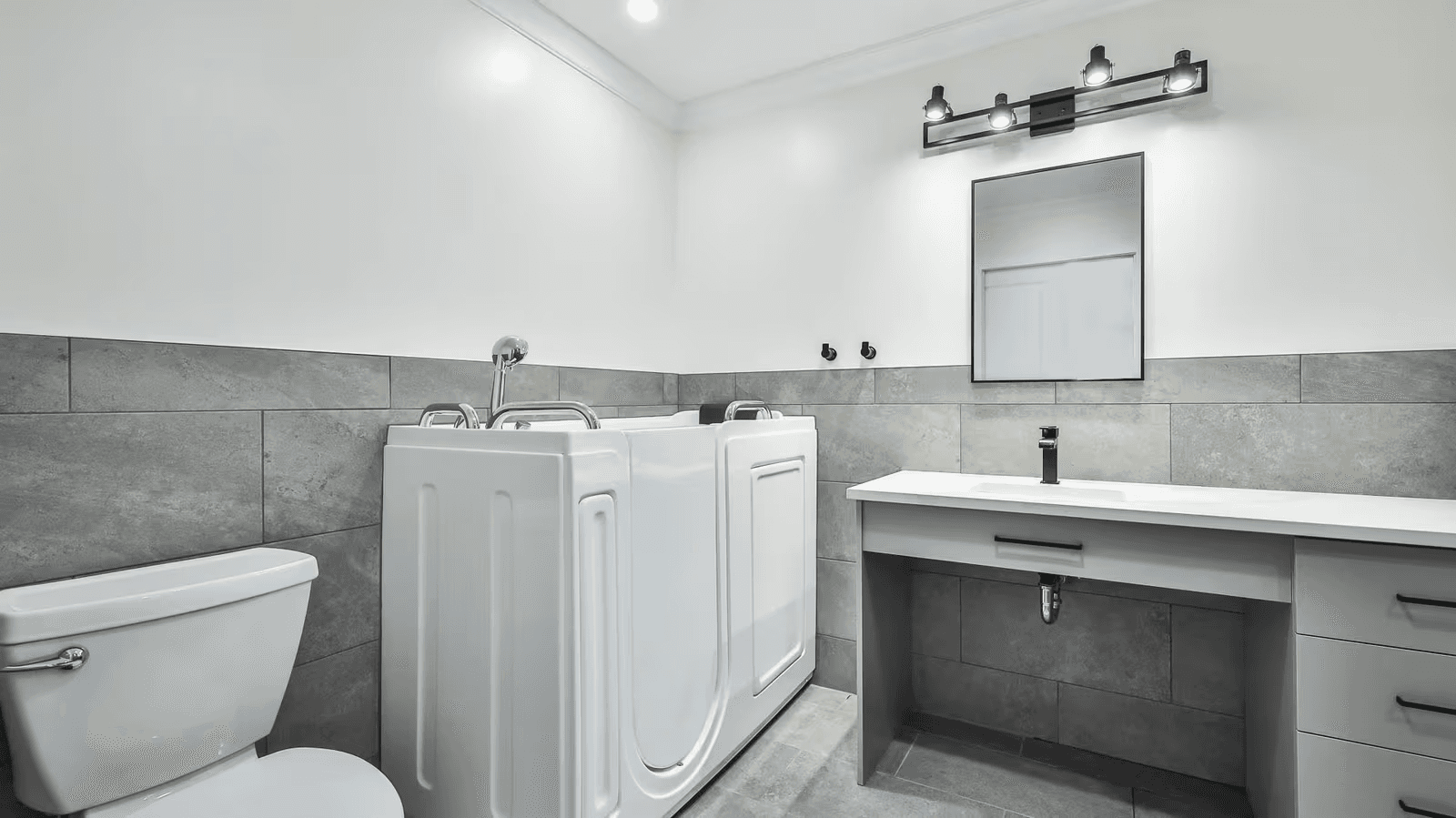
Installing a walk-in bathtub can make a bathroom more accessible and safer, particularly for seniors and people with reduced mobility. This type of bathtub makes getting in and out easier while helping people maintain their independence at home.
Cynthia Pigeon
•13 May 2026
To install a Level 2 charging station, 240 V, at your home in Quebec, the electrical work must be carried out by an electrical contractor holding an RBQ licence, generally a master electrician who is a member of the CMEQ, to ensure compliance with the Quebec Construction Code. This professional installation is essential to ensure a safe, code-compliant setup and to qualify for the $600 financial assistance. By entrusting the work to an expert, you reduce the risk of non-compliance, streamline your insurance process, and better protect your investment.

Cynthia Pigeon
•08 Nov 2023
Are you thinking about purchasing an air exchanger to improve the comfort level in your home? If you want to get the most out of this device, installation is key.
Editorial Team
•08 Nov 2023
Many would love to believe that living on this earth means we have access to an endless supply of water. Of course. If you’re conscious and aware of our environmental impact, you’d know that this isn’t the case. Globally, the average household is the smallest consumer of water, yet each home still has a large impact. Finding ways to reduce water usage in your home is an excellent strategy for enacting environmental change while saving some much-needed cash on your electricity bills.

Christine Simard
•08 Nov 2023
Over the past two years, we have often mentioned the phenomenon that is biophilic design but never really delved into the depths of this trend. With people growing more and more conscious of the need for a more sustainable future, the architecture and design world soon picked up on those issues and are now working around the inclusion of these principles in their practices.