Metal Roof Pros and Cons: What Canadian Homeowners Should Know
By Editorial Team
Updated on November 5, 2026

A metal roof typically lasts 40 to 70 years, two to three times longer than asphalt shingles, but costs more upfront: about $13 to $30 per square foot installed in Canada, compared with $6 to $13 for shingles. It sheds snow, won't burn, and needs little maintenance, but it can be noisier without proper insulation and requires snow guards over entrances.
This guide covers the types of metal roofing, the real advantages and disadvantages, a long-term cost comparison with shingles, and what to expect for maintenance and installation.
Types of Metal Roofing
Source: Développement Pasquier
Materials
Galvanized or galvalume steel: The most common and affordable option, protected from rust by a zinc or aluminum-zinc coating and usually pre-painted with factory-applied finishes.
Aluminum: Lighter and naturally rust-resistant, which makes it a good choice in coastal environments, though it generally costs more than steel.
Copper and zinc: Premium, very long-lasting metals mostly used for heritage projects and architectural accents.
Profiles and Styles
Corrugated or ribbed panels with exposed fasteners: Fastened with screws and sealing washers, the most affordable profile.
Standing seam: Panels with concealed fasteners and raised seams, offering a cleaner look and better weather resistance at a higher price.
Metal shingles and tiles: Stamped profiles, including stone-coated metal tiles, that mimic slate, wood shake, or asphalt shingles.
The Pros of a Metal Roof

Source: Toiture Métallique Montréal Inc.
Durability and Longevity
A metal roof typically lasts 40 to 70 years, depending on the metal, coating, and installation quality. Standing seam systems are generally rated for 50 years or more, and exposed-fastener steel for about 30 to 40 years. Asphalt shingles last 15 to 25 years.
Weather and Fire Resistance
Metal won't rot, crack, or grow mould, and it resists wind, heavy rain, and freeze-thaw cycles. Its smooth surface sheds snow and water easily, which reduces snow loads on the roof. As a noncombustible material, it also offers excellent fire resistance compared with cedar shakes.
Contrary to a common myth, a metal roof doesn't attract lightning any more than other roofing materials, and if lightning does strike, the roof won't catch fire.
Energy Efficiency
Light-coloured and reflective coatings reflect solar radiant heat, which can lower summer cooling costs. In most of Canada, heating matters more than cooling, so the biggest energy gains come from attic insulation and ventilation under the roof rather than from the metal itself. Metal roofs are also well suited to solar panels, since they outlast the panels.
Low Maintenance
A properly installed metal roof needs far less upkeep than asphalt shingles. Periodic inspections and occasional debris removal are usually enough, and the roof can be repainted to refresh or change its colour.
Environmental Benefits
Metal roofing is fully recyclable at the end of its life, and many products already contain recycled content. Because it lasts so long, it also reduces the waste going to landfills from repeated shingle replacements.
Aesthetic Options
Metal roofing comes in a wide range of profiles, colours, and finishes, with options to match trim and siding. Metal shingles and stone-coated tiles offer the look of slate or wood shake for homes where a panel profile doesn't fit the architecture.
The Cons of a Metal Roof

Source: Rénovolution
Higher Initial Cost
At about $13 to $30 per square foot installed, a metal roof costs two to three times more upfront than asphalt shingles. Exposed-fastener panels sit at the low end, around $13 to $18, while standing seam runs about $18 to $25.
Noise from Rain and Hail
Without proper sound insulation, rain on a metal roof can reach about 69 dB, compared with about 54 dB on asphalt shingles. The noise is most noticeable on exposed roof structures, such as cathedral ceilings or metal fastened over open framing, where rain and hail can cause drumming and pinging. Installing metal over solid sheathing, with an underlayment and an insulated attic space, greatly reduces the difference.
Falling Snow and Ice
Snow slides easily off a metal roof, and it can come down in heavy sheets of snow and ice. That's a safety risk over entrances and walkways, and it can damage gutters and landscaping. Snow guards, installed according to the roof pitch, hold the snow in place.
Denting
Metal can dent from large hail, falling debris, or foot traffic. Soft metals like aluminum and copper dent more easily than steel, and a thicker gauge improves impact resistance. Dents are usually cosmetic and don't affect weather resistance, but a damaged panel may need repair or replacement to avoid colour inconsistency.
Thermal Movement and Fasteners
Metal expands in summer heat and contracts in winter cold. On exposed-fastener roofs, this thermal expansion can gradually loosen the screws and wear out their sealing washers, which can lead to leaks over time. Proper installation techniques, including correct fastener placement and movement allowances at the panel ends, limit the problem.
Standing seam panels with concealed fasteners handle this better, since they're attached with clips that let the panels move without stressing the fasteners. Poorly installed panels, by contrast, can warp, shift, or open at the seams.
Installation Complexity
Metal roofing requires specialized skills. Installers must leave expansion gaps, choose the right underlayment materials, and avoid contact between incompatible metals: aluminum, for example, shouldn't touch copper or galvanized steel, and water shouldn't run from one metal onto another. Flashing should also be separated from pressure-treated lumber, since the copper compounds in modern wood preservatives can corrode aluminum and galvanized metal. Roof pitch and complexity also matter, and some local bylaws or heritage design guidelines include style restrictions on metal roofing.
Metal Roof vs. Asphalt Shingles: The Lifetime Cost Comparison
Criteria | Metal roof | Asphalt shingles |
Installed price per sq ft | $13 to $30 | $6 to $13 |
Lifespan | 40 to 70 years | 15 to 25 years |
1,800 sq ft roof | $23,400 to $54,000 | $10,800 to $23,400 |
Replacements over 50 years | Usually none | Two or three |
Recyclable | Yes, fully | Can be recycled, but rarely is in practice |
Over 50 years, an asphalt roof usually needs replacing two or three times, which brings its lifetime cost close to that of a metal roof installed once. A metal roof offers the best return on investment if you plan to stay in the home for many years. For a detailed breakdown by profile and material, see our metal roof cost guide.
Metal Roof Maintenance
Metal roof maintenance is simple, but a few checks extend its lifespan:
Periodic inspections: Check flashing, seams, and penetrations once a year, especially after winter.
Fasteners: On exposed-fastener roofs, tighten loose screws and replace worn sealing washers.
Scratches and rust: Touch up scratches quickly to protect the coating and prevent rust.
Debris and moss: Clear leaves and branches, and remove any moss or algae growth in shaded areas.
Gutters and snow guards: Make sure the guttering is clear and the snow guards are secure before winter.
Hiring a Metal Roofing Contractor
Choosing the Right Installer
Not every roofer installs metal roofing regularly, so ask for examples of similar projects. Check licensing and insurance in your province: in Quebec, roofers need an RBQ licence; in Ontario, confirm WSIB coverage and that the crew has Working at Heights training; in British Columbia, WorkSafeBC coverage.
What the Quote Should Include
A good quote specifies the metal type, gauge, profile, underlayment, flashing, ridge, snow guards, and both the product warranty and the workmanship warranty. Because prices vary widely between installers, comparing several detailed quotes is the best way to get the right system at a fair price.
A Long-Term Roof, If You Can Afford the Upfront Cost
A metal roof lasts 40 to 70 years, stands up to Canadian winters, won't burn, and needs little maintenance. In exchange, it costs two to three times more upfront, can be noisier without good insulation, and needs snow guards to control sliding snow and ice.
For homeowners planning to stay long-term, it often costs less over its lifetime than asphalt shingles. Professional installation, with proper allowances for thermal movement, is what makes those advantages last.
Metal Roof FAQ
What are the disadvantages of a metal roof?
A metal roof costs more upfront, can be noisier in rain without proper insulation, can dent from large hail, and sheds snow in heavy sheets. Careful installation, a solid deck with underlayment, and snow guards reduce these drawbacks.
How long does a metal roof last?
A metal roof typically lasts 40 to 70 years, depending on the metal and installation quality. Standing seam systems are often rated for 50 years or more.
Is a metal roof noisy?
Without sound insulation, rain on metal can reach about 69 dB, compared with 54 dB on shingles. Over solid sheathing with an underlayment and an insulated attic, the noise is much less noticeable.
Does a metal roof attract lightning?
No. A metal roof doesn't attract lightning any more than other roofing materials, and because it's noncombustible, it won't catch fire if struck.
Is a metal roof worth it compared with shingles?
If you plan to stay in your home for decades, often yes. A metal roof costs two to three times more upfront, but it can outlast two or three shingle roofs.
Looking for something else?
Related articles
The latest industry news, interviews, technologies, and resources.

Cynthia Pigeon
•08 Nov 2023
One can easily think that residential roofs only need to remain leak-proof to be immune to the elements and guarantee the best home protection.
Editorial Team
•16 May 2024
Formerly restricted to commercial, agricultural, and industrial buildings, sheet metal or corrugated metal has, as of late, made its way to the residential sector. On top of having great durability, such roofing material offers a wide range of possibilities in terms of innovative architectural designs. Are you looking to have sheet metal or corrugated metal roofing installed and want more information on the matter? Read on to learn what there’s to know.
Editorial Team
•29 Oct 2026
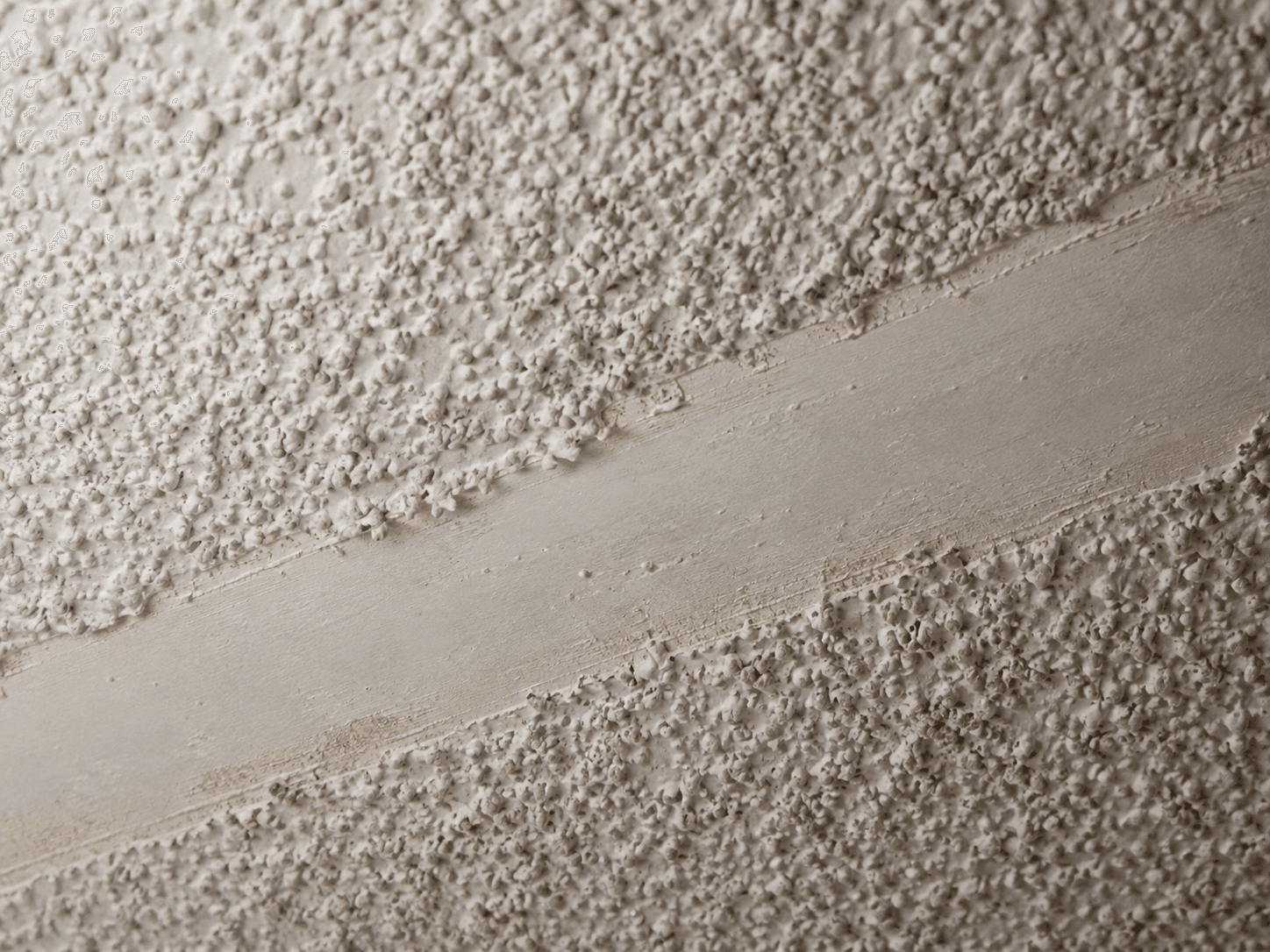
Popcorn ceiling removal is a manageable DIY job only after the texture tests negative for asbestos, and any Canadian home built before 1990 should be tested first. Hiring a professional typically costs $3 to $7 per square foot across Canada, and $6 to $10 per square foot in the Greater Toronto Area once skim coating and painting are included.

Editorial Team
•08 Nov 2023
Of course, the happiness that dogs bring isn’t surprising. Their energetic demeanour and natural curiosity, along with irresistibly cute fur and ears, can make it very hard not to love them.

Editorial Team
•08 Nov 2023
Want to build a home theatre to watch your favourite movies all snuggled up during winter? To make this project—which will really please the cinephiles under your roof—a reality, you’ll need a fair amount of inspiration!