Everything to Know About Heated Gutters
By Editorial Team
Updated on November 8, 2023
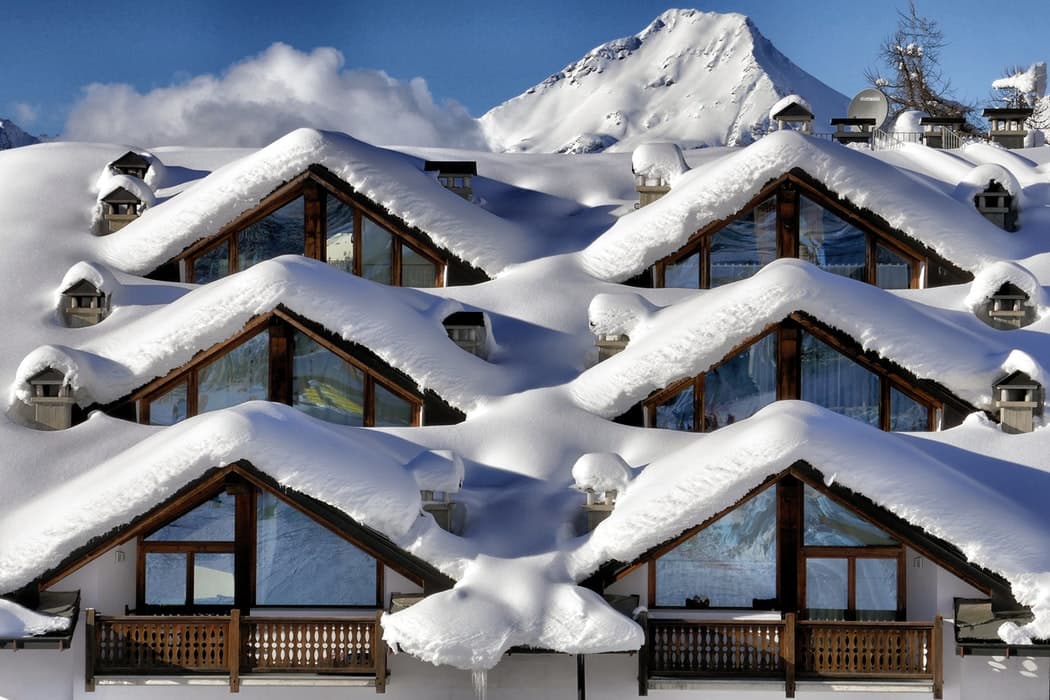
For both humans and the home, winter is difficult to endure. Between the cold weather, the strong winds, the ice, and the snow, we all require a little bit of cold weather protection.
While we don winter coats, hats, and gloves, the home isn’t able to dress up and thus, needs an alternative method to stay warm. One way to protect your home’s roof and facade from the wear and tear of ice and snow is by using gutter heaters.
Heated gutters work to combat many problems such as a build-up of ice and snow as well as the resulting dreaded ice dams. However, like most modern technologies, they have their pros and cons. If you’re curious about how heated gutters work as well as the way they can benefit your home, read on!
Everything You Need to Know About Heated Gutters!
Why use gutter heaters in the first place?

source: unsplash
Left idle on your roof, a buildup of ice and snow will lead to serious problems. Snow and moisture can damage your home's facade as well as parts of your interior. In fact, a continuous build of snow and ice melting and freezing is a common winter problem. Called ice dams, these lead to water infiltration on various levels. This generally includes damaging the roofing material itself, the insulation below, your ceilings, floors, and furniture. Further, mould can grow and this can be detrimental to the health of yourself and your loved ones.
It is important to be aware of the pattern that creates ice dams. The process is as follows: snow accumulating on your rooftop, snow melting from a combination of the sun and heat loss from your home, melting snow moving around your roof and settling in spaces such as the gutters and lastly, temperatures dropping below freezing and the melting snow refreezing. So how do you deal with an excessive amount of snow, especially in the midst of a storm?
One way to combat the issue of ice dam formation is to use gutter heaters to eliminate the refreezing process. But, what products are available on the market and how well do they work?
Heat Cables
A heating cable is fairly self-explanatory and is essentially a waterproof cable that heats up. Heat cables can be installed directly into the gutter or along the ridges and edges of your roof. Heat cables work by allowing accumulated melted snow (water) to make its way off of your roof. The cable heats a small tunnel underneath the ice for the water to drain. There are two types of heat cables on the market, and these are thermostats and traditional ones. The main difference between the two is that thermostat cables allow you to control the temperature, while the traditional cables have one consistent setting.
Heated Gutter Guards
Heated gutter guards act with the assistance of a heat cable and can be used alone but rarely. The guards are installed directly on top of heated cables and work in two ways. Firstly, the helmets act as protection from debris collecting in your gutters and clogging them from draining. Secondly, working in tandem with heat cables, they heat up and melt the snow and ice so that it doesn’t build up and lead to the creation of ice dams.
Will heated gutters prevent gutter ice dams?

source: unsplash
Although using gutter heaters can aid in the melting of snow and ice, they won't be able to solve the issue of ice dams altogether. Ice dams are an internal heat loss problem, and for the most part, you’ll need to consider insulation methods as well as attic ventilation. The technologies behind heated gutters are not sufficient to fully solve a buildup of ice and snow, especially in particularly snowy climates. Heat cables and tape create only a small tunnel, and this can deal with the immediate area of ice or snow buildup alone. If there is a heavy snowfall or storm, a heat cable will not be able to combat it on its own.
Get 3 renovation quotes for your roof cleaning or roof insulation project
RenoQuotes.com can help you get quotes for your roofing renovation project. If you submit your project, we’ll put you in contact with 3 qualified professionals. Fill in the form on our homepage (it only takes a few minutes), and you will receive quotes from the best roofing companies.
Dial 1-844 828-1588 to speak with one of our customer service representatives
Looking for something else?
Related articles
The latest industry news, interviews, technologies, and resources.
Cynthia Pigeon
•04 Sep 2026
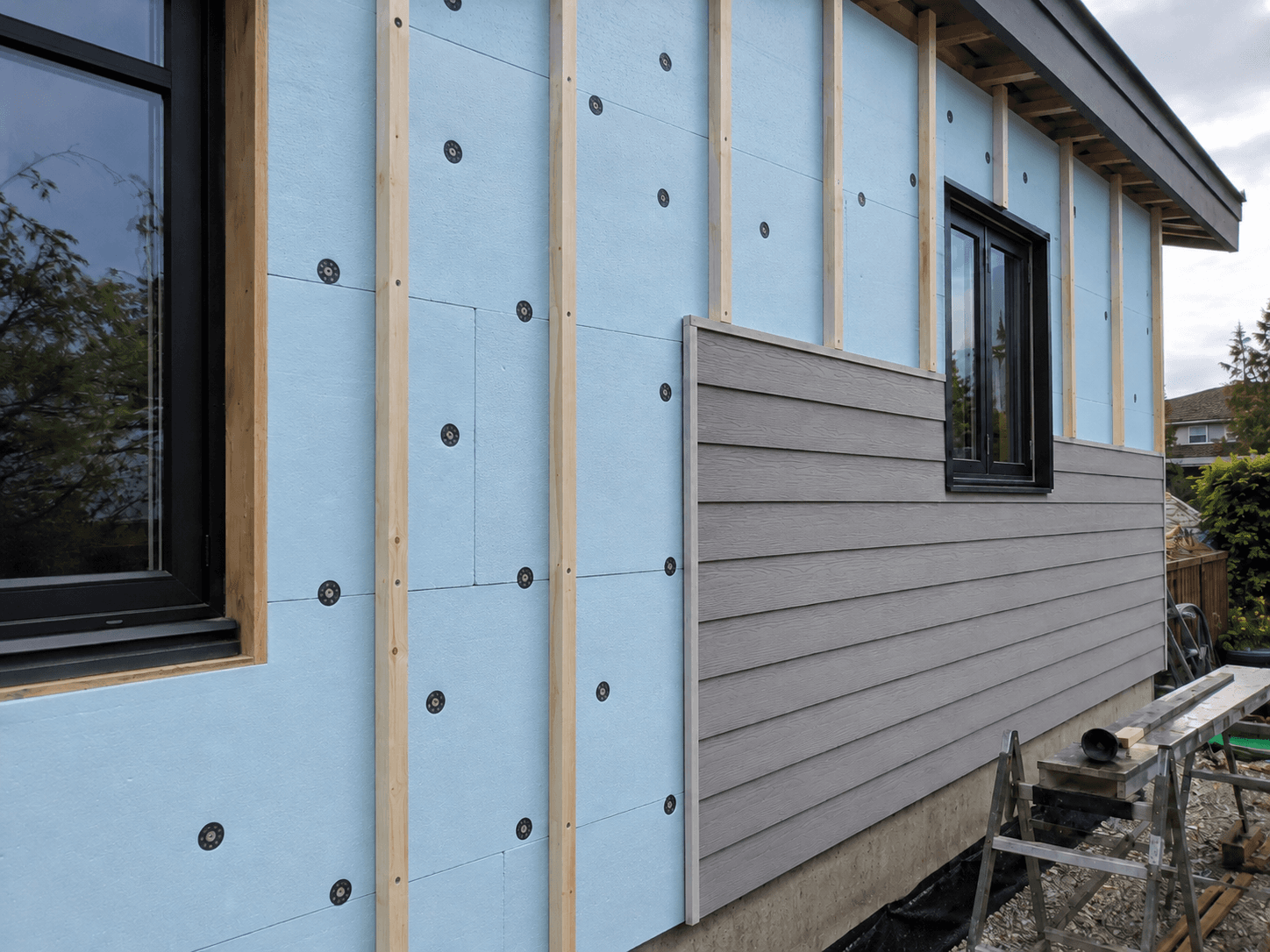
Replacing the exterior siding on a single-family home, a 1970s bungalow, or a century-old house is an ideal opportunity to improve the building’s energy efficiency. Instead of limiting the project to a cosmetic upgrade, removing old vinyl, CanExel, or aluminum siding provides direct access to the exterior wall assembly.

Karine Dutemple
•08 Nov 2023
Do you have lots of energy to spare and are thinking about buying a house to flip it? Take a look at these few examples of flips to find ideas for this large-scale project!
Editorial Team
•15 Nov 2024
Ethanol fireplaces are increasingly sought-after, making for an aesthetic and odourless solution to create a warm ambiance. Unlike conventional fireplaces, such units don’t need a chimney or direct vent, streamlining their installation. Smoke-free, chimneyless, nothing but a gentle warmth inside your home. This article will focus on the benefits of ethanol fireplaces. Amongst all the different types of fireplaces out there, “Ethanol fireplaces are best suited for ambiance purposes,” states Stéphanie Ouimet, an Eco-Feu representative.
Editorial Team
•14 Jan 2025
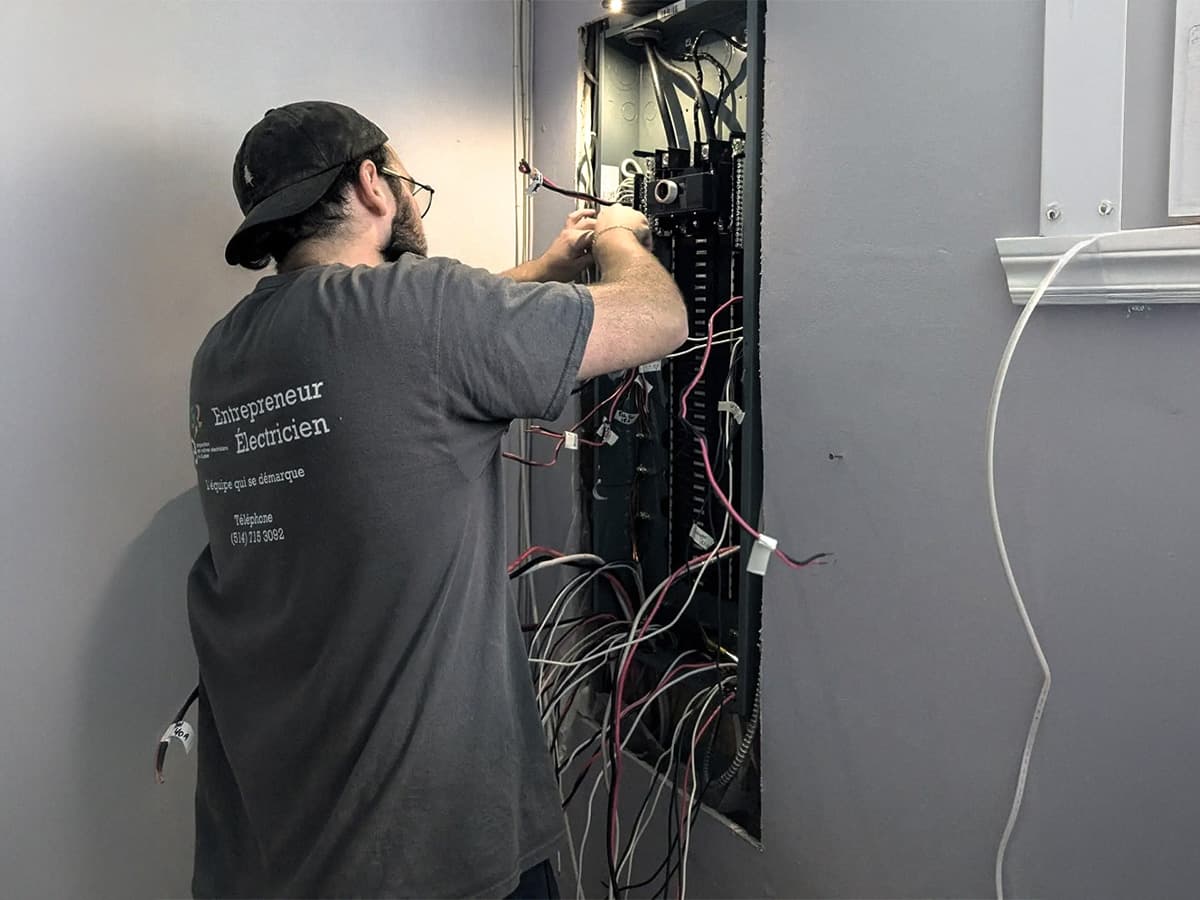
Have you decided to finally bring your home into the 21st century with some big electrical upgrades? Congratulations! Better late than never. Whether you're rewiring an old house, installing smart lighting throughout the home, or preparing for a new kitchen with all the bells and whistles, it feels rewarding to see the to-do list getting shorter.

Editorial Team
•02 Sep 2026
A single garage door costs $2,000 to $5,000 installed in Canada, and a double runs $4,000 to $10,000. Basic steel sits at the bottom of those ranges, while custom wood and carriage-house styles reach the top.