What To Do If You Have a Problem With Termites
By Amanda Harvey
Updated on November 8, 2023
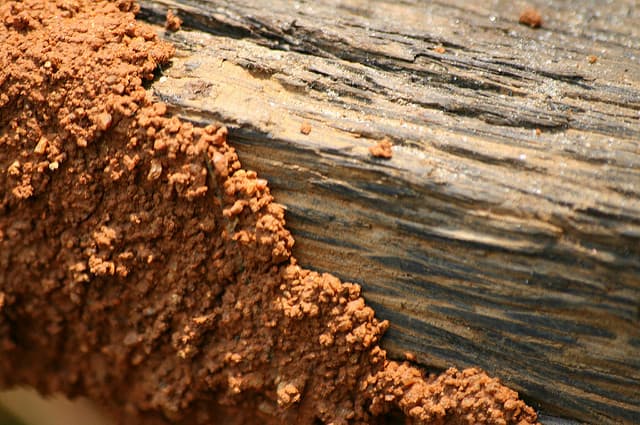
To any homeowner, termites are a dreaded potential pest. Although they play an important role in the ecosystem by recycling wood, facilitating the decomposition of organic matter, replenishing essential nutrients in the soil and assisting in the growth of new plant life, these little buggers can't tell the difference between a tree and a house.
As a result, if not detected quickly, they can cause serious structural damage to a home. It is important to first identify the presence of termites and then take the proper steps to deal with these tiny pests.
How to Identify a Termite
Due to their innate physical similarity to ants, it is essential to distinguish whether or not you actually have termites. This is not as simple as setting traps, and one must properly investigate how and where the potential termites are inhabiting. If you should discover that you do indeed have termites, it is crucial to distinguish the species of termite based on the structural damage that active colonies have created in your home.
A colony can range in size, with anywhere from hundreds, to thousands , to millions of members, and can consume up to half a kilo of wood a day. In Canada, the most common species of termites include the eastern subterranean termite, the western subterranean termite, and the Pacific damp wood termite.
The subterranean species are responsible for the bulk of damage inflicted on city homes, as the damp wood species target moist and rotting wood, which usually indicates an ongoing issue with moisture. All species live in warm and humid environments but in cooler regions of Canada termites nest below the frost line or inside heated homes.
Termite Inspection Time!

source: Flickr, Balance of Nature
Although it is believed that termites primarily nest in wood, this is not the case. For a termite, any plant-based object is a potential form of food, as they eat cellulose. Although they generally remain hidden in undetected spaces, there are foolproof ways to know if they are present in your home. The subterranean species of termites create mud tubes along walls, fences and steps in order for them to travel between their colony and food source.
If you spot lines of mud in your basement or garage, then there is a definite possibility of termites. Other signs include spotted, discoloured or warped wood, as well as hearing a hollow sound when knocking on a wood surface. Termite damage happens at a slow pace, so the damage may not be initially evident. It is crucial to decipher where the infestation is located as well as how well-established it has become.
Removing Termites from Your Home
If you are certain that termites are damaging an area of your home, now is the time to act! Before addressing the problem on your own, it is recommended that you consult a professional exterminator who is trained in dealing with a termite infestation.
The cost of inspection, extermination and remediation will vary province to province as well as city to city. Unfortunately, once termites have infested an area of your home, the infestation is very difficult to control and terminate, so alongside extermination, careful prevention methods must be taken.
How To Prevent a Termite Invasion
Make sure to reduce moisture levels in your home, and prevent standing water wherever possible, this can be done by tending to leaks as well as keeping all drainage flows away from the main building of your home.
Trees and vegetation around the home should be well maintained, so that plant life does not come into direct contact with the house. If you have lumber or firewood, store it in a clean and dry place, so as to avoid attracting colonies from breeding.
Author: Amanda Harvey
Get 3 quotes for your termite removal project
RenoQuotes.com can help you get quotes for your termite removal project. If you submit your project to us, we’ll put you in contact with the most suitable contractors for you. Fill in the form on our homepage (only a few minutes), and you will receive quotes from trusted professionals.
Dial 1-844 828-1588 to speak with one of our customer service representatives
Looking for something else?
Related articles
The latest industry news, interviews, technologies, and resources.

Cynthia Pigeon
•08 Jul 2026
As part of a high-end kitchen renovation, the choice of materials defines not only the architectural style of your space but also the long-term value of your property. While traditional surfaces such as laminate or ceramic are increasingly giving way to noble materials, poured concrete has become a preferred choice among designers and bold homeowners in Quebec. Valued for its mineral look, raw appearance, and sculptural malleability, it makes it possible to create unique pieces that cannot be replicated with natural quarry stone.
Cynthia Pigeon
•13 Oct 2026
Have you spotted a crack in your home's concrete foundation and want to repair it before it gets worse? The good news is that most cracks can be repaired from the inside by injecting either a filler, cement, sealer, or resin, usually within a few hours and without excavation. The key is identifying what type of crack you are dealing with, since the diagnosis determines the repair method, product and cost.

Editorial Team
•07 May 2026
Designing a backyard in Canada requires careful planning to turn your outdoor space into a true extension of your home. To successfully complete your project in 2026, you should divide your yard into functional zones (dining area, lounge area, play area), choose materials commonly used for outdoor landscaping due to their resistance to freeze-thaw cycles—such as interlocking pavers or pressure-treated wood—and comply with local and provincial pool safety regulations. A well-designed layout that incorporates plants suited to your hardiness zone will increase your property value while extending your outdoor living season.

Editorial Team
•03 Dec 2024
When it comes to spending time outside, you’re likely hoping for things to be cool, cosy and comfortable while also remaining functional. Especially during those warmer months as our outdoor spaces gain importance, creating a specific spot for recreational activities as well as relaxation has become a priority. Structures designed to optimize outdoor space generally come in the form of a patio, balcony or veranda. You might think these are all the same, but in the world of renovations, there are some distinctions between them.

Christine Simard
•08 Nov 2023
Nowadays, more and more people leave their comfort zone to tackle the adventure of remodelling or renovating their living spaces to convert them into open spaces or loft-style apartments. Also, for fans of the authentic loft lifestyle, it's always possible to buy a space in an old industrial building and transform it in order to have a beautiful and trendy loft as a final result.