
A French drain works with gravity. Water follows the ebb and flow of the earth's guiding principle, and thus, the drain carries water downstream. This sloped trench provides a method to help homeowners avoid damp patches on their lawn or property by regulating drainage, and keeping things dry in places where it's necessary.
If you’re a homeowner who has noticed dampness around your foundation or reoccurring water collection issues, then you should consider creating one on your property. If you’re still on the fence about this method, read on to find all the relevant information regarding this efficient system.
Everything You Need to Know About French Drains
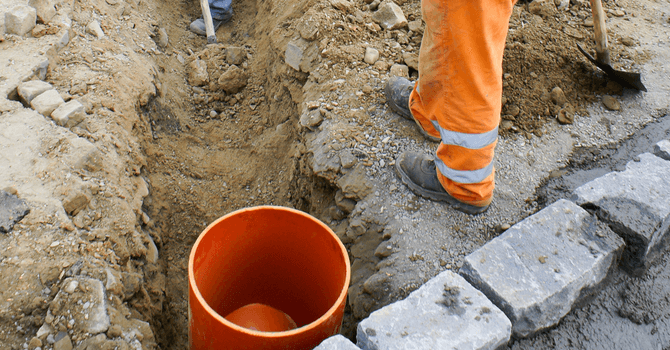
Source: Canva
How does a French drain work?
As we’ve mentioned, a French drain is a straightforward method which operates by way of gravity to divert water away from the house, creating an effortless pathway for water to flow through. A French drain is essentially a small ditch which holds a perforated pipe, and water travels through the pipe to be left at a safe distance from your home.
Another important aspect of the French drain is the fact that it’s gravel-lined, as the gravel works to disperse the water correctly. This draining system can be installed both indoors and outdoors. Of course, the installation of a French drain will depend on the needs of your property. In most cases, this will be to direct water away from a low-lying area of your lawn, and towards the street or a drainage ditch.
Those who feel confident enough to take on this DIY project can follow the instructions in our article How to Install a French Drain.
When is a French drain necessary?
A French drain is an excellent option for those dealing with surface water issues, including moist patches on the lawn, or a driveway that washes out. Another significant reason for creating a French drain on your property is if water is running into your basement. An excess of water around the basement of your home will cause your foundation to rot, as water presses against the foundation and gradually leaks into the surfaces.
In turn, this can lead to several internal and structural issues with your building. A French drain deals with this problem directly and reroutes the water to a more useful place.
Indoor Versus Outdoor

Source: Steve - Flickr
There are a few ways to tell whether you need an outdoor French drain versus an indoor one. If the issue you’re facing is surface water, installing a shallow outdoor French drain will help to solve this problem. This style drain is sometimes also referred to as a curtain drain, and will need to be outfitted horizontally across your property and uphill from the area which you want to dry. If the spot where this drain will rest passes through an area of trees or shrubs, make sure that the pipes are not perforated, as roots will find their way into the pipes and clog the pathway for drainage.
If the issue you’re facing is water leaking into your basement, you should install a style of French drain that is sometimes referred to as a footing drain. This type of French drain will run around the perimeter of your house at the footing level. This drain works by intercepting the water before it has the chance to enter your basement. The footing French drain is easiest to install during the construction of a home, and although it can be installed later, the process may be difficult.
If water continues to find its way into your basement following the installation of an outdoor French drain, you may need to consider an indoor installation. As we mentioned, the installation of an indoor drain is slightly more difficult as it will involve cutting into your basement concrete slab. Furthermore, you will have to remove the interior walls to install the system. However, if water is seeping into your basement, chances are the walls are damaged and will need to be replaced anyway.
French Drain Maintenance
Source: Canva
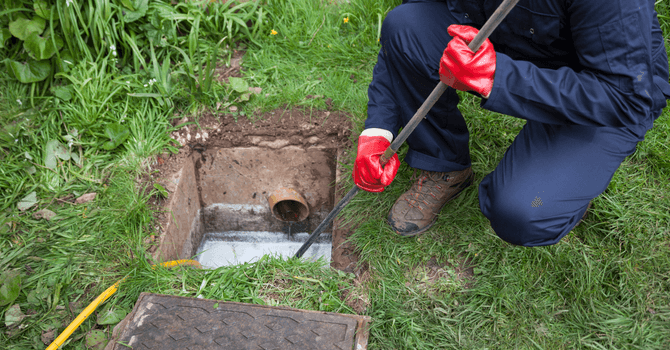
As a general rule, French drains do not require a lot of maintenance. They do their work until they have reached the end of their useful life. Of course, it is not recommended to wait until the structure is very damaged before proceeding with the replacement. Every year, it is recommended to look at the sections where the French drain is located and to monitor to see if you notice any signs of operating problems. If you do not need to replace the drain, there are still some small maintenance tips to keep in mind.
First, if the drain is situated near trees and gravel, make sure that they are not likely to cause any damage, for example, because of a root that could be causing the drain to move, or gravel that could cause obstruction. In some situations, gravel and other debris around the house can clog the drain. You will need to see a specialist to determine whether it is possible to clean the drain with a special tool or if more in-depth repairs are needed.
Get 3 renovation quotes for your French drain project
RenoQuotes.com can help you get quotes for your French drain installation project. When you submit your project, we’ll connect you with top-rated contractors. Fill in the form on the homepage (it only takes a few minutes) and get estimates from trusted professionals.
Dial 1-844 828-1588 to speak with one of our customer service representatives
Looking for something else?
Related articles
The latest industry news, interviews, technologies, and resources.

Editorial Team
•05 Dec 2025
Planning and building a brand new home from the ground up is always an exciting venture. Of course, each home-build project is unique and will follow a specific set of rules and regulations. Where you build your home will dictate many of these regulations, as urban homes will have different needs than those constructed in rural areas.
Editorial Team
•17 Feb 2026
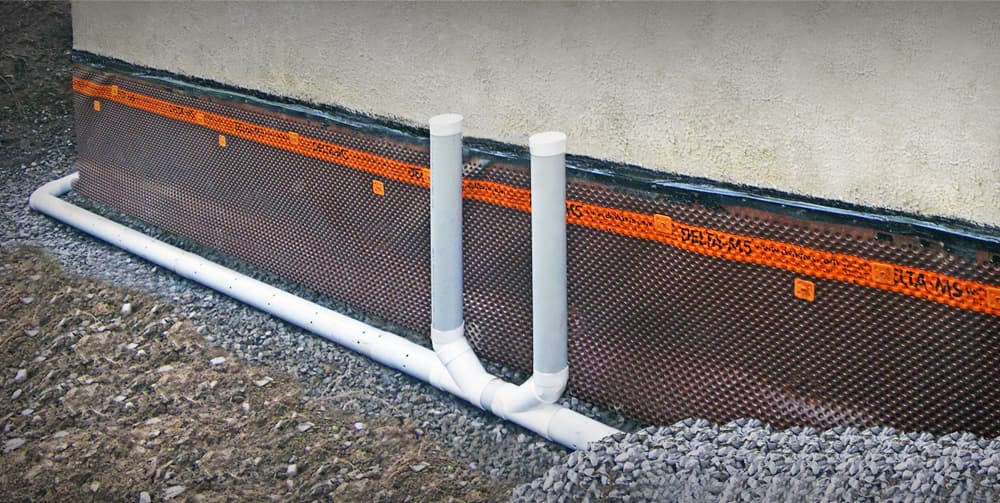
The installation of foundation drainage systems must comply with the Quebec Construction Code as well as the requirements of the Régie du bâtiment du Québec (RBQ). In practice, professionals also refer to standards from the Bureau de normalisation du Québec (BNQ) for material selection and installation methods.

Cynthia Pigeon
•08 Nov 2023
If there is one thing every homeowner dreads before starting a renovation project, it has to be the possibility of encountering unforeseen issues, especially the possibility of exceeding the set budget for the project. So, here is a tidbit of advice on how to deal with such a situation should the hired contractor carry out additional work or should you discover a hidden defect.

Editorial Team
•08 Nov 2023
While a laundry room is, first and foremost, a space designed for practical use, and its aesthetic aspect is often neglected, one shouldn’t overlook the overall appearance of the often-forgotten space to fine-tune it to the rest of the house. With this in mind, here are décor suggestions for your new laundry room.
Cynthia Pigeon
•17 Apr 2026
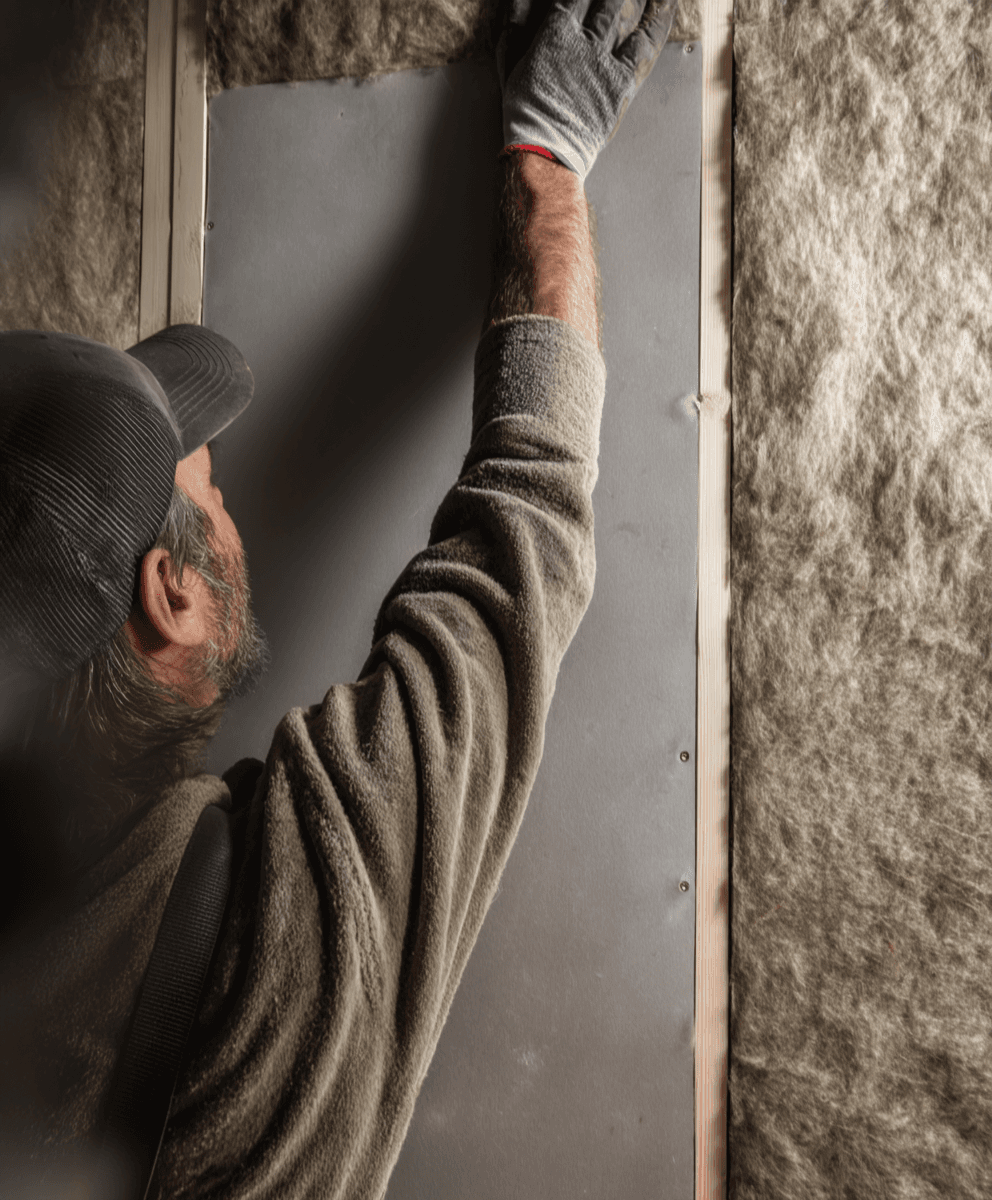
In 2026, wall soundproofing in a Canadian condo typically costs between $15 and $25 per square foot, including labour and specialized materials. For materials alone, expect to pay between $1 and $10 per sq. ft. An effective system usually combines mineral wool insulation, resilient channels, and acoustic drywall (around $40 per sheet). Beyond comfort, soundproofing can also increase your property’s resale value by achieving a higher STC (Sound Transmission Class) than the minimum building code requirements.