Chain Link Fence Cost in Canada: $15 to $45 per Linear Foot in 2026
By Editorial Team
Updated on September 12, 2026
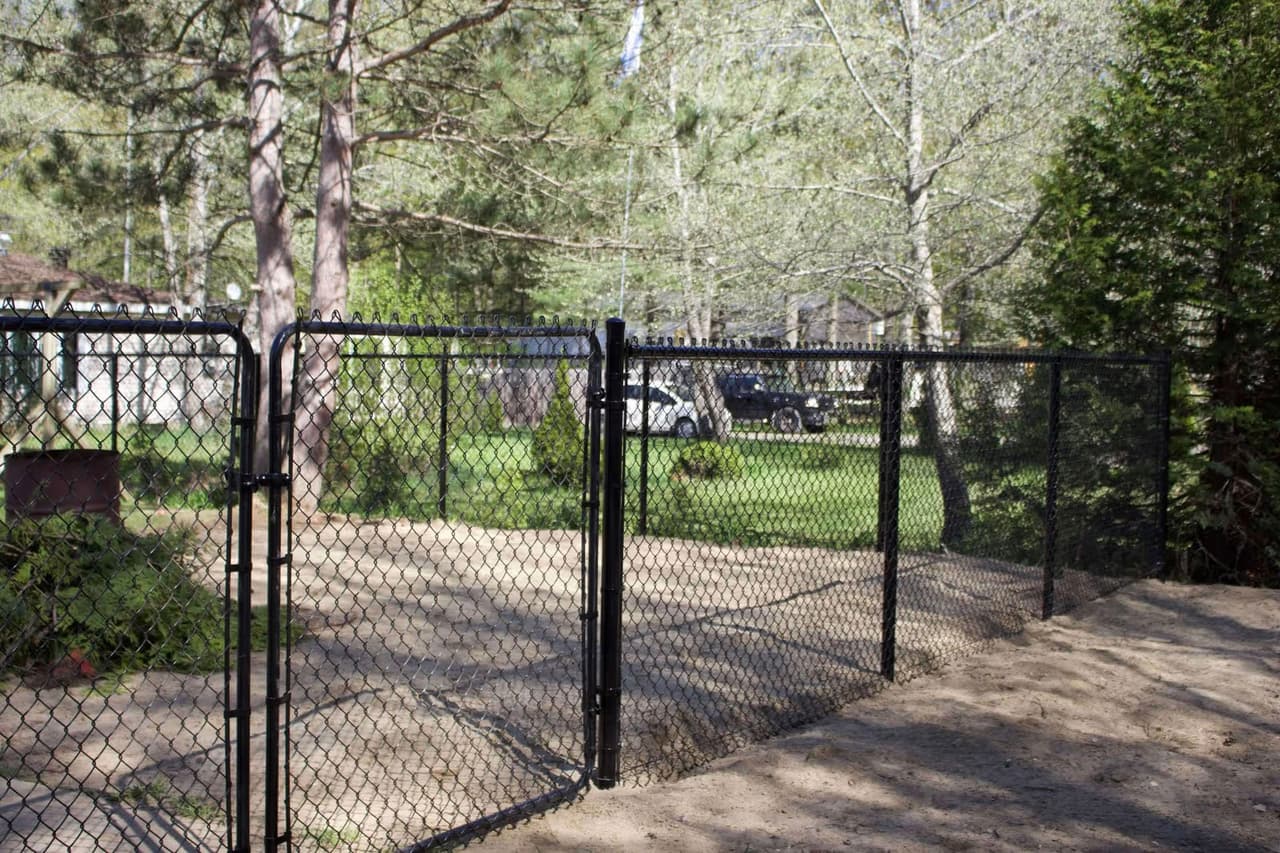
A chain link fence costs $15 to $45 per linear foot installed in Canada in 2026, or roughly $2,700 to $6,750 for a typical 150-foot yard. Materials alone, without installation, run $3 to $12 per linear foot.
Chain link is the least expensive fence a Canadian homeowner can have professionally installed. This guide breaks down the price by height and finish, what the materials themselves cost, how installation and location change the number, what a contractor's quote should include, and how chain link stacks up against wood, aluminum and vinyl over twenty years.
Cost by Height and Coating
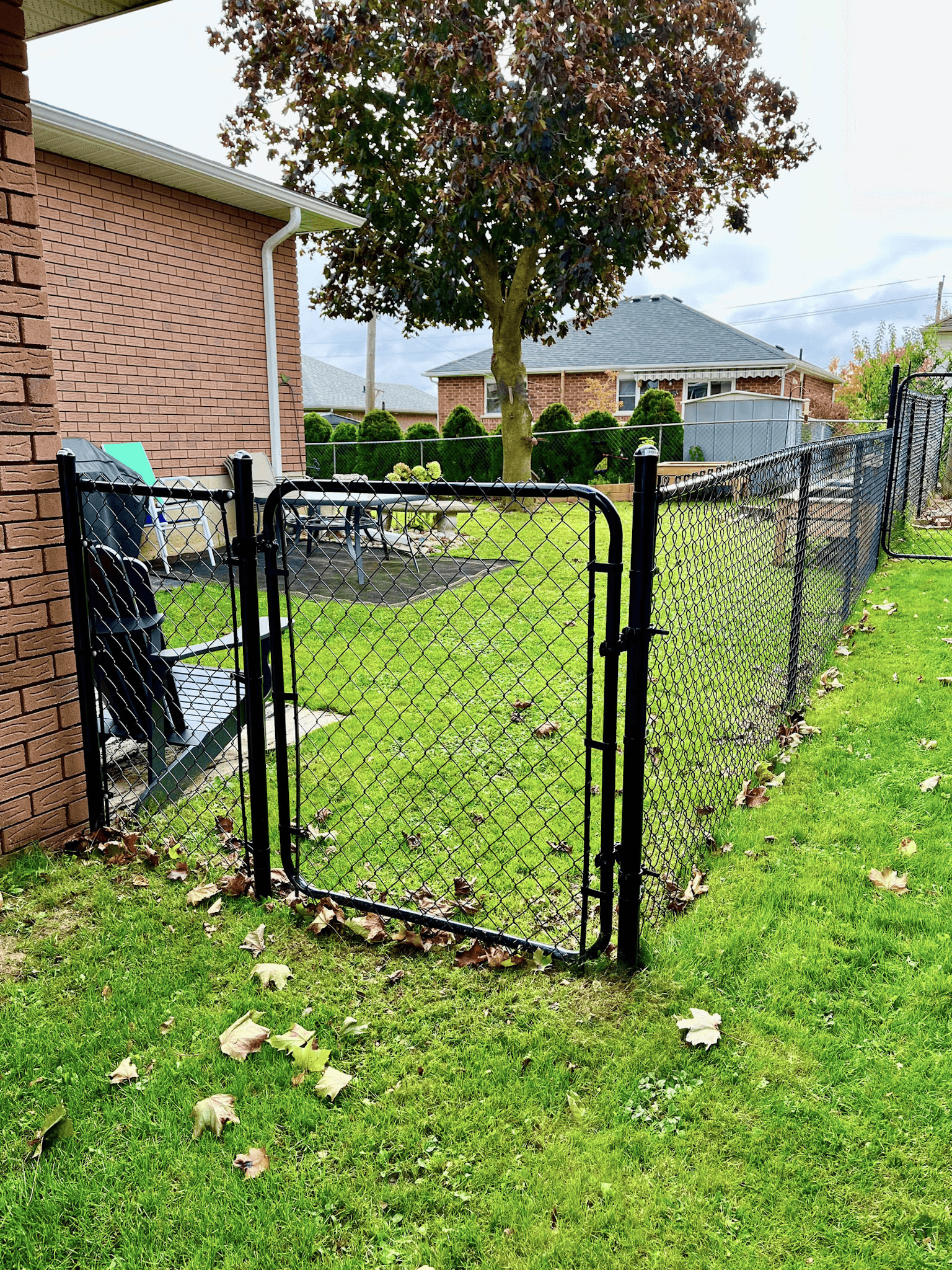
Source: Stagg Fencing and Contracting
Chain link is priced by the linear foot, meaning the length along the ground, with height and coating layered on top.
Fence type | Installed cost per linear foot |
Galvanized, 4 ft. | $15 to $28 |
Galvanized, 5 to 6 ft. | $18 to $35 |
Vinyl-coated (black, brown, green), 4 to 6 ft. | $25 to $45 |
Privacy slats added | $5 to $10 extra per linear foot |
Galvanized mesh is steel coated in zinc, giving it the familiar silver-grey finish. Vinyl-coated mesh adds a bonded PVC layer over that zinc, usually in black, which slows corrosion and reads as a deliberate look rather than a utility fence.
The Cost for a Full Yard
Length | Galvanized, installed | Vinyl-coated, installed |
100 ft. | $1,800 to $3,500 | $2,500 to $4,500 |
150 ft. | $2,700 to $5,250 | $3,750 to $6,750 |
200 ft. | $3,600 to $7,000 | $5,000 to $9,000 |
These figures cover the fence itself. Gates, old fence removal and permits are billed separately, covered further down.
A Real Project Example
A 4-foot galvanized fence along 150 feet of suburban backyard, one walk-through gate, flat ground: roughly $3,000 to $4,200 installed. The same yard in 5-foot black vinyl-coated mesh runs $4,300 to $6,200 installed. Buying the materials for that project yourself, and supplying the labour, costs $450 to $1,800.
A short run costs more per foot than a long one, since mobilizing a crew and setting terminal posts costs about the same for 30 feet as for 200.
Material Cost Breakdown
Materials typically make up 40% to 50% of the installed price. Chain link fabric is usually the largest single item, at 40% to 60% of the material total; a standard 50-foot roll of 4-foot, 11.5-gauge galvanized fabric runs $75 to $150, and heavier gauge construction or vinyl coating can push that 50% to 100% higher.
Posts come in three types, and they aren't priced the same. Line posts run along the fence and are the lightest of the three. Terminal posts anchor the ends and gate openings, and corner posts carry load from two directions, so both need thicker walls and deeper footings than a line post does. A layout with several corners buys more expensive posts without adding a foot of fence.
The rest of the material list is individually cheap but adds up: top rail, tension bands, caps and ties for the accessories, plus concrete, roughly one bag per line post and more per terminal. Gates are priced separately from the fabric, since gate hardware and framing cost more per foot than a straight run of mesh. Buying fabric, posts and hardware as a bundled package from one supplier is usually cheaper than sourcing each component separately, since suppliers price the package below the sum of its parts.
Fence Height and Wire Gauge
Height and Building Codes
A 6-foot fence needs more fabric, longer and heavier posts, and deeper footings than a 4-foot fence on the same run, typically adding 20% to 25% to material costs. The installed price gap is narrower, often just a few dollars per foot, since the labour to set a post barely changes with height. Taller fences also run into municipal building codes more often: check permit costs and height limits before you specify 6 feet or more.
Wire Gauge
Gauge measures wire thickness, and the numbering runs backwards: a lower number means thicker wire. Residential fences use 11.5-gauge or 9-gauge; commercial work goes to 6 or 8. Stepping up a gauge adds roughly 15% to 30% to the fabric cost, and it's the easiest place for a quote to be quietly thinned out. Given Canadian winters, gauge is often the difference between a fence that's still straight at year twenty and one that's visibly sagging at year eight.
Galvanization Type
Fabric hot-dipped after weaving protects the cut ends of the wire, which is where corrosion usually starts; fabric galvanized before weaving is cheaper but leaves those ends exposed. This is a separate choice from vinyl coating, which adds colour and a second layer of protection over whichever galvanization method was used underneath.
Corners, Gates and Site Conditions
Every corner needs a heavier post than a straight run costs the same amount of fence for. Sloped ground adds 20% to 50% to installation, since the crew has to rack the fence to the grade or step it down in sections, and rocky soil adds $2 to $5 per foot for slower drilling and extra bracing. These factors raise installation complexity independently of the fence's height or gauge, and a contractor should be told about them before quoting, not after.
Installation and Labour Costs
Labour typically makes up 50% to 60% of the installed price. A two-person crew installs 50 to 80 linear feet a day under normal conditions, and the job runs in stages: post installation and concrete footings first, then fabric installation and tensioning once the concrete has cured, then gate installation and adjustment last. Because the concrete needs time to set, most jobs take two separate site visits rather than one.
Site preparation adds time before any of that starts. Utility conflicts have to be cleared through a locate service before digging, and terrain and accessibility, meaning a closed backyard, a narrow side passage, or ground that needs a specialized auger, all slow the crew down. Permit requirements and code compliance are the installer's responsibility on a professional job, alongside warranty coverage on the finished work, which is one of the clearest differences between hiring it out and doing it yourself.
Demand runs in a seasonal pattern too: books fill from spring through early summer, and seasonal demand fluctuations affect how soon you can get on a schedule more than what the final quote says.
Regional and Market Cost Variations
Geographic location changes the price more than any single specification. Two identical 150-foot galvanized fences, same height and gauge, can differ by roughly $2,000 between Atlantic Canada and British Columbia.
Region | Installed cost per linear foot |
Atlantic Canada | $12 to $22 |
Quebec | $18 to $35 |
Ontario | $20 to $38 |
Prairies (AB, SK, MB) | $22 to $34 |
British Columbia | $26 to $40 |
Installation labour rates in urban areas, particularly Greater Toronto and Metro Vancouver, typically run 10% to 20% above rural rates in the same province. Labor availability shapes the number too: in regions with few fencing crews, weaker competition on your quote often has the same effect as a higher rate, even where the posted hourly figure looks similar.
Material costs move with distance from a distribution centre, since fabric, posts and hardware ship from a limited number of plants, and material transportation costs get added to more remote addresses. Material quality also shifts by region, as suppliers in areas with heavy commercial or agricultural fencing demand tend to stock heavier gauges as their default stock, while suburban suppliers default lighter. Steel prices themselves are a national pressure right now: metals are the leading source of material cost inflation in Canadian construction in 2026, driven by tariffs and trade uncertainty, so ask how long a quote stays valid before you sit on it.
Local building codes add a final regional variation. Frost line depth requirements run deeper across Quebec and the Prairies than on the BC coast, and post spacing tightens from the usual 8 to 10 feet down to 6 to 8 feet in high-wind or heavy snow-load regions, both of which add posts and labour to an otherwise identical fence.
Additional and Hidden Expenses
A quote covers the fence: layout, footings, fabric, top rail, tensioning, and any gates. These items are usually billed separately, so check for them before comparing two quotes on price alone.
Building permit applications: $50 to $200 in most municipalities, occasionally $350 to $600 for a corner-lot height exemption.
A property survey: $800 to $2,500, needed only if the boundary isn't already documented.
Site assessment and professional consultation costs: A few hundred dollars on complex lots that need detailed planning before a crew arrives.
Removing an old fence: $3 to $10 per linear foot in labour, plus separate disposal fees, more if the old posts are set in concrete.
Gate hardware: Priced within the gate cost itself, but confirm the specific hinges and latches, since cheaper hardware components fail before the fence does.
Corrosion protection on hardware: Tension bands and rail end bands are often the first parts to rust, even on a fence with good fabric.
Private utility locates: $100 to $300, only if the free public service isn't sufficient for the site.
Taxes: GST, HST or PST, rarely built into an advertised per-foot rate.
Ask for material specifications in writing rather than a verbal description. A quote noticeably below the others is usually missing several of these items rather than being genuinely cheaper.
Chain Link vs. Other Fencing Materials
Material | Installed cost per linear foot | Lifespan | Best for |
Chain link | $15 to $45 | 15 to 20+ years | Large perimeters, pets, pool enclosures, tight budgets |
Pressure-treated wood | $20 to $70 | 15 to 20 years | Traditional look on a mid-range budget |
Ornamental steel | $30 to $70 | 20 to 30 years | Decorative security fencing |
Aluminum | $45 to $150 | 20 to 30 years | Low-maintenance decorative fencing |
Vinyl (PVC) | $40 to $100 | 25 to 30 years | Solid privacy, minimal upkeep |
Composite | $85 to $155 | 10 to 25 years | Premium privacy, wood look without the maintenance |
On cost and maintenance combined, residential-grade chain link fencing wins clearly against wood, aluminum and plastic vinyl fence solutions alike; it's the cheapest option to install and among the cheapest to maintain. It loses only on privacy, since bare mesh screens nothing. Privacy slats close most of that gap for $5 to $10 a foot and still land below the cost of a wood privacy fence.
Material quality varies within chain link too, not just against other materials: galvanized options are adequate for most yards, while black vinyl-coated chain link fences trade a small premium for a look closer to a finished, deliberate fence than a utility one.
Choose chain link for a dog run, a boundary line, a pool enclosure, or a large yard on a budget. Choose wood or composite instead if blocking your neighbour's view is the actual point of the project.
DIY vs. Professional Installation
Materials only run $3 to $12 per linear foot against $15 to $45 installed, a real 30% to 40% saving on labour costs for a 100-foot fence. Doing it yourself means renting specialized tools, namely a post-hole auger and a fence stretcher, and setting aside three to five days across two weekends, since the concrete footings need to cure before stretching the mesh.
Installation expertise matters more than it looks. The two mistakes first-timers make most are uneven posts, which leave a visible sag in the top rail, and under-tensioned mesh, which bows inward within a year. Racking a fence to follow a slope, or stepping it in sections on ground that changes elevation, is where a first attempt is most likely to go visibly wrong, and a shallow footing risks frost heave lifting the posts out of plumb over a few winters.
A flat, straight run with no gates is a reasonable DIY project. A slope, rocky ground, a pool enclosure, more than one gate, or a vinyl-coated fence where scratches during handling become rust points later, is worth quoting out first. A professional installer also backs the work with warranty protection on both materials and labour that a weekend project doesn't carry, and takes on code compliance for permits and pool enclosure rules as part of the job.
How to Get a Fair Quote
Start with layout and measurement: walk the perimeter with a measuring tape, record linear footage run by run, and note corners, gate widths and any change in elevation. Pull your property survey and complete property survey verification before committing to a line, since a fence on the wrong side of the boundary is the most expensive mistake on this list. Check your municipality's local bylaws for setback requirements and height limits, and confirm whether a permit applies.
Tell every contractor about obstacles and access along the run and any site prep the job will need, since a contractor who knows about the rock, the slope or the narrow side passage before quoting prices it once, and one who finds it on install day prices it as a change order. Ask for a full cost breakdown in writing: wire gauge, coating, footing depth, gate hardware, what's excluded, and warranty terms on materials and labour separately. A fence configurator or online calculator is a fine starting point for a budget, but the written quote from an actual site visit is what you compare.
Long-Term Value and Maintenance
A well-installed chain link fence has a service life of 15 to 20 years, sometimes longer where galvanization quality is good and the posts were set properly. Maintenance is minor: a hose rinse once or twice a year, occasional soapy water on vinyl-coated mesh, and a spring check of fence tension, since fabric that loosens over time bows outward and puts uneven strain on the posts.
Compare that to pressure-treated wood, which typically needs restaining every two to three years; over twenty years, the long-term maintenance requirements on wood can approach what the fence cost to build. Chain link's durability comes with almost no ongoing spend, aside from spot-treating rust on galvanized fabric near roads or the coast and fixing a punctured vinyl coating before the exposed steel underneath corrodes. Quality hardware matters here too, since tension bands and ties usually fail before the fabric itself does.
Fencing rarely has much property value impact at resale the way a kitchen renovation does, but professional installation buys pet containment, pool compliance and a defined boundary at the lowest cost per foot of any material on this list. If you're planning a spring project over the winter, ask a contractor about price locking, since some will hold a quoted rate against steel price movement for a defined window.
Cost-Saving Strategies
Design simplification saves the most before a single quote comes in. Minimizing corners and minimizing gates are the two biggest levers, since every corner needs a heavier post and every gate adds $150 to $800. Elevation changes are worth addressing at the design stage too: shifting a fence line a few feet to flatter ground can remove the need to rack or step the fence entirely, one of the more reliable optimization opportunities on a typical yard.
On material procurement strategies, choosing galvanized over vinyl-coated saves $3 to $5 a foot with no loss of durability, and bulk purchasing a full material package, rather than buying components piecemeal, is usually cheaper per foot. Coordinating with a neighbour on a shared line brings both bulk purchasing and a single crew mobilization instead of two.
Timing optimization is the other lever. Seasonal pricing patterns mean labour rates in January and February often run 10% to 15% below peak season, and contractor availability is better outside the spring rush, which gives you an actual choice of crews rather than whoever has an opening. A cost calculator approach is a reasonable way to set a budget range before calling anyone, but every online calculator assumes flat ground and easy access, so treat it as a floor rather than an estimate.
Where Your Project Lands
Most Canadian yards settle between $2,700 and $6,750 for a 150-foot chain link fence. You're at the low end with galvanized mesh, a 4-foot height, a simple layout and an Atlantic or Quebec address. You're at the high end with vinyl-coated mesh, 6 feet, privacy slats, multiple gates and a BC or Greater Toronto address. Whatever the total, footing depth and wire gauge decide whether it holds up, and both are invisible once the crew has left.
Frequently Asked Questions
How much does a 100-foot chain link fence cost?
$1,800 to $3,500 installed for galvanized, $2,500 to $4,500 for vinyl-coated. DIY materials run $300 to $1,200.
What is the average cost per foot for Canadian homeowners?
$15 to $45 per linear foot installed nationally, with a comprehensive breakdown by height, coating and region covered above. Most homeowners land around $25 to $30 a foot once the main cost factors are accounted for.
Is chain link cheaper than wood?
Yes. Chain link runs $15 to $45 per linear foot installed against $20 to $70 for pressure-treated wood, and wood needs restaining every two to three years while chain link needs almost nothing.
Do I need a permit?
Usually not for a standard rear-yard fence under about 2 metres, but front yards, corner lots and pool enclosures typically do require one. Fees run $50 to $200.
What gauge should I choose?
11.5-gauge is standard for residential use; 9-gauge is the sturdier upgrade and worth it under heavy snow load or regular impact.
Can chain link be used around a pool?
Yes, and it's common since the mesh lets you see the water. Requirements vary by municipality but generally call for a minimum 1.2-metre height, no climbable features, and a self-closing, self-latching gate.
Looking for something else?
Related articles
The latest industry news, interviews, technologies, and resources.

Editorial Team
•07 Oct 2026
Demolishing a house in Canada costs $10,000 to $50,000 for most homes, with pricing typically running $10 to $30 per square foot. A small rural bungalow sits at the bottom of that range, while a large home over 2,000 square feet with a full basement and foundation removal can reach $75,000.

Léa Plourde-Archer
•25 Aug 2026
Gutter installation in Canada typically costs $3 to $15 per linear foot installed for most materials, which works out to roughly $600 to $3,000 for an average home. Whether you're replacing old eavestroughs, installing gutters on a new home, or comparing quotes from local professionals, knowing the key cost factors can help you budget more effectively.

Editorial Team
•21 Jul 2025
Cardboard-backed gypsum boards quickly became a staple in construction due to their ease of use. However, their most well-known downside remains a certain fragility and lack of impact resistance. Fortunately, there are many products available to repair damaged surfaces with a flawless finish.

Editorial Team
•08 Nov 2023
Do you suddenly want to give your kitchen a revamp? Right now, you may find ideas coming from all sides; are you thinking about a change of furniture, countertop or paint colours?
Editorial Team
•08 Nov 2023
When it's time to choose a paint colour, the process can seem time-consuming. The type of lighting, cold tones versus warm, will the colour be too dark once it fully dries? All these questions could end up giving you a headache.