Replacing a Bathtub with a Shower in Canada: Complete Guide and Costs
By Cynthia Pigeon
Updated on May 12, 2026
Replacing a bathtub with a shower in Canada is a strategic renovation that generally costs between $5,000 and $12,000, depending on the materials, the existing plumbing, and the complexity of the work. This upgrade can improve the functionality, comfort, and perceived value of a home, especially when it supports accessibility, aging in place, or a more modern bathroom layout. Given that this type of project may involve plumbing, drainage, waterproofing, ventilation, and sometimes floor preparation, it is important to plan carefully. Depending on the province or municipality, plumbing work may need to be completed by a licensed plumber or qualified contractor. In many bathtub-to-shower conversions, the existing drain may also need to be assessed or upgraded to meet the requirements of the new shower installation.
Replacing a Bathtub with a Shower: A Practical and Valuable Project
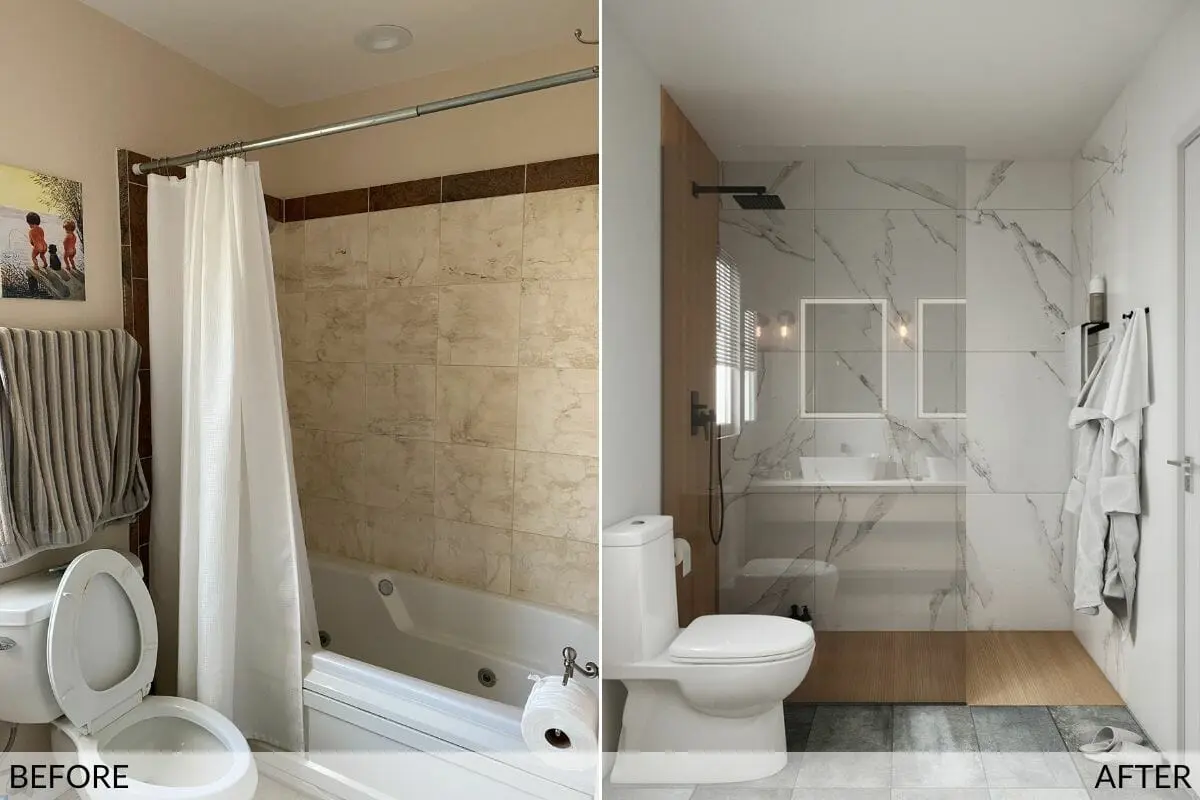
Source: RenoQuotes
Transforming an outdated bathroom into a modern and functional space often starts with one major decision: removing an old, bulky bathtub and replacing it with a more spacious shower. Whether you live in a Toronto condo and want to save valuable square footage, or you are planning ahead for long-term accessibility in a family home, this renovation can be both practical and appealing.
Beyond aesthetics, a bathtub-to-shower conversion responds to real needs related to safety, comfort, and daily use. However, the project requires careful planning. Drainage, waterproofing, ventilation, material selection, and local building requirements can all affect the final result. This guide walks you through the main elements to consider before requesting quotes, from demolition to accessibility-related financial assistance.
Why Convert Your Bathtub into a Walk-In Shower?
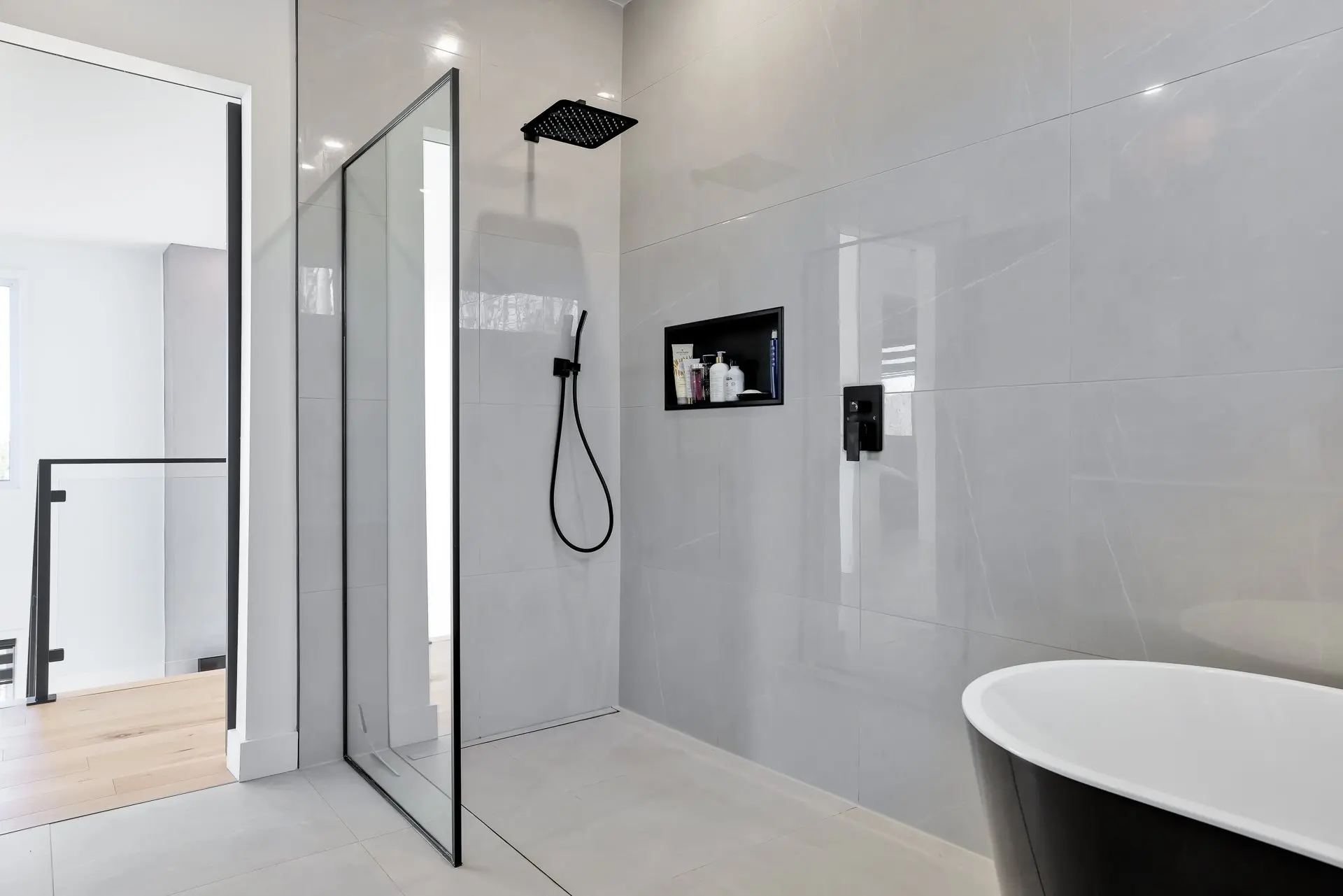
Source: L2J Construction Inc
Walk-in showers and curbless showers remain highly popular in modern bathroom renovations. In the real estate market, bathrooms and kitchens are among the rooms that have the strongest impact on how buyers perceive a property. Depending on the quality of the renovation, the local market, and the type of home, a bathroom upgrade may offer a strong return on investment, potentially as high as 60 to 75%.
More Space and Light
A standard 60 x 30-inch bathtub takes up about 12.5 square feet of floor space, not including surrounding clearance. Replacing it with a shower with glass panels can make the room feel more open and visually spacious. This is especially useful in smaller bathrooms, condos, townhouses, and older homes where every square foot matters. Glass shower panels allow light to circulate more freely, which can make the bathroom feel brighter and less cramped.
Accessibility: A Smart Investment for the Future
For people with reduced mobility or homeowners planning to age in place, a bathtub can become a daily obstacle. A walk-in or low-threshold shower reduces the risk associated with stepping over the side of a tub and can make the bathroom easier to use. It may also make the property more attractive to certain buyers, especially those looking for a more accessible bathroom. However, if the home has only one bathroom, it is worth considering the impact of removing the only bathtub, since families with young children often still prefer to have a tub available.
A Modern, Clean Look
Replacing a tub-shower combo with a glass shower can quickly modernize the look of a bathroom. Wall tile, a textured shower base, glass panels, and black, chrome, or brushed nickel fixtures can create a clean, spa-inspired look. This type of renovation can also make the bathroom feel more intentional and high-end, even when the project stays within a mid-range budget.
Key Steps in a Successful Bathtub-to-Shower Conversion
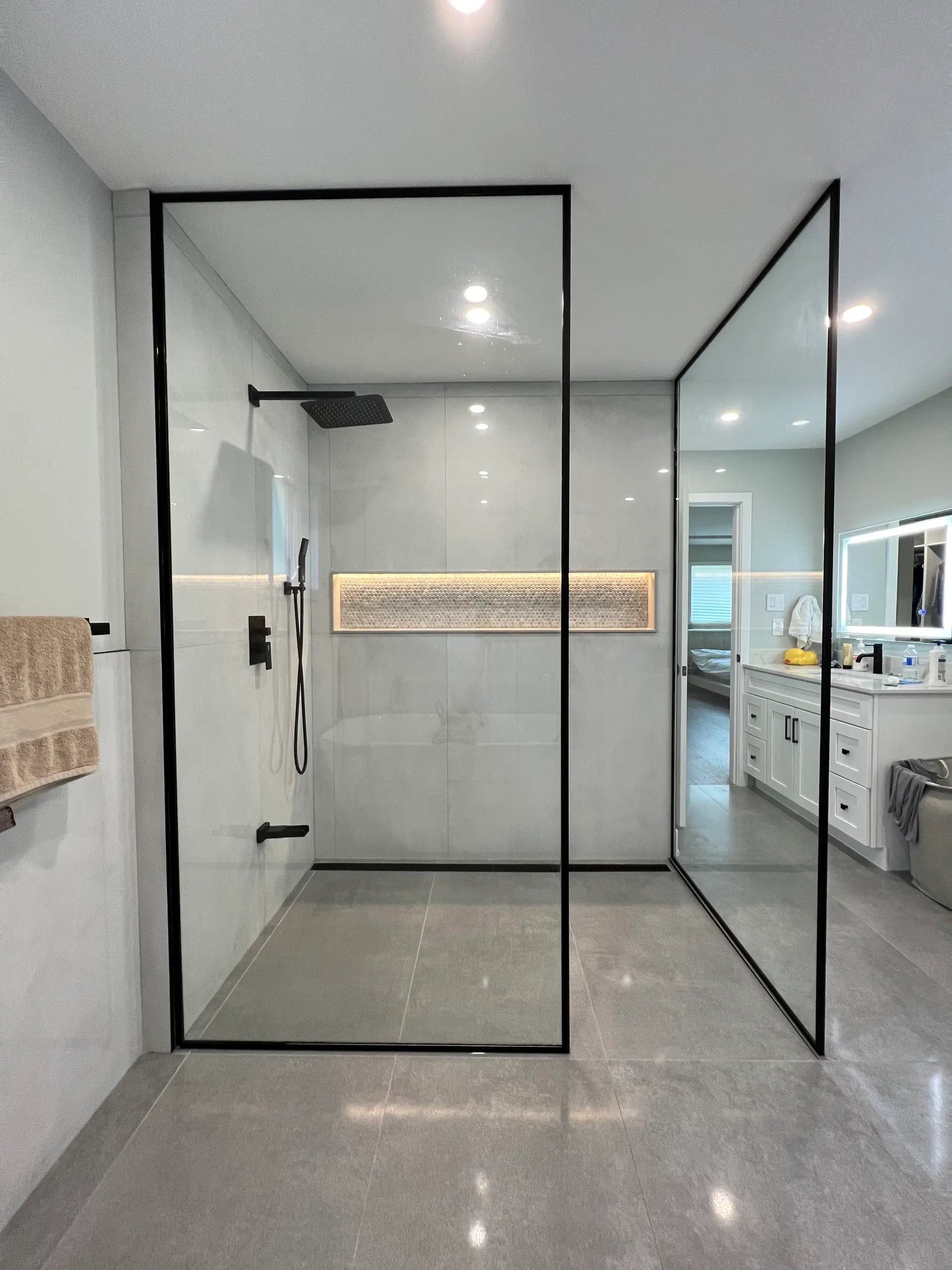
Source: Guiding Light Estates
Switching from a bathtub to a shower is not just a simple fixture replacement. It is a technical renovation that may involve plumbing, flooring, wall preparation, waterproofing, and ventilation.
Demolition and inspection: The first step is to remove the old bathtub, tub surround, and wall materials. This is also the right time to inspect the framing, subfloor, insulation, and any hidden areas behind the old walls. In older bathrooms, hidden moisture behind drywall or tile can lead to mould, rot, or material deterioration. These issues should be corrected before the new shower is installed.
Plumbing modifications: Plumbing is one of the most important parts of the project. A bathtub drain is often 1 1/2 inches, while a shower may require a 2-inch drain, depending on the type of installation, the expected water flow, and applicable plumbing requirements. A qualified plumbing contractor should assess the existing configuration before work begins. Depending on the project, the drain may need to be moved, upgraded, or reconnected to support proper water evacuation.
Substrate preparation and waterproofing: The walls and floor must be prepared with materials designed for wet areas. Depending on the system used, this may include backer boards, waterproof panels, liquid-applied membranes, sheet membranes, or a complete manufacturer-approved shower system. Waterproofing is especially important in tiled showers. Tile and grout alone are not enough to make a shower waterproof. A proper waterproofing system helps protect the structure from leaks, mould, and long-term water damage.
Finishing work: The final stage includes tile installation, grout, sealants, fixtures, glass panels, and accessories. This is where design choices such as tile format, fixture finish, niche placement, and shower door style have the biggest visual impact.
Choosing the Right Shower Base and Fixtures
Source: Ora construction design inc
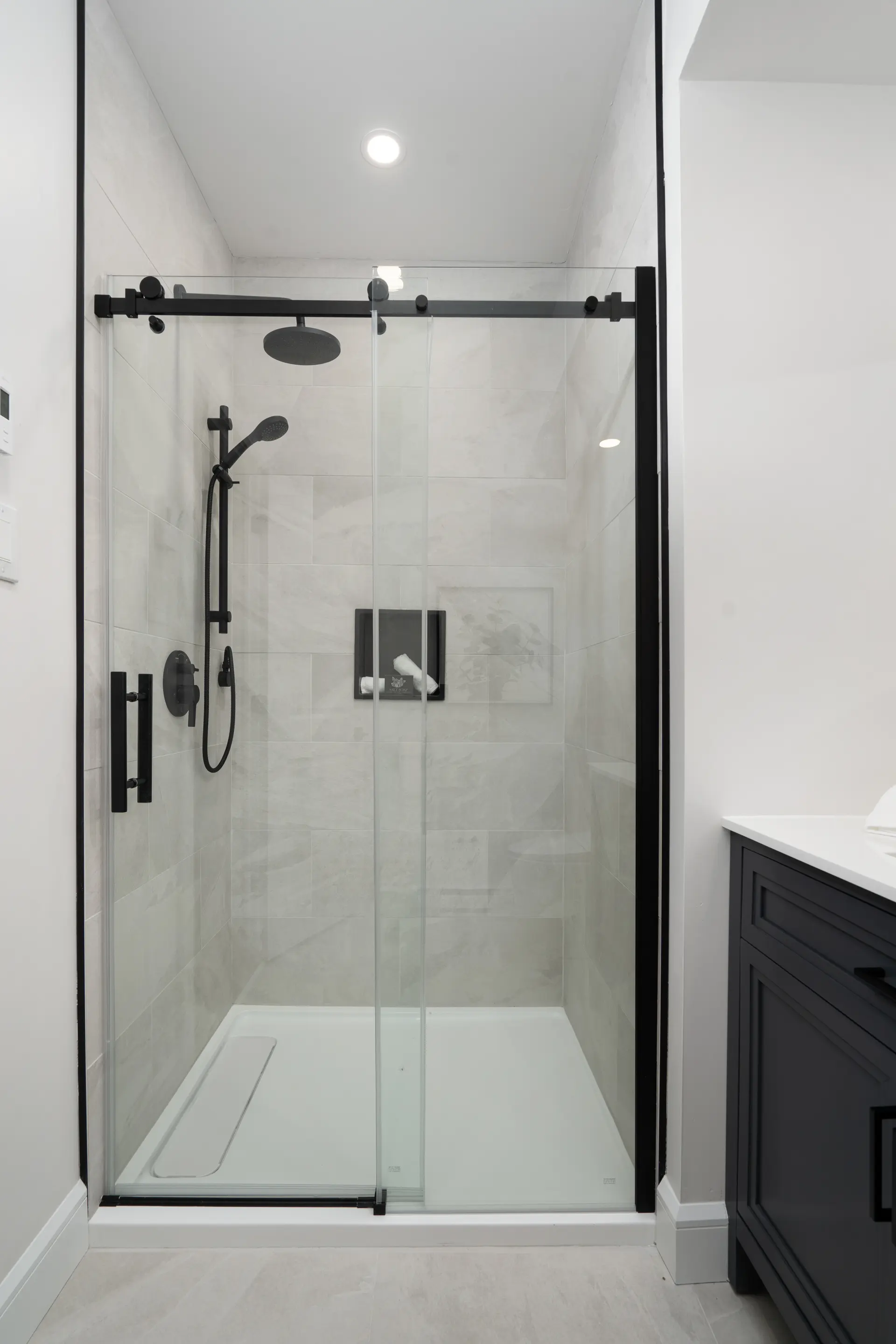
The shower base has a direct impact on the cost, appearance, durability, and complexity of the installation.
Acrylic shower base: An acrylic base is usually the most budget-friendly option. It is quick to install, easy to clean, and a good choice for homeowners who want a practical conversion without a fully custom shower.
Polymer, resin, or engineered stone base: A polymer, resin, or engineered stone shower base generally offers a sturdier and more upscale finish. It can provide a more refined look while remaining easier to install than a fully tiled shower base.
Tiled shower base or curbless shower: A tiled shower base offers the most customized and high-end appearance. It is often used in walk-in or curbless shower designs. However, it requires more expertise because the slope, drain, waterproofing, and tile installation must be executed very precisely.
When it comes to fixtures, a rainfall showerhead combined with a handheld shower is a popular option for added comfort. To reduce hot water consumption, homeowners can also look for low-flow showerheads, including models certified by WaterSense.
The Importance of Waterproofing and Drainage
Waterproofing is one of the most critical parts of any shower renovation. Poor installation can lead to leaks, damage to the subfloor, mould, and expensive repairs. This is especially important in tiled showers, where water can pass through grout lines if the system underneath is not properly waterproofed. A waterproofing system designed for showers is essential. This may include a liquid membrane, sheet membrane, waterproof wall panels, or a complete shower system approved by the manufacturer. Drainage also needs to be properly designed, with an appropriate slope toward the drain, a compliant trap, and adequate venting to help water flow correctly and reduce odour issues.
Bathtub-to-Shower Conversion Costs in Canada
Source: Versatile Renovations Inc
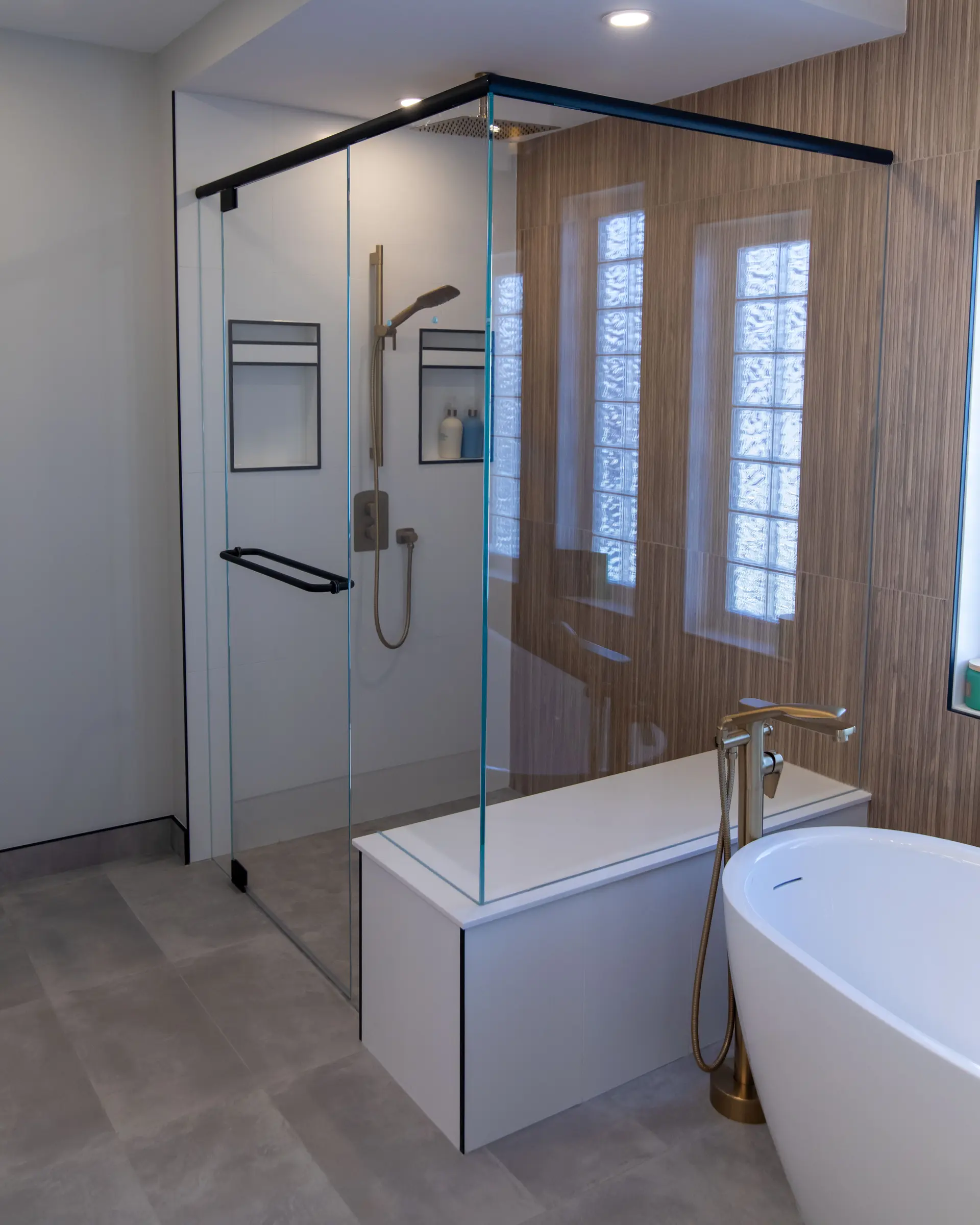
The cost of replacing a bathtub with a shower varies based on the scope of work, material choices, labour rates, and the condition of the existing bathroom. Here is a general overview of typical installed price ranges in Canada:
Type of Project | Estimated Price Range, Installation Included |
Entry-level: acrylic base and prefabricated wall panels | $5,000 to $7,500 |
Mid-range: acrylic base, tile walls, glass door | $7,500 to $11,000 |
High-end/walk-in shower: tiled base, premium tile, upgraded plumbing | $12,000 and up |
These are general estimates. Costs may rise if the drain, plumbing, subfloor, or waterproofing system needs extra work.
Financial Assistance and Accessibility Programs
If you are renovating to adapt your home for reduced mobility, aging in place, or disability-related needs, some financial assistance programs may be available. Availability and eligibility vary by province, municipality, income level, age, disability status, and the type of work being done.
Examples may include:
Municipal renovation assistance programs
Tax credits
Disability-related home modification grants
In some cases, replacing a bathtub with a safer shower may be eligible if the work is required for accessibility rather than purely aesthetic reasons.
Before starting the project, check the programs available in your province or city and confirm eligibility requirements. It is also useful to request detailed quotes from bathroom renovation contractors so you can compare labour, materials, warranties, and accessibility-related options.
Regulations and Choosing the Right Contractor
Across Canada, plumbing and building requirements vary by province and municipality. In many cases, plumbing work must be performed by a licensed plumber or qualified contractor, especially when the project involves moving a drain, changing water lines, modifying venting, or altering the floor structure.
Before signing a contract, verify that the contractor is properly licensed or qualified for the work required in your province. You should also ask for proof of liability insurance, a detailed written contract, a clear description of the materials being used, and warranty information.
For a bathtub-to-shower conversion, the contractor should be able to explain how the drainage, waterproofing, ventilation, and tile or wall system will be handled. This is especially important because water damage from an improperly installed shower can be costly and difficult to detect until the problem becomes serious.
Frequently Asked Questions About Bathtub-to-Shower Conversions
Will I lose resale value if I no longer have a bathtub?
This is one of the most common concerns, and the answer depends on the type of property and the target buyer. In an urban condo or smaller bathroom, a spacious, well-designed shower may be more appealing than a rarely used bathtub. In a family home, however, it is usually best to keep at least one bathtub in the house. Families with young children often look for a bathtub, so if your home has only one bathroom, consider your current needs and the potential resale impact before removing the only tub.
How long does the work take?
For a standard bathtub-to-shower conversion, the work generally takes 5 to 10 business days. This may include demolition, inspection, plumbing adjustments, waterproofing, tile installation, and glass panel installation.
Can I install a shower myself?
Some preparation or finishing tasks may be possible for experienced DIY homeowners, but a bathtub-to-shower conversion is a technical project. Plumbing, waterproofing, drainage slope (1:50), wall preparation, and fixture installation must all be done correctly to prevent leaks and drainage problems. For more information, check out our blog!
Looking for something else?
Related articles
The latest industry news, interviews, technologies, and resources.
Editorial Team
•15 Nov 2024
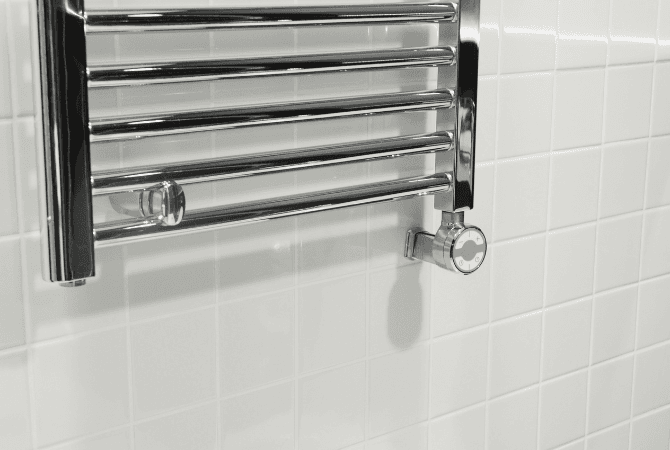
Getting undressed in a bathroom should always be a treat. However, it often turns into an ordeal. And, as it turns out, the secret lies within the heating system, from which we expect an immediate, cozy warmth. What more could you ask for from a bathroom heater? So, why not get one that’s programmable and doubles as a towel warmer?

Cynthia Pigeon
•12 Aug 2026
According to the Institut de la statistique du Québec, spending on residential renovations represents more than 51% of all residential construction investment in the province. In addition, APCHQ data indicates that more than 64% of Quebec homeowners are moving forward with their renovation plans. Still, taking on major work—whether finishing a basement, updating a kitchen, or adding an extension to your home—comes with its share of financial stress.
Editorial Team
•18 Dec 2024
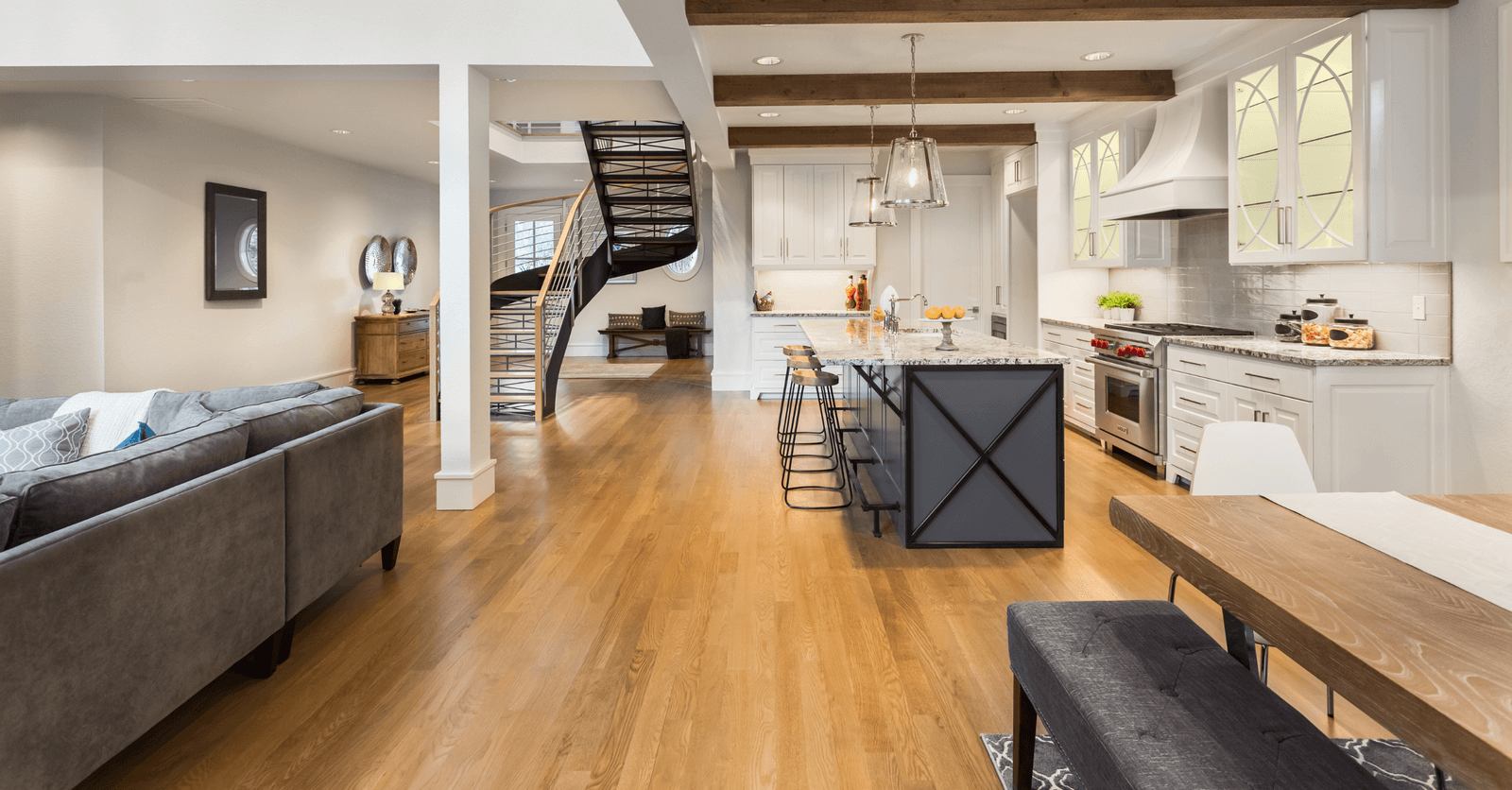
You’re not one to care about knocking down a few walls? Truth be told, for years now, open-concept spaces have been increasingly sought-after.

Editorial Team
•13 May 2026
Our homes are becoming intelligent. Each day, we interact with tiny little devices, such as our phones and computers, that are in place to capture personal data about our interests, wants and needs.

Editorial Team
•08 Nov 2023
Regardless of the size of your home renovation project, it likely isn’t an easy undertaking. A lot of planning, time and energy go into a renovation and for this reason, you’re probably looking for a way to make things just a little bit easier.