Epoxy Kitchen Floors: Pros, Cons, Cost, and Key Considerations
By Editorial Team
Updated on June 11, 2026
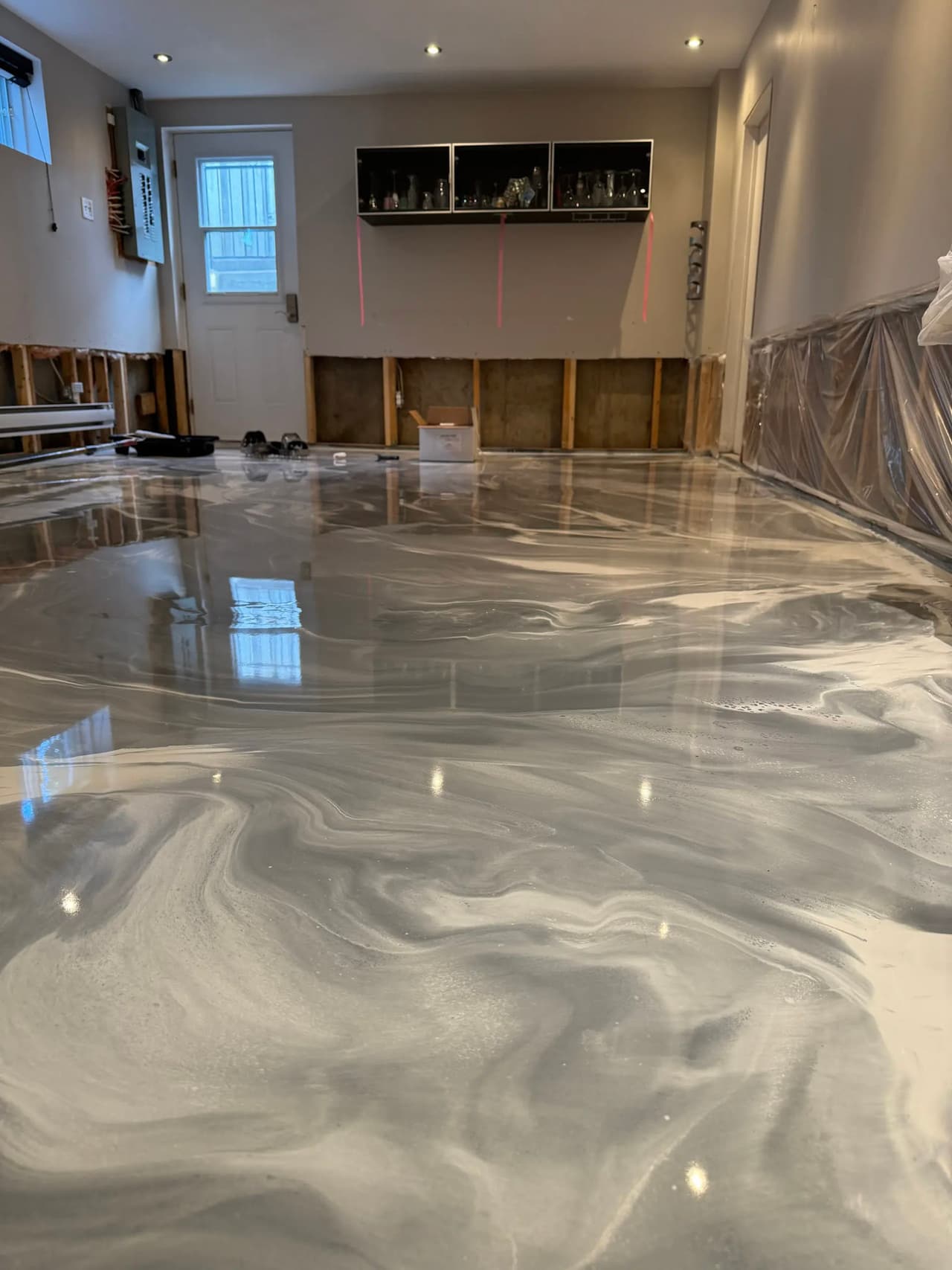
An epoxy kitchen floor can be a practical option for homeowners, landlords, and property managers who want a seamless, durable, and easy-to-clean surface. For renovation contractors, it is also a useful service to promote before summer break, when clients are starting to plan fall projects and looking to secure reliable timelines.
Epoxy is not the right choice for every kitchen. It performs best over a sound concrete surface and needs proper preparation, moisture control, and professional installation to avoid peeling, bubbling, or a slippery finish.
What is an epoxy kitchen floor?
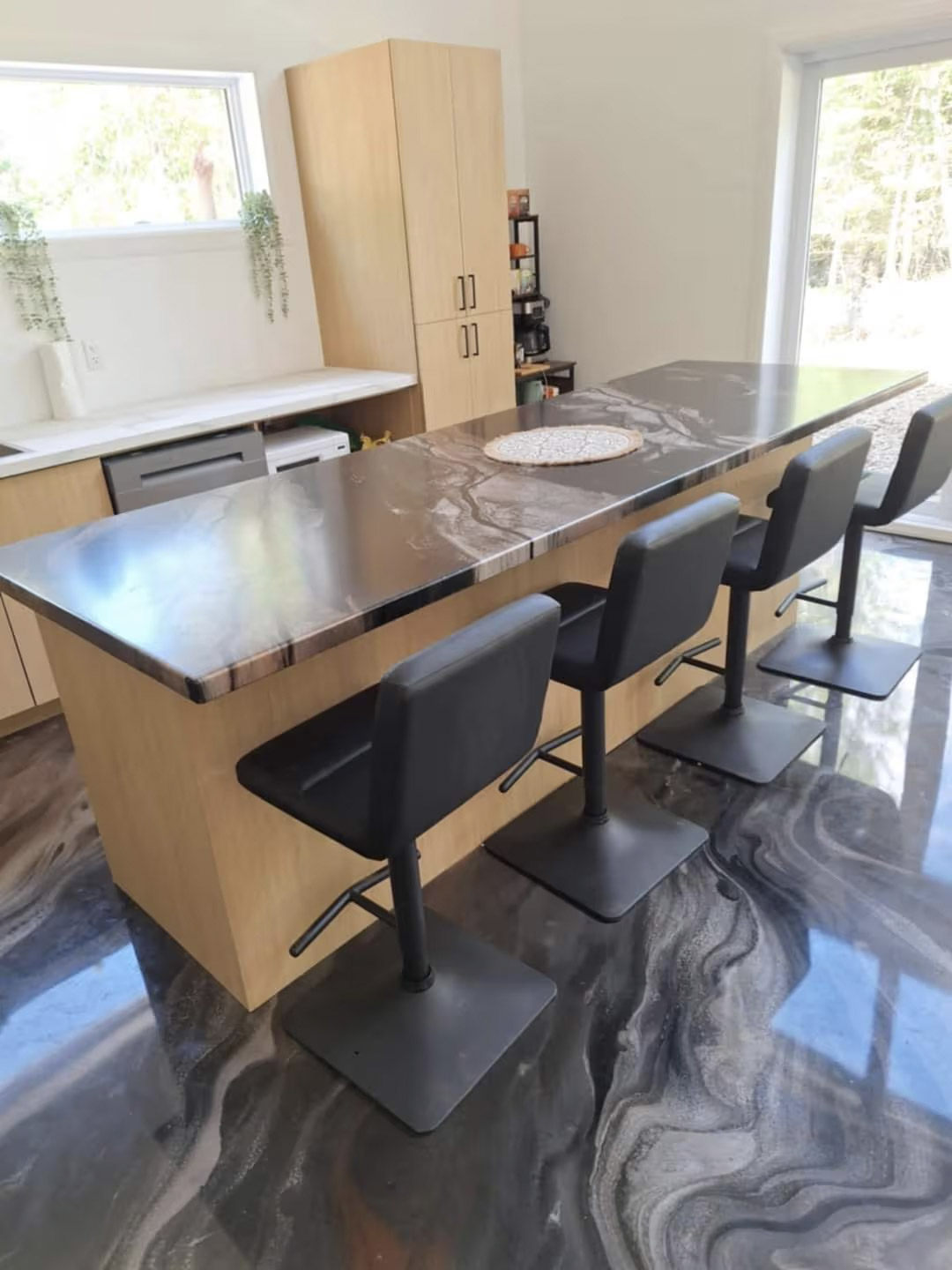
Source: Maison Epoxy Inc
An epoxy kitchen floor is usually a resin-based coating system applied over concrete. The installer may use a primer, one or more epoxy coats, decorative flakes or pigments, and a protective topcoat.
Unlike tile or plank flooring, epoxy creates a mostly seamless surface. This helps reduce grout lines, cracks, and joints where dirt, grease, and moisture can collect. Seamless, non-porous resin floors are commonly used in commercial kitchens because they can help simplify cleaning and reduce areas where bacteria and mould may grow.
Is epoxy a good choice for kitchen floors?
Yes, an epoxy kitchen floor is a good choice if you want a seamless, durable, hygienic, and easy-clean surface over concrete. It is especially useful for modern kitchens, rental properties, commercial-style spaces, and high-traffic areas.
It may not be the best option if your kitchen has active moisture issues, a wood subfloor, major slab cracks, or if you want a softer, traditional flooring look.
Benefits of Epoxy Kitchen Flooring
Durable for Heavy Kitchen Use
Epoxy flooring is known for abrasion resistance, impact resistance, and resistance to many stains and cleaning chemicals. In a busy kitchen, that can be useful around appliances, dining areas, islands, and prep zones.
For property managers, epoxy can also be attractive because it is low-maintenance compared with materials that need grout cleaning, refinishing, or frequent replacement.
Seamless and Easy to Clean
A properly installed epoxy floor creates a smooth, non-porous surface. This makes routine maintenance easier because spills, grease, crumbs, and tracked-in dirt stay on the surface instead of soaking into the floor.
For cleaning, warm water, a soft mop, and mild detergent are usually enough. Avoid harsh cleaners unless the coating manufacturer confirms compatibility.
Hygienic Surface
Epoxy can support better hygiene because there are fewer seams and grout lines. In commercial settings, seamless resin flooring is often used because it helps prevent liquids, food particles, grease, and contaminants from penetrating the floor.
For a residential kitchen, this does not make the floor “self-sanitizing,” but it can make cleaning and spill control easier.
Design Flexibility
Epoxy kitchen floors can be customized with:
Solid colours
Decorative flake systems
Quartz systems
Metallic epoxy floors
Glossy finishes
Matte or satin topcoats
Colour highlights
Anti-slip finishes
A UV-resistant topcoat may be useful in kitchens with strong sunlight, since some epoxy systems can yellow or discolour with UV exposure.
Drawbacks of Epoxy Kitchen Floors
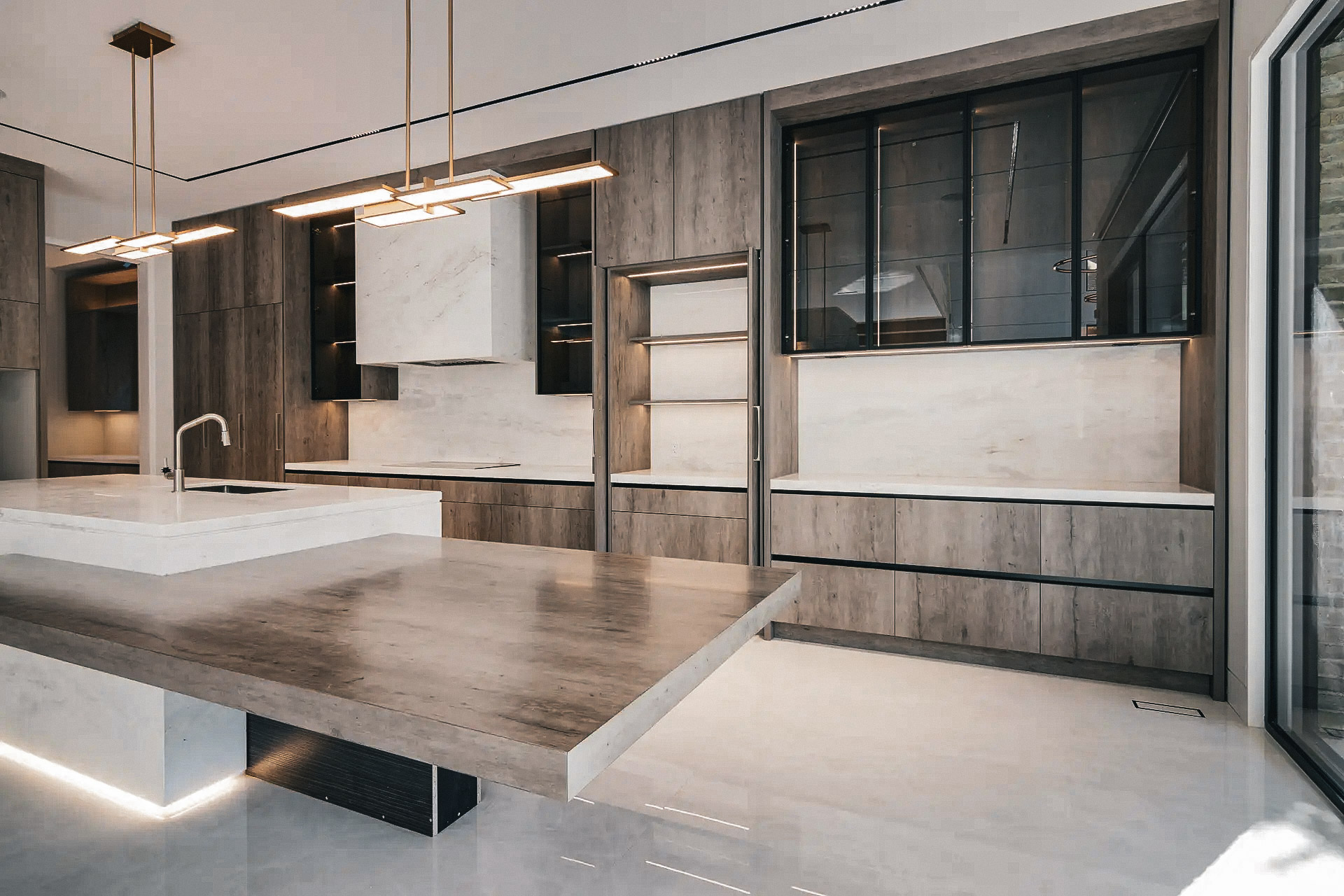
Source: Ayon Design & Build Corp.
It Can Be Slippery Without Texture
Glossy epoxy can become slippery, especially when wet or greasy. Kitchens should use anti-slip additives, textured topcoats, or slip-resistant coating options. This is especially important for rental units, seniors, children, and commercial kitchens.
Surface Preparation Is Critical
Epoxy is only as good as the surface underneath. Concrete usually needs surface grinding, dust control, crack repair, moisture prep, and proper primer application. Surface imperfections can show through the finish or affect adhesion.
Moisture Problems Must Be Fixed First
Epoxy should not be used to hide active moisture problems. If moisture is coming through the slab, the coating may blister, peel, or fail. Any water infiltration, slab moisture, or cracks should be assessed before installation.
DIY Kits Have Limits
DIY epoxy kits can work for small, low-risk projects, but kitchen floors are more demanding. A poor epoxy floor coating application can lead to uneven colour, bubbles, roller marks, peeling, or a finish that is too slippery.
Professional installation is usually the safer choice for kitchens, especially if the floor needs concrete repair, surface grinding, moisture testing, or a decorative finish.
Epoxy Kitchen Floor Cost in Canada
Epoxy floor installation costs vary by kitchen size, epoxy type, floor preparations, design, and location. Canadian pricing sources commonly place epoxy flooring around $3 to $12 per square foot, while more decorative or custom systems can cost more.
Typical cost factors include:
Factor | How It Affects Price |
|---|---|
Kitchen size | Smaller jobs may have higher minimum project costs |
Concrete condition | Crack repair, grinding, and levelling add labour |
Epoxy type | Solid colour epoxy is usually less expensive than metallic epoxy |
Finish | Decorative flake systems, quartz systems, and custom designs cost more |
Topcoat | UV-resistant or slip-resistant topcoats may increase cost |
Access and timeline | Occupied homes and tight schedules may add complexity |
For an accurate price, request local quotes after an on-site inspection.
Epoxy vs. Other Kitchen Flooring
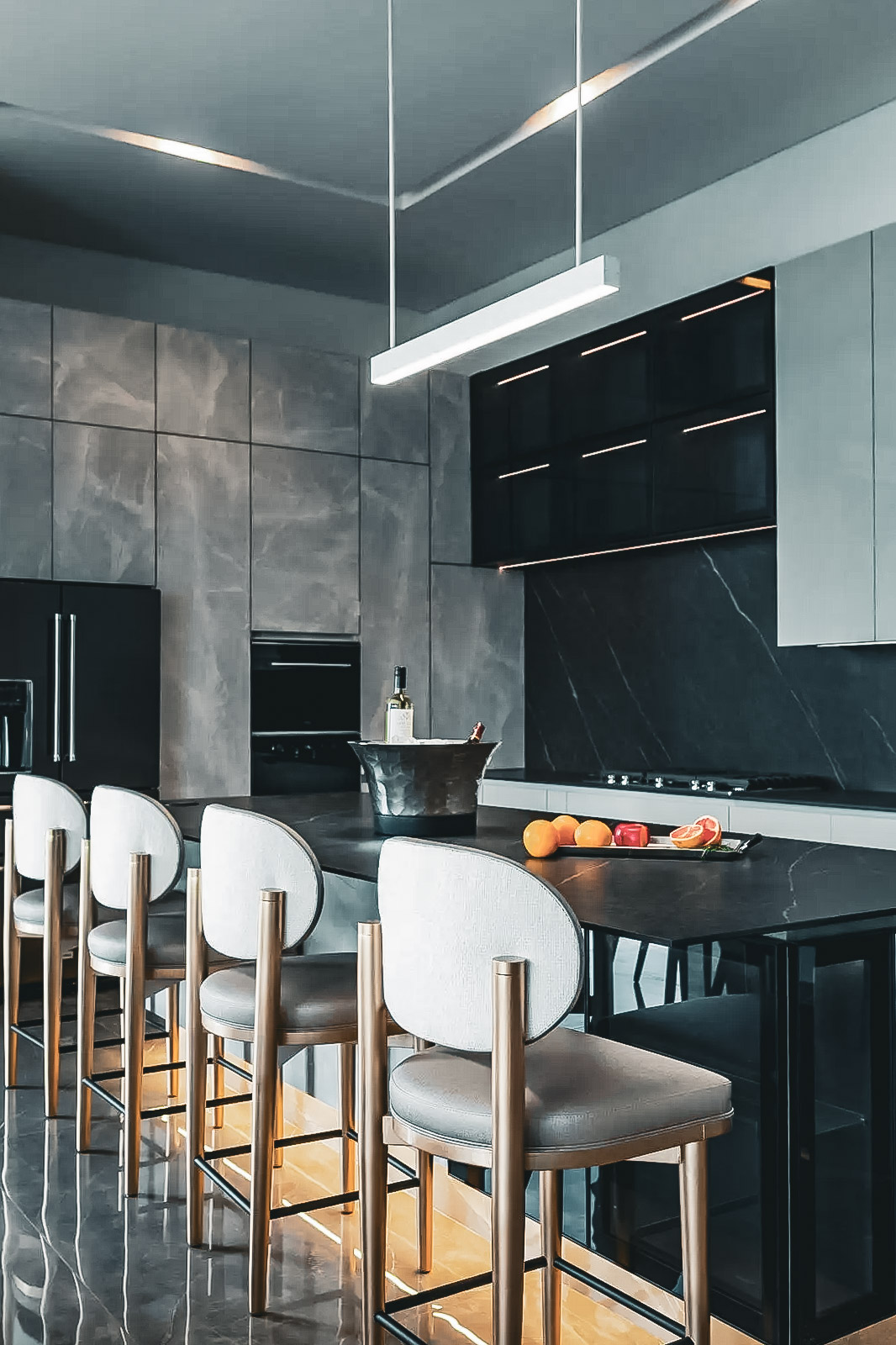
Source: 9394-3199 Québec inc.
Flooring Type | Strengths | Drawbacks |
|---|---|---|
Epoxy | Seamless, durable, low-maintenance, stain-resistant | Needs proper concrete prep; can be slippery without texture |
Ceramic or porcelain tile | Heat-resistant, familiar look, many styles | Grout can stain; tiles can crack |
Comfortable, affordable, water-resistant | Can dent, scratch, or lift depending on quality | |
Hardwood | Warm appearance, classic style | Sensitive to water, scratches, and kitchen spills |
Quarry tile | Durable and common in commercial kitchens | Hard surface; grout maintenance required |
Epoxy is strongest when you want a seamless, modern, easy-clean floor. Tile or vinyl may be better if you want a softer residential look or if the kitchen is not on a suitable concrete base.
Installation Process
A typical epoxy kitchen floor installation includes:
Inspecting the concrete and checking moisture conditions
Removing old coatings, adhesives, grease, and contaminants
Surface grinding for proper adhesion
Repairing cracks, holes, and surface imperfections
Applying primer
Preparing to lay down each layer of epoxy resin flooring
Adding colour, flakes, metallic effects, or quartz if needed
Applying the finishing coat or topcoat
Allowing proper curing time before regular use
Epoxy products can involve chemical exposure during installation. Good ventilation, PPE, and following the product safety data sheet are important. Epoxy dust from sanding or grinding can also be hazardous, especially before the product is fully cured.
Maintenance and Cleaning
Epoxy kitchen floors are low-maintenance, but they still need routine care.
Use a soft mop, warm water, and mild soap for regular cleaning. For grease, use a non-toxic degreaser approved for the coating. Clean spills quickly, avoid abrasive pads, and place mats near sinks or exterior doors if grit and water are common.
Over time, the topcoat may show wear in high-traffic areas. A professional can often refresh the surface with cleaning, light abrasion, and a new topcoat if the base system is still sound.
In Conclusion
An epoxy kitchen floor can be a strong, attractive, and low-maintenance flooring option when installed over a properly prepared concrete surface. Its seamless and non-porous finish makes cleaning easier and can support better hygiene in busy kitchens.
For homeowners and property managers, planning before fall helps avoid last-minute scheduling issues. For contractors, promoting epoxy kitchen flooring before summer slowdowns can help maintain steady lead flow and keep revenue more consistent while others take time off.
FAQ
Is epoxy flooring safe for kitchens?
Yes, once fully cured and properly installed, epoxy can be suitable for kitchens. During installation, ventilation, PPE, and manufacturer instructions are important.
Is epoxy kitchen flooring waterproof?
Epoxy can create a highly water-resistant surface, but it should not be treated as a fix for active leaks, slab moisture, or structural cracks.
Can epoxy floors be slip-resistant?
Yes. Installers can add non-slip additives, textured topcoats, or anti-slip finishes. This is strongly recommended in kitchens.
How long does an epoxy kitchen floor last?
Lifespan depends on surface prep, coating thickness, traffic, cleaning habits, moisture conditions, and topcoat quality. A professionally installed system usually lasts longer than a basic DIY kit.
Can epoxy go over tile or vinyl?
Sometimes, but concrete is usually the preferred substrate. Existing tile, vinyl, adhesive, or old coatings may need removal or special preparation. Compatibility should be confirmed by the installer and product manufacturer.
Is epoxy kitchen flooring safe for food prep areas?
Yes. Once fully cured, epoxy creates a smooth, non-porous surface that is easier to sanitize in food prep areas.
Can epoxy kitchen floors be made more hygienic?
Yes. A seamless finish helps reduce places where dirt and residue can collect, and regular cleaning keeps the surface sanitary.
Looking for something else?
Related articles
The latest industry news, interviews, technologies, and resources.

Christine Simard
•08 Nov 2023
If you are a plant lover, you have surely heard of green walls. If you are not familiar with this term or, like me, thought it meant a wall full of vines, think again! Instead, imagine a vertical garden, filled with different and varied plants, concentrated on a wall section.

Editorial Team
•08 Nov 2023
When we purchase our first home, everything seems perfect. Of course, over time you live there, grow your family and build a cocoon to call your own. Over the years, your home evolves with you, and while it may be subtle, it can age quickly.
Editorial Team
•08 Nov 2023
More and more people are beginning to realize the impact their home has on the environment and as a result are starting to make updates to their homes. The added benefit to these green tips is that ultimately, they help save you money, which in turn translates into your peace of mind.
Cynthia Pigeon
•08 Jun 2026
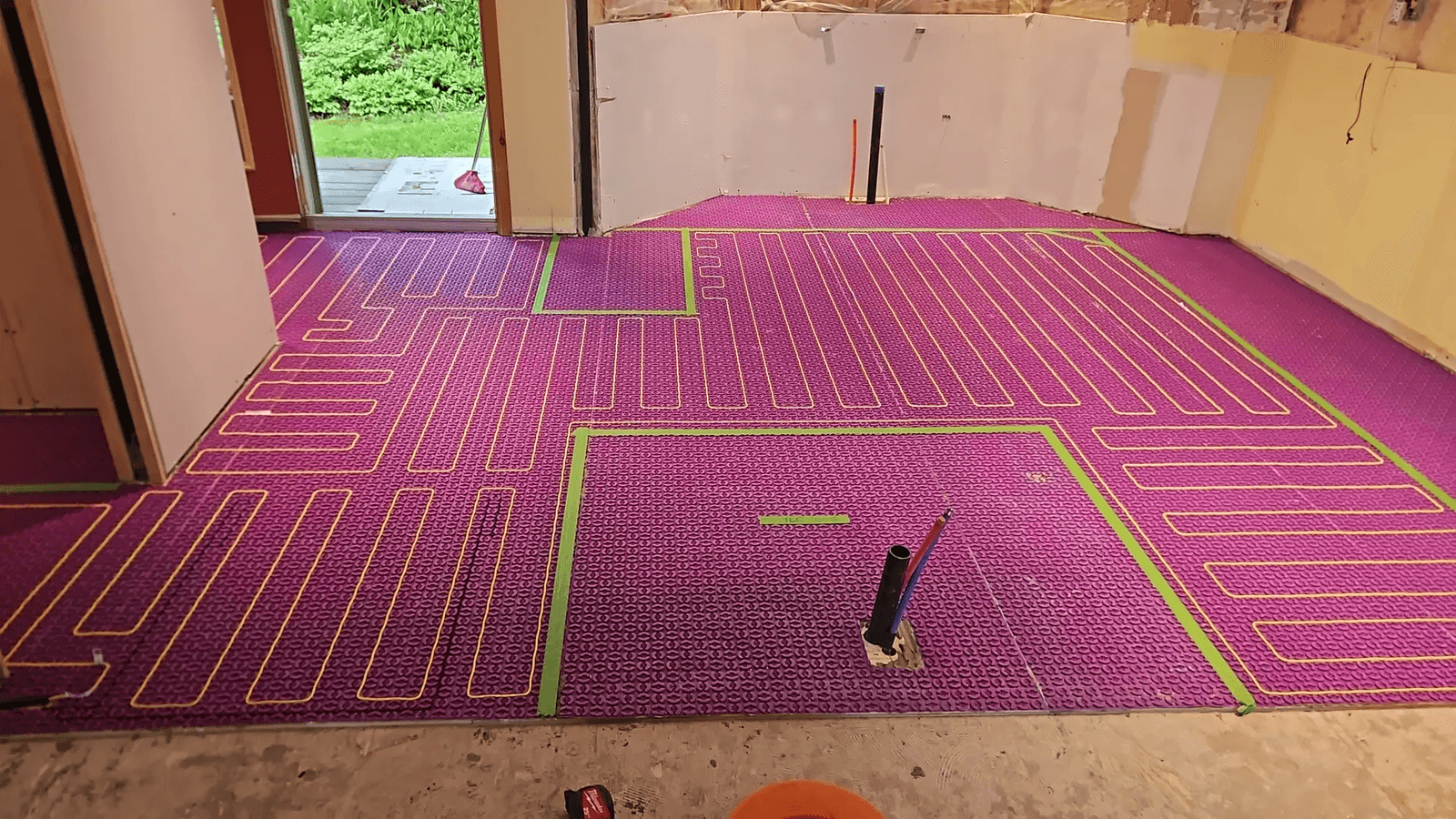
Quebec winters are unforgiving. When the temperature drops below -20°C in Montréal, Québec City or Saguenay, thermal comfort becomes a top priority for homeowners. Stepping onto freezing ceramic tile after a shower or while making your morning coffee is an unpleasant feeling that many households choose to eliminate. This is why electric floor heating has become increasingly popular during residential renovation projects. It provides gentle, even and enveloping heat, while optimizing living space by eliminating the need for bulky baseboard heaters.
Editorial Team
•26 May 2025
Although we all look forward to the warmer weather, few are those who enjoy sweating inside their hot homes or apartments. And that's why many purchase an air conditioner or heat pump.