Foggy Windows: What You Need to Know
By Cynthia Pigeon
Updated on November 3, 2025

Regardless of style or material, windows all serve the same purpose: To create an unimpeded view of the outside world and allow one to view its beauty throughout the seasons.
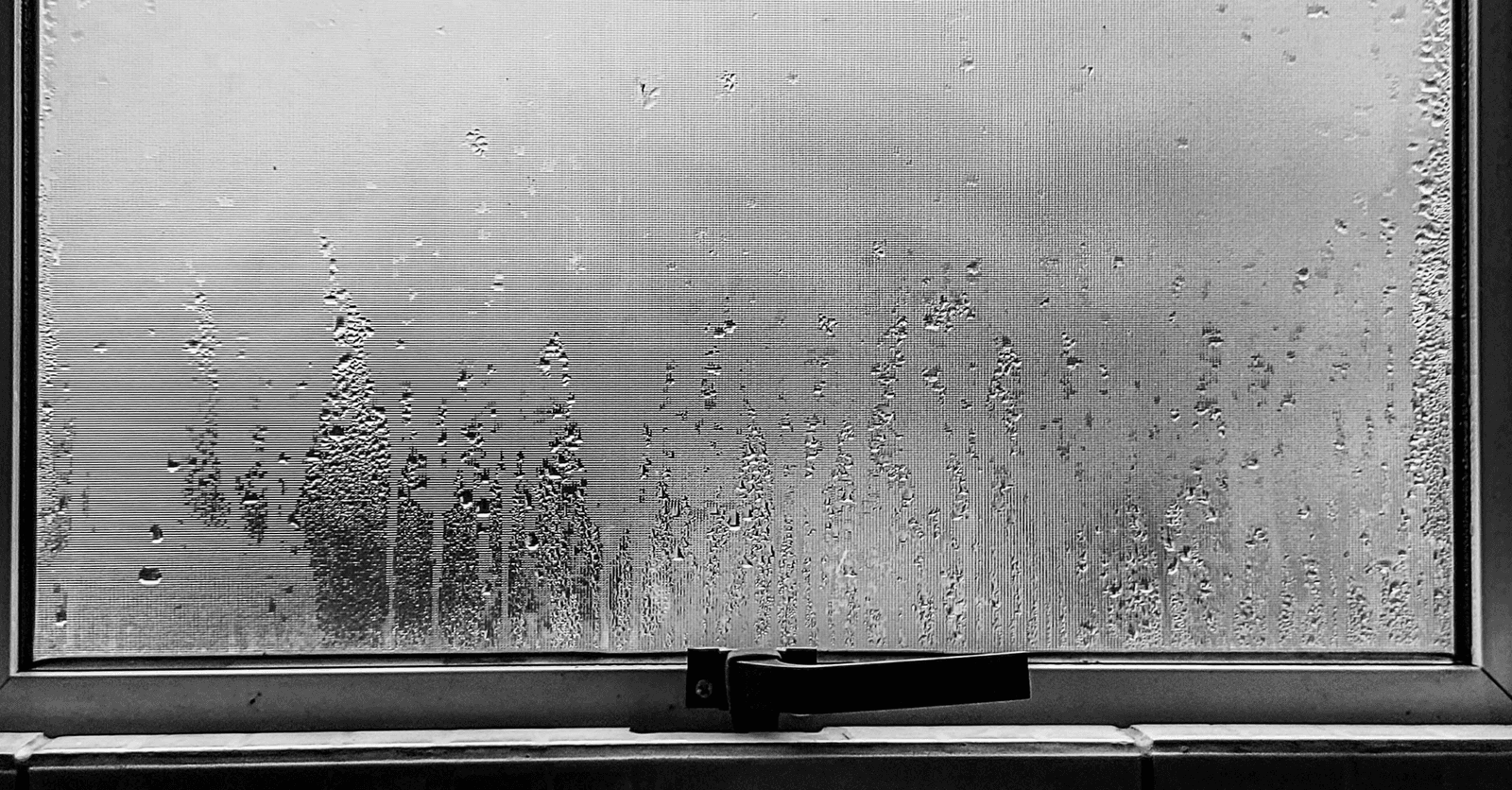
Obviously, this may be compromised with the emergence of fog and, ultimately, the exterior view is affected. So, what is the root of this problem and how do you fix it?
How to Deal with Foggy Windows?
Source : Canva
Cause #1: Inadequate Window Desiccant
As you may know, UV rays are naturally reflected off the surface of your windows. However, these rays will inevitably warm up the air between the thermal window panes. As a result, the pressure between the two panes will increase. Then, what happens?
Due to the heat will, the thermal pane will expand and then later shrink as the temperature drops. This cycle will eventually create micro-cracks in the thermal spacer, which in turn will lead to moisture seeping into the windows.
If the windows are new, the desiccant (made of silica) between the two panes should be able to absorb the moisture caused by the increased pressure.
However, if your windows are already a few years old, it is likely that the desiccant is already saturated with moisture and therefore no longer effective. As a result, the humidity will start to build up between the two panes, repeating the condensation-evaporation cycle on a continuous basis, eventually leading to foggy windows.
How to Fix this Problem?

Source : Canva
1) Opt to have your windows defogged
In order to rectify foggy window issues, you can perform a defogging procedure. To do so, you will need to call upon the services of a professional, as this is not something you should attempt as your next DIY project.
The defogging process consists of drilling two holes in the thermal pane, one on the inside and one on the outside. Then, a cleaning product will be inserted into the cavity to restore the glass to its original state. Finally, the hole will be sealed with a transparent cap, which will still allow air to circulate properly. In fact, this air flow will prevent the glass from misting up too quickly.
To ensure that the defogging process is effective, an 8-week waiting period is required. During this period, you may observe some fogging, which is to be expected. However, no need to worry, as it will dissipate on its own once the waiting period is over.
Obviously, the defogging process is only pertinent when the condensation is ongoing and not due to a high level of humidity.
Curious as to how you can fix your window problems? Check out our article on the subject matter!
Although it is an effective solution, it is only a temporary fix. In fact, the protection will only last a few years. Once this period has elapsed, you will have to repeat the treatment to prevent the windows from fogging up again.
Furthermore, the defogging process decreases the amount of argon gas between the glass panes. Therefore, the energy efficiency of the window may be slightly altered, even though the glass still provides a decent level of insulation.
Last but not least, consider the number of windows that need to be replaced before opting for a defogging procedure. If several windows have the same problem, a more detailed analysis of the situation may lead you to opt to replace your thermal windows altogether. Therefore, evaluate the costs involved with each of these two options before making a final decision.
2) Install a patented microfilter
To prevent high levels of humidity between your windows, experts in the matter may recommend installing a patented microfilter in between your window panes. By doing so, the humidity will be channelled towards the outside, thereby preventing the pressure between your panes from reaching an excessive level.
3) Replace the thermal layer
In some cases, it may be necessary to replace the thermal pane altogether. As a matter of fact, some experts suggest that it may be an even better solution as the defogging process is not a permanent solution.
Speaking of which, if the thermal pane is coming apart due to damaged sealants, the inside of your window is definitely not airtight anymore and eventually moisture will seep in. If this is the source of your problem, as mentioned above, defogging will only temporarily solve your problem.
Replacing the glazing (not the windows as such) will ensure that your windows have maximum sealing, which is the key to preventing them from fogging up again. In fact, not having to defog your windows will save you from drilling holes in the glazing, and inevitably compromise their airtight seal.
Cause #2: Humidity Level Is Too High

Source : Canva
In some cases, foggy windows can pinpoint the presence of a higher than ideal level of humidity, which is between 35% to 45% (25% when the temperature drops below -25 degrees Celsius). If the humidity level in your home is above this level, you will need to remedy the situation by :
Making sure all doors are open inside the home to facilitate airflow;
Periodically ensuring your heating unit is working properly;
Using your range hood while cooking meals;
Using the bathroom fan whenever necessary;
Ensuring that the exterior ventilation grilles of the range hood and the bathroom fan are not obstructed in any way, shape, or form.
Aside from implementing these measures, remove your window screens during the winter and make sure to always keep your blinds open during the day, up until bedtime. By doing this, your windows will be exposed to the warmth of the sun's rays for a longer period of time. Since condensation is greatly reduced when the windows are warm, this can be really beneficial.
Looking to buy blinds?
We recommend Quebec-based company Hey Blinds Canada: custom-made blinds, sought-after products, but above all else, the best warranties for a stress-free purchase.
However, old windows are usually lacking proper sealant, which will increase the humidity level in your home. Ideally, if you need to replace your old windows, make sure you choose windows with double or triple glazing and argon gas-filled.
Since the latter contributes to keeping your windows warm, that limits your chances of having foggy windows.
On another note, keep in mind that insulation is an important part of maintaining adequate humidity levels in a home. That is why it is essential to check that your attic and wall insulation is adequate.
Last but not least, avoid minimizing the humidity level inside your home too much when you are away. Although it may seem logical to want to lower the heat when no one is home, a too drastic drop in temperature may lead to the window glazing becoming too cold. And, any excess water vapour will then cause condensation to form on the window.
Looking for something else?