How Much Do Screw Piles Cost for a Deck in Canada?
By Cynthia Pigeon
Updated on July 14, 2026
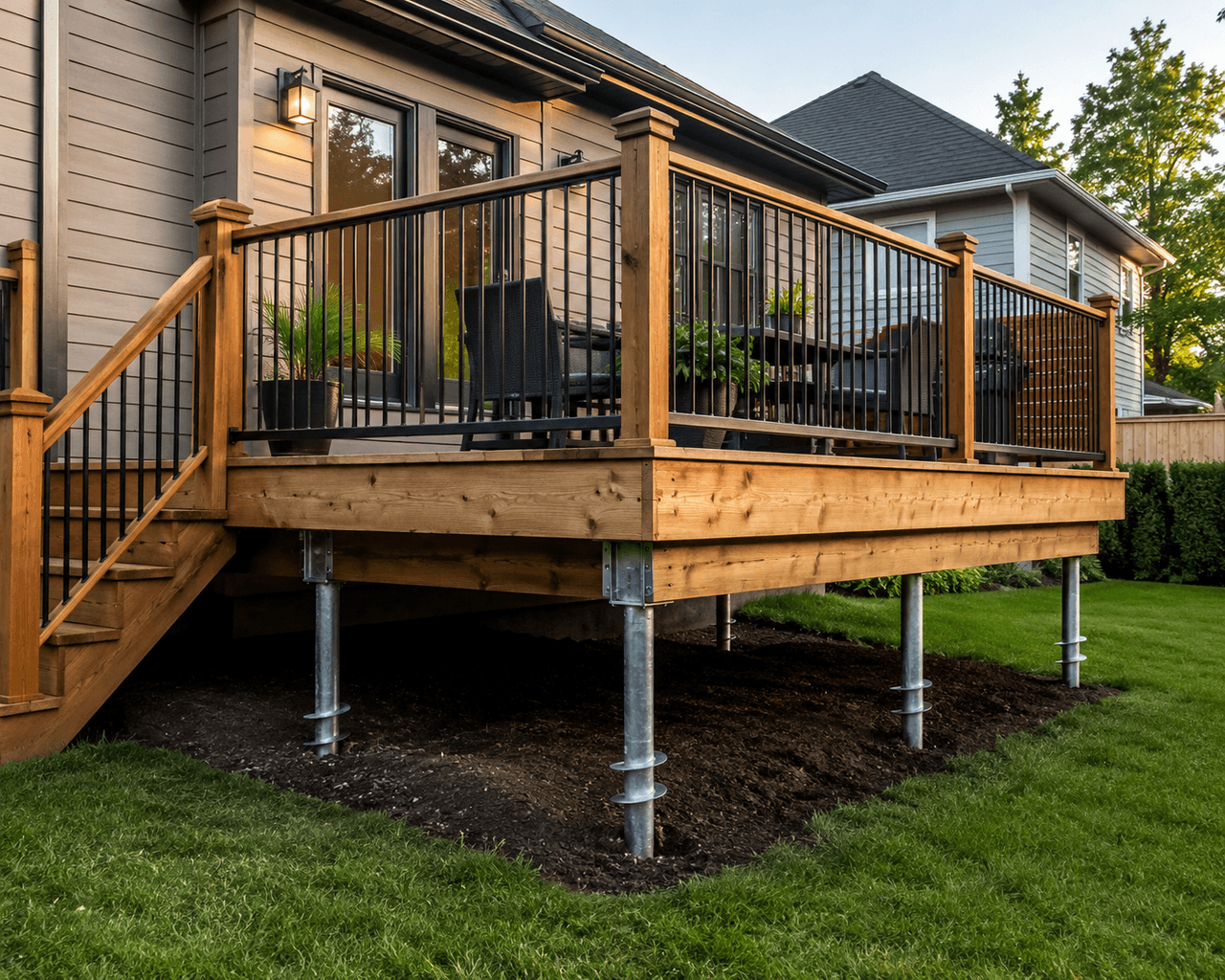
The return of warmer weather across Canada often brings a desire to make the most of the backyard. Whether you are planning to build a new patio or completely renovate an existing deck, one fundamental question should be addressed from the outset: what type of foundation will support the structure?
In Canada, choosing a foundation is not simply a matter of appearance or convenience. It is first and foremost an important technical consideration because of the soil’s seasonal freeze-thaw cycles. An inadequate foundation may lead to movement, deformation, or damage over time. This comprehensive guide provides a transparent overview of the costs, benefits, and selection criteria involved in completing your project with confidence.
What Is the Cost of Screw Piles for a Deck in Canada?
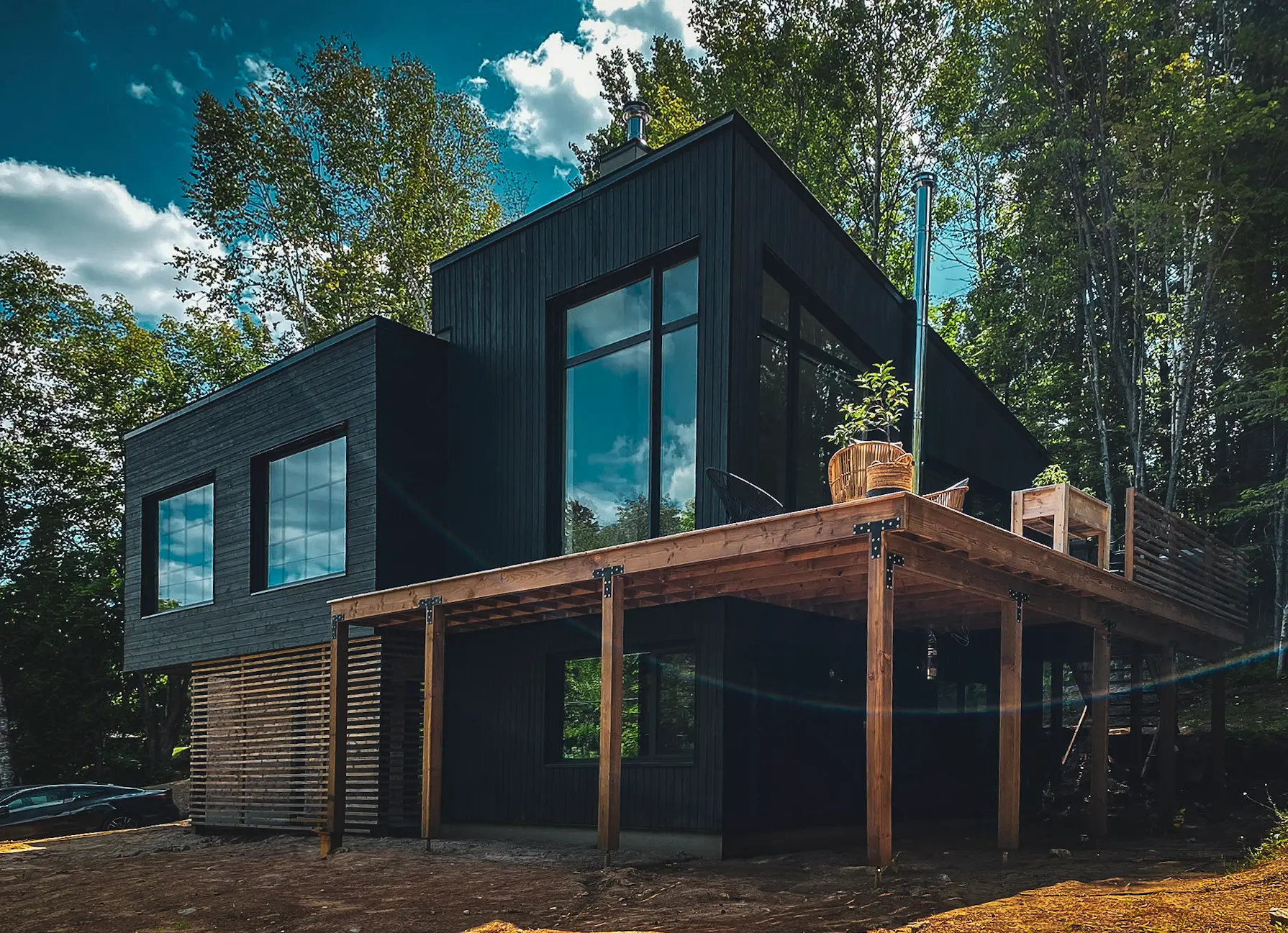
Source: GUERTI
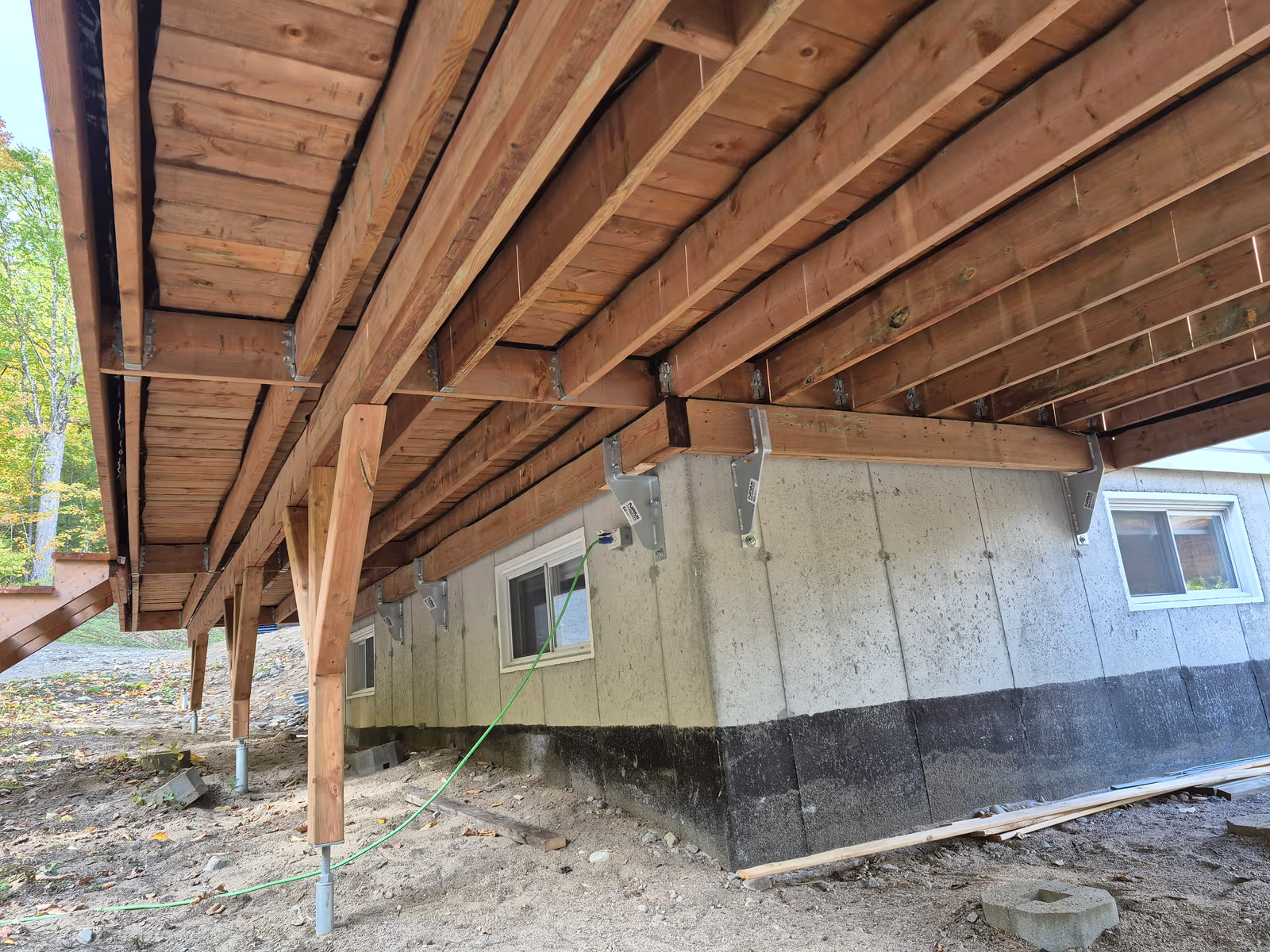
For a deck project in Canada, an installed screw pile often costs several hundred dollars. However, the price can vary considerably depending on the pile model, length, required capacity, soil conditions, site access, extensions, and mobilization fees. A local quote is therefore essential. The price shown in a quote may include the pile, its installation, and the use of specialized equipment. However, confirm whether travel expenses, extensions, accessories, technical documentation, and warranties are included.
To provide a more concrete idea of the potential investment, here are three examples of common deck projects:
Example | Approximate Number of Piles | Approximate Cost |
10 × 10 ft patio | Approximately 4 piles | Based on the unit price and site-related fees |
12 × 16 ft deck | Approximately 6 to 8 piles | Based on spans, loads, and soil conditions |
Deck with a hot tub | Project-specific calculations required | Quote and structural design required |
Note: The number of piles is provided for reference only. It must be confirmed based on the plans, spans, loads, and soil conditions.
Although the initial cost may appear higher than purchasing basic surface-level concrete blocks, it is important to view this expense as an investment over the lifespan of your home. To plan your project effectively, you can estimate the total cost of your deck and balance the expenses associated with the foundation, wood structure, and decking material.
Factors That Affect the Cost of Screw Piles
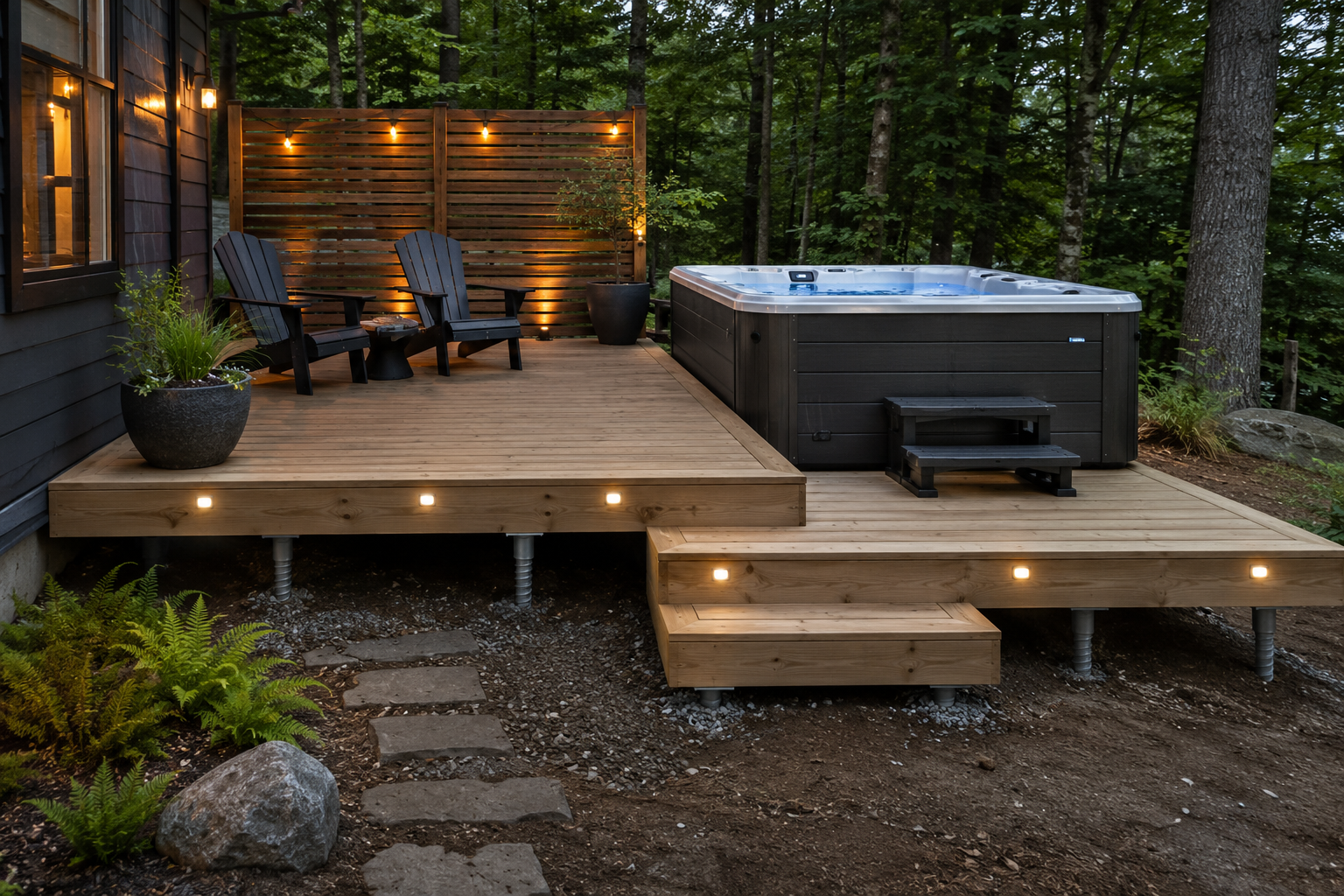
Source: RenoQuotes
The price of a screw pile is not fixed. It varies according to the physical constraints of the project and the geological characteristics of the property.
The Diameter and Load-Bearing Capacity of the Steel Pile
The steel components of a pile are sized according to the load they must support. An increase in loads may require a different pile model, a greater number of piles, or a different configuration, depending on the system and soil conditions.
A pile’s capacity depends on the complete pile model, its components, the loads it must support, soil conditions, and the data collected during installation. It cannot be determined solely by the diameter of the shaft.
A qualified installer selects and installs the piles in accordance with the plans, loads, soil conditions, and manufacturer’s specifications. Depending on the complexity of the project, the services of an engineer or another qualified professional may be required.
Site Accessibility and Installation Complexity
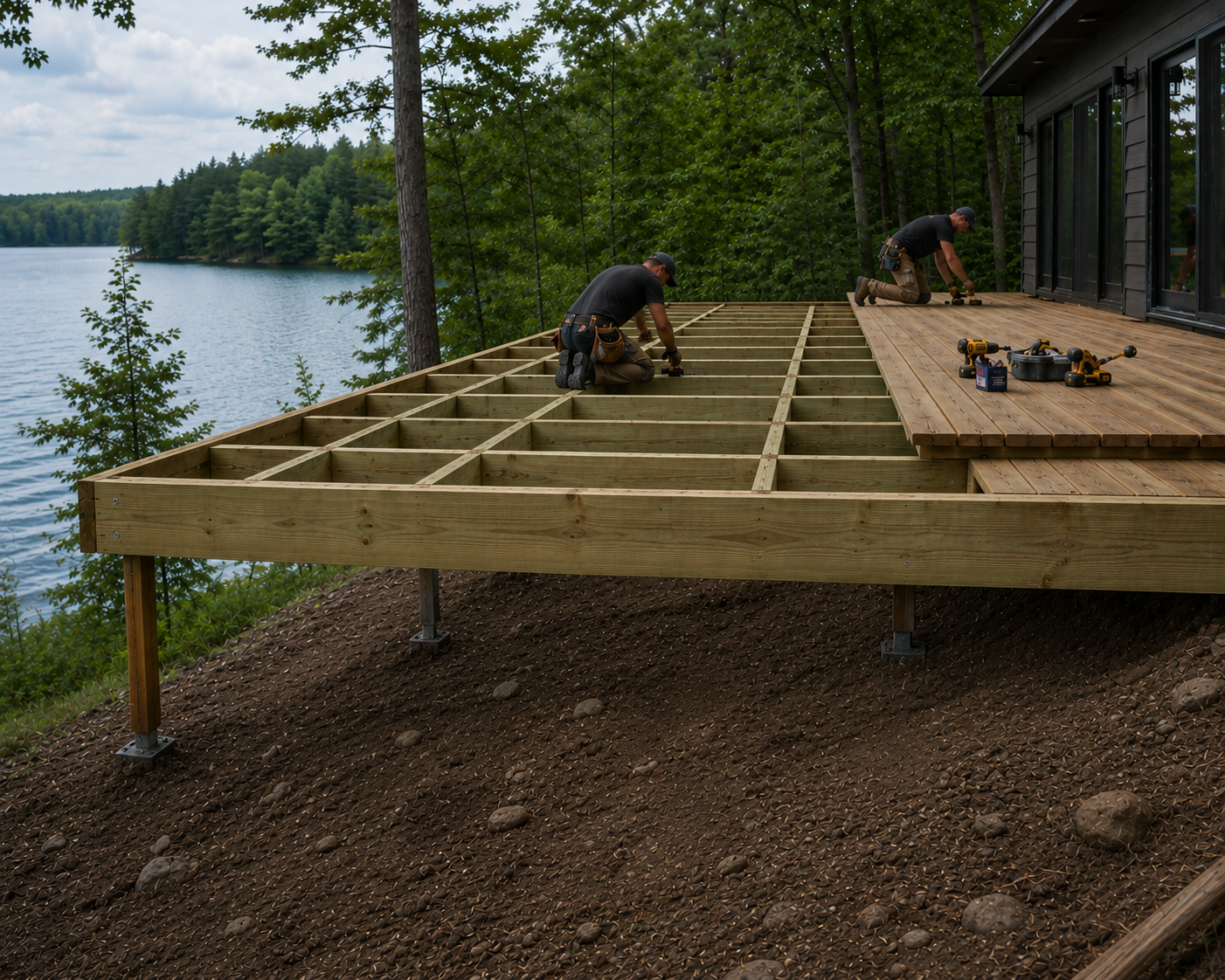
To drive a steel pile into the ground below the frost line, the installer uses a hydraulic drive head mounted on a mini excavator or compact tracked vehicle designed to minimize property damage and access confined areas.
Access to the backyard can have a direct effect on the final cost.
Open, level property: On a site that is easily accessible and free of obstacles, installation may be completed quickly. However, the duration will vary depending on the soil, required depth, equipment, extensions, obstacles, and required capacity. Clear access generally helps limit installation costs.
Confined or enclosed areas: In densely populated urban environments across Canada, access can be limited. Difficult access may result in additional labour or equipment mobilization fees. The amount will vary by company, the equipment required, and site constraints.
Bedrock or underground obstacles: If the soil in your area is particularly rocky, the pile helix may encounter a large rock before reaching the required depth. Depending on the system, an obstruction may require repositioning the pile, using different equipment, pre-drilling, or implementing another solution approved by the manufacturer or designer. If a greater depth is needed to achieve the required load-bearing capacity, extensions may be required, depending on the system being used.
Cost Comparison: Screw Piles vs. Concrete Blocks or Sonotubes
To make an informed decision, it is helpful to compare the three most common foundation types used for patio construction in Canada:
Criterion | Surface Blocks | Concrete Foundations | Screw Piles |
Initial Cost | Generally low | Varies depending on excavation and labour | Varies depending on the model, depth, and access |
Susceptibility to Frost | Higher | Low when properly designed and installed | Low when properly selected and installed |
Waiting Period Before Construction | Generally none | Must wait until sufficient strength has been achieved | Generally none |
Durability | Varies depending on use and soil conditions | Several decades when properly installed | Several decades, depending on the system and soil |
Cost-to-Durability Analysis
At first glance, concrete blocks appear unbeatable from a financial perspective. Surface blocks are generally best suited to certain low, freestanding decks. For a deck attached to the building, however, the foundation must be designed to limit differential movement and comply with local requirements. Movement caused by frost can warp the deck and, when the deck is attached to the building, transfer undesirable forces to the structure or exterior cladding.
The depth of a concrete foundation must be determined according to the applicable frost depth, soil conditions, deck type, loads, and municipal requirements. It does not automatically correspond to a uniform minimum depth across Canada. Once the hole has been excavated, the concrete must be purchased, mixed, poured, and reinforced with a steel bar. Construction must then be delayed until the concrete has developed sufficient strength. Curing and the development of its full strength continue over a longer period.
Why Invest in Screw Piles for a Deck in Canada?
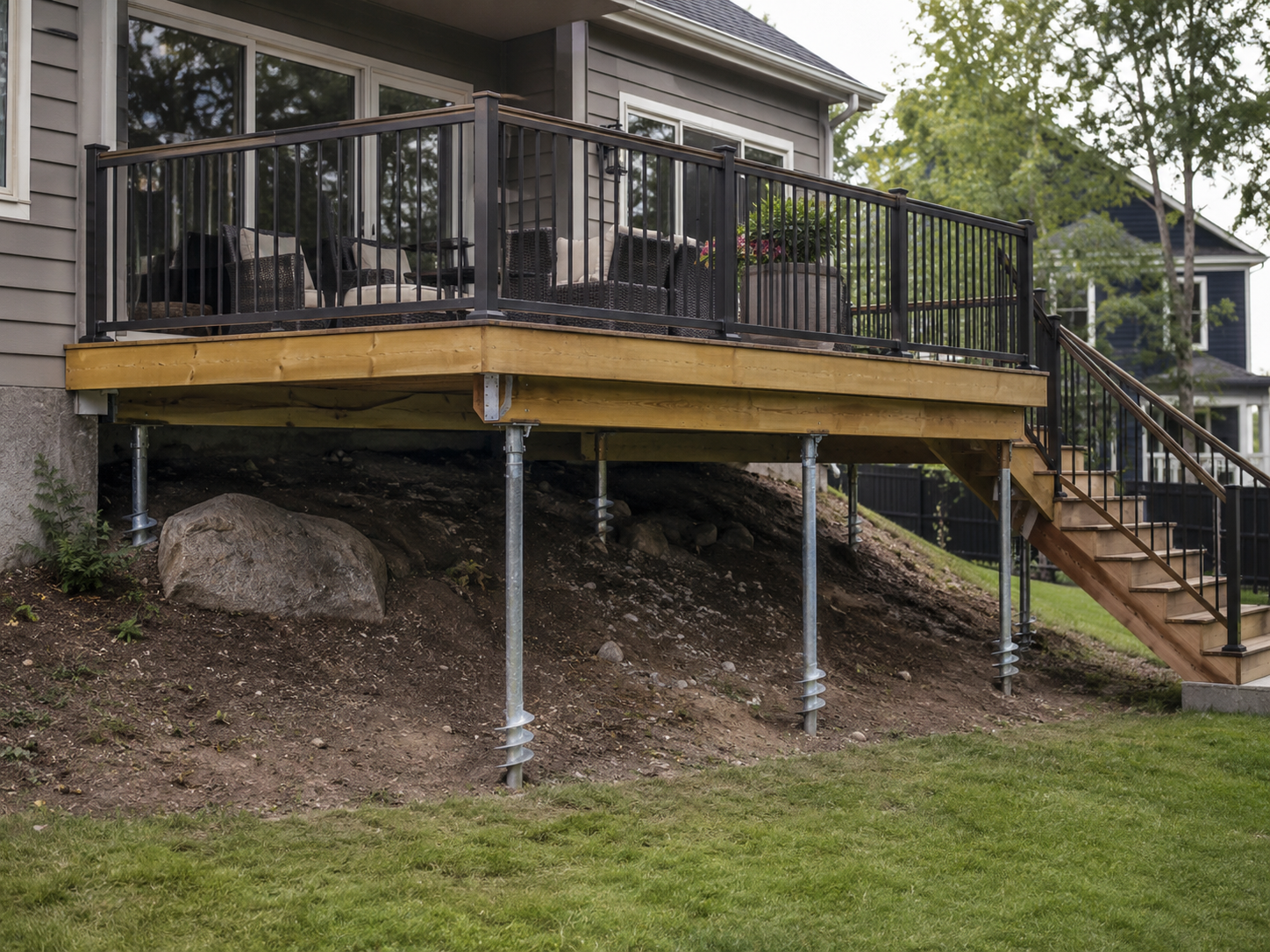
Source: RenoQuotes
Canada’s climate is especially demanding on outdoor structures. During the winter, water in the soil freezes and expands, exerting significant upward pressure. This phenomenon is known as frost heaving.
The depth of frost penetration varies according to the region, soil type, snow cover, exposure, drainage, and site-specific conditions. The required foundation depth must be confirmed based on local requirements and the project design.
Here is why screw piles may be a suitable solution for Canada’s climate.
Anchoring below the frost line: The installer screws the pile into the ground until the anchoring helix extends below the critical frost line. The pile is installed to the depth and torque required to achieve the specified load-bearing capacity. The soil encountered is not necessarily dense, and its capacity must be verified according to the actual site conditions.
Insulating protection sleeve: Some screw pile systems use a sleeve or casing designed to reduce the adhesion of frozen soil to the pile shaft. This feature varies by manufacturer and model and should not be presented as universal. As the surface soil freezes and rises, it slides along the smooth sleeve instead of gripping the pile. When compatible with the system being used, the sleeve helps limit the transfer of frost-heaving forces to the pile.
Durability that depends on the system and soil: Screw piles that are protected against corrosion may provide a service life of several decades. However, their lifespan varies depending on the system, galvanization, and soil properties, including pH, moisture, and chloride content.
Fast and clean installation: Installation generally requires little or no excavation, which limits displaced soil and damage to the property. Once installation is complete, you or your contractor can generally begin assembling the structure promptly, subject to the applicable plans and required inspections.
How Can You Save Money and Get Good Quotes?
Source: RenoQuotes
A successful deck project requires careful planning and informed comparison shopping. To optimize your foundation budget, consider the following recommendations.
1. Coordinate a Group Purchase or Installation
Screw pile companies generally charge travel and equipment mobilization fees to reach the property. If you schedule your work at the same time as a neighbour who also wants to stabilize a fence, shed, or patio, you may be able to negotiate a group rate. A coordinated installation with a neighbour may sometimes reduce mobilization fees, but the savings will depend on the company, the proximity of the sites, and whether the projects are compatible. No specific percentage can be guaranteed.
2. Avoid the Peak-Season Rush
Demand may be higher during the spring and summer. Planning the work in advance may make it easier to secure an installer, although timelines and prices vary by company and region. When the schedule allows, consider arranging installation in early spring, once surface thawing permits the work, or in late fall. Availability may sometimes be better outside the peak season, but it will vary according to the company, region, and site conditions.
3. Ask Which Installation Documents Are Provided
During mechanical installation, the driving equipment measures soil resistance in real time using a torque indicator. The final installation torque may be correlated with the pile’s load-bearing capacity according to the methods, tables, and limitations established for the system being used. Ask the installer which installation records, torque reports, certificates, or capacity documents will be provided. Documentation requirements may vary according to the system, plans, manufacturer, municipality, and nature of the project.
4. Verify the Installer’s Licence, Insurance, and Qualifications
Determine whether the work requires a contractor licence and confirm that the company holds the appropriate credentials for your province or territory. Compliance also depends on the plans, municipal permits, products used, and quality of the installation. Across Canada, major specialized brands such as Techno Metal Post, Vistech Screw Piles, and GoliathTech rely on networks of installers who are trained or authorized by the manufacturer. Nevertheless, verify the installer’s licence, insurance, qualifications, and the documentation provided for your project.
Before selecting a foundation option, compare quotes from several professional installers in your area. To help ensure that the work is completed according to industry standards, you can then find a certified contractor for the framing and finishing work.
Screw Piles: A Durable Investment for Your Deck
Source: Réno Finition Franc
Screw piles can provide a durable and practical foundation solution for a deck in Canada. When properly designed and installed, they can significantly reduce the risk of frost-related movement and provide a long-lasting foundation.
Looking for something else?
Related articles
The latest industry news, interviews, technologies, and resources.
Amanda Harvey
•08 Nov 2023
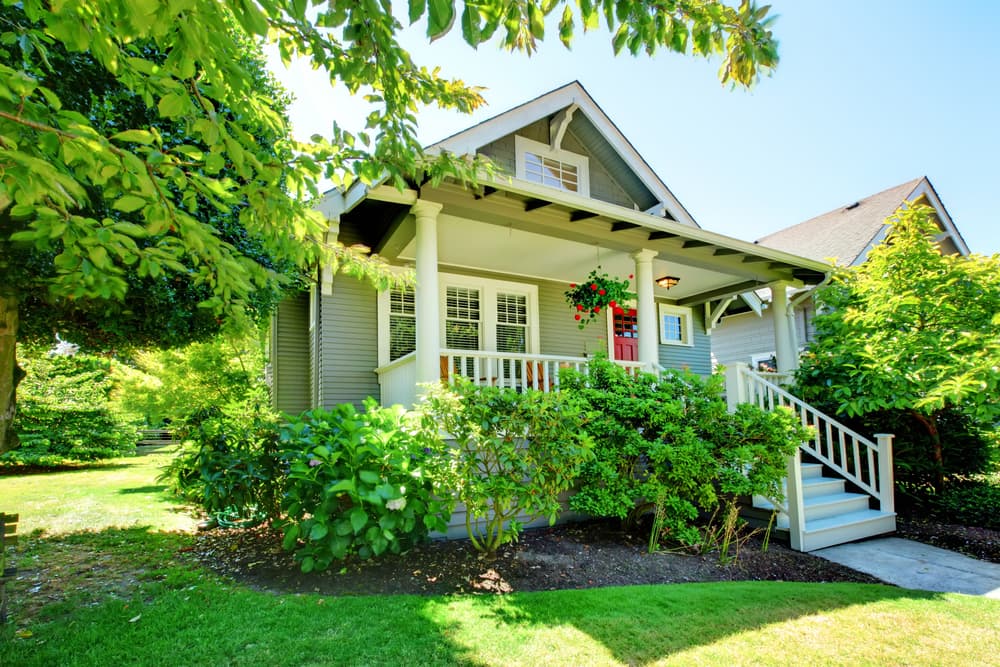
Whether interior or exterior, giving care and consideration to all aspects of your home will be obvious to friends and strangers alike. Imagine walking by a beautiful house with an impeccably tailored garden; what would be your first impression? A well-crafted, bright, polished lawn and garden not only presents a welcome first impression but actually works to improve the value of your home.
Editorial Team
•08 Apr 2026
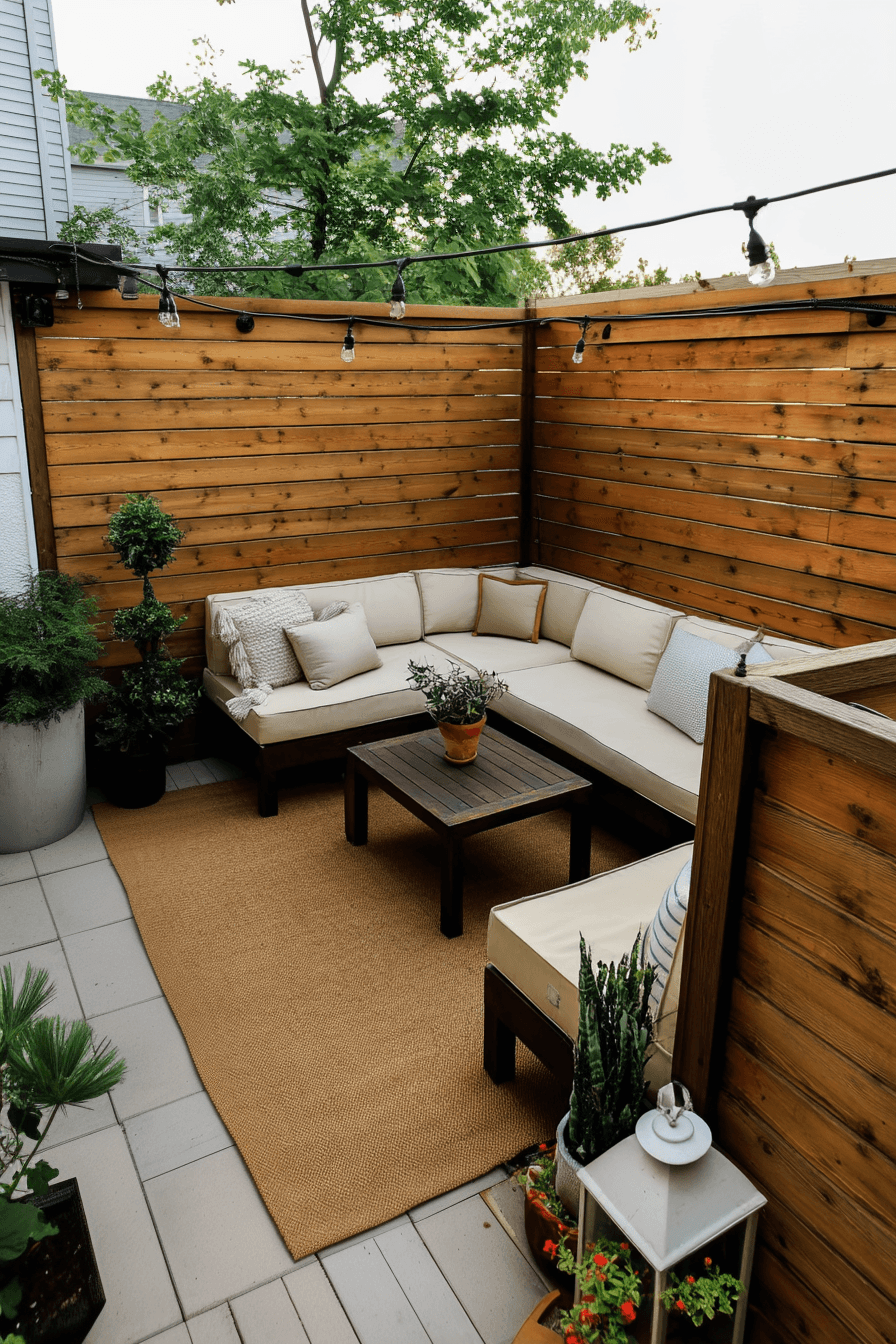
In 2026, the average cost to build a deck or patio in Canada typically ranges from $35 to $130 per square foot, installation included, with higher-end prices usually tied to premium materials such as high-end composite, aluminum, and glass railing systems. For a standard 12 x 12-foot deck (144 sq. ft.), homeowners can generally expect a budget starting at around $5,500 for pressure-treated wood and climbing to $18,000 or more for a premium composite build with glass railings and helical piles. Material choice and foundation type remain two of the biggest factors affecting your final quote.
Editorial Team
•05 Dec 2025
The exterior siding of a house serves as the first barrier against harsh weather and strongly influences the overall appearance of the building. More and more homeowners are seeking solutions that combine durability, performance, and respect for the environment. This article reviews eco-friendly siding materials and offers tips to help you make an informed choice.
Editorial Team
•08 Nov 2023
While hairline fractures in your concrete countertop can give it character, some might prefer a sleeker surface. If you’re going for a pristine look, then look no further!
Editorial Team
•14 Apr 2026
Picking a heat pump that works well in Canada’s climate is a smart choice for comfort all year, saving energy, and peace of mind. This guide is for homeowners who want easy-to-understand, model-by-model info about KeepRite heat pumps—including their features, specs, and efficiency ratings (like SEER2 for cooling and HSPF2 for heating)—so you can find the best model for your home.