How Much Does It Cost to Install a Smart EV Charger in Canada?
By Cynthia Pigeon
Updated on August 6, 2026
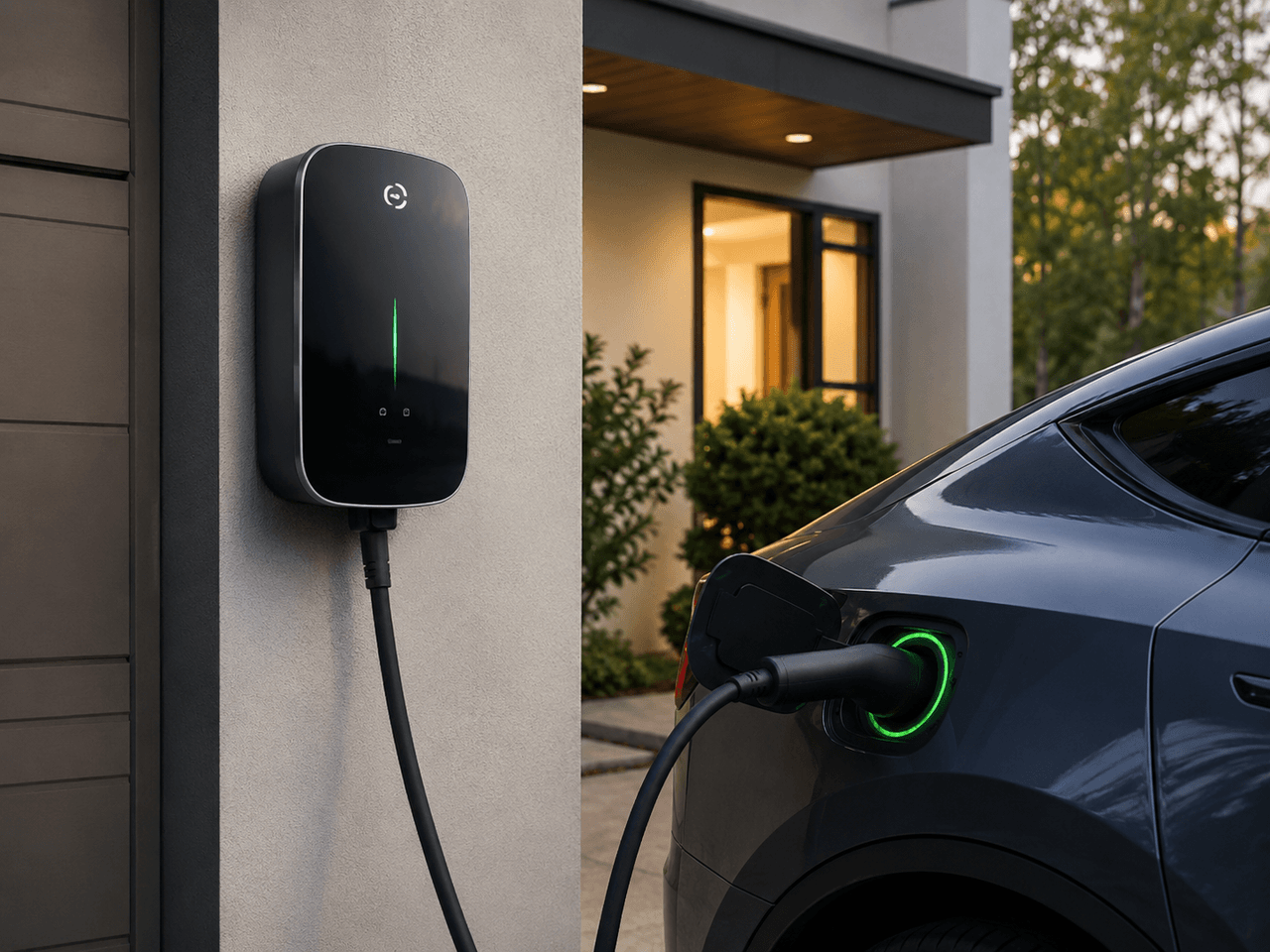
The purchase of electric vehicles (EVs) continues to grow rapidly across Canada, supported by relatively affordable electricity in many provinces and increasing environmental awareness. However, relying on a standard 120 V outlet, also known as Level 1 charging, quickly shows its limitations. In some cases, it can take more than 24 hours for a full charge after a daily commute, particularly during harsh winter weather.
The solution is to install a smart Level 2 EV charger operating at 240 V. On average, the total initial investment ranges from $1,500 to $3,000 before rebates. This amount includes the purchase of a Wi-Fi-enabled charging station and installation by a qualified electrical contractor.
Investing in a connected charger does more than speed up charging. Its scheduling and monitoring features make it easier to manage charging periods and, depending on your electricity rate plan, reduce certain costs associated with peak demand.
Factors That Affect the Total Installation Cost
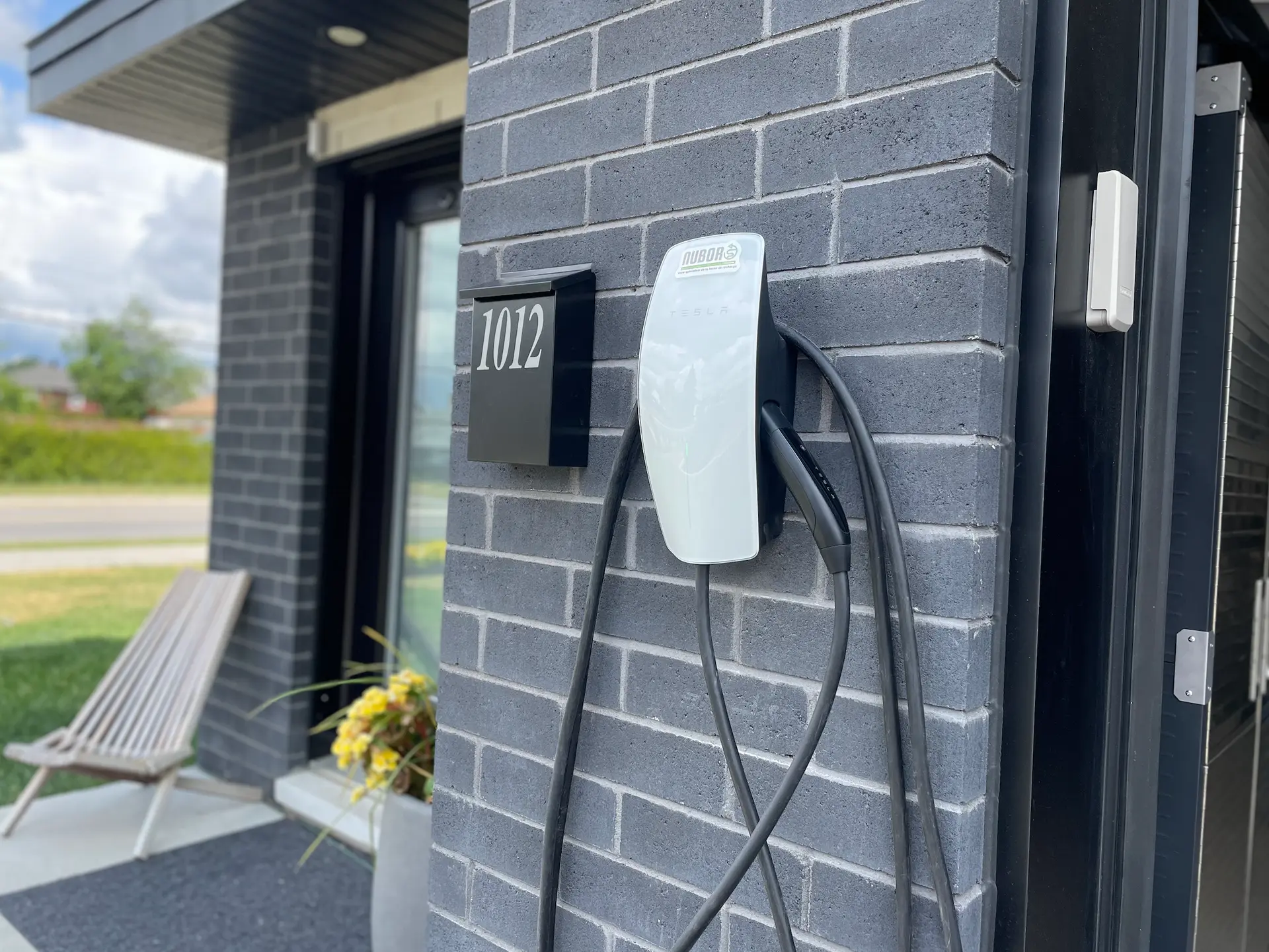
Source: Les installations NUBOR inc.
Every garage, driveway and residential electrical system has its own characteristics. Two neighbours purchasing the same charger may receive very different installation quotes because of several technical factors.
The three main factors that determine the final price are:
Equipment selected: The charger, whether hardwired or portable, its maximum charging capacity, such as 32 A, 40 A or 48 A, and the level of smart technology included.
Distance between the electrical panel and the charger: The wiring required for a 240 V circuit can be expensive. The farther the charger is from the panel, which is often located in the basement, the higher the material and labour costs will be.
Available capacity of the electrical service: If the electrical system is already close to capacity, additional equipment, such as an energy management system or an electrical panel upgrade, may be required.
Cost of a Smart Level 2 EV Charger
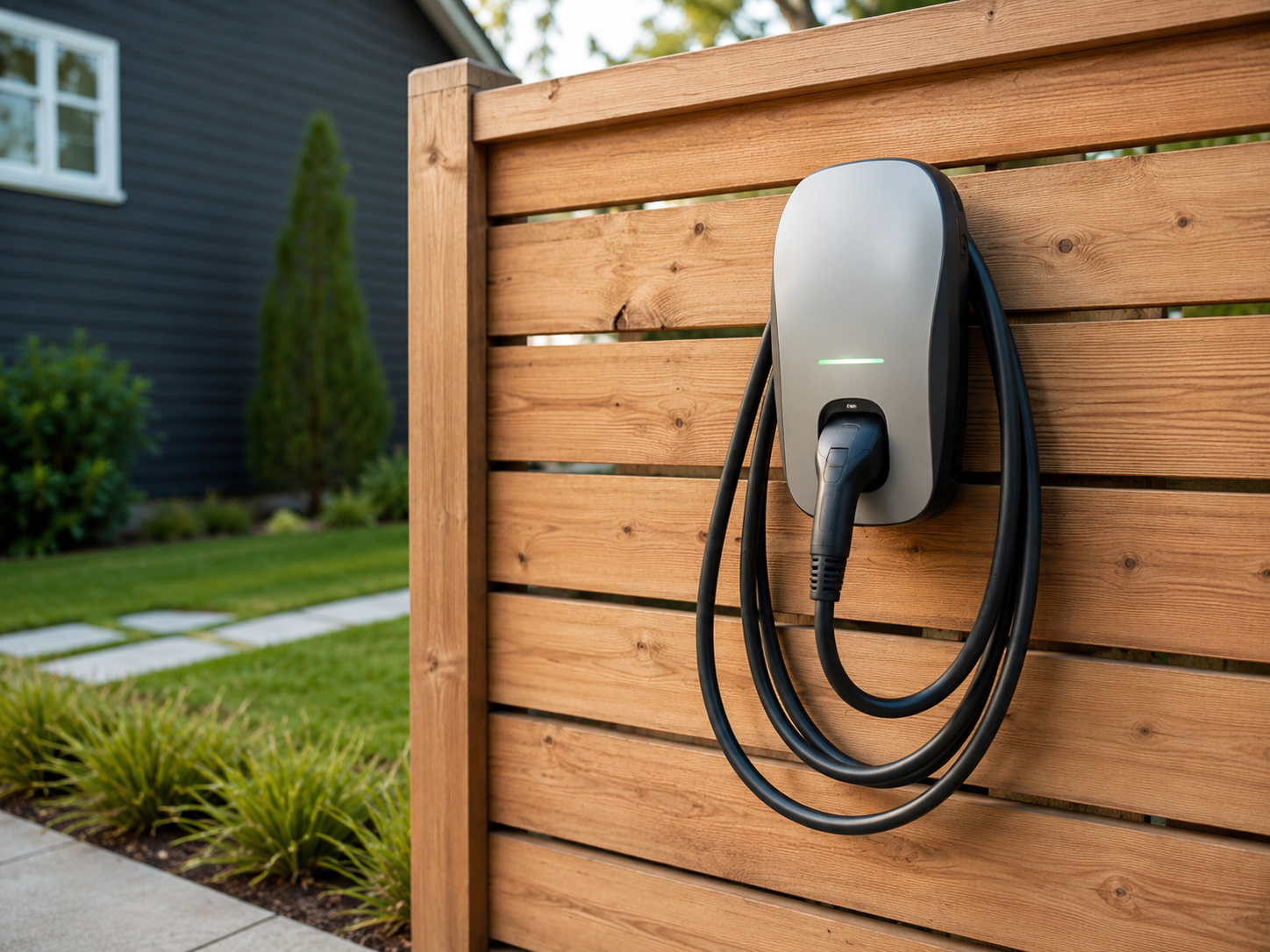
Source: RenoQuotes
In Canada, a reliable Level 2 EV charger designed to withstand a harsh climate generally costs between $700 and $1,300. Available models include select FLO chargers, the Grizzl-E Smart and the Tesla Universal Wall Connector.
Smart features such as Wi-Fi connectivity, real-time energy monitoring via a mobile app, and adjustable charging current explain the slightly higher price of connected chargers compared with basic models.
However, a smart charger does not necessarily reduce the amount of electricity needed to charge the vehicle. Its main advantage is the ability to shift charging outside peak periods and potentially generate savings or rewards when the homeowner participates in a time-of-use, dynamic pricing or utility demand-response program (eg., Hilo in Quebec).
Labour Costs and Electrical Panel Requirements
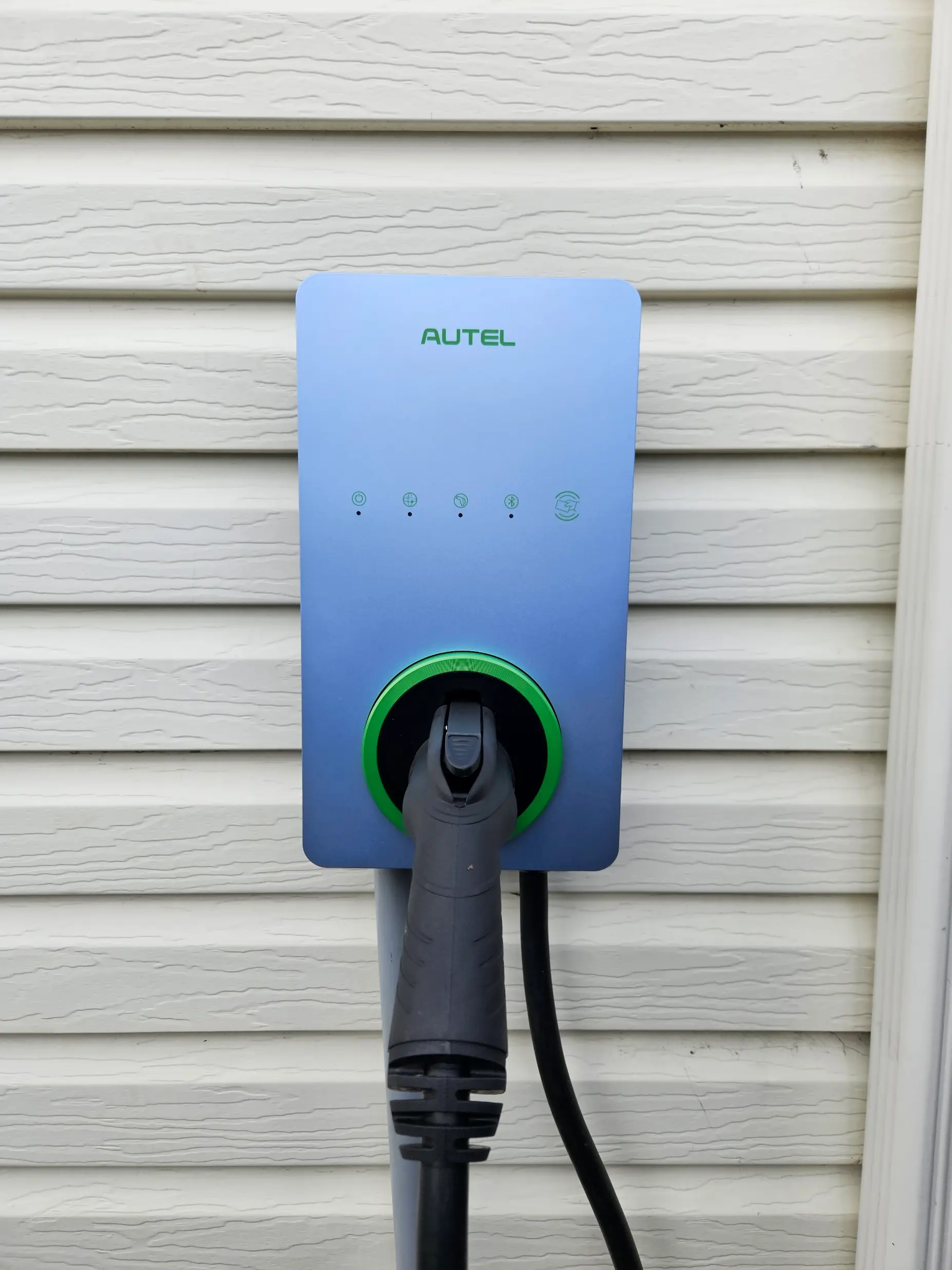
Source: Electricité LR inc.
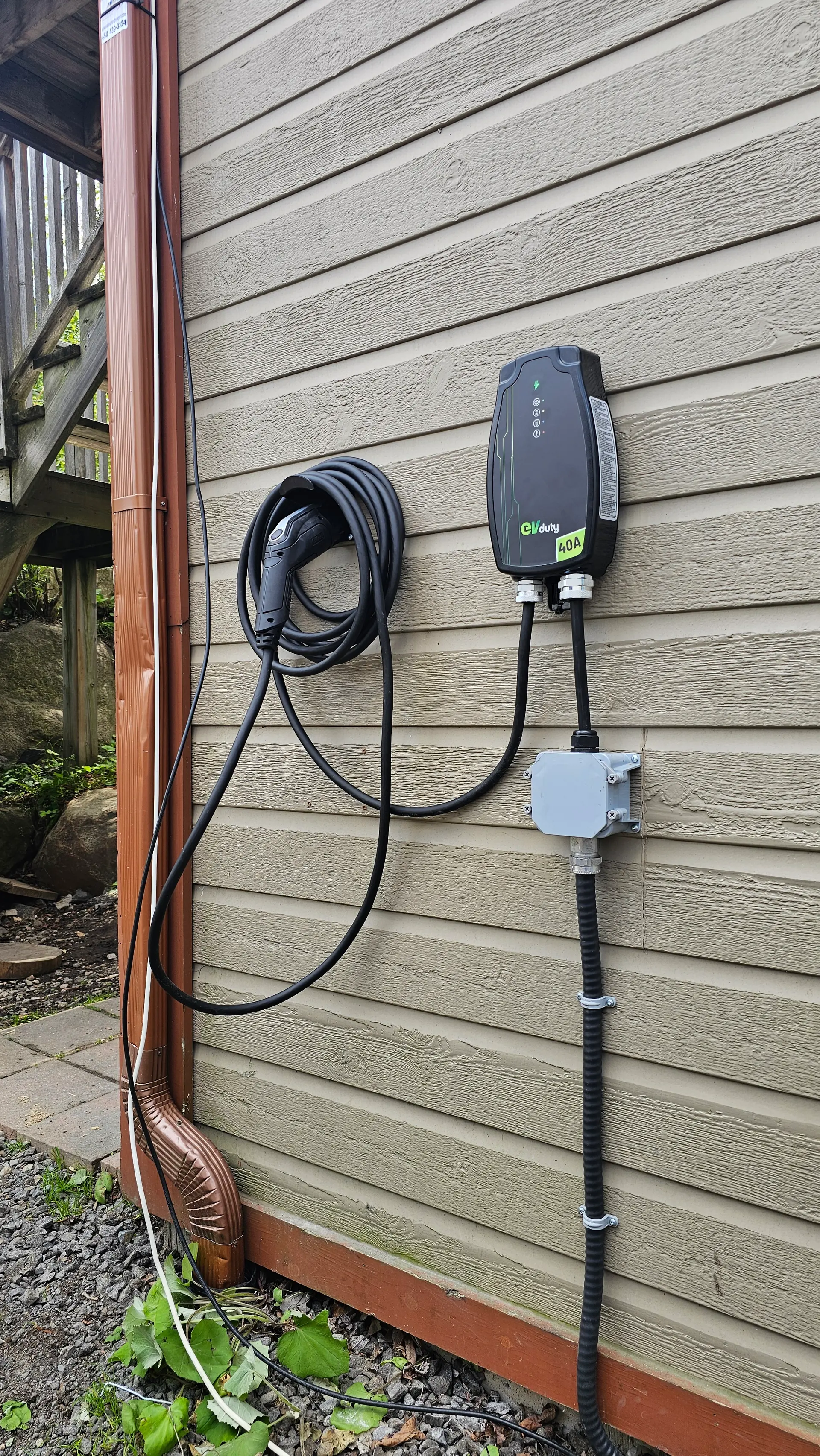
Installing a dedicated 240 V circuit, generally using a double-pole 40 A or 50 A breaker, requires the services of a qualified electrical professional.
Electrician Rates and Installation Complexity
Across Canada, the price charged for residential electrical work varies depending on the contractor, region, minimum service charge, materials and project complexity. As a general indication, rates may range from $115 to $145 per hour. A straightforward installation close to the electrical panel may require three to four hours of labour.
For more information about current pricing in your area, consult a local guide to electrician rates or request quotes from qualified electrical contractors.
The Potential Need for a 200-Amp Electrical Service
Some older homes still have a 100- or 125-amp electrical service, but the available capacity must be assessed individually. If the home already uses electric heating and an electric water heater, adding a 40-A charger may exceed the available capacity permitted under the applicable electrical code.
Two common options are available:
Upgrading to a 200 A electrical service: The estimated cost ranges from $1,800 to $3,500. This option can future-proof the home’s electrical infrastructure if you are considering adding a hot tub or central heat pump.
Installing an energy management system or load controller: Costs between $600 and $1,100, including equipment and installation. This may provide a more economical alternative to replacing the entire electrical panel.
Smart Home Integration: Why Choose a Connected Charger?

Source: RenoQuotes
At first glance, a smart EV charger may appear to be an additional expense. However, its scheduling, monitoring and power-management features can provide practical benefits for some EV owners.
Automatic Scheduling and Remote Charging Management
During the Canadian winter, electricity demand can increase considerably during peak periods, which vary by province, utility and rate plan.
Depending on the model and its officially supported integrations, a smart charger can be controlled remotely through the manufacturer’s app. In some cases, it can also be integrated into a compatible home automation platform.
You can schedule charging outside peak periods, such as later in the evening, depending on your travel schedule and electricity rate plan.
You may also be able to reduce or shift electricity use during peak-demand events and, depending on the applicable utility program or rate option, earn credits, rewards or savings.
When the vehicle supports preconditioning, you can schedule the cabin and, depending on the model, the battery to warm up while the vehicle is still plugged in. This limits the amount of stored battery energy used before departure.
Smart Load Management and Power Sharing Between Vehicles
If your household has two electric vehicles, power management or load sharing may make it possible to operate multiple chargers without allowing them to draw their maximum power simultaneously. However, the required electrical service capacity must be determined through a load calculation performed by a qualified electrical contractor. Installing two chargers does not automatically require a 400 A electrical service.
Power sharing: Some compatible chargers can communicate with each other or with a controller to keep their combined demand within an assigned power limit. Power is not necessarily divided equally between vehicles, and the configuration must comply with the manufacturer’s instructions and the applicable provincial or territorial electrical code.
Dynamic load management: A sensor or controller monitors the home’s electricity consumption in real time. When total household demand approaches the configured limit, the system may reduce the charger’s output or temporarily interrupt charging, depending on the equipment installed.
EV Charger Rebates and Financial Assistance in Canada
Source: Gr. Electriquo inc
Government and utility programs may reduce the overall cost of installing a residential EV charger. However, availability, funding and eligibility requirements vary considerably by province, territory, municipality and electricity provider.
Provincial and Utility EV Charger Programs
Some provinces and utilities offer financial assistance for the purchase and installation of eligible Level 2 residential chargers.
Depending on the program, eligibility conditions may include:
Purchasing a new charger listed as eligible by the applicable program;
Having the installation completed and invoiced by a licensed electrical contractor;
Owning or leasing an eligible electric vehicle registered in the province or territory;
Providing invoices, proof of payment and installation documentation;
Submitting the application within the program’s prescribed deadline.
Programs and funding amounts can change. Homeowners should review the current requirements in their province or territory before purchasing equipment or beginning installation work.
Municipal Rebates That May Be Combined
Some Canadian municipalities also offer financial assistance that may be combined with provincial or utility incentives. The amounts, eligibility criteria and availability vary, so homeowners should consult their municipality before starting the project.
When programs can be combined, they may further reduce the project’s net cost. The remaining amount will still depend on the charger price, installation complexity and the incentives actually received.
Legal Requirements for Electrical Installation
Source: RenoQuotes
Residential electrical work in Canada must comply with the applicable provincial or territorial regulations and electrical code requirements.
Hiring a Licensed Electrical Contractor
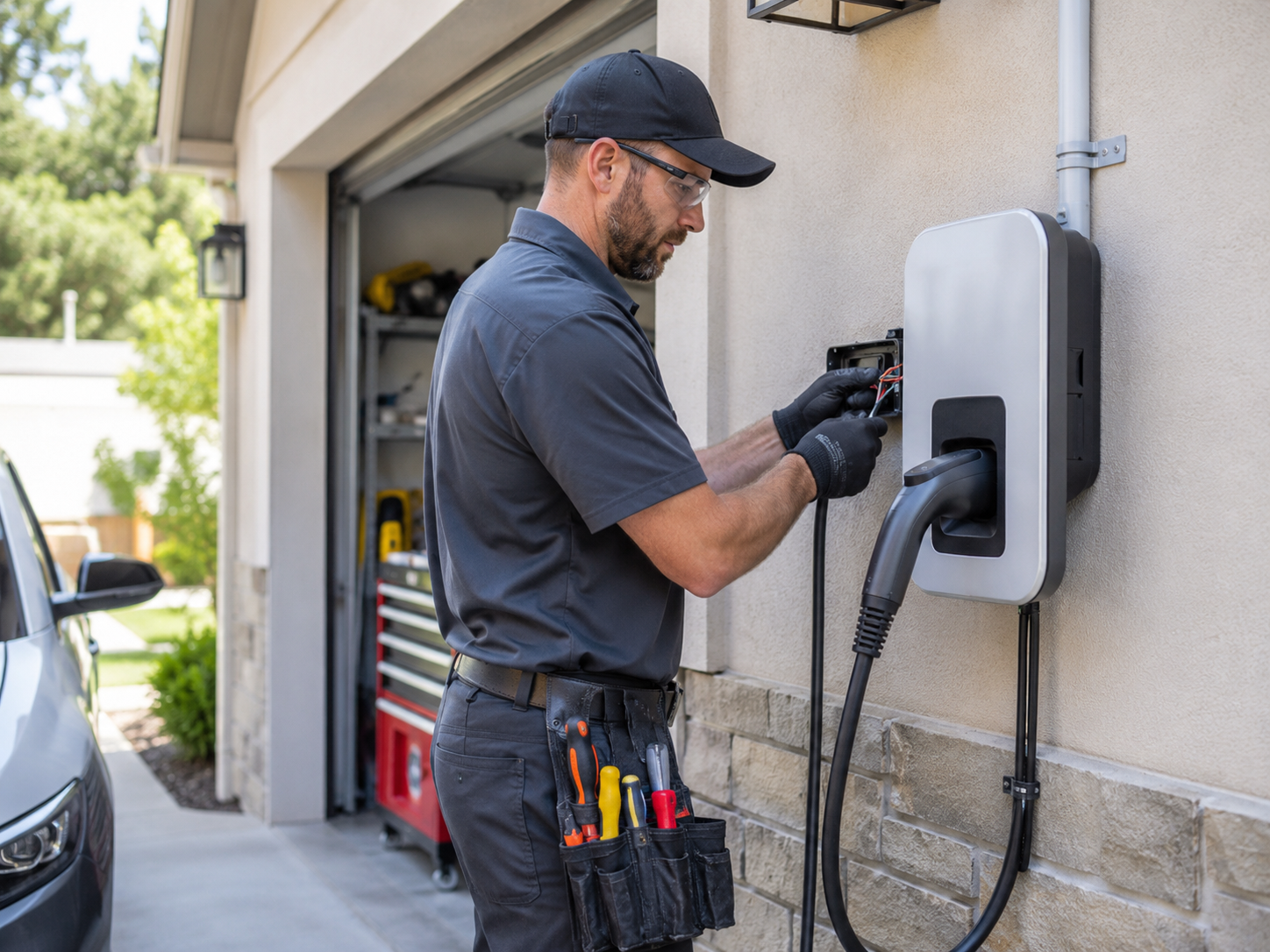
The electrical work required to install an EV charger must be completed by a licensed electrical contractor or electrician authorized to perform this type of work in the province or territory where the property is located (CMEG in Quebec).
Risks of a Non-Compliant Installation
Rebate eligibility: Applicants must provide the required supporting documents, which may include proof of a compliant installation. The electrician’s invoice must contain the information requested by the applicable program. An incomplete or non-compliant application may be refused.
Fire and electrical overload risks: An EV charger can operate at high power for several consecutive hours. Loose electrical connections, undersized conductors or other installation deficiencies can cause overheating and increase the risk of fire.
Potential home insurance consequences: Illegal or non-compliant electrical work may complicate an insurance claim and could lead to reduced or denied compensation, depending on the circumstances, policy terms and connection between the work and the loss. Homeowners should confirm the applicable conditions with their insurer.
To move forward with your project and support a compliant installation, request quotes for EV charger installation from qualified electrical contractors in your area.
When your electrification project is part of a broader home modernization plan, you can also coordinate the work through a comprehensive home renovation quote.
Smart, Safe Charging Designed for Your Home
Installing a smart EV charger at home can be a practical investment for Canadian electric vehicle owners. By combining convenient charging, remote scheduling and electricity demand management, a connected charger can provide practical benefits and, under certain rate plans or utility programs, potential savings or rewards. The investment’s payback period varies according to the installation cost, charging habits and programs used.
By hiring a qualified electrical contractor who holds the appropriate provincial or territorial licence (CMEG in Quebec), you support a safe, code-compliant installation. This can also help satisfy certain rebate requirements, although it does not guarantee eligibility or approval for financial assistance.
Do not leave your charging setup to chance. Have your electrical panel assessed and prepare your home for smarter, more energy-efficient EV charging.
Looking for something else?
Related articles
The latest industry news, interviews, technologies, and resources.

Léa Plourde-Archer
•08 Nov 2023
Chandeliers, ceiling lamps, recessed or semi-recessed luminaires, hanging or rail lamps, etc. There is no shortage of options to illuminate the different rooms of a house! In addition to being fun decorative objects to choose from, the selected type of brightness will bring comfort and the desired atmosphere to your home.

Cynthia Pigeon
•03 Aug 2026
In high-end homes and condos across Canada, interior design often emphasizes clean lines, natural light, and premium materials. However, integrating entertainment equipment creates a recurring dilemma: how can you enjoy a large, state-of-the-art screen without permanently turning your living room into a home theatre? A large black rectangle mounted above a fireplace or placed in the middle of an architectural feature wall can disrupt the harmony of a carefully designed room.

Cynthia Pigeon
•27 Jul 2026
Renovating a home or building a new house is an exciting undertaking, but it also represents a major financial commitment. Whether you are reroofing before winter, repairing a foundation, or modernizing a rental property, managing the contractors, subcontractors, and suppliers involved requires careful administrative oversight.

Editorial Team
•08 Nov 2023
A few months ago, we shared an article about the 8 unique ways you can divide your space. Among the examples, some featured vertical wood slats which basically form a panel that doesn't block sunlight, and that's meant to divide your space. This effect can be created using a variety of materials, from wood to metal.

Editorial Team
•20 Nov 2023
In light of the COVID-19-induced sanitary crisis, traditional office space maintenance, which ultimately consisted of vacuuming, wiping down surfaces, washing windows, and emptying trash cans, has since been completely overhauled.