The Benefits Of Having An Electric Storage Hot Water System
By Collaboration
Updated on July 16, 2026
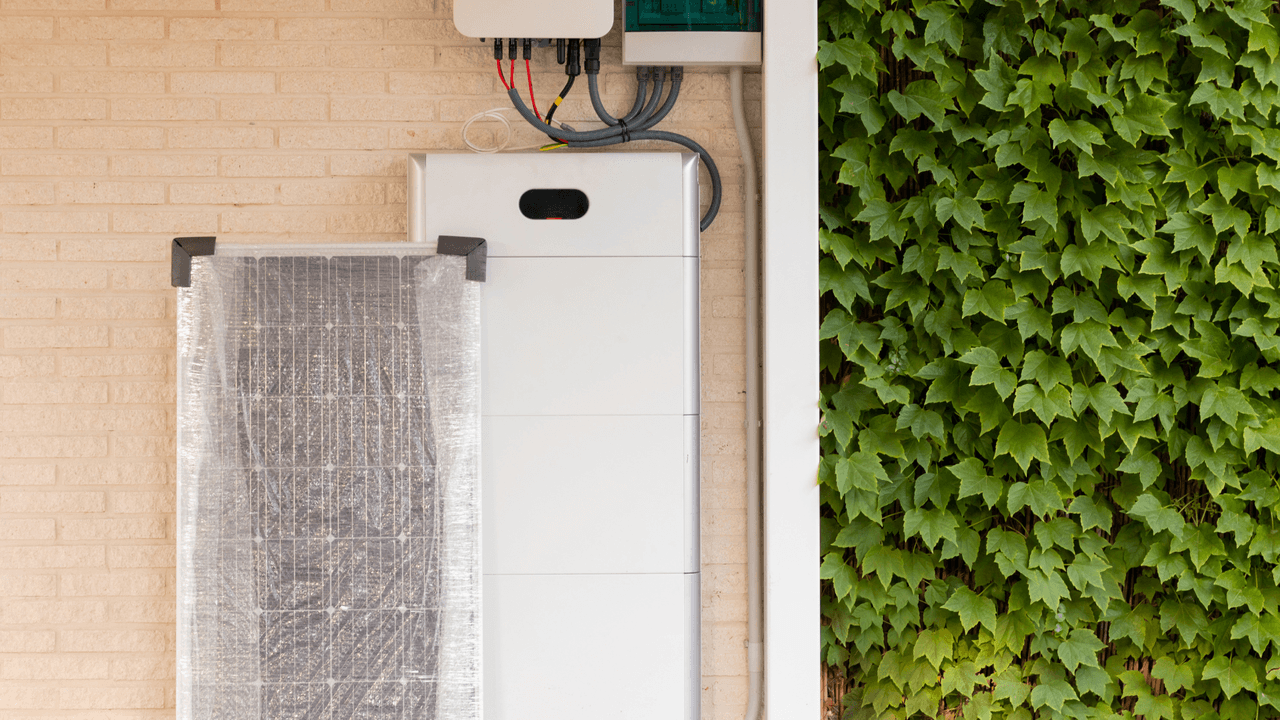
Unlike instantaneous heaters, these systems store heated water in an insulated tank, ensuring that hot water is always on tap, day or night. The appeal of electric storage systems lies in their straightforward installation, user-friendly operation, and the promise of consistent hot water availability.
This article delves into the myriad benefits these systems bring to the table, highlighting why they are becoming the go-to choice for homeowners Down Under.
What is an Electric Storage Hot Water System?
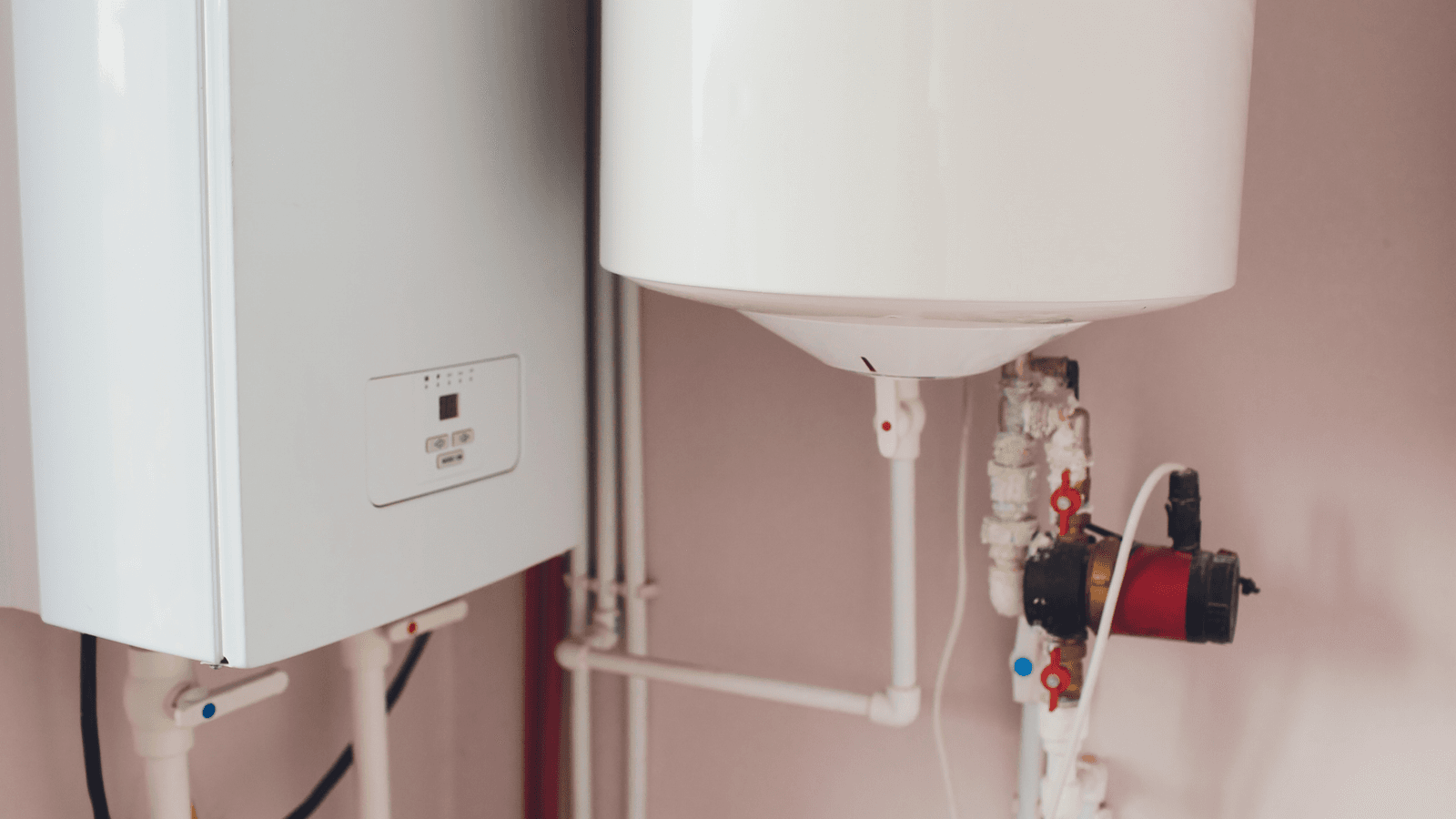
An electric storage hot water system consists of an insulated tank that heats and stores water until needed. Electricity powers heating elements within the tank, which warm the water to a set temperature. Once heated, the water remains in the tank, ready for use, maintaining its temperature through the tank's insulation.
This system ensures a steady supply of hot water, available from multiple outlets simultaneously. Its capacity varies, typically ranging from 50 to 400 litres, making it suitable for households of different sizes. The system's design prioritises energy efficiency and the ability to meet peak demand periods.
Advantages of Electric Storage Hot Water Systems
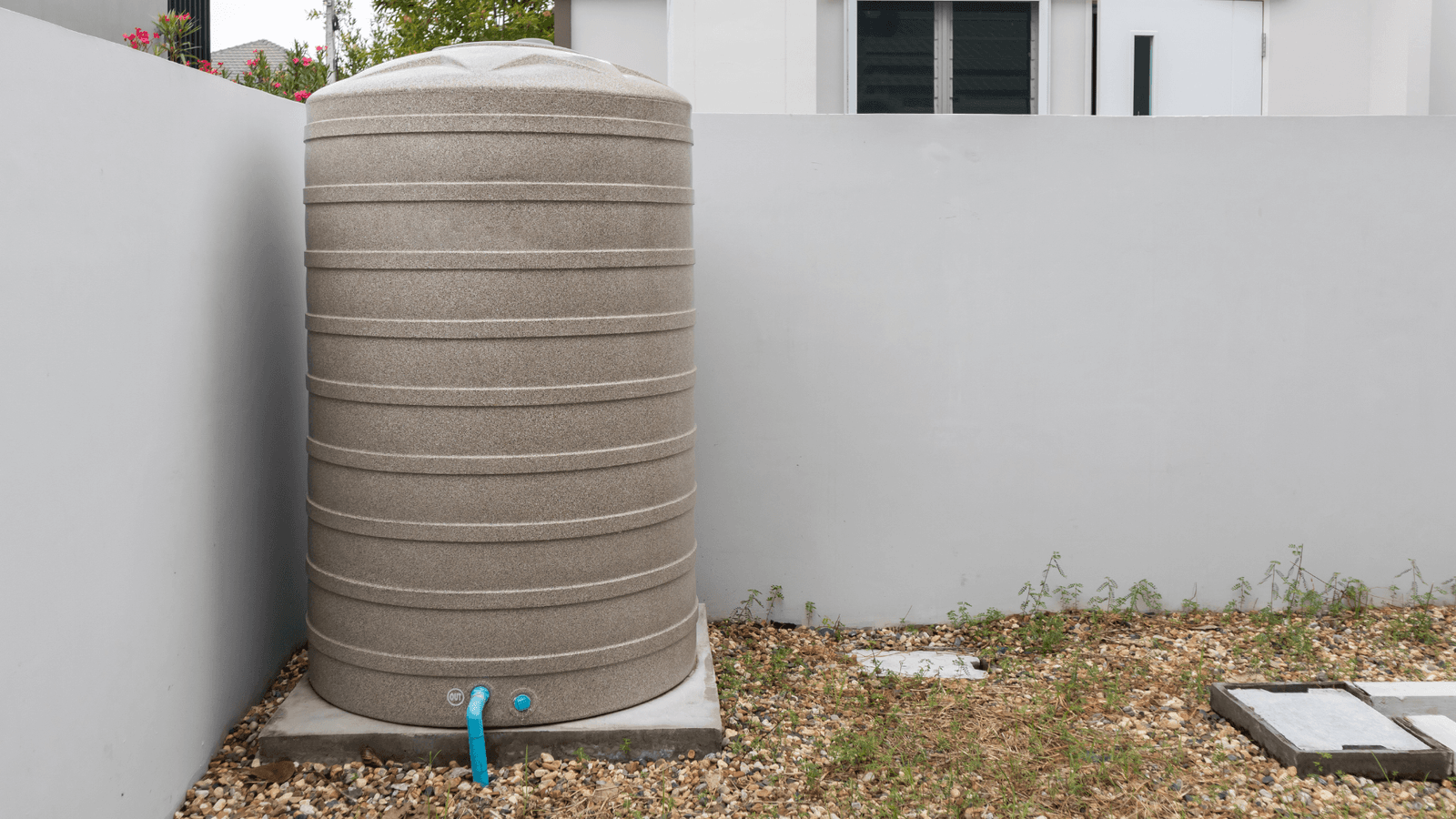
Electric storage hot water systems offer several advantages, making them a preferred choice for many homeowners.
Reliability and Consistency
Firstly, their reliability and consistency are unmatched. These systems provide a continuous hot water supply, ensuring that households can access hot water at any time, which is especially beneficial during peak usage hours. Unlike instantaneous systems that heat water on demand, electric storage systems have a reserve of hot water ready to go, reducing the risk of running out during back-to-back showers or when multiple appliances are in use. This reliability extends to all weather conditions, ensuring hot water availability even on the coldest or cloudiest days.
Cost-Effective in the Long Term
The cost-effectiveness of electric storage hot water systems is another significant advantage. At first, these systems may seem expensive compared to other types of water heaters. However, their long-term savings potential is considerable. They are often cheaper to install than gas or solar systems, especially in areas without existing gas infrastructure. Additionally, electric hot water systems last longer than the alternatives. Electric storage systems can also be less expensive to run if paired with off-peak electricity tariffs, which reduces the cost of heating water during low-demand periods. Over time, these savings can offset the higher upfront cost, making them a financially viable option for many families.
Low Maintenance
Moreover, electric storage hot water systems are known for being low maintenance. They are simpler in design compared to other systems like gas or solar, which means there are fewer components that can break down or require regular servicing. This simplicity not only reduces the likelihood of breakdowns, but also lowers the overall maintenance costs. The tanks are typically made of durable materials like stainless steel or have protective linings to resist corrosion and extend their lifespan. This durability means electric storage systems can last many years before needing replacement, providing a hassle-free solution for homeowners.
Environmental Benefits
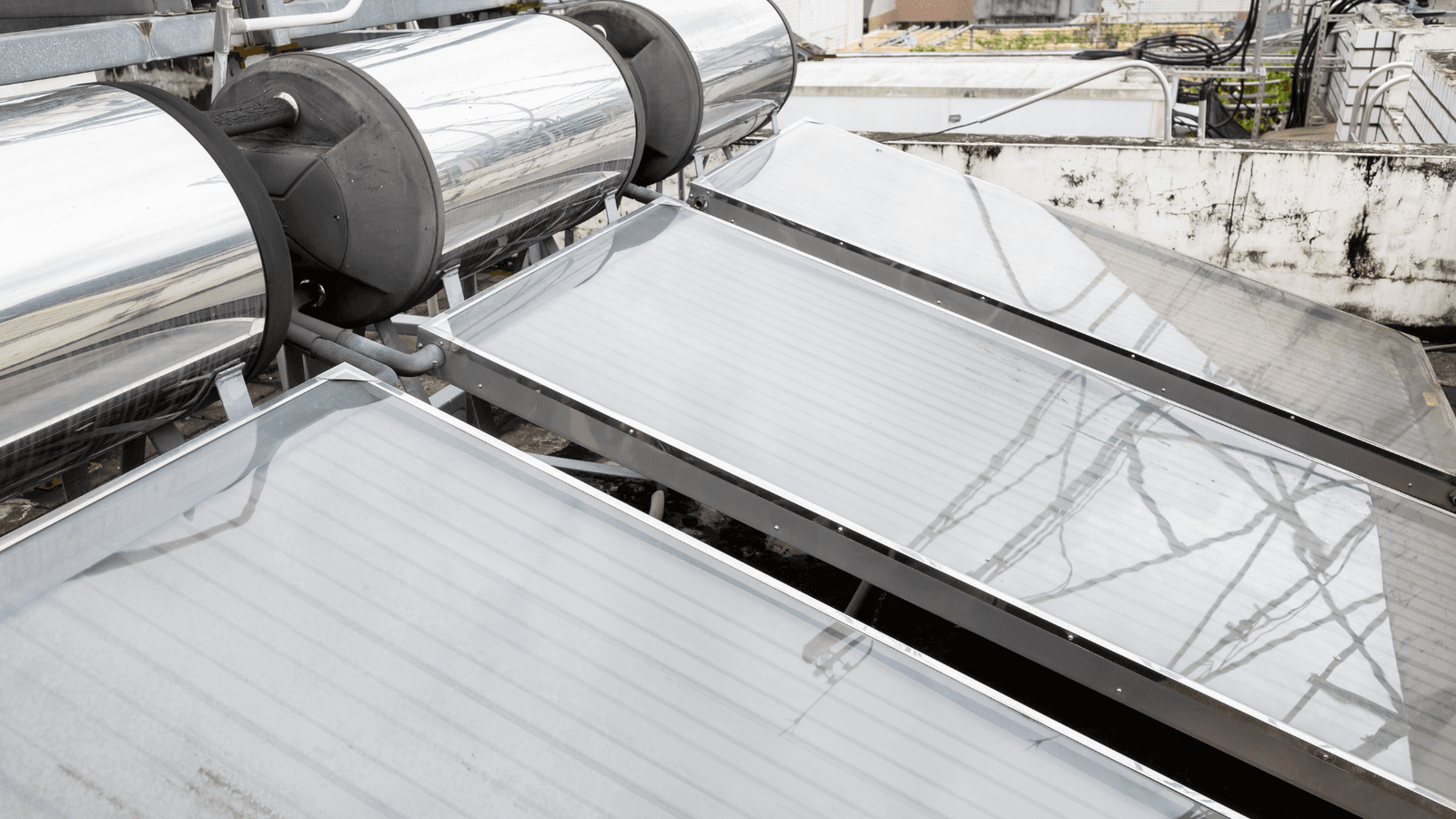
Electric storage hot water systems can offer environmental benefits, particularly when integrated with renewable energy sources. When paired with solar panels, these systems can utilise excess solar energy generated during the day to heat water, significantly reducing reliance on fossil fuels and lowering greenhouse gas emissions.
Furthermore, modern electric storage systems are increasingly energy-efficient, designed to minimise heat loss through better insulation and more effective heating elements.
This efficiency reduces the overall energy consumption and environmental footprint of home water heating. By opting for these systems, homeowners can contribute to a greener future, aligning with global efforts to combat climate change and reduce energy waste.
Get Your Electric Hot Water Storage Today!
An electric storage hot water system represents a robust and practical solution, offering a blend of reliability, cost-effectiveness, and environmental sustainability. These systems ensure a constant supply of hot water, meet the demands of daily household use, and prove to be economical in the long term through energy savings and low maintenance costs.
Looking for something else?
Related articles
The latest industry news, interviews, technologies, and resources.

Léa Plourde-Archer
•13 Nov 2024
This article is aimed at both the client and the contractor who will be responsible for the renovation project. Both have a vested interest in making sure that the contract they sign is clear and contains all the information that is important to specify. For both parties, this is a question of protection and clarity.
Cynthia Pigeon
•21 Oct 2026
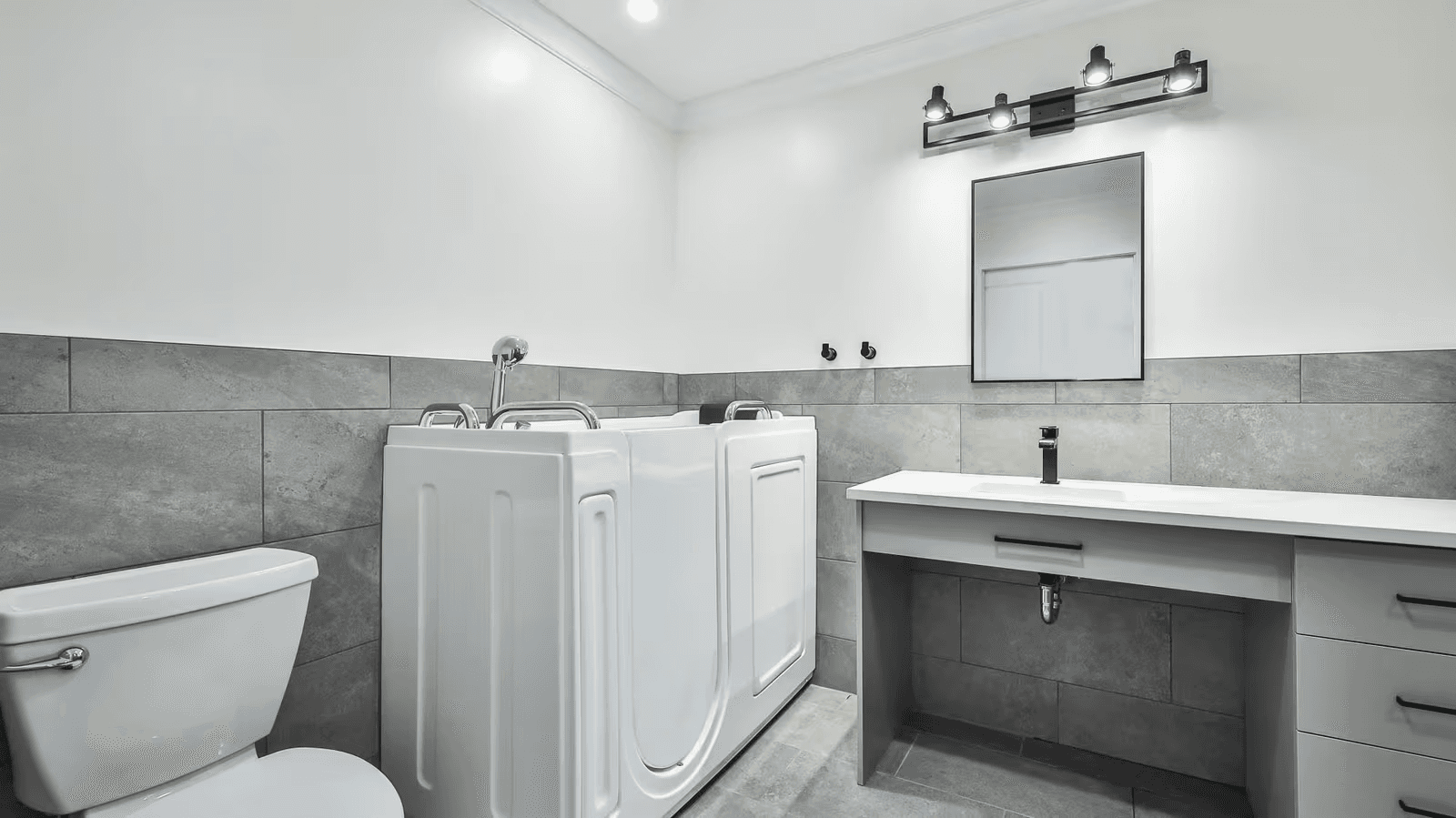
Installing a walk-in bathtub can make a bathroom more accessible and safer, particularly for seniors and people with reduced mobility. This type of bathtub makes getting in and out easier while helping people maintain their independence at home.

Cynthia Pigeon
•28 Sep 2026
Planning home renovation work in Quebec requires rigour and a strong understanding of the local economic reality. Whether you own an older duplex in Montréal, a modern condo in Québec City, or a single-family home in Estrie, using price benchmarks adapted to the Quebec market is essential.
Cynthia Pigeon
•27 May 2026
Bathroom renovations, kitchen backsplash upgrades, and basement floor finishing projects can all add significant value to a Canadian home. Durable, attractive, and easy to maintain, porcelain and ceramic tiles are, to this day, common choices for homeowners across the country.

Amanda Harvey
•08 Nov 2023
To any homeowner, termites are a dreaded potential pest. Although they play an important role in the ecosystem by recycling wood, facilitating the decomposition of organic matter, replenishing essential nutrients in the soil and assisting in the growth of new plant life, these little buggers can't tell the difference between a tree and a house.