How Much Does It Cost to Remove an Oil Tank in Quebec?
By Cynthia Pigeon
Updated on June 18, 2026
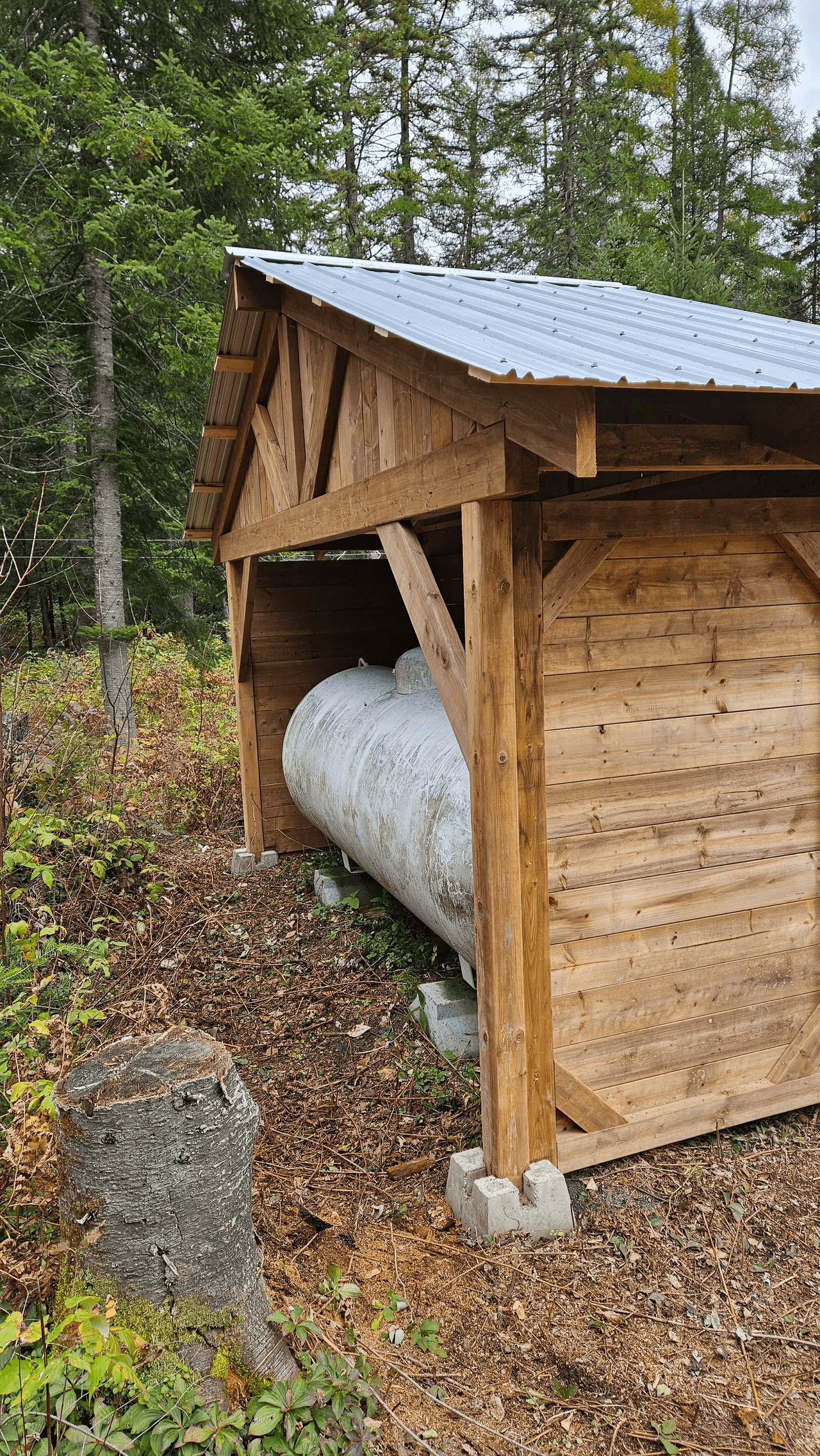
If you own a property in Quebec with an aging oil heating system, the question of removing it will come up sooner or later. Whether it is part of a real estate transaction, an insurance requirement, or a firm decision to reduce your carbon footprint, dismantling an oil tank, also known as a fuel oil tank, is an essential step in a residential energy transition.
For a standard above-ground tank, often with a capacity of 900 to 1,100 litres, the cost of professional removal generally ranges from $500 to $2,500. This price range mainly depends on the complexity of the work, the volume of remaining fuel oil to be pumped out, and the physical constraints of your property.
It is important to understand that this amount only covers labour for draining, cutting, removing the metal structure, and transporting it to an approved treatment centre. If your installations have experienced issues over the years and a spill has soaked into the foundation or soil, the bill can quickly increase due to environmental remediation requirements.
Type of Configuration | Average Price Range | Work Complexity |
Outdoor Above-Ground Tank | $500–$1,200 | Low, direct truck access |
Indoor Tank (Basement) | $1,000–$2,500 | Moderate to high, cutting required |
Buried Tank (Underground) | $5,000–$15,000+ | Very high, excavation and soil testing required |
Factors That Influence the Cost of Removing Your Oil Tank
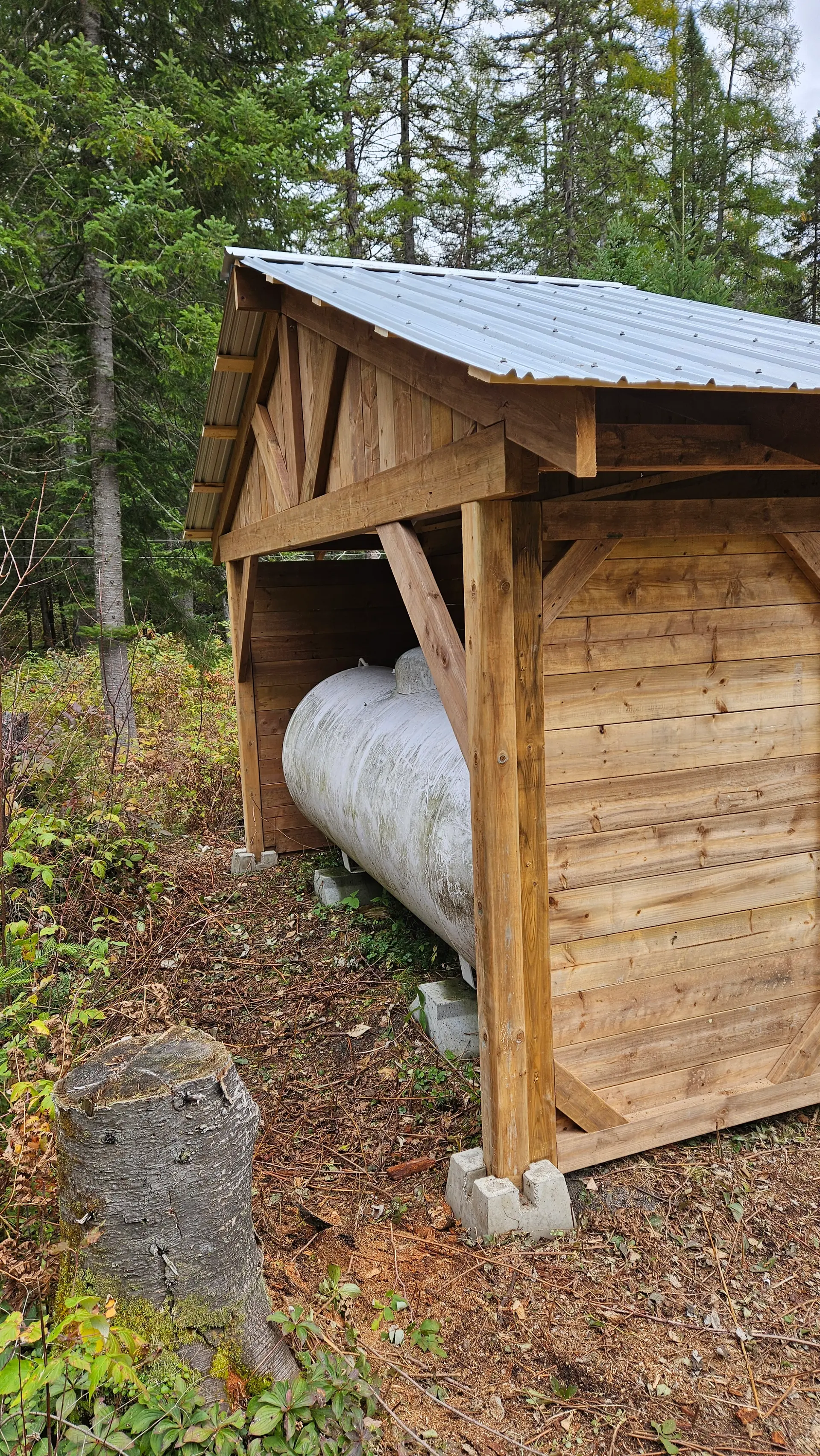
Source: Évo Conception Inc.
The calculation of a quote for oil tank removal is not random. Certified contractors assess several on-site variables before setting an accurate price.
Quantity of remaining fuel oil and sludge: Before moving or cutting the metal, the tank must be completely emptied. Pumping and safely disposing of the remaining fuel oil, as well as recovering the toxic sediment accumulated at the bottom of the tank, leads to environmental fees calculated by volume. The fuller your tank is, the more expensive the operation will be.
Physical accessibility: A technician must be able to bring in tools and move heavy sections. If the tank is located behind dense hedges, at the back of a tight crawl space, or under an enclosed deck, labour time will increase significantly.
Piping configuration: The work does not stop at the tank itself. The fill pipe and vent leading to the exterior of the home must also be safely removed. Forgetting to seal or remove these pipes can cause serious problems, such as an accidental fuel oil spill by a delivery driver into a pipe that no longer leads anywhere.
Indoor vs Outdoor Oil Tanks
The location of your oil tank largely determines the work method used by the technical team and, as a result, the price on your invoice.
Specific Considerations for Indoor Tanks
Usually installed in the basement or utility area of a home, these tanks create major logistical challenges. The main obstacle is the narrowness of door frames and staircases. In most cases, it is impossible to remove the tank in one piece without causing significant structural damage to the home.
Specialists must therefore cut the tank on site. This method requires specialized cutting tools, often cold-cutting alternatives to avoid sparks and fire risks. Technicians must also properly ventilate the area to reduce persistent and toxic petroleum odours, while protecting your floors from black residue stains. These added precautions explain why the cost of removing an indoor tank rarely falls below $1,000.
Specific Considerations for Outdoor Tanks
A tank installed along the exterior foundation or under a shelter is much easier to access. Pumping equipment can be parked nearby, and the metal structure can often be lifted into a truck in one piece without requiring time-consuming cutting on site.
However, Quebec’s climate is hard on these installations. Exposed to harsh winters, heavy snow accumulation, and repeated freeze-thaw cycles, outdoor tanks experience accelerated corrosion. Ambient humidity causes internal condensation that settles at the bottom of the tank, creating rust that is invisible from the outside. Although access may be simple, the historical risk of leaks is statistically higher, which requires careful handling to prevent the bottom of the tank from giving way during removal.
The Complex Case of Buried or Underground Tanks
If your property has an oil tank buried in the ground, a practice that was common in previous decades for aesthetic reasons, you are dealing with a complex situation. The base cost for this type of intervention generally starts at around $5,000 and can easily exceed $15,000 if complications arise.
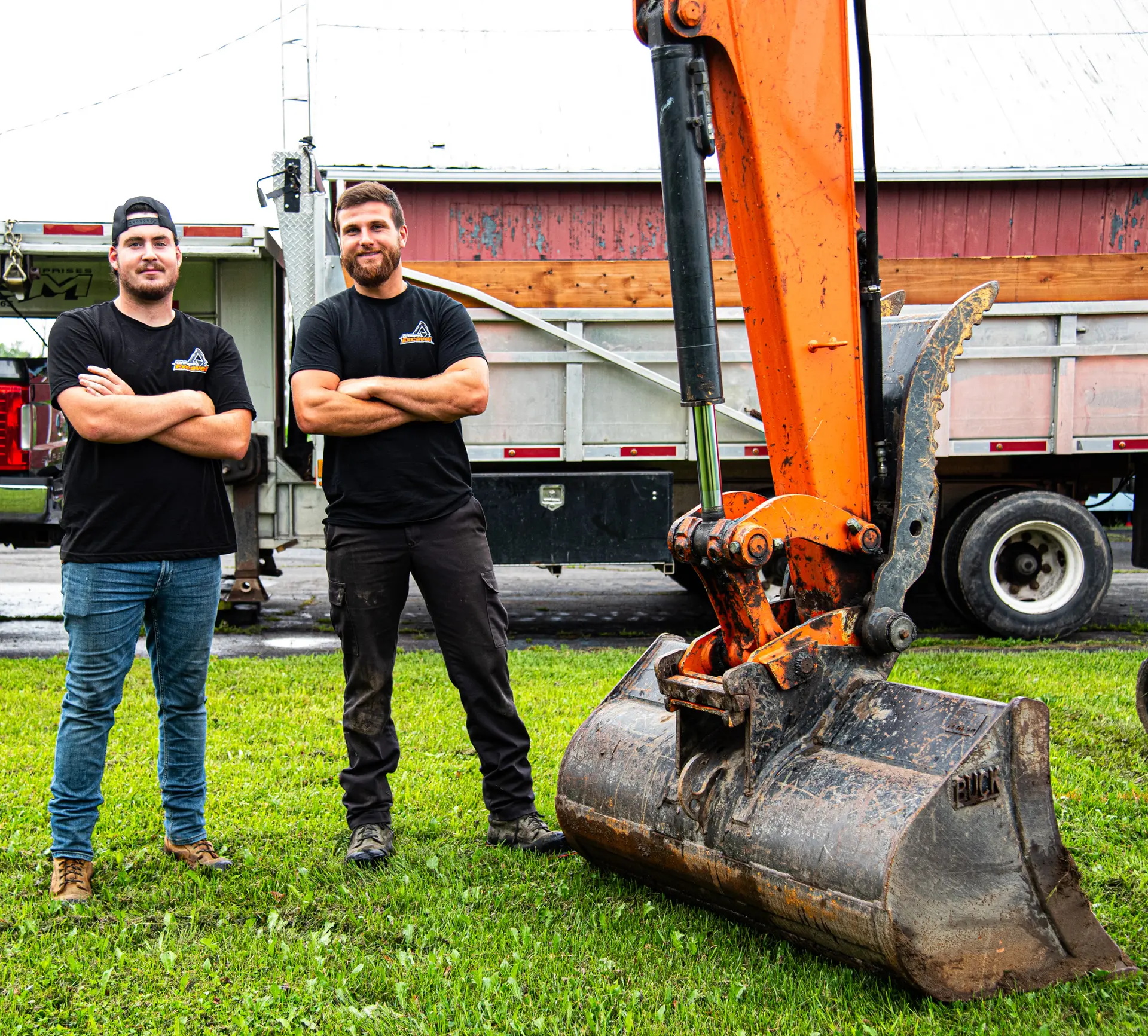
Removal requires heavy machinery. An excavation contractor must be brought in to carefully remove the topsoil, accurately locate the tank without puncturing its weakened walls, and carry out the removal safely.
The environmental risk associated with underground tanks is significant. Over time, corrosion can cause the tank to perforate, especially when it is old or poorly maintained. If fuel oil has seeped into the groundwater or under the home’s footings, soil decontamination becomes legally required.
Traditional dig and dump methods, which involve excavation, loading, and transporting contaminated soil to an authorized site, or in situ treatment methods for deeper contamination, can, in the most serious cases, raise the bill to several tens of thousands of dollars, sometimes more than $100,000 when contamination is extensive. It is therefore strongly recommended to plan this work quickly to stop any latent contamination. To assess the feasibility of your broader renovation plans and budget accordingly, do not hesitate to consult resources on the average cost of renovations.
How Much Does Professional Tank Dismantling Cost in Quebec?
Source: Groupe Excavel inc.
Hiring a specialized and recognized company in Quebec ensures a strict and safe protocol. A standard invoice is usually broken down according to the following operational steps:
Travel and site preparation fees: Installation of floor protection, securing access routes, and setting up ventilation equipment.
Safety pumping and cleaning: Suctioning combustible liquids and scraping sludge from the tank's bottom. This step costs between $150 and $450, depending on the volume of residue.
Mechanical dismantling: If the tank is located inside, cutting the steel structure and fully disconnecting the fill lines. Expect between $300 and $900 in technical labour hours.
Transportation and eco-fees: Transporting metals to a recycling centre and managing hazardous materials through an approved transfer centre, approximately $100 to $300.
Proof of removal or dismantling certificate: The contractor generally provides a proof of removal or a dismantling certificate to document the work performed.
By using RenoQuotes’ contractor-matching platform, you can obtain clear bids from local companies qualified to manage the entire process without hidden fees.
Grants and Financial Assistance Available for the Transition

Source: RenoQuotes
Good news for Quebec taxpayers: the provincial and federal governments actively encourage the shift away from fossil fuels in favour of Quebec’s clean hydroelectricity. Transitioning to an electric central heating system or an efficient heat pump can open the door to strong financial incentives.
The Chauffez vert program long supported the replacement of oil heating systems. Although this grant ended on March 31, 2026, it remains useful to understand the requirements that applied, as several other assistance programs are still available.
Complete replacement required: To be eligible for financial incentives related to removing oil heating, you must replace your fossil-fuel heating appliance or water heater with a system powered by an eligible renewable energy source, generally electricity.
Professional requirement: No grant will be awarded if you carry out the work yourself. The dismantling of the oil tank and the installation of the new electric system must be entrusted to certified contractors holding the appropriate licences.
Assistance amounts: Combined subsidies from different levels of government and energy distributors can represent thousands of dollars in savings. For example, the federal Oil to Heat Pump Affordability program offers major contributions, starting from $10,000 to $15,000, depending on eligibility and applicable programs.
Hydro-Québec also offers the LogisVert program, which provides substantial financial assistance for installing efficient heat pumps, helping offset the initial investment required to modernize your home. Before starting your project, visit Hydro-Québec’s official website to confirm the current amounts and optimize your applications for financial assistance.
RBQ and Environmental Legal Obligations
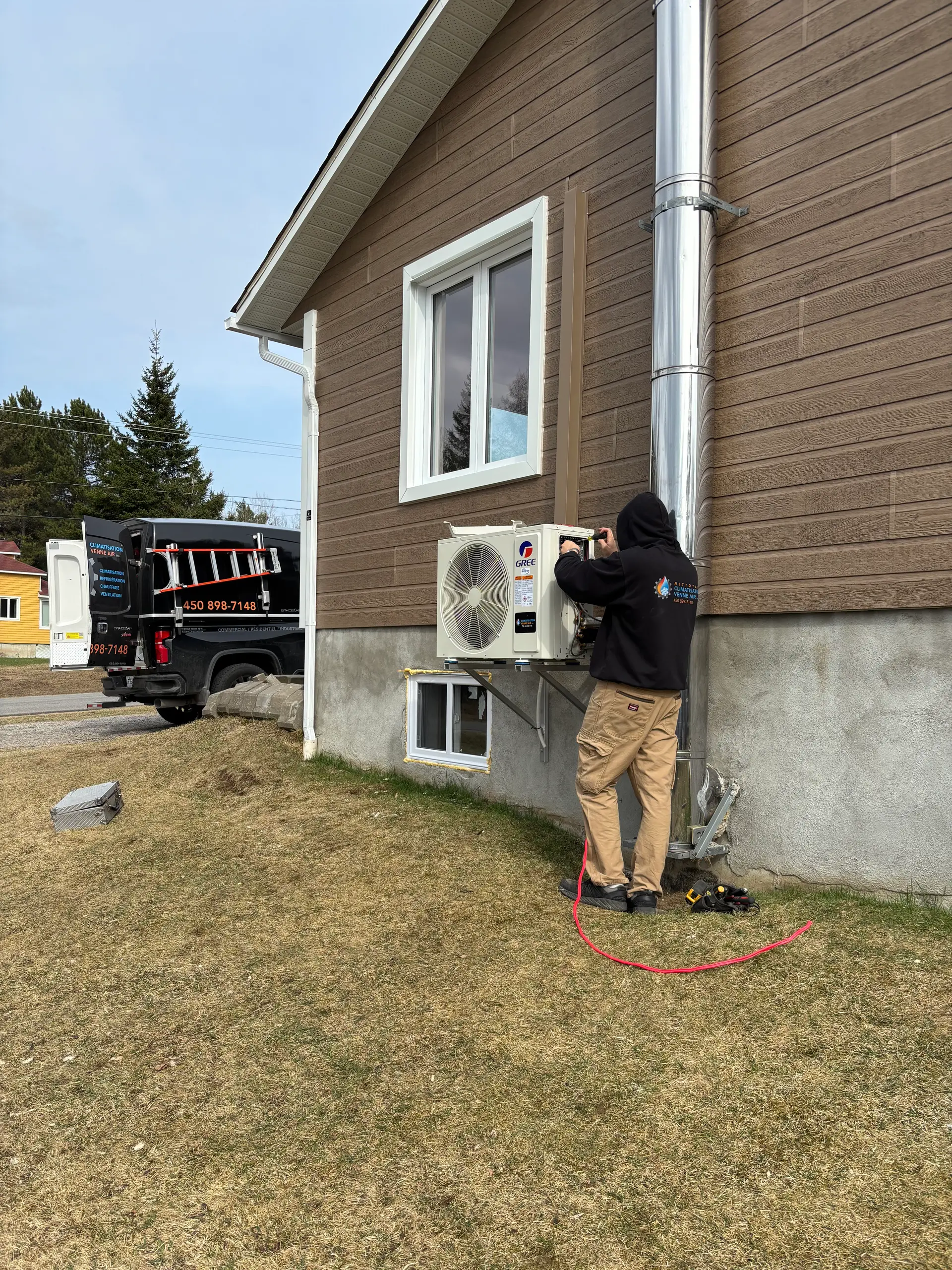
Source: Climatisation Venne-Air Inc
Petroleum products are subject to strict regulations in Quebec. The Régie du bâtiment du Québec (RBQ) imposes very strict guidelines to regulate the handling of high-risk systems.
The Government of Quebec has also introduced strict legislative measures to gradually ban residential fuel oil across the province. Since December 31, 2023, it has been prohibited to install or replace an oil heating appliance with another fossil-fuel-powered appliance in existing buildings, while the ban on installation in new residential buildings has been in effect since December 31, 2021. In addition, replacing an existing oil heating system with a new appliance powered by fossil fuels is prohibited. You are therefore legally encouraged to turn to electricity or dual energy when your furnace reaches the end of its useful life.
From an environmental standpoint, the Environment Quality Act states that every owner is responsible for the custody of their property. If your tank leaks and contaminates your neighbour’s land or municipal water systems, your civil liability is directly engaged. This is why several insurers impose specific conditions or refuse to insure certain tanks aged 15 to 20 years or more, depending on their condition and location.
How to Choose the Right Contractor for Your Project
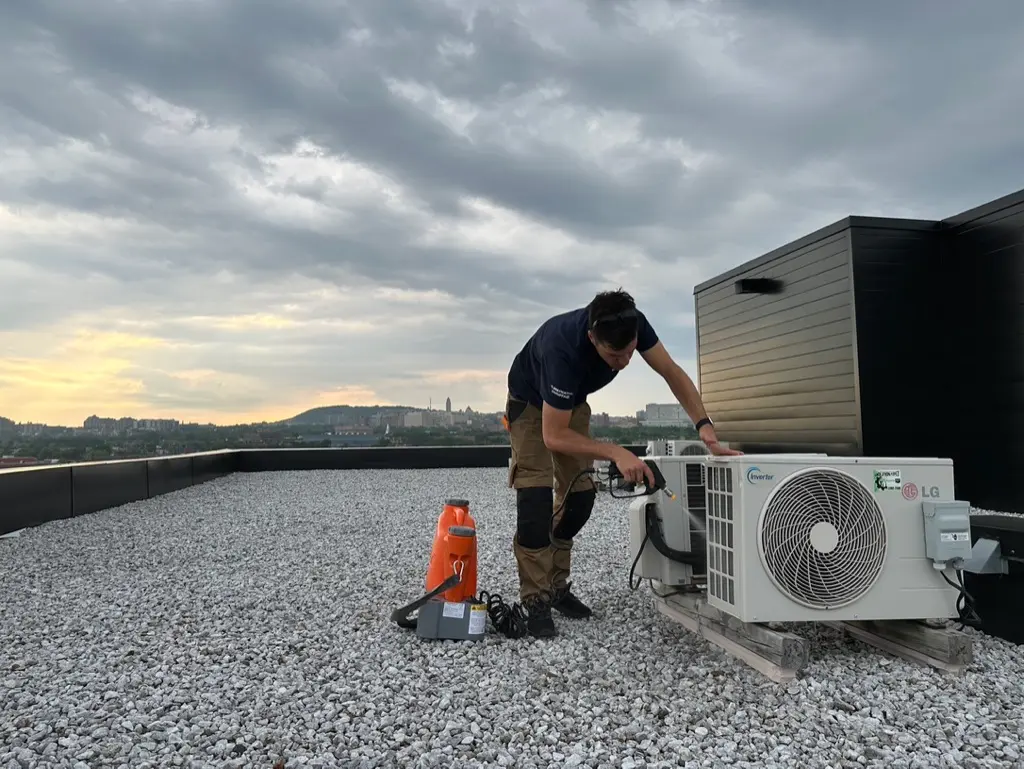
Source: HVAC MTL
Handling fuel oil requires care and experience. To prevent your energy transition project from turning into an environmental nightmare, follow these shopping tips:
Check the RBQ Licence Holders Register: This is your number one protection tool. Make sure the selected company has a valid and active licence. This will help you avoid under-the-table workers who cut tanks without any legal accreditation.
Ask for proof of civil liability insurance: In the event of an accidental spill during transport or tank cutting, cleanup costs can be enormous. Your contractor must carry insurance coverage specific to environmental and pollution risks.
Request a written and detailed quote: The quote must explicitly mention fluid pumping, removal of exterior piping, hazardous waste management, and the written proof of removal or a dismantling certificate.
To simplify your process and compare vetted experts, you can obtain quotes from qualified contractors specializing in building mechanics and heating system dismantling. Taking the time to choose the right professional will give you greater peace of mind and ensure a transition that complies with Quebec laws.
Looking for something else?
Related articles
The latest industry news, interviews, technologies, and resources.

Christine Simard
•23 Jan 2025
As a design and user-friendly appliance, a wood-burning stove makes for a genuine source of well-being, designed to bring additional comfort to households during the harsh winter months. Whether made of steel, brick, cast iron, or glass, a wood-burning stove stands for durability and boasts a slew of advantages.

Editorial Team
•11 Mar 2026
Are you looking to increase the space available in your yard, or simply for health and safety reasons, need to remove a tree? Note that once said tree is cut down, its stump will remain rooted, and you should really consider having it removed.

Cynthia Pigeon
•30 Jan 2025
A home’s entryway rarely is made a priority when it comes to home remodelling and renovations. Usually, when it comes to organizing this space, it is most likely centred around functionality, embellished with a few decorative elements to make the space more inviting as a whole.

Editorial Team
•08 Nov 2023
You may be of the mind that renovation is renovation. When considering the end result, this is the case but when it comes to the process itself, there are many different factors that weigh in. If you’re currently living in a condo and wanting to renovate, you’ll face certain limitations, possibilities and strategies for approaching it. In this article, we’re going to look at a condo kitchen renovation and all of what you should consider when renovating this space. This will help you to avoid unwanted surprises during the process.
Léa Plourde-Archer
•06 Oct 2026
At full Canadian retail, Benjamin Moore Aura runs about $120 per gallon and Sherwin-Williams Emerald about $105. But Sherwin-Williams discounts 30% to 40% several times a year while Benjamin Moore rarely runs public sales, which means Emerald frequently lands near $63 a gallon against Aura's unchanging $120.