Renovation Contractor Disputes in Quebec: Legal Recourse for Homeowners
By Cynthia Pigeon
Updated on August 18, 2026

Starting a residential renovation project represents a major financial and personal investment. Whether you are remodelling a kitchen, finishing a basement, or replacing a roof to withstand harsh Canadian winters, the work should be completed according to accepted industry standards. Unfortunately, some projects can turn into nightmares: unfinished work, job abandonment, structural errors, or unjustified delays.
When facing legal recourse in a dispute with a contractor, many homeowners feel unsure about what to do next. However, Quebec law — governed by the Civil Code of Québec (C.C.Q.) and the Consumer Protection Act — provides strong protections for clients.
When a dispute arises, it is important to remain calm, proceed methodically, and avoid acting hastily. This step-by-step guide explains the measures you can take to assert your rights, address construction defects, and recover money owed to you.
Step 1: Direct Communication and Amicable Negotiation

Source: RenoQuotes
Before turning to the courts or beginning formal legal proceedings, the first step should generally be to attempt to resolve the dispute in good faith. In Quebec, courts value reasonable efforts by both parties to settle a disagreement before incurring legal costs.
As soon as a problem arises — such as improper installation of waterproof cladding or an unexplained construction delay — request an on-site meeting with your general contractor or specialized contractor.
Steps for negotiating an amicable resolution:
Provide written notice of the issue against the original quote.
Meet on site to inspect the problem.
Prepare a written progress report signed by both parties.
Establish a clear new timeline for correcting the deficiencies.
To avoid misunderstandings, always confirm discussions by email. Refer to the exact terms of your original quote or renovation contract. Clearly state what you expect: do you want the defective work completely redone, an amount withheld from the final payment, or a discount as compensation? If you reach an agreement, prepare a dated contract amendment signed by both parties.
Take Pictures and Keep a Construction Log
If negotiations break down or stall, building a strong evidence file should become a priority. In civil law, the burden of proof rests with the claimant. You need to be able to demonstrate the existence of construction deficiencies or the loss you suffered.
Key information to record in your construction log:
Worker attendance: Arrival and departure times
Weather log: Temperatures when concrete was poured or coatings were applied
Communication record: Calls, text messages, and emails exchanged
Photo record: High-resolution photos with measurement references, such as a ruler or level
Maintain a detailed construction log. Document each stage with high-resolution photographs and videos from several angles. If the issue involves water infiltration following snowmelt or a sagging floor, take photos showing how the damage develops over time. Keep all invoices, deposit receipts, text messages, and original plans. This documentation will form the basis of any further action.
If you need other professionals to assess the extent of the corrective work, it can be useful to request a new renovation estimate to determine the cost of bringing the work up to standard.
Step 2: Sending a Formal Demand Letter

Source: RenoQuotes
When communication has broken down and the contractor refuses to correct their mistakes, sending a formal demand letter for renovation work can mark the beginning of a legal dispute process. Under section 1595 of the Civil Code of Québec, a formal demand establishes the contractor's delay or failure to perform and formally requires them to fulfil their obligations.
Steps for sending a formal demand letter:
Draft the document and consider adding the words “Without prejudice”
Send it by registered mail with proof of delivery
Keep the proof of delivery and an official copy of the document
A carefully prepared demand letter demonstrates that you are taking the matter seriously. It tells the contractor that you are prepared to bring the matter before the courts if they fail to act.
What Should an Effective Formal Demand Letter Include?
A formal demand should not simply express frustration. It should rely on clear, measurable facts. To give it the greatest possible legal value, include the following:
Formal heading: The date, your full contact information, and the contractor's contact information. You may also add “WITHOUT PREJUDICE,” although this wording is not mandatory.
Summary of the facts: The date of the quote or contract, the work agreed upon, and the amounts already paid.
Details of breaches: A precise list of deficiencies, construction defects, or delays, with reference to applicable provisions of the Civil Code or accepted construction standards where relevant.
Clear demands: A specific request to complete the work, repair the defects, or provide a partial or full refund.
A reasonable deadline: Give the contractor enough time to respond or act based on the nature of the obligation and the circumstances.
Notice of further action: Clearly state that if the matter is not resolved within the deadline, you may begin legal proceedings without further notice.
It is recommended that you send the formal demand using a method that allows you to prove it was received, such as registered mail or service by a bailiff, and keep that proof.
Step 3: Filing a Complaint with the Office de la Protection du Consommateur

Source: RenoQuotes
If the formal demand receives no response, you can contact the Office de la protection du consommateur (OPC). The OPC is the government agency responsible for enforcing Quebec's Consumer Protection Act.
The OPC's role in a renovation dispute may include:
Reviewing whether the contract complies with consumer protection requirements
Recording an admissible complaint in the merchant's file with the OPC
Addressing prohibited or misleading commercial practices
Providing information about consumer rights and mediation
The OPC may intervene, for example, if a contractor demanded an excessive deposit before work began, used a contract containing abusive clauses, or engaged in door-to-door solicitation without the required permit. Although the OPC cannot directly order a contractor to pay you financial compensation, an admissible complaint may be recorded in the merchant's file with the OPC. Contractors concerned about their business reputation may prefer to resolve a dispute rather than accumulate complaints in their merchant record.
Step 4: Using the RBQ Licence Bond
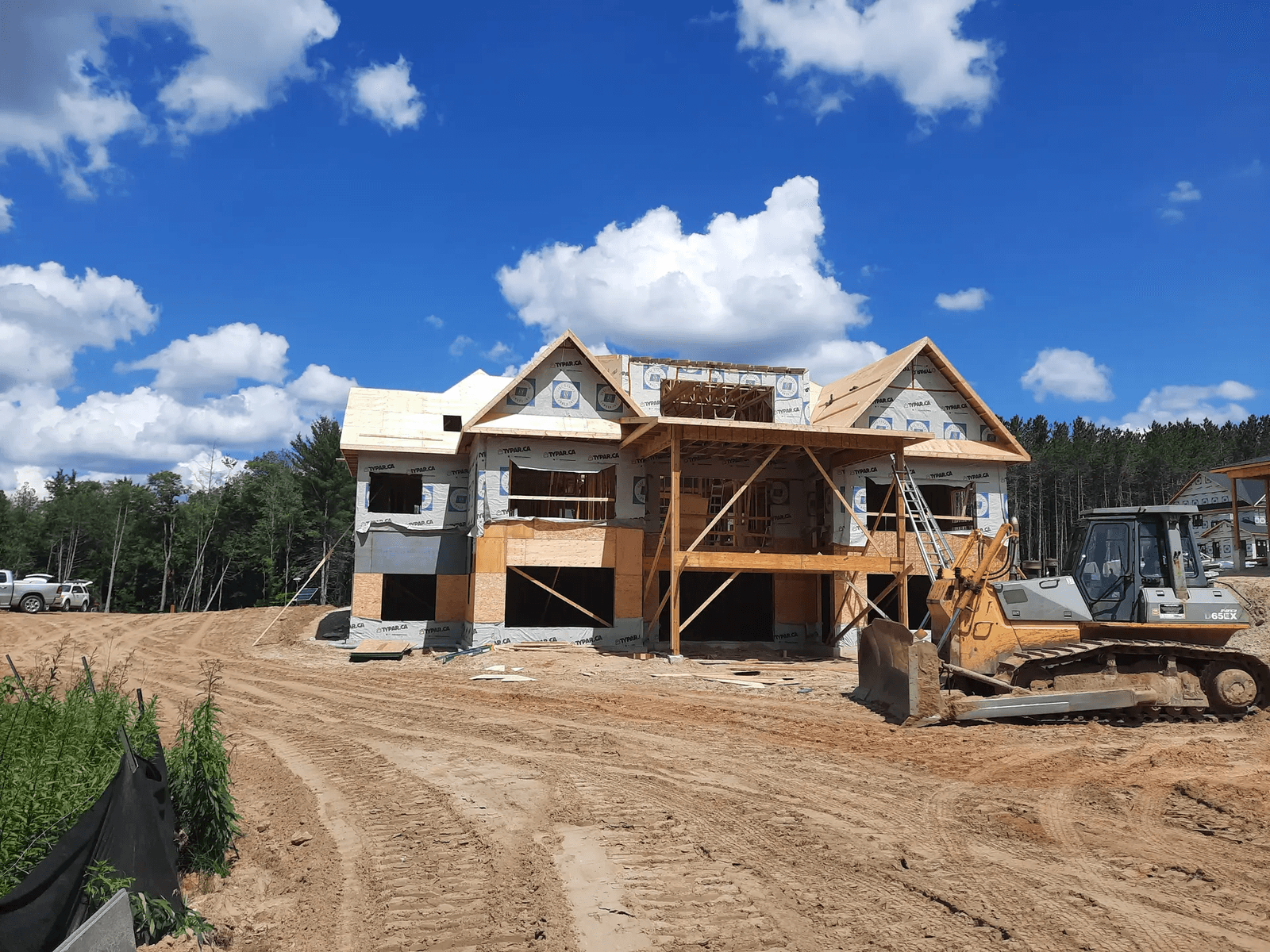
Source: BCS Construction
Any contractor carrying out construction or renovation work in Quebec must hold a valid licence issued by the Régie du bâtiment du Québec (RBQ). As part of this licensing system, the RBQ requires contractors to maintain a licence bond.
This financial guarantee is intended to compensate clients who suffer a direct loss resulting from incomplete work, poor workmanship, construction defects, or deposits paid for an abandoned project.
Type of Contractor | Required Bond Amount |
Specialized contractor (e.g., mason, electrician, roofer) | $20,000 |
General contractor (e.g., full residential renovation) | $40,000 |
A claim may be submitted with or without a judgment. With a favourable final judgment, the likelihood of compensation is generally higher. A claim can still be submitted without a judgment; in that situation, the surety must agree to make an offer for the claim to be considered compliant. In all cases, the claim must be submitted according to the applicable procedure and deadlines.
The licence bond can provide an important financial safeguard for Quebec homeowners, particularly in cases of job abandonment or contractor bankruptcy. To begin a claim, contact the RBQ claims service or the insurance company that issued the bond. A final judgment can substantially improve the likelihood of compensation, but the RBQ also permits certain claims without one.
Before hiring a professional for future projects, it is strongly recommended that you verify the hired contractor, confirm their RBQ licence is valid, and review relevant information about their licence.
Step 5: Legal Action Based on the Amount of the Dispute

Source: RenoQuotes
If amicable and administrative remedies have failed, the final option may be to bring the matter before Quebec's civil courts. The amount claimed is one of the main criteria that determines which court has jurisdiction, although other factors, including the nature of the claim and the status of the parties, may also apply.
Small Claims Division (Up to $15,000)
The Small Claims Division of the Court of Québec handles many residential disputes. It is designed to provide a more accessible and economical legal process.
Maximum claim: The maximum claim is $15,000, excluding interest and court costs.
Lawyer representation: As a general rule, parties cannot be represented by a lawyer before the Small Claims Division and must defend their own case. Certain exceptions and specific representation rules apply. A lawyer can still advise you outside the courtroom and help prepare your documents.
Legal warranties under the Civil Code: You may rely on section 2100 of the C.C.Q., which requires work to be performed according to the rules of the art; section 2120, which provides a one-year warranty against poor workmanship; or section 2118, which may impose liability on contractors, architects, and engineers, depending on the circumstances, where the loss of the work occurs within five years after completion because of a design, construction, execution, or soil defect.
Lower costs: Court fees apply when filing a claim. The court may order the unsuccessful party to pay certain legal costs as per applicable rules.
To improve your chances of success in Small Claims Court, prepare a numbered evidence file containing your original contract, construction log, photographs of the damage, emails, formal demand letter, and at least one quote from another contractor estimating the cost of repairs.
Court of Québec or Superior Court (More Than $15,000)
When the amount in dispute exceeds $15,000 — which can easily happen after a failed home addition or major structural defects — claims between $15,000.01 and $74,999.99 generally fall under the jurisdiction of the Court of Québec. From $75,000 to $99,999.99, the claimant can generally choose between the Court of Québec and the Superior Court. Claims of $100,000 or more generally fall under the jurisdiction of the Superior Court.
In these courts:
Representation by a lawyer specializing in construction law is strongly recommended and may be essential.
Proceedings can be more complex and may include examinations for discovery and technical expert evidence.
Depending on the nature and complexity of the alleged defect, an assessment by a qualified professional may be necessary or strongly recommended to establish the cause, extent, and cost of corrective work.
Although these proceedings may take longer and cost more, they can allow homeowners to seek compensation for eligible material and non-material damages.
To carry out corrective work identified through professional assessment, consider working with qualified contractors experienced in repairing construction defects.
What Should You Do if You Are Threatened with a Construction Legal Hypothec?
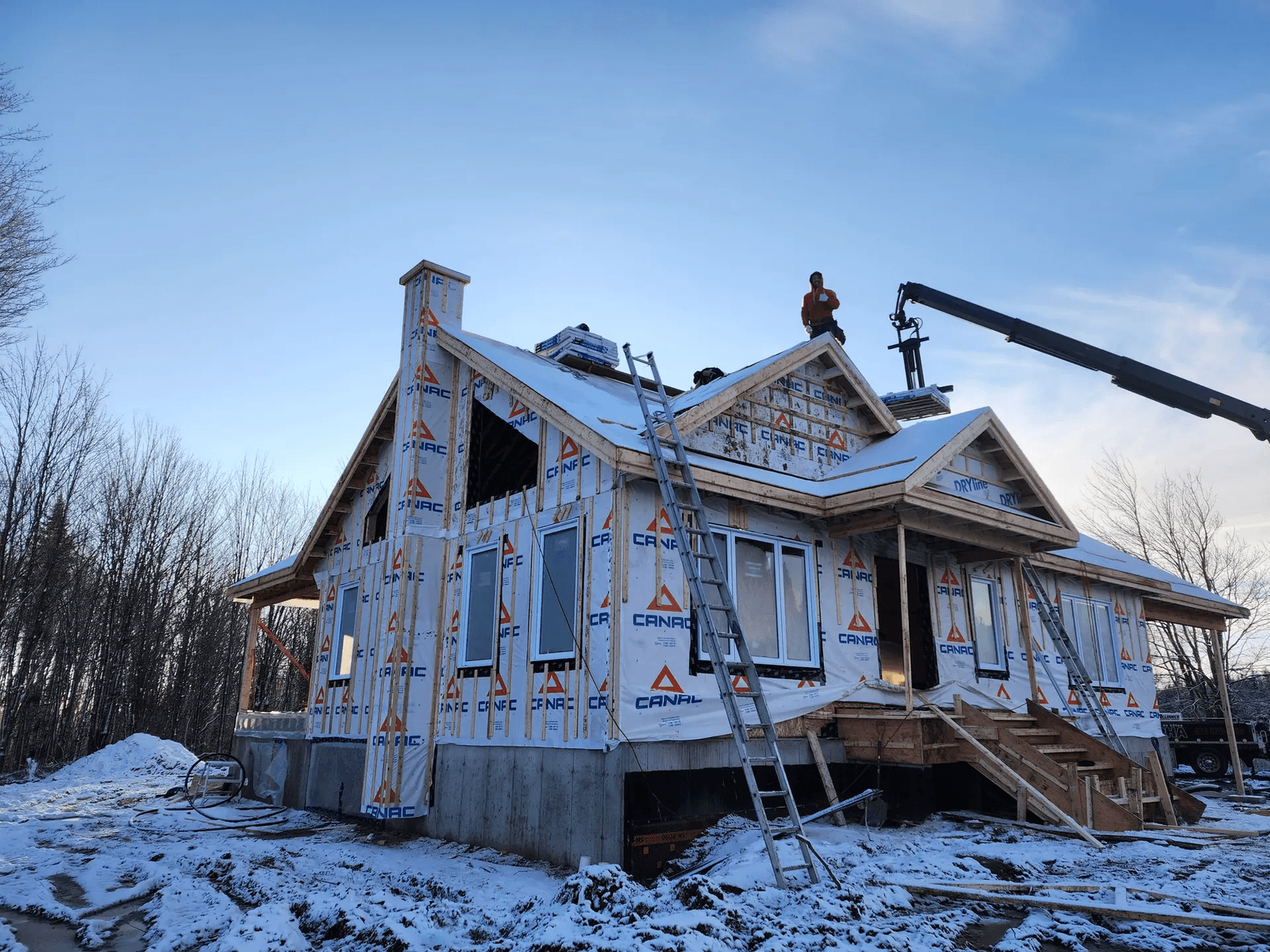
Source: Symétrix Construction Inc.
One of the most stressful situations for a homeowner can arise when they receive notice of a potential construction legal hypothec. This mechanism, specific to Quebec law under sections 2726 and following of the Civil Code of Québec, protects subcontractors, workers, engineers, and material suppliers who contributed to renovations on your property.
A legal hypothec involving a subcontractor may work as follows:
The general contractor fails to pay a subcontractor, such as a plumber.
The subcontractor previously sent the homeowner a written notice of their contract.
The subcontractor registers a legal hypothec against the property in the land register.
The property becomes subject to a charge that can potentially lead to a sale under judicial authority.
A homeowner may pay everything owed to their general contractor, only for that contractor to fail to pay subcontractors such as electricians, plumbers, or drywall finishers. If those subcontractors are not paid, Quebec law may allow them to register a legal hypothec against the property even though the homeowner does not have a direct contract with them.
How Can You Protect Yourself Against a Legal Hypothec?
Pay attention to written notices: When a person does not contract directly with the homeowner, their hypothecary claim is generally limited to work, materials, or services provided after their contract was disclosed to the homeowner in writing. Workers are exempt from this notice requirement.
Use payment holdbacks when appropriate: When making payments to your general contractor, request written releases from subcontractors confirming that they have been paid for completed work. In certain circumstances, section 2123 of the C.C.Q. allows the client to withhold enough from the contract price to cover claims by workers and certain parties who may have a legal hypothec, particularly where their contract has been disclosed to the client. The amount is not automatically fixed at 10%.
Request cancellation: If a legal hypothec has been registered improperly or without a valid notice where one was required, you may send a formal demand requesting that it be discharged, failing which legal action for damages may follow.
If you plan to resume the work with a new contractor, you can submit a request to find a verified general contractor to complete your project in compliance with applicable requirements.
Summary: A Quebec Homeowner's Action Plan
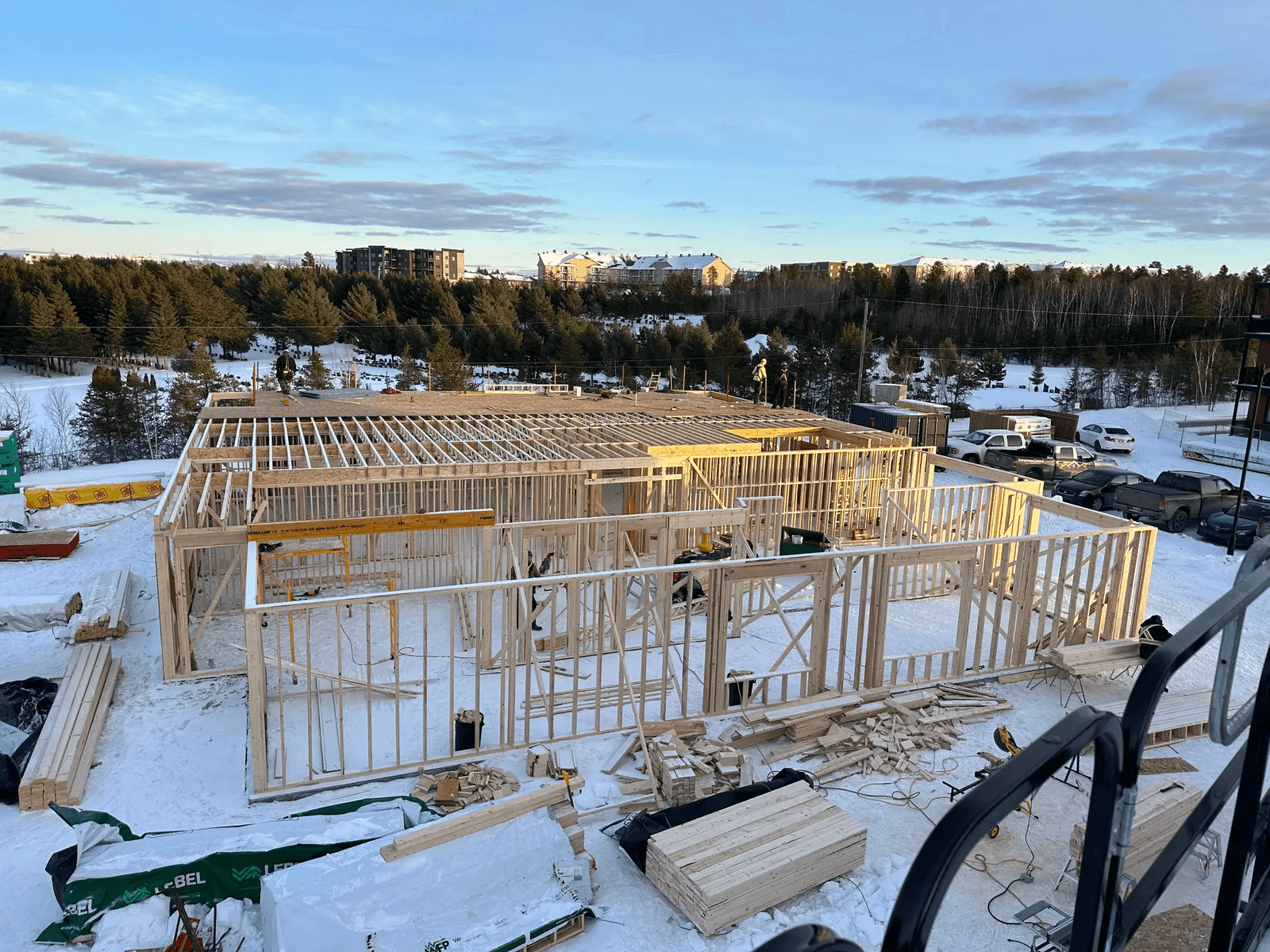
Source: Réno-Construction Max. M.
Dealing with a construction dispute requires a methodical and objective approach. By following the legal steps available under Quebec law, you can improve your chances of obtaining a remedy while protecting your property.
Summary of the dispute-resolution process:
Step 1: Documentation — photos, construction log, emails
Step 2: Written attempt to negotiate an amicable settlement
Step 3: Send a formal demand letter
Step 4: File a complaint with the OPC
Step 5: Submit a claim against the RBQ licence bond
Step 6: Take legal action — Small Claims Division or another court with jurisdiction
Many disputes can be resolved at the formal demand or pre-trial negotiation stage without proceeding to trial. By remaining methodical, supporting each claim with solid evidence, and understanding the remedies available through Quebec institutions, you can better protect your rights and your property.
Looking for something else?
Related articles
The latest industry news, interviews, technologies, and resources.
Amanda Harvey
•25 Sep 2024
The purchase of a heat pump is often done with the aim of saving energy and watching heating and air conditioning bills plummet.

Editorial Team
•08 Nov 2023
Our homes are complex systems that are multifunctional and multi-faceted with a lot of various parts. Thus, it is important for our homes to run smoothly and efficiently like well-oiled machines. All machines need energy to operate, and as most homeowners know, our homes consume a large amount of energy annually.
Editorial Team
•20 Nov 2023
Do you have to change your old kitchen sink? The models available on the market are just as wide-ranging as they are diverse, meaning finding the right sink for the job can be quite tricky! To help guide your decision, here’s a rundown of the leading sink models.

Editorial Team
•15 May 2026
Helical piles are a practical solution for building deep, stable foundations or reinforcing existing foundations for residential properties. They are often used for homes, additions, decks, balconies, cottages, and other light to medium structures, especially when soil conditions make traditional foundation work more complex.
Cynthia Pigeon
•08 Nov 2023
Whether to revitalize your home or prevent heat loss, it may be tempting to replace your windows.