Pyrite Repair in a Montréal Basement: How It Works and How Much It Costs
By Cynthia Pigeon
Updated on July 8, 2026
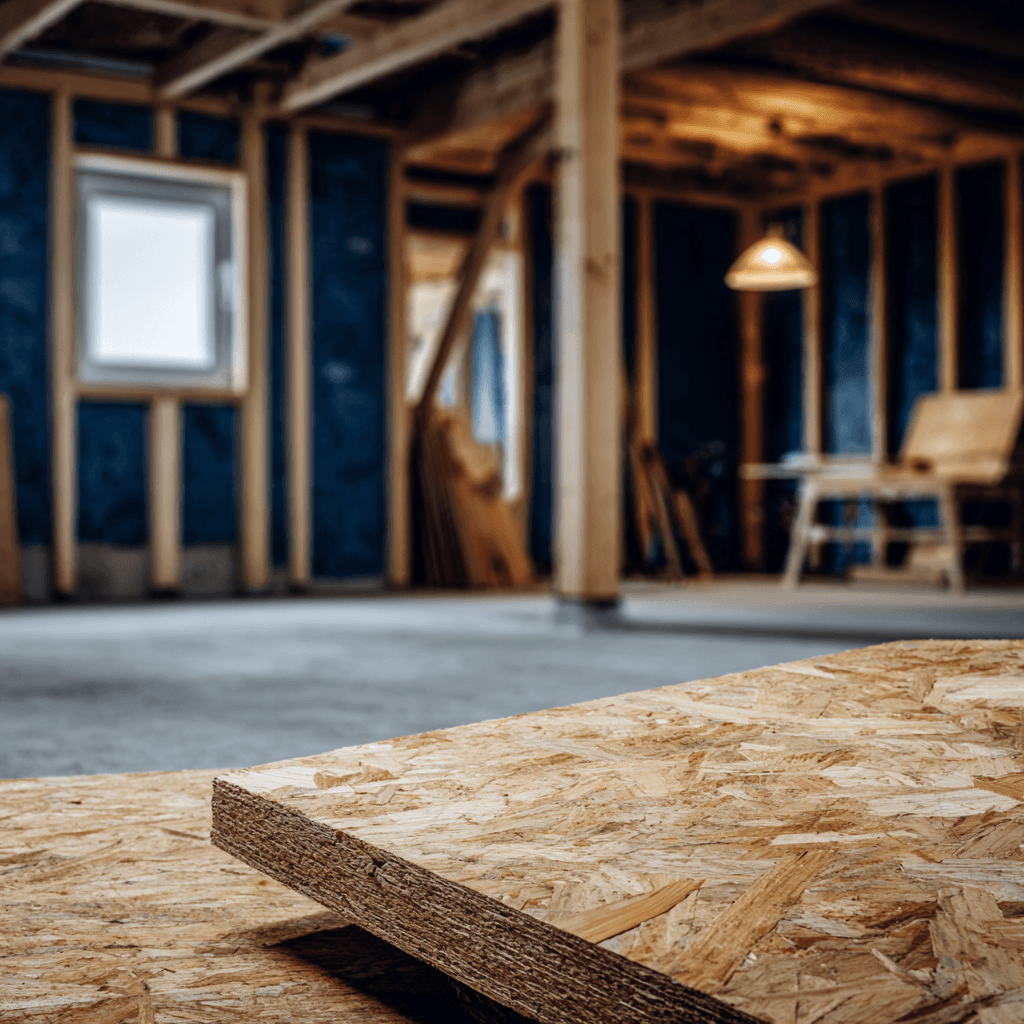
In 2026, replacing a concrete slab and pyrite-contaminated backfill can represent a significant budget. For a basement, some estimates range from around $15,000 to $40,000, while a garage can cost several thousand dollars, depending on the surface area, access and the extent of the removal required. This price includes the full excavation of the contaminated backfill, its replacement with tested non-expansive crushed stone and the pouring of new concrete. Before undertaking this major work, an official technical test following the CTQ-M200 protocol is often required by financial institutions or during a real estate transaction to assess the swelling index.
What Is Pyrite and How Does It Affect Your Property?
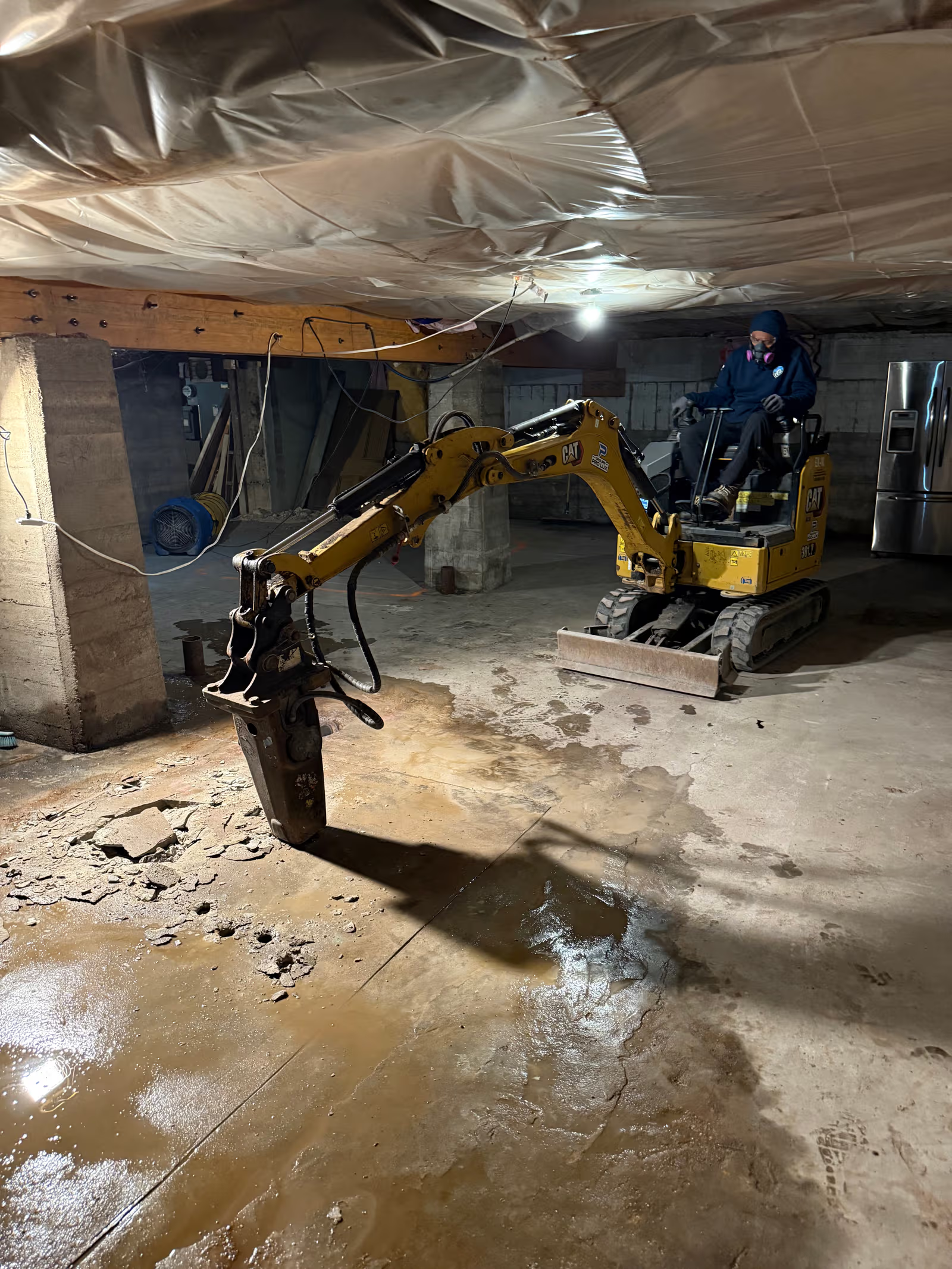
Source: 9523 6618 Quebec In (Groupe Pro Lux)
Pyrite is an iron sulphide mineral that is naturally found in certain sedimentary rocks, particularly shale. In Quebec, between the 1970s and the late 1990s, crushed stone containing this mineral was unfortunately used as backfill under concrete slabs in basements and garages. The real problem does not come from the rock itself, but from the chemical reaction that occurs when this material comes into contact with ambient humidity and oxygen beneath the home.
When it oxidizes, pyrite produces sulphuric acid. This acid then reacts with the limestone components of the crushed stone to form gypsum. The gypsum crystallizes and expands considerably, far beyond the original volume of the rock. This physical phenomenon, known as backfill swelling, creates tremendous vertical pressure on the home's structure.
In Quebec’s climate, constant soil moisture and freeze-thaw cycles worsen existing cracks and can accelerate this reaction. Over time, the force exerted by the swelling backfill becomes greater than the resistance of the structure above it. The concrete slab then begins to lift, bulge in the centre and crack, which can eventually deform interior partitions, block doors and compromise the stability of foundation walls.
Signs and Detection: CTQ-M200 Protocol and IPPG Index
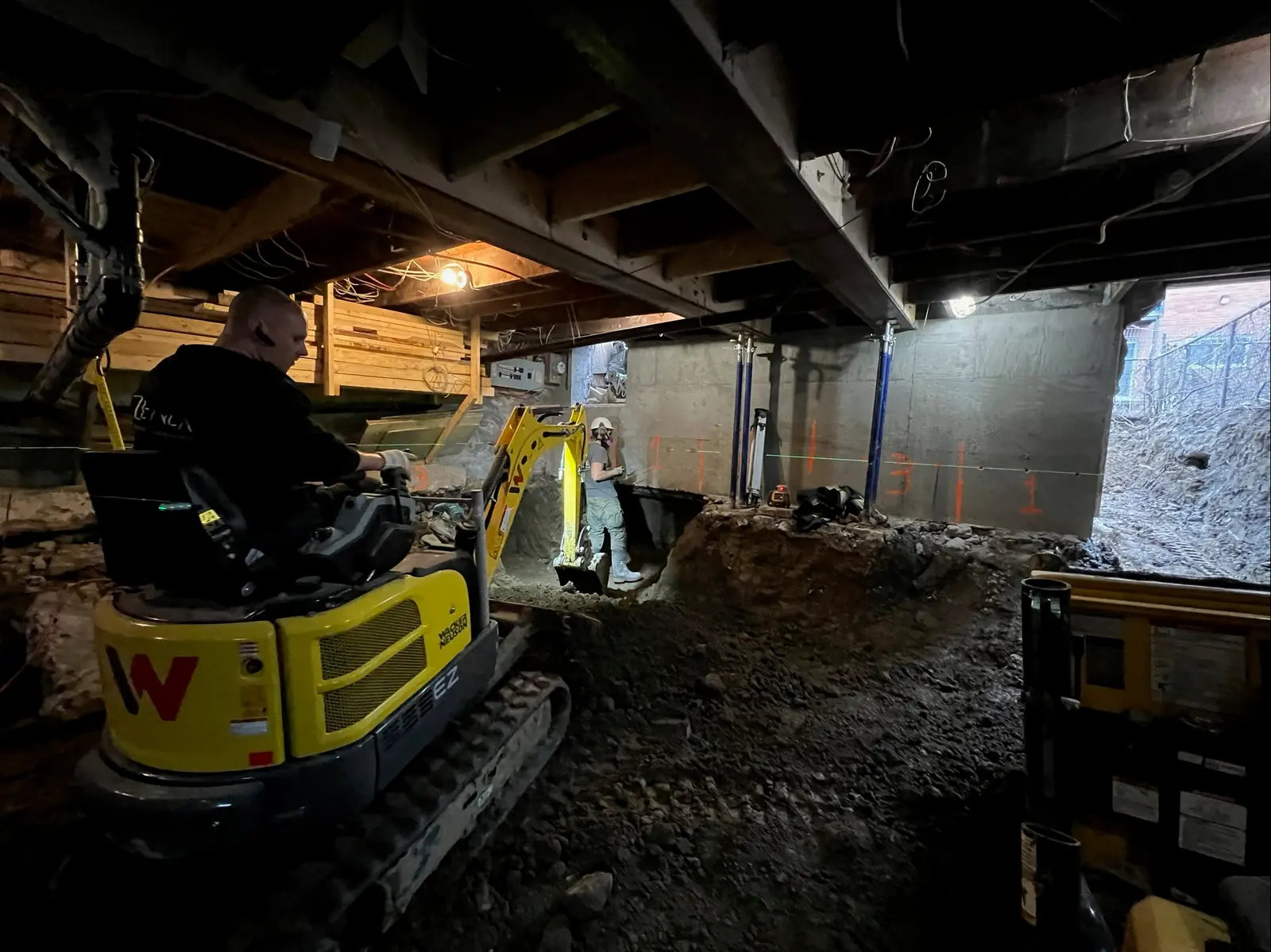
Source: Indigo Construction Inc.
Recognizing the presence of pyrite requires careful attention to visible floor deformation. The most common warning signs include:
Star-shaped or cross-shaped cracks in the concrete slab.
A raised slab, creating bumps or uneven surfaces visible to the naked eye.
The appearance of white powder or yellowish crystals along cracks, known as efflorescence, is often caused by gypsum formation.
Basement doors that suddenly rub against the floor or drywall partitions that crack for no apparent reason.
To confirm beyond doubt that the issue is indeed pyrite and not simply soil settlement, a visual inspection is not enough. Homeowners must call on a specialized laboratory to carry out a rigorous scientific test according to the CTQ-M200 protocol. This strict protocol, developed by the Quebec technical committee studying pyrite-related problems, involves coring the slab in order to take a sample of the concrete and the underlying backfill.
Following the laboratory analysis, experts issue a report detailing the Petrographic Swelling Potential Index, or IPPG. This index ranges from 0 to 100:
IPPG from 0 to 10: Swelling potential is zero or negligible.
IPPG from 11 to 20: Potential is low.
IPPG from 21 to 40: Potential is low to moderate.
IPPG from 41 to 60: Potential is moderate to high.
IPPG from 61 to 80: Potential is high.
IPPG from 81 to 100: Potential is extremely high.
A high IPPG indicates significant swelling potential. However, the need to intervene depends on the actual condition of the slab, the observed cracks, the progression of the damage, and the specialist’s recommendations.
In Quebec, a complete coring test and laboratory analysis generally costs between $500 and $850 plus taxes. This amount is an essential investment during a real estate transaction in Greater Montréal, as it protects the buyer and provides security for the seller.
How Much Does Pyrite Removal Cost in Montréal?
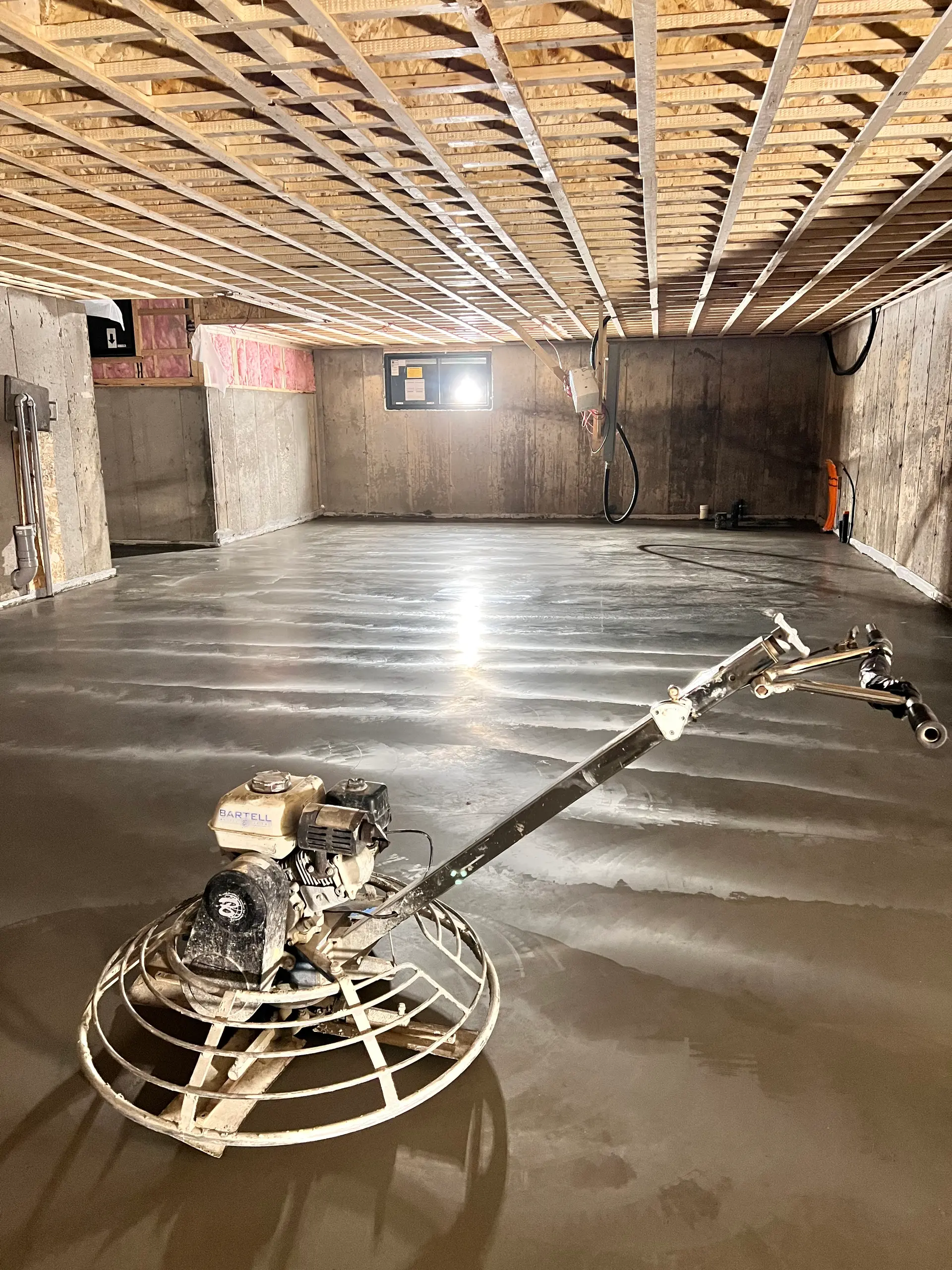
Source : Cimentier Béton Xtra Inc.
The cost of decontamination work varies significantly depending on the area to be treated, the type of rooms involved and how easy it is for equipment to access the space. Combining excavation, disposal of the contaminated stone, and the purchase of new materials and skilled labour, the following indicative price ranges can be used as a starting point to estimate a project budget.
Average Cost Table by Type of Space
Type of Space | Average Area | Estimated Price Range (2026) | Average Price per Square Foot |
Single-car garage | 200 to 300 sq. ft. | $6,000 to $13,500 | $30 to $45/sq. ft. |
Double-car garage | 400 to 600 sq. ft. | $10,000 to $21,000 | $25 to $35/sq. ft. |
Bungalow basement | 800 to 1,200 sq. ft. | $16,000 to $42,000 | $20 to $35/sq. ft. |
Large basement or cottage | 1,200 to 1,800 sq. ft. | $26,000 to $63,000+ | $22 to $35/sq. ft. |
Note: These amounts remain indicative. A garage with easy access may cost much less than a double garage or a space where excavation must be done manually.
It is important to note that the pricing detailed mainly represents the base cost for excavation, backfill replacement and pouring a new concrete slab. The overall budget calculation must include contingencies and the cosmetic restoration of your rooms, which is why it is important to shop around for quotes to compare detailed quotes from specialists in your area.
Factors that Influence the Cost of Pyrite Decontamination
Source: MJ rénovation construction
Two identical properties on Montréal’s North Shore or South Shore can end up with completely different final invoices. Several technical factors can increase or reduce the real cost of the work:
1. Basement Accessibility and Excavation Method
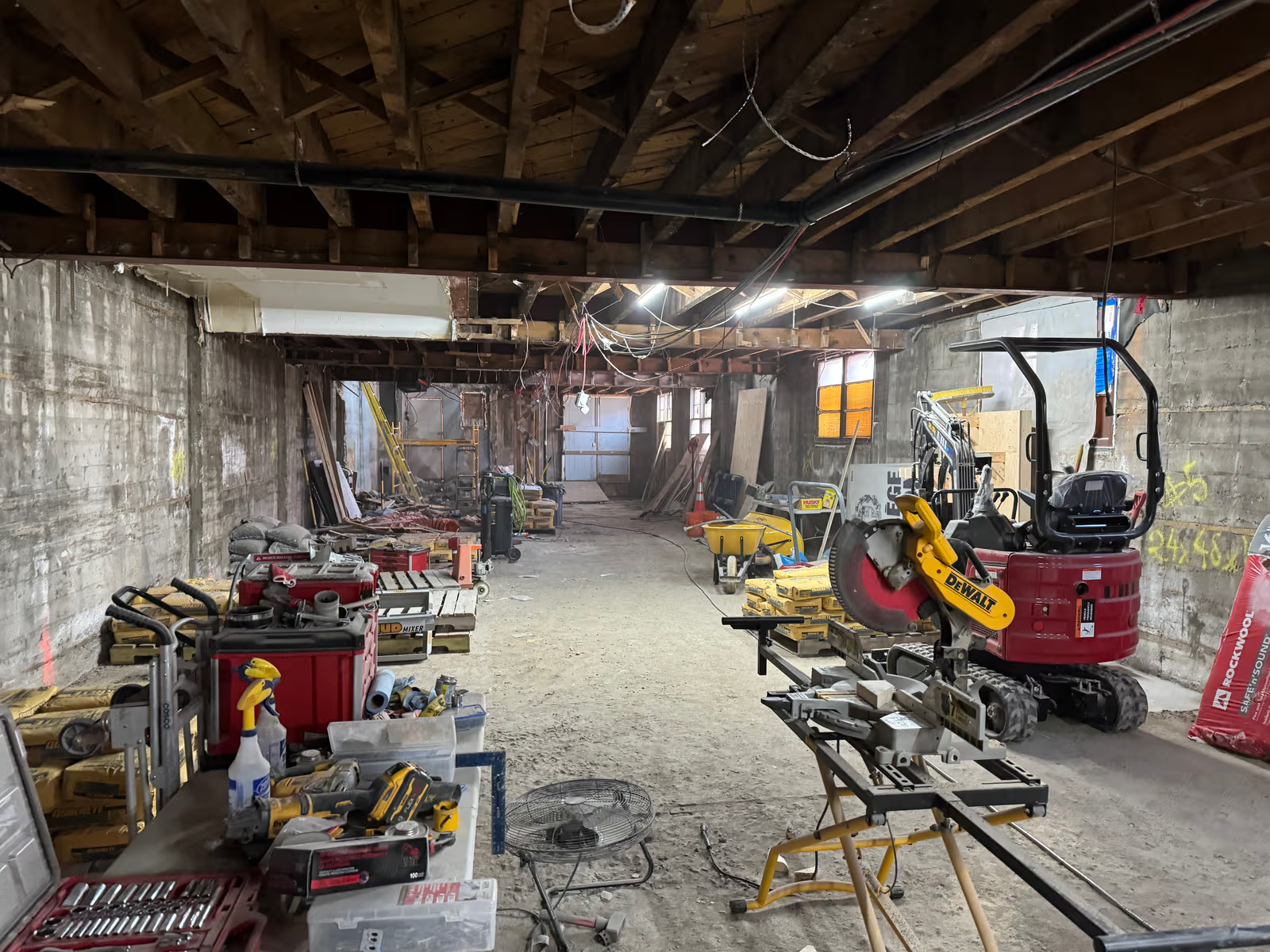
If your basement has direct exterior access, such as a garden door or a large exterior entrance allowing a mini-excavator to enter, the job will move forward quickly, which reduces labour costs. Conversely, if access is limited to a small window or a narrow interior staircase, the contractor will have to excavate manually. Moving tons of crushed stone with shovels and wheelbarrows significantly increases the number of labour hours, which, in turn, increases the final invoice.
2. Level of Finish in the Existing Rooms
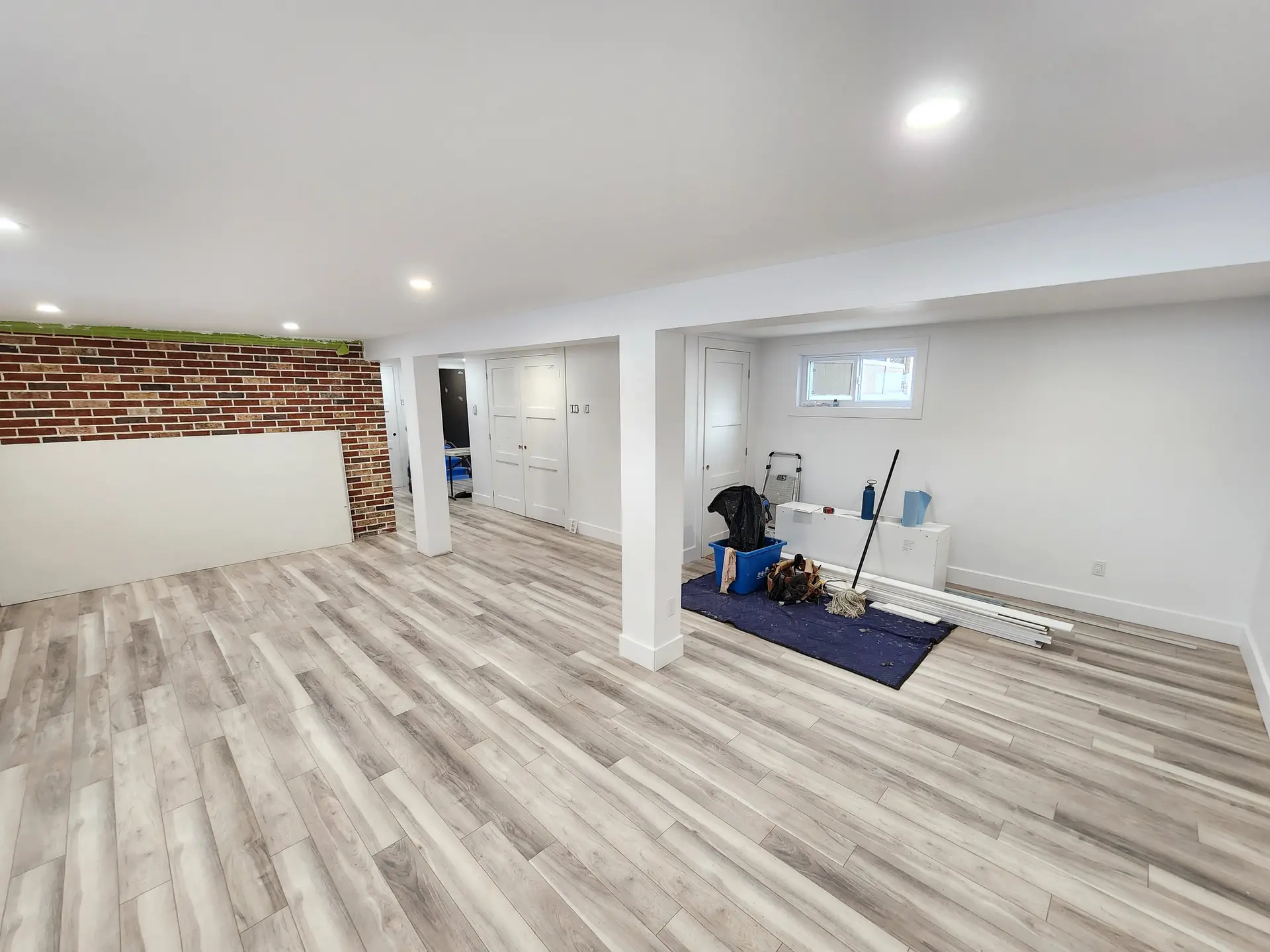
An unfinished basement, with exposed concrete and no divisions, is the ideal and least expensive scenario. If your basement is fully finished, with bedrooms, a bathroom or a home theatre, you must add the cost of preliminary demolition of partitions, removal of floor coverings such as laminate, carpet or ceramic tile, plumbing relocation and complete reconstruction after the work.
3. Thickness of the Contaminated Backfill
During a complete decontamination, the goal is generally to remove all problematic backfill under the slab. In most homes, the backfill thickness ranges from 8 to 12 inches. However, in some properties in the areas surrounding Montréal, it can reach 24 or even 30 inches. The larger the volume of stone to excavate and replace, the higher the transportation costs, disposal costs at specialized sites and purchase costs for new materials.
4. Temporary Relocation of Occupants
Because the work generates a great deal of noise, dust and vibration for several consecutive days, it is often impossible to remain in the home. The cost of temporary accommodation for your family over the weekend or for the full week of work should be taken into account.
Steps Involved in Removing Pyrite From a Basement
Source: Kenscho Design Inc
Pyrite removal is a major project that usually takes 5 to 10 business days. Professionals follow a rigorous process to ensure the long-term durability of the building.
Step 1: Site Preparation and Protection
Technicians install airtight plastic barriers to prevent dust from spreading to the upper floors of the home. Ventilation and heating systems are sealed. When needed, temporary support structures are installed to secure interior load-bearing walls.
Step 2: Breaking and Removing Concrete Slab
Using pneumatic or electric jackhammers, the old, cracked concrete slab is completely broken into pieces. These concrete debris pieces are removed from the home and transported to dry material recycling centres.
Step 3: Excavating the Swelling Backfill
The team removes all crushed stone contaminated by pyrite. Excavation continues down to the natural soil, often clay or compact earth. Interior drainage pipes and buried plumbing lines are inspected at this stage to ensure they were not crushed by previous swelling.
Step 4: Installing DB-Quality Backfill
This is the critical step to protect the property in the long term. The excavated space is filled with new DB-quality backfill. This is high-quality crushed stone that's quarry-tested and certified as having no swelling potential. The stone is compacted in successive layers to create a perfectly stable and dense base.
Step 5: Installing a Vapour Barrier and Pouring Concrete
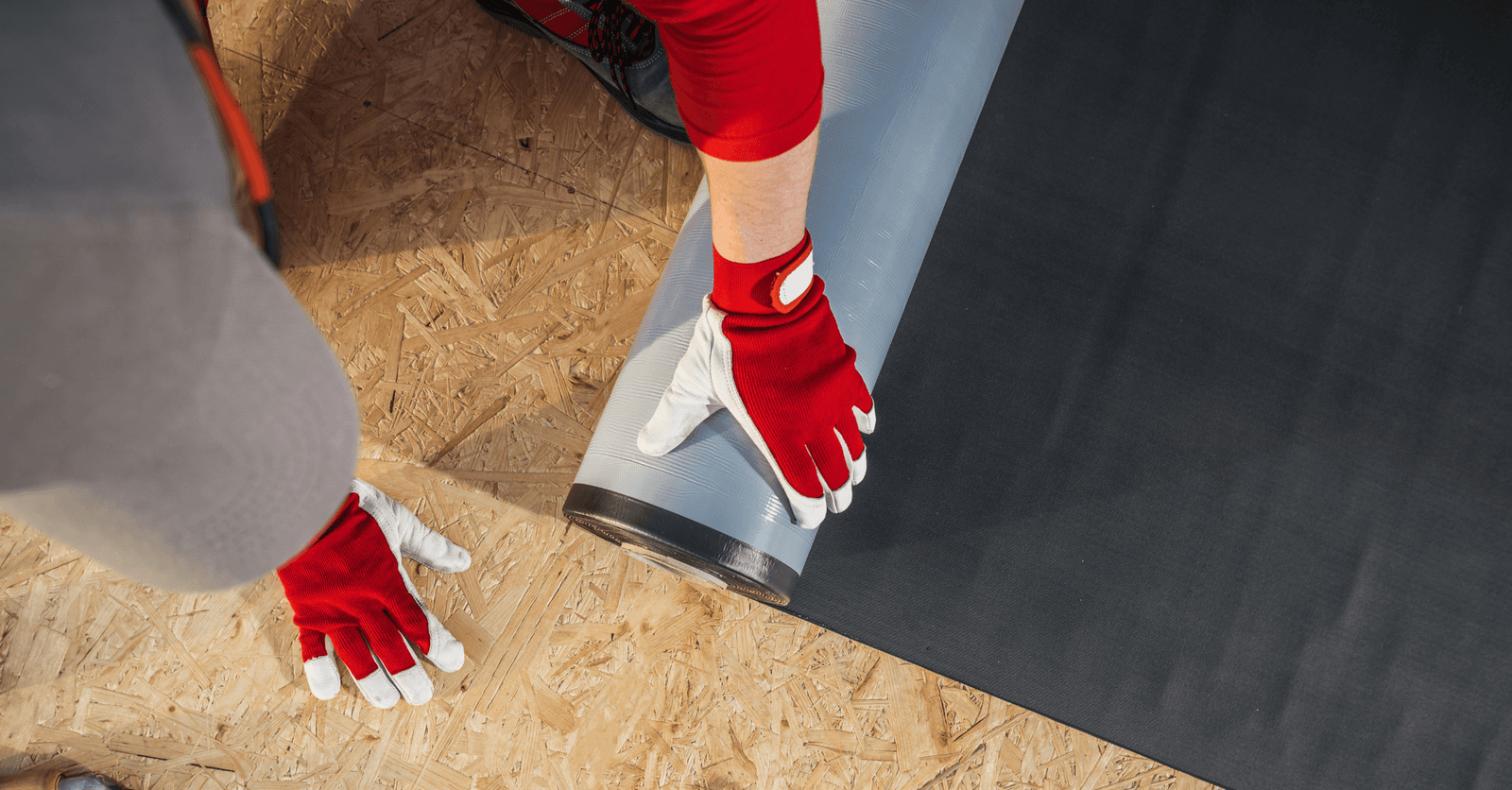
A durable polyethylene membrane is laid across the entire surface of the crushed stone to block soil moisture and reduce potential radon gas emissions. A reinforcing wire mesh is installed, then foundation contractors pour a new concrete slab with a minimum thickness of 4 inches. The slab is finished with a power trowel to obtain a smooth, even surface.
Legal Obligations, Hidden Defects and Choosing a Contractor in Quebec
The discovery of pyrite can significantly complicate a real estate transaction. In Quebec, the presence of pyrite confirmed by a positive IPPG test is an important material fact.
Impact on a Sale and the Concept of a Hidden Defect
If a seller knows about a pyrite report or damage related to the backfill and fails to disclose it, this can lead to legal recourse, including claims based on hidden defects or, depending on the circumstances, fraud. Each situation depends on the facts, available documents and the actual condition of the building. If you are selling your property, clear and documented disclosure remains one of the best legal protections: always attach the CTQ-M200 report to the seller’s declaration. An informed buyer can then negotiate the purchase price based on the estimated cost of corrective work.
Criteria for Choosing Your Contractor
Régie du bâtiment du Québec (RBQ) licence: Check that the company holds a valid RBQ licence and that its subclasses cover the planned work, especially when the project involves the concrete slab, foundation, structural or excavation work. You can verify this information directly in the RBQ’s public register.
Liability insurance: Ask for written proof of insurance covering damage to residential structures following excavation and underpinning work.
Official DB certification: The contractor must agree in writing to provide, at the end of the project, the official quarry receipt proving that the crushed stone delivered to your property is certified non-expansive, or DB quality. This document will be added to your home file and may be required by future buyers or by your financial institution.
To avoid unpleasant surprises and obtain a fair price, it is recommended to compare quotes from several qualified foundation contractors active in the Greater Montréal area to carefully analyze the labour inclusions and warranties offered on the new concrete slab.
Looking for something else?
Related articles
The latest industry news, interviews, technologies, and resources.
Amanda Harvey
•08 Nov 2023
When building a new home, air barriers are not always part of the equation. However, air barriers are crucial structures that assist in aiding with energy efficiency as well as maintaining a comfortable and cozy home environment.
Editorial Team
•08 Nov 2023
Proper airflow in the home is of the utmost importance, as it has a direct influence on both heat and moisture flow. Airflow is responsible for carrying moisture through the materials, walls, ceilings and floors of your home, and this impacts the longevity and performance of these surfaces.

Editorial Team
•08 Nov 2023
Summer might be over, but that doesn’t mean all dreams of being whisked away seaside have to fade. What if we told you that travelling to a coastal haven with sandy beaches was a possibility without having to leave your cozy pad?

Karine Dutemple
•06 Dec 2025
The budget allocated to a major renovation project can be as high as several thousand dollars and sometimes many more if the work is very large. This is why the price charged for them by the contractor responsible for your project is a central and determining aspect, which is subject to negotiation.
Editorial Team
•18 Apr 2024
Have you noticed the presence of traces of humidity in your crawl space? You're right to wince because a buildup of moisture is never good news.