Roofing renovation in Toronto : what you need to know | Renovation Quotes
By Amanda Harvey
Updated on November 8, 2023
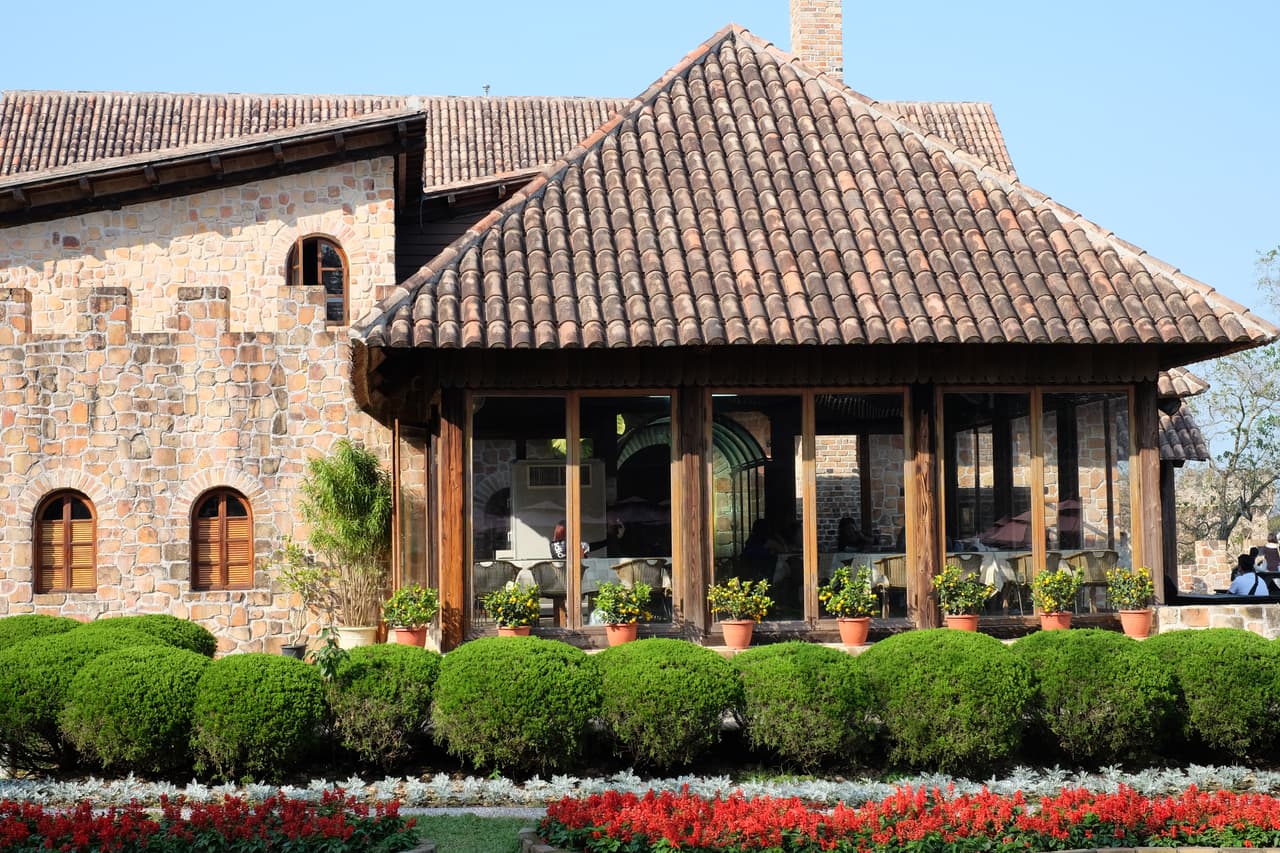
Without a roof on your home, it would be like living outdoors. Your home's roof is essential for keeping your family, as well as your furniture, dry, cozy and warm. If there is a leak, a crack or a break detected, it is important to repair it as soon as possible so as to avoid further damage to the material underneath as well as to other parts of your home.
But what exactly does fixing or replacing a roof require? For homes in Toronto, there are some rules and regulations yourself and other homeowners must follow.
Even if you’re a long-standing Toronto resident, you may not be aware of the building codes or permit requirements. Also, if you’ve hired a professional or roofing company to look after the repair job, do not assume that they have everything sorted out. Before doing any form of work, it is recommended that you consider municipal regulations and requirements yourself.
Here's everything to know about roof repairs in Toronto
Roofing permits for the city of Toronto

source: Pexels
You may choose to redo or renovate your roof for many reasons, it could be for practicality or to greatly boost the market value of your house. Whatever the case, before taking on this project, it is essential to understand the importance of doing ample research regarding the regulations for your Toronto municipality. The permits required to take on a roofing project will come down to the specifics, but will be required to deal with any of the following areas: zoning, structural standards, electrical codes, fire regulations and environmentally-friendly initiatives.
Roofing methods and materials
There are several types of roof repair methods, and depending on which you choose, the permit may be different. For example, if you are replacing an entire roof with the same material as the existing roof, you do not need a permit. Also, if you are painting the roof material to simply spruce things up, you do not need a permit.
However, instances where you will need a permit are: adding another story and thus, removing your roof, raising part of the roof to accommodate another room, converting an attic, installing a skylight, changing the slope or pitch of a roof as well as changing the roofing material. For all roofing permit specifics, you should look here.
Again, when you are considering completing any renovations or repairs on your roof, it is important that you read up as much as possible on the specifics of your job. If you’re working with a professional, it is recommended that you discuss the time frame the job will take in relation to the length of the permit, as well as if you yourself need to apply or if the company will be applying for you.
Lastly, health and safety regulations will apply to your home as though it were a job site. If you’re working with contractors, they will need to be protected under the permit you apply for.
Roofing trends in Toronto

source: Pexels
Non-traditional roofs
The roofing industry in Toronto has significantly advanced in the last few years, especially regarding energy-efficient roofing methods. Traditional roofing materials consisted of asphalt and wood shingles and were predominant. However, as mentioned both commercial and non-commercial buildings in Toronto have become interested in green roofing.
Recently, Sherway Gardens Mall in Toronto developed a vegetable roof, which works to decrease heating and cooling costs as well as slowing down storm rain runoff, and thus preserving the building. This type of innovative design, with its interest in environmental concerns, is gaining significant popularity in this metropolitan city. Some new materials that have been introduced into the roofing industry, and 3 of the most interesting ones are as follows:
Algae terminator: this works to remove algae, moss, and mildew from cedar and asphalt roofs.
Solar-reflective roof pavers: these are self-explanatory, and are roof pavers that work to decrease the heat of a building interior by deflecting sunlight away from the roof.
EnerSpan insulation: this insulation works to reduce heat transfer by way of radiation, while remaining a cost-effective and durable solution.
Flat roof
Another emerging Toronto roof trend is the flat roof. This style of roof has been gaining a significant amount of attention and traction in the last few years, moving away from Victorian-style architecture and towards a more Modernist approach. Flat roofing has a few benefits, including being budget-friendly while offering ample space indoors. Further, without a slope, there are safety advantages for future repairs or replacements.
However, some architects will argue that instead of going for a completely flat roof, homeowners interested in this design should opt for a slightly sloped roof. This way, storm water can continue to run off and you can avoid water infiltration, and special roof ventilation systems will not have to be installed.
A gentle slope will allow for traditional installation while distributing the weight of the roof load effectively. If this trend is something you’re interested in, it is suggested that you do plenty of research before going all in with this project.
Get 3 renovation quotes from Toronto roofing contractors
RenoQuotes.com can help you get quotes for. By submitting your Toronto roofing project to us, we’ll put you in contact with top-rated contractors. Fill in the form on the homepage (it only takes a few minutes), and you will get estimates from trusted professionals
Looking for something else?
Related articles
The latest industry news, interviews, technologies, and resources.

Editorial Team
•23 Jul 2024
Renovations often focus on the surface; the glitz and glam-based concerns in the creation of your dream home. However, the foundation is the most important aspect of any structure and could be considered the bones of the home. With this in mind, proper foundation upkeep is necessary, as issues can become more costly the longer they're left as is, and also decrease the value of your home.

Cynthia Pigeon
•08 Nov 2023
If there is one thing every homeowner dreads before starting a renovation project, it has to be the possibility of encountering unforeseen issues, especially the possibility of exceeding the set budget for the project. So, here is a tidbit of advice on how to deal with such a situation should the hired contractor carry out additional work or should you discover a hidden defect.

Amanda Harvey
•08 Nov 2023
Welcome back for the second installment of our monthly round-up! If you've found yourself about to dive into this article, we imagine that you’re a fellow home design, decor and renovation enthusiast. We too share this passion and thought it’d be fun to create a series that looks at the most interesting articles we've found on the internet that covers these subjects.

Cynthia Pigeon
•04 Sep 2026
In 2026, the average cost of a full kitchen renovation in Canada is around $35,000 to $45,000, depending on the region. A budget-friendly refresh may start at $15,000 to $25,000, while a high-end kitchen with a large island and premium materials often exceeds $65,000.
Editorial Team
•14 May 2026
Choosing quality windows is a must for ensuring home comfort and energy efficiency. It’s important to consider factors like window type, materials used, and manufacturer's reputation. In Quebec, brands, such as Fenplast and Vaillancourt, stand out from the lot. However, other aspects, specific to windows, such as thermal insulation and soundproofing, combined with durability, must be factored into your decision-making. Here are some must-have pointers to help you choose the right windows.