Renovation Holdbacks in Quebec: What Homeowners Should Know
By Cynthia Pigeon
Updated on August 25, 2026

Undertaking renovation work—whether it involves replacing a roof to withstand harsh winters, finishing a basement, or completely renovating a century-old plex—requires a major financial investment. According to the Association des professionnels de la construction et de l’habitation du Québec (APCHQ), in Quebec, where residential renovation spending regularly exceeds $15 billion per year, payment management remains a top source of disputes between homeowners and contractors.
A holdback—sometimes referred to as a final payment holdback—can be one of the most useful financial and legal protections available to a homeowner. Often overlooked when signing a quote or contract, it allows you to maintain financial leverage until the project is fully completed.
This guide explains the legal basis for holdbacks in Quebec, how they work step by step, and how to negotiate this type of clause with your general contractor.
What Is a Renovation Holdback?
Source: BCS Construction
A holdback is an amount of money that the homeowner temporarily withholds from payments owed to the general contractor. It is not a penalty or a discount applied to the project's total price. Instead, it delays payment of part of the balance until the project has been completed and found to meet the required standards.
Section 2111 of the Civil Code of Québec states that the client is not required to pay the contract price before accepting the work. At the time of payment, the client may withhold a sufficient amount to cover repairs or corrections related to apparent defects or poor workmanship identified through reservations at the time of acceptance. This right does not apply if the contractor provides sufficient security guaranteeing that the required work will be completed.
This provision helps protect clients from paying in full for incomplete or defective work and gives homeowners additional leverage until deficiencies are addressed.
How Much Can You Hold Back at the End of a Project?
Source: art-coa construction
There is no default mandatory holdback percentage that applies to every residential renovation project in Quebec. The Office de la protection du consommateur recommends, among other things, withholding about 10% to 15% of the total project cost until the work is completed satisfactorily.
A typical payment structure for a $60,000 project could look like this:
Deposit at signing: 5% ($3,000)
Progress payments: 80% ($48,000)
Final holdback: 15% ($9,000)
The OPC recommends keeping about 10% to 15% of the total project cost as a final payment until the work is complete. The RBQ residential renovation contract template also allows the parties to include a contractual holdback without imposing a specific percentage. For other projects, the holdback percentage and terms can be negotiated based on the scope and nature of the work.
Why Use a Holdback on a Renovation Project?
Source: Entelechy Carpentry
Paying 100% of a contract while the project remains unfinished can leave homeowners with less leverage. Once the contractor receives full payment, crews may already be assigned to other projects, making it harder to have smaller deficiencies corrected quickly.
A holdback can provide four main benefits:
Financial incentive to correct visible deficiencies promptly
Protection against job abandonment
Reduced risk related to legal construction hypothecs in Quebec
Additional proof that subcontractors and suppliers have been paid
Protecting Yourself Against Deficiencies and Incomplete Work
Quebec weather—including repeated freeze-thaw cycles, heavy spring rain, and high summer humidity—can put roofing flashing, masonry, insulation, and other building components under considerable stress. A small defect left uncorrected can turn into a significant issue.
At the end of a project, you may notice minor issues such as:
Poorly finished caulking or drywall joints
An electrical outlet that has not been connected
A slightly warped cabinet door
Minor water infiltration near a floor drain
The amount withheld acts as financial leverage until the identified deficiencies are corrected. This can reduce the need to repeatedly follow up with the contractor after the project is otherwise complete.
Reducing the Risk of a Legal Construction Hypothec
This is an important consideration under Quebec property law. Under section 2726 of the Civil Code of Québec, subcontractors, workers, engineers, material suppliers, and certain other parties may have rights related to a legal construction hypothec.
If your general contractor fails to pay a subcontractor or supplier, that party may, if the conditions set out in the Civil Code of Québec are met, assert a legal hypothec against the property.
A holdback can help reduce this risk. When a subcontractor or supplier has provided the homeowner with formal notice of their contract, sections 2123 and 2726 of the Civil Code of Québec govern certain rights related to construction claims and legal hypothecs.
To reduce risk before signing a contract, always verify the contractor’s credentials and find a qualified general contractor with a valid RBQ licence.
When and How Should a Holdback Be Released?
Source: 9466-6047 quebec inc HQM
The way a holdback is released depends on the contract, workmanship, and any reservations made when the project is accepted.
A typical process may include:
Final inspection of the work by the homeowner and contractor
Preparation of a deficiency list
Correction of the identified deficiencies
Acceptance of the work and collection of any required subcontractor releases
Payment of the remaining balance according to the contract
Final Inspection and the Deficiency List
Overall approval of the job done is an important legal step in Quebec, during which the client accepts the completed project with or without reservations.
During the final inspection, review the property carefully and document any outstanding deficiencies in writing.
Area to Inspect | Common Issues to Check | Action if Defective |
Carpentry & doors | Door alignment, hinge operation | Add to the deficiency list |
Plumbing & fixtures | Connection leaks, pressure, drain flow | Add to the deficiency list |
Electrical & lighting | Outlets, dimmers, electrical panel | Add to the deficiency list |
Finishing & painting | Finish consistency, drywall cracks | Add to the deficiency list |
Exterior envelope | Roof flashing, window watertightness, drainage | Add to the deficiency list |
If reservations are made when the work is accepted, the client may, subject to the conditions in section 2111 of the Civil Code of Québec, withhold an amount that is sufficient to cover the required repairs or corrections. It is also advisable to specify a reasonable correction period in the contract.
Final Releases and Proof of Payment to Subcontractors
Before paying the remaining balance, it may be prudent to request documents confirming that the relevant payment obligations associated with the project have been fulfilled.
These may include:
A statutory declaration or final release: A document signed by the general contractor confirming payment for the work performed and releasing future claims, where applicable.
Subcontractor payment releases: Written confirmation from plumbers, electricians, material suppliers, or other relevant parties that they have been paid in full for their work on the project.
Example of a clause that can be adapted to the contract:
The amount withheld as a holdback will be released within 30 days following acceptance of the work without reservations and upon presentation of any releases required under the contract.
If a subcontractor or supplier has previously provided written notice of their contract to the homeowner, that notice may help preserve their right to a legal hypothec for qualifying work, materials, or services performed after the notice, subject to the rules of the Civil Code of Québec.
Before starting a major renovation, consider requesting a project quote from the contractors that clearly states their payment terms.
What If the Contractor Refuses a Holdback?
Some contractors may refuse to include a holdback clause in their quote or contract, arguing that it affects cash flow or is not part of their usual payment structure.
Homeowners can consider the following approaches:
Refer to the Civil Code of Québec: Section 2111 allows a client, in certain circumstances, to withhold an amount that is sufficient to cover repairs or corrections related to apparent defects or poor workmanship identified through reservations at the time of acceptance. A fixed contractual holdback, such as 10%, must instead be negotiated and included in the payment terms.
Offer prompt payment once deficiencies are corrected: You can agree in writing to release the withheld amount within a short period, such as 7 to 10 business days, once the final reservation has been resolved.
If a contractor refuses any sort of holdback and requires full payment before the project has been completed, review the contract terms carefully before signing, particularly the protections available in the event of incomplete work or deficiencies.
To help ensure you work with reliable professionals, you can compare quotes from roofers and contractors that have been registered and verified.
Protecting Your Investment Until the End

Source: Les Constructions S. Lepage inc
Until the work is completed, a holdback or final payment can be a useful risk-management tool. The dollar amount and conditions should be clearly stated in the contract and adapted to the project. By including these terms from the beginning, you retain leverage to have certain defects corrected, reduce risks related to legal construction hypothecs in Quebec, and better manage the final stages of the project.
Protecting your home starts with a well-written contract and careful management of every payment.
Looking for something else?
Related articles
The latest industry news, interviews, technologies, and resources.
Editorial Team
•30 May 2025
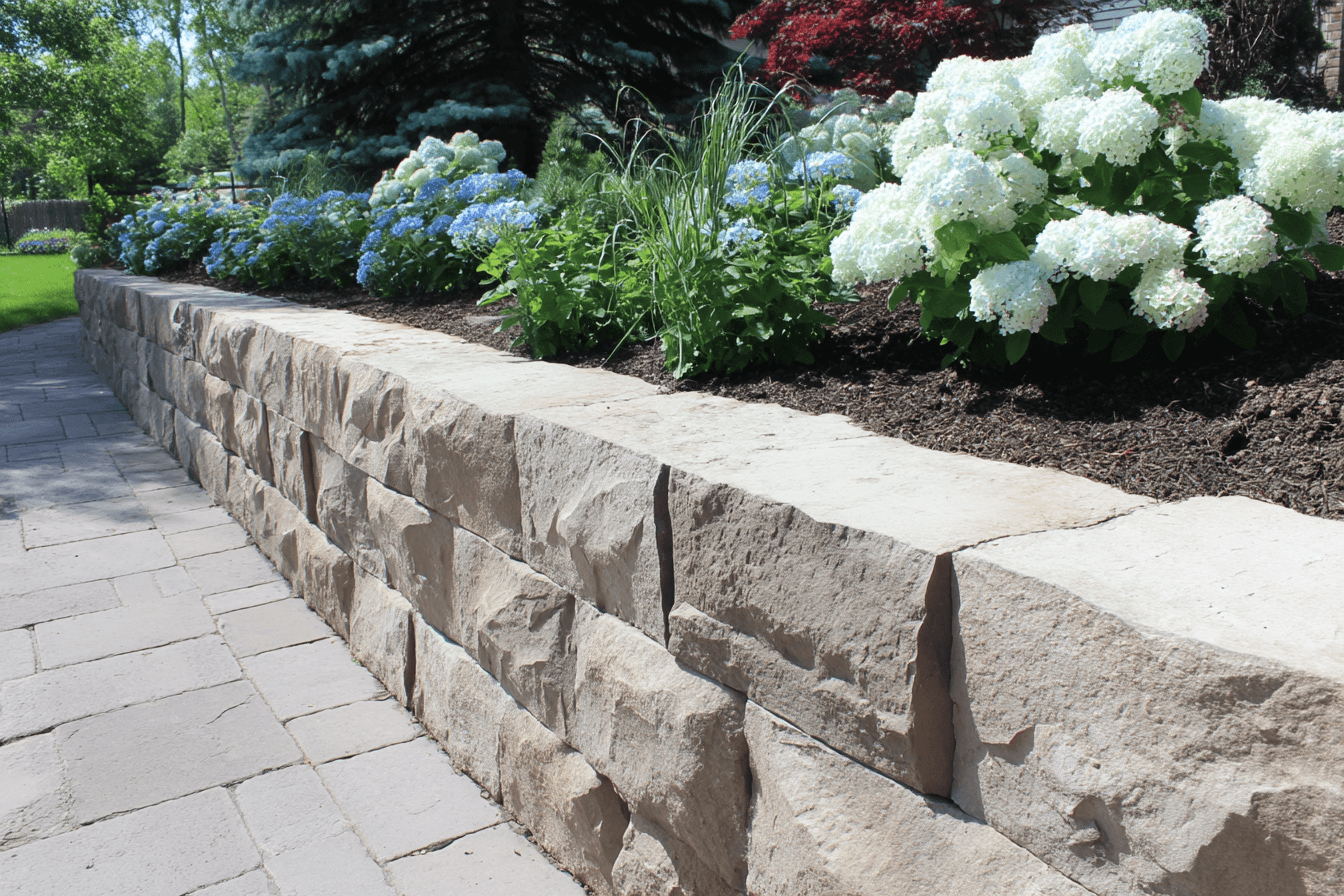
Are you looking to build a retaining wall on your property, but do not really know where to start? RenoQuotes.com has all the information you will need to adequately build a retaining wall.
Léa Plourde-Archer
•08 Nov 2023
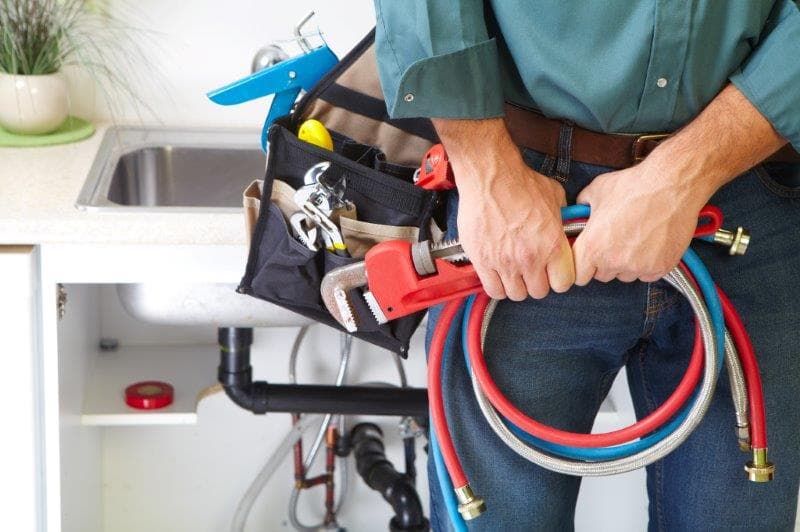
Have you heard of Kitec? This plumbing system made by IPEX in the late nineties has been gathering press as of late, and not for the right reasons!
Editorial Team
•25 Aug 2026
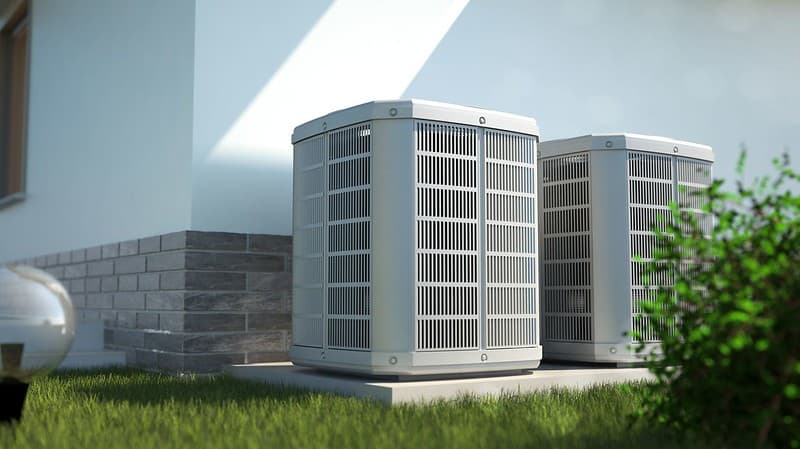
Most Canadian homeowners pay between $2,000 and $15,000 to have a heat pump supplied and installed in 2026, depending on the type of system their home can accept. Investing in purchasing and installing a heat pump is a wise decision. Given Canada's ever-changing temperatures, consolidating both heating and air conditioning systems into one unit is not a bad idea, resulting in savings of nearly 20% off your usual utility bill.
Editorial Team
•08 Nov 2023
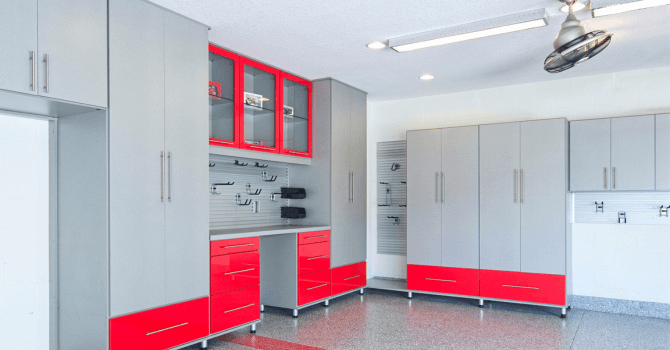
Have you finally decided to organize your garage and store away the tools that have just been piling up everywhere? Are you looking for the best storage system? If so, go for a garage storage cabinet! It’s a functional, utility cabinet that allows you to organize and secure your tools and other items. Learn more about the various types of garage storage cabinets, their features, and their advantages down below!

Editorial Team
•05 Jun 2026
Tiles are crafted with different materials. Having a clear understanding of said materials means choosing aesthetic and hard-wearing wall and floor coverings. Here are 6 of the most used types of tiles, whether indoors or outdoors.