How Much Does a Garden Suite Cost in Canada in 2026?
By Cynthia Pigeon
Updated on June 19, 2026
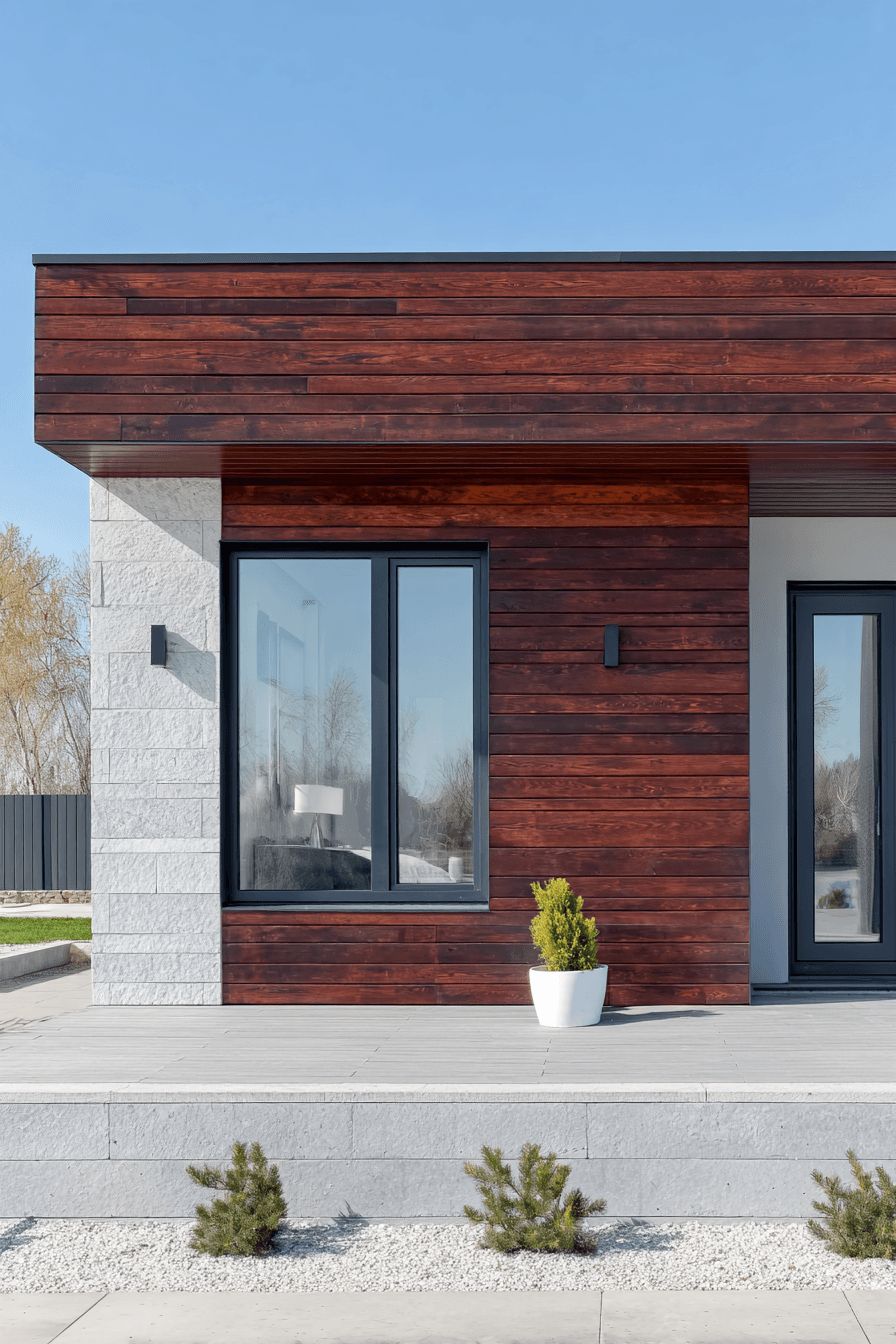
Faced with the housing crisis and the growing need for gentler density, many homeowners across Canada are looking at ways to make better use of their residential lots. Building an accessory dwelling unit (ADU), also known as a garden suite, laneway suite, backyard suite or secondary detached dwelling, can be an effective way to house an aging relative, give a young adult more independence or generate stable rental income.
However, building an independent micro-home in a backyard is not something to improvise. Between Canada’s varied climate conditions, structural requirements, municipal zoning rules and evolving housing policies, the overall financial analysis of the project requires careful attention. This technical and financial guide outlines the main investments to plan for when building a garden suite in Canada in 2026.
How Much Does It Cost to Build a Garden Suite in Canada in 2026?
Source: Royal River Road RRR Construction
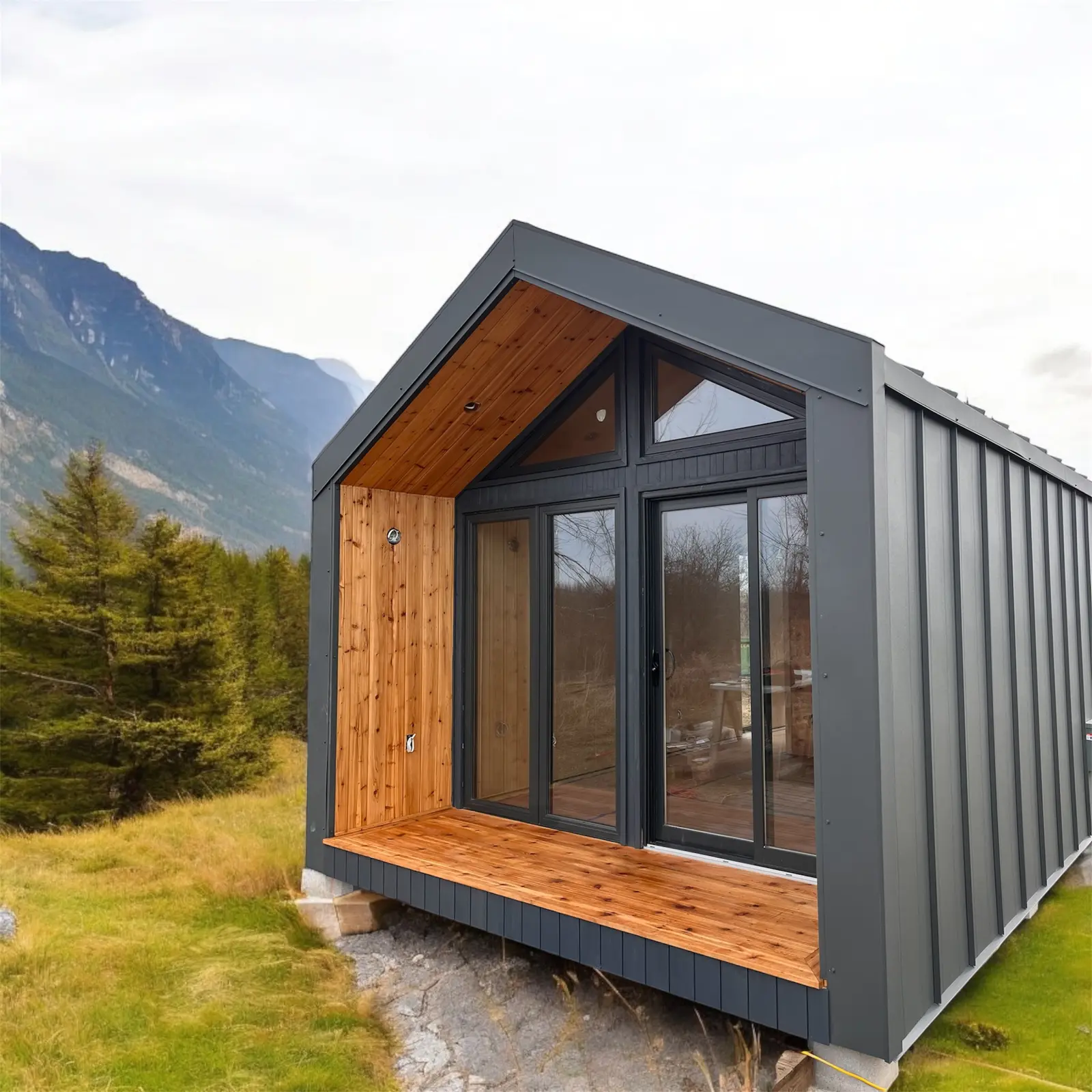
The overall budget for building a garden suite varies significantly depending on the construction method, site constraints, local regulations and finishing choices. On average, completed projects in the Canadian market can range from $150,000 to more than $250,000 once taxes, excavation, foundations and utility connections are included.
The total budget is generally divided into three major cost categories:
The building itself: Whether prefabricated in a factory or custom-built on site by a construction crew, the structure typically represents around 60% to 70% of the total bill.
Site preparation and engineering: This includes excavation, frost-resistant foundation and restoring the yard after heavy machinery has passed through.
Utility connections: This includes extending water and sewer lines, as well as upgrading the electrical system to safely supply an independent rental or intergenerational dwelling.
To give you a clearer idea, here is an estimated cost breakdown for a typical 400-square-foot project:
Expense Category | Estimated Cost (Low End) | Estimated Cost (High End) |
Building Structure and Envelope | $100,000 | $160,000 |
Foundation (Helical Piles or Slab) | $8,000 | $15,000 |
Excavation and Underground Plumbing | $12,000 | $22,000 |
Electrical Connection and Utility Work | $6,000 | $12,000 |
Permit and Plan Fees | $3,000 | $7,000 |
Interior Finishes and Kitchen/Bathroom | $20,000 | $35,000 |
Price per Square Foot: Custom Build vs. Prefabricated Garden Suite
Source: GESTION CONSTRUCTION ADS INC.
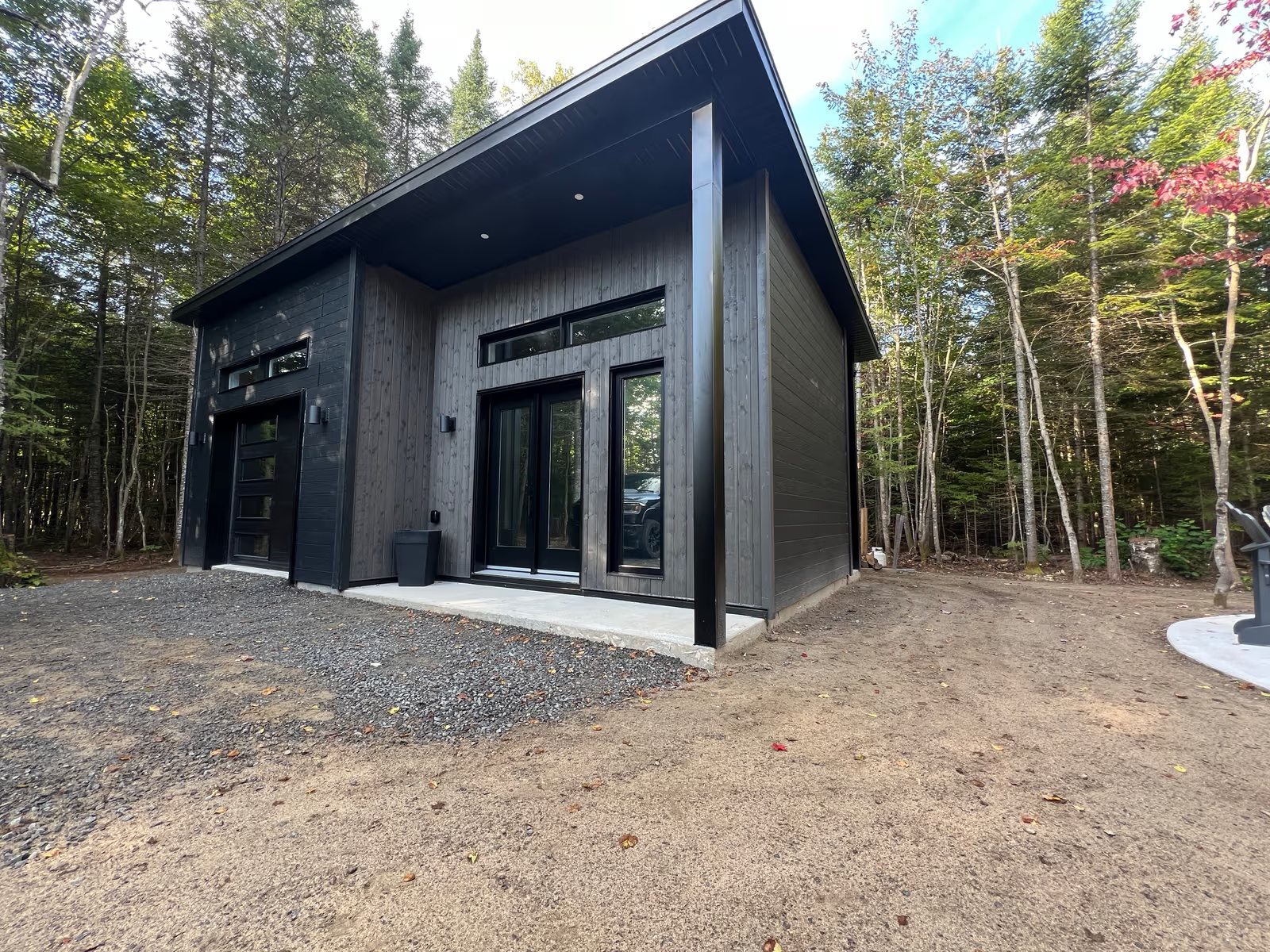
When planning the project, you will usually need to choose between two main approaches: traditional on-site construction or ordering a prefabricated modular structure built in a factory. Each method comes with its own pricing and logistical realities.
Custom Garden Suite Built on Site
Choosing a custom model gives you full architectural flexibility. This option is ideal for irregular lots in older neighbourhoods, tight urban yards or situations where you want the exterior finishes of the garden suite to blend seamlessly with the main house.
In 2026, the price per square foot for a custom-built garden suite generally sits between $575 and $625 per square foot.
This higher price is explained by the complexity of the worksite. Workers must bring materials, such as framing lumber, high-performance insulation and energy-efficient windows, often double or triple-glazed depending on the project, into a backyard that may be difficult to access. In addition, to handle Canadian winters and meet applicable local building code requirements, wall thickness, insulation levels and air sealing must be carefully planned.
Installing an appropriate heating system, such as a cold-climate heat pump, can also increase the initial cost, although it may help reduce energy costs over the long term. To get an accurate estimate based on the exact layout of your property, it is a good idea to request quotes for your renovation or construction project.
Prefabricated Accessory Dwelling Units
Factory-built modular models are becoming increasingly popular because they can shorten the construction timeline. The structure arrives on your property already insulated, fitted with windows and, in some cases, with the kitchen and bathroom already installed.
For a standardized prefabricated ADU, the base purchase price generally ranges from $150,000 to $200,000.
Although the starting price may seem more attractive than a custom build, you also need to factor in transportation costs and, in many cases, the rental of a telescopic crane. In urban and suburban areas across Canada, if the backyard cannot be accessed through a driveway or side yard, lifting a full module over the main house can add between $5,000 and $12,000 in crane and lifting costs for a single day of work.
Additional Fees and Connections You Should Not Overlook
Source: LAROCHE ET LABONTÉ ÉLECTRIQUE INC
The most common budgeting mistake when planning a garden suite is forgetting the civil work and hidden infrastructure. The above-ground structure is only one part of the total investment.
Excavation, Grading and Foundations for Canadian Freeze-Thaw Conditions
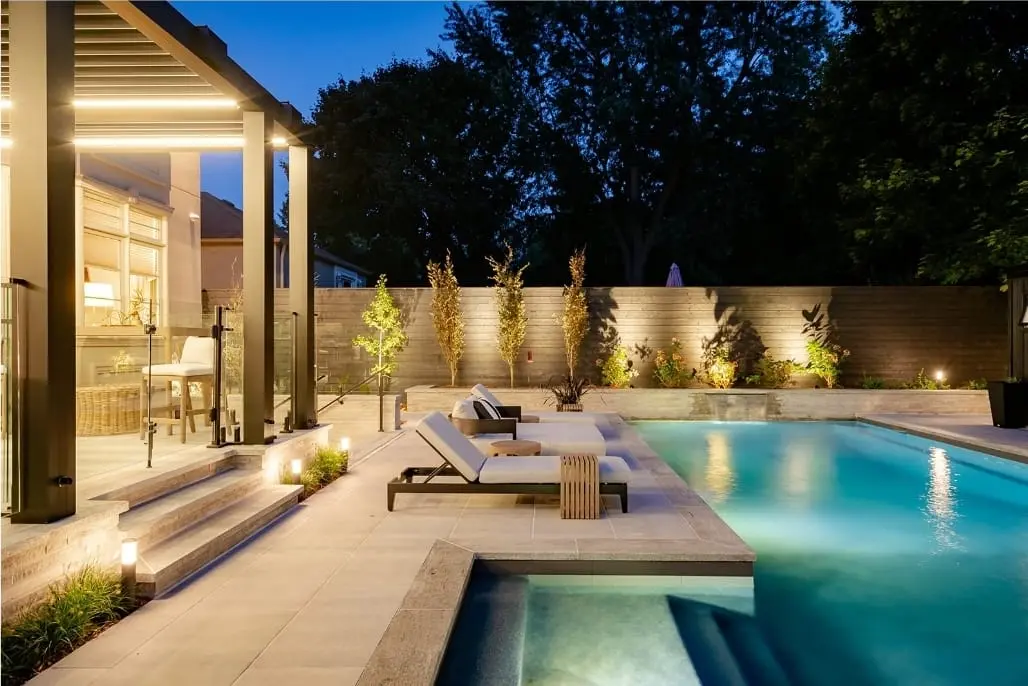
Source: Greenscene Landscaping Inc.
In many parts of Canada, the climate creates strict engineering requirements. Freeze-thaw cycles can lift and destabilize a poorly anchored structure, causing major wall cracks and plumbing issues.
Two foundation options are commonly used for garden suites:
Helical piles: This is often the preferred method to reduce the impact on the yard and work around mature tree roots. The piles must be installed below the locally prescribed frost depth, often around 1.5 m or more, depending on the region. This option generally costs between $8,000 and $12,000.
Insulated monolithic concrete slab: More expensive, this option requires full excavation and the pouring of reinforced concrete over a layer of rigid insulation. Expect to pay closer to $15,000 to $25,000, depending on how accessible the yard is for concrete trucks.
If access to your backyard is limited, for example less than 4 to 5 feet wide, the contractor may need to rent mini-excavation equipment, which can extend the excavation timeline and increase labour costs.
Municipal Service Connections and Electricity
An independent garden suite must be habitable year-round, which means it needs reliable water, sewer and electrical service. Connecting to municipal services usually involves digging a deep trench from the main house or street to bury potable water and sewer lines below the frost line, helping prevent service interruptions during the winter. The farther the garden suite is from the main house, the more expensive the trenching work can become.
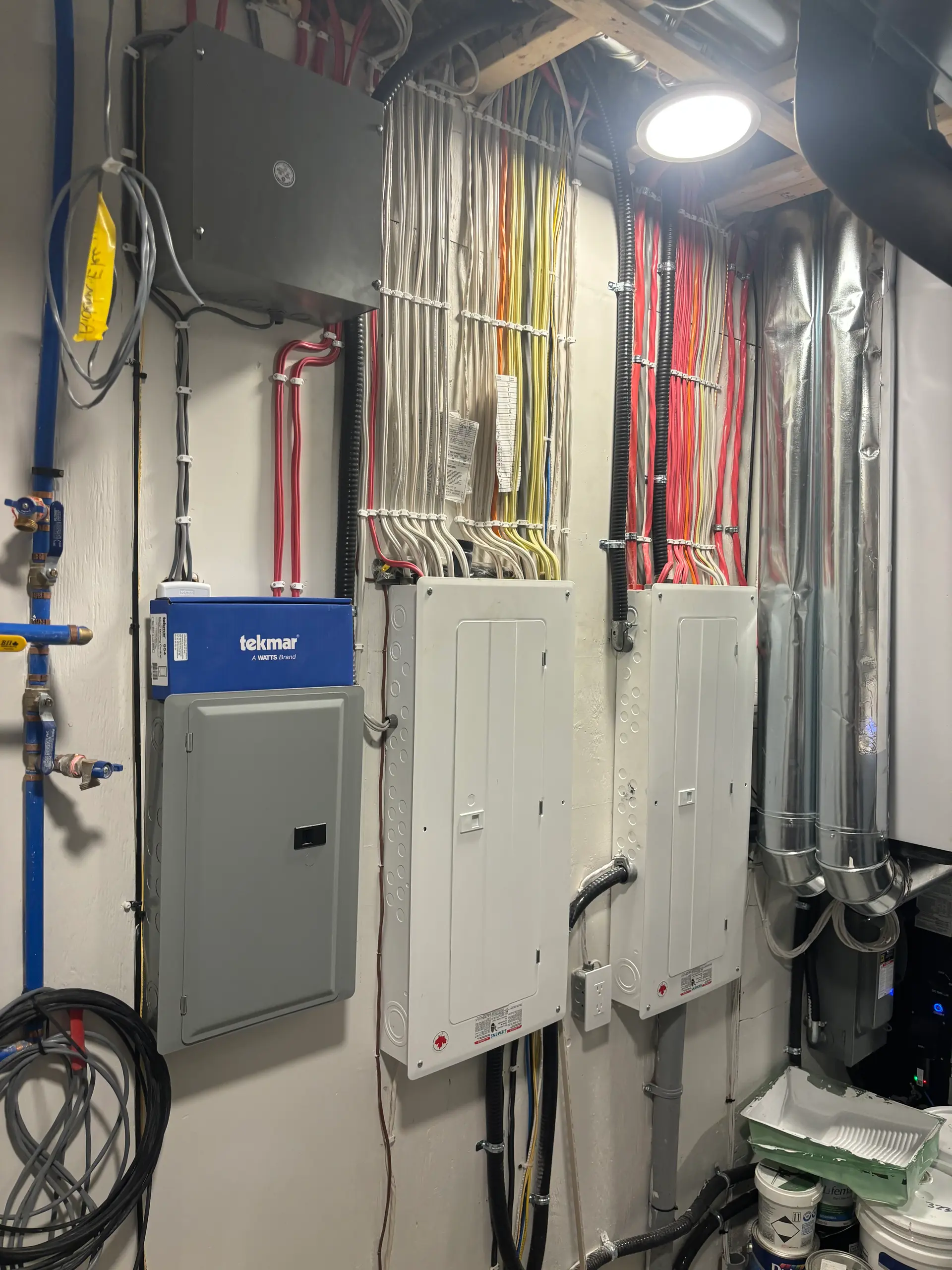
Depending on the size of the unit and the equipment planned, a load calculation may show that an electrical capacity upgrade is required.
It is important to hire a licensed electrician who can complete a full load calculation and ensure the work meets the electrical code in your province or territory. In many cases, the existing electrical panel in the main house, often 200 amps, may not be sufficient to support the additional demand. Depending on the setup, the project may require an upgrade to the main electrical service or, in some cases, a separate meter for the ADU. This type of work can represent several thousand dollars.
Regulations and Zoning: Understanding the Legal Framework
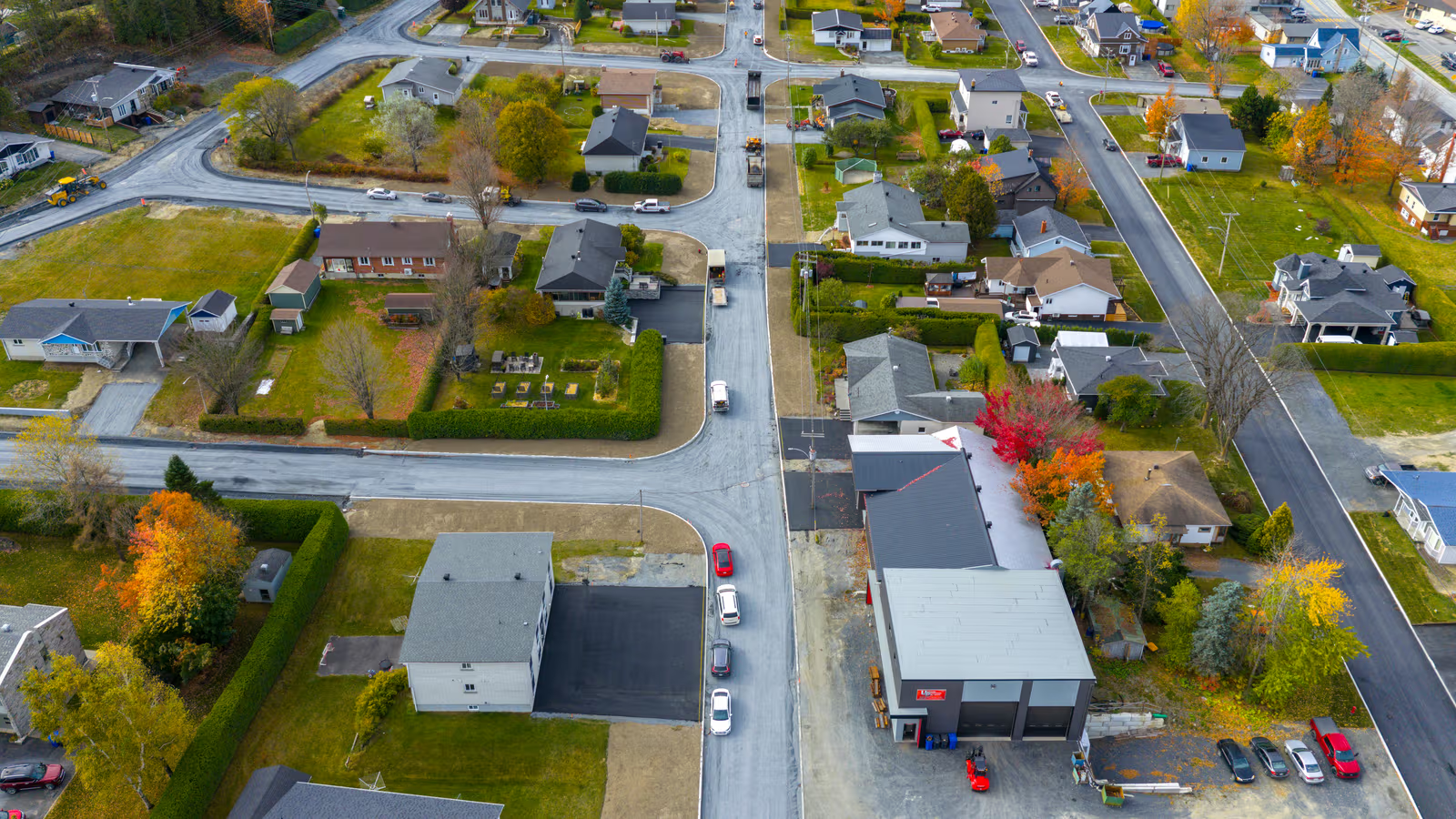
Source: Lafontaine & Fils Inc.
Before commissioning plans or paying a deposit to a manufacturer, you must confirm the legal feasibility of your project with your municipality.
Municipal Permits, Setbacks and Height Restrictions
Across Canada, many provinces and municipalities have introduced measures to encourage gentle density and make it easier to add accessory dwelling units. However, detached garden suites remain subject to local zoning rules, building permit requirements and municipal review processes.
Each municipality retains control over many key requirements. You may need to comply with several strict criteria:
Setbacks: The minimum required distance between the garden suite walls and neighbouring property lines, often measured in metres.
Lot coverage: The maximum percentage of your lot that can be covered by buildings, including your home, existing shed and the new ADU.
Maximum height: Often limited to one storey or a modest roof height to reduce impacts on neighbouring yards and sunlight.
Design review or architectural guidelines: Some municipalities require the appearance of the garden suite to respect the character of the neighbourhood, which may require more expensive exterior materials, such as brick, fibre cement, engineered wood or composite siding instead of vinyl.
Reviewing these requirements and obtaining a building permit often requires professional help. Plan for approximately $3,000 to $7,000 for site plans, professional drawings, surveys or municipal review fees, depending on the province and city. To avoid budget surprises during the planning process, using a contractor-matching platform like RenoQuotes can help you find professionals who are familiar with local municipal requirements.
Why Hire a Licensed Contractor?
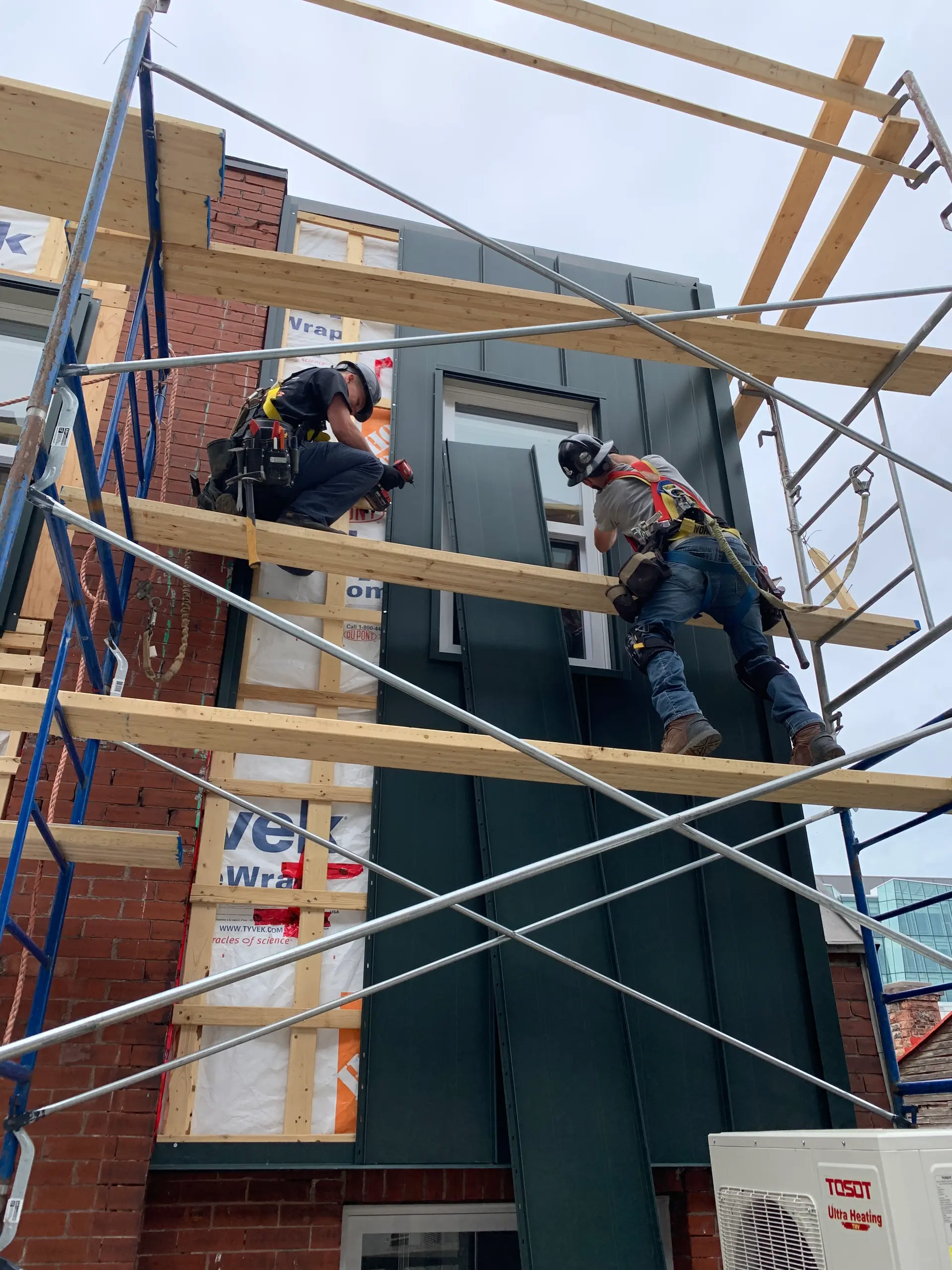
Source: J.L.A Construction Inc.
Building a detached garden suite involves residential construction work that can affect the structure, insulation, plumbing and electrical systems.
For most garden suite projects intended for rental use or involving multiple trades, it is strongly recommended—and sometimes mandatory, depending on the type of work and province—to hire a qualified general contractor or licensed residential builder.
Hiring a qualified general contractor protects you in several ways:
Building code compliance: The contractor ensures that insulation, ventilation and emergency exits meet the minimum safety requirements needed to make the building safe and insurable.
Warranties and insurance: In the event of defective work, water infiltration during snowmelt or premature foundation cracking, you may have access to legal recourse and financial protections, depending on the contract, warranty program and provincial rules.
Coordination of trades: The contractor manages the scheduling of subcontractors, such as excavators, plumbers and electricians, which helps avoid costly delays during Canada’s shorter construction season.
Taking the time to plan properly and clearly define your needs will help you get a realistic picture of the full investment. To budget your project accurately, you can start by evaluating the cost of your home addition or outdoor development project and turn your backyard into a durable, functional and potentially profitable living space.
Looking for something else?
Related articles
The latest industry news, interviews, technologies, and resources.
Cynthia Pigeon
•08 Oct 2026
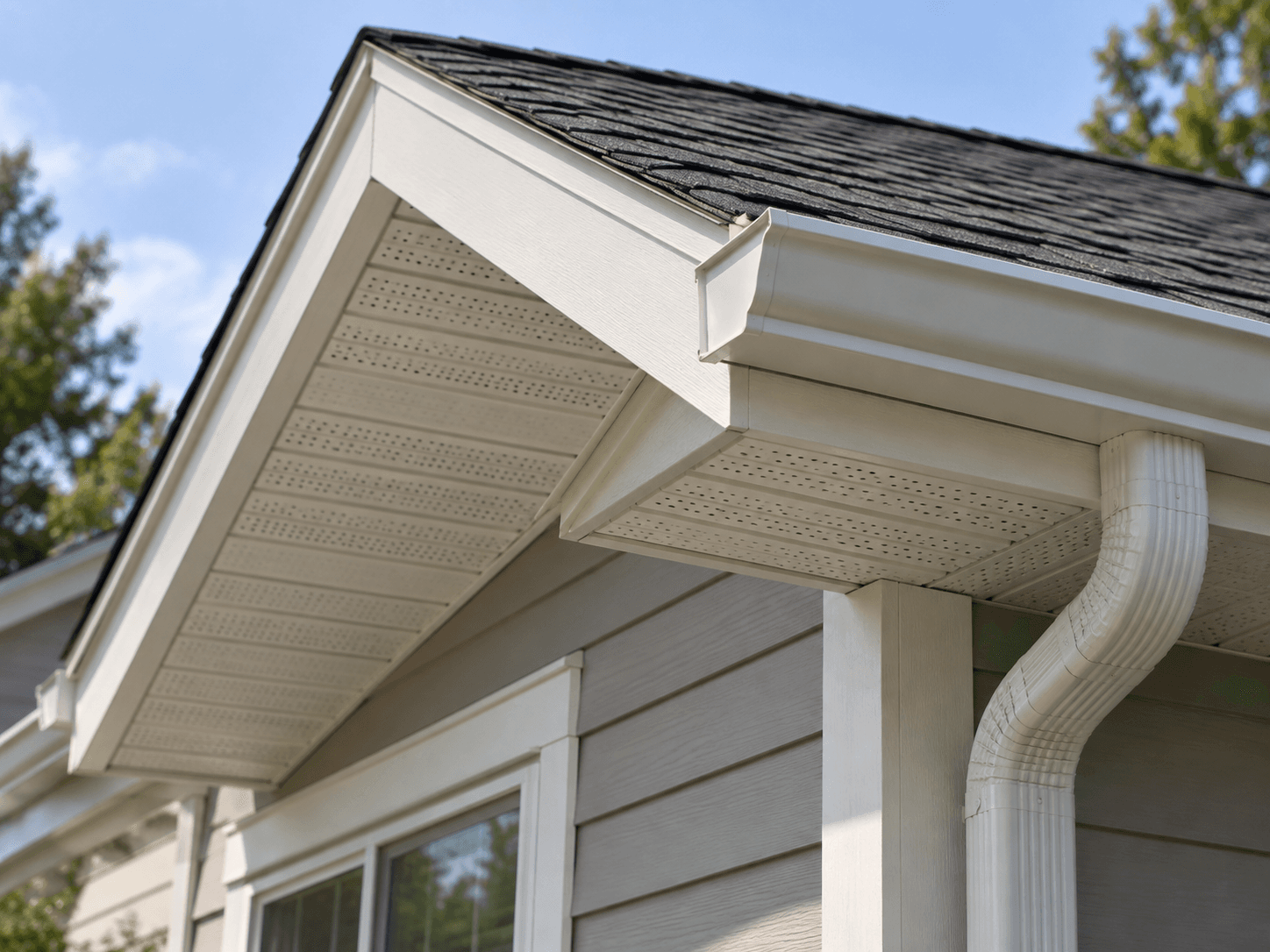
Fascia and soffit are two important components of a roof’s finishing and protection system. Installed around the eaves, they work together to protect the structure from the elements, promote proper ventilation, and give the home a clean, finished appearance.
Editorial Team
•04 Nov 2025
Over the last few years, we’ve come to really value our home space. Thereby, adding a wooden balcony is a great way to benefit from an additional retreat at home where we’re most comfortable and can take full advantage of the warmer seasons.
Cynthia Pigeon
•19 Sep 2026
Toilet installation costs $260 to $960 in Canada with the fixture included, and most homeowners pay around $520 for a standard two-piece toilet supplied and installed. Labour alone runs $150 to $400 if you've already bought the toilet.
Cynthia Pigeon
•03 Sep 2026
Buying or selling a residential property in Quebec—whether it is a suburban bungalow, a century-old home, or a condo in Montréal—is one of the biggest financial transactions most people will make. During a real estate transaction, discovering renovations that were completed without municipal approval can raise serious concerns.

Cynthia Pigeon
•18 Jun 2026
Undertaking a home renovation project is exciting, but it also comes with financial and logistical risks. Whether you're updating your kitchen, adding a second storey, or taking on a full self-build project, changing the structure or value of your home can affect your insurance coverage. Across Canada, homeowners must also contend with regional weather risks, from freeze-thaw cycles and heavy rainfall to windstorms and flooding, making adequate insurance coverage essential to protect their investment.