Why Septic System Access Should Be Planned Before Backyard Renovations
By Équipe éditoriale
Updated on June 15, 2026
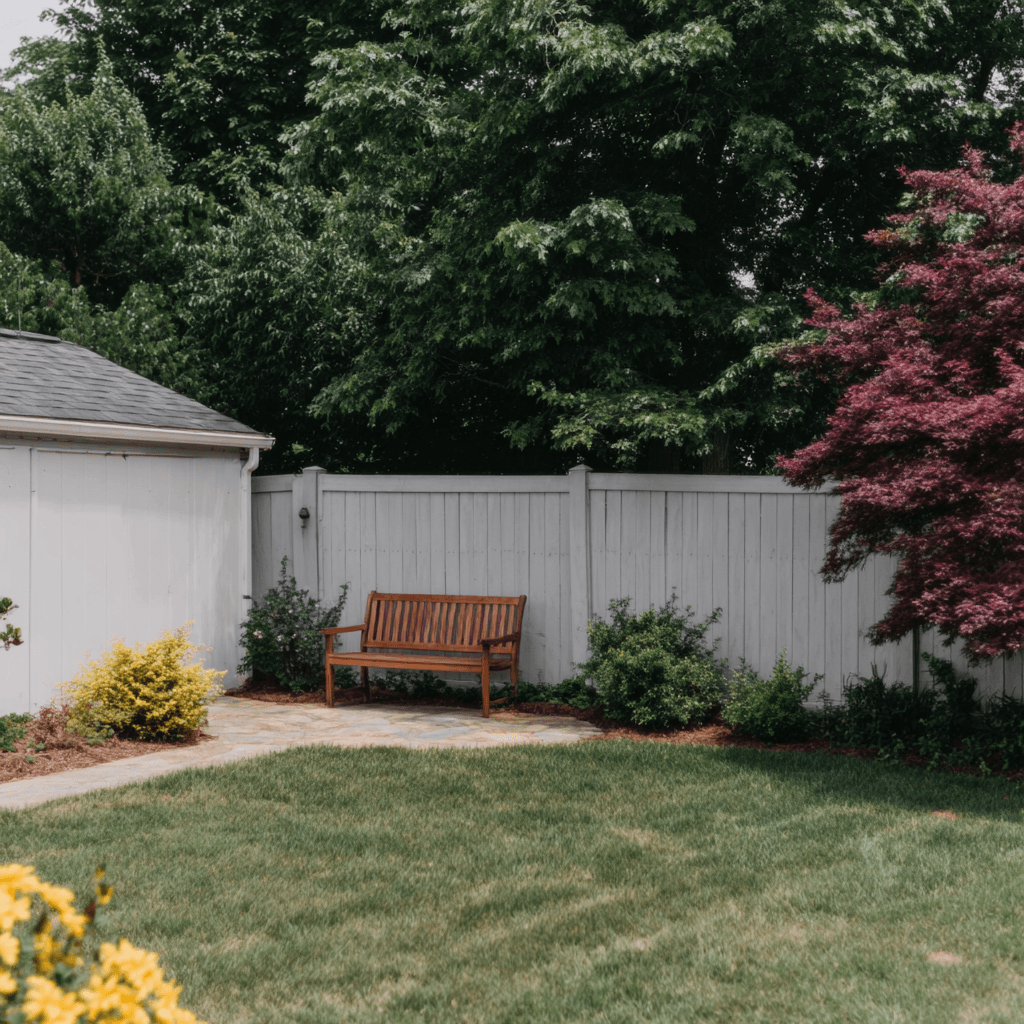
Backyard renovations can completely change how a home feels and functions. A new deck can create more usable space. A patio can make the yard better for entertaining. A shed, pool, fence, garden suite, outdoor kitchen, or larger driveway can make a property more practical and enjoyable. In Canada, where many homes outside dense urban areas rely on private septic systems, one important detail is often missed during the planning stage: septic system access.
Most homeowners understand that they should not damage a septic tank or build directly over a leaching bed. What is easier to overlook is the need to keep the system accessible for future inspections, maintenance, pumping, and repairs. A renovation may look perfect on the surface, but if it blocks access to the tank lids, inspection ports, cleanouts, or service path, it can create costly problems later.
Septic systems are not “set it and forget it” features. They are working on parts of the property. Even when they are functioning properly, they still need to be inspected, pumped, and occasionally repaired. Planning access before starting a backyard renovation can save homeowners money, prevent unnecessary excavation, and protect the long-term health of the system.
Why Access Matters
A septic system is hidden underground, but it still needs regular attention. Service professionals may need to locate the tank, remove lids, check liquid levels, inspect baffles, clean filters, pump the tank, or assess the condition of the leaching bed. If a deck, patio, shed, retaining wall, fence, or driveway blocks access, a simple service visit can become much more complicated.
In some cases, workers may need to remove patio stones, cut through landscaping, dismantle part of a deck, or bring in equipment from an awkward direction. What should have been routine maintenance may turn into a larger project. This is especially frustrating when the problem could have been avoided with better planning.
Access also matters during emergencies. If a homeowner notices sewage backing up, slow drains, wet areas in the yard, or odours near the septic area, the system may need to be checked quickly. A blocked tank lid or buried cleanout can delay the process and increase the risk of damage inside the home or contamination outside.
Common Backyard Projects That Can Create Access Problems
Source : Excavation ÉvolutionD
Many backyard upgrades seem harmless at first. The issue is not always the renovation itself, but where it is placed in relation to the septic system.
Decks are one of the most common examples. A raised deck may be built over or near the septic tank area without leaving enough room to open the lids. Even if the tank is technically reachable, low clearance can make pumping or inspection difficult.
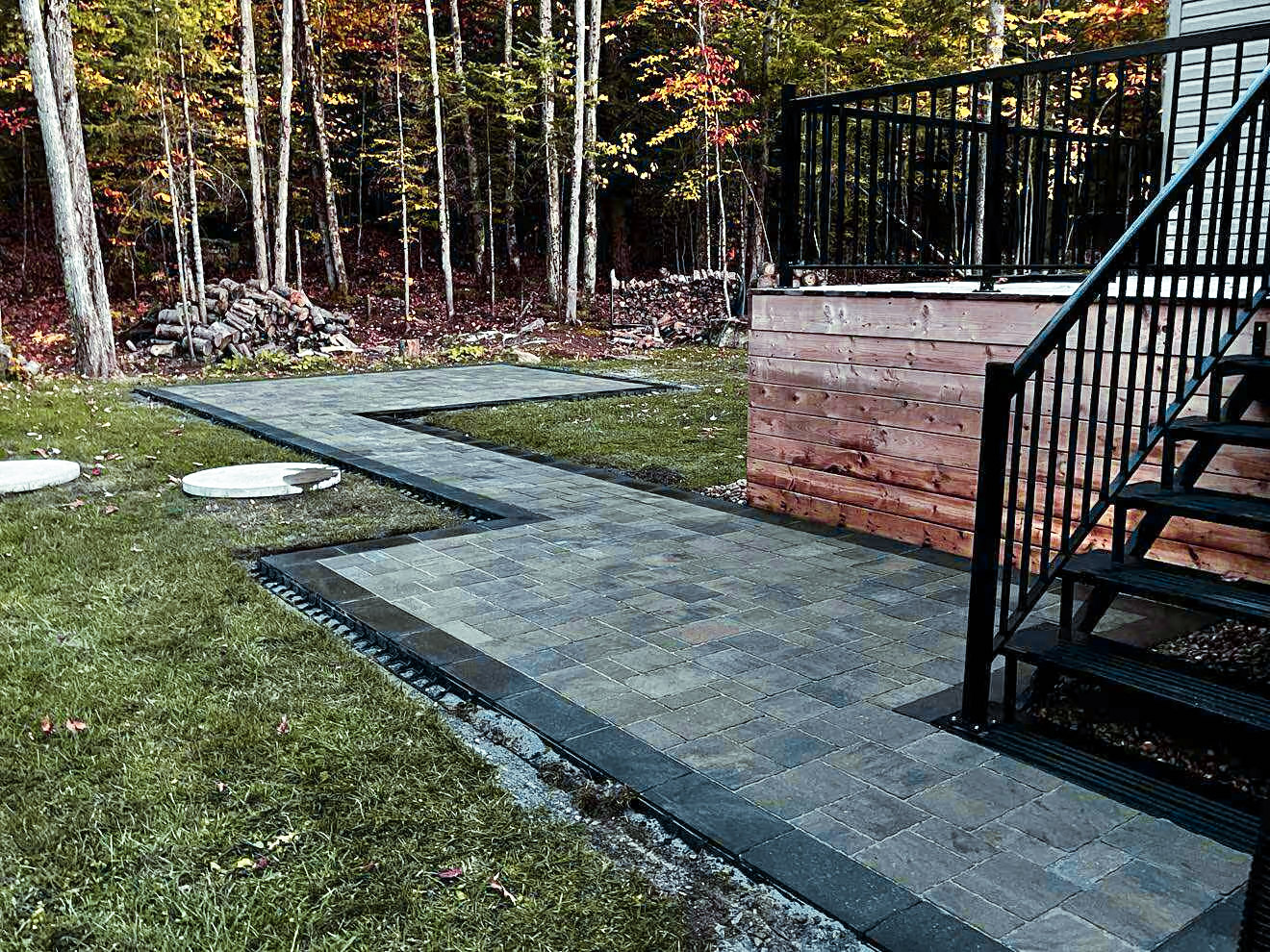
Patios can cause similar issues. Interlocking stone, poured concrete, and large paver areas may cover access lids or make them difficult to remove. Homeowners may not realize there is a problem until the next septic service appointment.
Sheds and garden structures can also get in the way. A small shed may seem easy to move, but once it is full of tools, equipment, shelving, and seasonal items, relocating it for service becomes inconvenient. Larger structures can be even more problematic.
Fences and gates are another overlooked detail. A fence may not cover the tank, but it can prevent service trucks or equipment from reaching the right part of the property. Narrow gates, tight corners, and locked access points can all make future maintenance harder.
Driveways and parking pads require extra caution. Heavy vehicles can compact soil, damage buried components, or restrict access to important parts of the system. Even when the system is not directly under the driveway, the driveway layout can affect how easily the tank can be serviced.
Septic Access Is Not Just About the Tank
When homeowners think about septic access, they often think only about the tank lid. That is important, but it is not the whole picture.
A septic system may include a tank, distribution box, leaching bed, filters, risers, cleanouts, pumps, alarms, and inspection points. Different systems have different layouts. Some are simple. Others are more complex, especially on properties with difficult soil conditions, slopes, high water tables, or limited space.
The leaching bed also needs protection. Building over it, compacting it, planting deep-rooted trees nearby, or directing extra water toward it can interfere with its ability to treat and disperse wastewater. Access planning should include both the service points and the surrounding area that supports the system.
This is one reason homeowners should locate and understand their septic system before making major backyard changes. Guessing is risky. A property survey, septic record, permit drawing, or professional inspection may help identify where important components are located.
The Canadian Climate Adds Another Layer
In Canada, backyard renovations are often planned around short construction seasons. Homeowners may rush to finish projects in spring, summer, or early fall before cold weather arrives. That compressed timeline can make it tempting to skip careful septic planning.
However, Canadian weather makes access even more important. Snow cover, frozen ground, spring thaw, heavy rain, and freeze-thaw cycles can already complicate septic service. If access points are buried under landscaping, hidden beneath a patio, or blocked by a structure, winter and shoulder-season service becomes even more difficult.
For seasonal properties and rural homes, access can be especially important. A cottage, acreage, or country property may not be visited every day, so small septic issues can go unnoticed until they become larger problems. Keeping service points easy to find and reach makes maintenance more practical.
Why Septic Access Can Affect Renovation Costs
Source : struction GSC inc.
A renovation budget usually includes materials, labour, permits, design, and finishing details. Septic access is rarely given its own line item, but ignoring it can create future costs.
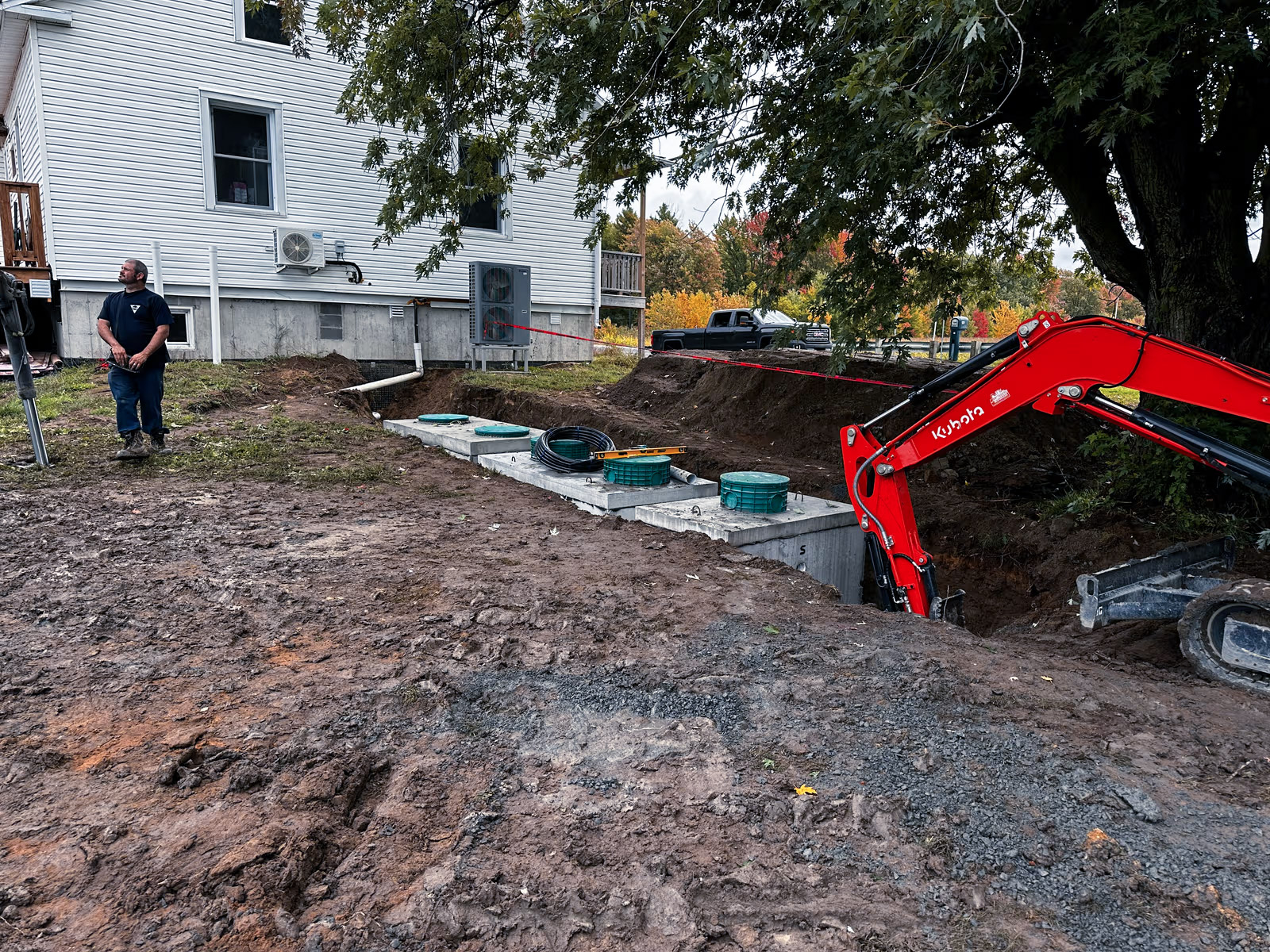
If a tank lid is buried under a new patio, the homeowner may have to remove part of the finished surface later. If a deck blocks access, boards may need to be cut or sections removed. If a fence prevents service equipment from reaching the tank area, the homeowner may need to modify the gate or create a new access route.
These are not glamorous expenses. They do not improve the look of the yard. They are simply costs created by poor planning.
It is usually cheaper to plan access before construction than to fix an access problem after the renovation is complete. For example, installing risers, adjusting a layout, widening a gate, or leaving a service path may add some planning effort upfront, but it can prevent much larger disruption later.
Septic Risers Can Make Maintenance Easier
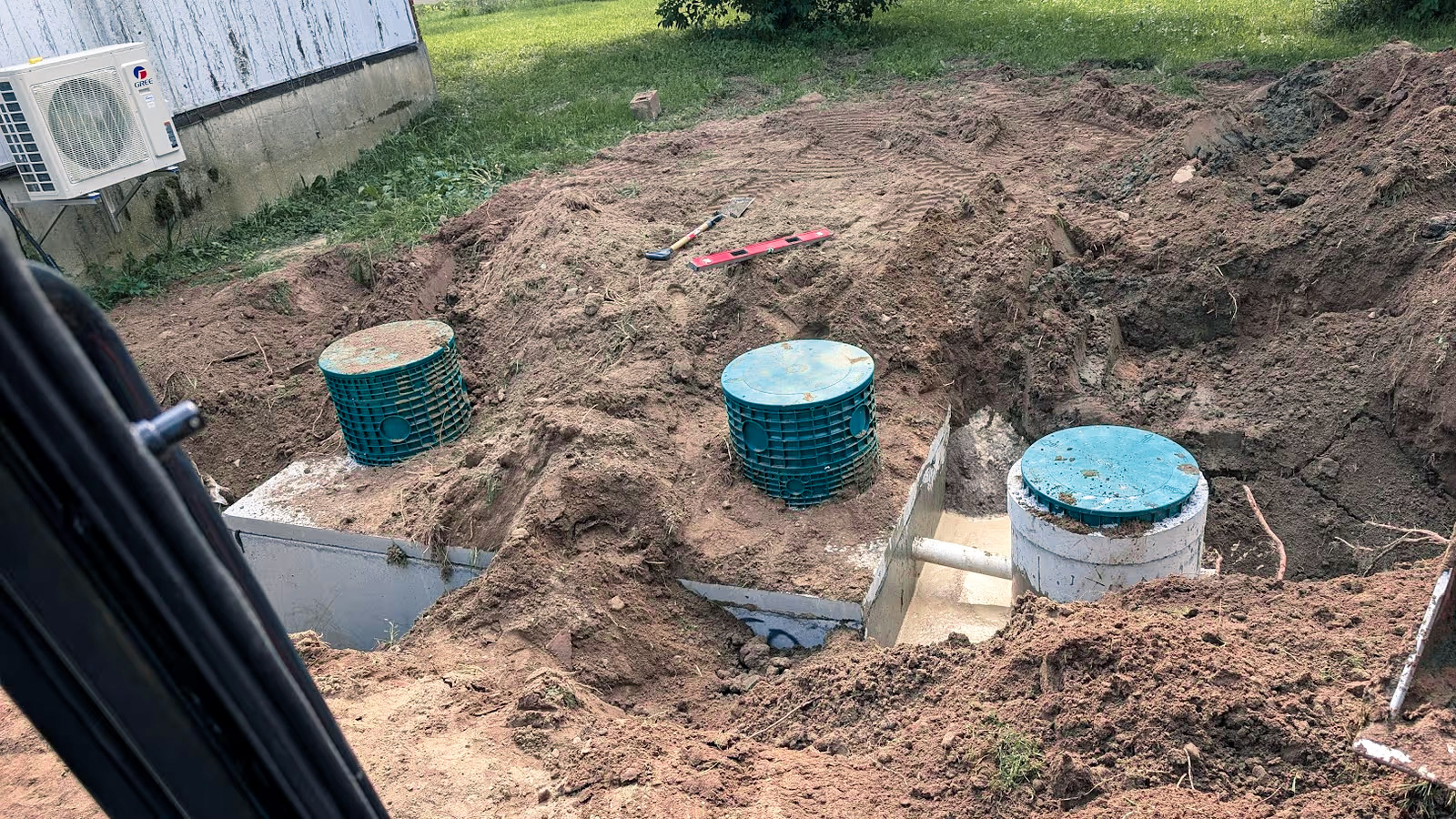
One practical solution homeowners may consider is adding septic tank risers. Risers bring access points closer to the surface, making the tank easier to locate and service. Instead of digging each time the tank needs attention, the lid can be reached more easily.
Risers are not always required, and the right setup depends on the system, property, and local rules. Still, they can be useful when planning a backyard renovation because they help keep access visible and practical. If a homeowner is already redesigning the yard, it may be a good time to ask whether risers make sense.
The key is to make access intentional. Service points should not be treated as an afterthought or hidden so completely that nobody can find them.
Protecting Groundwater and the Property
Source : 9317-0868 Qc. Inc.
Septic systems do more than manage household wastewater. When functioning properly, they help treat wastewater before it returns to the surrounding soil. Poorly maintained or damaged systems can create risks for the property and nearby water sources.
The Government of Canada notes that septic systems can be one of the sources of groundwater contamination when contaminants such as bacteria, viruses, detergents, and household cleaners enter groundwater. Homeowners can learn more about this on Canada.ca’s page about groundwater contamination.
This is another reason access matters. If a system cannot be inspected or serviced easily, maintenance may be delayed. Delayed maintenance can increase the chance of backups, odours, wet spots, system failure, or environmental concerns.
What Homeowners Should Do Before Renovating
Before starting a major backyard renovation, homeowners should first identify where the septic components are located. This may involve reviewing old property records, checking permit documents, contacting the local authority, or hiring a qualified professional to inspect and map the system.
The next step is to compare the proposed renovation plan with the septic layout. The homeowner should ask whether the project will block lids, cover cleanouts, restrict equipment access, compact soil, change drainage patterns, or place structures too close to sensitive areas.
It is also smart to think about future service. Can a technician reach the tank safely? Can lids be opened without dismantling part of the yard? Is there enough room for equipment? Will the access point still be visible after landscaping matures?
For larger outdoor projects, homeowners may also want to speak with a local company such as Ottawa Septic Systems before building near a tank, cleanout, or leaching bed.
Access Planning Is Part of Good Renovation Design
A well-designed backyard should be attractive, functional, and serviceable. The best renovation plans do not just consider how the space will look this year. They also consider how the property will need to function five, ten, or twenty years from now.
Septic access may not be the most exciting part of a backyard renovation, but it is one of the most practical. Leaving room for maintenance can prevent damage, reduce future costs, and make it easier to respond quickly if something goes wrong.
For Canadian homeowners with private septic systems, the lesson is simple: before building over, around, or near anything underground, find out what is there. A beautiful backyard should not come at the expense of an accessible, serviceable septic system.
Looking for something else?
Related articles
The latest industry news, interviews, technologies, and resources.

Editorial Team
•08 Nov 2023
Threshold seal, weather stripping, insulation kit, etc., the methods of weather-sealing a garage door surely aren’t lacking. Learn why it’s beneficial to insulate your garage door, and most importantly, how to proceed.
Editorial Team
•02 Jul 2026
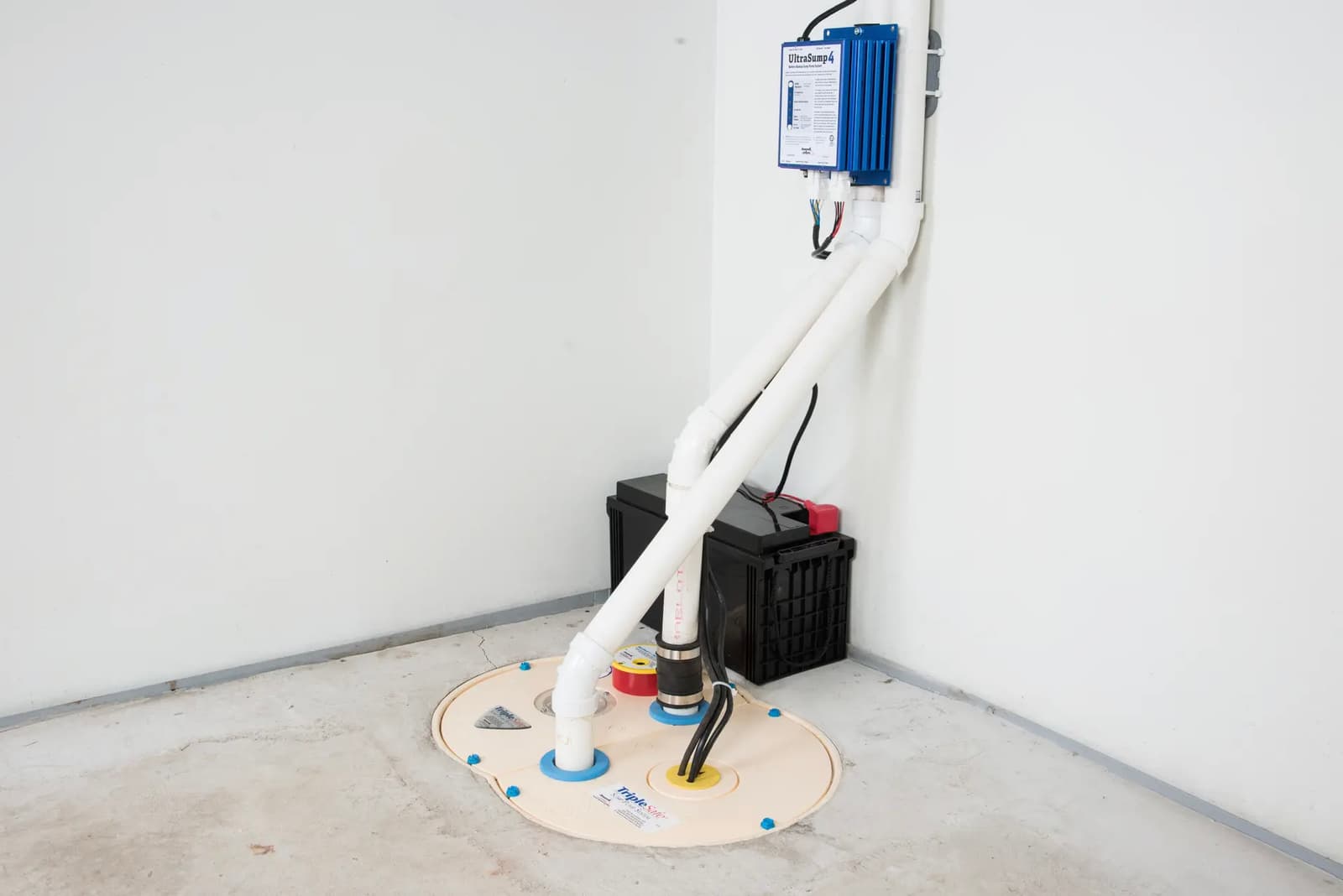
A sump pump is one of the most important flood-prevention devices a Canadian homeowner can have, especially in a home with a basement, crawl space, high water table, or history of water infiltration. Its job is simple: collect excess water in a sump basin and pump it away from the foundation before it can flood the lower level of the house.

Amanda Harvey
•08 Nov 2023
While traditional offices can often be stuffy, dark and isolating, open concept offices are modern and bright. These spaces foster a sense of collaboration and communication between coworkers, and if renovated correctly, still offer privacy.
Léa Plourde-Archer
•25 Jul 2025
A heat pump is an important purchase for your home and it often helps solve temperature variation issues indoors. Daikin offers options and features that suit all needs and budgets. We will explore this subject in the following paragraphs.

Editorial Team
•08 Nov 2023
Amongst all the home heating options available out here, propane heating has numerous advantages, which we’ll detail in this article.