Cost of an Architectural Technologist in Quebec: Pricing Guide
By Cynthia Pigeon
Updated on June 12, 2026
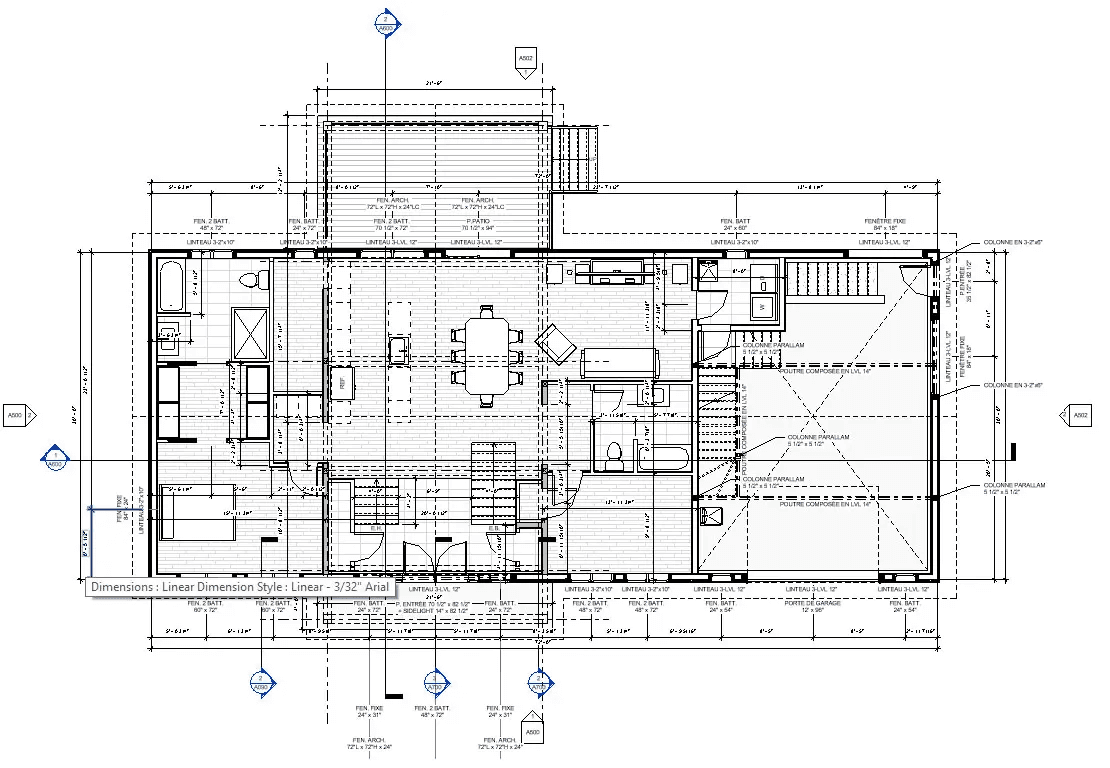
Whether you are planning to build your dream home, complete a major residential addition, or carry out a major renovation to optimize your space, the design plan stage is the foundation of your project’s success. In Quebec, many homeowners, real estate investors, and self-builders ask the same question: How much should you budget for the services of a professional builder?
Hiring an architectural technologist is often the option that offers the best value for money in the Quebec market. This comprehensive guide presents current pricing structures, the legal frameworks in effect, and the best strategies for controlling your design costs.
What Are the Average Rates for an Architectural Technologist in Quebec?
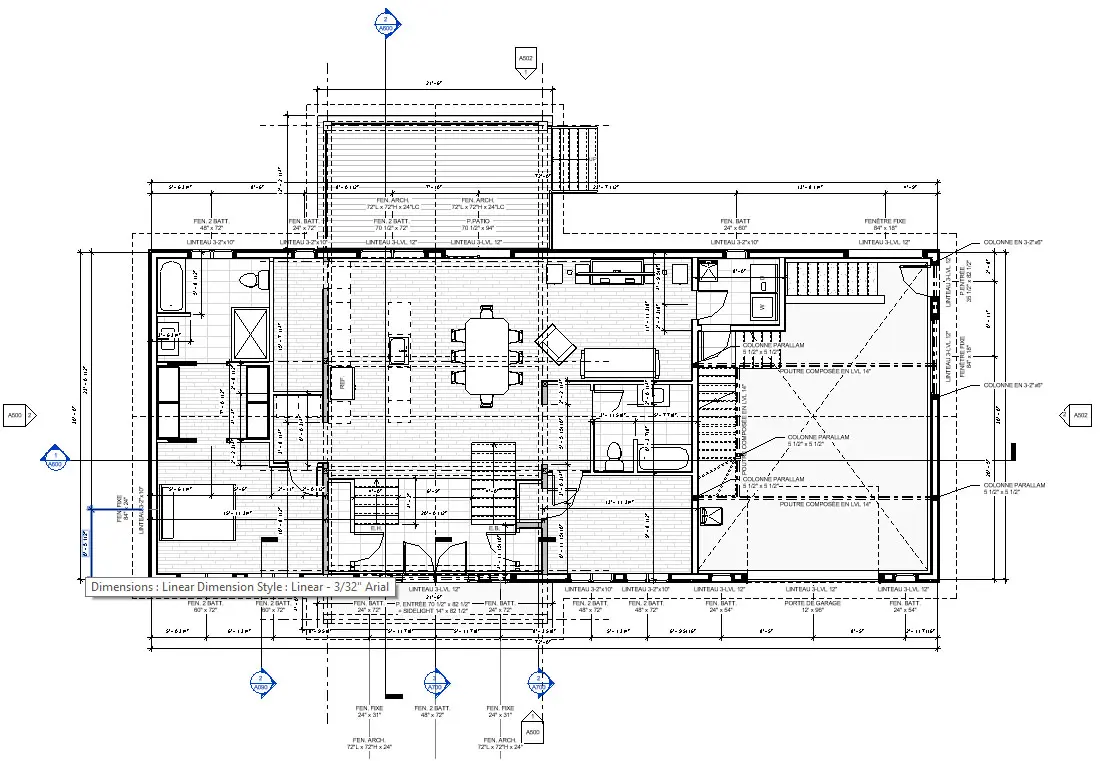
Source: Hauss Architecture Inc.
The residential architectural design market offers different ways to bill professional fees. Technologists generally adapt their pricing method based on the scope of the project, the clarity of your needs, and your personal preferences. Understanding these mechanisms will help you shop around more effectively and select a certified professional for your upcoming work.
Average Hourly Rate of a Professional Technologist
Hourly billing is common, especially for mandates where the initial scope includes some uncertainty or requires multiple adjustments along the way. The hourly rate for a technologist in Quebec generally ranges from $75 to $115 per hour.
This variation is mainly explained by the professional’s level of experience and business structure:
Junior technologist (1 to 5 years of experience): Rates typically range from $75 to $90 per hour. This is an affordable option for simple layout plans or minor structural modifications.
Senior technologist (more than 10 years of experience or firm owner): Rates generally range from $95 to $115 per hour, or more for professionals specializing in high-performance buildings, Passive House projects, or projects pursuing environmental certifications such as LEED.
Hourly billing is ideal for preliminary phases, feasibility analysis, or when you want to work iteratively during evenings or weekends to refine your design ideas.
Flat-Rate Pricing per Square Foot for Plans
For the design of a custom home plan, some technologists use pricing based on square footage. However, costs vary significantly depending on the level of customization, structural complexity, and services included. For a custom new home, professional fees for the complete design of plans often range from $3,000 to $12,000, or more for high-end or particularly complex projects.
For example, for a new single-family home with a total area of 2,000 square feet, the cost of producing complete plans will range from $2,000 to $4,000. This type of package may include:
Floor plans and elevations.
Wall sections required for the permit application.
Foundation plans, if they fall within the technologist’s scope of practice.
Depending on the nature of the project, structural plans prepared or approved by an engineer may also be required.
Percentage-Based Fees on the Total Cost of the Work
Less common for small renovation projects, this approach is sometimes preferred for large-scale or high-end mandates where the technologist also handles site coordination and trade supervision. Fees then represent between 2% and 7% of the overall cost of the work.
If you are planning a major project valued at $250,000, the architectural technologist’s fees would range from $5,000 to $17,500, depending on the extent of their supervision, including material selection, site meetings, and management of unforeseen issues. Although variable, this model ensures that the professional is fully involved at every stage of the building’s physical completion.
Pricing Structure | Average Rates Observed in Quebec | Recommended Use |
Hourly Rate | $75 to $115/hour | Consultations, modifications to existing plans, preliminary studies |
Flat Rate per Square Foot | $1 to $2/square foot | New single-family construction, standardized additions |
Percentage of Work | 2% to 7% of project value | Large-scale projects, complete site management and follow-up |
What Types of Projects Can an Architectural Technologist Sign in Quebec?
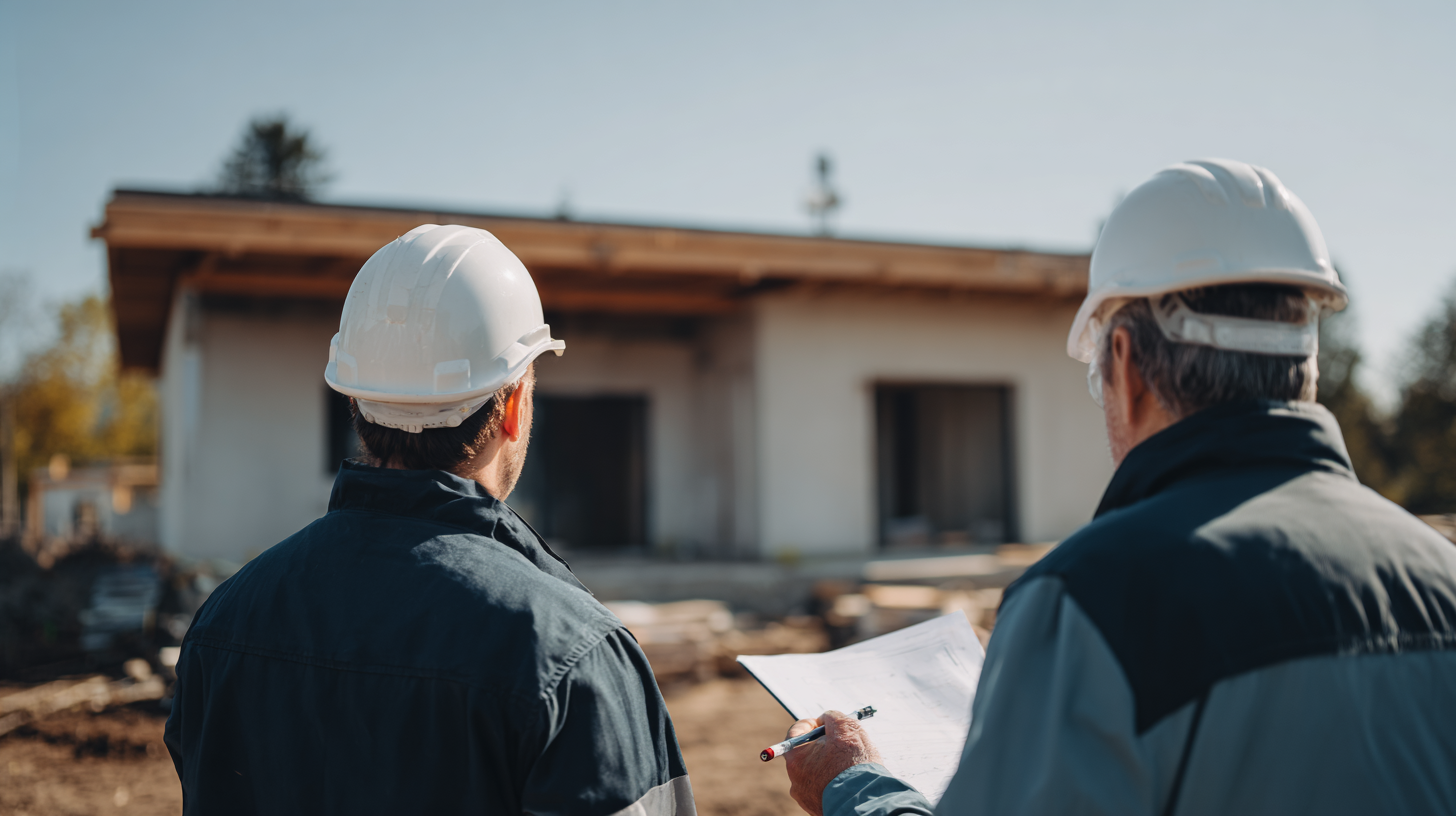
Source: RenoQuotes
It is essential to understand a technologist’s scope of practice to confirm the legal feasibility of hiring one. An architectural technologist has advanced skills in building science, structures, and building envelope waterproofing. In Quebec, their work is strictly regulated by law.
Regulations for Single-Family Homes
According to the Regulation respecting the professional activities that may be engaged in by a professional technologist (...) in architecture technology, a technologist has the legal right to design and sign plans for a wide range of residential buildings.
For certain residential buildings covered by Quebec regulations, a professional technologist may design and sign plans without the mandatory involvement of an architect. However, the applicable limits depend on the Architects Act and the regulations in effect. It is recommended that you validate the current legal requirements with the OTPQ or your municipality before starting the project.
Factors That Influence the Cost of Professional Services

Source: RenoQuotes
Two projects with exactly the same square footage can show substantial price differences when you receive a quote. Several technical variables explain these price variations.
Key factors that influence the cost of plans:
Architectural complexity of the project
Municipal and regulatory requirements
Site conditions and climate constraints
Level of customization requested
Number of revisions required
Plan Complexity and Level of Customization
A standardized catalogue plan requires far fewer modelling hours than sleek contemporary architecture with large architectural spans or complex cathedral ceilings. In addition, Quebec’s climate imposes strict constraints:
Freeze-thaw management: Foundation and foundation drain design must be flawless to prevent springtime structural cracks.
Snow loads: Roofs must be calculated to withstand harsh winters and heavy ice accumulation.
Humidity fluctuations: Air barriers and vapour barriers require precise technical placement to eliminate the risk of condensation inside walls during summer or winter.
The more custom finishing details you request, such as built-in cabinetry plans or sophisticated lighting diagrams, the more work hours will increase, raising the final quote.
Municipal Permit Applications and Regulatory Compliance
Every city or municipality has its own zoning requirements. To obtain your building permit from the municipality, your plans must fully comply with municipal regulations and the zoning in effect.
If your property is located in a heritage district or subject to a Site Planning and Architectural Integration Program (SPAIP), the technologist will need to prepare additional 3D visual renderings, justify the choice of exterior cladding materials, and sometimes present the file to the planning advisory committee. These complex administrative steps require technical preparation time and increase professional fees.
Architectural Technologist or Architect in Quebec: Which Should You Choose to Save Money?
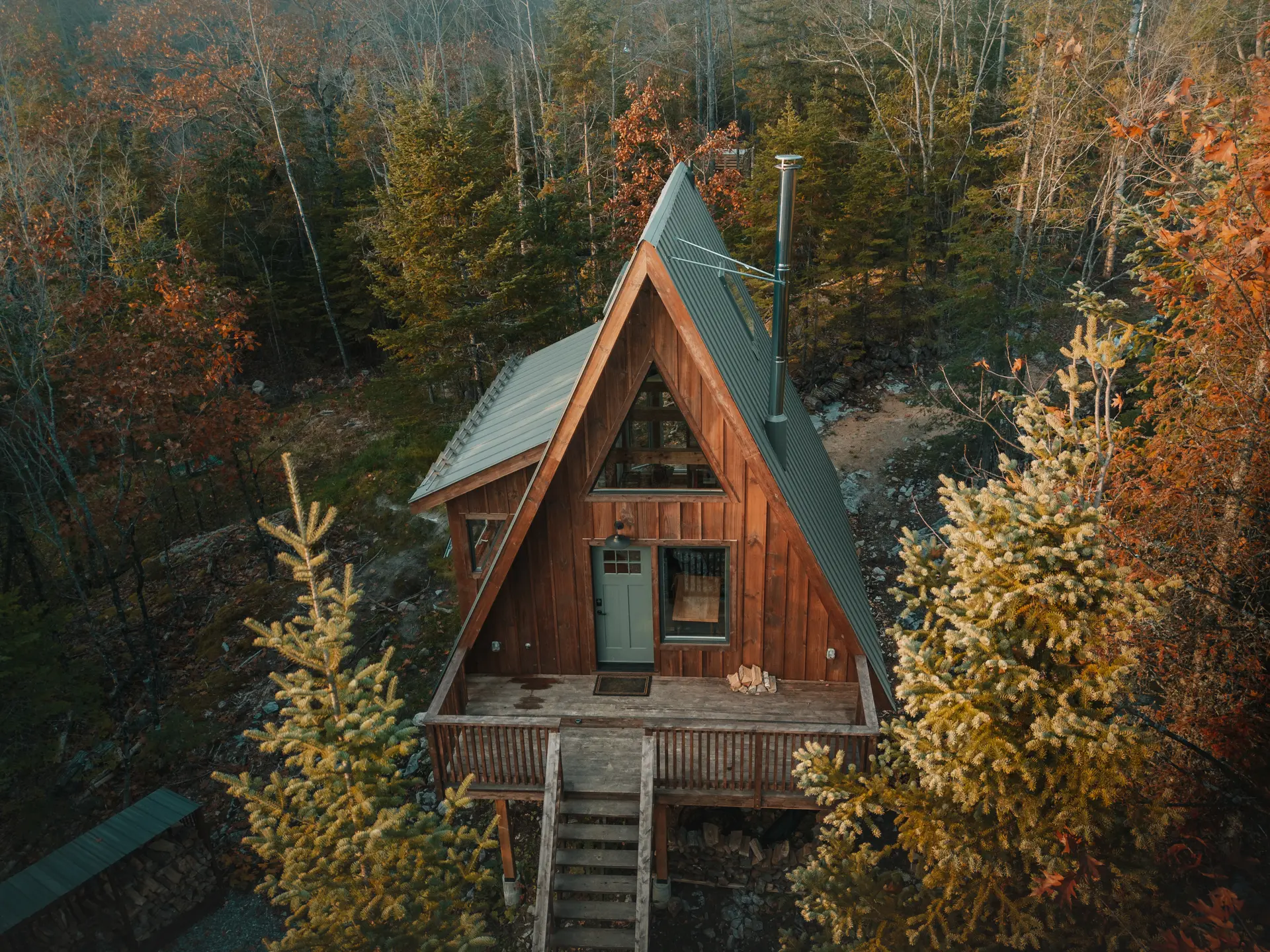
Source: Cubiq Architecture Inc.
The choice between a technologist and an architect mainly depends on the legal nature of the project and the available budget. Although both professionals are fully qualified to create aesthetic and functional spaces, their fee structures differ significantly.
Fee Comparison and Added Value
Saving on the cost of an architect is the main reason many homeowners turn to an OTPQ technologist for eligible residential projects.
While the technologist’s hourly rate ranges from $75 to $115, an architect who is a member of the OAQ generally charges between $125 and $200 or more per hour. For projects that fall within their scope of practice, hiring a professional technologist can be a more economical solution than a traditional architectural mandate, while still meeting applicable technical and regulatory requirements.
This cost difference does not imply a drop in quality. The technologist is a pragmatic expert, particularly focused on material assemblies, energy efficiency, and the rigorous application of the Quebec Construction Code. The architect, on the other hand, will be essential if your building exceeds the 600 m² footprint threshold or if it is a commercial structure or large multi-unit residential building not covered by the exceptions in the Architects Act.
How to Get an Accurate Quote for Your Plans
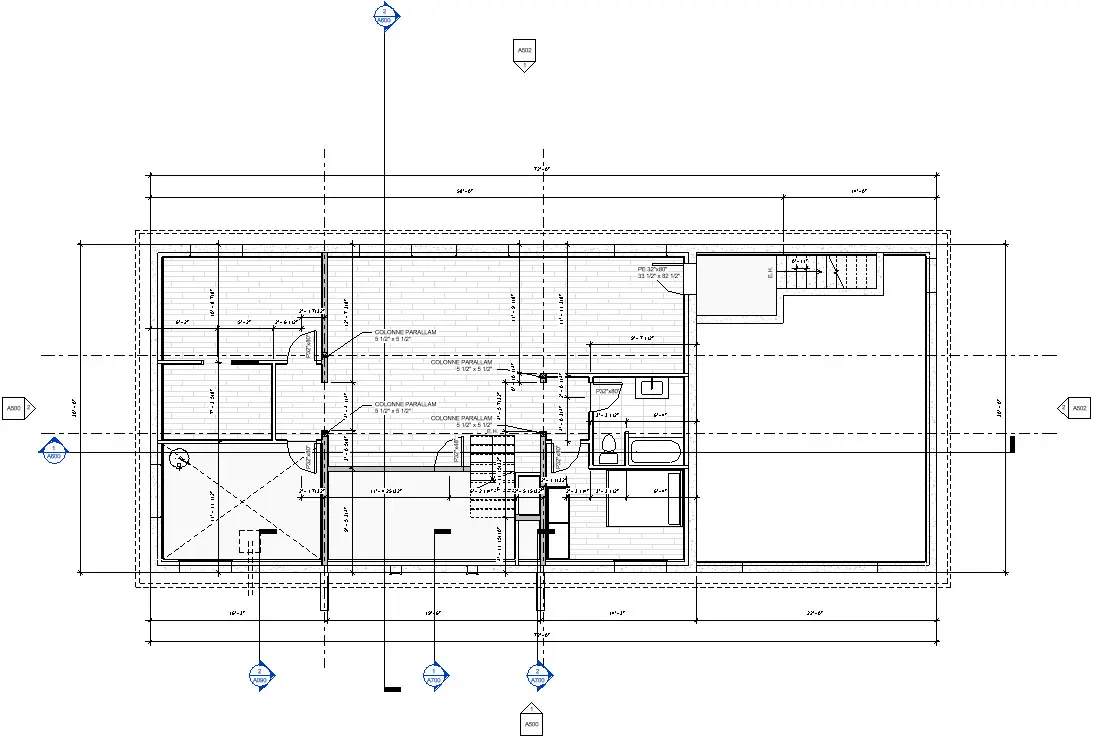
Source: Hauss Architecture Inc.
To avoid financial surprises and extras during the mandate, preparing for your first meeting with the technologist is strategic. A structured approach will allow you to compare detailed quotes fairly and accurately.
Documents to Provide for a Realistic Quote
To help the technologist accurately estimate the overall cost of the design work, gather the following documents ahead of time:
Official certificate of location: This legal document is essential for the technologist to analyze setbacks, easements, and the maximum permitted building areas on your property.
A clear list of your needs, or project brief: Indicate the number of bedrooms and bathrooms, the desired architectural style, such as modern, Scandinavian, or traditional, and your layout priorities.
Inspiration photos and sketches: Even simple drawings on graph paper or images collected during your weekend research can help materialize your aesthetic expectations.
Photos of the existing house: If the project involves planning a residential addition, provide clear images of the current interior foundations and exterior façades.
By providing this information from the first contact, you will receive a transparent quote that clearly outlines the number of included revisions, delivery timelines for the plans, and applicable payment terms. Take the time to shop around carefully to start your residential project on a solid and cost-effective foundation.
Looking for something else?
Related articles
The latest industry news, interviews, technologies, and resources.
Amanda Harvey
•29 May 2026
For many homeowners, the hardest part of starting a home renovation project is finding a reliable contractor to carry out the job. So, if you're wondering how you can locate the best tradesperson for the job, then you've come to the right place! For homeowners that are looking for a quick and cheap home renovation experience, it's likely you're going to get what you pay for.

Editorial Team
•08 Nov 2023
Concrete sawing is a highly technical practice, which requires the expertise of a specialized company. Across Canada, numerous companies offer a wide range of services to the public, including concrete sawing, drilling, or demolition.

Editorial Team
•04 Jun 2026
As a renovation contractor, being able to provide clients with a fair and accurate cost estimate is essential. The right estimation software can help you prepare quantity takeoffs, calculate labour and material costs, build professional proposals, compare bids, and keep your pricing process more consistent from one project to the next.

Cynthia Pigeon
•21 May 2026
Investing in the renovation of hardwood floors is one of the most effective ways to restore value, warmth and character to a property. Whether it is a condo in Montréal or Toronto, a single-family home in the suburbs, a heritage property in Atlantic Canada or a cottage in the Laurentians, hardwood flooring is affected by everyday wear, pets, furniture movement and seasonal humidity changes.

Editorial Team
•15 Aug 2025
Inflation significantly affects several economic sectors, and the renovation industry is no exception. Whether it be minor or major repairs or remodels, when the cost of materials, supplies, and services increases, it becomes much more difficult for homeowners to carry out renovation projects as intended.