Cost of Installing a Sump Pump with Battery Backup in Quebec in 2026
By Cynthia Pigeon
Updated on September 9, 2026
In Quebec, basements are often used as central living spaces: family rooms, additional bedrooms, home offices, or storage areas for valuable belongings. However, because of our harsh climate, this part of the home remains particularly vulnerable to water damage. Each year, spring thaw, rapid snowmelt, and heavy summer rain can place significant hydrostatic pressure on foundations.
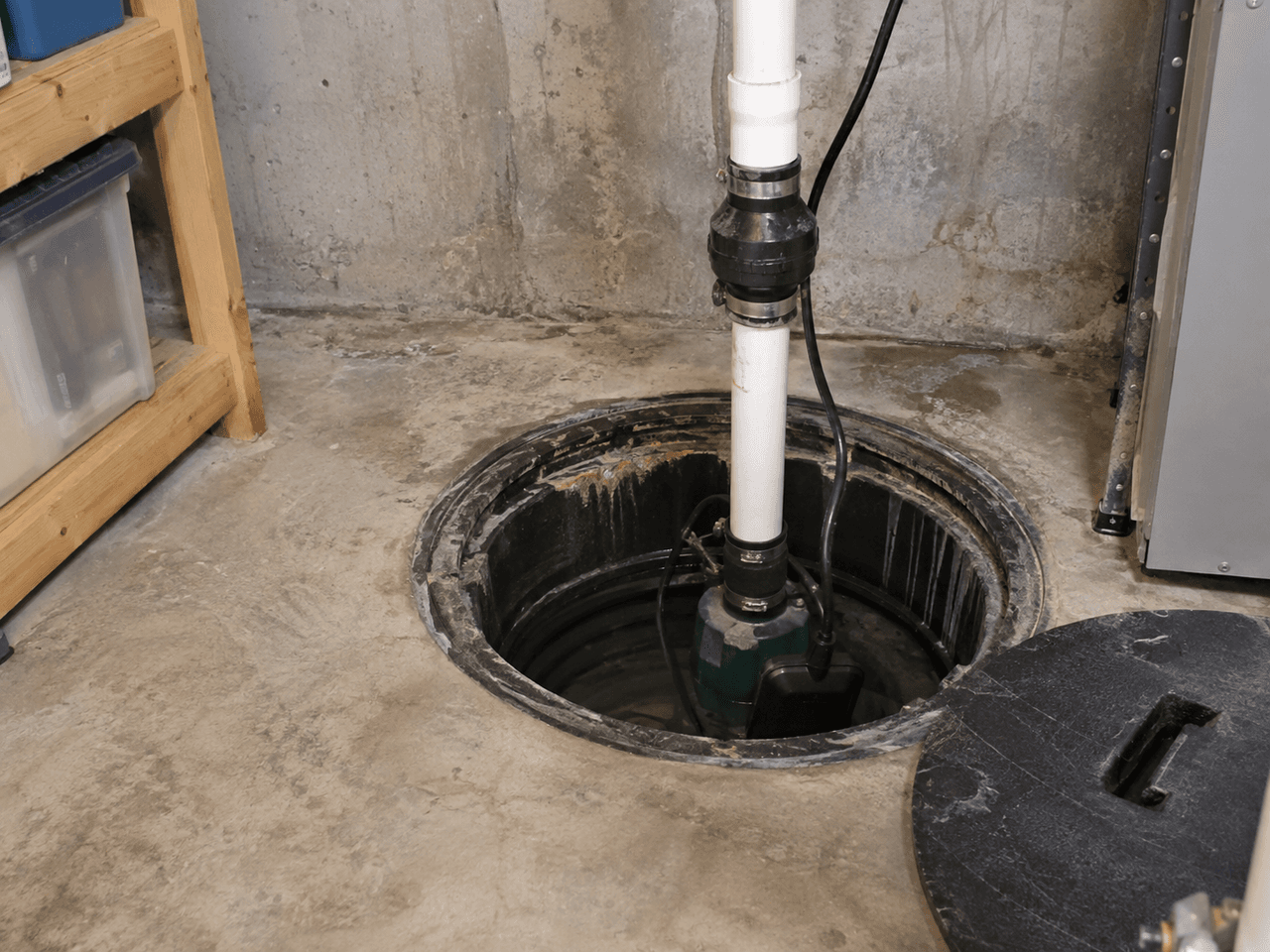
A sump pump acts as a first line of defence for your home. Installed in a basin at the lowest point of the basement, it removes water collected by the foundation drainage system, discharging it to an approved discharge point, such as a storm or combined sewer, ditch, or dry well, depending on the building configuration and applicable municipal regulations.
However, a standard submersible pump connected to the electrical grid has one major weakness: it stops working during a power outage, often when it may be needed most, such as during a storm or freezing rain event. This is why adding a battery-powered backup sump pump can be a particularly useful preventive measure for homeowners exposed to water infiltration or power outages.
How Much Does It Cost to Install a Sump Pump with a Backup System?
Source: RenoQuotes
For a single-family home, bungalow, or plex in Quebec, the total cost to install or replace a complete sump pump system generally ranges from $1,200 to $4,500, depending on the condition of the existing infrastructure.
Typical budgets by type of work:
Replacement of the main pump only: $450 to $900
Addition of a battery backup to an existing sump basin: $800 to $1,600
Complete system (main pump + AGM/lithium battery): $1,200 to $3,000
Complete sump basin installation (concrete cutting + system): $2,500 to $4,500
* Average rates observed in the Quebec market, including labour and materials, before taxes.
To plan your project and avoid unexpected costs, you can request quotes for your sump pump to compare rates from plumbing contractors in your municipality.
Cost of a Main Submersible Sump Pump
The main pump typically operates on standard 120-volt residential power. Submersible pumps are commonly used in residential installations because they operate inside the sump basin, are generally quiet, and are cooled by the surrounding water. Actual flow capacity varies according to the model and discharge conditions.
Choosing between a 1/3 HP, 1/2 HP, or 3/4 HP pump is based on the amount of water that needs to be removed, the discharge head, the length and diameter of the discharge line, and the pump’s performance curve. A higher horsepower rating is not automatically required simply because the property has a greater risk of water infiltration.
Cast-iron models are generally more durable and dissipate heat more effectively than some thermoplastic models. However, the pump's actual lifespan depends more on its quality, sizing, operating frequency, and installation conditions than on the housing material alone.
Comparison of common submersible pump types:
Thermoplastic pump
Price: $150 to $250
Use: Residential applications, depending on flow requirements and model specifications.
Cast-iron pump
Price: $250 to $550
Use: Residential applications requiring a more robust model or frequent operation.
Cost of a Battery Backup Sump Pump System
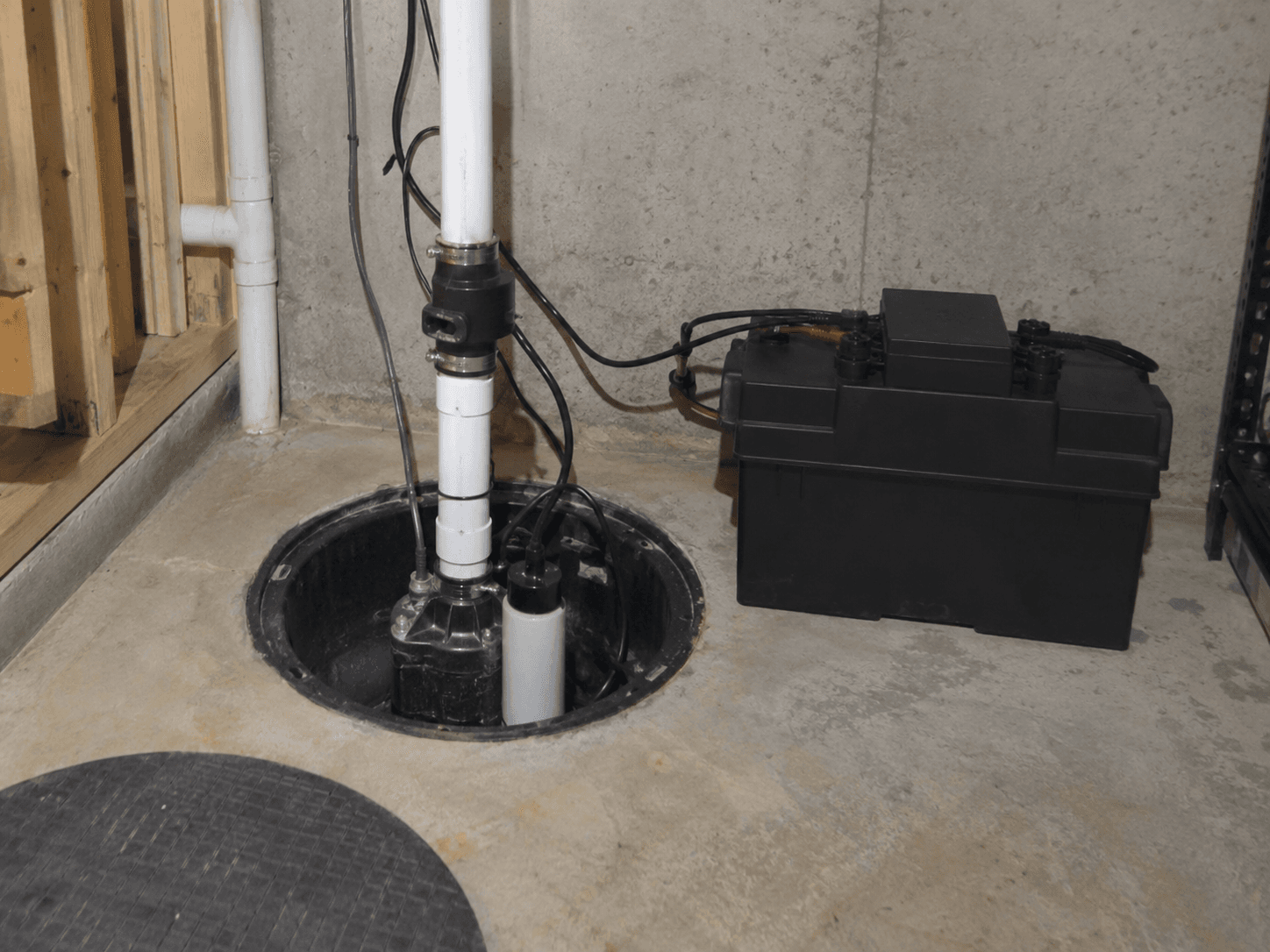
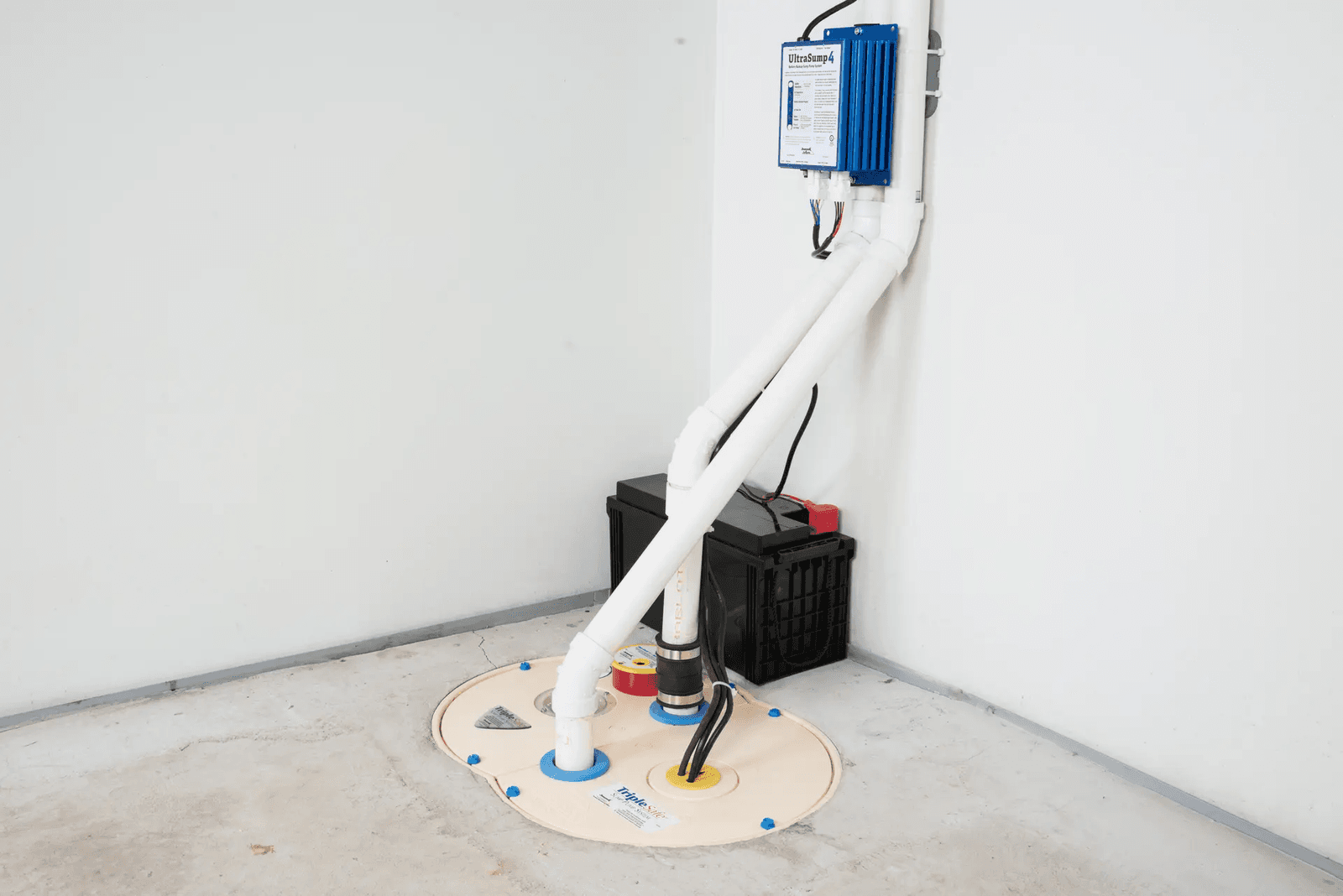
This system generally includes a second pump powered by a 12 V battery, a charger/controller, a secondary float switch, and a compatible deep-cycle battery.
AGM battery system (Absorbed Glass Mat): A sealed, maintenance-free lead-acid battery. It is one of the most common choices in Quebec. Cost of a complete backup system: $600 to $1,100.
System compatible with a lithium battery (LiFePO4): Some newer systems may be compatible with lithium iron phosphate batteries, which can offer a long service life and reduced weight. However, compatibility between the battery, charger, and backup pump controller must be confirmed before installation. System cost: $1,100 to $1,800, depending on the model and battery.
Smart systems with Wi-Fi alerts: Higher-end systems may include Wi-Fi or cellular connectivity that sends notifications to your smartphone if the backup battery activates or if the water level rises abnormally. Additional cost: $150 to $300.
Factors That Affect the Overall Cost of the Work
Source: RenoQuotes
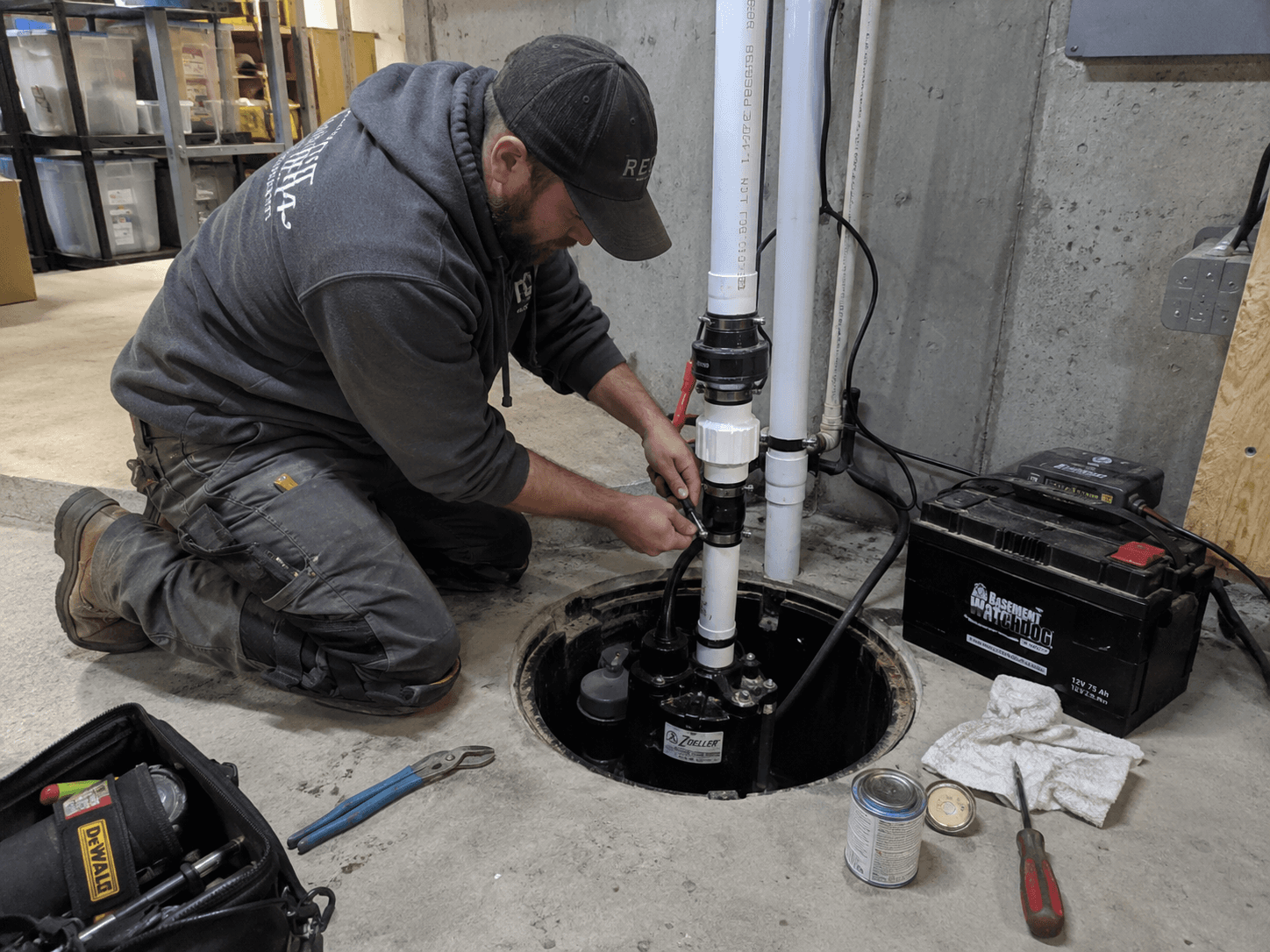
The actual cost of a sump pump installation with battery backup varies depending on the technical complexity of the work and the condition of the basement.
Factors that can affect the quote include:
Condition and size of the existing sump basin
Length of the discharge piping
Need to drill through the foundation or framed wall
Availability of a dedicated electrical receptacle nearby
Addition of a check valve and freeze-protection fitting
Electrical Connection, Check Valve, and Discharge Piping
A proper installation requires several key plumbing and electrical components:
Check valve: This essential component prevents discharged water from flowing back into the sump basin when the pump stops. Without a check valve, the pump may cycle unnecessarily, which can prematurely wear out the motor and backup battery. Supply and installation cost: $50 to $120.
Rigid PVC piping: The discharge pipe must be made from an approved material and sized according to the pump’s flow rate, discharge head, applicable Code requirements, and the manufacturer’s specifications. Diameters of 1 1/2 in. or 2 in. are common on some residential pumps but are not a universal requirement. The cost varies depending on the distance to the exterior, generally $150 to $350.
Freeze-relief fitting: In Quebec, exterior discharge piping may freeze in winter. Installing an exterior relief fitting allows water to escape if the main discharge line becomes blocked by ice. Cost: $75 to $150.
Dedicated electrical receptacle: The pump’s electrical supply must comply with Chapter V, Electricity, of the Quebec Construction Code, as well as the manufacturer’s instructions. Depending on the installation, GFCI protection and/or a dedicated circuit may be required or recommended. A licensed electrical contractor should determine the applicable requirements.
Cover, ventilation, and discharge accessories: Depending on the sump configuration and the applicable requirements of the Quebec Construction Code, a sump connected to the foundation drainage system must have an airtight cover and, when fitted with a pump, a compliant vent pipe. The discharge line must also include the required accessories, including a union, check valve, and shutoff valve.
Cutting or Enlarging a Sump Basin in a Concrete Floor
In older homes built before 1980, there may be no sump basin in the basement slab, or the existing basin may be too small to accommodate both the main pump and backup pump.
Typical steps for creating a sump basin in concrete:
Cut the concrete slab using a jackhammer or concrete saw.
Excavate enough to meet the applicable minimum sump dimensions, including a depth of at least 750 mm (30 in.) and a floor area of at least 0.25 m² (2.7 sq. ft.), while accounting for the foundation drainage configuration.
Install a basin large enough to accommodate the main pump and, where applicable, the backup pump, in accordance with applicable requirements and manufacturer instructions.
Backfill around the basin with an appropriate drainage material based on the basin and foundation drainage configuration.
Repair the concrete slab around the basin using a material and method compatible with the existing slab.
This interior excavation and concrete work can add approximately $1,000 to $2,000 to the overall labour cost. If you are planning more extensive basement work, find a qualified contractor for your basement renovation.
Why Install a Battery Backup for Your Sump Pump in Quebec?
Source: RenoQuotes
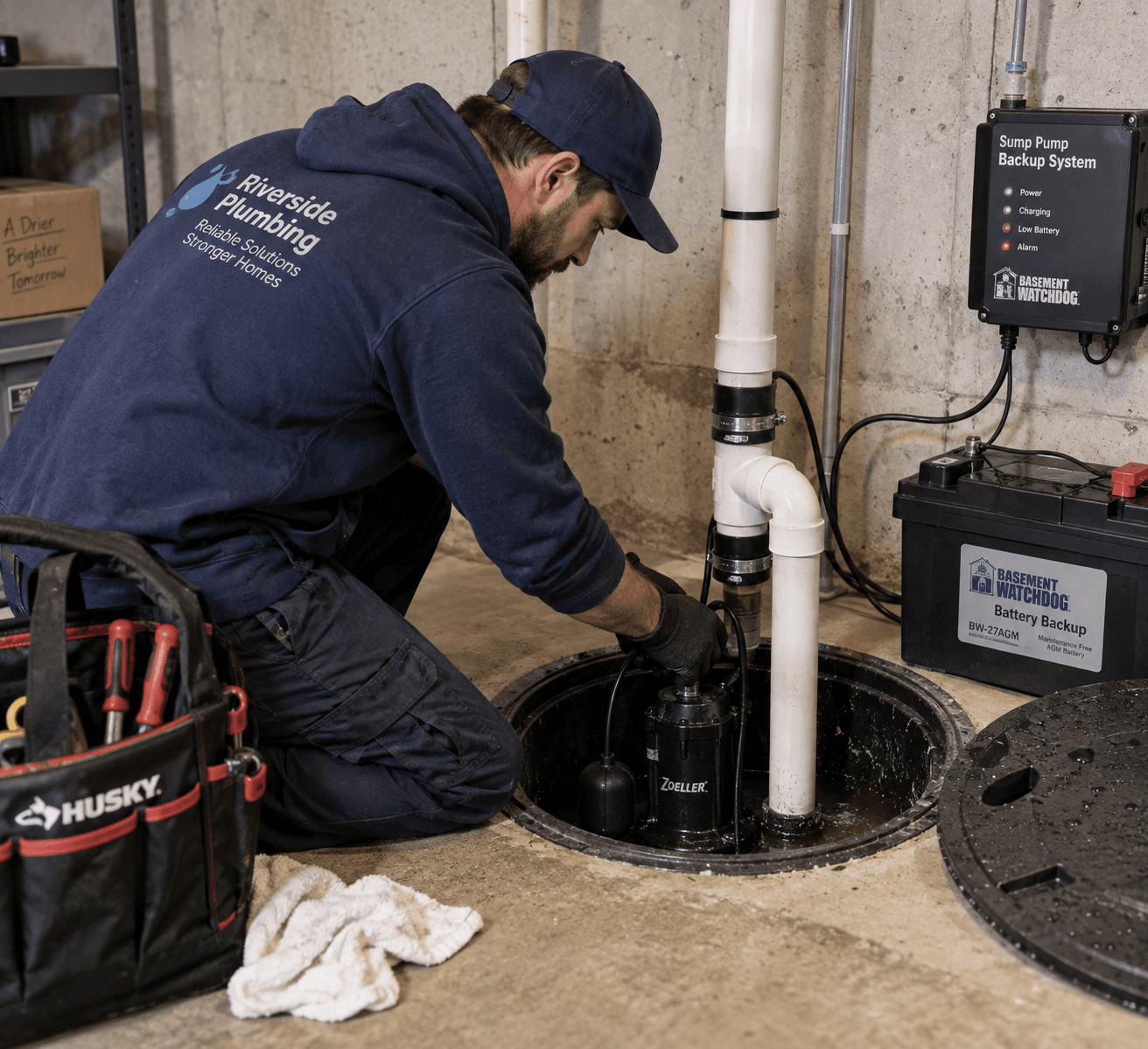
Quebec’s climate combines weather conditions that can put significant stress on building envelopes and drainage systems.
A typical sequence that can lead to basement flooding includes:
Rapid snowmelt combined with heavy rain on frozen ground
Overloaded foundation drains due to a high water table
Strong winds, freezing rain, or electrical grid overload
Hydro-Québec power outage
Main sump pump stops ➔ rapid water infiltration
On properties with significant water inflow, the water level in the sump basin can rise very quickly during heavy rain or spring thaw. During a power outage, the time before the sump overflows depends on the available basin capacity and the rate at which water enters it.
Battery runtime depends heavily on battery capacity, pump flow rate, discharge head, and especially how frequently the pump operates. Depending on the system, a battery may provide only a few hours of continuous pumping but several dozen hours or more when the pump operates intermittently. Consult the manufacturer’s runtime data for the expected operating conditions.
Comparison: Main Sump Pump vs. Battery Backup System
Feature | Main Electric Sump Pump Only | Combined System with Battery Backup |
Average installation cost | $450 to $900 | $1,200 to $3,000 |
Operation during a power outage | No — stops immediately | Yes — runtime varies depending on the battery, flow rate, and operating frequency |
Capacity during unusually high water inflow | Limited to one pump | Additional capacity: depending on the model, the backup pump can take over from the main pump or assist it when the water level becomes abnormally high |
Failure alerts | Uncommon, except for optional audible alarms | Usually includes an audible alarm; Wi-Fi or cellular notifications are available on some connected systems |
Potential insurance impact | Varies by insurer and policy | Insurance requirements and potential benefits vary by insurer and policy; check directly with your insurer |
Average service life | 7 to 10 years | Pump and battery lifespan vary by model, operating conditions, and manufacturer recommendations. The battery should be tested periodically and replaced according to the manufacturer’s instructions. |
Legal Requirements: CMMTQ-Certified Plumber and RBQ Licence
Source: Basement Systems Toronto
In Quebec, residential plumbing and drainage work is strictly regulated. Hiring an unqualified person to install a sump pump can create significant legal and financial risks.
Qualified professionals required for the work include:
Plumbing contractor holding subcategory 15.5 and belonging to the CMMTQ: Required when the work involves the plumbing system, including piping and drainage accessories connected to the sump.
Electrical contractor holding subcategory 16: Required when the installation involves electrical work, such as adding a new receptacle or circuit.
Under the Building Act, the contractor responsible for the installation must hold a valid Régie du bâtiment du Québec (RBQ) licence under subcategory 15.5 (Plumbing) and be a member in good standing of the Corporation des maîtres mécaniciens en tuyauterie du Québec (CMMTQ).
Improper installation can lead to system failure and, depending on the manufacturer’s warranty terms, may make certain damage or claims ineligible for warranty coverage.
To help ensure that your work complies with the Quebec Construction Code, consider comparing rates from CMMTQ-certified plumbing contractors.
Home Insurance Requirements and Preventive Measures

Source: RenoQuotes
Water damage is the leading cause of home insurance claims in Quebec. According to the Insurance Bureau of Canada, water damage accounted for 68% of paid home insurance claims in Quebec in 2024.
As extreme weather events become more frequent, insurers continue to adjust their requirements:
Additional water-damage coverage: Water infiltration, sewer backup, and certain types of flooding may not be included in a standard policy and may require additional coverage. Coverage, exclusions, and conditions vary by insurer.
Higher deductibles: Water damage deductibles vary based on the insurer, the coverage selected, the property, and the claims history.
Home insurance discounts: Some insurers may take water-damage prevention devices into account when determining premiums or coverage conditions. Check directly with your insurer to determine whether your installation qualifies for a discount or other benefits.
To benefit from any available insurance advantages or support a future claim, keep the detailed invoice issued by your qualified professional. The Insurance Bureau of Canada recommends a range of preventive measures to help reduce the risk and severity of water damage.
Before the next rainy season or spring thaw, consider consulting qualified professionals and requesting quotes for water-damage prevention work.
Looking for something else?
Related articles
The latest industry news, interviews, technologies, and resources.
Editorial Team
•07 Dec 2023
Choosing bathroom furniture involves more than just considering the style or vibe you’re looking to convey inside this enclosed space. While this aspect of it is important, suffice it to say, there are other factors to take into account, like your budget and the space available.

Editorial Team
•08 Nov 2023
When it comes to choosing a garage door, many homeowners naturally gravitate towards metallic options. Factory-painted steel garage doors are an appealing option for many reasons, including their low maintenance requirements and the diverse array of available colours and finishes.

Editorial Team
•15 May 2026
Mineral wool and fibreglass may be more familiar options, but home insulation is rarely the most exciting renovation project to tackle. That said, it can make a noticeable difference on your heating bill and improve soundproofing in your walls. So why not choose a greener and more efficient material? Let’s take a closer look at cellulose.

Cynthia Pigeon
•02 Jul 2026
Outdoor living has undergone a spectacular transformation in Quebec. Simple auxiliary grills have given way to true high-end outdoor kitchens, designed as seamless extensions of exceptional properties in Montréal, Westmount, or the natural landscapes of the Laurentians. These outdoor entertaining spaces, which include professional-grade grills, artisanal pizza ovens, and ambient fire features, require an energy infrastructure worthy of their refinement.
Léa Plourde-Archer
•16 Jun 2025
Thinking about laying tiles as a wall covering? Learn more about the different characteristics of this material that’s both durable and customizable, as well as maintenance tips, and the average cost of tiles.