Elastomeric Membrane Flat Roof Cost in Quebec: 2026 Prices
By Cynthia Pigeon
Updated on August 20, 2026
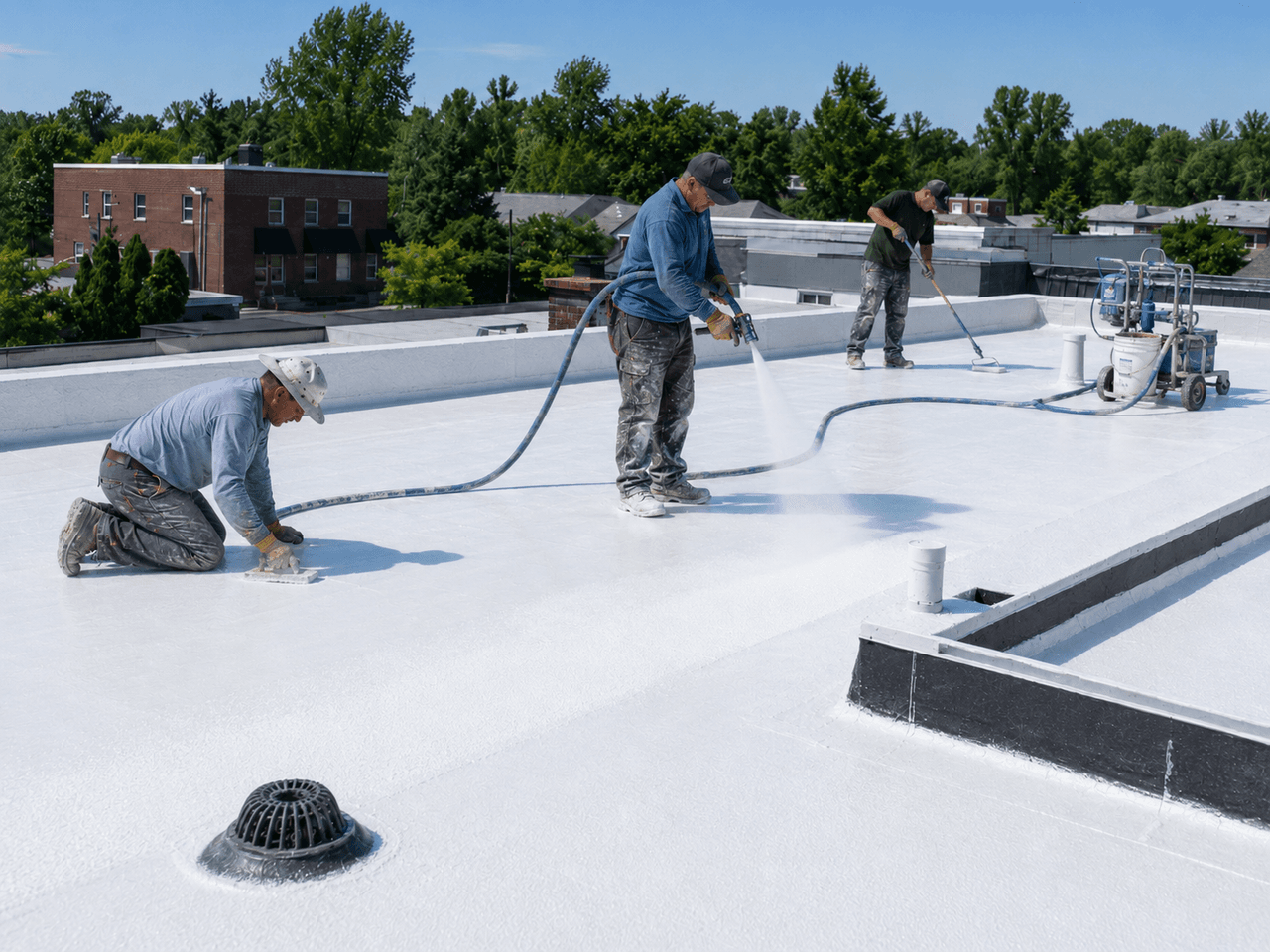
In Quebec, flat roofs face significant challenges due to the province’s harsh climate. Heavy snow loads in winter, repeated freeze-thaw cycles, and heavy spring rainfall make protecting the building envelope essential. For owners of single-family homes, duplexes, or triplexes, a flat roof replacement requires a roofing material that is flexible, durable, and fully watertight.
A two-ply elastomeric membrane (or polymer-modified bitumen membrane) has become a leading roofing system for residential and commercial buildings in Quebec over the past two decades. Gradually replacing traditional asphalt-and-gravel roofing, it generally offers a service life of approximately 20 to 30 years, and sometimes longer when properly installed and maintained.
Planning a flat roof replacement also means accounting for a significant upfront investment. This guide breaks down typical per-square-foot costs, the main factors that affect your roofing quote, and what to consider when planning your project.
How Much Does an Elastomeric Coating Cost per Square Foot?
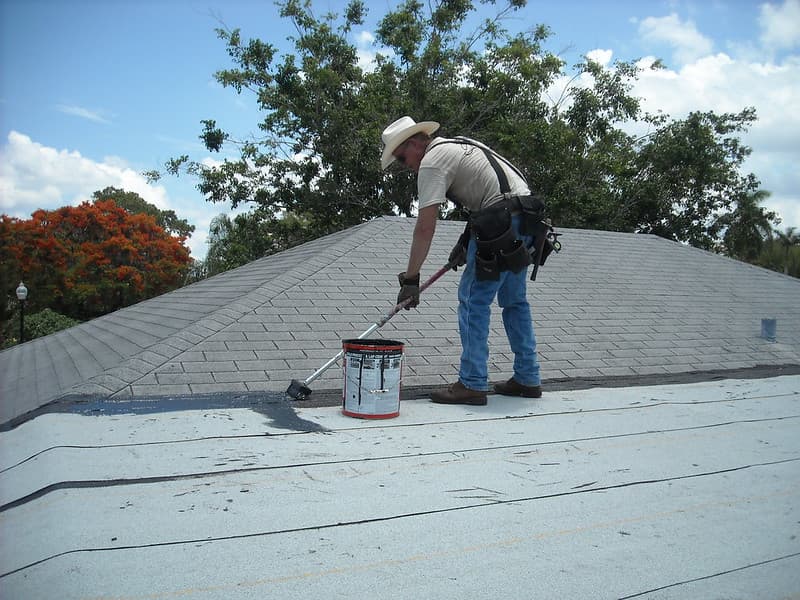
Source: DK Toitures Inc
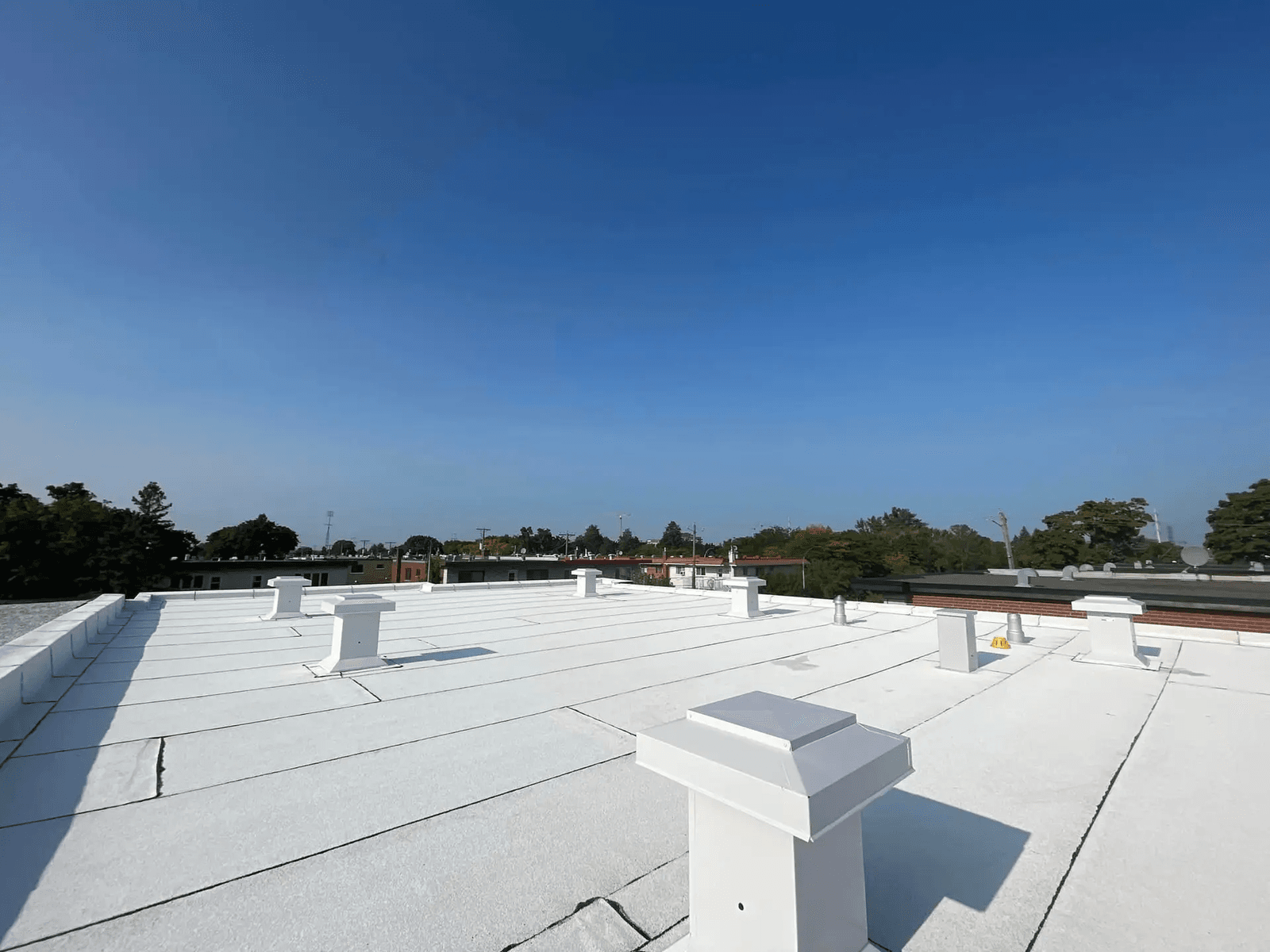
On average, an elastomeric membrane roof replacement costs between $15 and $23/sq. ft. in Quebec, depending on the roof configuration and the work required.
Average cost of an elastomeric membrane flat roof in Quebec:
Removal and disposal of the existing roof: $2 to $4/sq. ft.
Deck preparation and repairs: $2 to $5/sq. ft.
Installation of the two-ply elastomeric system: $8 to $16/sq. ft.
Estimated total: $15 to $23/sq. ft.
For a better idea of overall project costs, here are estimated budgets based on roof size and building type:
Building Type | Average Roof Area | Estimated Total Budget (Before Tax) |
Single-family home / flat-roof bungalow | 800 to 1,200 sq. ft. | $11,000 to $22,000 |
Duplex or triplex (standard plex) | 1,000 to 1,500 sq. ft. | $15,000 to $30,000 |
Large multi-unit plex | 1,600 to 2,500 sq. ft. | $24,000 to $50,000 |
Light commercial or industrial building | 3,000 to 5,000 sq. ft. | $40,000 to $95,000 |
For a quote tailored to your rooftop, submit a roofing quote request to qualified professionals.
Elastomeric System vs. Asphalt and Gravel
Source: RenoQuotes
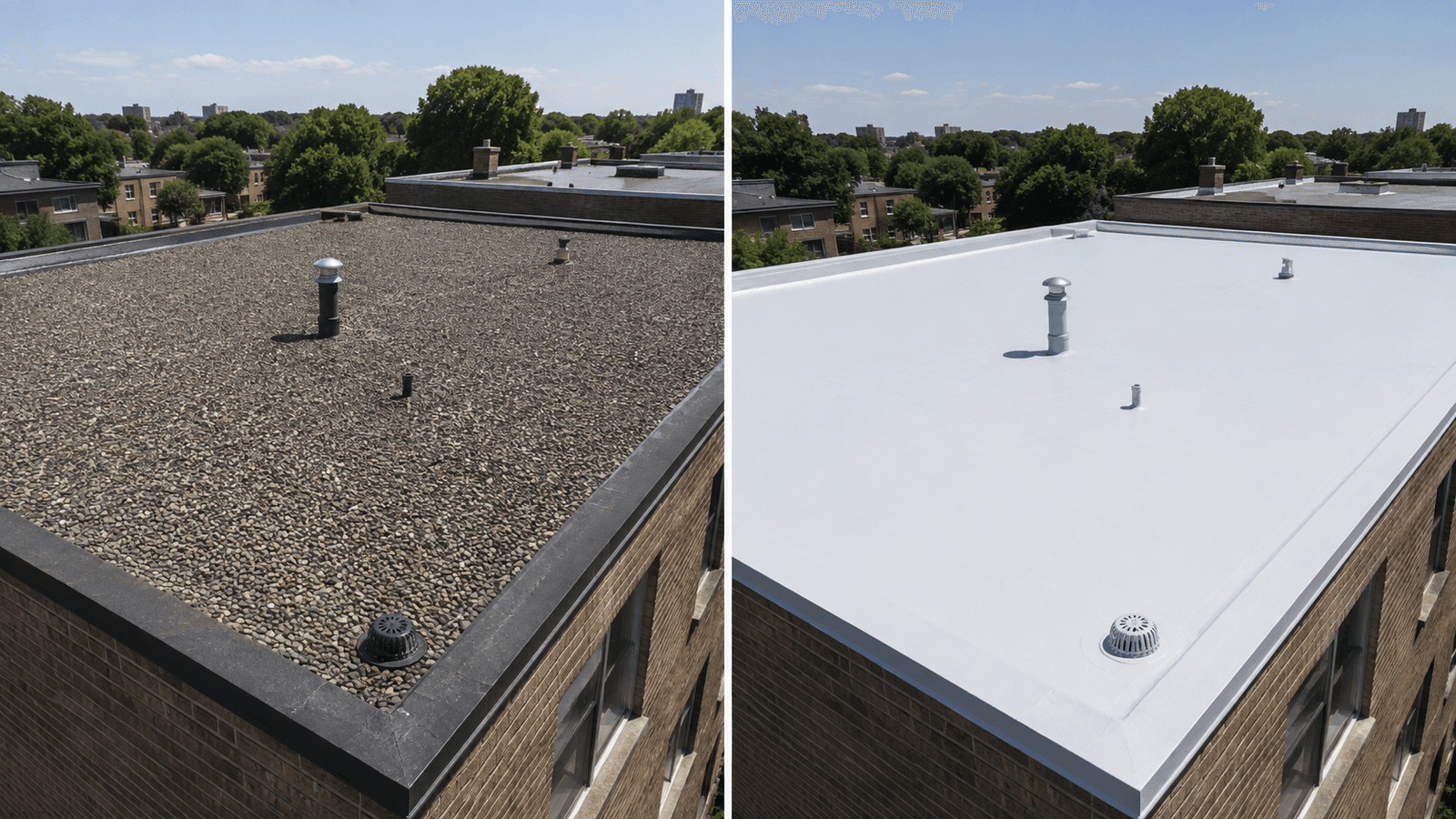
For decades, built-up asphalt-and-gravel roofing was widely used in Quebec. Today, although asphalt and gravel can sometimes cost less initially, elastomeric membrane systems are often preferred for their durability, lighter weight, and easier inspection of seams and flashing details.
Quick comparison of the two roofing systems:
Two-Ply Elastomeric Membrane System:
Lifespan: Generally lasts 20 to 30 years, depending on the system, installation, and maintenance
Elastomeric membrane maintenance: Low
Weight: Approximately 1.5 lb./sq. ft
Freeze resistance: Excellent
Asphalt and gravel:
Lifespan: Often lasts approximately 15 to 25 years, depending on design, maintenance, and exposure
Asphalt-and-gravel maintenance: High
Weight: Approximately 6 lb./sq. ft.
Freeze resistance: Moderate
Here is a closer comparison of the two systems:
Installation and composition: An elastomeric membrane is typically a two-ply system. The base sheet may be mechanically fastened or self-adhered, while the cap sheet can be torch-applied. Depending on the system, other installation methods, including self-adhered membranes, may also be used. Asphalt-and-gravel roofing typically consists of several layers of roofing felt saturated with hot asphalt and covered with protective gravel.
Structural weight: Gravel adds considerable dead load to the roof deck. Choosing an elastomeric membrane can remove thousands of pounds of stone from the structure of a large plex.
Maintenance and leak detection: When water leaks through an asphalt-and-gravel roof, locating the source beneath the gravel can be difficult. On an elastomeric membrane roof, seams, upstands, and waterproofing details are generally easier to inspect visually.
Weather resistance: As asphalt ages and is exposed to UV radiation, it can lose flexibility and become more susceptible to cracking.
Factors That Affect Flat Roof Replacement Costs
Source: Couverture Nord Sud
Two roofs with exactly the same dimensions can have significantly different replacement costs. A roofing contractor’s estimate depends on several technical factors specific to the project.
Main factors that influence the total cost:
Condition of the roof deck (plywood or wood planks)
Thickness and type of added thermal insulation
Number of roof penetrations and features, including slopes, drains, and skylights
Site access and building height
Local environmental or municipal roofing requirements
Roof Deck Condition and Repairs
Removing the old roofing system provides an opportunity to inspect the plywood roof deck or the wood plank decking. If repeated leaks have caused wood rot, damaged panels must be replaced. Replacing structural plywood adds to project costs, depending on panel thickness, the amount of decking that needs replacement, site accessibility, and labour. Ask the contractor to price this work separately in the quote.
Additional Thermal Insulation
A roof replacement can also be an opportunity to improve insulation, although related requirements depend on the building, the scope of work, and the building codes and municipal regulations that apply to the project. Adding polyisocyanurate insulation panels above the roof deck increases the overall cost but can reduce heat loss and heating demand.
Roof Complexity, Ventilation, and Penetrations
A rectangular flat roof with no obstructions is generally the least expensive configuration to replace. However, many flat roofs have features that require additional waterproofing work.
Common roof features requiring custom flashing include:
Central roof drains and strainers
Perimeter parapets and metal coping
Skylights and ventilation hoods
Plumbing vents and heat pump lines
Roof access points, ladders, and party-wall upstands
Each roof penetration requires precise waterproofing and flashing. The membrane must be properly fitted and sealed around vents, pipes, and other vertical surfaces according to the specific roofing system. The more skylights, raised parapets, chimneys, and other penetrations the roof contains, the more skilled labour is required.
Site accessibility also has a major impact on cost. Working on a three-storey triplex located along a narrow Montréal lane or alleyway, for example, may require specialized lifting equipment such as a crane or material hoist.
To assess the complexity of your roof, consider requesting a detailed roofing estimate.
Municipal Requirements: White Roofs and Reflective Membranes
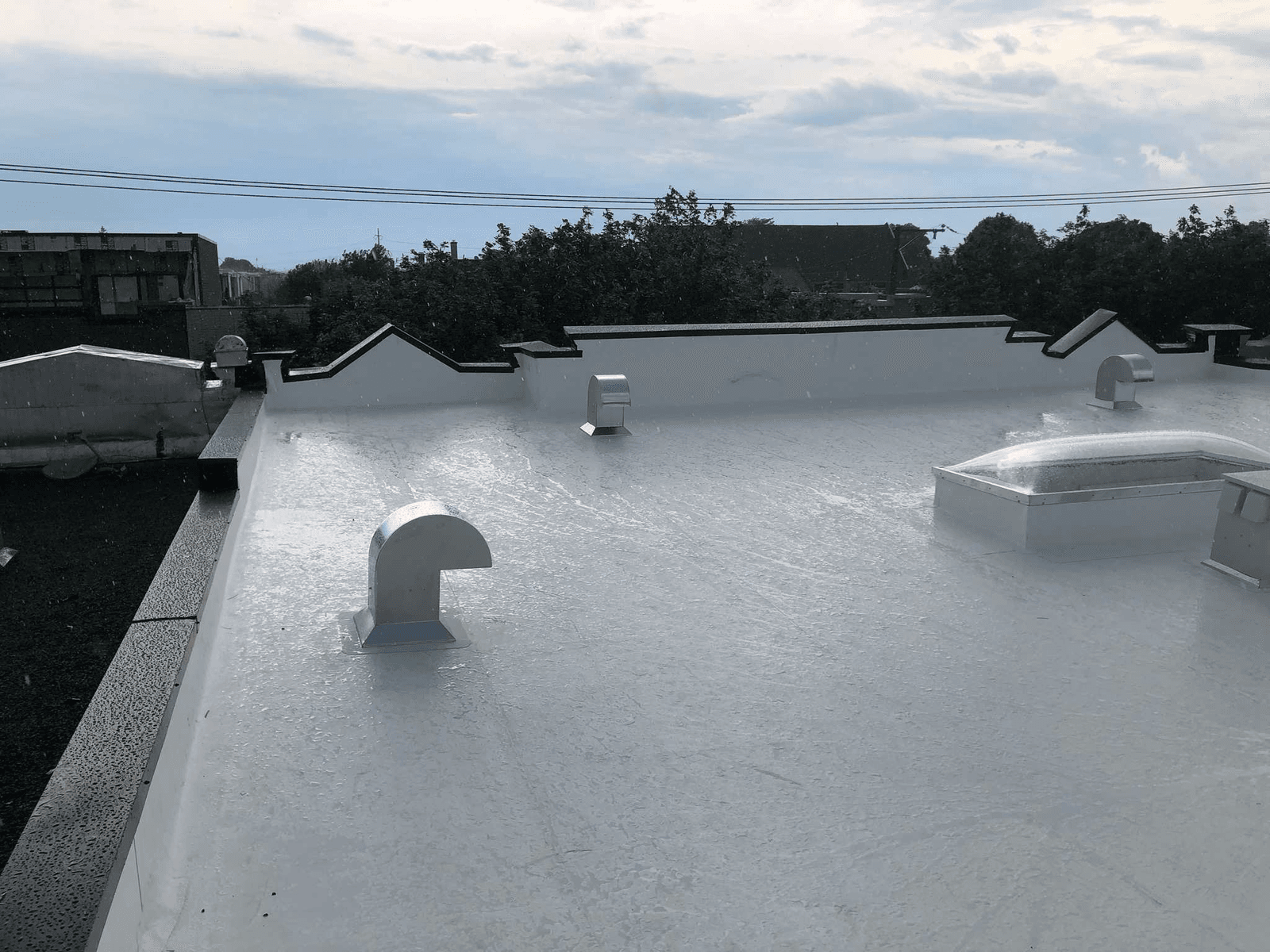
Source: PC QUALITÉ TOITS Inc
Energy characteristics of a white roof:
A dark, low-reflectance roof can absorb a large portion of solar radiation and reach substantially higher surface temperatures than a reflective roof.
The surface temperature of a dark membrane in summer can reach 70°C to 80°C
White reflective roof (white elastomeric membrane / high SRI): reduces heat absorption
A high-reflectance roof can remain significantly cooler than a dark roof under strong sunlight; the actual difference depends on the product, outdoor temperature, and exposure conditions.
A reflective roof can reduce air-conditioning demand, although actual savings vary considerably depending on the building, insulation levels, climate, and mechanical systems.
In some municipalities and boroughs, particularly in Montréal, replacing a flat roof is subject to roof reflectance requirements or the type of roofing material allowed. Requirements vary by borough, building, and scope of work, so check local regulations before selecting a membrane.
A white elastomeric membrane uses light-coloured surface granules or a reflective acrylic coating. A highly reflective membrane can cost more than a standard membrane, although the premium depends on the product, manufacturer, and roofing system.
Benefits can include:
Helping protect the building against summer overheating
Reducing the cooling load on air-conditioning systems or heat pumps
Limiting premature ageing caused by ultraviolet radiation
Check with your municipality before signing a contract to make sure the selected roofing membrane complies with local requirements.
Benefits of Elastomeric Membranes in Canadian Climates
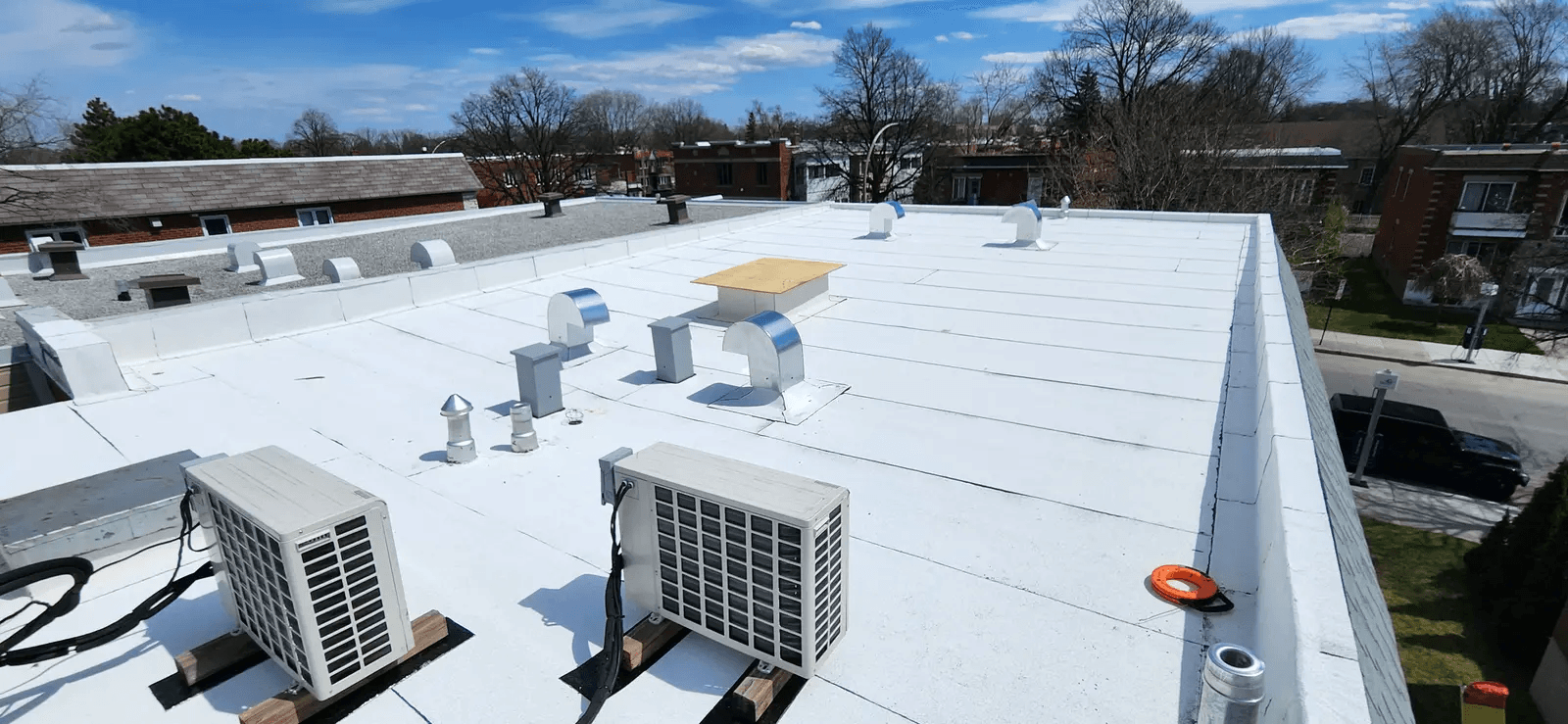
Source: Toitures J.S.B. inc.
Canadian climates can place substantial stress on roofing materials because of large temperature swings, snow, and freeze-thaw cycles. In Quebec, the annual temperature range can exceed 60°C, with winter temperatures 30°C below zero and summer temperatures above 30°C.
Key advantages of elastomeric membranes in these conditions:
Greater flexibility: The material’s flexibility helps it accommodate movement caused by temperature fluctuations.
Freeze-thaw resistance: SBS-modified bitumen membranes maintain good flexibility at low temperatures, helping them withstand thermal stresses.
Heat-welded seams: When properly installed, heat-welded overlaps maintain the continuity of the waterproofing system.
Cold-weather performance: SBS membranes are designed to remain flexible at low temperatures, although the roof still requires proper drainage and should not be subject to prolonged standing water.
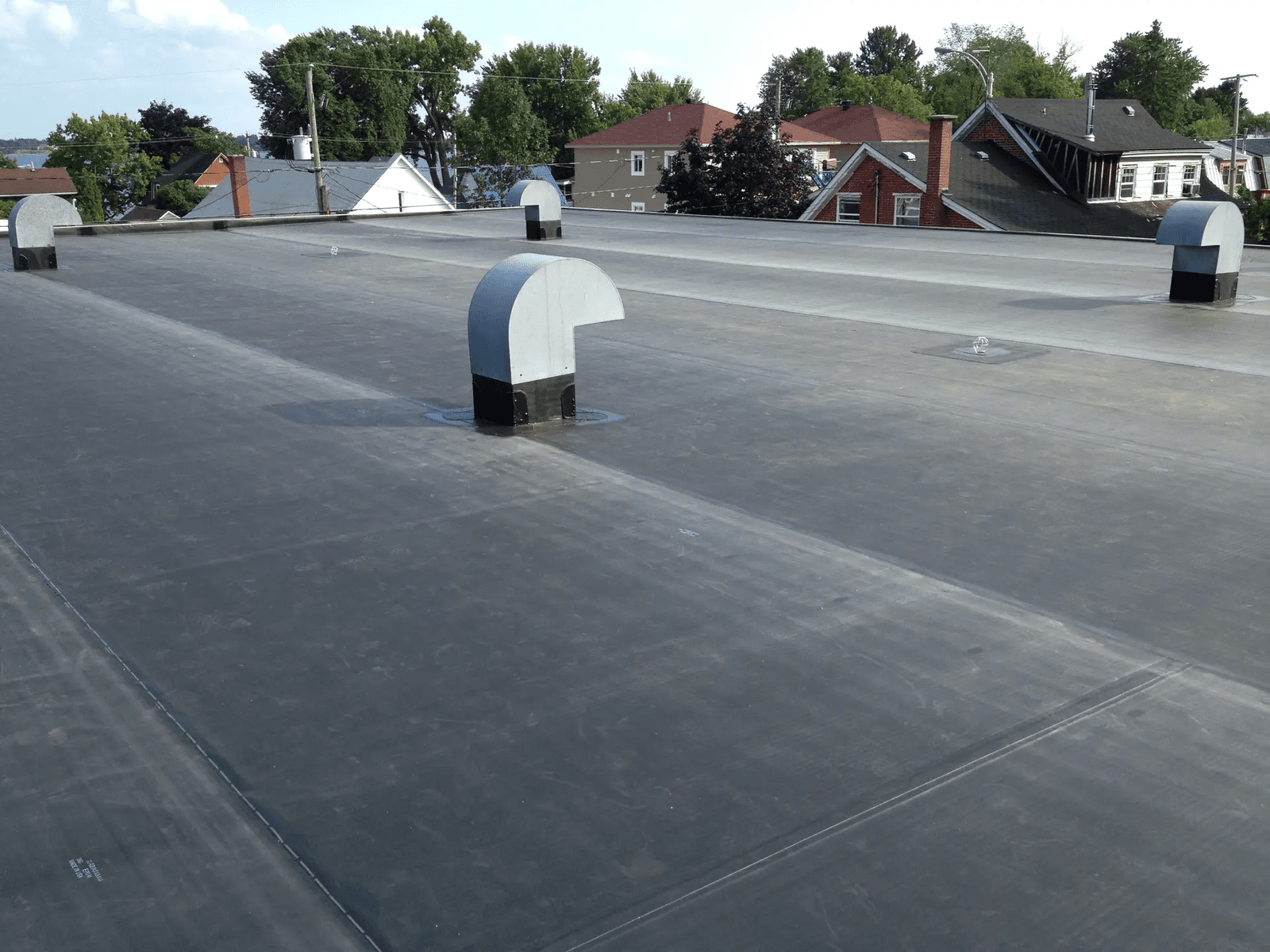
SBS polymers (styrene-butadiene-styrene) added to bitumen give elastomeric membranes excellent flexibility at low temperatures. Unlike rigid plastics or oxidized asphalt, which can become brittle in cold conditions, elastomeric membranes can accommodate natural movement in a wood roof deck while maintaining their waterproofing performance.
Flat Roof Replacement Steps and Choosing a Qualified Roofer
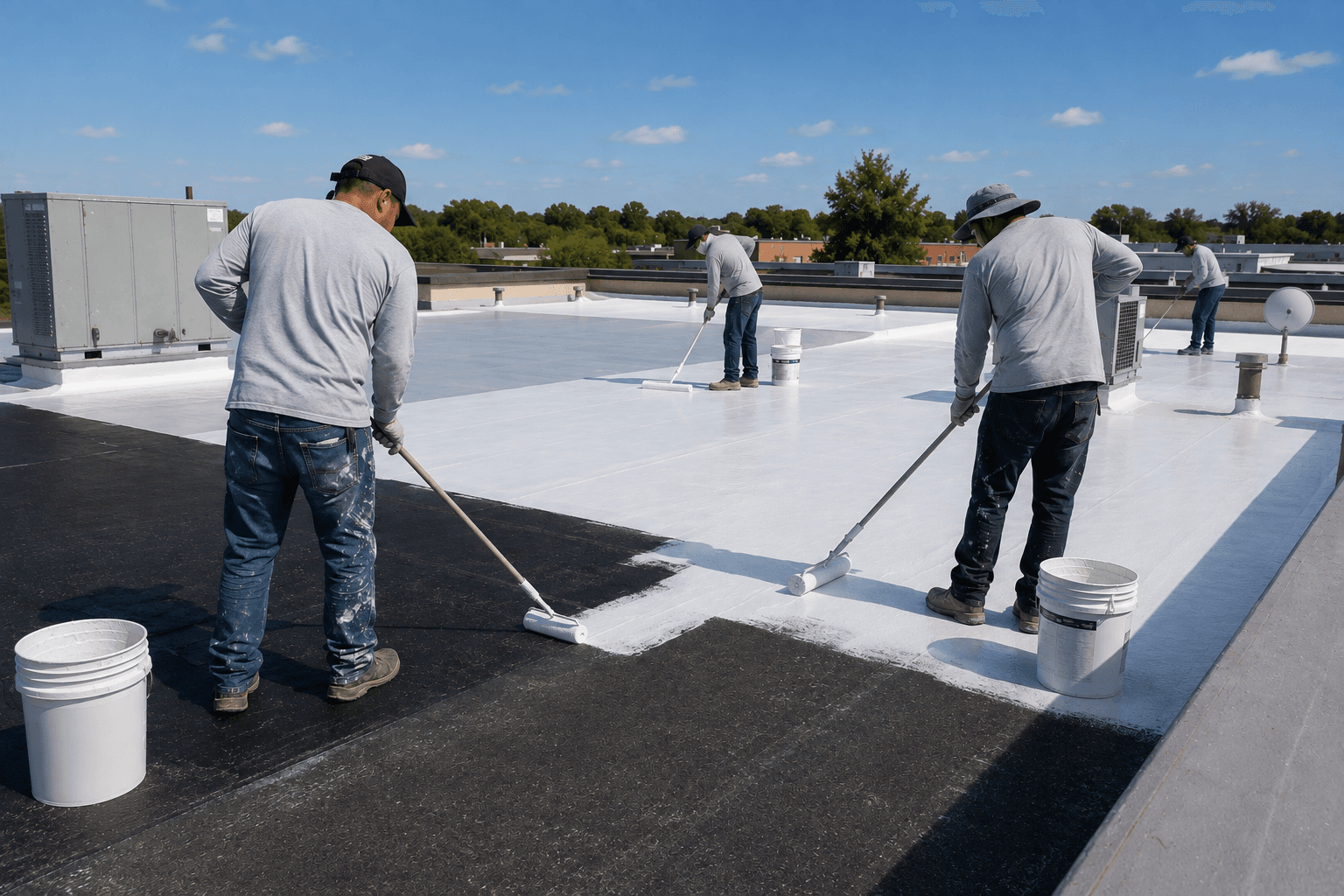
Source: RenoQuotes
A flat roof replacement is specialized work. The building’s watertightness depends as much on proper installation as it does on the quality of the roofing materials.
A typical roof replacement may involve:
Step 1: Protecting the site and setting up material-handling equipment
Step 2: Removing the existing asphalt-and-gravel or membrane roofing
Step 3: Inspecting the structure and replacing damaged roof decking
Step 4: Installing insulation and, when required, tapered insulation panels to direct water toward the drains
Step 5: Fastening or adhering the base sheet
Step 6: Installing the cap sheet according to the selected membrane system
Step 7: Connecting roof drains, completing flashing details, and cleaning the site
Checking Contractor Qualifications
Contractor licensing, certification, insurance, and worker qualification requirements vary across Canada. Homeowners should verify the requirements that apply in their province or territory before hiring a roofing contractor.
In Quebec, roofing work is subject to specific legal requirements:
Valid RBQ licence: Verify that the contractor holds a licence covering the work being performed, including subcategory 7.0 (Insulation, waterproofing, roofing and exterior siding contractor), if applicable.
Liability insurance: Before work begins, verify that the contractor carries adequate liability insurance and that the policy covers the installation methods being used, including open-flame work when a membrane is torch-applied. Ask for proof of insurance and check applicable exclusions.
CCQ competency certificates: When the work falls under the Act R-20, workers must hold the appropriate competency certificate, subject to applicable exemptions.
To reduce the risk of problems, use a contractor referral service to find a qualified roofer with pre-vetted credentials.
Additional Costs and Long-Term Maintenance
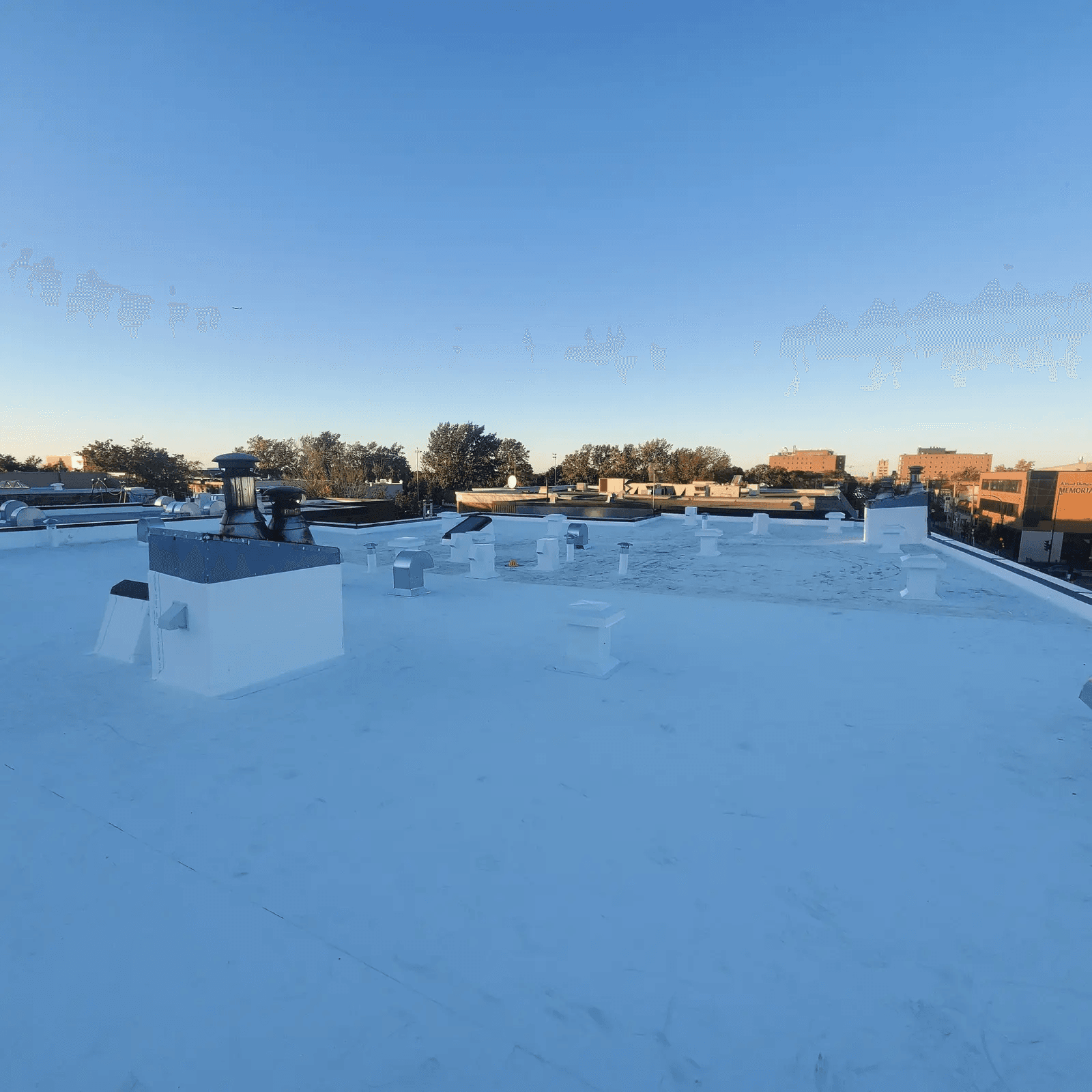
Source: PC QUALITÉ TOITS Inc
When reviewing roofing quotes, make sure they account for technical components that are sometimes overlooked but can have a major impact on the roof's durability.
Possible additional costs include:
Central roof drain replacement: $600 to $1,500
Skylight installation or repair: $1,200 to $2,800
Parapet metal flashing replacement: $15 to $25 per linear foot
Cable penetration or ventilation flashing installation: $150 to $300 per unit
Replacing the Roof Drain
The central roof drain is a key part of the drainage system on a flat roof. During a roof replacement, the existing drain should be inspected. If it is corroded, damaged, or unsuitable for the new roofing system, replacement may be recommended. The drain, strainer, and connections must be compatible with the drainage system and properly sized.
Regular Preventive Maintenance
Although elastomeric membranes require relatively little maintenance, regular visual inspections—ideally in spring after the thaw and again in fall before winter—are strongly recommended by the Association des maîtres couvreurs du Québec (AMCQ).
Maintenance generally includes:
Cleaning leaves and debris from the roof drain strainer
Checking sealants around ventilation penetrations and skylights
Inspecting welded seams around parapets
Proper roof maintenance can help maximize the service life of a two-ply elastomeric membrane and allow waterproofing problems to be identified early.
To plan your roof replacement under the right conditions and at a fair price, start by comparing roofing contractor quotes in Quebec.
Looking for something else?
Related articles
The latest industry news, interviews, technologies, and resources.
Cynthia Pigeon
•16 Jul 2024
In northern countries, like Canada, where the weather is cold and the land is snow-covered, it’s important to present air and water infiltrations by appropriately shielding rooftops.

Editorial Team
•01 Dec 2025
Metal roofs, particularly pre-painted galvanized steel, are among the strongest and most durable on the market. They can last between 60 and 100 years, providing long-term protection for your home. Despite this durability, they remain susceptible to corrosion, temperature fluctuations, and weather conditions. Like any roof, regular maintenance is necessary to preserve both their efficiency and appearance.
Editorial Team
•05 Dec 2025
Energy efficiency in a home is a key issue, especially during the winter months, and even more so if it is an older structure. Having effective insulation is frequently listed as the first step to reducing heating costs.
Editorial Team
•08 Nov 2023
If you’re lucky enough to have a deck or an outdoor space of some kind adjacent to your home, you also know, without a doubt, that it’s a huge responsibility. While a deck is a super-valued and sought-after commodity, it can also quickly turn into a thing of pure chaos.

Editorial Team
•08 Nov 2023
Thermally insulating your roof is absolutely necessary to prevent temperature variations. Since the roof makes up the largest enclosure that’s in direct contact with the outside, thermal losses can reach up to 30% in the event of poor insulation.