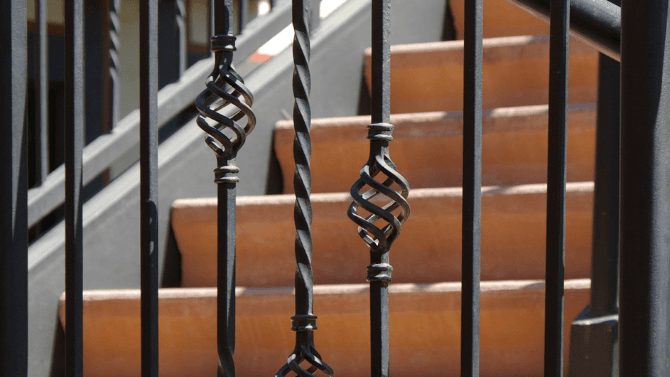
Having a wrought iron staircase on the exterior of any home is lucky. Wrought iron staircases are beautiful pieces that add to the resale value of the property as a highly sought-after item. This type of staircase is forever, with limitless design options. They do not show dust and are easy to clean and to maintain.
However, like most metals, if wrought iron isn't correctly looked after, it will rust and deteriorate. Neglecting to notice changes taking place such as loose components, misaligned pieces, sagging as well as broken railings can lead to serious problems which will become more difficult to fix the longer they're left as is.
Find out how to repair your wrought iron staircase
Wrought Iron fighting the Elements
Although wrought iron is gorgeous, it needs to be carefully looked after in order to maintain its' elegance. When left untreated and unprotected from the elements, it will begin to decay. Depending on the amount of damage, the restoration and reparation methods, as well as the costs, will vary.
When a wrought iron staircase is outside, a few things can occur that lead to its deterioration. Firstly, if the railings have been set in precast cement, it is common for the cement to corrode around the base, causing rainwater to pool around the iron, which leads to rust and deterioration at the bottom of each railing. This often leaves the main part of the railing in good shape, as damage is concentrated to the base.
Another way that wrought iron railings sustain damage is general rust and peeling paint along the body. Both forms of deterioration are easily treatable, though you should make sure to check how bad the damage is before moving forward with any form of reparation. If you find the railing itself is unsafe, then it is recommended to speak to a professional!
Repairing a Wrought Iron Staircase: the main steps
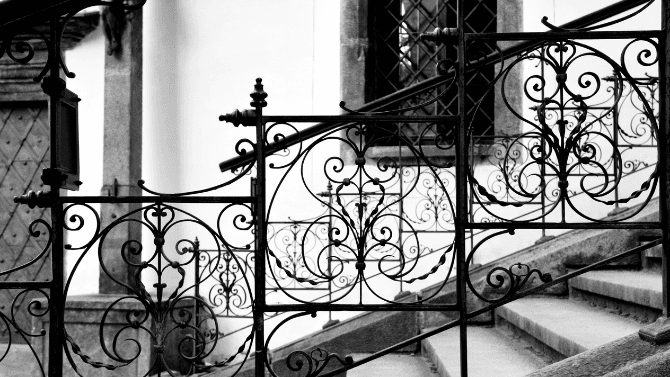
Source : Canva
1) Remove the ramp
If you've found that the damage isn't too bad, you can move forward with the repairs. If only the bottom is damaged, the entire railing can be removed from its place by cutting with a saw or bending to break free. Make sure to drill out pieces of old railing that are left in the cement. This can be done with a hammer-drill.
2) Fill in the empty spaces
Now, the bottoms of the railing will be missing. One can bridge the gap by inserting a threaded rod at either end of the rail. An alternative method is to squeeze bonding adhesive into pre-purchased hollow railing legs and insert leg extensions into the bottom of the railing. Either method works, though the cost of the job will vary depending on the materials you choose.
3) Prime the metal and conceal the repair
Prime any raw steel leftover from this job, so that it won't rust. Following this, use an auto-body filler to hold the rod in place and mask the repair. The filler should be sculpted to mimic the shape of the rail and can be sanded once it hardens. Then, you are welcome to go ahead and paint the auto-body filler to match the colour of the rails.
4) Finish repairing and apply the new coat of paint
Before reattaching the railing in place, it is necessary to refinish and repaint it. If you found the railing to have any peeling paint or rust on the body, now is the time to remove it. A pressure washer works for this job but isn't an accurate method to remove paint. In order to remove paint and rust accurately, you will need a wire brush that attaches to a drill.
With this tool, excess rust and paint should fall away easily. Following the removal of excess paint and rust, your iron railings should be sprayed with a rust-inhibiting primer, followed by two coats of quality oil-based enamel to help extend the longevity of the railing.
In Canada, indoor wrought iron staircases are not as common as the outdoor railings. However, they do exist here and there. Indoor wrought iron will not deteriorate as quickly or harshly, as it does not deal with the same elemental stresses. With that in mind, it is still important to take care of your indoor wrought iron elements, as they could chip, rust and begin to fall apart if they aren't correctly looked after. The reparation method for indoor or outdoor staircases is the same, so proceed accordingly.
Costs to Repair a Wrought Iron Staircase

Source : Canva
The cost of repairing a wrought iron staircase will differ greatly depending on the amount of damage done to both the surrounding staircase or base, as well as the railings themselves. For a simple DIY job as listed above, costs can run anywhere from $10-200 for the materials needed, depending on the materials chosen.
If you are replacing the spindles, the cost will vary greatly depending on the pattern you choose, as more intricate patterns run at higher costs. In Canada, on average, an individual spindle unit can run anywhere from $10-35 at basic home store retailers, while custom designs run much higher. It is important to do significant research before purchasing, or contact a professional and have them quote you on a price for the entire job.
Recap of the steps to repair a wrought-iron staircase
Repairing a wrought-iron staircase |
1. Remove the ramp |
2. Fill in the spaces |
3. Prime the metal and conceal the repair |
4. Complete the finishing steps and apply the new paint |
Looking for something else?
Related articles
The latest industry news, interviews, technologies, and resources.

Amanda Harvey
•14 May 2026
Remoulding and upgrading your home is a necessary venture every once and a while. There are plenty of reasons why you might choose to renovate your home, including wanting to add space, upgrading surfaces and materials or because your home needs appliances to function smoothly. Of course, any form of home renovation is a big undertaking, and oftentimes, several important aspects are overlooked.
Editorial Team
•11 May 2026
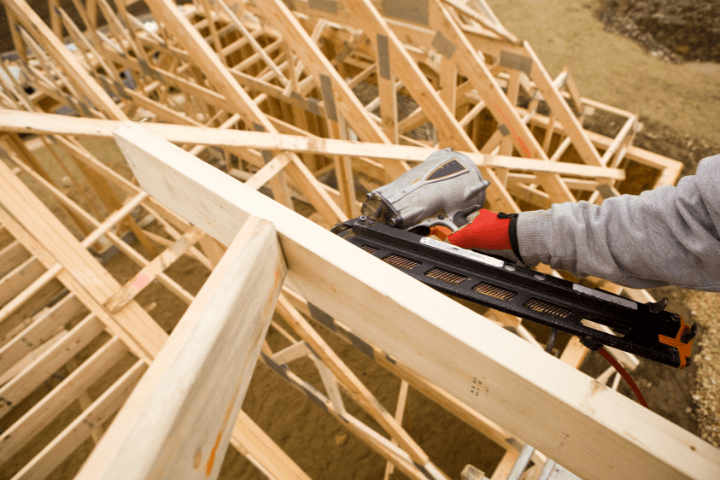
A framing nailer, or nail gun, is defined as the standard tool used to streamline jobsites. Discover the material and tools needed to efficiently nail your framing together.
Editorial Team
•30 Jun 2026
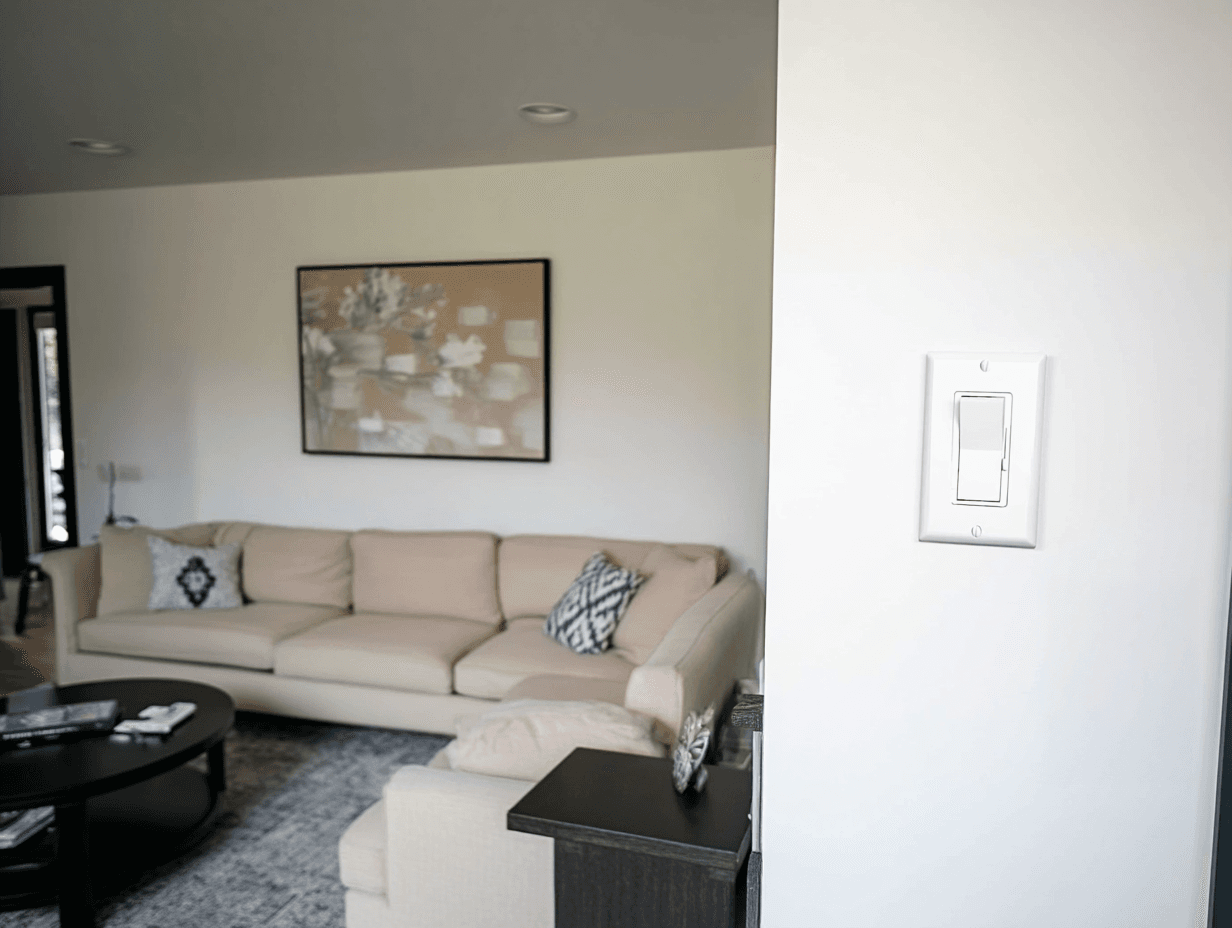
A 3-way switch lets you control the same light fixture from two different locations. It is commonly used in staircases, hallways, basements, garages, and rooms with more than one entrance.

Editorial Team
•08 Nov 2023
Building a house involves a series of steps, the first one being earthwork, which consists of cleaning and preparing the land on which the structure will be built. Next up, pouring the foundation, which is a crucial step that ensures the solidity of the structure and the house’s structural strength through the years.

Editorial Team
•06 Feb 2024
Vinyl paint is grouped with similar water-based coatings and is considered a high-quality paint. From its adherence to its coverage, but ultimately, its ability to texturize surfaces makes it a decorator’s dream.