Home Renovation Cost in Canada in 2026: Price per Square Foot Guide
By Cynthia Pigeon
Updated on May 11, 2026

In 2026, the cost of residential renovation in Canada generally ranges from $10/sq. ft. for minor cosmetic updates to over $250/sq. ft. for major reconstruction projects. For a standard full-home renovation (including kitchen and bathroom), the average budget typically falls between $125 and $175 per square foot. These prices reflect recent increases in labour costs across provinces, as well as continued pressure on construction material prices nationwide.
Cost of Home Renovation per Square Foot in Canada
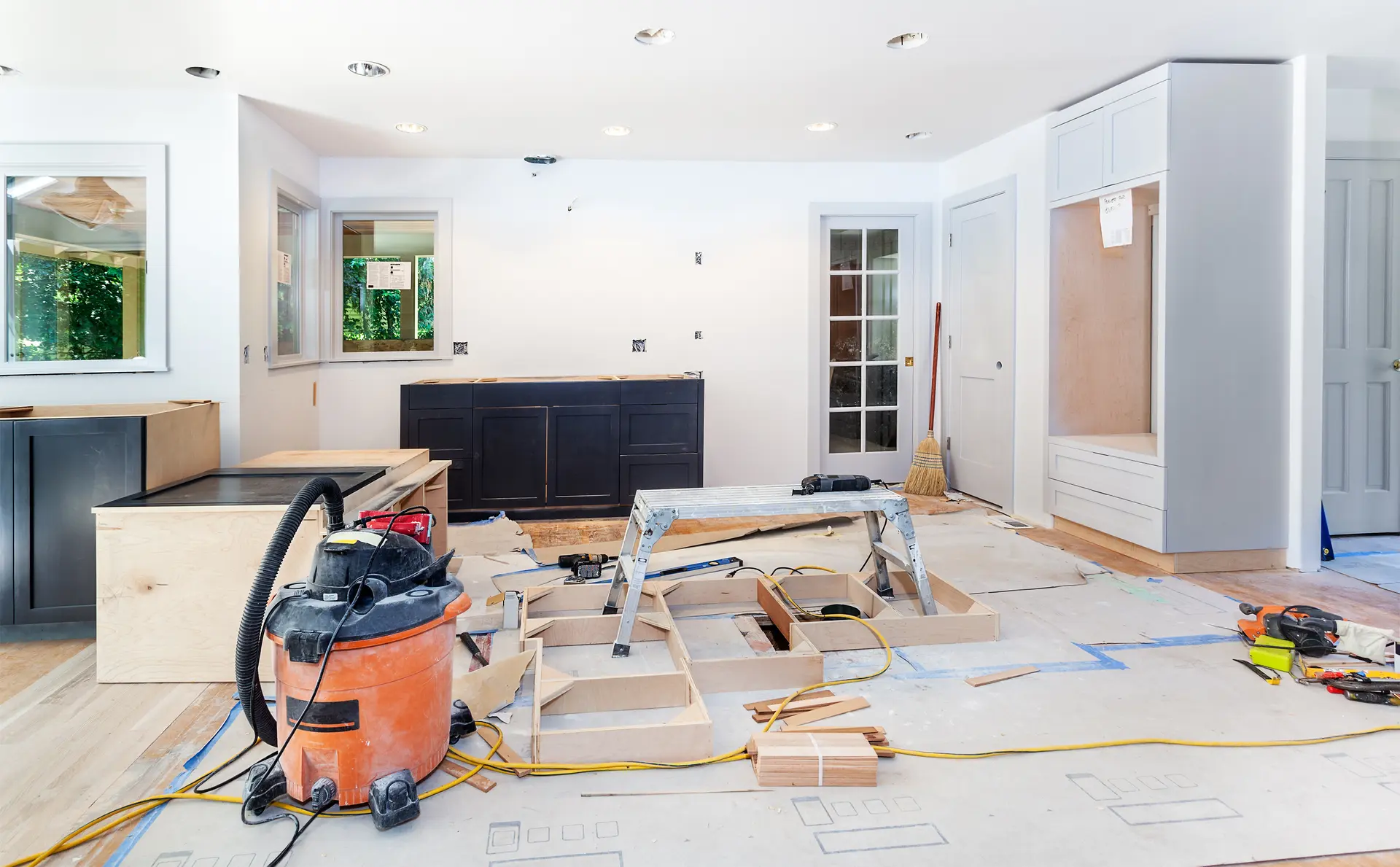
Source: H Man Reno
Estimating renovation costs per square foot is the fastest way to assess project feasibility before requesting detailed quotes. In 2026, Canada’s construction industry is facing a new reality: higher labour costs driven by provincial regulations and union agreements, combined with stabilized—but still elevated—material costs.
Whether you’re upgrading a 1970s bungalow or renovating a duplex in Toronto or Vancouver, understanding the scope of work is essential to avoid costly surprises.
Comparison Table: Cost per Square Foot by Project Scope
Below are updated national averages for 2026. Note that prices are before taxes (GST/HST applies depending on your province).
Type of Renovation | Cost per sq. ft. | Examples of Work |
Light (Cosmetic) | $10 – $45 | Painting, floor refinishing, lighting updates |
Intermediate (Partial) | $55 – $140 | Kitchen, bathroom, removing non-load-bearing walls |
Major (Full Gut) | $150 – $260+ | Structure, insulation, electrical, plumbing, finishes |
Addition / Second Storey | $300 – $450 | Foundation, roofing, full building envelope |
Light Renovation ($10 to $45/sq. ft.): Paint and Finishes

Source: Finition 3 Inc.
This category is ideal for homeowners looking to revamp their space without modifying structural or mechanical systems.
Typical work: Full interior painting, replacing trim and baseboards, repairing drywall imperfections, and installing new flooring (laminate or vinyl).
Budget impact: DIY work is most cost-effective at this level. When hiring professionals, most of the cost comes from surface preparation.
Intermediate Renovation ($55 to $140/sq. ft.): Kitchen and Bathroom
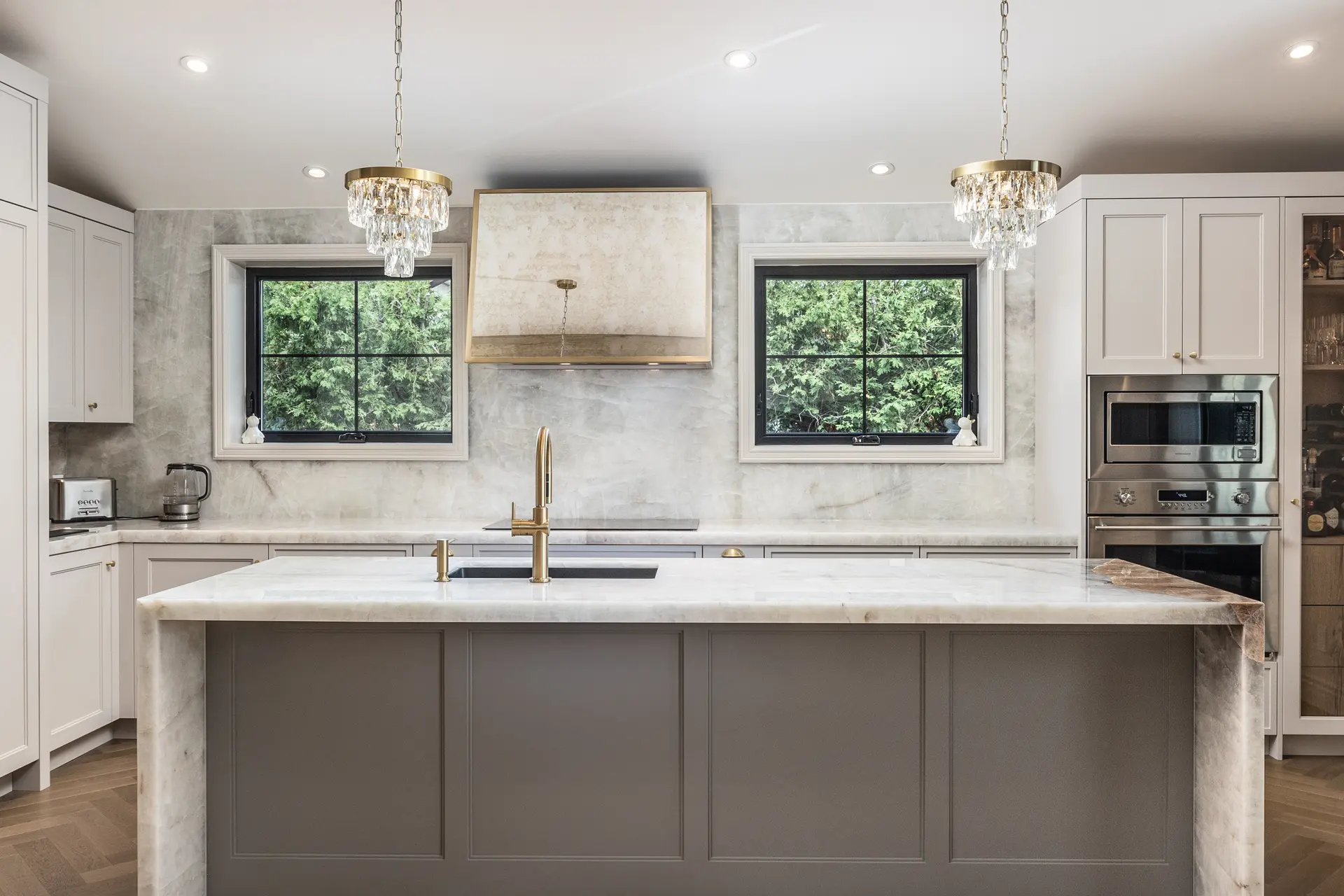
Source: Besta Kitchens
This area often drives up costs due to the number of systems and materials required.
Complexity: A 150 sq. ft. kitchen project can easily reach $40,000 (about $266/sq. ft. for that room alone), while surrounding spaces help lower the overall average.
Materials: Choosing between stock cabinetry and custom-built units with quartz countertops will significantly impact pricing.
Major Renovation or “Full Gut” ($150 to $260+/sq. ft.)

Source: 2626985 Ontario Limited
A major renovation involves stripping the home down to its core.
Structure: Removing load-bearing walls typically requires engineered plans stamped by a licensed professional engineer. Costs generally range from $2,500 to $4,500 for engineering alone.
Systems: Full replacement of electrical systems, plumbing (PEX or copper), and insulation to meet current building codes.
Compliance: Across Canada, this type of project requires hiring properly licensed contractors, with requirements varying by province (e.g., licensing bodies or certification programs).
Factors That Influence Renovation Costs
Age of the property: Older homes may contain asbestos or outdated wiring (e.g., knob-and-tube), adding 15% to 25% in remediation costs.
Region: Costs in major cities like Toronto, Vancouver, and Calgary are typically 10% to 20% higher than in smaller regions due to labour demand and logistics.
Accessibility: Renovating a condo in a high-rise without elevator access can significantly increase costs compared to a suburban home.
Labour Costs in 2026: A Major Cost Driver

Source: Menuiserie CJV
Across Canada, labour costs have increased steadily due to workforce shortages and rising wages.
Typical rates: For skilled trades such as electricians or plumbers, hourly rates billed by contractors generally range between $100 and $150 per hour, depending on the region.
Impact: Labour now represents approximately 60% of total renovation costs, making it the dominant factor in most projects.
How to Calculate Your Total Renovation Budget in Canada

Source: RenoQuotes
To estimate your total budget before requesting quotes, use this simple formula:
(Square Footage × Cost per Category) + 15% (Contingency) + Applicable Taxes = Total Budget
Example (1,000 sq. ft. main floor, intermediate renovation):
Work: 1,000 × $90 = $90,000
Contingency: $13,500
Taxes (GST/HST varies): ~$5,000 to $13,000
Total: ~$108,000 to $116,000
Bear in mind that some renovation projects—especially those related to insulation, heating systems, or energy efficiency—may qualify for financial assistance through provincial energy efficiency programs (vary by province). These incentives can reduce your total project cost by several thousand dollars.
Conclusion: Plan Smart to Maximize Your Investment
In 2026, renovation costs across Canada vary significantly depending on project scope, materials, and regional factors. To stay on budget, it’s essential to clearly define your priorities, plan for contingencies, and compare multiple quotes. With proper planning, you can optimize your investment and ensure long-term, high-quality results.
Looking for something else?
Related articles
The latest industry news, interviews, technologies, and resources.

Editorial Team
•08 Nov 2023
Organic materials such as wood, drywall boards, and dust combined with water or moisture for more than 48 hours become favourable environments for mould growth.

Cynthia Pigeon
•18 Jun 2026
Undertaking a home renovation project is exciting, but it also comes with financial and logistical risks. Whether you're updating your kitchen, adding a second storey, or taking on a full self-build project, changing the structure or value of your home can affect your insurance coverage. Across Canada, homeowners must also contend with regional weather risks, from freeze-thaw cycles and heavy rainfall to windstorms and flooding, making adequate insurance coverage essential to protect their investment.

Editorial Team
•08 Nov 2023
With the bathroom being such a frequently used spot within your home, it’s only natural that it will suffer from the wear and tear of daily usage. This wearing will only be compounded the more people frequent it so that makes keeping your bathroom in top shape an absolute must.
Editorial Team
•11 May 2026
Are you dreaming of sun-filled summer days? What better than a jaw-dropping outdoor kitchen to make the most of it? But first, how does one go about getting such a large-scale project off the ground? Well, the answer couldn’t be simpler: by following a few paramount tips!
Cynthia Pigeon
•14 Jul 2026
The return of warmer weather across Canada often brings a desire to make the most of the backyard. Whether you are planning to build a new patio or completely renovate an existing deck, one fundamental question should be addressed from the outset: what type of foundation will support the structure?