How Much Does Asbestos Abatement Cost per Square Foot in Canada?
By Cynthia Pigeon
Updated on July 18, 2026
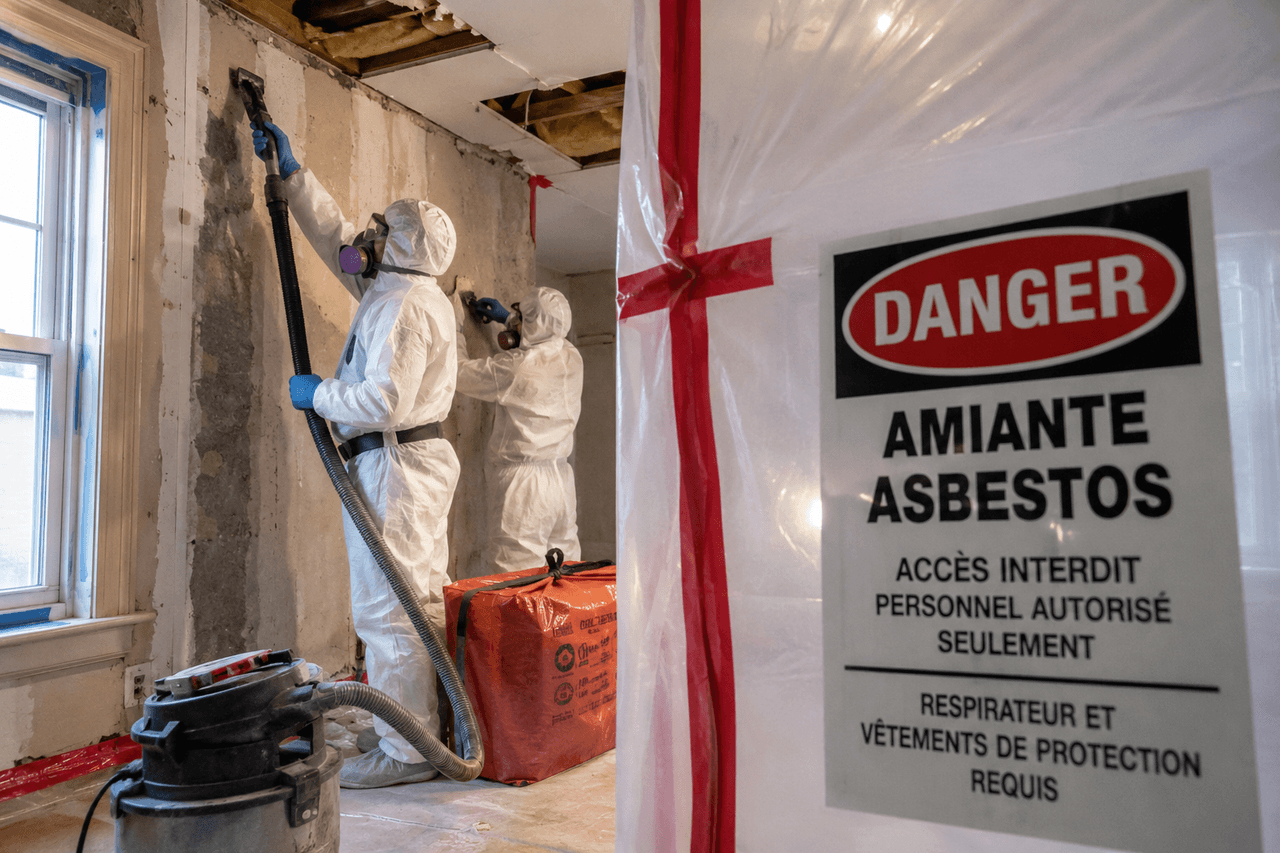
For buyers of older homes, property managers, or homeowners planning major renovations in Canada, the word “asbestos” often raises concerns. Asbestos was widely used in various Canadian building materials, particularly before 1990, because of its insulating, fire-resistant, and durable properties.
The discovery or suspected presence of asbestos should lead to an immediate halt to any work that could disturb the affected material. The area should then be assessed and the materials tested before work resumes. The mere presence of an asbestos-containing material does not necessarily require all work throughout the building to stop. Health Canada notes that asbestos-containing materials generally do not pose a significant risk when they are in good condition and left undisturbed.
How Much Does Asbestos Abatement Cost in Canada in 2026?
Source: Mike Construction
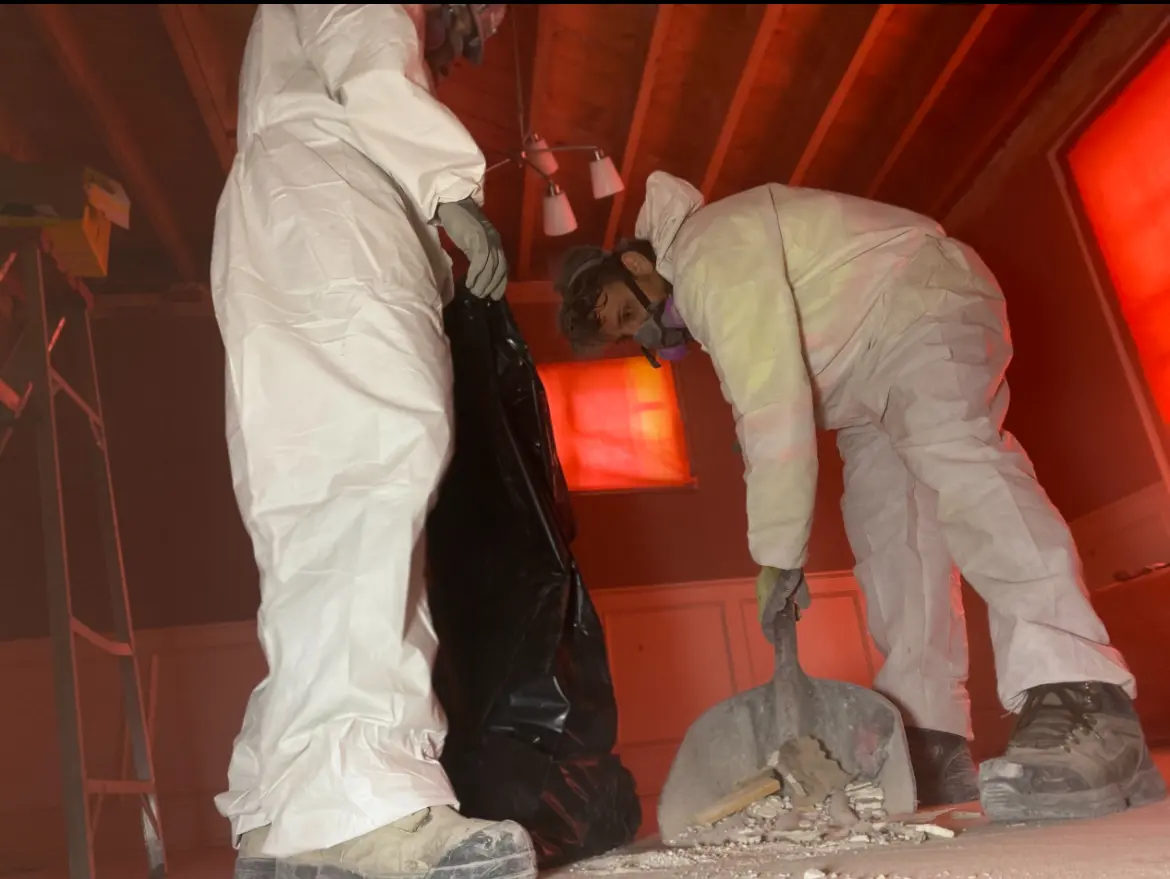
The budget required for asbestos abatement varies considerably from one project to another. It is impossible to establish a single price because removing asbestos-containing floor tiles does not require the same technical measures as vacuuming contaminated insulation from beneath roof rafters.
Based on estimates generally observed in the Canadian market in 2026, asbestos abatement costs can be divided into broad price ranges per square foot or per project:
Type of Material | Characteristics and Potential Risk Level | Estimated Average Cost per Square Foot or Project |
Vinyl floor tiles (9 × 9 or 12 × 12 inches) | Non-friable | $10 to $20/sq. ft. |
Asbestos-containing drywall and joint compound | Risk level varies according to the removal method | $20 to $45/sq. ft. |
Asbestos-containing plaster | Friability and risk level vary according to its condition and removal method | $30 to $75/sq. ft. |
Sprayed-on fireproofing or thermal pipe insulation | Highly friable | $40 to $85/sq. ft. |
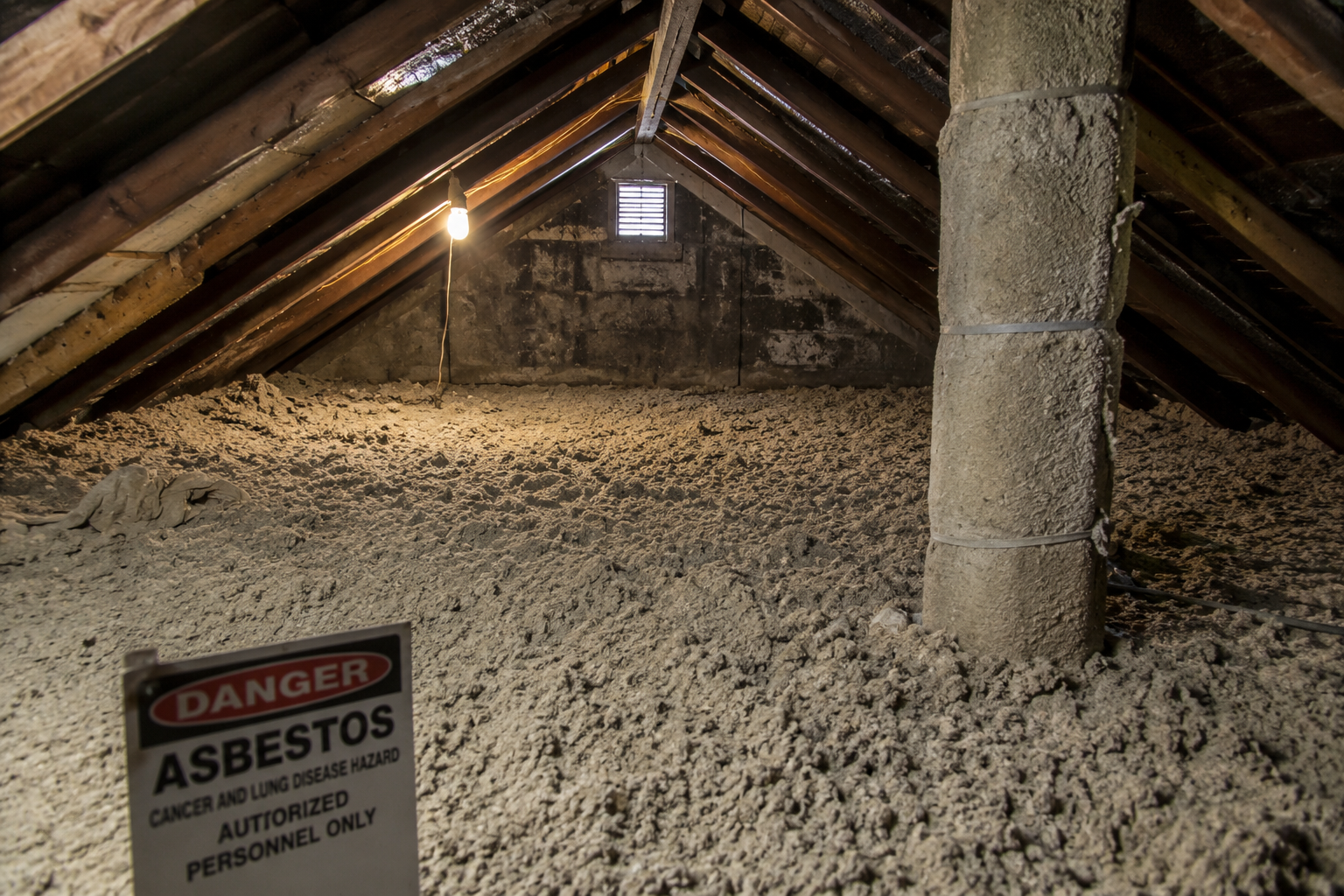
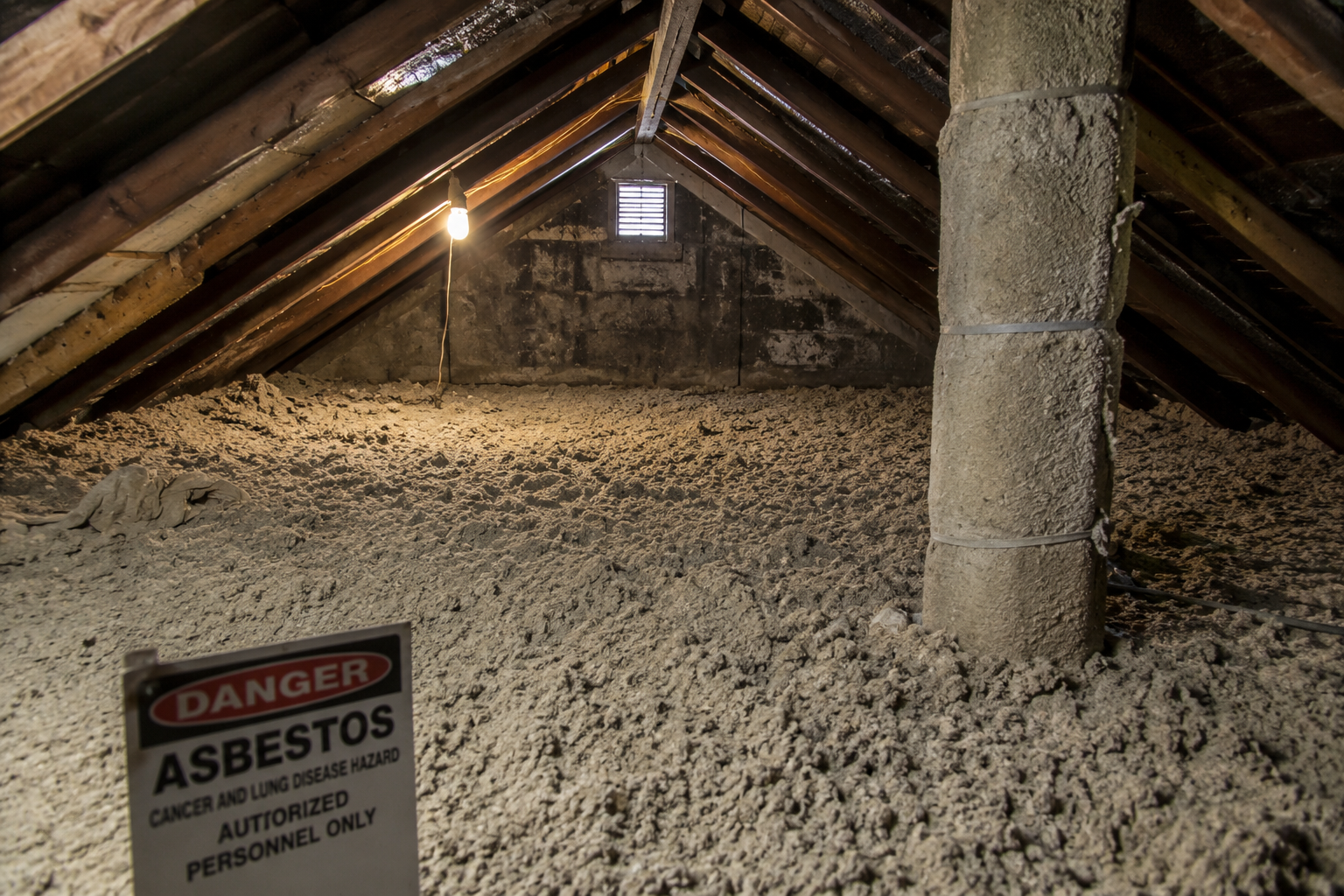
Vermiculite insulation (Zonolite) in the attic | Friable; may spread into adjacent cavities | $4,000 to $11,000 per project |
Note: These prices are indicative estimates compiled from market data and residential project quotes. They are not an official pricing schedule and may vary considerably depending on the project, region, contractor availability, and required safety measures.
For example, removing 200 square feet of wall surfaces containing asbestos-contaminated drywall or plaster may cost between $6,000 and $15,000, depending on the material, risk level, and required containment measures.
Before undertaking a complete renovation of your living space, it is wise to include these expenses in your home renovation budget to avoid unexpected costs once work is underway.
Key Factors That Affect Asbestos Abatement Costs per Square Foot
Source: Démo Solution
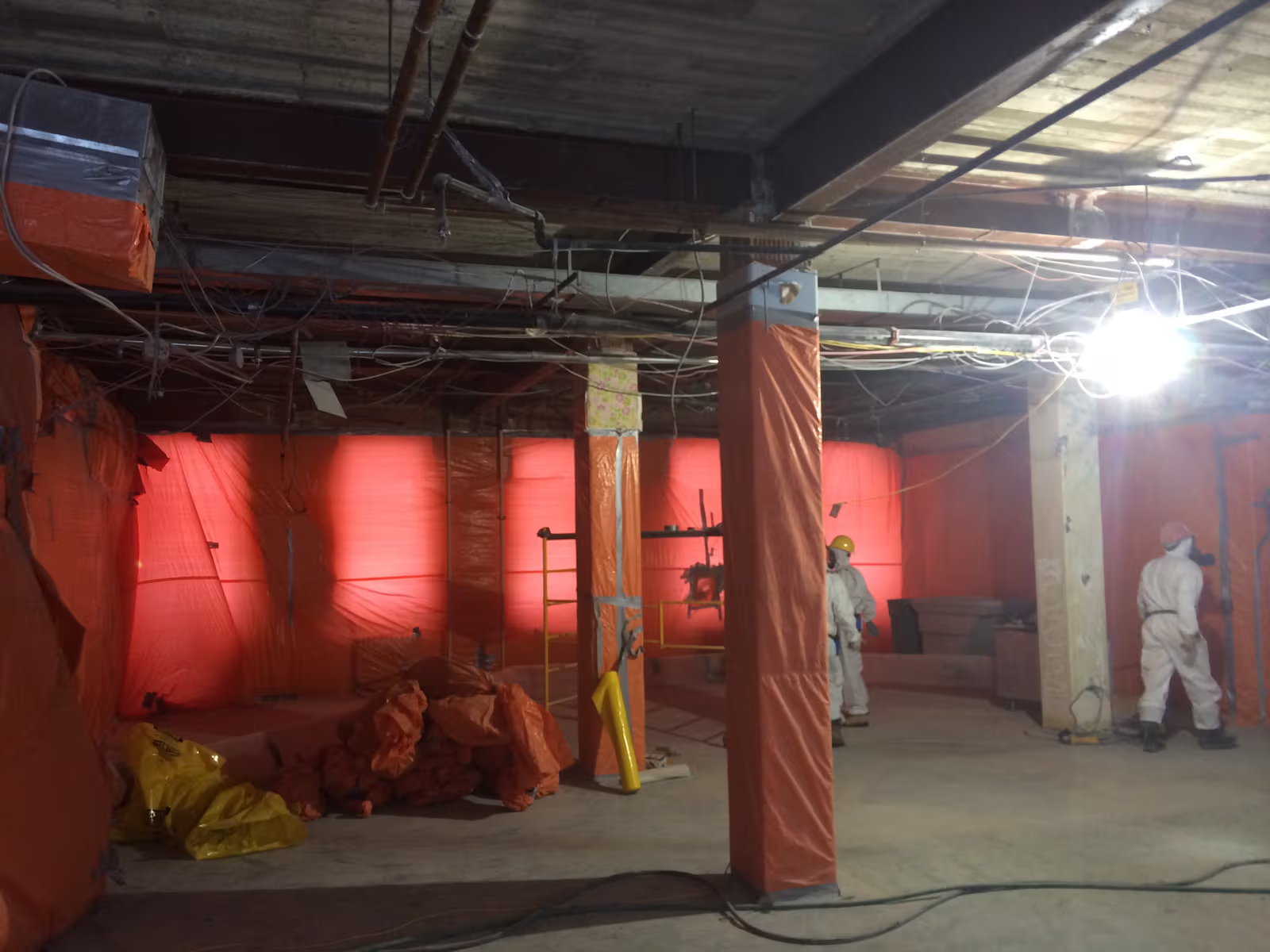
The cost per square foot generally decreases as the total size of the project increases. This is due to economies of scale: the fixed costs of preparing an asbestos abatement site may be similar for a small room and an entire floor, causing the unit price to decrease on larger projects. However, several technical variables can affect the final bill.
Site accessibility: A low, confined attic that is difficult for technicians wearing personal protective equipment to access requires more labour than an open, unobstructed basement. The time required to run vacuum hoses and handle sealed disposal bags directly affects labour costs.
Architectural configuration: Spaces containing numerous corners, built-in closets, or stairwells require more complex cutting and containment work, increasing the cost per square foot compared with a large, flat, uniform surface.
Other building systems that must be disconnected or relocated: If the affected walls contain ventilation ducts, plumbing pipes, or active electrical circuits, the asbestos abatement contractor may need to coordinate the work with other qualified trades, increasing the project’s overall cost.
Friable vs. Non-Friable Materials: A Major Cost Difference
Source: Isolation Toit
The significant price difference between types of asbestos abatement is largely based on a fundamental scientific and regulatory concept: the material’s friability. The more likely a material is to release asbestos fibres when handled, the more extensive the required safety measures may be. However, the risk level also depends on the type of work, the tools used, the amount of debris produced, and the control methods in place.
Non-Friable Materials and Work with Variable Risk Levels
A material is considered non-friable when its asbestos fibres are permanently bound within a solid matrix, such as plastic, bitumen, or cement. As long as these materials remain in good condition and are left undisturbed, they generally present a low risk of releasing fibres. However, deterioration, cutting, sanding, or demolition can release asbestos fibres into the air.
Vinyl floor tiles, asbestos-cement roofing products, and some older exterior chimney flues fall into this category. Their removal generally requires fewer precautions than the removal of friable materials, but containment, ventilation, and protective requirements vary according to the work method and risk classification. Work can often proceed relatively quickly, which helps keep the price between $10 and $20 per square foot.
Friable Materials and Higher-Risk Work
A material is considered friable when it can be crumbled or reduced to powder through hand pressure. In this condition, fibres can be easily released into the air when the material is handled, damaged, or subjected to vibration.
Some traditional plasters, textured acoustic coatings, thermal pipe insulation, and vermiculite insulation may contain asbestos and may be highly friable, particularly when damaged or demolished. Depending on the material, the amount being removed, and the work method used, these projects may be classified as low-, moderate-, or high-risk and may require specialized containment measures. These technical requirements explain why estimated costs may reach $20 to $45 per square foot for drywall and joint compound, and $30 to $75 per square foot for certain asbestos-containing plasters.
Average Cost by Type of Material Being Removed in Canada
Source: RenoQuotes
To better structure your pre-purchase or renovation budget, it is helpful to examine how specialized contractors estimate the cost of removing the asbestos-containing materials most commonly found in Canadian homes.
Vermiculite Attic Insulation (Zonolite)
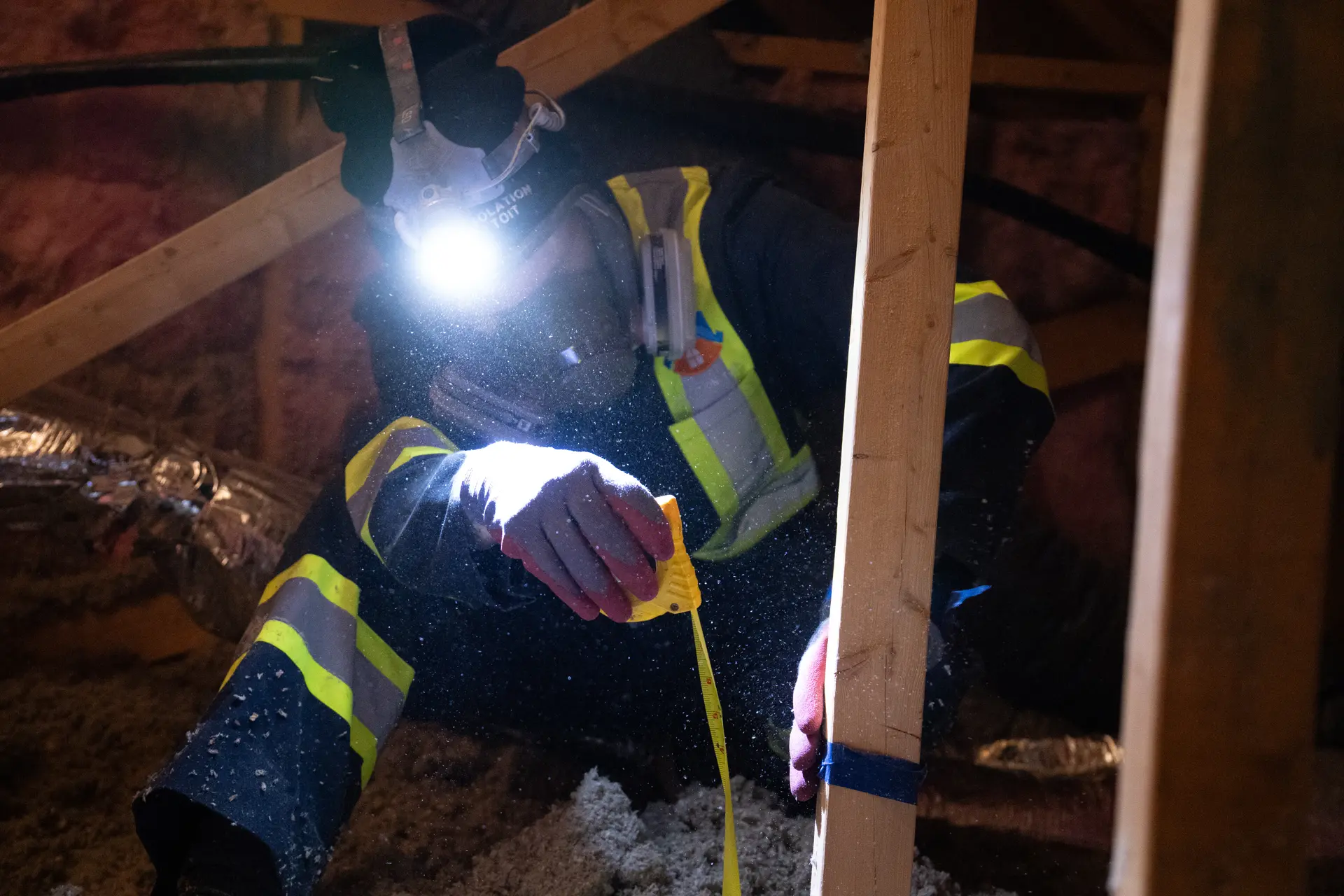
Vermiculite is a loose-fill insulation made up of small brownish-grey granules that resemble lightweight stones or popcorn. A significant amount of the vermiculite insulation sold in North America under the Zonolite brand came from the Libby mine in Montana and may have been contaminated with amphibole asbestos fibres.
Because vermiculite can settle between joists and sometimes migrate behind wall cavities over several decades, removing it requires specialized industrial vacuuming equipment. Contractors typically do not charge by the square foot for this work. Instead, they generally provide a flat project price ranging from $4,000 to $11,000 for a standard detached home, depending on the depth of the insulation and the roof slope. When the attic must be cleared to improve the home’s energy efficiency, make sure the subsequent attic renovation is planned safely after the abatement work is complete.
Asbestos-Containing Drywall and Plaster
In some homes built before 1990, asbestos may be present in the joint compound applied over drywall panels, even when the panels themselves do not contain asbestos. When a wall is demolished, sawing, hammering, or sanding drywall and asbestos-containing joint compound can release significant amounts of dust and fibres. Removal costs generally range from $20 to $45 per square foot, including cutting out the wall surfaces, double-bagging and sealing the waste, and thoroughly cleaning the underlying wood framing.
Vinyl Tiles and Flooring
Older 9 × 9-inch floor tiles and some black bituminous flooring adhesives may contain asbestos, but only laboratory testing can confirm its presence. When tiles can be removed easily without breaking, the price is generally more affordable. If the adhesive must be scraped, sanded, or mechanically removed, the risk classification and required protective measures must be determined according to the tools used, the quantity of material affected, and the dust-control methods in place.
Why Is the Minimum Cost of an Asbestos Abatement Project So High?
Source: RenoQuotes
Many homeowners wonder why a contractor may charge a minimum project price between $2,500 and $3,000 to remove asbestos from only a few square feet, such as the area surrounding an old heating pipe in a basement. This is due to the unavoidable fixed costs associated with safety protocols and the installation of containment areas.
Before removing the first piece of asbestos-containing drywall, the specialized team may have to complete the following steps:
Build a sealed physical barrier: Use membranes and materials that are sufficiently durable and resistant to asbestos fibres to completely isolate the work area from the rest of the home.
Build a sealed physical barrier: Use membranes and materials that are sufficiently durable and resistant to asbestos fibres to completely isolate the work area from the rest of the home.
Set up the required decontamination facilities: For certain high-risk projects, workers may require separate change rooms for street clothing and work clothing, as well as access to a decontamination shower.
This process requires several hours of preparation, expensive equipment that must be inspected and cleaned after every project, and substantial costs related to transporting and disposing of asbestos waste at authorized waste-management facilities.
Legal Requirements in Canada: Workplace Safety, Contractor Qualifications, and Air Testing
In Canada, asbestos management is regulated primarily at the provincial and territorial levels, with requirements intended to protect workers and the public. Before awarding the work, verify that the contractor holds any licence, certification, or registration required in your province or territory and that the workers have completed the training required for work that may release asbestos dust.
Provincial and Territorial Workplace Safety Regulations
Companies performing asbestos abatement must comply with the occupational health and safety legislation and asbestos requirements applicable in the province or territory where the work takes place. Regulations generally classify asbestos work according to its risk level or the procedures being performed, although the terminology and specific requirements vary across Canada. Workplace safety authorities may inspect job sites, require unsafe conditions to be corrected, suspend work, or impose the measures and penalties available under the applicable legislation.
Contractor Licensing and Qualification Requirements
The contractor you hire should hold all licences, registrations, and qualifications required for the proposed work in your province or territory. Requirements vary across Canada and may also depend on whether the project involves demolition, insulation removal, electrical work, plumbing, or other regulated trades. Before signing a contract, verify the contractor’s credentials with the appropriate provincial or territorial authority and confirm the scope of any financial protection or bond that applies.
Final Air Testing for Certain High-Risk Projects
This can be a crucial step in protecting the home’s occupants. At the end of certain high-risk projects, and before the sealed containment barriers are removed, an air-clearance test may be required to measure the concentration of airborne asbestos fibres in the work area.
Sampling and analysis must be completed in accordance with the methods and clearance criteria required by the applicable provincial or territorial regulations. Using an independent laboratory is also a good practice that can help avoid conflicts of interest. A technician uses a calibrated pump to draw air through a filter, which is then examined under a microscope in a laboratory. Air-testing fees, generally ranging from $350 to $600, may be included in the overall quote or charged separately.
To complete your project without putting the health of household members at risk, begin by comparing specialized asbestos abatement contractors. Verify the contractor’s qualifications, worker training, and the safety measures included in the quote.
Conclusion and Final Recommendations
Discovering asbestos in a property or during the purchase of an older Canadian building is not necessarily disastrous, but it requires careful technical and financial planning. Attempting to save money by removing friable materials such as plaster or vermiculite yourself can endanger your health and the health of others, contaminate the building, and lead to corrective costs or complications during a future real estate transaction.
Depending on the material and complexity of the project, professional asbestos abatement may cost several thousand dollars per project or several dozen dollars per square foot. To protect your investment:
Have the materials tested first: Before purchasing or renovating a property built before 1990, pay to have representative material samples analyzed by a qualified laboratory.
Ask for a detailed written quote: Ask the contractor to specify the project’s risk classification, the containment measures that will be used, and the planned asbestos-waste disposal method.
Determine whether final air testing is required: For projects subject to clearance testing, request the report confirming that the measured fibre concentration meets the applicable standard before the containment system is dismantled.
Looking for something else?
Related articles
The latest industry news, interviews, technologies, and resources.

Editorial Team
•03 May 2024
Running a commercial space takes a lot of work. For those managing a restaurant, bar, storefront, office, community organization or another venue with plenty of moving parts, it can be challenging to keep everything in smooth operation. Take the issue of noise as an example, between the constant hum and buzz of street traffic, the sounds of nature or humans in competition with the many noises coming from inside your venue, you might be overwhelmed. Luckily, there are plenty of ways to soundproof doors and windows of a commercial space to control the sound moving inwards.
Cynthia Pigeon
•12 Jun 2026
Whether you are planning to build your dream home, complete a major residential addition, or carry out a major renovation to optimize your space, the design plan stage is the foundation of your project’s success. In Quebec, many homeowners, real estate investors, and self-builders ask the same question: How much should you budget for the services of a professional builder?
Editorial Team
•21 Mar 2024
Moving forward with a renovation project often brings to mind the idea of building rather than destroying. Of course, construction implies that a demolition must take place before a new structure can be built. However, the sheer amount of debris produced by demolitions has become a growing concern, as construction sites tend to completely neglect the recycling of materials.
Editorial Team
•24 Aug 2026
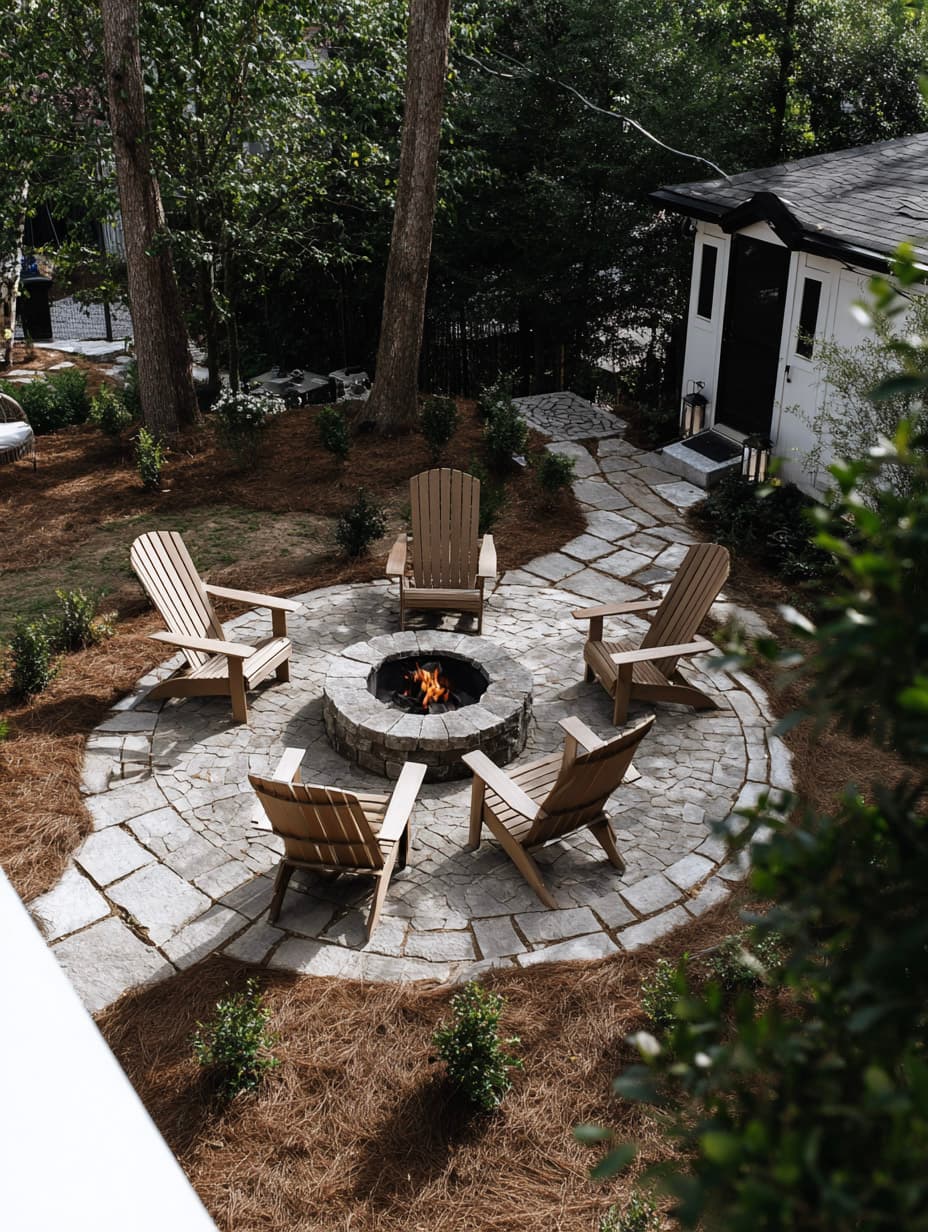
A backyard fire pit is one of the more approachable weekend builds a homeowner can take on. With the right materials, a level base, and some attention to the fire codes in your area, you can have a working fire pit built in a single weekend, no contractor required.
Editorial Team
•14 Jan 2025
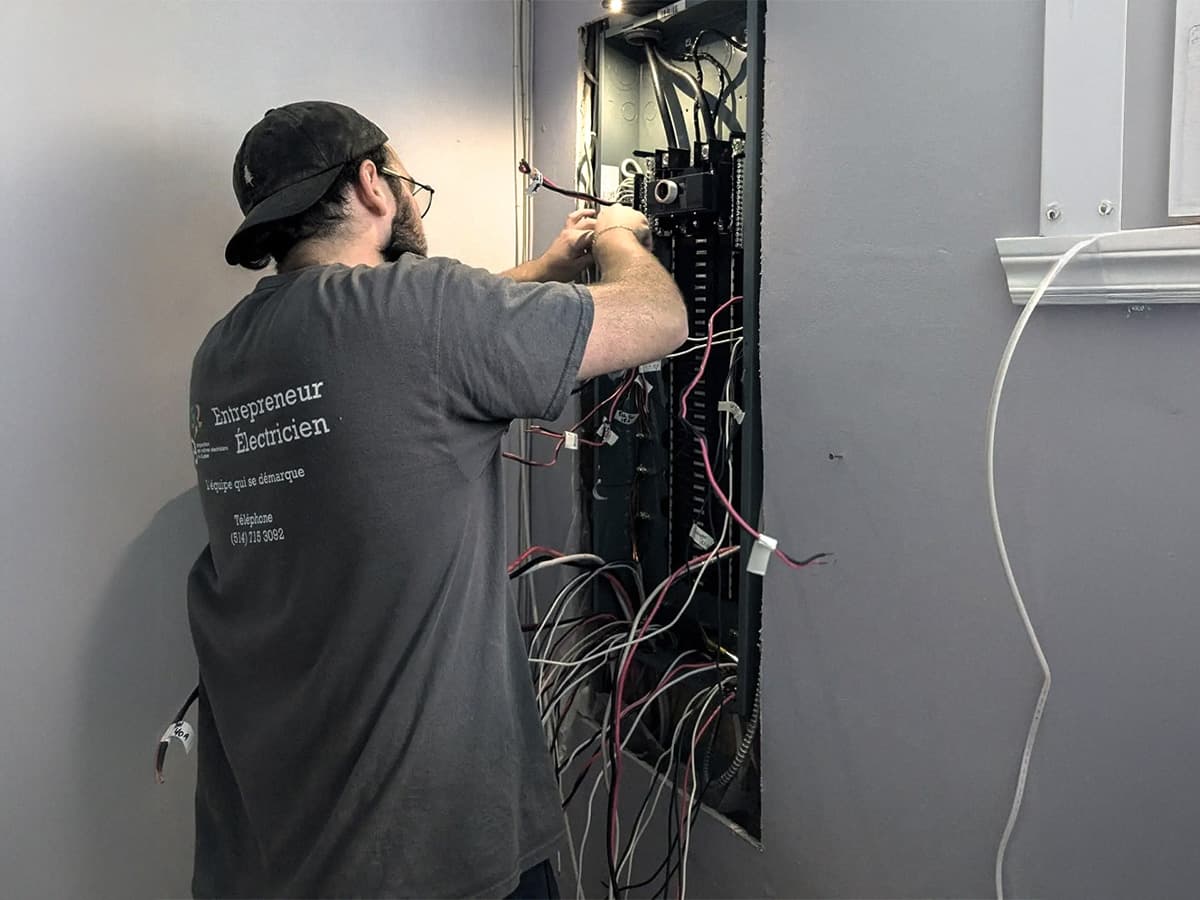
Have you decided to finally bring your home into the 21st century with some big electrical upgrades? Congratulations! Better late than never. Whether you're rewiring an old house, installing smart lighting throughout the home, or preparing for a new kitchen with all the bells and whistles, it feels rewarding to see the to-do list getting shorter.