8 Old House Renovation Ideas That Will Transform Your Home
By Editorial Team
Updated on April 21, 2026

A mature home often needs that extra bit of TLC to get it back up to speed—especially heading into summer, when warm, dry weather makes it easier to tackle everything from paint and caulking to ventilation and exterior woodwork. The key is planning early so you can keep your home functional without sacrificing its mature charms, like antique fixtures and trimmings.
There are plenty of ways to give your older home a much-needed revival without going into full-on renovation mode or breaking the bank. But summer is also the busiest season for trades, so if you’re considering anything beyond a quick DIY refresh, it’s smart to line up quotes and book contractors now. By paying attention to the smaller details of how older homes operate, you can spot fundamental problems early, lock in the right help while schedules still have room, and move into the season with a clear plan to breathe new life into your old house or apartment.
8 Old House Renovation Ideas
1) Refresh Rooms Using Paint
Give those drab walls some depth by adding a new coat of paint to them. Repainting the rooms of a home is the most often tackled DIY upgrade. However, there is more to a good paint job then just painting over the walls. Wash away old stains and grease before starting this project and make certain that surfaces are properly prepped to extend the longevity of the new paint.
Remember, paint isn't only for the wall for your home! You can even revive old flooring by using paint. If refinishing a floor isn’t an option, due to budget or other factors, consider painting your floor in a colour or pattern that is modern. All it takes to add a little bit of personality to an old-fashioned space is time, consideration, concentration and a few coats of durable paint.
2) Install a Dishwasher to Conserve Water

Source: Pixabay, congerdesign
If the dishwasher that you currently have is outdated, or your home doesn't employ a dishwasher at all, then washing dishes could be costing you more than you realize in both electricity and water bills. If you know this appliance needs an upgrade or an installation altogether, there is no better time to move forward with this project.
Switching to a newer dishwasher model can save almost 500 gallons of water per year. Further, if you don’t have a dishwasher at all, you are using 40 percent more water when washing by hand. Dishwasher installation is an easy DIY job and something that is worth considering if you’re environmentally conscious or looking to save some money.
3) Lay Eco-Friendly Insulation
If your kitchen floor is always cold to the touch, even during summer or uncomfortable if you’re standing for long periods of time, then why not consider installing a cork floor or another form of insulating material? Cork is an eco-friendly, resilient and durable material that is becoming more widely used in home renovation projects.
Cork is easier to install than traditional wood flooring, as it is offered in engineered panels that snap together. Not only is this type of flooring easy to install, but it can sit over existing plywood, concrete and other types of flooring materials. Therefore, if your old kitchen floors are needing an update, then this renovation project can be done simply, without must hassle or a long installation process.
4) Add an Easy-to-Clean Backsplash
If your traditional tile backsplash just isn’t cutting it, or you don’t have a backsplash installed at all, then you should consider this kitchen addition as it will add character and charm to your old home. Putting up a single sheet of a solid surface material that is waterproof may just save hours of time spent cleaning while preserving the surfaces underneath.
Shaping, cutting and gluing a backsplash material is straightforward and can be completed by even the most novice of homeowners. If you have existing tile, beadboard backsplash can simply be placed overtop. If you’d like to preserve what you already have, then consider giving that old backsplash a thorough clean and re-caulking or grouting in between tiles to extend longevity.
5) Refinish Wood Accents

Source: Flickr, ddeboskey
The elements aren’t always kind to the exterior of older homes, and preserving details is key to keeping it looking young. When it comes to wood doors at the entrance of your home, decks and sheds, instead of just discarding these or replacing them as they begin to wear, why not consider refurbishing them?
With a few tools and materials from your local hardware store, it’s easy to revive beautiful wood accents around the exterior of your home. Even wood that has been neglected for a long period of time can be brought back to a respectable place. Start by giving these surfaces a good clean, and then move on to brushing a protective coat of stain to protect from the elements.
Refurbishing outdoor wood surfaces and accents will give some new animation to your home overall, preserving them for years to come.
6) Install a Bathroom Fan
If you’ve had issues with mould or mildew growth in your bathroom in the past, chances are this is because you don’t have a vent fan. Installing a ventilation fan goes beyond its aesthetic purposes of eliminating fogged-up windows and mirrors or removing stale odours. Yes, the fan prevents all types of moisture-related problems, including the growth of mould and mildew that lead to both health problems as well as issues with the structure and walls of your home.
7) Update Outdated Plumbing and Electricity
It is common for older homes to have problems with electrical wiring and plumbing, as older plumbing corrodes or is easily clogged. Older pipes may need to be replaced with newer materials like PVC piping or copper. Furthermore, old electrical wiring can be a serious safety hazard, leading to house fires, so homeowners living in mature homes should make sure their electrical system is up to code.
If you are finding that you can’t run a hairdryer and microwave at the same time, then it is likely that your electrical system needs to be updated. If it comes down to it, contact an expert who can upgrade your electrical panel depending on your needs and the appliances that you own: how many computers, televisions, and electrical systems are you running? Make sure your new system can support these things!
8) Re-caulk Your Bathroom's Surfaces

Source: WikimediaCommons
The bathroom is one of the first rooms of the home to wear, as it comes up against harsh factors like humidity and excessive amounts of water. If you are living in an older home, it is of the utmost importance to preserve bathroom surfaces, as any holes leading to under layers and insulation can cause mould and mildew growth.
With that in mind, it is important to re-caulk around the bathtub, shower and sinks surfaces to prevent water from seeping in. This is a simple job that won’t take much time but should be done correctly and meticulously.
Important Considerations When Renovating an Old House
Preserving Its Original Character
Original details—mouldings, hardwood floors, vintage windows, built-ins, and antique hardware—do more than “look nice.” They create an emotional connection to the home, reflect its history, and make it stand out from newer builds. Preserving them also helps maintain the architectural character of your neighbourhood, which supports local heritage and keeps older homes from losing their unique identity.
Here are practical ways to protect and showcase original features while still modernizing:
Identify what’s original before you start: Take photos, note trim profiles, and flag details you want to keep (floors, woodwork, doors, old hardware, stained glass).
Restore when possible, replace only when necessary: Refinish floors, repair damaged woodwork, and clean/reuse original hardware instead of swapping it out for modern replacements.
Match the home’s style: If you must replace something, choose materials and finishes that closely match the era (profiles, wood species, metals, and colour tones).
Blend modern upgrades quietly: Hide new wiring or ducting where you can, choose period-appropriate fixtures, and use paint colours that complement original trim rather than competing with it.
Bring in specialists for delicate features: For ornate trim, plaster work, stained glass, or valuable originals, a restoration craftsperson or preservation expert can help you meet modern standards without damaging historic materials.
Prioritizing Renovation Projects
Older homes can hide surprises, so having a clear order of operations helps you stay calm, stay on budget, and avoid redoing work later. Use this simple framework to move from “overwhelmed” to organized:
Start with urgent repairs (ASAP): Focus on issues that are actively getting worse, such as leaks, water intrusion, recurring mould or mildew, pest damage, or failing gutters.
Address safety and foundational systems first: Put structural and building-envelope concerns at the top of the list (foundation cracks, sagging floors, roof issues, or failing windows/doors that allow water and drafts). Next, prioritize essential systems like outdated electrical wiring, old panels, unsafe outlets, corroded plumbing, frequent clogs, or poor ventilation. Delaying these projects can increase costs and risk, and they form the groundwork for every other improvement.
Move to comfort and efficiency upgrades: Once the home is safe and stable, upgrades like insulation, weather-sealing, better ventilation, and water- or energy-saving appliances can make day-to-day living more comfortable and reduce monthly bills.
Finish with aesthetic and “wish list” projects: Paint refreshes, backsplashes, decorative upgrades, and other cosmetic improvements are rewarding, but they’re best saved for after the home is dry, safe, and functioning properly.
To keep your plan realistic, pair your priorities with a budget and a flexible timeline. Older homes often reveal hidden issues once work begins, so build in breathing room and a contingency plan for unexpected discoveries. Finally, tie priorities back to your personal vision: are you staying long-term, planning to sell soon, or adapting the home for a growing family? Your goals should shape the order you tackle projects.
Utilizing Professional Help and Planning Resources
Older homes reward hands-on owners, but they also come with hidden complexity—outdated wiring, older plumbing materials, uneven framing, and original features you don’t want to accidentally damage. Knowing when to DIY and when to bring in a pro can save you money long-term, protect your home’s character, and keep your renovation safe and compliant.
When It’s Worth Hiring a Professional
Bringing in skilled tradespeople is especially important when work affects safety, structure, or heritage materials. Licensed electricians and plumbers can spot problems that aren’t obvious until something fails, and experienced renovation contractors can coordinate sequencing so you don’t redo finished work later. If your home has delicate or high-value originals—ornate trim, plaster details, stained glass, antique windows, or built-in cabinetry—a preservation specialist or restoration craftsperson can repair and update these features without replacing them.
Planning, Budgeting, and Project-Management Tools That Reduce Stress
A simple planning system can keep projects moving and costs visible, especially when surprises pop up. Useful tools include a renovation checklist (room-by-room scope and materials list), a budget template that separates “must-fix” items from “nice-to-haves,” and a project tracker to record quotes, timelines, and decisions. Many homeowners use a spreadsheet for budgets, plus a project-management app (or even a shared notes board) to track tasks, receipts, and contractor communications in one place.
Financial and Tax Resources to Stretch Your Budget
Before you commit to major work, it can help to look for incentives and savings opportunities. Depending on your location and the type of improvements, you may find renovation grants, energy-efficiency rebates, or incentive programs that reduce out-of-pocket costs. If you rent out part of your home, plan to become a landlord, or treat the property as an investment, a tax professional can help identify eligible deductions or strategies that may change your true renovation budget and return.
Where to Build Reliable Renovation Knowledge
For DIY-minded homeowners, good information prevents expensive mistakes. Look to local heritage organizations, municipal or provincial/state resources, and reputable renovation communities focused on old houses for guidance on appropriate materials and methods. These sources can also help you learn what’s considered “period-appropriate,” how to care for historic windows and woodwork, and when permits may be required.
Quick Guide: DIY vs. Call a Pro
DIY-friendly projects often include painting, minor caulking, basic hardware swaps, simple cosmetic updates, and light refinishing if you’re comfortable with the tools. Call a professional when the project involves electrical panels or new circuits, plumbing replacements, persistent leaks, ventilation ducting, structural concerns, mould remediation, or any restoration work where you risk damaging original features. When in doubt, a short consultation can prevent a costly misstep—and help you protect both the safety and the charm of your old home.
Looking for something else?
Related articles
The latest industry news, interviews, technologies, and resources.
Editorial Team
•08 Nov 2023
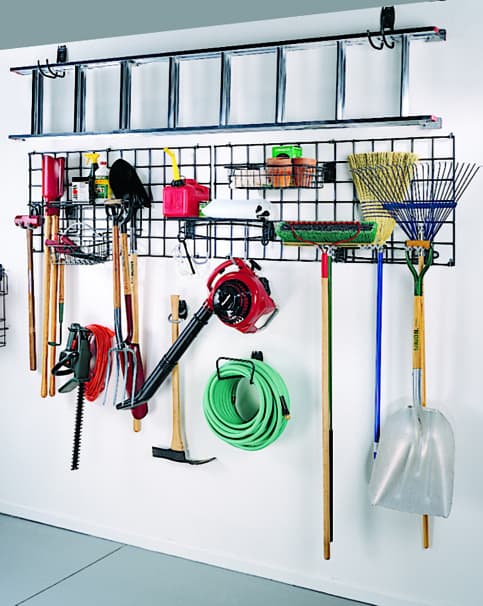
The garage is a multipurpose room that has the potential to serve several functions. With lots of homeowners using this space to hold items that aren't exactly necessary for everyday use, it's important to think about how storage can be created to maximize the potential of this room.
Editorial Team
•08 Nov 2023
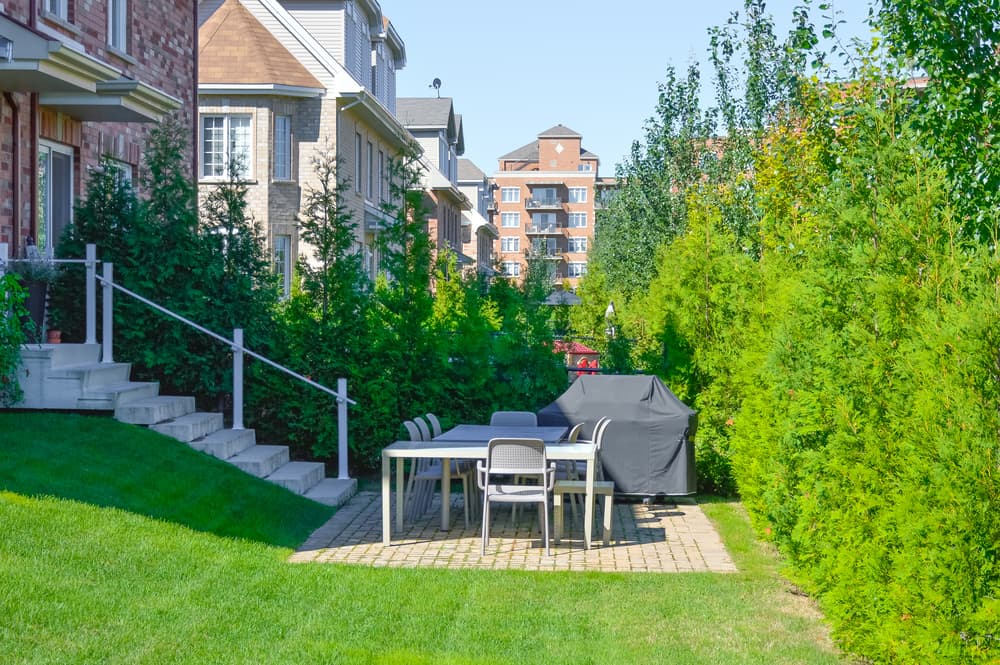
Are you thinking about setting up your backyard? Consider adding a compost bin! Not only will it reduce the volume of junk that you throw out in the garbage, but you'll also be posing a gesture that is friendly to the environment. If you decide to opt for this choice, there are several ways you can hide your compost bin so it doesn't pop out too much. Here are a few ideas that you can borrow when planning out the setup of your backyard:
Amanda Harvey
•08 Nov 2023
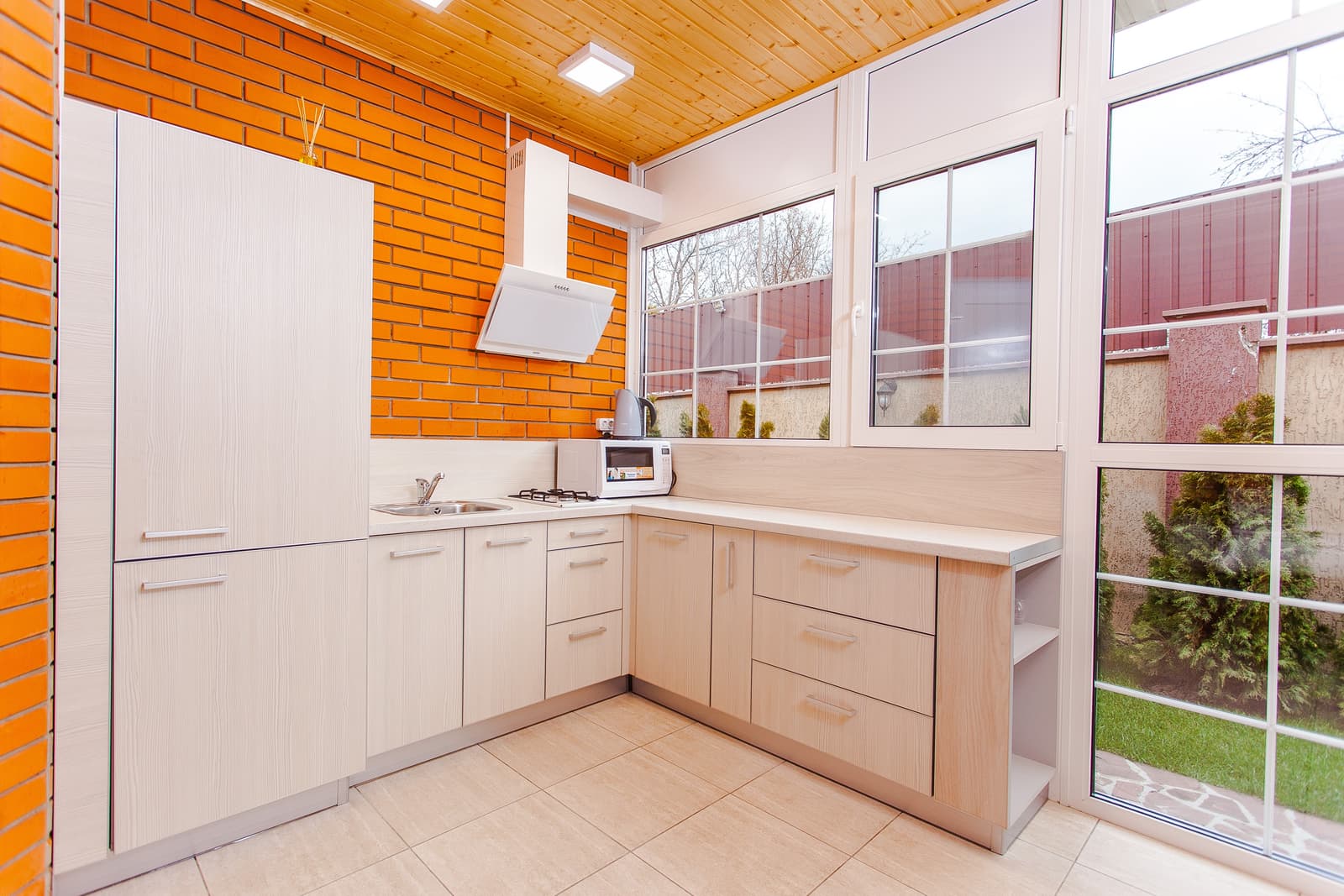
The kitchen is one of the most important rooms of the home, a place for the family to congregate after a long day of work and play, to cook a meal and to enjoy time together. There are plenty of moving parts that go into the construction and operation of your kitchen, and for things to run smoothly everything has to be laid out in a functional way. For this reason, it is important to update the surfaces, appliances and layout of your kitchen to suit the needs of yourself and your family.

Léa Plourde-Archer
•08 Nov 2023
Wood floors are so common that we tend to forget that other options are out there. Here are 7 types of flooring that serve as alternatives to wood, if you are looking for something different.

Editorial Team
•08 Nov 2023
2019 is coming to an end, and we are leaving a decade behind us. For many, 2020 promises great things: it’s a return to zero as well as a new beginning. Some will seize the opportunity to finally start the projects that have been put aside, such as pressing renovations.