Pantry Cabinet Buying Guide: Sizes, Styles, Prices, and Much More
By Editorial Team
Updated on July 13, 2026
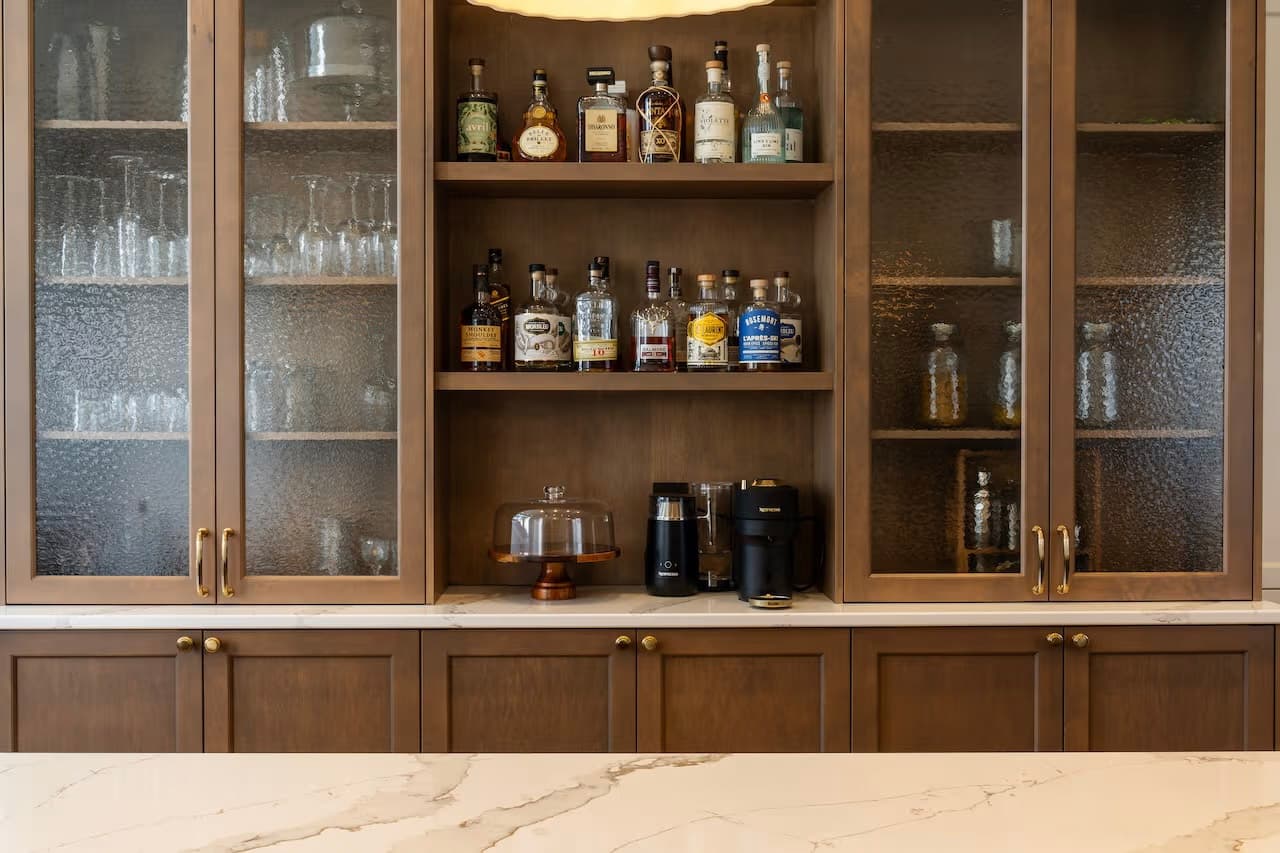
A pantry cabinet can add practical kitchen storage without a full renovation. Whether you need room for dry goods, small appliances, cookware, dishes, cleaning supplies, or overflow household items, the right cabinet can help make your kitchen easier to use every day.
This guide covers the main pantry cabinet types, styles, sizes, materials, storage features, prices, assembly tips, and maintenance considerations for Canadian homeowners.
What is a pantry cabinet?
Source: Gepetto
A pantry cabinet is a storage cabinet designed for kitchen and household items. It can be used for food, dishes, cookware, linens, cleaning products, small appliances, pet supplies, or seasonal items.
Some pantry cabinets are built into the kitchen layout. Others are freestanding units that can be placed in a kitchen, dining room, mudroom, laundry room, basement, or hallway.
A pantry cabinet is useful if your kitchen lacks a walk-in pantry or if your existing cabinets are too small, too deep, or poorly organized.
Common Types of Pantry Cabinets
Source: Unsplash
Freestanding Pantry Cabinets
Freestanding pantry cabinets are popular because they can be added to an existing room without changing the entire kitchen. They are often sold as ready-to-assemble furniture and can be moved if your needs change.
These cabinets usually include shelves, doors, drawers, or a mix of open and closed storage. Some are tall and narrow, while others are wider and designed to look like a kitchen hutch or sideboard.
A freestanding kitchen cabinet is a good choice for renters, smaller kitchens, secondary storage areas, or homeowners who want a lower-cost option.
Built-In Pantry Cabinets
Built-in pantry cabinets are installed as part of the kitchen cabinetry. They usually look more seamless because they match the surrounding cabinets, doors, hardware, and trim.
This option can include pull-out storage racks, deep drawers, tall doors, adjustable shelves, and custom interior accessories. Built-in cabinets are usually more expensive than freestanding units, especially if they are semi-custom or custom-made.
A built-in pantry cabinet is a better fit for a kitchen renovation, a new cabinet layout, or a homeowner who wants a long-term storage solution.
Tall Kitchen Pantry Cabinets
A tall kitchen pantry cabinet is usually narrow, vertical, and designed to maximize storage without taking up too much floor space. These models often measure around 60 in. to 90 in. high, depending on whether they are furniture-style cabinets or kitchen cabinet modules.
Tall cabinets work well for canned goods, cereal boxes, baking supplies, pantry baskets, and cleaning items. If the cabinet is very tall, it should be secured to the wall with the proper anti-tip hardware.
Kitchen Hutch Storage Cabinets
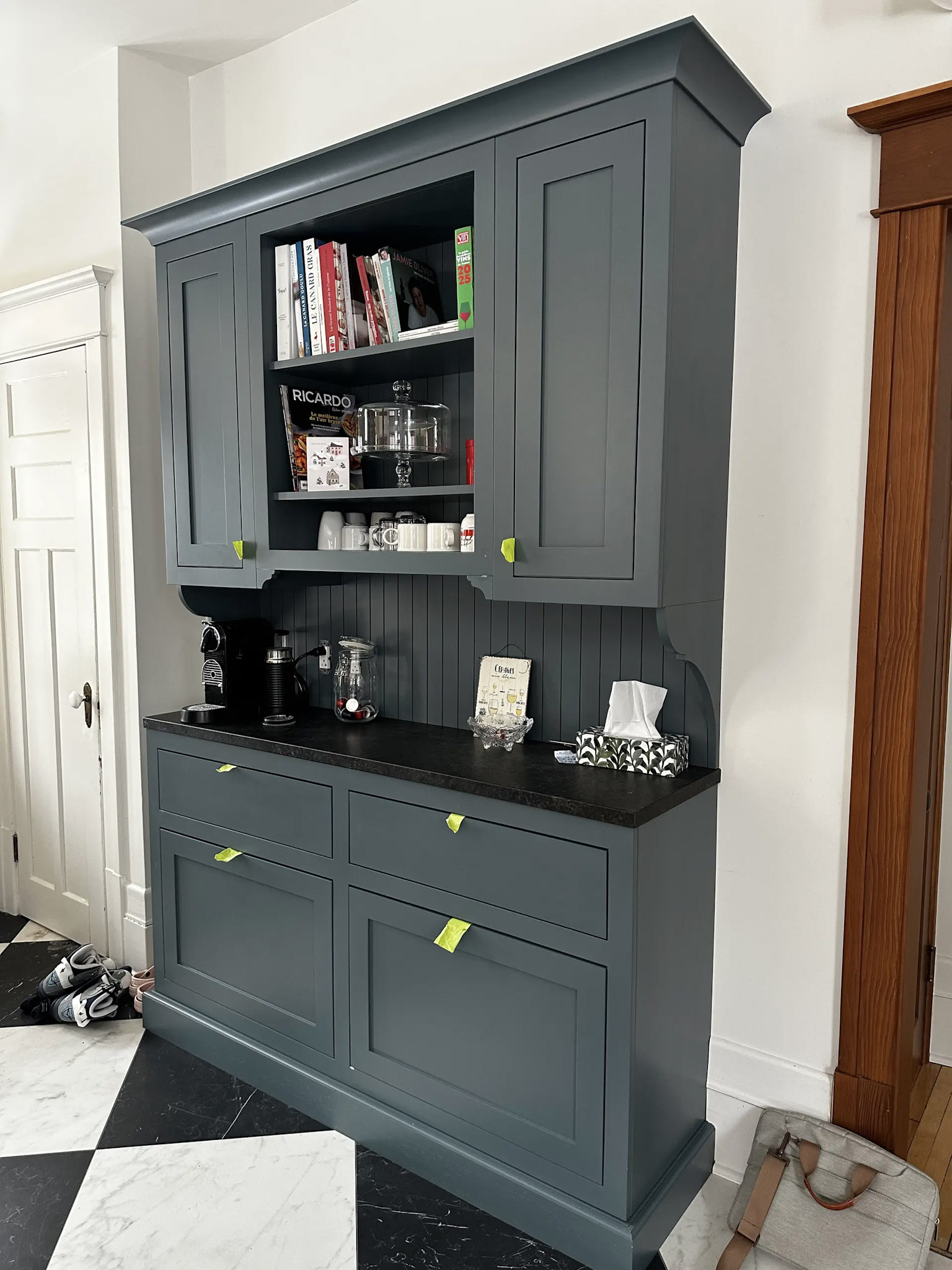
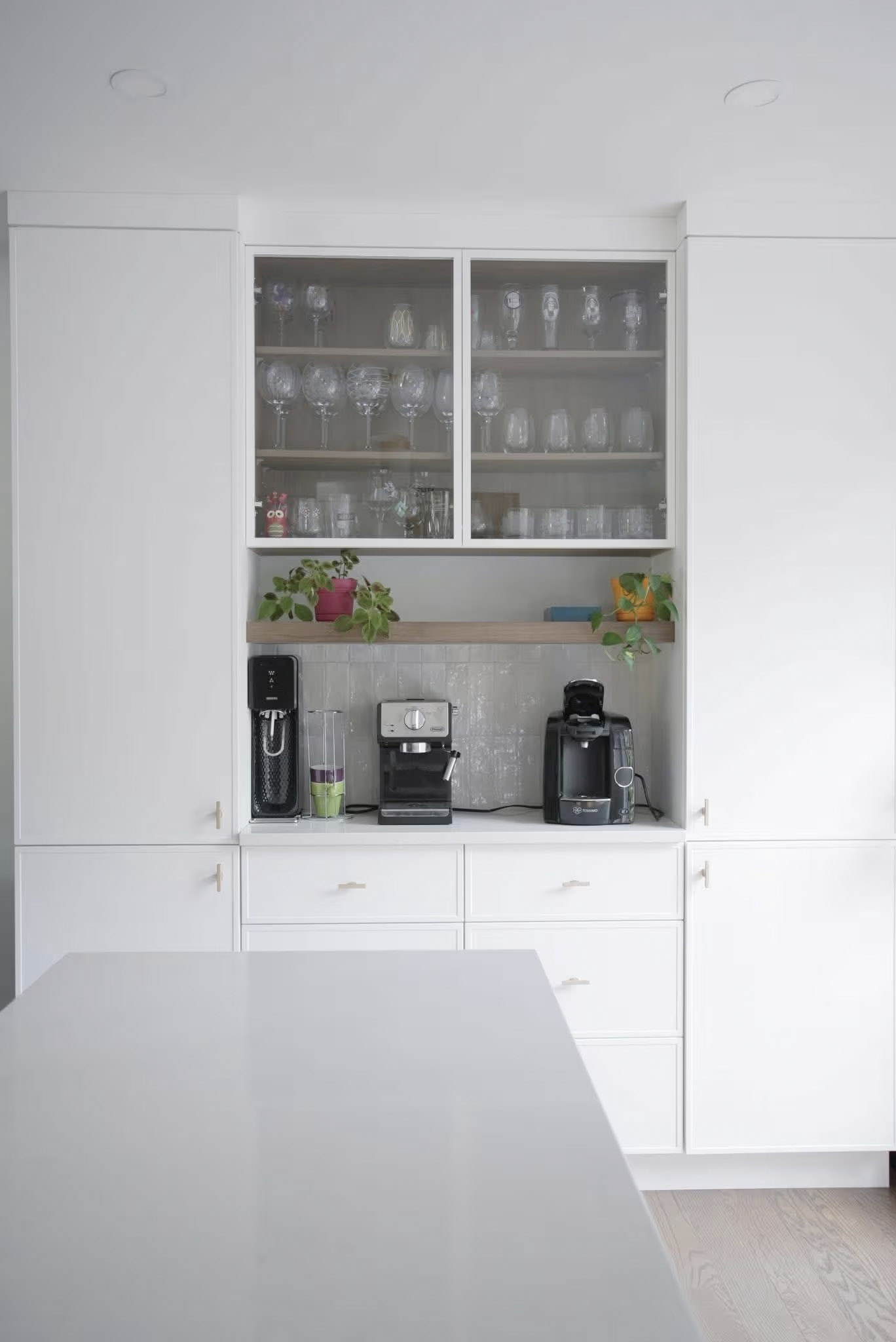
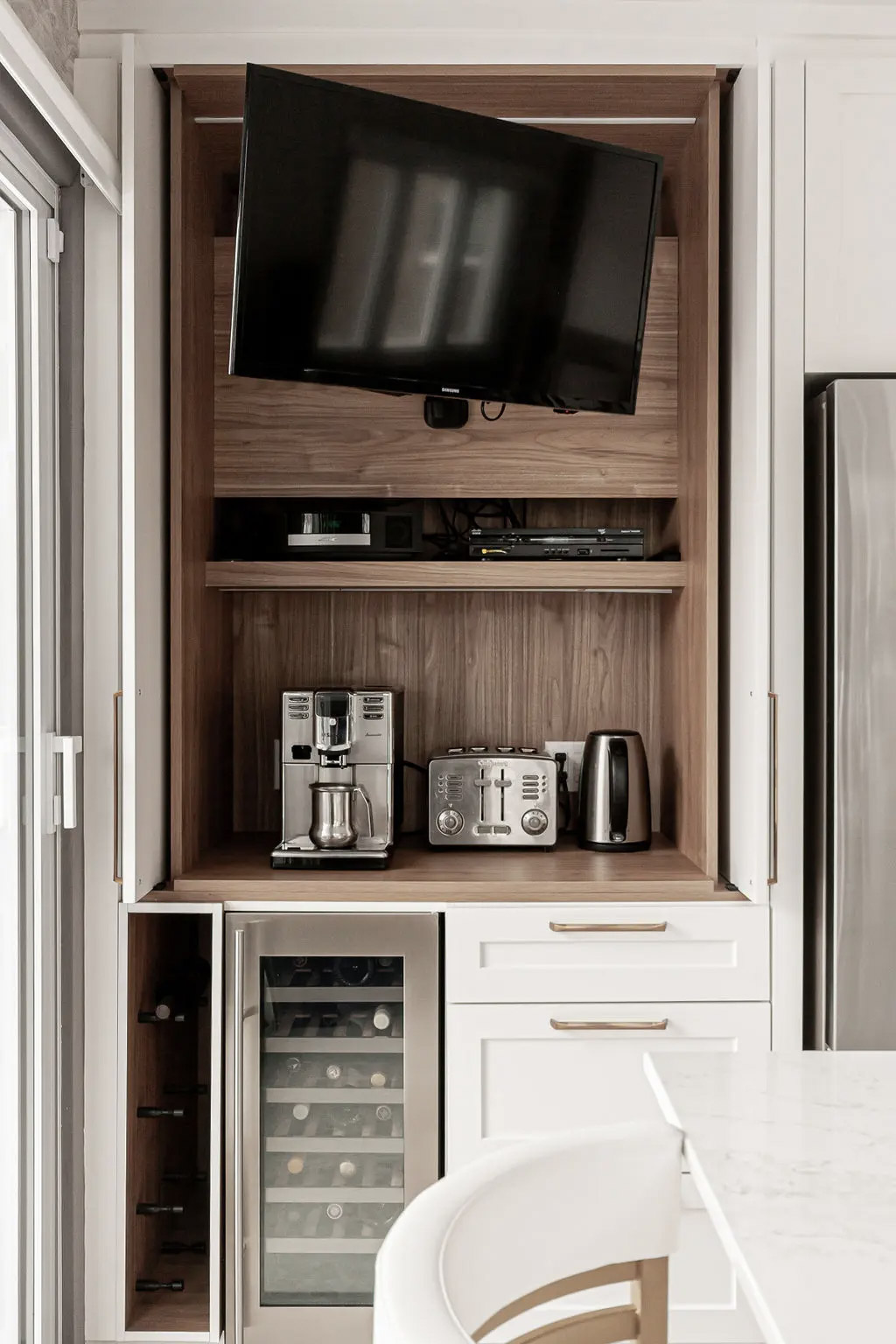
A kitchen hutch storage cabinet combines closed storage with an open countertop shelf. The open area can be used for a coffee station, microwave, toaster, cookbooks, serving dishes, or small appliances.
Many hutch-style cabinets include drawers, lower doors, glass doors, wine storage compartments, or cable management openings. This type of pantry cabinet can be useful in kitchens that need more work surface and storage in one unit.
Sideboards and Multifunctional Cabinets
A sideboard or multifunctional cabinet can also be used as pantry storage. These cabinets are usually shorter than tall pantry cabinets and may be placed in dining rooms, breakfast areas, or open-concept spaces.
They are useful for dishes, glassware, snacks, table linens, serving trays, and extra kitchen supplies. However, they may not offer as much vertical storage as a tall pantry cabinet.
Corner Pantry Cabinets
A corner pantry cabinet can help use an awkward part of the room. Some models have a 90° design, angled doors, or shelves that wrap around the corner.
Corner cabinets can be practical in small kitchens, but they need careful measuring. Make sure the doors and drawers can open fully without hitting appliances, cabinet handles, baseboards, or nearby walls.
Pantry Cabinet Styles
Groupe MAJ inc.
Farmhouse Pantry Cabinets
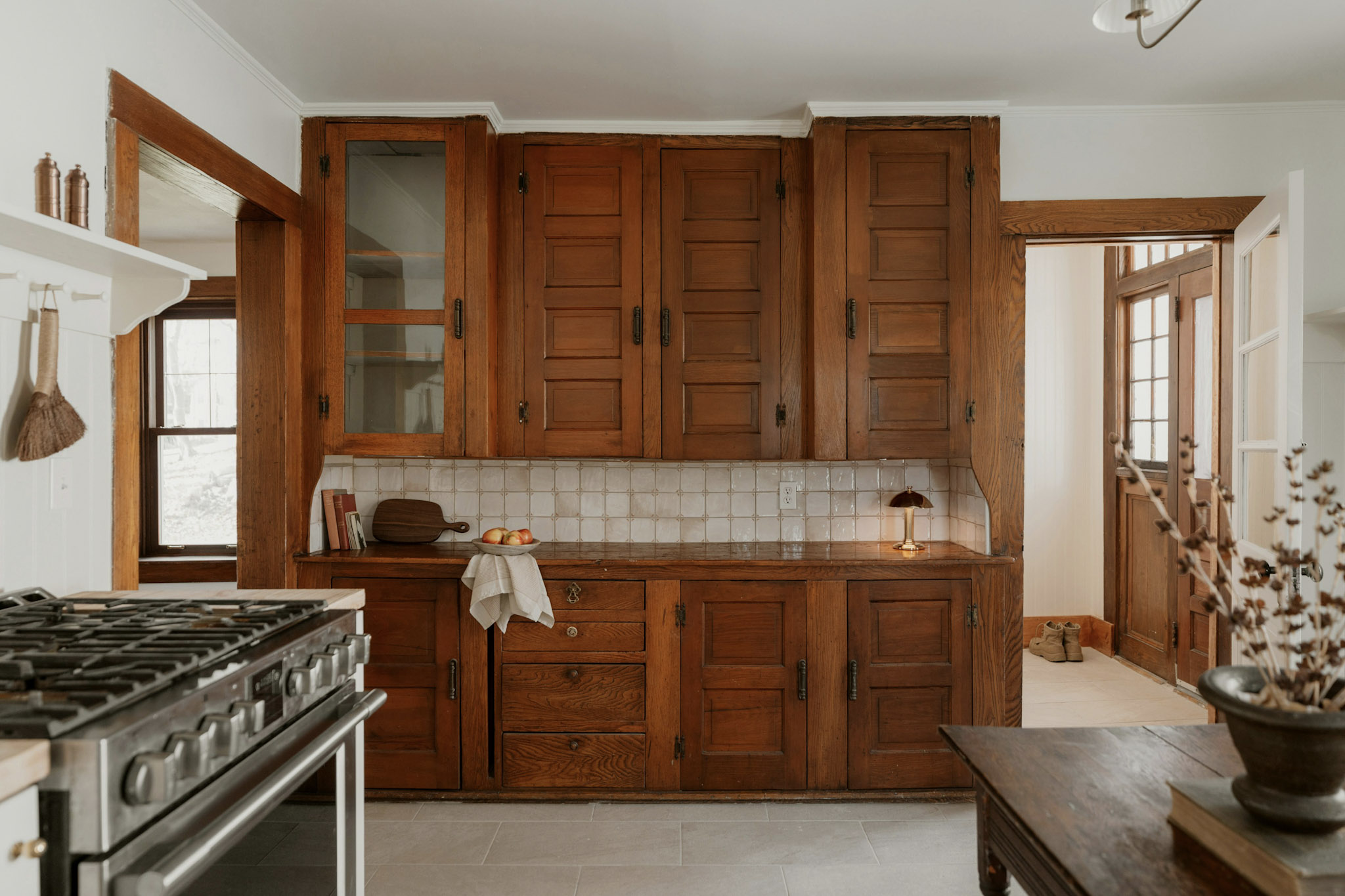
Farmhouse style pantry cabinets often have classic X-shape details, barn-style doors, ceramic knobs, raised panels, or rustic wood-look finishes. They can suit traditional, country, cottage, and transitional kitchens.
This style is popular for homeowners who want a cabinet that looks warm and decorative, not just functional. White, cream, grey, oak, and distressed finishes are common.
Modern Pantry Cabinets
Modern pantry cabinets usually have clean lines, flat doors, simple hardware, and smooth finishes. Some models include matte black finishes, arched doors, sculpted fluting, textured panels, or designer textures.
A modern arched pantry cabinet can work well in a contemporary kitchen, dining area, or open-concept space. For a cleaner look, choose solid doors instead of glass doors.
Mid-Century Pantry Cabinets
Mid-century tall pantry cabinets often include warm wood tones, slim legs, simple door profiles, and understated hardware. They can work well in apartments, condos, and kitchens with a lighter furniture-style look.
Because some mid-century style cabinets sit on legs, check stability carefully. Tall furniture-style cabinets should still be anchored if recommended by the manufacturer.
Coastal and Classic Pantry Cabinets
Coastal-themed pantry cabinets often use light colours, simple lines, glass doors, or relaxed wood finishes. Classic pantry cabinets may include raised panels, silver hardware, framed doors, and traditional proportions.
These styles are easy to blend with many Canadian kitchens, especially if you want the cabinet to look timeless rather than trendy.
Glass-Door Pantry Cabinets
Glass doors and tempered glass doors can make a pantry cabinet feel lighter. They are useful for displaying dishes, glassware, or neatly organized jars.
However, glass doors show clutter. If you want to hide cereal boxes, bulk food, cleaning products, or mismatched containers, solid doors are usually a better choice.
Materials and Finishes
Source: Intérieurs Griffés s.e.n.c.
Engineered Wood and MDF
Many affordable pantry cabinets are made from engineered wood, particleboard, MDF, or laminated MDF. These materials help keep the price lower and are common in ready-to-assemble furniture.
They can work well for light to moderate household use, but quality varies. Look for thicker panels, solid back support, strong fasteners, and well-reviewed hardware.
Laminate and Faux Wood Finishes
Laminate and faux wood finishes are common on budget and mid-range cabinets. A scratch-resistant faux wood grain finish can help hide everyday wear better than a very glossy surface.
Laminate is easy to wipe clean, but water can damage seams, edges, and unsealed areas. Clean spills quickly and avoid placing these cabinets where they may be exposed to leaks or standing water.
Solid Wood and Plywood Components
Solid wood, plywood, and wood veneer components are usually more durable, but they cost more. These materials are more common in higher-end furniture, semi-custom cabinets, and custom cabinet work.
A solid wood door does not always mean the entire cabinet is solid wood. Check the product description carefully to see what the cabinet box, shelves, doors, and drawer fronts are made from.
Hardware and Hinges
Hardware affects both appearance and durability. Metal handles, silver hardware, ceramic knobs, soft-close hinges, and stronger drawer slides can make a cabinet easier to use.
For pantry cabinets with drawers, check the drawer slide quality and weight capacity. Drawers used for canned goods, cookware, or small appliances need stronger hardware than drawers used for linens or light snacks.
Water-Resistant Finishes
Some pantry cabinets are described as having a water-resistant finish. This can help with minor spills and regular cleaning, but it does not make the cabinet waterproof.
Avoid installing a pantry cabinet directly beside a leaking dishwasher, damp exterior wall, wet basement corner, or poorly ventilated laundry area. Moisture can cause swelling, peeling, odours, mould, or damaged panels.
Pantry Cabinet Sizes: What should you measure?
Source: Reno Quotes
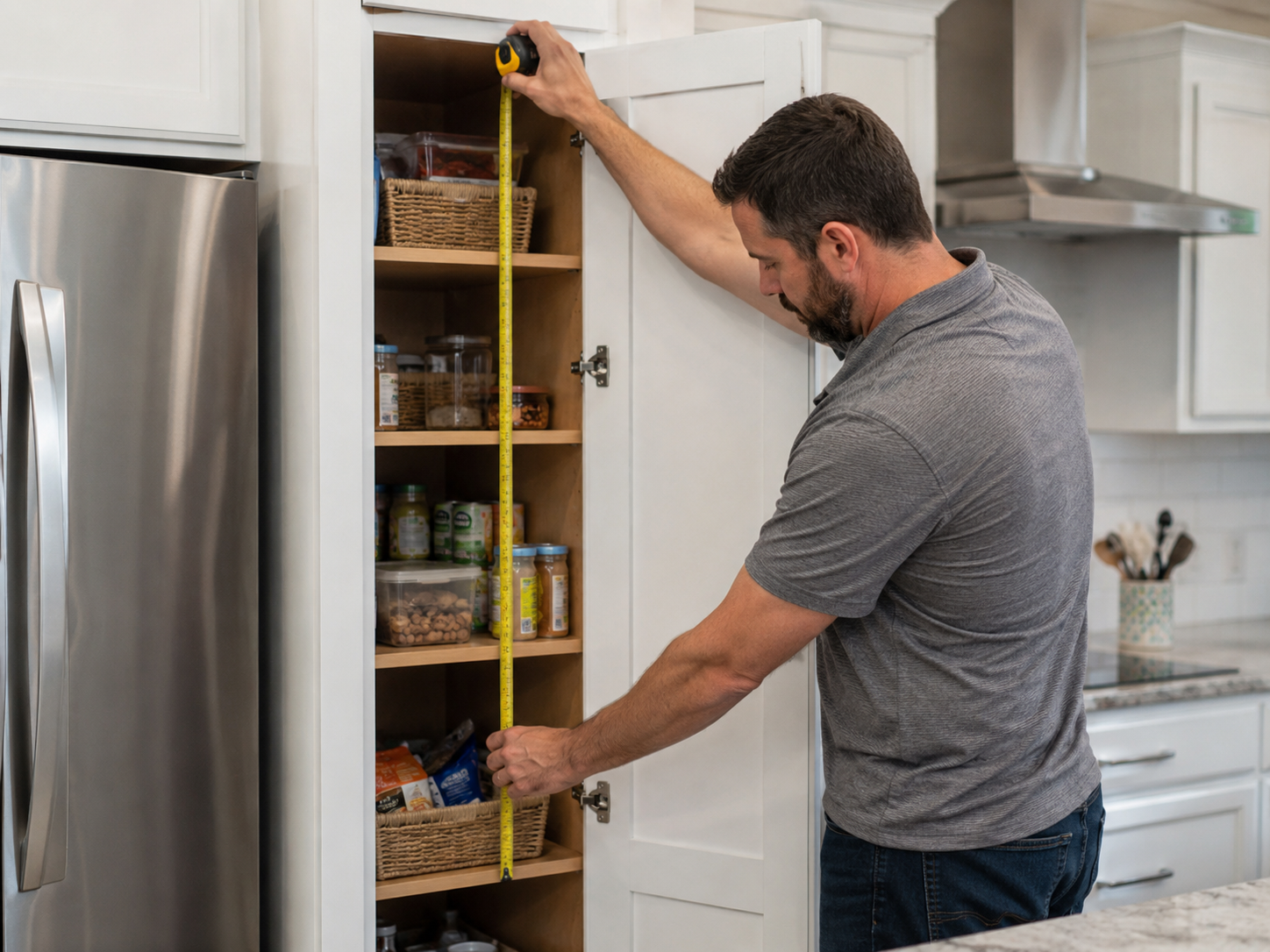
Before buying a pantry cabinet, measure the room carefully. Product photos can be misleading, especially online, where a cabinet may look wider, taller, or deeper than it really is.
Measure:
Available wall width
Ceiling height
Cabinet depth
Door swing clearance
Drawer clearance
Walkway space
Baseboard and trim depth
Distance from appliances, islands, and tables
Outlet location, if using a microwave or coffee station
Many freestanding pantry cabinets are about 24 in. to 36 in. wide and 60 in. to 72 in. tall. Kitchen cabinet pantry modules may be taller, often around 80 in. to 90 in., depending on the system.
Narrow Pantry Cabinets
A narrow pantry cabinet is useful in small kitchens, condos, apartments, and tight corners. These cabinets may be only 15 in. to 24 in. wide, but they can still provide useful vertical storage.
Choose adjustable shelves if you plan to store different-sized items. Fixed shelves may waste space if they are too tall for cans or too short for cereal boxes.
Wide Pantry Cabinets
A wider pantry cabinet can store more items and may include multiple doors, drawers, or open shelving. Some large-capacity kitchen pantry cabinets include several layers of storage shelves, door shelves, and lower drawers.
Wide cabinets need more floor space and more door clearance. They can also feel visually heavy in a small room, especially in dark finishes.
Deep Pantry Cabinets
Deep cabinets can hold larger appliances, bulk food, and cookware, but they can also become difficult to organize. Items at the back may be hard to see and reach.
For deeper cabinets, look for pull-out storage racks, baskets, sliding shelves, or drawers. These features make deep storage more practical.
Shallow Pantry Cabinets
A shallow pantry cabinet takes up less floor space and can be easier to organize. It is especially useful for jars, cans, spices, baking supplies, and snacks.
The drawback is that shallow cabinets may not fit small appliances, large cereal boxes, or oversized cookware.
How to Customize Shelves and Create Storage Zones
Source: Reno Quotes
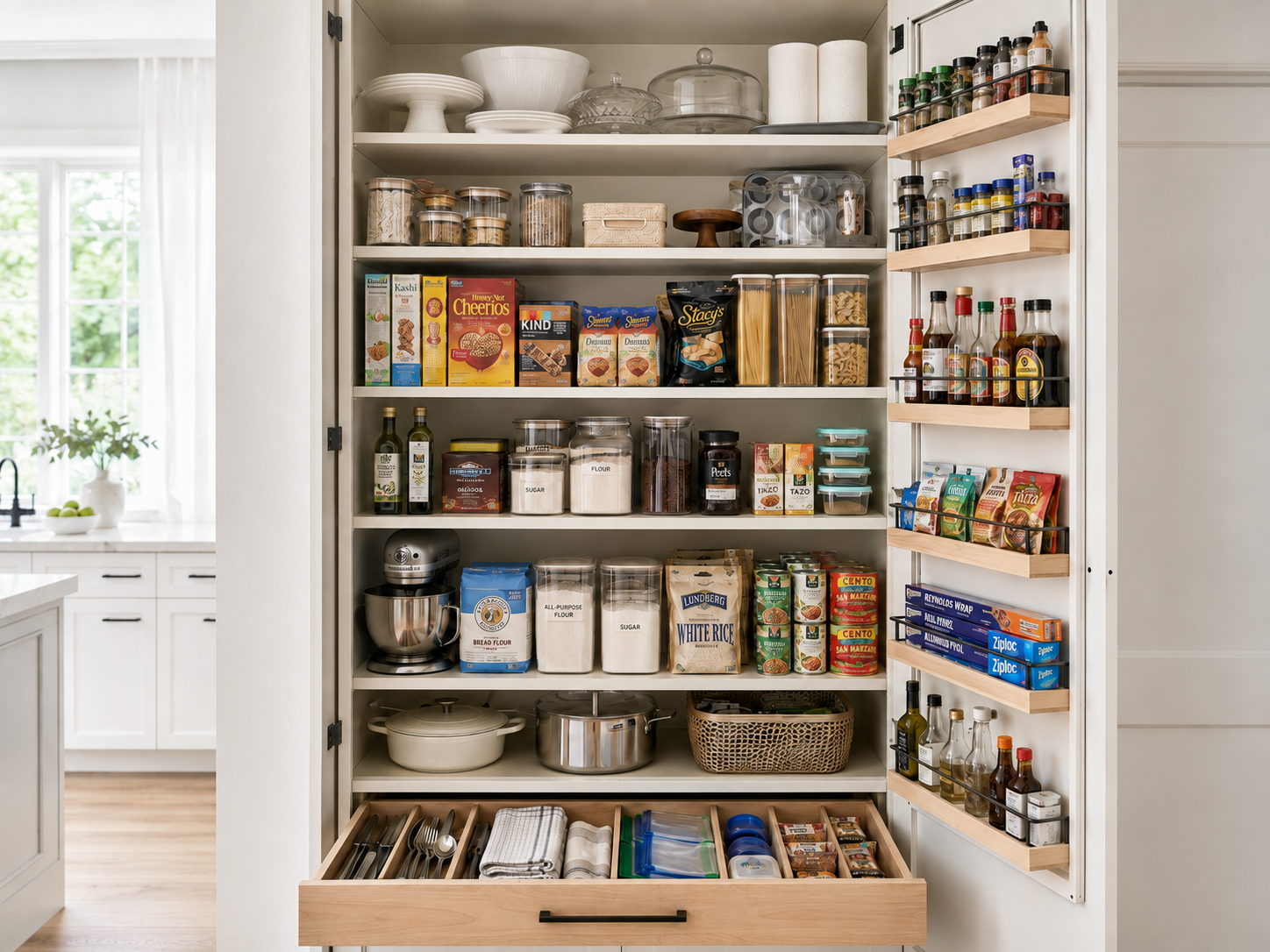
Adjustable shelves are one of the most useful pantry cabinet features because they let you customize the cabinet around what you actually store. Instead of spacing every shelf evenly, create zones based on item height, weight, and how often you use each product.
Place heavier items on lower shelves. This can include small appliances, bulk flour, large bags of rice, canned goods, and large drink containers. Lower placement is safer and makes the cabinet feel more stable.
Use middle shelves for everyday items such as cereal, snacks, pasta, oils, baking supplies, coffee, and lunch containers. These shelves should be easy to reach without bending or stretching.
Use upper shelves for lighter or less-used items, such as seasonal dishes, extra paper products, specialty baking tools, or entertaining supplies.
A simple zoning system can look like this:
Lower zone: Appliances, bulk food, heavy jars, cookware, and large containers.
Middle zone: Snacks, breakfast items, baking supplies, coffee, tea, pasta, and everyday pantry staples.
Upper zone: Lightweight overflow items, seasonal products, serving pieces, and less-used supplies.
Door zone: Spices, sauces, packets, small jars, wraps, and lightweight bottles.
Drawer zone: Cutlery, cloths, bags, snacks, tea towels, food storage lids, and small loose items.
Shelf customization is especially useful if your household buys items in different sizes. Cereal boxes, Costco-sized packages, spice jars, canned goods, and small appliances all need different shelf heights.
Door-Based Storage and Interior Accessories
Source: Reno Quotes
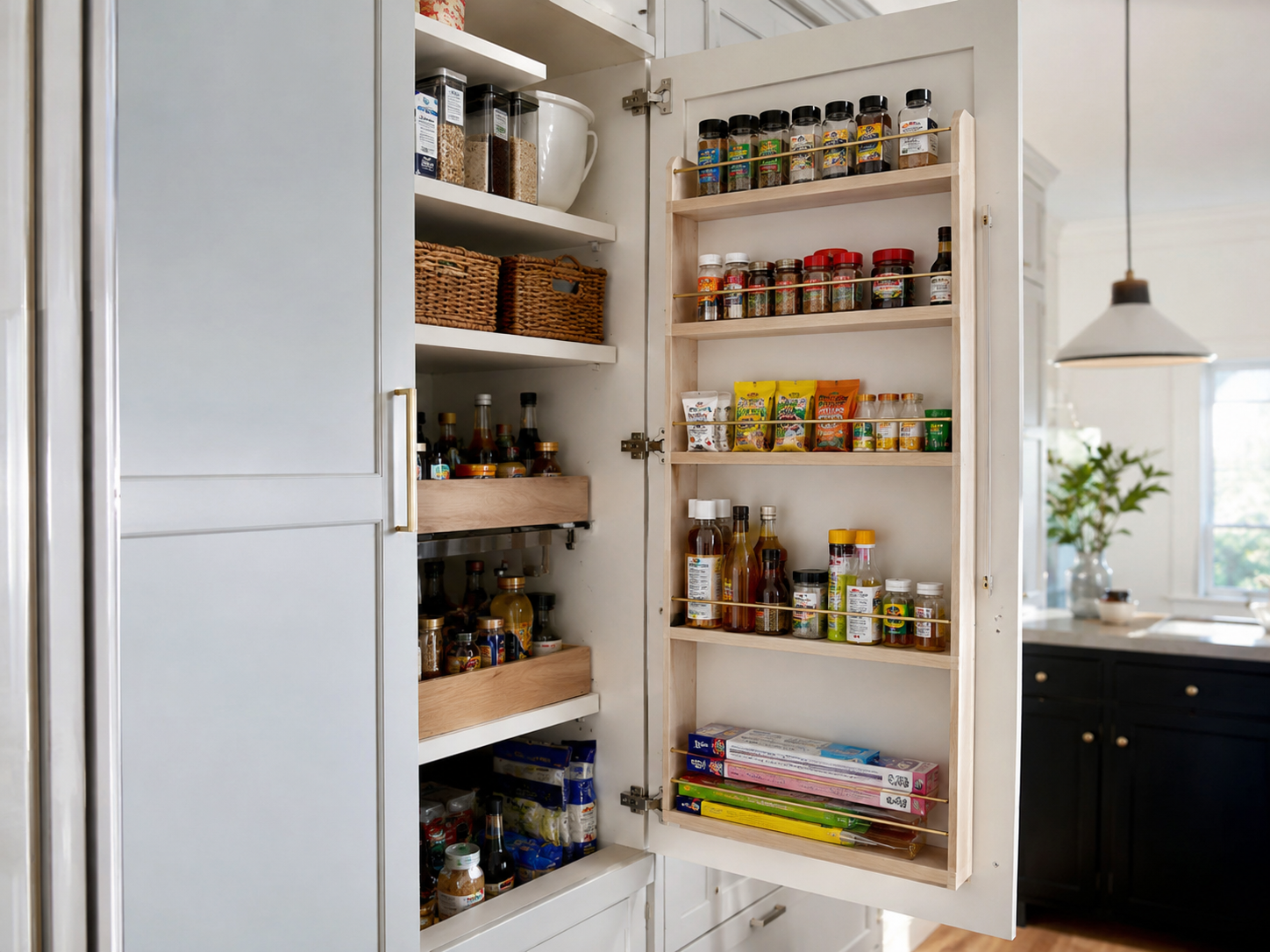
Door storage helps solve one of the most common pantry problems: small items getting lost behind larger items. Door shelves, hooks, pegboards, and pull-out racks can turn unused interior space into easy-to-reach storage.
Door Shelves
Door shelves are ideal for lightweight items that are used often. They work well for spices, small bottles, sauces, snack packs, tea, coffee pods, vitamins, pet treats, and cleaning sprays.
Avoid using door shelves for very heavy jars or large glass bottles unless the manufacturer says the shelves and hinges can handle the load. Too much weight on the door can pull the cabinet out of alignment over time.
Hooks and Pegboards
Moveable hooks and pegboards are useful for items that do not sit neatly on a shelf. They can hold aprons, reusable bags, measuring cups, dog leashes, keys, small tools, mugs, or hanging baskets.
These accessories are especially helpful in mudrooms, laundry rooms, entryways, and multipurpose pantry cabinets.
Pull-Out Storage Racks
Pull-out storage racks make items easier to see and reach. They are especially useful for spices, canned goods, oils, sauces, cleaning supplies, and narrow cabinet spaces.
A pull-out rack is more practical than a deep fixed shelf if you regularly lose items at the back of the cabinet. It can also help prevent duplicate purchases because you can see what you already have.
Magnetic Doors and Specialty Features
Magnetic doors can help keep pantry doors closed securely. This is useful on lightweight freestanding cabinets or cabinets that hold many small items.
Some pantry cabinets also include glass racks, wine storage compartments, cable management, hidden compartments, and open shelves. These features can be helpful, but they should match your real storage habits. A simple cabinet with adjustable shelves may be better than a decorative model with features you will rarely use.
How to Organize a Deep Pantry Cabinet
Source: RIGO ébénisterie
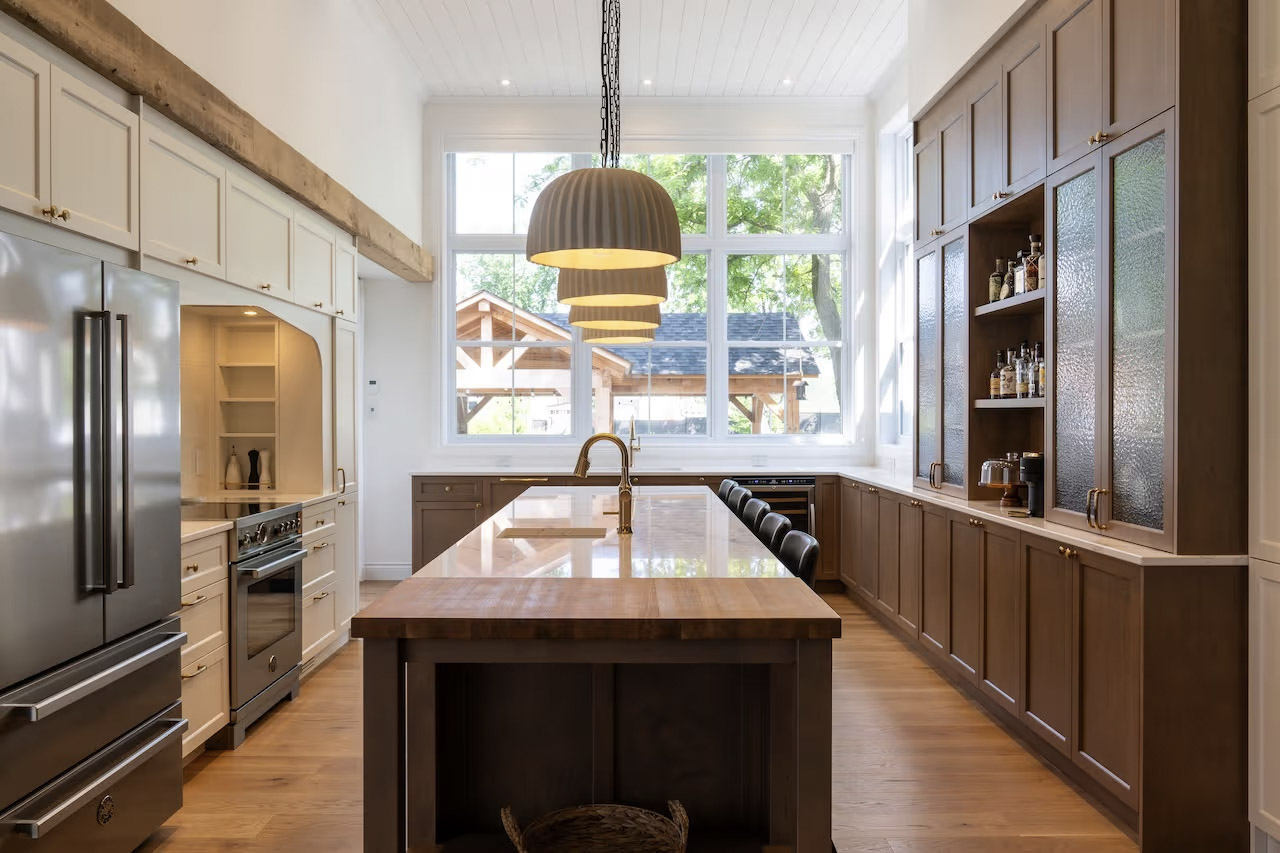
A deep pantry cabinet can look spacious, but it can waste space if it is not organized well. The main problem is visibility. Items at the back are easy to forget, expire, or buy again by mistake.
To make a deep cabinet easier to use, group items in bins, baskets, or clear containers. Pull out the whole basket instead of reaching behind rows of products.
Use drawers or pull-out racks for small items. These are useful for cans, spices, baking supplies, snacks, jars, and packets. They bring the back of the cabinet forward so the full depth is easier to access.
Store larger and less-used items at the back, and keep daily items near the front. For example, a roasting pan, party platters, or extra paper towels can go farther back, while cereal, coffee, and lunch snacks should stay within reach.
A deep cabinet works best when each shelf has a clear purpose. Avoid mixing too many unrelated items on one shelf, as this makes the cabinet harder to maintain.
Which storage features solve which problems?
Not every pantry cabinet needs every feature. The best storage setup depends on what frustrates you most in your current kitchen.
Use this guide when comparing cabinet options:
Adjustable shelves: Best for mixed-height items such as cereal boxes, jars, appliances, and baskets.
Door shelves: Best for spices, sauces, packets, lightweight bottles, and small items that get lost easily.
Drawers: Best for utensils, wraps, cloths, snacks, food storage lids, and loose accessories.
Pull-out racks: Best for deep cabinets, narrow cabinets, canned goods, oils, cleaning products, and spices.
Open countertop shelves: Best for coffee stations, microwaves, toasters, cookbooks, and appliances used daily.
Glass doors: Best for dishes, glassware, jars, and decorative storage.
Solid doors: Best for hiding bulk food, cleaning supplies, appliances, and visual clutter.
Pegboards and hooks: Best for aprons, bags, measuring tools, keys, mugs, or small hanging items.
Lower cabinets: Best for heavy appliances, bulk food, large cookware, and tall containers.
Upper shelves: Best for lightweight overflow items and less-used supplies.
This approach helps you compare pantry cabinets by function instead of only by appearance.
How to Maximize Vertical and Hidden Storage
A pantry cabinet is useful because it makes better use of vertical space. Even a narrow cabinet can add a lot of storage if the shelves, drawers, and door compartments are planned well.
Use upper shelves for light items that are not needed every day. Use the middle section for everyday food and supplies. Use the lower section for heavy items and appliances.
Hidden storage behind doors is helpful for items that make a kitchen look messy, such as bulk snacks, cleaning products, paper towels, recycling bags, and mismatched containers. This is one reason solid doors are often more practical than glass doors for busy households.
Interior compartments can also increase capacity. Door shelves, back-of-door racks, drawers, pull-outs, and hidden shelves help you store more items without increasing the cabinet footprint.
If your kitchen is small, vertical and hidden storage may be more useful than buying a wider cabinet. A tall, well-organized cabinet can often store more than a short cabinet with a large footprint.
How much does a pantry cabinet cost in Canada?

Source: Reno Quotes
Pantry cabinet prices in Canada vary by size, material, brand, finish, hardware, and whether the cabinet is freestanding, stock, semi-custom, or custom.
Typical price ranges include:
Basic freestanding pantry cabinet: $120 to $350.
Mid-range freestanding pantry cabinet: $350 to $800.
Large hutch-style or multifunctional pantry cabinet: $600 to $1,500.
Stock kitchen pantry cabinet module: $150 to $1,000 before installation, depending on the cabinet system, doors, drawers, shelves, and accessories.
Semi-custom or custom pantry cabinet: $1,500 to $4,000 or more, depending on size, finish, hardware, pull-outs, and labour.
Prices can change quickly, especially during sales. Shipping fees, delivery area, assembly services, return policies, and replacement parts can also affect the final cost.
Price vs. Value: What changes as you spend more?
A higher price does not always mean a better pantry cabinet, but it often affects durability, stability, and daily convenience.
At the budget level, you usually get thinner panels, basic hinges, fewer drawers, simple finishes, and more assembly work. These cabinets can still be useful, especially for light storage or temporary needs.
In the mid-range, you may get better shelf strength, improved hardware, smoother drawers, more adjustable shelves, better finishes, and a more polished appearance. This is often the best value range for a pantry cabinet used every day.
At the higher end, you may get stronger construction, custom sizing, better drawer systems, pull-out storage racks, soft-close hardware, integrated lighting, durable finishes, and a design that matches the rest of the kitchen.
The best value depends on how often the cabinet will be used. A laundry room overflow cabinet may not need the same quality as a main family pantry that is opened several times a day.
When is it worth spending more?
It may be worth spending more on a pantry cabinet if it will be used heavily, placed in a visible area, or expected to last for many years.
Consider a higher-priced model if you need:
Stronger shelves for canned goods, appliances, or bulk food
Better drawer slides for daily use
A more durable finish
Better shipping protection
Replacement parts availability
A cabinet that matches your kitchen style
Pull-out racks or built-in organization
More stable construction
Professional-looking doors and hardware
You may not need to spend more if the cabinet is for light storage, a temporary setup, or an area where appearance is not important.
Hidden Costs to Watch For
The listed price is not always the total cost of a pantry cabinet. Large cabinets can come with extra costs that are easy to overlook.
Possible hidden costs include:
Delivery or freight fees
Return shipping for bulky items
Professional assembly
Replacement parts
Wall anchoring hardware, if not included
Tools needed for assembly
Extra shelves or organizers
Pull-out racks or drawer inserts
Door handles, hinges, panels, or toe kicks for kitchen cabinet systems
Installation labour for built-in cabinets
For ready-to-assemble cabinets, read the return policy before opening the box. Some retailers may require the original packaging for returns, while others may charge return shipping or restocking fees.
Budget Pantry Cabinets by Use Case
Source: G&H Cabinetry and Woodworks
Temporary or Rental Storage
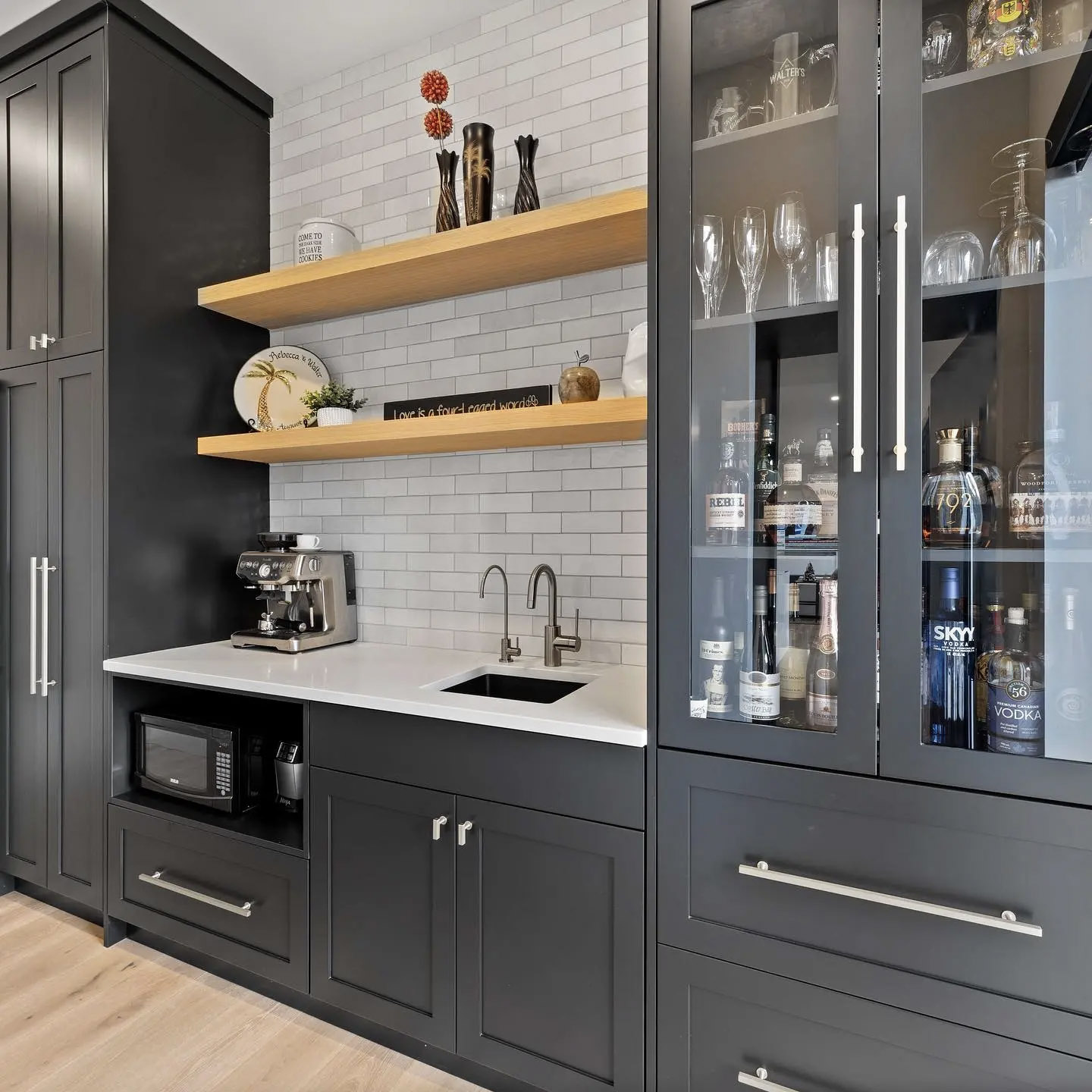
For a rental, temporary setup, or short-term storage need, a basic freestanding cabinet may be enough. Look for a cabinet that is easy to assemble, easy to move, and affordable.
Do not overspend on custom features if you may not use the cabinet long-term. However, still check stability and wall anchoring requirements.
Laundry Room or Basement Overflow
A lower-cost or mid-range storage cabinet can work well in a laundry room, basement, garage-adjacent area, or utility space. These cabinets are useful for paper towels, cleaning supplies, pet food, extra pantry goods, and seasonal household items.
Choose a cabinet with solid doors if you want to hide clutter. Avoid placing MDF or particleboard cabinets in damp areas.
Daily-Use Family Pantry
For a kitchen pantry used every day, it is usually worth moving into the mid-range. Adjustable shelves, door shelves, stronger hinges, drawers, and a durable finish can make a noticeable difference.
A daily-use pantry should be stable, easy to clean, and simple to organize. Weak shelves and poor hardware can become frustrating quickly.
Long-Term Kitchen Upgrade
For a kitchen renovation or long-term upgrade, consider a built-in, semi-custom, or custom pantry cabinet. This is especially useful if you want pull-out racks, deep drawers, matching doors, or storage designed around your appliances.
A higher upfront cost may be worthwhile if the cabinet improves the entire kitchen layout and will be used for many years.
Delivery, Shipping, Returns, and Customer Service
Buying a pantry cabinet online can be convenient, but large cabinets are more likely to arrive in heavy boxes. Before ordering, check the delivery details and return conditions.
Pay attention to:
Shipping fees
Delivery time
Package weight
Number of boxes
Return window
Restocking fees
Damaged item policy
Replacement parts availability
Customer service reviews
Keep the packaging until every panel and piece of hardware has been inspected. If a part is damaged or missing, take photos and contact customer service before assembling the cabinet.
Assembly and Installation
Source: H Man Reno
Ready-to-Assemble Cabinets
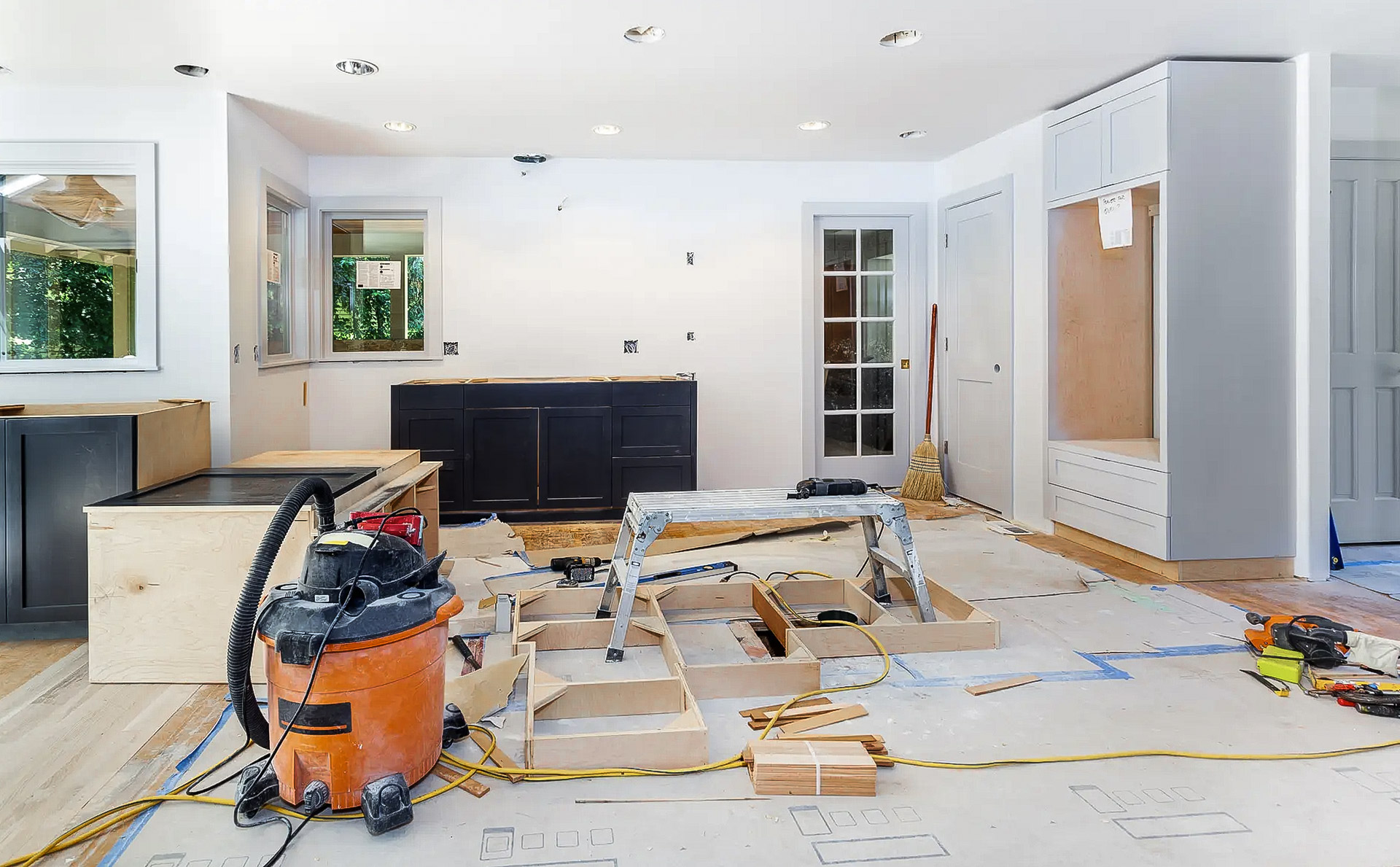
Many freestanding pantry cabinets require assembly. This can save money, but it also means the final result depends on careful setup.
Before assembly:
Read the instructions from start to finish
Confirm that all parts and hardware are included
Assemble the cabinet on a clean, level surface
Use two people for tall or heavy panels
Avoid overtightening screws in MDF or particleboard
Keep small hardware organized
Check that the cabinet is square before tightening everything
Improper assembly can make doors uneven, drawers difficult to use, or the cabinet less stable.
Wall Anchoring and Tip-Over Safety
Tall freestanding pantry cabinets should generally be secured to the wall using the included tip-over restraint device. This is especially important in homes with children or pets.
Use the hardware recommended by the manufacturer. When possible, secure the cabinet to a wall stud. If a stud is not available, use heavy-duty anchors that are appropriate for your wall type and the weight of the cabinet.
Do not skip this step just because the cabinet feels heavy. Tall cabinets can become unstable when doors and drawers are open or when children climb on them.
Built-In Installation
Built-in pantry cabinets should be installed level, plumb, and securely fastened. Poor installation can lead to uneven doors, gaps, rubbing drawers, or stress on the cabinet box.
Hire a qualified installer, cabinetmaker, or contractor if the cabinet needs to be integrated with existing cabinetry, trimmed to fit, or installed around uneven walls and floors.
Electrical, plumbing, gas, HVAC, structural changes, and major wall modifications should be handled by qualified professionals.
Maintenance and Care
A pantry cabinet does not need complicated maintenance, but regular care helps it last longer.
Wipe spills quickly, especially on MDF, particleboard, and laminate. Use a soft cloth and mild cleaner. Avoid soaking shelves, using abrasive pads, or leaving damp items inside the cabinet.
For everyday care:
Tighten loose handles and knobs
Adjust hinges if doors become uneven
Clean crumbs and spills from shelves
Avoid overloading drawers
Use shelf liners for sticky bottles or oils
Keep heavy items on lower shelves
Check wall anchors once in a while
If a shelf starts to sag, reduce the weight or contact the retailer for replacement parts. Do not continue loading a damaged shelf with heavy food, cookware, or appliances.
How to Choose the Right Pantry Cabinet
Start by identifying what you need to store. A cabinet for cereal, snacks, and canned goods is different from a cabinet for appliances, dishes, or cleaning supplies.
Then compare your options based on:
Room size
Cabinet height, width, and depth
Shelf adjustability
Drawer strength
Door swing
Weight capacity
Material quality
Finish durability
Assembly difficulty
Wall anchoring hardware
Shipping and return policies
Price
For a small kitchen, choose a narrow tall kitchen pantry cabinet with adjustable shelves. For a family kitchen, a wider cabinet with drawers and door shelves may be more useful. For an open dining area, a hutch-style cabinet or sideboard may look more natural.
In Conclusion
A pantry cabinet is a practical way to add storage without rebuilding your entire kitchen. Freestanding cabinets are flexible and usually more affordable, while built-in pantry cabinets offer a cleaner and more permanent look.
Measure carefully, compare materials, check storage features, and pay attention to assembly and wall anchoring. The best pantry cabinet should fit your space, match your style, and make everyday kitchen storage easier to manage.
FAQ
What is the best size for a pantry cabinet?
The best size depends on your kitchen layout and storage needs. Many freestanding pantry cabinets are about 24 in. to 36 in. wide and 60 in. to 72 in. tall, while kitchen cabinet pantry modules may be taller. Measure the space, door clearance, drawer clearance, and walkway before buying.
Are freestanding pantry cabinets worth it?
Yes, freestanding pantry cabinets can be worth it if you need extra storage without a full renovation. They are usually less expensive than built-in cabinetry and can be moved if your layout changes.
What material is best for a pantry cabinet?
Plywood and solid wood components are generally more durable, but they cost more. MDF, particleboard, engineered wood, and laminated MDF are common in budget and mid-range cabinets. For everyday kitchen use, choose a durable finish, strong hardware, and shelves that can handle the weight of your items.
How much does a pantry cabinet cost in Canada?
Many freestanding pantry cabinets cost about $120 to $800 in Canada. Larger hutch-style or multifunctional cabinets can cost $600 to $1,500. Built-in, semi-custom, and custom pantry cabinets can cost $1,500 to $4,000 or more, depending on size, materials, accessories, and installation.
Do pantry cabinets need to be attached to the wall?
Tall pantry cabinets should generally be attached to the wall with the included tip-over restraint device. This helps reduce the risk of the cabinet tipping, especially when doors or drawers are open.
What pantry cabinet features are most useful?
Adjustable shelves, door shelves, drawers, and pull-out storage racks are usually the most useful features. They make the cabinet easier to organize and help you use the full depth of the cabinet.
How do you organize a deep pantry cabinet?
Use baskets, bins, pull-out racks, drawers, or grouped containers to keep items visible. Store daily items near the front and place larger or less-used items farther back.
Can a pantry cabinet hold small appliances?
Some pantry cabinets can hold small appliances, but you need to check the shelf depth, shelf weight capacity, ventilation, and access to an outlet. For appliances such as microwaves or coffee makers, a hutch-style cabinet with an open countertop shelf is usually more practical than a closed cabinet.
What should I check before ordering a pantry cabinet online?
Check the cabinet dimensions, package weight, number of boxes, material, weight capacity, assembly requirements, shipping cost, return policy, and replacement parts availability. Reviews can also help you spot common issues such as damaged panels, unclear instructions, or weak hardware.
Looking for something else?
Related articles
The latest industry news, interviews, technologies, and resources.

Editorial Team
•30 Aug 2024
A concrete countertop can help transform the space it's in. Many see concrete as an industrial material. However, if used well, it can adapt to any decor style. A mundane kitchen can undergo a major transformation with the addition of a new concrete countertop covering.
Léa Plourde-Archer
•08 Nov 2023
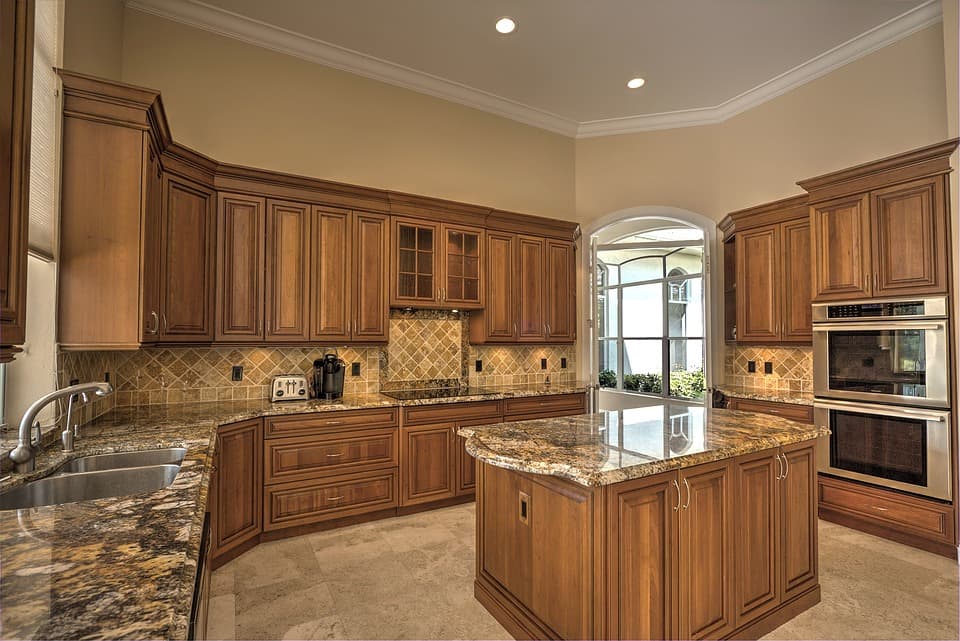
If you're thinking about changing your kitchen countertop, you may quickly realize that there are many options available. Amongst these, we can't forget to consider granite. Known for being elegant as well as original in terms of design, granite deserves your attention.

Editorial Team
•06 Nov 2025
Obtaining a licence from the Régie du bâtiment du Québec (RBQ) is an essential step for any construction contractor wishing to operate legally in the province. Yet, every year, a large number of applications are refused or delayed due to simple, avoidable mistakes.

Editorial Team
•08 Oct 2025
The labour shortage is one of the leading recruiting challenges facing the Quebec construction and renovation industry in 2023. As a result of the aging workforce and declining birth rates, the amount of available workers has significantly decreased in the last few years. Furthermore, the construction and renovation industry is confronted with an intense rivalry from other industries, making talent acquisition even more difficult. Companies are struggling to find labour and its effect is increasingly recognized. It’s a pattern that has been established within our company. Indeed, much like our CEO, Michel Jodoin, stated at the start of the year, hundreds of job offers specific to the renovation industry are being posted on our platform, many of which have yet to find takers.
Cynthia Pigeon
•08 Jul 2026
In 2026, replacing a concrete slab and pyrite-contaminated backfill can represent a significant budget. For a basement, some estimates range from around $15,000 to $40,000, while a garage can cost several thousand dollars, depending on the surface area, access and the extent of the removal required. This price includes the full excavation of the contaminated backfill, its replacement with tested non-expansive crushed stone and the pouring of new concrete. Before undertaking this major work, an official technical test following the CTQ-M200 protocol is often required by financial institutions or during a real estate transaction to assess the swelling index.