Questions to Ask a Renovation Contractor: Complete Checklist
By Cynthia Pigeon
Updated on August 13, 2026

According to the Association des professionnels de la construction et de l’habitation du Québec (APCHQ), residential renovation spending in Quebec rose from $15 billion in 2020 to nearly $24 billion in 2022. Whether you are reinsulating a basement to withstand harsh winters, installing an efficient heat pump, or reroofing, the success of your renovation depends heavily on the qualifications of the contractor you hire.
The Office de la protection du consommateur regularly receives complaints involving renovation contractors. Common issues include unjustified delays, poor workmanship, abandoned projects, and unexpected cost overruns.
To avoid these problems, your initial meeting with a contractor should involve more than an informal conversation about tile or paint colours. It should be treated as a proper selection process. Here is a practical checklist of the essential questions to ask before handing over your keys and signing a contract.
Essential Questions to Ask Before the Meeting

Source: RenoQuotes
Before discussing architectural concepts or design details, verify the contractor's legal credentials and financial protections. Requirements vary across Canada, while Quebec has its own specific regulatory framework.
Preliminary checks:
Valid contractor licence: Confirm any licence or registration required in your province or municipality
Quebec RBQ licence: Active status and appropriate subcategories, when applicable
Quebec licence bond: $40,000 for a general contractor / $20,000 for a specialized contractor
Liability insurance: Request proof of adequate commercial general liability insurance; $2 million in coverage is commonly recommended
1. What Licences or Registrations Do You Hold, and Are They Valid?
Licensing requirements vary by province, municipality, and type of work. Ask the contractor which licences, registrations, or trade qualifications apply to your renovation and verify them with the appropriate authority.
In Quebec, under the Building Act, any company that performs or has construction or renovation work performed must hold a valid licence issued by the Régie du bâtiment du Québec (RBQ).
A Quebec contractor must display their RBQ licence number on estimates, quotes, contracts, statements of account, and invoices. The number must also appear on construction-site signs when the business name is displayed.
Why Is This Verification Important?
In Quebec:
Recognized qualifications: The licence confirms that the company's qualifying individual has met RBQ requirements related to construction management, safety, financial management, and applicable technical knowledge.
Licence bond: The RBQ requires a $40,000 bond for a general contractor and a $20,000 bond for a specialized contractor. This protection can compensate clients in certain cases involving non-performance, misused deposits, or recognized defects.
Do not simply write down the licence number. Verify it directly through the public Régie du bâtiment du Québec (RBQ) registry. Also make sure the licence subcategories, such as 1.2 – Contractor – Small Buildings, correspond to the work planned for your home.
Outside Quebec, verify the equivalent provincial, territorial, or municipal requirements applicable to your project.
2. Do You Carry Commercial General Liability Insurance?
Every renovation project involves risks: a damaged water line that floods a floor, a fire caused by hot work, or a falling tool that damages neighbouring property.
Ask your renovation contractor to provide written proof of commercial general liability insurance and confirm that the coverage is appropriate for the scope of your project.
Why request proof of insurance?
Home insurance: Your insurer could refuse to cover certain losses
Recourse against the contractor: You may need to pursue compensation yourself
Damage to neighbouring property: You could be held responsible for certain third-party damages
Ask for a current certificate of insurance and verify that the insured business name matches the name shown on the contract and, where applicable, the contractor's licence or registration.
Questions to Ask About How the Project Will Be Managed
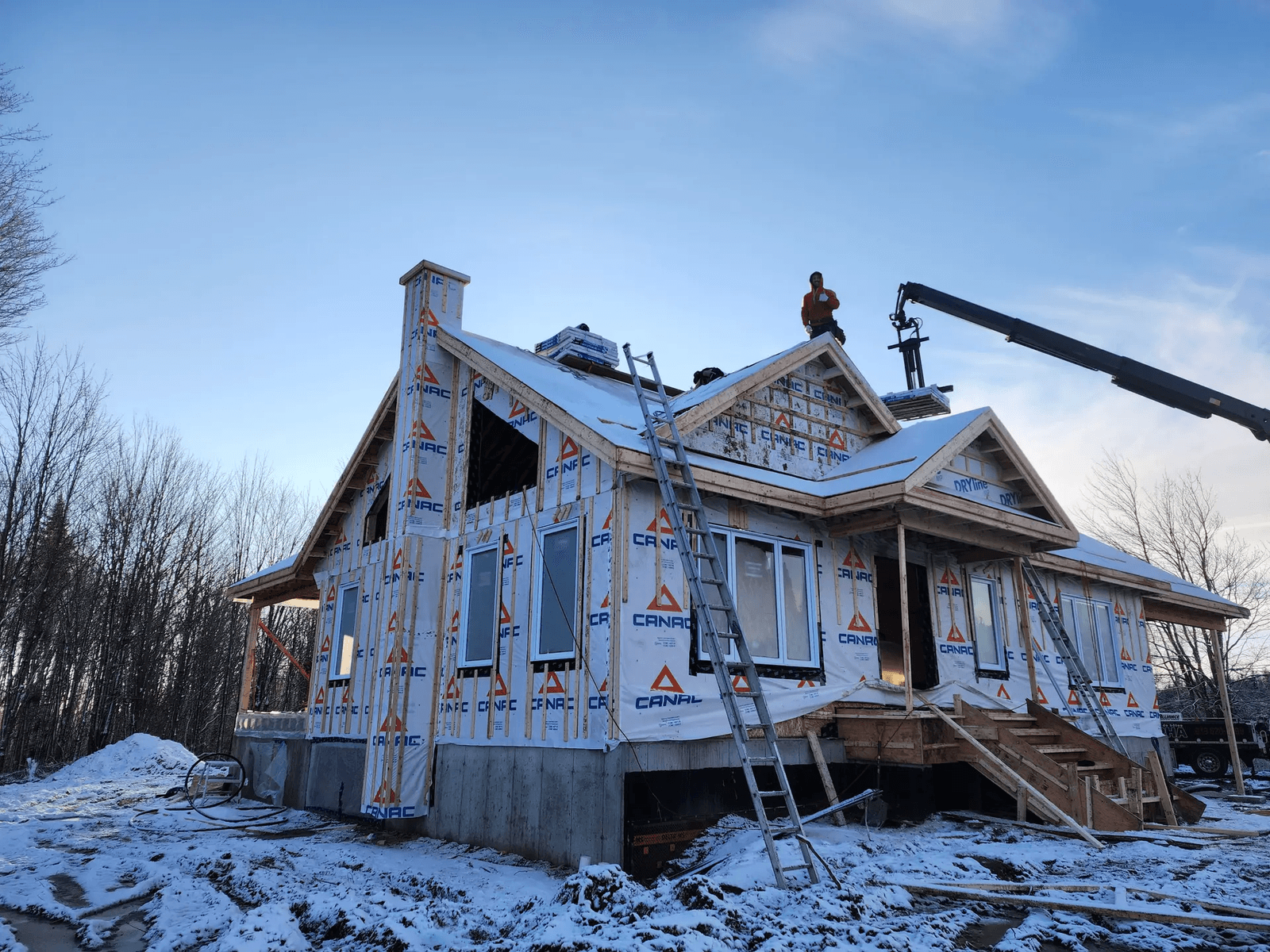
Source: Symétrix Construction Inc.
Once the contractor's credentials have been verified, turn to site logistics. Day-to-day project management has a major impact on both workmanship and your experience living alongside a renovation crew.
Daily site organization:
Supervision: Name of the project manager or site supervisor
Subcontracting: Verification of required trade licences or certifications
Site management: Daily cleanup and management of waste bins or containers
3. Who Will Supervise the Work Day to Day?
On many projects, homeowners meet a persuasive sales representative during the initial estimate but rarely see that person once the contract is signed. You should know exactly who will be responsible for the job once work begins.
Ask:
Will the company owner be on site, or will a dedicated project manager or site supervisor be assigned?
How often will the supervisor be present?
What is the preferred method of communication in an emergency: phone, email, or scheduled meetings?
How will dust and occupied areas of the home be protected?
A well-organized contractor should have a site-protection plan, which may include temporary plastic barriers, floor protection, and a waste container for regular removal of demolition debris. To compare clear proposals from qualified professionals, you can shop around for contractors and review several options.
4. Do You Use Subcontractors for Certain Trades?
A general contractor will often coordinate several specialized trades on the same project. This is standard practice, but you should understand who will actually perform the work and whether the appropriate trade qualifications are in place.
Requirements vary across Canada. Certain regulated trades, including electrical and plumbing work, may require specific provincial licences or certifications.
In Quebec:
Electrical work must be performed by a master electrician who is a member of the CMEQ (Corporation des maîtres électriciens du Québec).
Plumbing and hydronic heating work falls under the CMMTQ (Corporation des maîtres mécaniciens en tuyauterie du Québec) standards.
If your project involves subcontractors, ask the general contractor for a list of the trades they expect to hire and verify any licences, registrations, or certifications required in your province.
In Quebec, verify that applicable subcontractors also hold the appropriate RBQ licences.
Essential Financial and Contract Questions
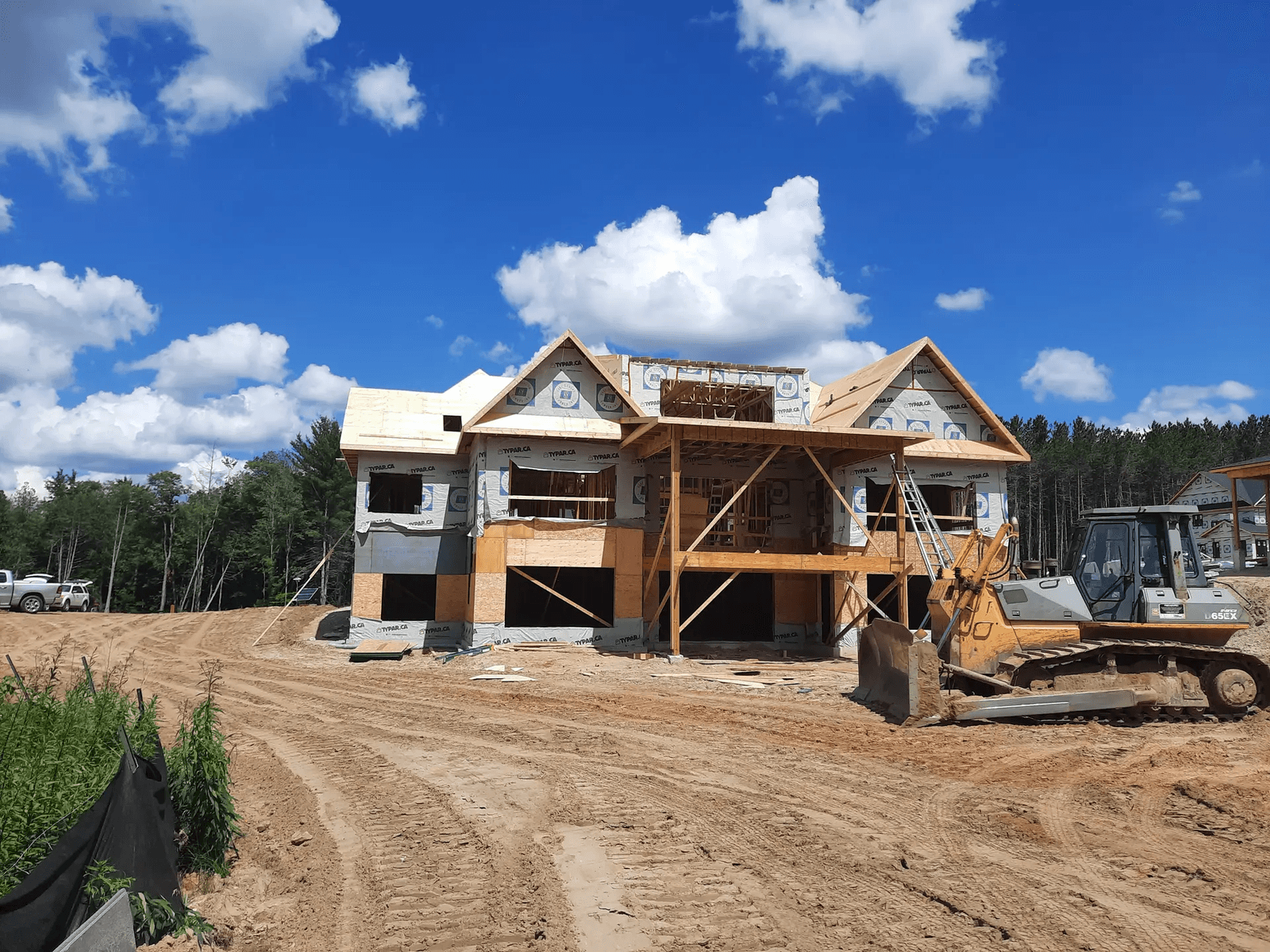
Source: BCS Construction
Some of the most serious renovation disputes involve money, payment schedules, and unexpected extras. The best time to eliminate ambiguity is before you sign the renovation quote or contract.
Deposit at signing: If possible, avoid paying a deposit or limit it to a small amount
Progress payments: Tie payments to completed stages of work
Final payment: Keep an appropriate amount until the work has been completed to your satisfaction
Extras: Have all additional work approved and documented in writing before it begins
5. What Is the Payment Schedule and How Much Is the Deposit?
A large deposit of 30%, 40%, or 50% before work begins should make you cautious.
Payment practices and consumer-protection rules vary across Canada, so review the requirements that apply in your province.
In Quebec, the Office de la protection du consommateur (OPC) provides clear recommendations:
If possible, do not pay a deposit to a general contractor, or pay only a very small amount.
Subsequent payments should be made in instalments based on the progress of the work.
The OPC suggests keeping a final payment of approximately 10% to 15% of the total cost until the work is completed to your satisfaction.
To obtain realistic estimates based on current market prices, request a detailed renovation quote before committing significant funds.
6. How Do You Handle Unforeseen Conditions and Change Requests?
Older Canadian homes can reveal surprises once walls, ceilings, or floors are opened. These may include inadequate insulation, moisture damage, outdated electrical systems, or weakened structural components.
A practical change-order process should include:
Discovery of the unforeseen condition on site
Assessment of technical options by the contractor
A written change order describing the additional work, cost, and effect on the schedule
Written approval from the homeowner before the work begins
Completion of the additional work
Ask the contractor how they handle unforeseen work. A reliable professional should follow a strict rule: no chargeable extra work should be performed without written approval from the homeowner. The change should identify the problem, the proposed solution, the price, and any impact on the final completion date. Avoid relying on verbal agreements for additional work.
To find a transparent professional with a strong track record, take the time to find a qualified general contractor suited to your project.
Questions to Assess Reputation and Experience

Source: Pascal Dubé Construction Rénovation
Beyond licences and qualifications, previous projects and client experiences can tell you a great deal about a contractor's reliability.
Years in business: Company established for several years
Recent references: Contact information for 2 to 3 verifiable clients
Local portfolio: Similar projects completed in your area
Legal history: Review relevant judgments or disputes involving the company
7. Can You Provide References From Similar Recent Projects?
Do not rely exclusively on general online reviews, which may not always tell the full story. Ask the contractor for the phone numbers or contact details of two or three recent clients whose projects were comparable in size and scope to yours, such as a complete bathroom renovation, crawl-space insulation, or a main-floor remodel.
When contacting past clients, ask specific questions:
Was the original schedule respected within a reasonable margin?
Did the final price correspond closely to the original quote?
How did the team respond to unforeseen conditions?
Was the site cleaned and secured at the end of each day?
Would you recommend this general contractor to a family member?
A contractor who is confident in their work should be able to provide appropriate references for comparable projects.
A Homeowner's Summary Checklist
Keep this table handy when meeting with contractors:
Question to Ask | Answer / Document to Request | Warning Sign |
Licence or registration | Applicable provincial or municipal licence, plus RBQ licence where applicable in Quebec | Refusal to provide required credentials or inactive licence |
Liability insurance | Commercial general liability insurance certificate with adequate coverage | Unable or unwilling to provide proof |
Deposit | No deposit if possible, otherwise a small amount | Request for 30% to 50% upfront |
Site supervision | Name of the person responsible + clear communication process | No clearly identified person in charge |
Extras | Written change approved before work begins | “We'll sort out the price at the end” |
Client references | Contact information for 2 to 3 recent clients | Refusal to provide any verifiable references |
Asking these questions during your first meeting establishes clear expectations from the start. It also makes it easier to compare contractors based on their qualifications, organization, transparency, and experience rather than price alone.
Take the time to compare renovation quotes to evaluate market pricing and choose the right contractor for your home.
Looking for something else?
Related articles
The latest industry news, interviews, technologies, and resources.

Editorial Team
•05 Dec 2023
We’re still a few weeks (months) away from summer, but it’s never too early to start thinking about that warm weather and its effect on your home. During those particularly scorching months, air conditioning is a modern-day lifesaver. Even on the hottest of summer afternoons, it’ll cool you down and bring your energy levels back up.
Amanda Harvey
•08 Nov 2023
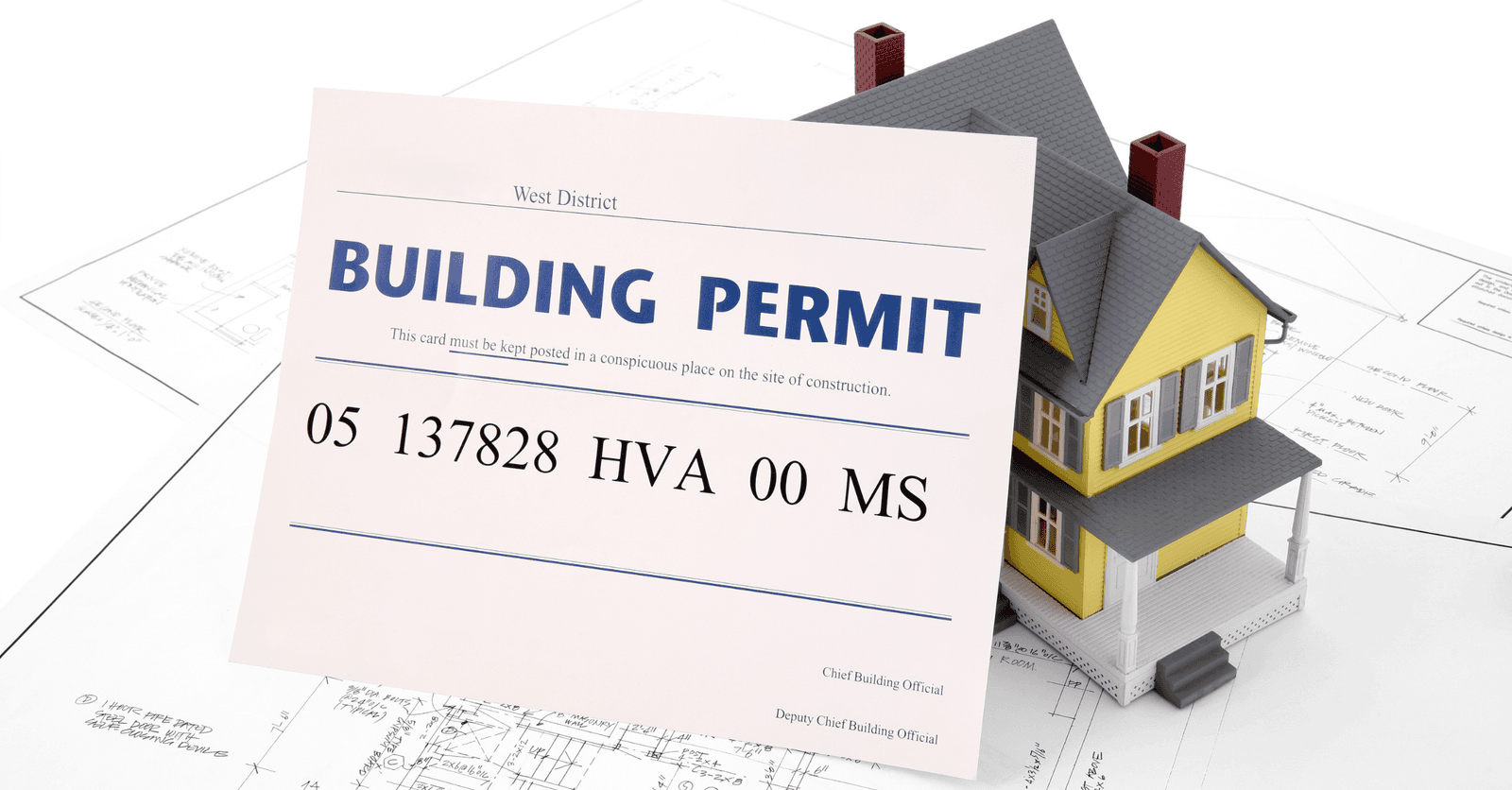
Regardless if you’re a renovation novice or an expert, a contractor even, the world of building permit requests is tricky to navigate. Of course, if you’ve taken on a renovation project or two, then you’re most likely aware of everything that's of importance, like applying for permits in the first place. In 1976, Ontario established the Building Code Act, to regulate and increase renovation quality control while offering homeowners protection. Therefore, if you’re renovating a structure in the City of Ottawa, you have to determine whether or not a work permit is required.

Editorial Team
•16 Jun 2026
The ideal refuge after a hard day's work, the basement is a room that we hope to be warm and welcoming. Of course, we want to avoid making this space feel cramped and lacking ventilation. Due to its location and lack of light that enters the room, creating a balanced atmosphere can be a challenge.

Léa Plourde-Archer
•12 Jun 2025
When it comes to interior transformations and renovations, walls are one of the first elements that come to mind. They are often one of the least expensive renovations, and many people decide to complete the work themselves.
Cynthia Pigeon
•26 Jun 2026
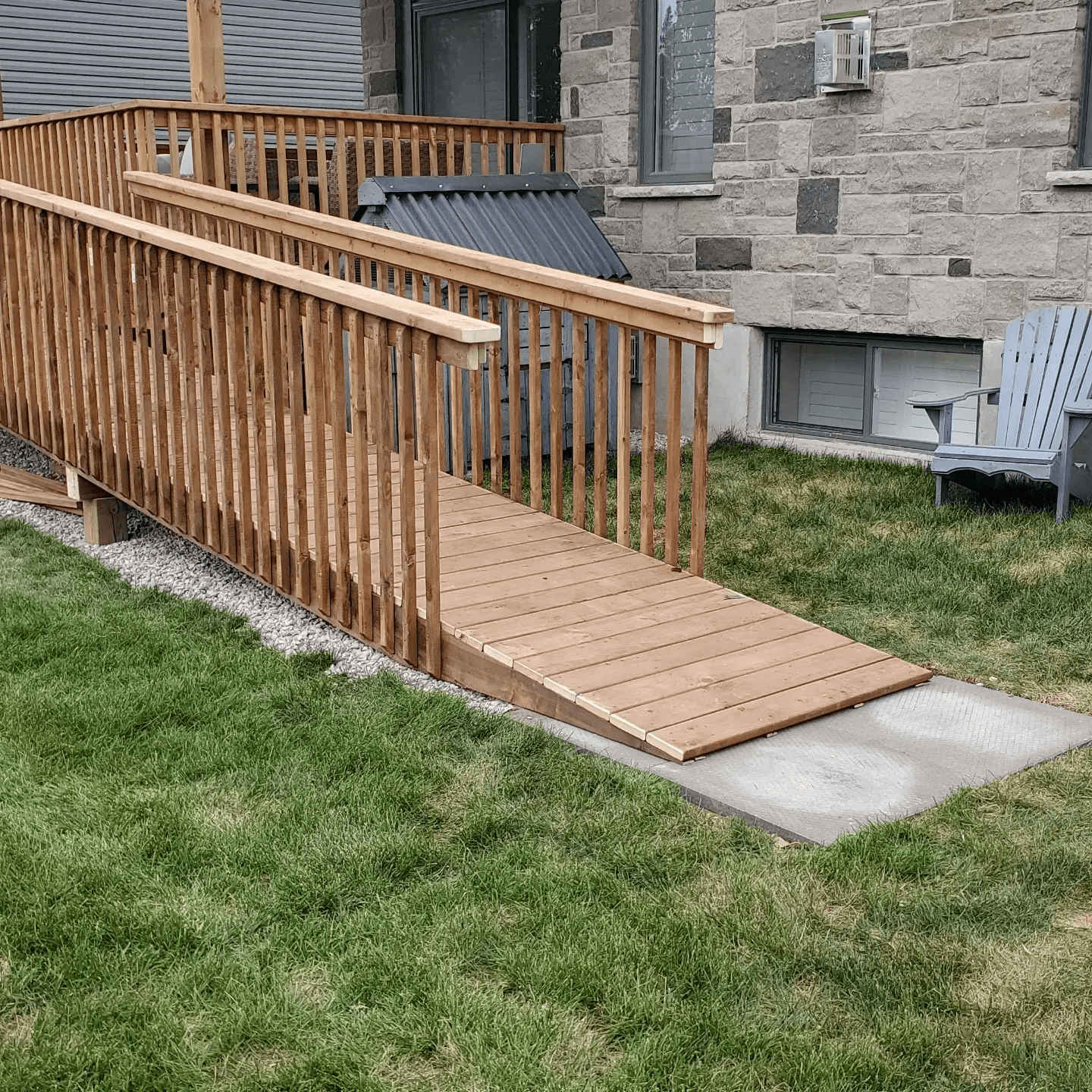
Universal accessibility is a major issue for residential property owners, commercial building managers, municipalities and building professionals. In Quebec, building an access structure requires careful planning to ensure the safety of people with reduced mobility. Depending on the type of building, its use and the municipality, the project may have to comply with the Quebec Construction Code, municipal requirements and best practices adapted to Quebec’s climate.