Walk-In Bathtub Costs in Canada (2026): Installation, Prices and Grants
By Cynthia Pigeon
Updated on October 21, 2026
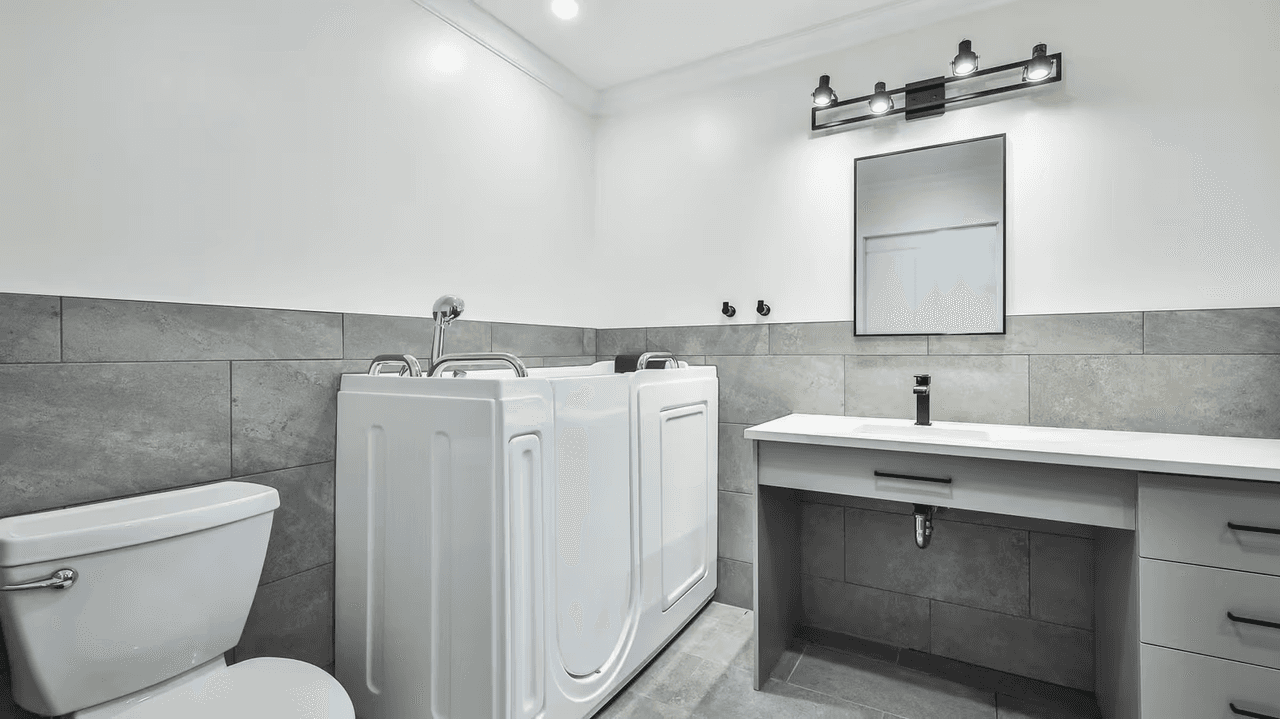
Installing a walk-in bathtub can make a bathroom more accessible and safer, particularly for seniors and people with reduced mobility. This type of bathtub makes getting in and out easier while helping people maintain their independence at home.
How much does a walk-in bathtub cost in Quebec and across Canada in 2026? Should you replace your bathtub entirely or modify your existing one? And what financial assistance is available to help cover the cost?
Discover the prices to expect, the different installation options, the criteria to consider when choosing a model, and the grants and tax credits available in Quebec and the rest of Canada.
How Much Does a Walk-In Bathtub Cost in Canada in 2026?
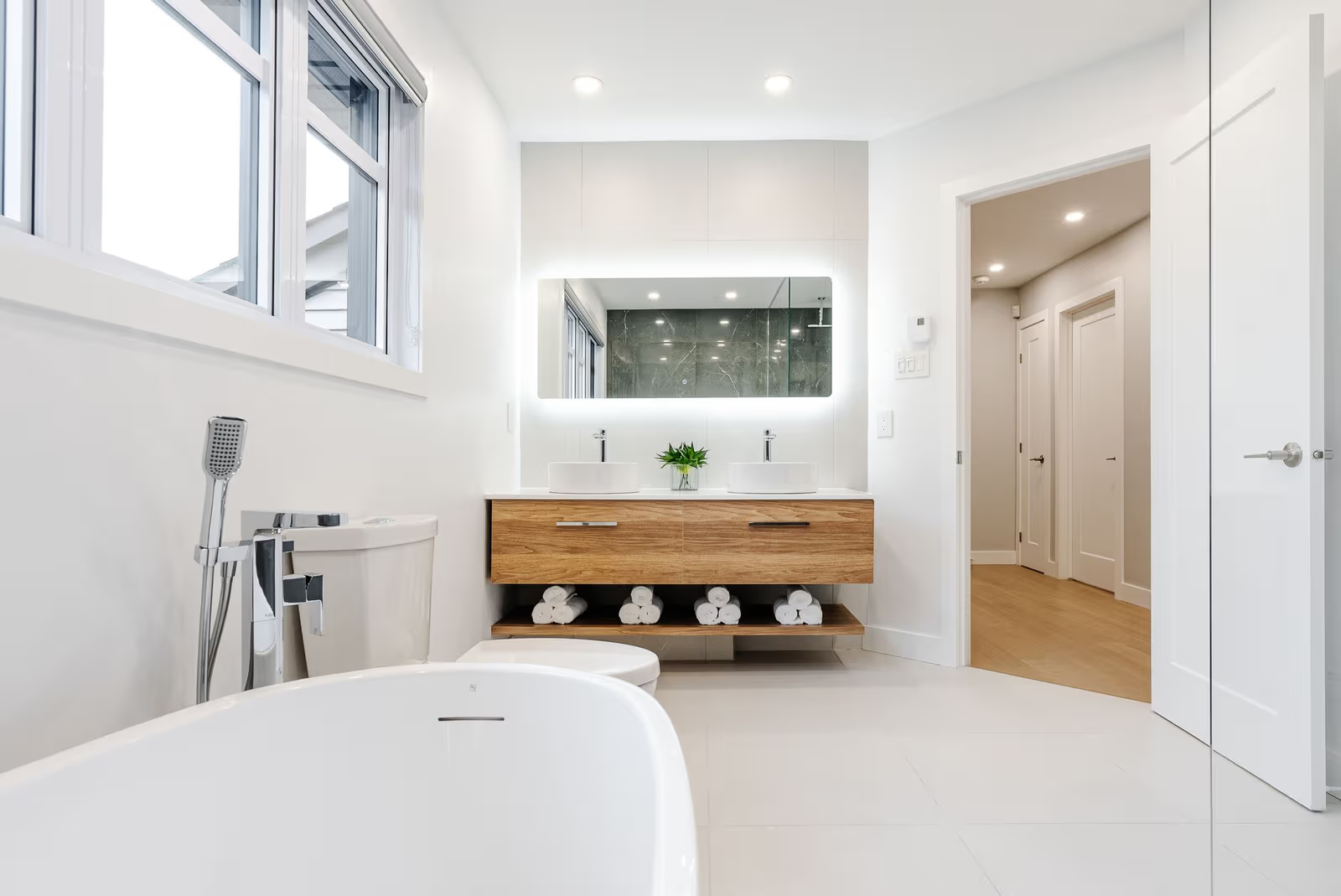
Source: Solutions Futées
The price mainly depends on the type of work involved. Homeowners have two options: modifying an existing bathtub to make it more accessible or installing a new walk-in bathtub designed for people with reduced mobility.
Here are the estimated costs in Quebec for 2026.
Type of Work | Approximate Price |
Cutting and converting an existing bathtub | $800 – $1,600 |
Installing a new walk-in bathtub | $5,000 – $12,000 |
Additional plumbing or bathroom modifications | Depends on the scope of work |
These amounts are budget estimates. The final cost varies depending on the model, materials, bathroom layout, and work required. Always check what is included in the quote and whether taxes are included.
How Much Does a Walk-In Bathtub Cost in Major Canadian Cities?
Prices vary across Canada, particularly because of differences in labour costs, installation complexity, and local contractor rates.
City | Estimated Cost of a New Walk-In Bathtub, Including Installation |
Montréal, QC | $5,000 – $12,000 |
Québec City, QC | $5,000 – $12,000 |
Toronto, ON | $6,500 – $15,000 |
Ottawa, ON | $6,000 – $14,000 |
Vancouver, BC | $7,000 – $16,000 |
Calgary, AB | $6,000 – $14,000 |
Edmonton, AB | $5,500 – $13,500 |
Winnipeg, MB | $5,500 – $13,000 |
Halifax, NS | $5,500 – $13,500 |
These are approximate 2026 budgeting ranges in Canadian dollars, not confirmed city-specific contractor prices. They assume a new walk-in bathtub and a typical residential installation. Premium models and extensive plumbing or electrical modifications can increase the total.
For more information about the cost of different bathroom fixtures, consult our bathroom renovation price guide.
Converting an Existing Bathtub: A More Affordable Option
Converting a traditional bathtub involves cutting part of its side to create an opening that makes access easier. Depending on the system chosen, a watertight door or a lowered threshold can then be installed.
This option generally costs between $800 and $1,600 in Quebec and offers several advantages:
It allows you to keep most of the existing installation.
It generally requires less work than a complete replacement.
It reduces the height you need to step over to enter the bathtub.
It can be completed without renovating the entire bathroom.
However, it is important to distinguish between a simple cut-out with a lowered threshold and a conversion with a watertight door. A bathtub that has been cut open without a watertight door can generally no longer be filled like a traditional bathtub.
This solution is best suited to people who primarily want easier access to their shower. Before starting the work, a professional should verify that the bathtub's material and structure allow for a safe, durable conversion.
Installing a New Walk-In Bathtub: A Safer Investment
A new walk-in bathtub is specifically designed to make bathing easier. It generally includes a watertight door, built-in seat, and non-slip surfaces. Some models also offer grab bars, therapeutic jets, or a quick-drain system.
In Quebec, the estimated budget for a new walk-in bathtub is between $5,000 and $12,000, depending on the product's features and installation requirements. Prices may be higher elsewhere in Canada, particularly in major urban centres. The cost can increase with premium features or when significant plumbing modifications are required.
Unlike a simple conversion with a lowered threshold, a new walk-in bathtub generally allows users to continue taking seated baths. Before purchasing, compare the features, dimensions, and warranties offered by different models.
Conversion or Complete Replacement: Which Should You Choose?
The choice depends on your budget, the condition of your existing bathtub, and the needs of the person using it.
Criteria | Existing Bathtub Conversion | New Walk-In Bathtub |
Work required | Modification of the existing installation | Removal and replacement of the bathtub |
Existing bathtub retained | Yes | No |
Ability to take a bath | Depends on the system installed | Generally, yes |
Comfort features | Limited | Seat, jets, quick-drain system, etc. |
Adaptability to specific needs | Varies | Selection of specialized models |
For someone who mainly wants to reduce the height they need to step over to take a shower, a conversion may be sufficient. However, if seated bathing is necessary or the existing bathtub does not meet the user's mobility needs, a new model may be preferable.
What Factors Affect the Cost of Installing a Walk-In Bathtub?
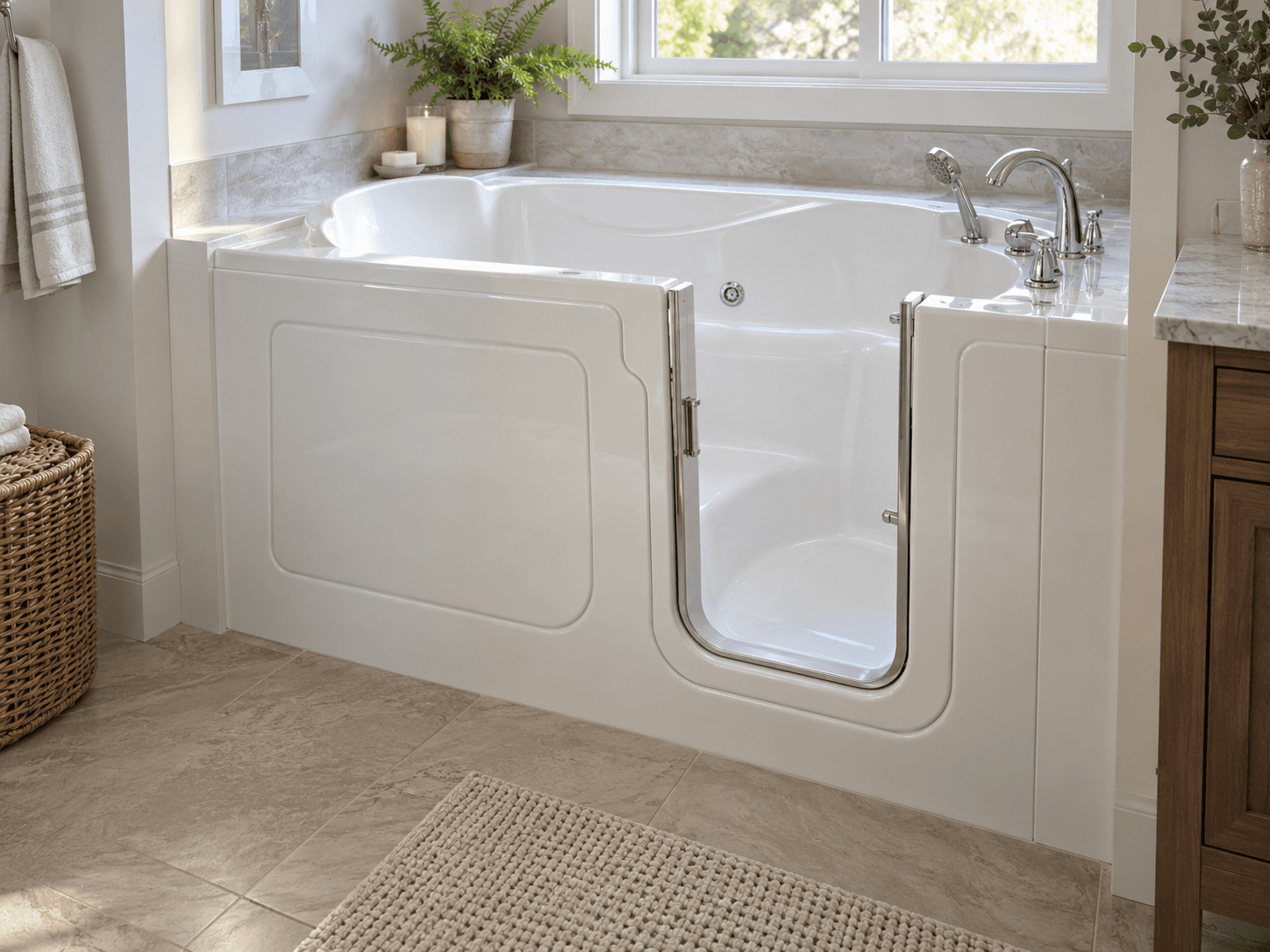
Source: RenoQuotes
The price of the equipment does not always represent the full investment. Several factors can increase the final amount on the contractor's quote.
Plumbing Modifications
The location of the water supply and drainage pipes affects the complexity of the work.
If the new bathtub is compatible with the existing connections, installation may be relatively straightforward. However, relocating the drain, replacing faucets, or modifying pipes can lead to additional costs. A preliminary inspection can help determine the work required.
For more information about these expenses, consult our guide to plumbing renovation costs.
Water Heater Capacity
Some walk-in bathtubs require a substantial amount of hot water. It is therefore important to ensure that the home's water heater has enough capacity to fill the bathtub at a comfortable temperature. An undersized unit could cause the water temperature to drop during filling.
Depending on the model chosen, replacing the water heater or upgrading the hot water system may be necessary. These expenses should be included in the budget.
Bathroom Size and Accessibility
Doorway width, available space around the bathtub, and floor layout can affect installation costs. In a small bathroom, certain elements may need to be moved or modified to accommodate the new equipment.
For more information about potential expenses, consult our article on bathroom renovation costs in Quebec vs. Toronto in 2026.
Additional Equipment and Features
Certain features can increase the price of a walk-in bathtub:
Hydrotherapy or air jets
Water heating or temperature-maintenance systems
Quick-drain systems
Specialized faucets and handheld showerheads
Additional safety features
Before choosing these options, determine which ones actually meet the user's needs. A simple, well-adapted model may be more practical than a premium bathtub with features that will rarely be used.
Why Choose a Walk-In Bathtub?
A walk-in bathtub makes bathing more accessible for seniors and people with reduced mobility. Thanks to its low entry threshold, built-in seat, and non-slip surfaces, it can reduce certain fall risks and help users maintain their independence at home.
However, it is not suitable for everyone. Someone who has significant difficulty sitting down or standing up may benefit more from an accessible, curbless shower. In these situations, a walk-in shower may be the better solution.
An occupational therapist can help determine which bathroom layout is best suited to the user's abilities and needs.
How to Choose the Right Walk-In Bathtub
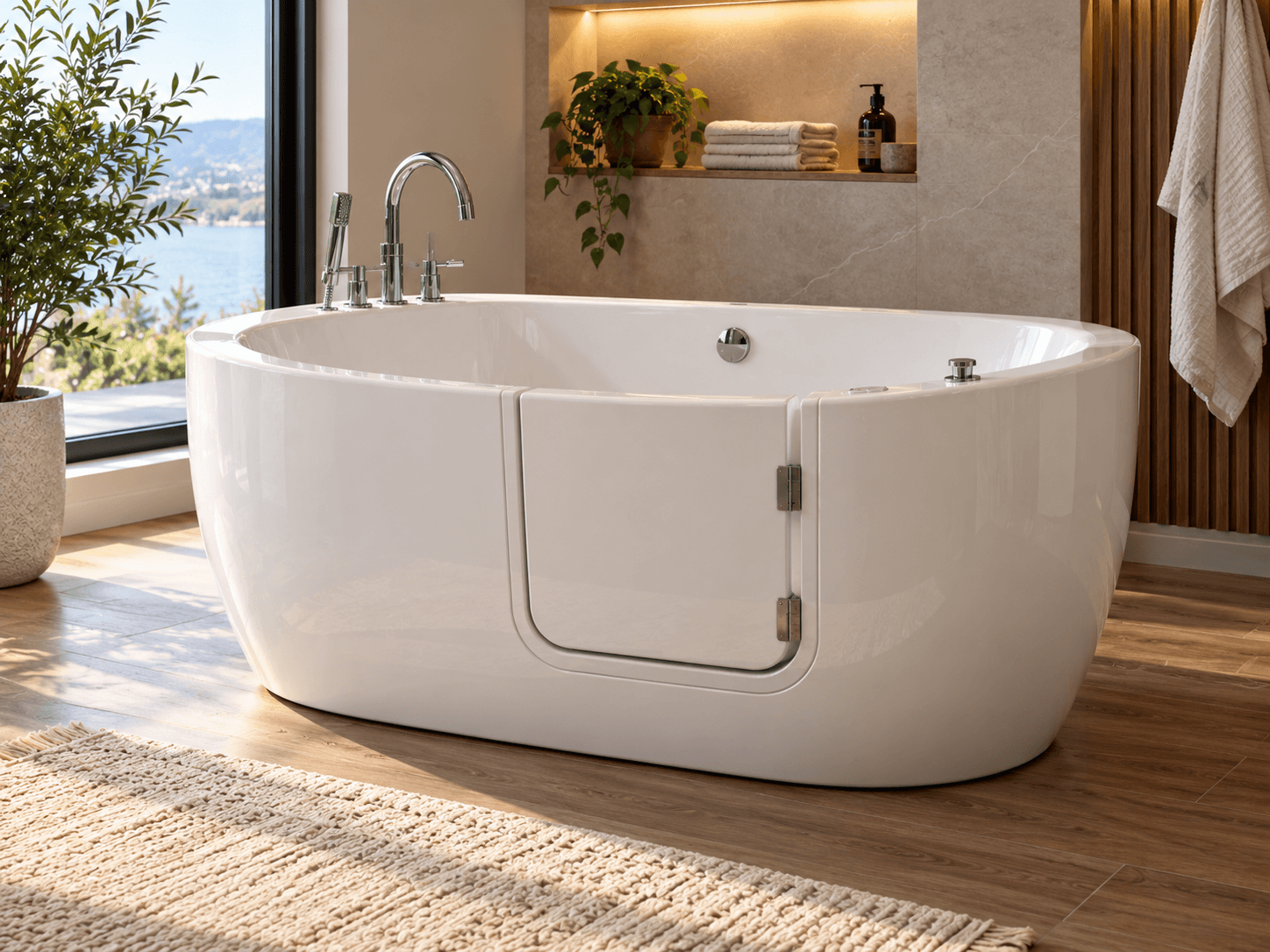
Source: RenoQuotes
Not all walk-in bathtubs have the same features. The choice should depend on the bathroom's layout, but above all, on the user's abilities and needs.
Built-In or Freestanding Walk-In Bathtub
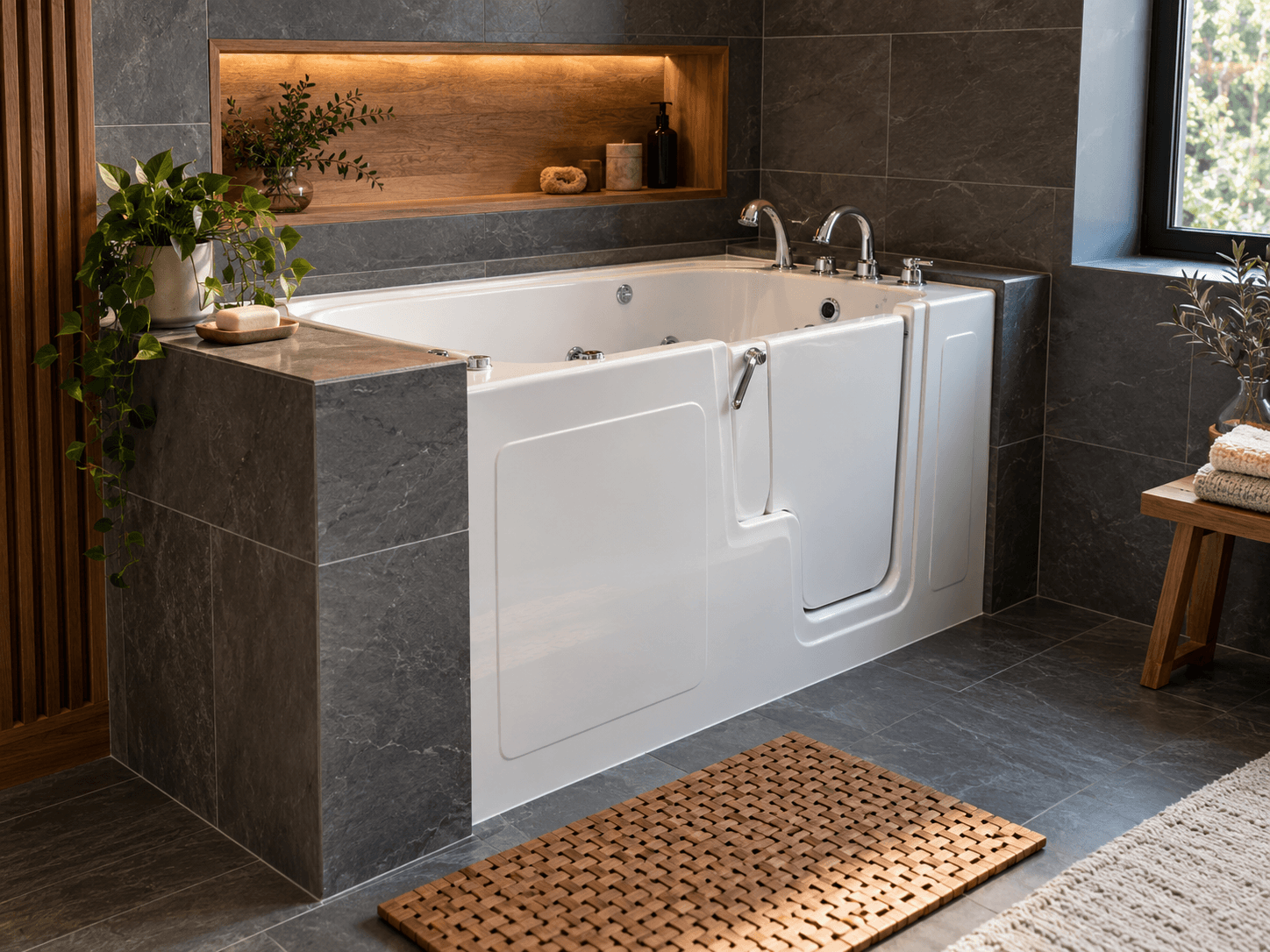
A built-in walk-in bathtub is installed against one or more walls, often in the same location as a traditional bathtub. It can be a practical option when space is limited and the existing plumbing connections can be retained.
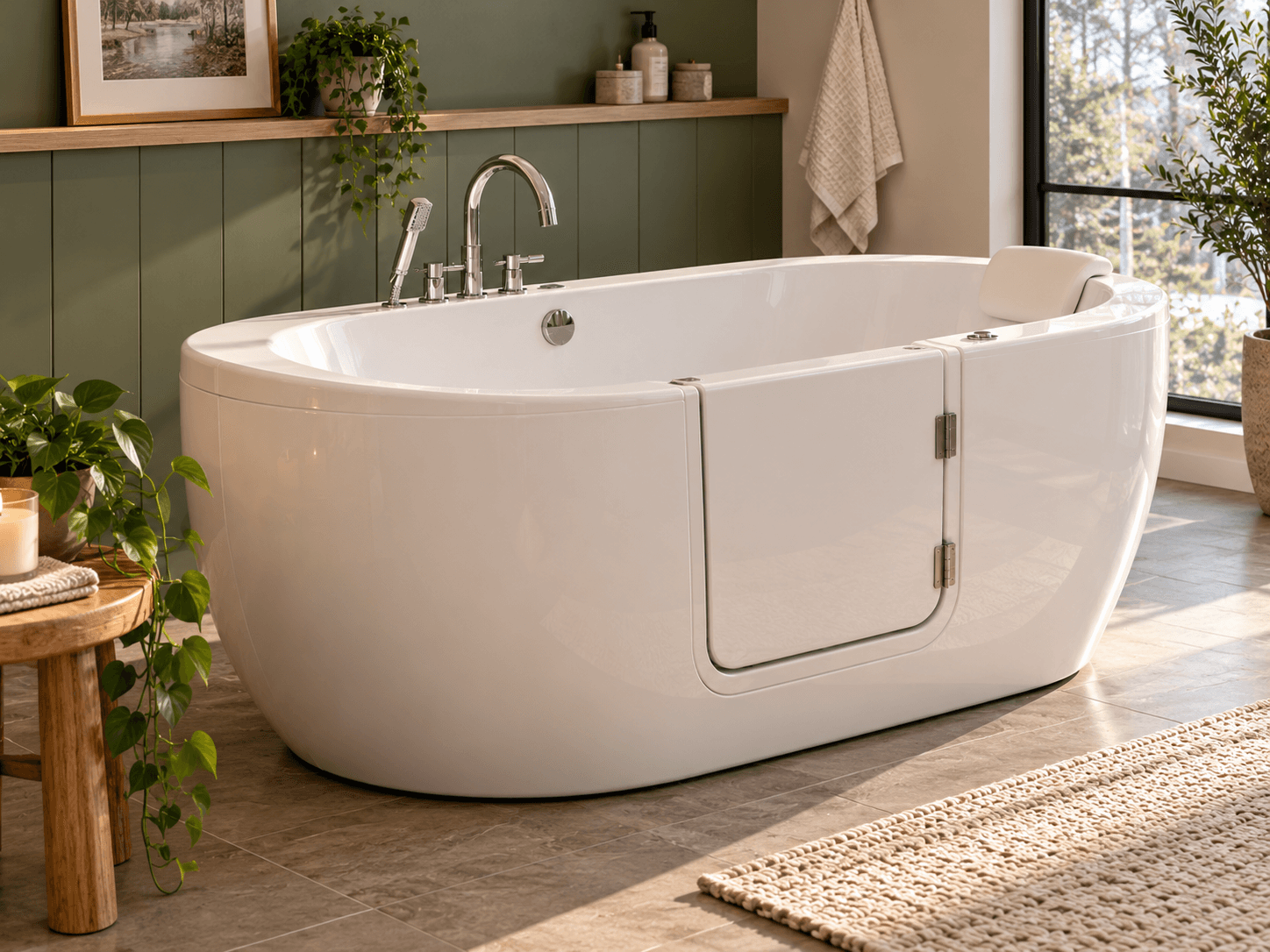
A freestanding model offers more flexibility in certain bathroom layouts. However, it may require more space and adapted plumbing connections.
In both cases, the bathtub's dimensions must allow for comfortable and safe use.
Dimensions, Door Opening, and Built-In Seat
The door width, opening direction, threshold height, and seat dimensions are among the most important criteria.
The user must be able to enter the bathtub, sit down, and stand up without excessive difficulty. A door opening inward may require special attention to the available legroom. An outward-opening door must have sufficient clearance.
Whenever possible, it is therefore recommended to try the model or check its exact dimensions before purchasing.
What Are the Technical Requirements for Installing a Walk-In Bathtub?
Source: RenoQuotes
A walk-in bathtub requires proper installation to ensure effective drainage, watertightness, and user safety.
A Quick-Drain System
Unlike a traditional bathtub, a walk-in bathtub generally needs to be drained before the user can open the door and get out. Some models feature a quick-drain system that reduces waiting time. Its effectiveness depends on the drainage system and existing plumbing. This feature can be particularly useful for people who are sensitive to cold or have difficulty remaining seated for long periods.
Proper Electrical Installation
Some walk-in bathtubs include electrical equipment, such as hydrotherapy pumps, heating systems, or motorized devices.
These installations must comply with applicable electrical requirements and the manufacturer's instructions.
In Quebec, electrical work must be performed by a contractor authorized to carry it out. In other Canadian provinces, applicable licensing and electrical safety requirements must also be followed.
Watertightness and Structural Support
The bathtub must rest on a suitable surface and be properly connected to the plumbing system. Seals, the door, and plumbing connections must be inspected to prevent water leaks.
It is also important to ensure that the floor can support the weight of the equipment, water, and user. Additional structural verification may be necessary in older buildings or when the structure shows signs of weakness.
What Grants Are Available for Walk-In Bathtubs in Quebec and Canada in 2026?
The cost of a walk-in bathtub can represent a significant investment. However, certain financial assistance programs and tax credits may help reduce expenses when eligibility requirements are met.
Quebec's Home Adaptation Program (PAD)
Quebec's Home Adaptation Program (Programme d'adaptation de domicile, or PAD), administered by the Société d'habitation du Québec (SHQ), helps people with disabilities adapt their homes to make everyday activities easier and support independent living.
It is intended for eligible individuals with significant and persistent disabilities. It may help finance certain bathroom accessibility modifications when they meet the needs recognized under the program.
Two options are available:
Option 1: Professional Assistance. Needs are assessed with the involvement of professionals, including an occupational therapist and an accredited inspector. For new applications submitted since August 2026, the basic maximum assistance can reach $50,000 for the first eligible person, subject to program rules.
Option 2: Self-Determined Needs and Work. Eligible applicants select adaptation work from a list established by the SHQ. Maximum assistance can reach $12,000 for adaptations inside the home.
These amounts represent program limits, not financial assistance automatically granted for the purchase of a walk-in bathtub.
Quebec Tax Credit for Expenses Incurred by Seniors to Maintain Their Independence
Revenu Québec offers a refundable tax credit to people aged 70 or older who incur certain expenses to maintain their independence in their principal residence. Walk-in bathtubs are among the eligible equipment listed by Revenu Québec. Under the published rules, the credit equals 20% of eligible expenses exceeding the first $250, subject to applicable conditions.
For example, if an eligible person incurs $6,000 in qualifying expenses, the theoretical calculation would be:
($6,000 - $250) × 20% = $1,150
The amount actually granted depends on expense eligibility and the applicant's tax situation. Expenses that have been reimbursed or already claimed under certain other tax credits generally cannot be claimed a second time.
Federal Home Accessibility Tax Credit
The federal government also offers the Home Accessibility Tax Credit (HATC). This non-refundable tax credit is available to eligible individuals, including people aged 65 or older and those eligible for the Disability Tax Credit. It covers certain permanent renovations intended to improve home accessibility or reduce the risk of injury.
Eligible expenses can reach $20,000 per year, per eligible dwelling. Installing a walk-in bathtub may qualify if the project meets the program's requirements. Because this is a non-refundable tax credit, the actual benefit depends in part on the amount of federal income tax payable.
It is important to check the tax rules applicable to the year the work is completed, particularly restrictions on claiming the same expenses under multiple tax credits.
Why Hire a Qualified Contractor to Install a Walk-In Bathtub?
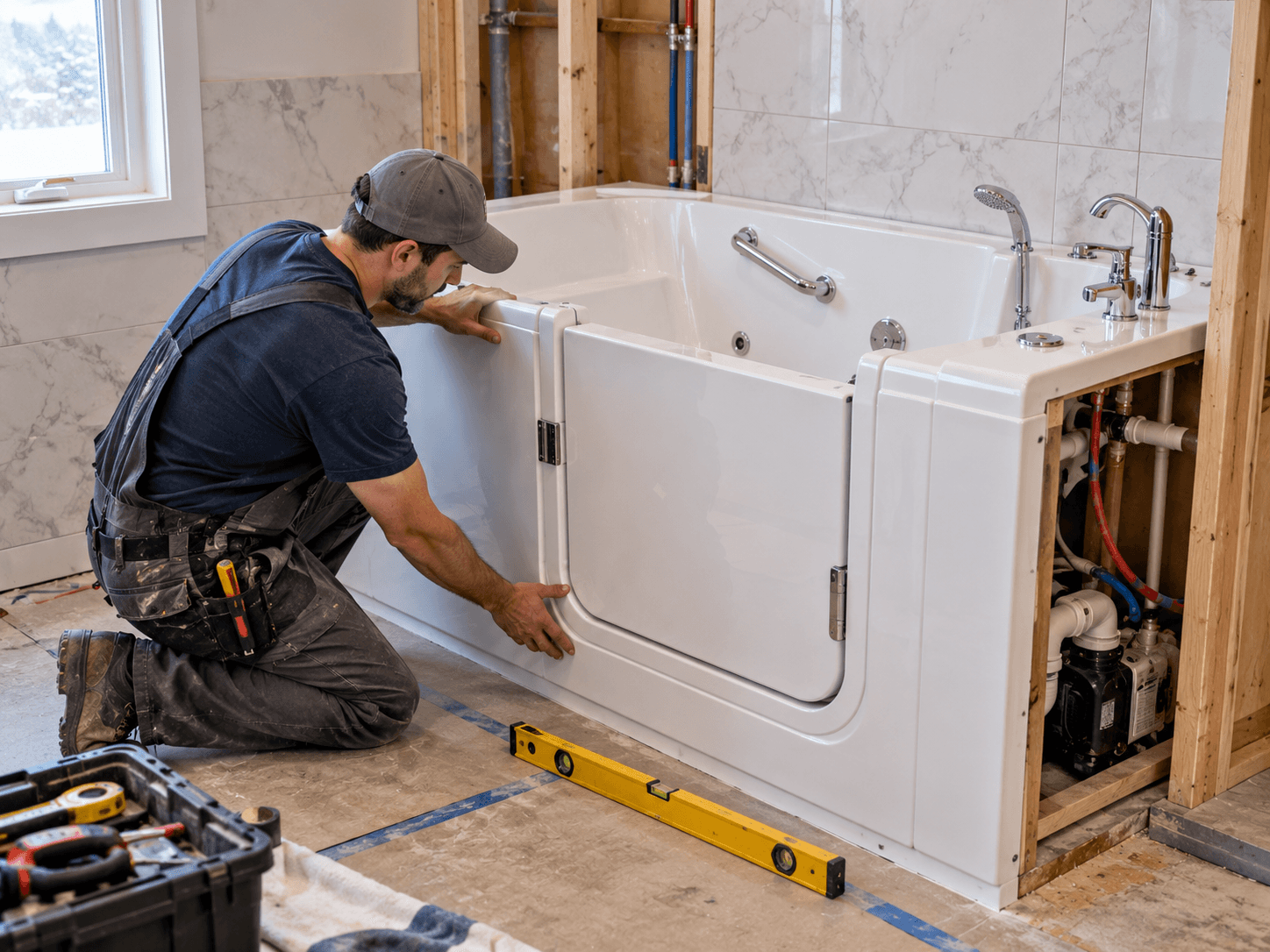
A walk-in bathtub must be installed correctly to ensure watertightness, stability, and safe operation. In Quebec, work must be performed by contractors holding the appropriate Régie du bâtiment du Québec (RBQ) licences when required. Elsewhere in Canada, contractors must comply with the licensing and trade requirements of their province.
Before signing a contract, verify the contractor's qualifications and request a detailed quote specifying the equipment supplied, included work, warranties, and possible additional fees.
Comparing several quotes allows you to evaluate the proposed solutions and better understand price differences.
A Walk-In Bathtub That Fits Your Needs and Budget
Whether you choose to convert an existing bathtub or install a new model, the best option depends on your budget, bathroom layout, and accessibility needs. Before starting the work, take time to check available financial assistance and compare your options.
Thinking about installing a walk-in bathtub? RenoQuotes helps you compare up to 3 free quotes from local contractors to bring your project to life.
FAQ: Walk-In Bathtubs in Canada
Can you convert a regular bathtub into a walk-in bathtub?
Yes, some existing bathtubs can be modified to create an opening that makes access easier. Feasibility depends on the bathtub's material, structure, and condition. However, a conversion with a lowered threshold does not necessarily preserve the ability to take a bath.
Are walk-in bathtubs covered by RAMQ?
Quebec's public health insurance plan (RAMQ) does not automatically reimburse the purchase or installation of a walk-in bathtub. Depending on the circumstances, certain home adaptation programs or other financial assistance options may be available. Eligibility requirements must be checked individually.
In other Canadian provinces, coverage and financial assistance vary by program.
How long does it take to install a walk-in bathtub?
A straightforward installation can sometimes be completed in one day, while a replacement requiring plumbing, electrical, or finishing work may take several days.
The exact timeline depends on the bathroom layout and scope of work.
Is a walk-in bathtub better than a curbless shower?
It depends on the user's mobility needs. A walk-in bathtub allows seated bathing, while a curbless shower may provide easier access for some people who use mobility aids. Assessing the user's needs helps determine the safest bathroom layout.
Looking for something else?
Related articles
The latest industry news, interviews, technologies, and resources.
Cynthia Pigeon
•11 May 2026
In 2026, the cost of residential renovation in Canada generally ranges from $10/sq. ft. for minor cosmetic updates to over $250/sq. ft. for major reconstruction projects. For a standard full-home renovation (including kitchen and bathroom), the average budget typically falls between $125 and $175 per square foot. These prices reflect recent increases in labour costs across provinces, as well as continued pressure on construction material prices nationwide.
Christine Simard
•25 Jul 2025
Often confused with demolition, stripping aims to accomplish much more than razing everything in its path. While its process is indeed comparable, the fact remains that it is first and foremost synonymous with renewal and not destruction.
Cynthia Pigeon
•17 Jun 2026
Living in a condominium, townhouse, or semi-detached home has many advantages, but being close to neighbours can sometimes test your patience. Whether it’s a crying child, rhythmic footsteps, an overly powerful home theatre system, or vibrations from your neighbour’s heat pump, noise disturbances can significantly affect your quality of life. When Quebec winter sets in and we spend most of our time indoors, these noises become even more noticeable and irritating.
Editorial Team
•08 Nov 2023
Glass tiles aren’t only a great wall tiling choice for wet areas, but they’re also an ideal flooring. Nowadays, such tiles are solid, aesthetic, and eco-friendly, and are an increasingly significant part of our interior quarters.
Léa Plourde-Archer
•08 Nov 2023
August 25th, 2011, we finally got the keys to our coveted condo. This condo is located in an old building in the Rosemont district (Montreal) and was built in 1926. It's a far cry from the modern condo developments where you can choose the finishes and that were built less than two years ago.