What Is the Average Cost to Lift a House in 2026?
By Editorial Team
Updated on May 29, 2026
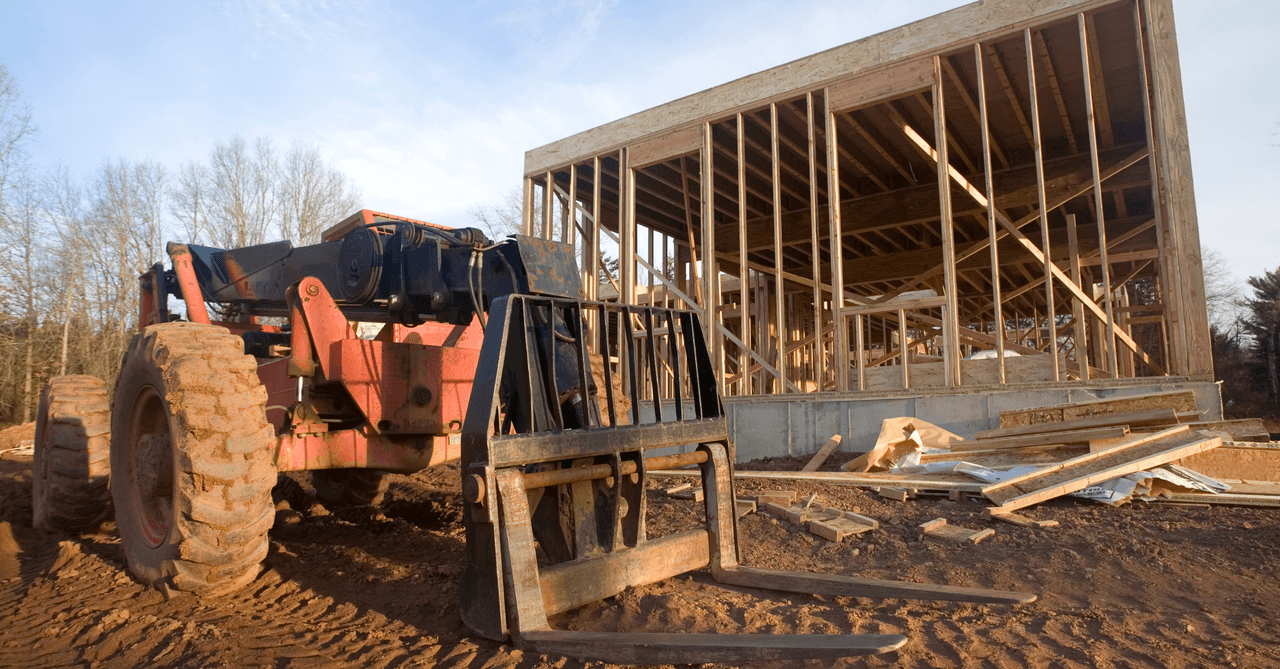
Have you ever considered raising your house to renovate or repair structural issues? Although this method isn’t as customary as others, it’s a common solution for numerous homeowners seeking to add square footage to their living spaces or improve their foundation.
Get Your Project Started Today
Submit your details and receive three free quotes from trusted contractors.
Before jumping in and commissioning a house-lifting project, consider the associated costs of moving forward with such an endeavour. How much does it cost, and what factors are likely to affect the overall price? This article explores the different factors to consider when planning a well-executed house-lifting project.
How Much Does It Cost to Lift a House in Canada?
Contrary to popular belief, lifting a house can be a cost-effective way to excavate a basement. Doing so also allows you to benefit from more square footage and an additional influx of natural light that an underground space just can't provide.
However, such a project mandates a permit, which typically costs between $500 to $1,500. As such, it’s important to plan this additional expense when establishing your budget.
Before committing, it’s highly recommended to compare several quotes to make a well-informed decision. Below is a cost estimate based on information provided by Les Entreprises Steve Fallon (updated for the current year):
How much does it cost to lift a house and replace the foundation? Tpically, the price ranges from $20,000 to $40,000 to lift a bungalow, cottage, or standard-sized summer house, excluding masonry.
If the project includes foundation, excavation, and basement design work, expenses will tally up closer to $100,000 (without insulation) to $250,000 (with insulation).
Government Assistance and Insurance Implications
When raising a house, it’s important to consider both available government assistance and how the project may affect your insurance.
In Canada, homeowners in flood-prone regions may be eligible for federal or provincial disaster relief programs mainly after a declared disaster, and some recovery funding can support preventative measures like elevation if tied to specific mitigation initiatives. While dedicated grants for house lifting are rare and typically post-disaster or limited to accessibility programs (not general flood prevention), some municipalities offer incentives or rebates for flood mitigation projects such as backwater valves or sump pumps—check with your local government or emergency management office for current programs.
Insurance is another critical factor. Raising your home above the floodplain may improve your risk profile, which can lead to lower premiums for overland flood insurance depending on your insurer’s underwriting and proof of new elevation.
Before starting your project, contact your insurance provider to discuss coverage during construction, as you may need to adjust your policy or add temporary renovation insurance. After the lift, provide documentation of the new elevation and any flood-proofing upgrades to maximize potential savings on your premiums.
What Factors Affect the Cost of Raising a House?
Square Footage
The size of your house is a key, cost-contributing factor during a lift procedure. While certain expenses, such as consultation fees or retainer fees, can be fixed, most expenses hinge on the size of your house. Larger homes call for more equipment and labour, which incur more costs compared to smaller dwellings.
Number of Stories
Lifting a multi-storey home is more expensive than doing so for a single-storey home given the additional structural weight and complexity. Taller structures require additional support, a bigger team, and extra precautionary measures to ensure the home is lifted safely.
Working with Industry Experts
Working with industry experts, such as architects, joiners, and plumbers can increase the cost of lifting a house. Said professionals are needed to deal with structure-specific matters, design, or installations. Their expertise guarantees the lift will be done correctly, but the consultation fees, permits, and mandatory additional work done by each specialist add up, increasing the total cost.
State of Your House
If your house shows signs of structural problems, additional, reinforcement measures must be taken prior to lifting it. Such supplementary precautions increase the time and resources needed, which will, without a doubt, increase the cost of your project.
Repairing Cracks in the Foundation
If your home's foundation needs to be completely replaced, the cost will be significantly higher than for a partial repair. Furthermore, for older homes, it is often necessary to lift the structure in order to demolish the old foundation and pour a new one that meets current building codes.
What Other Costs Should You Consider?
Post-House Lift Landscaping
For the contractor to lift your house and access its foundation, trees, shrubs, plants, and other landscaping features have to be stripped around the work zone. This might include costly tasks, such as felling trees, tearing down a fence, or moving outdoor structures like a deck, patio, or garden shed. Moreover, once the work is done, you’ll have to redo your landscaping, adding the your project’s overall cost.
Location of Your House
The location of your house will play a part in determining the overall project cost. If your home is located in a confined or hard-to-access area, additional resources might be needed to lift it. For example, specialized machinery, such as small or compact equipment, may be needed to navigate space-restricted areas. In some cases, using a crane or project-specific lifting methods might be indispensable to overcome obstacles, increasing the overall project cost. Moreover, if the soil is unstable or the ground uneven, additional prep work may be needed to guarantee jobsite safety and a well-executed lift.
Types of House Raising Projects
House raising isn’t a one-size-fits-all solution—there are several distinct scenarios where lifting a home is the best approach. Here are the main types of house raising projects:
Foundation Replacement or Repair: When a home’s foundation is damaged or deteriorating, lifting the house allows for full access to repair or completely replace the foundation, ensuring long-term structural stability.
Adding or Expanding a Basement: Raising a house makes it possible to add a new basement or expand an existing one. This is a popular way to increase living space without altering the home’s footprint or sacrificing yard area.
Elevating Above Flood Zones: In areas prone to flooding, homes are often lifted to sit above the base flood elevation. This helps protect the property from water damage and may reduce insurance premiums.
Relocating a Home: Sometimes, houses need to be moved to a new location—whether to avoid hazards, accommodate new developments, or preserve a historic structure. Lifting the home is the first step in the relocation process.
Each of these projects serves a different purpose, but all involve the careful process of raising the house to improve safety, functionality, or value.
Our Tips for Making a Well-Informed Decision
Lifting a house can turn out to be a very beneficial solution, especially if you’re looking to improve your home’s layout or fix structural problems. However, it’s important to consider all cost-affecting factors, such as the size of the house, the number of stories, the state of the foundation, and mandatory additional work. Moreover, landscaping-related costs and location fees also add up. By meticulously planning your project, and obtaining project quotes, you will be better prepared to manage the costs involved and successfully see your project through.
FAQ
Is it worth it to lift a house?
Lifting a house can be worth it, depending on your goals and circumstances. It makes for a conceivable option if your foundation needs repairing, if you live in a flood-prone zone, or if you’re hoping to add onto your house and a horizontal extension isn’t feasible. However, when other solutions are available, going forth with such a large-scale project is typically advised against.
Can you move an entire house?
Moving a house from one area to another is a delicate operation that mandates meticulous planning and organization, accurate logistics, and the expertise of qualified specialists. While a hefty challenge, with the right equipment, it’s perfectly feasible.
Are there alternatives to a house-lifting project to add square footage?
Adding a Home Extension
Building an extension is a common solution for adding living space with major structural changes. It consists of adding onto the side, back, or front of the house, such as building out the kitchen, living room, or bedroom. This option is typically less invasive than lifting a house, blending seamlessly with the structure’s style.
Adding a Storey
If the lot size or zoning regulations prevent a horizontal expansion, adding a story (a vertical addition) is an effective way to optimize space. This is a major engineering project: you must verify that the existing foundation can support the new weight, and the existing roof must be completely removed. While this doubles the living area without changing the home's footprint, the construction is highly intrusive and temporarily exposes the house to the elements.
FAQ
Where can I find a service company to repair my foundation?
If you’re looking for a trusted service company to repair your foundation, check out RenoQuotes.com to submit your project and receive 3 free quotes from qualified contractors in return.
How long does it take to lift a house?
The time needed to lift a house depends on its size, structure, and project complexity. In general, a properly executed lift takes three days. However, jobsite and project preparations, such as obtaining the proper permits, unhooking public utilities, and reinforcing the structure can take several weeks. Repositioning or setting a house onto a new foundation can take a few days, weeks, or maybe even a month.
How much does it cost to rebuild a foundation?
If you want to know how much it costs to renovate a foundation and more, check out our article The Cost of a Foundation Repair Project.
Will raising my house damage the structure or finishes?
Professional house lifting companies use specialized equipment and methods to minimize the risk of damage. Minor cosmetic issues, such as small cracks in drywall or tiles, can occasionally occur but are typically repairable. Choosing an experienced, insured contractor further reduces the risk of significant damage.
Can I stay in my house during the lifting process?
No, you cannot remain in your home while it is being lifted. For safety reasons, homeowners and occupants must vacate the premises during the actual lift and for the duration of any foundation or structural work. Temporary alternative accommodation should be arranged in advance.
How do I choose a qualified house raising contractor?
Seek out companies with a proven track record in house lifting, proper licensing, and comprehensive insurance. Ask for references, review past projects, and ensure the contractor is familiar with local building codes and permit requirements. It’s wise to get multiple quotes and ensure all terms are clear in writing before work begins.
How long will I need to be out of my home?
While the physical act of lifting a house may take only a few days, the entire process—including preparation, permits, utility disconnections, and post-lift work—can take several weeks. Plan for at least a few weeks away from your home, depending on project complexity and scheduling.
What should I do to prepare my property before the lift?
Clear the area around your home of personal belongings and landscaping features that may obstruct access. Discuss with your contractor about disconnecting utilities, protecting fragile items inside, and any additional steps needed to ensure a smooth process.
Looking for something else?
Related articles
The latest industry news, interviews, technologies, and resources.

Léa Plourde-Archer
•15 Nov 2024
With the arrival of warmer weather, spring cleaning is in full swing. While many start indoors, the exterior of your home deserves attention as well. How do you ensure your home's exterior siding looks its best for the summer? What are the best techniques for cleaning different types of siding materials? Whether you're tackling aluminum, vinyl, wood, or brick, each material requires a specific cleaning approach. From using pressure washers to scrubbing with soft brushes and applying the right cleaning agents, this guide will answer all your questions about how to effectively clean and maintain your home’s exterior siding.
Editorial Team
•26 Feb 2024
The exterior elements of your home have a huge impact on curb appeal and overall attraction. When it comes to your house’s siding, has it been the same colour since you moved in? Over time, many hope to update these exterior surfaces to offer new life to tired, drab or worn-out siding materials.

Editorial Team
•04 May 2026
Choosing the right heat pump for a Canadian home means looking at more than just the price. Homeowners also need to consider the size of the space, energy efficiency, winter performance, refrigerant type, warranty, and whether the system is made for one room, several rooms, or the whole house.

Editorial Team
•31 Mar 2025
Whether you’re a good cook or not, you surely want to have a nice kitchen with lots of cute appliances and a ton of attractive kitchenware. However, if you want to ensure your kitchen gives you the chills, it needs to be up to the highest standards in more ways than one. Renovating a kitchen is never easy, especially if you want to make a visible difference, but there are only a few things you should really focus on in order to get the best results.

Amanda Harvey
•08 Nov 2023
Without a roof on your home, it would be like living outdoors. Your home's roof is essential for keeping your family, as well as your furniture, dry, cozy and warm. If there is a leak, a crack or a break detected, it is important to repair it as soon as possible so as to avoid further damage to the material underneath as well as to other parts of your home.