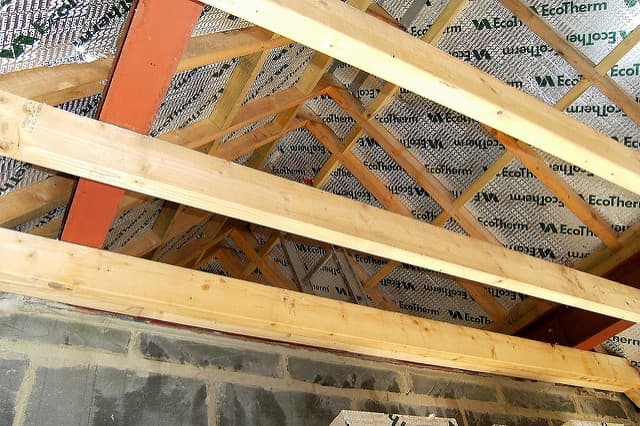
Insulation is one of the key elements in terms of the level of comfort inside a home. This statement is even more true in a country where winters are harsh and summers are very hot. Indeed, even during the summer, insulation plays a major role because if the walls and other elements are poorly insulated, hot air will pass and energy expenses will be increased.
As far as soundproofing is concerned, this is a very important aspect in relation to the quality of life of the home's occupants. They want to have their privacy, while being able to participate in activities that make noise, without disturbing others. It is also necessary that the house be well-soundproofed with regards to noises coming from outdoors.
RenoQuotes.com has many insulation and soundproofing experts in our network. We have also published many articles on this topic on our renovation blog. To make things easier for you, we have collected and classified the articles in this guide about insulation and soundproofing:
General Articles About Insulation
Here is a list of articles that touch on many aspects of insulation, including the different types of insulation, the average prices of materials available on the market, and environmental concerns. You will also find clues to help you determine if your home is badly insulated and learn what to do in this type of situation.

Photo: Dunktanktechnician
Different Insulation Materials
There is a wide variety of insulation materials for which prices and quality levels differ widely. Before choosing the right material, it is important to evaluate the options available in order to find out what will work best in your home and suit your budget:
Insulation Techniques and Target Areas
Each part of the house needs to be well insulated. On the other hand, certain sections are more important than others. Think of roofs, walls, basements and attics, among others. If these sections are poorly insulated, the rest of the house could suffer the consequences. Here are some articles that specifically address the techniques and parts of the house not to be overlooked:
Soundproofing Techniques and Materials
As previously stated, soundproofing is another very important factor in ensuring that occupants of the home are comfortable. Sometimes, small changes will work to improve the soundproofing, while in other cases, the transformation must be more extensive.

Photo: Air Mobility Command
Additional Materials for Home Insulation and Soundproofing
In addition to insulation and soundproofing materials, other materials such as air and vapour barrier membranes can greatly help ensure that the house is in good condition. Here is an article that talks about vapour barriers:
Potential Problems
In the past, certain insulation materials contained products that are now banned or whose use is heavily regulated, including asbestos. Here is an article that discusses the dangers of this element and techniques for removing asbestos-containing materials:
Tax Credits for Insulation and Soundproofing Projects
Since proper insulation helps to make the home more energy efficient, many tax credits and subsidies are available through various levels of government. These programs often change but here is a presentation of several credits and subsidies currently available:
Other Relevant Articles
Here are a few other articles that talk about insulation, among other things:
Cover photo: Flickr Martin Pettitt
Get 3 renovation quotes for insulation or soundproofing renovations
RenoQuotes.com can help you get 3 quotes for your insulation or soundproofing project. If you submit your project to us, we’ll put you in contact with the best-qualified contractors in our network. Fill in the form on the homepage (it only takes a few minutes), and you will receive quotes from home renovation and insulation specialists.
Dial 1-844 828-1588 to speak with one of our customer service representatives
Looking for something else?
Related articles
The latest industry news, interviews, technologies, and resources.

Karine Dutemple
•08 Nov 2023
In the early stages of a renovation project, there are several options to consider before making your final decisions, including comparing each option before starting anything. Materials, contractors and prizes are all examples of the different choices that will be presented to you during your research.
Cynthia Pigeon
•12 May 2026
Replacing a bathtub with a shower in Canada is a strategic renovation that generally costs between $5,000 and $12,000, depending on the materials, the existing plumbing, and the complexity of the work. This upgrade can improve the functionality, comfort, and perceived value of a home, especially when it supports accessibility, aging in place, or a more modern bathroom layout. Given that this type of project may involve plumbing, drainage, waterproofing, ventilation, and sometimes floor preparation, it is important to plan carefully. Depending on the province or municipality, plumbing work may need to be completed by a licensed plumber or qualified contractor. In many bathtub-to-shower conversions, the existing drain may also need to be assessed or upgraded to meet the requirements of the new shower installation.

Editorial Team
•08 Nov 2023
From the basement to the attic, ceiling insulation—a bulwark against the cold, a dwelling’s guardian—ensures the residents' comfort.
Editorial Team
•21 Jul 2025
Are mouldings just an architectural detail? Beyond aesthetics, these decorative elements also help define spaces, frame doors and windows, hide joints, and fill gaps between different components.

Editorial Team
•08 Apr 2026
Renovating a balcony or deck in Canada requires close attention to structural durability, especially in regions affected by repeated freeze-thaw cycles. In 2026, fibreglass remains a popular choice for elevated balconies because of its waterproofing performance and long lifespan, while ground-level structures continue to benefit from improved stability with helical piles. Before starting your project, make sure your guardrails meet local code requirements and that you obtain any required municipal permits for proper compliance and to protect property value.