What You Need to Know About Mineral Insulation Materials
By Editorial Team
Updated on November 8, 2023
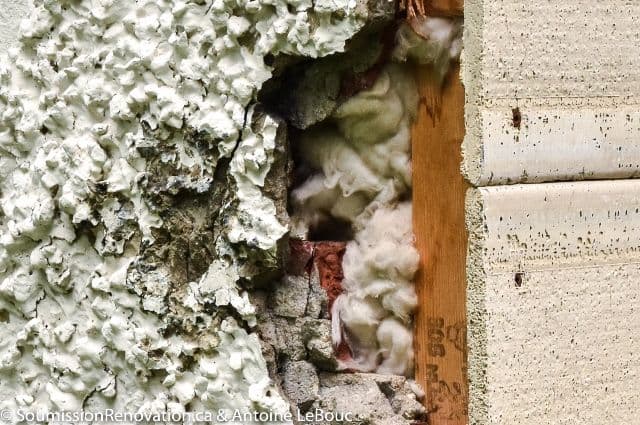
Mineral insulation products are often used to thermally insulate a property. Several types exist, each with their own characteristics. If you decide to opt for a mineral insulating product, you should know more about their features.
Here are 4 types of mineral insulation materials
Stone wool insulation
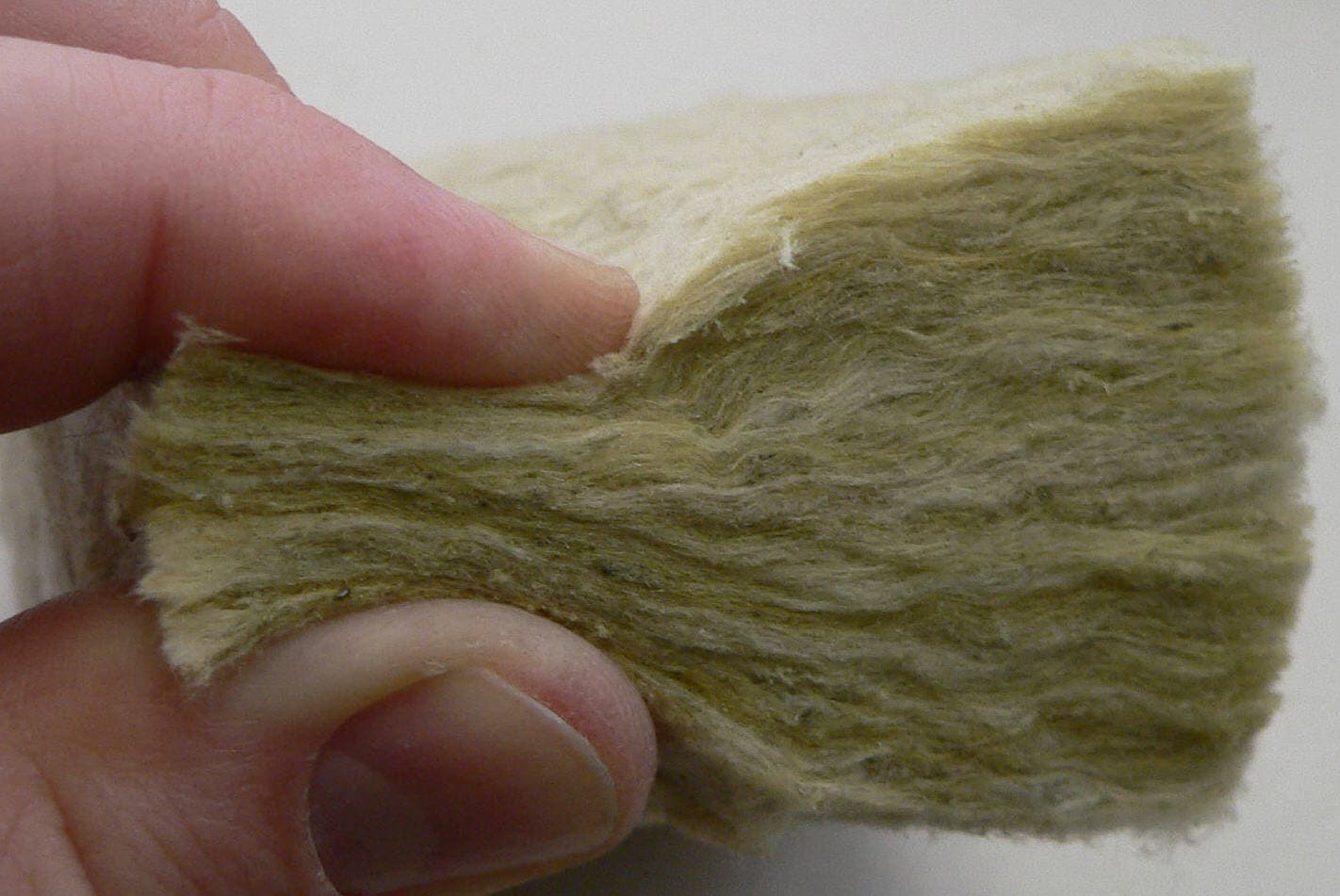
Stone wool (also known as rock wool) is an insulating material made from stone or iron ore that has been reduced to fibres. It often contains recycled elements. It is used to insulate different sections of the house, such as walls or the basement. Stone wool is generally found in the form of panels or mattresses. There is also a stone wool product that can be blown into place. All of the aforementioned products are easy to install.
They are very affordable and can be found through most renovation retailers across Canada. Their R-value, which serves to determine the insulation performance level, is set between 2.8 and 4.5 per inch, depending on the type. This means that they are a fairly efficient thermal insulation material. Stone wool also offers good resistance to fire, humidity and sound propagation (which is a great solution for soundproofing).
Extraction stone wool generates pollution but in some cases, this material can be completely recycled. Health risks are low but not inexistent as the product may contain low emission formaldehyde.
Vermiculite insulation

Photo: Pixabay
Vermiculite is a clay mineral. It is most often used for floors, roofs and walls. It is usually sold as-is but can also be incorporated in cement or plaster panels. This material is easy to install and is resistant to insects, rodents, fire and humidity. It also has a long lifespan. However, it has a fairly low R-value (2.8 per inch), especially when the weather is humid.
The extraction and transportation processes relating to vermiculite require a lot of energy. This material is not allergenic but it often contains traces of asbestos. For this reason, the government of Canada advises against using this product for thermal insulation.
As mentioned in a previous article, houses built between the 1940s and 1980s were frequently isolated with vermiculite. Unfortunately, some of this vermiculite contained asbestos. As the latter is likely to cause serious health problems if its particles are released into the air, renovation projects in an asbestos-contaminated home pose a serious danger.
For example, if your home is insulated with vermiculite, it is best to have it tested to make sure it does not contain asbestos. If this is the case, the house will need to be decontaminated before any renovation project can be undertaken.
For an overview of the cost of a decontamination project, check out our article The price of a decontamination project.
Fibreglass insulation
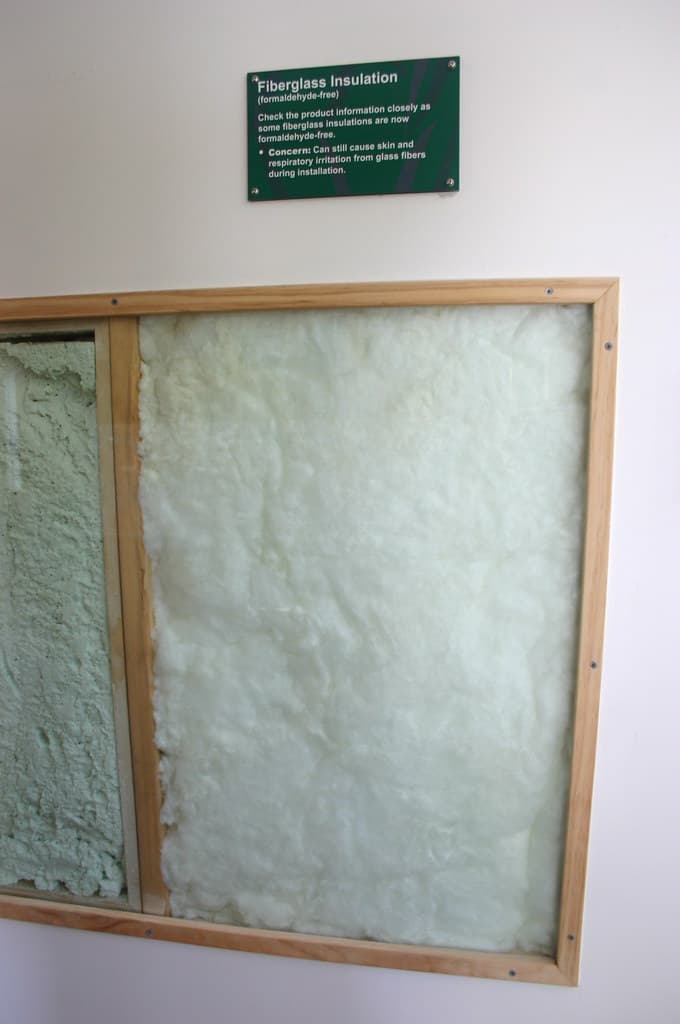
Fibreglass is a mix of sand and partly recycled glass. This material is often used to insulate walls and attics. It is easy to install and can be found in the form of panels, mattresses or as a blown-in product. Fibreglass is inexpensive and easily found in renovation stores across Canada. With an R-value between 3.0 and 4.5 per inch depending on the form you choose, it is considered a good thermal insulation product. However, it is very water-sensitive, which affects its insulation properties (it should not be used in humid areas). Also, it is more inflammable than stone wool.
Making fibreglass requires a lot of energy. Like stone wool, it can also contain formaldehyde.
Cellular glass insulation
Cellular glass is made of silica sand that has been transformed into rigid foam. It is most often used to insulate floors and roofs. This material is sold in the form of glass foam panels. It is quite expensive. However, it is easy to install (yet fragile) and available through most renovation retailers. On average, its R-value is 2.6 per inch, which means that it doesn’t meet the level of the other mineral insulation products. However, it is airtight and vapour-impervious. It is fireproof and has a long lifespan.
The manufacturing process of cellular glass requires a lot of energy but this material can be produced using recycled glass. It presents no known health risk.
Get 3 renovation quotes for your insulation project
RenoQuotes.com will put you in contact with 3 reliable contractors for your insulation project. Fill in the form on our homepage (it only takes a few minutes), and you will receive quotes from trusted professionals.
Dial 1-844 828-1588 to speak with one of our customer service representatives
Looking for something else?
Related articles
The latest industry news, interviews, technologies, and resources.
Editorial Team
•30 Apr 2026
Choosing the right insulation for your home isn’t an easy feat, especially given the many options available. How can you tell which type yields the best performance and overall value for money to meet your specific needs, and how much insulation costs depending on your choices?
Editorial Team
•06 May 2024
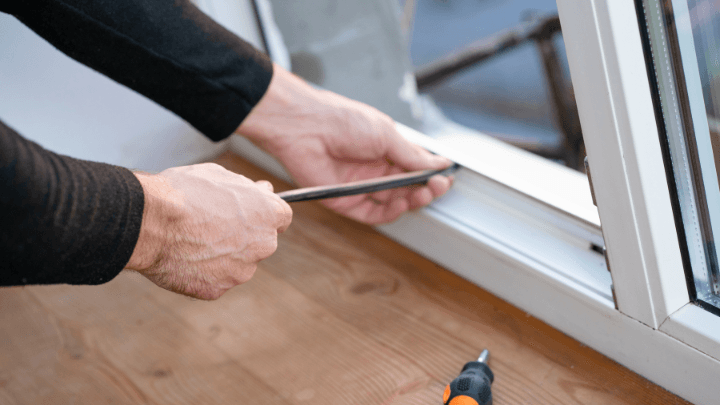
Window insulation is a simple and affordable project, one that can do a lot in terms of your thermal comfort and energy bills. However, a lot of homeowners neglect this step, which can lead to a devastating ripple effect.
Editorial Team
•22 Jan 2026
Choosing a Lennox heat pump means investing in a balance of energy efficiency, durability, and year-round quiet comfort, whether you live in Ontario, the Prairies, Atlantic Canada or British Columbia. This American brand is well established across the Canadian market and is known for the reliability of its systems, the quality of its components, and strong performance in a wide range of climates.

Karine Dutemple
•08 Nov 2023
Thinking of purge your material possessions to follow the minimalist trend and simplify your daily life? If that's what you want, we've got some home decor ideas to inspire you for your next renovation project and create a minimalist decor that lives up to your expectations!

Editorial Team
•08 Nov 2023
Corporate office designs and layouts have really evolved over the years, better adapting to modern-day needs and cutting-edge technologies. For example, we’ve seen offices evolve from the infamous cubicles to preferring partitioned-off quarters, to now open and airy concepts.