Basement Crack Injection Warranties in Canada: What You Need to Know
By Cynthia Pigeon
Updated on July 17, 2026
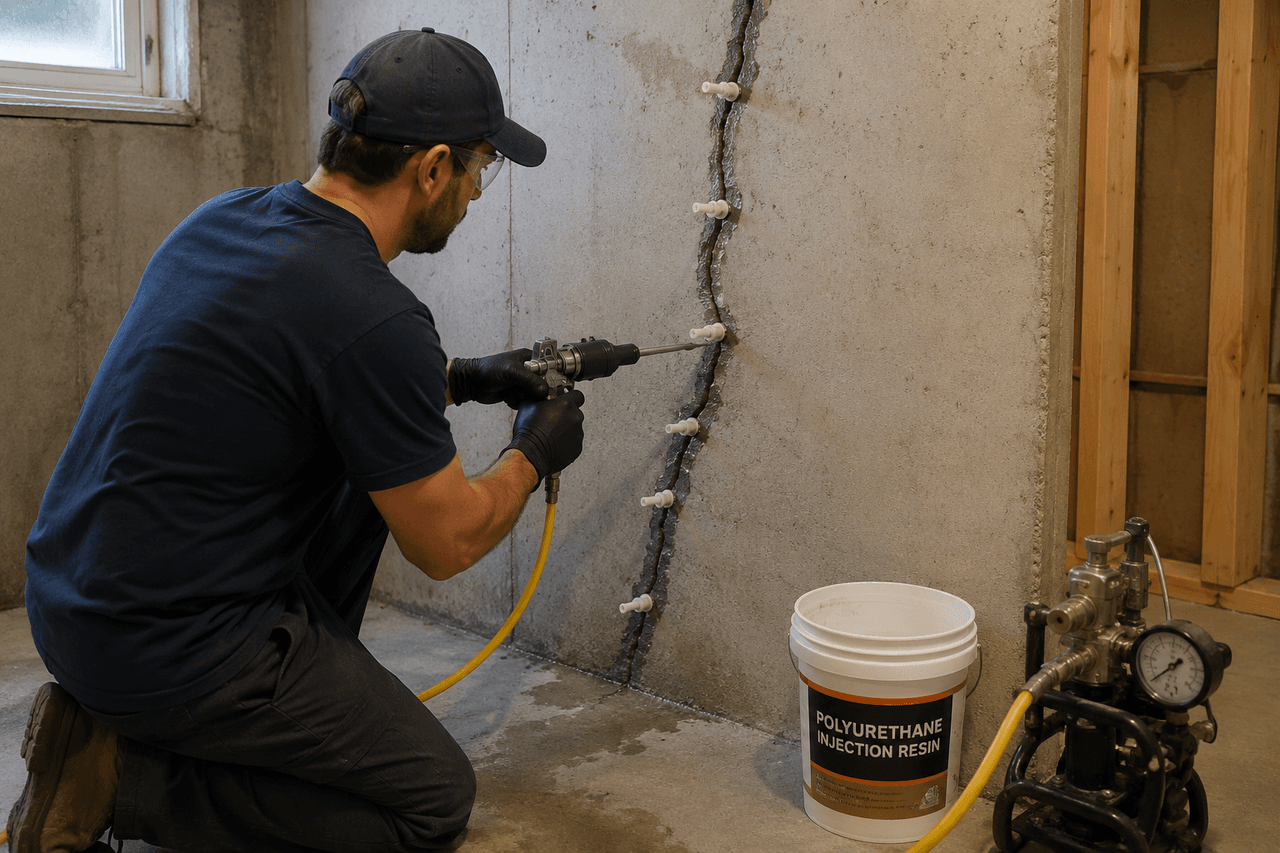
Water infiltration in the basement is every Canadian homeowner’s nightmare. Whether it appears as a small moisture stain on the concrete, a soaked carpet during the spring thaw, or standing water after a torrential downpour, discovering a foundation crack calls for prompt action.
High-pressure crack injection is a commonly used method for correcting the problem without excavating the entire exterior perimeter of the property. Beyond the repair technique itself, however, the real value of the work depends on the strength of the contractual protection provided. Across Canada, warranties vary considerably from one company to another. This guide explains how to distinguish marketing promises from meaningful legal and contractual protection.
What Is a Foundation Crack Injection Warranty?
Source: Déneigement Gendron inc.
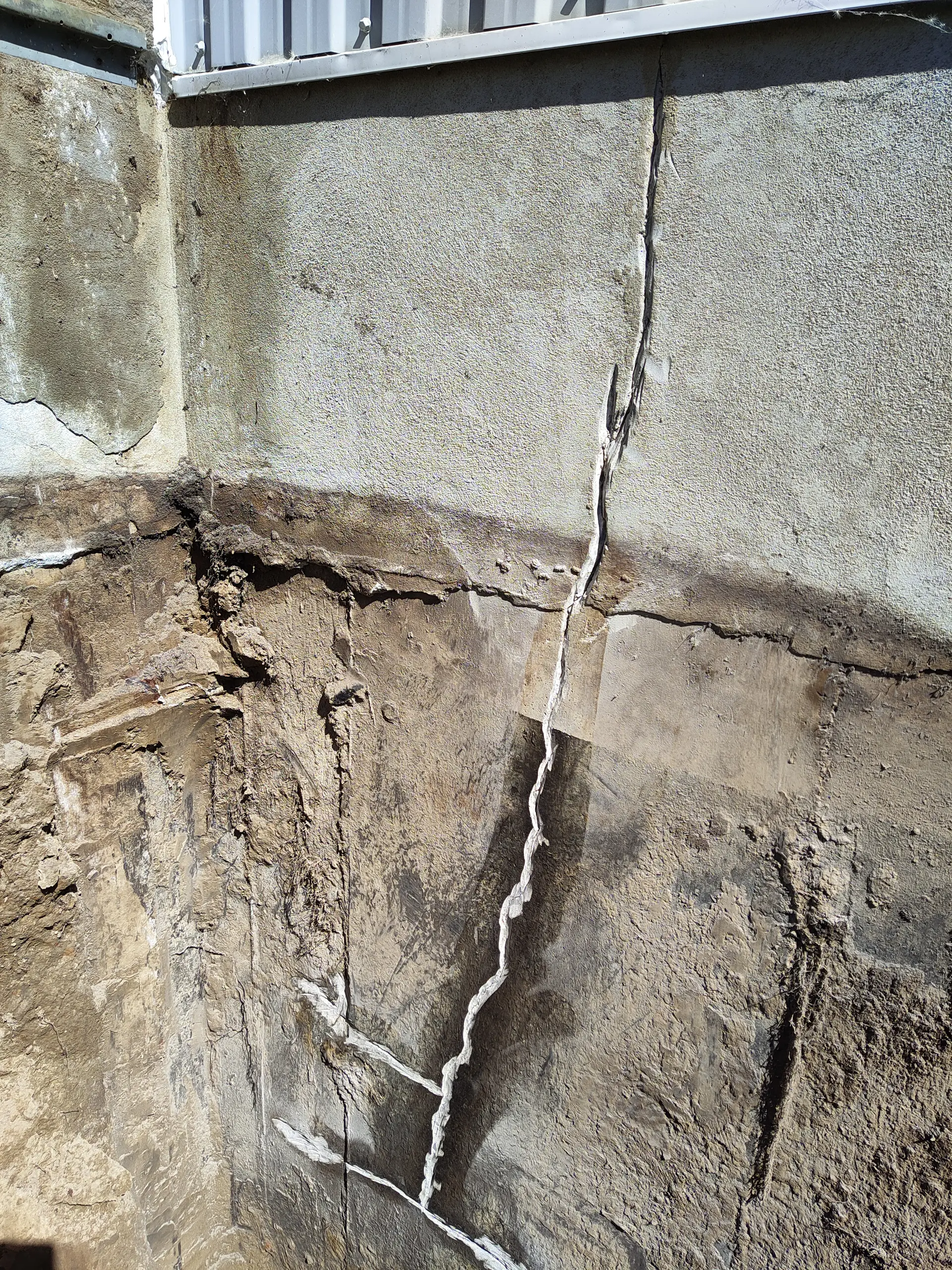
A foundation crack injection warranty is a written commitment under which a contractor agrees to correct, at its own expense, water infiltration that reoccurs at the specific location where the injection was performed, for a predetermined period.
Across Canada, the length and scope of these warranties vary considerably from one contractor to another. Some warranties are offered for a fixed period, while others are advertised as lifetime warranties. Their actual value depends on the conditions, exclusions, liability limitations, and transferability provisions written into the contract.
Most injection warranties apply only to the crack or area specifically identified in the contract, although their scope varies by contractor. The agreement should specify whether the protection applies only to the injection point, an entire section of the wall, or certain related damage. If a new crack appears two feet away because of soil movement or high hydrostatic pressure, repairing that new opening will generally require a separate service and additional charges.
Why Is a Foundation Crack Repair Warranty Important?
Source: Construction APC
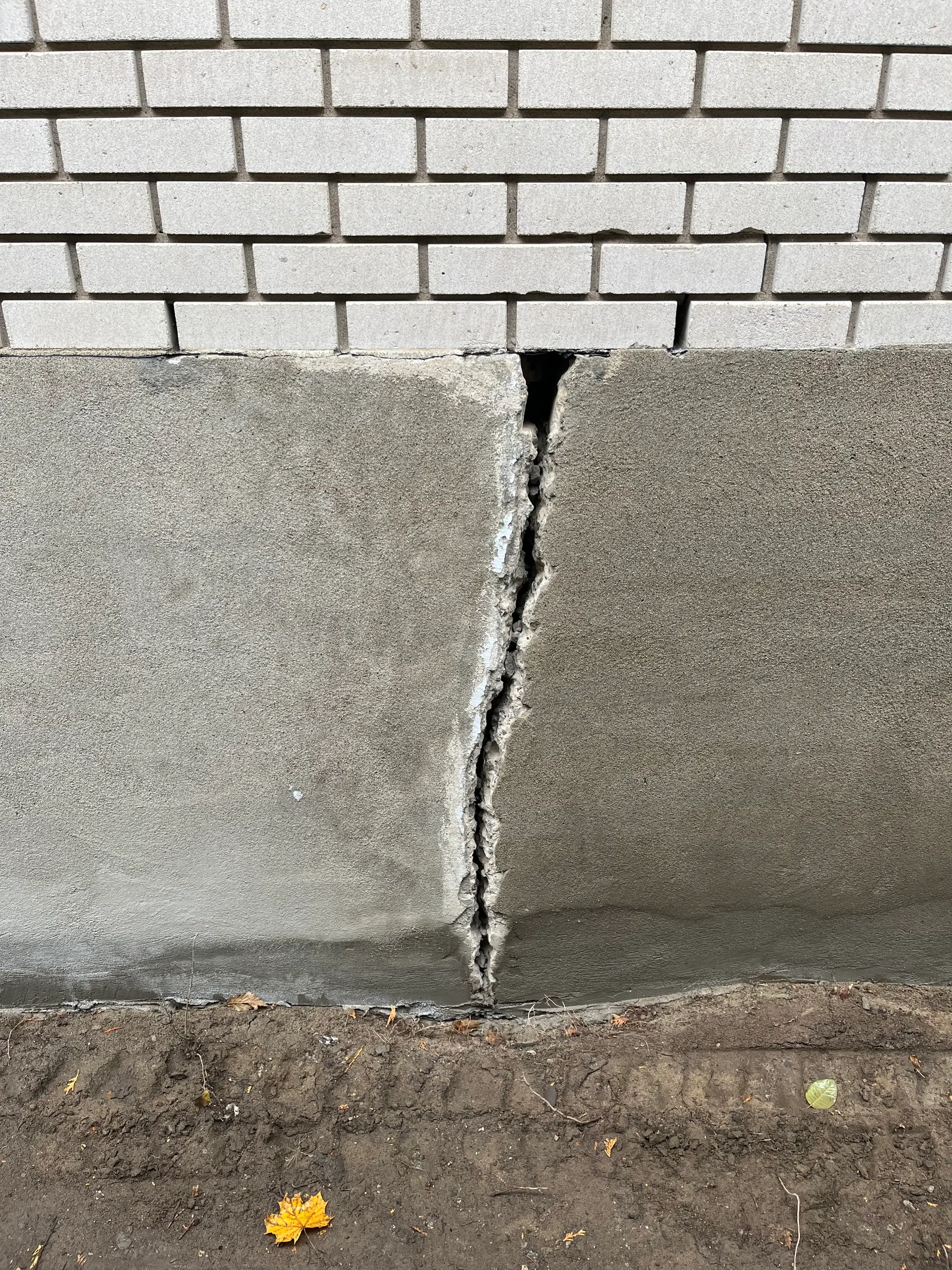
Cracks in foundation walls are relatively common in Canada. The country’s extreme temperature changes, repeated freeze-thaw cycles, natural building settlement, and changing soil conditions can all place pressure on concrete foundations. Cracks are particularly common in older buildings, although their frequency depends on the age of the property, soil type, construction quality, and drainage conditions.
Although injecting a waterproofing product can effectively seal the opening, the contractual warranty provides important protection if water infiltrates the repaired area again. It does not, however, replace a repair that addresses the actual cause of the problem: a functional drainage system, proper water management around the foundation, or any legal warranties and consumer protections applicable in the province or territory. A strong warranty helps protect your investment, preserve the market value of your property, and reassure potential buyers.
The Difference Between Material and Labour Warranties
This is a common source of confusion for homeowners. When comparing estimates, carefully review the contract terms to distinguish between these two forms of protection:
Material warranty from the supplier or manufacturer: This warranty covers the injected chemical product, such as polyurethane or epoxy, against specified forms of deterioration, shrinkage, or loss of waterproofing or bonding performance for a defined period, sometimes ranging from 10 to 25 years. Depending on its terms, the manufacturer’s warranty may cover replacement products, part of the material cost, or other expenses. Some warranties exclude labour, but coverage varies by manufacturer and product.
Labour warranty from the contractor: This warranty covers the installer’s work. If water infiltrates the same area again because the crack was not properly prepared, the injection pressure was inadequate, or the injection ports were incorrectly positioned, the contractor may be required to return and redo the work at no cost, provided the problem falls within the warranty terms.
Rule of thumb: Meaningful protection should cover both materials and labour and be administered directly by the contractor who performed the work.
The Famous “Lifetime Warranty”: Genuine Protection or Marketing Claim?
The words “lifetime warranty” can be highly appealing in an advertisement. In the Canadian residential renovation industry, however, this type of promise should be approached with a healthy degree of caution.
A warranty is valuable only if the company that issued it remains in business and is able to honour it. Some foundation waterproofing companies operate for only a short period. In more problematic cases, a contractor may close one corporation and reopen under a slightly different legal name, making it difficult for previous customers to obtain warranty service.
If this happens, homeowners can contact the consumer protection agency responsible for their province or territory. Provincial and territorial consumer protection laws generally prohibit misleading representations and regulate certain contractual practices. Depending on the jurisdiction, consumers may also be able to review public enforcement actions, licence information, court records, complaint information, or other publicly available business records. These resources are not necessarily complete records of every complaint and should not be treated as proof that a company is fully compliant.
To reduce the risk of dealing with a company that disappears, consider contractors with a long operating history, a permanent business address, appropriate insurance, and any licences, registrations, or bonds required in the province or municipality. For a project of this nature, obtain more than one foundation crack injection estimate so you can compare the proposed repair methods, warranty terms, and reputation of each contractor.
Types of Crack Injection and Their Durability in Canada
Source: RenoQuotes
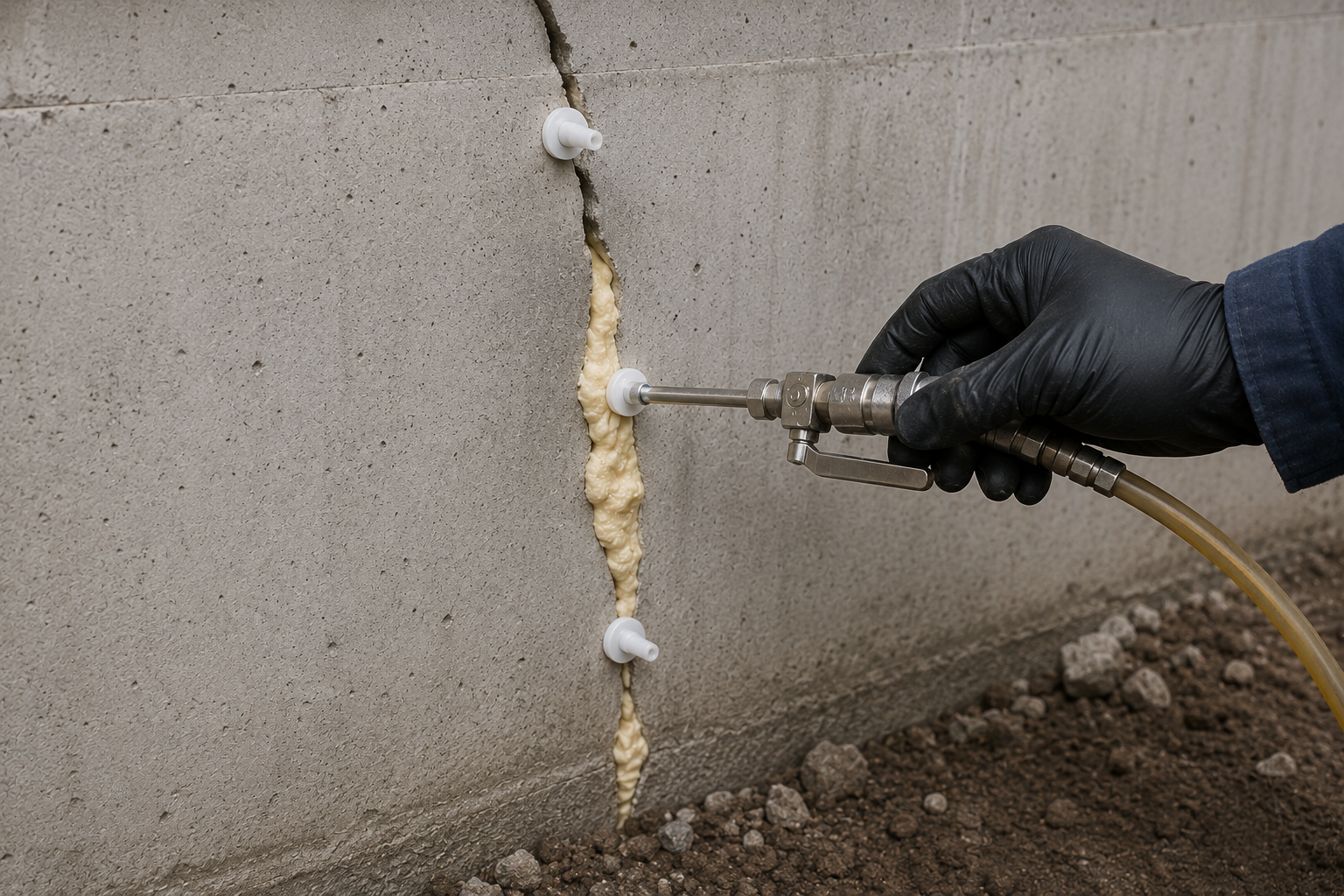
The selected repair technique directly affects the durability of the work and, consequently, the warranty terms offered. Two materials are commonly used for pressurized foundation crack injection in Canada.
Polyurethane Injection for Active Cracks
Flexible polyurethane is one of the most commonly used products for correcting water infiltration through foundation cracks.
How it works: Polyurethane can be injected at low or high pressure, depending on the product, crack width, wall thickness, moisture conditions, and installation method. The injection pressure must be appropriate for the manufacturer’s system and the condition of the concrete. Some water-reactive polyurethane products expand when they come into contact with moisture, but the amount of expansion varies considerably according to the formulation, amount of water, temperature, and installation conditions.
Why it is durable: Polyurethane remains flexible over time. Because Canadian foundations can experience minor movement due to freeze-thaw cycles, soil conditions, and changing moisture levels, this flexibility allows polyurethane to tolerate slight crack movement better than some rigid materials. It does not, however, guarantee that the product will never tear, separate, or fail, particularly if there is significant structural movement, improper preparation, high hydrostatic pressure, or deteriorated concrete.
Expected durability: When properly designed and installed, an injection repair can remain effective for many years. Its service life depends on the product used, foundation movement, soil conditions, drainage, and the original cause of the crack.
Epoxy Injection for Structural Cracks
Epoxy resin is not a flexible waterproofing material. It is a highly rigid bonding agent that may be used as part of a structural repair.
How it works: Epoxy is generally injected slowly at low pressure to fill the crack as completely as possible. A properly selected and installed structural epoxy can create a strong bond and restore a degree of structural continuity in a stable crack. Its performance nevertheless depends on the specific product, the condition of the existing concrete, crack preparation, and installation conditions. It is often described as creating a type of structural “weld” within the foundation.
When it is used: Epoxy may be considered for certain dry, stable cracks where a rigid bond is required. Crack width alone, including a width of more than 1/4 inch, is not enough to determine whether the crack is structural or to select the proper repair technique.
Why caution is necessary: Because epoxy forms a rigid bond, future foundation movement may cause the crack to reopen, create a new crack nearby, or damage another part of the wall. This outcome is possible but not automatic or inevitable. For this reason, epoxy injection warranties sometimes contain restrictions related to future structural movement.
If the foundation problem is accompanied by other signs of instability, such as sticking doors or sloping floors, a simple injection may not be sufficient. A more extensive intervention may be required. In this case, learn more about the steps involved in repairing a major foundation crack and have the condition assessed by an appropriate professional.
How to Make a Warranty Claim After Water Reappears
Source: RenoQuotes
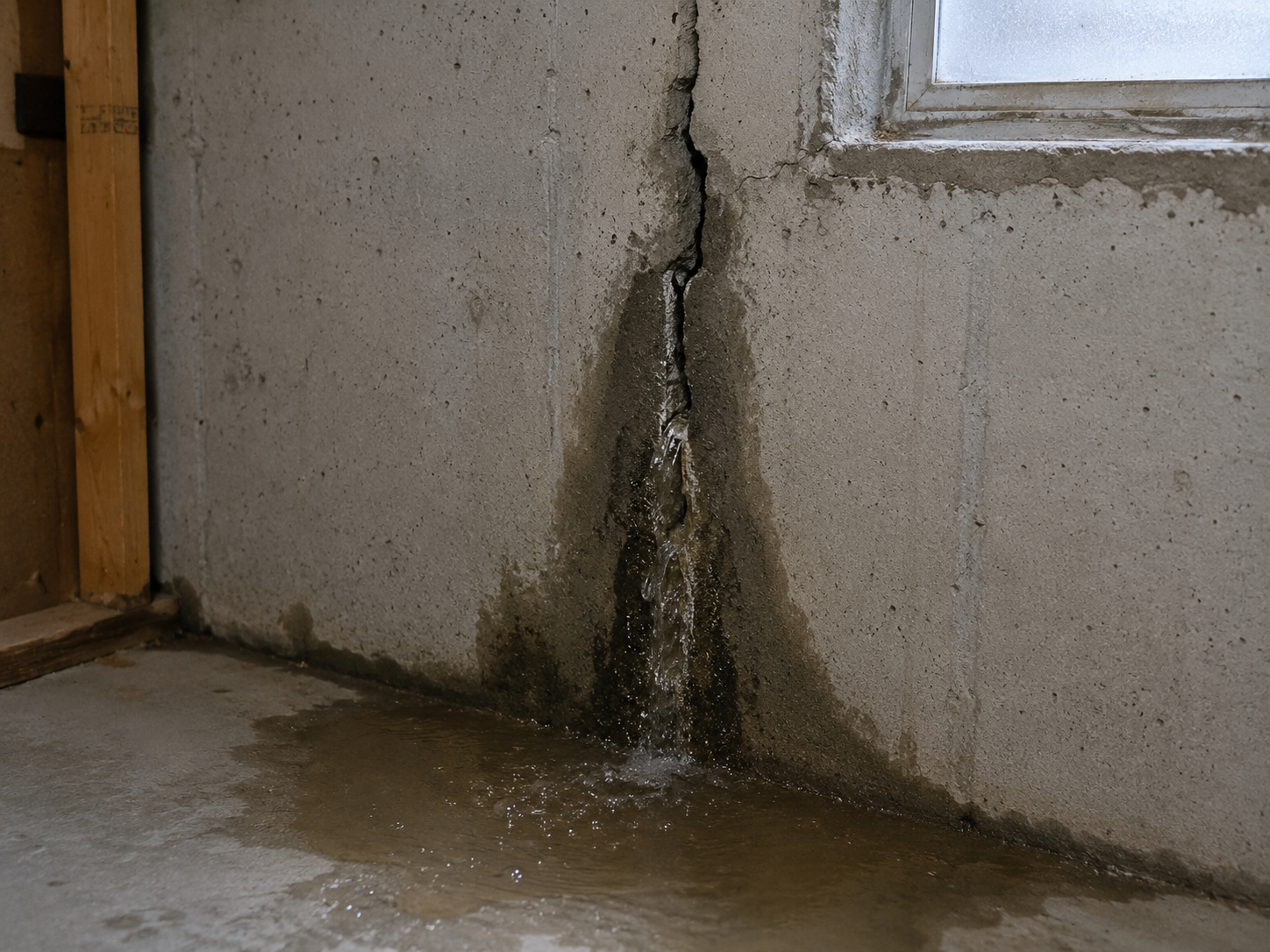
If you notice moisture or renewed water infiltration at the exact location of an injection covered by your contract, take a methodical approach when requesting warranty service:
Document the water infiltration: As soon as you notice water, take clear, dated photographs and videos. Try to determine whether the water is coming from the injected crack or from an adjacent area.
Find the original contract: Locate the original invoice or contract showing the contract number, date of the work, location of the injected cracks, and a signed warranty clause.
Check the contractor’s status: Verify that the company is still registered and, where applicable, that it holds the licences or registrations required by the relevant province, territory, municipality, or trade authority. The applicable requirements depend on the jurisdiction and the precise nature of the work.
Send written notice: Notify the contractor in writing, include the available evidence, and formally request an inspection and completion of the corrective work covered by the warranty. If the contractor does not respond or refuses to intervene, a formal demand letter or other legal notice may be appropriate, depending on the province or territory.
The contractor should review the claim according to the terms of the contract. Whether the repair is completed at no charge will depend on the cause of the renewed infiltration, the scope of the warranty, its exclusions, and whether the homeowner complied with the contractual requirements.
Common Warranty Exclusions to Watch for in Your Contract
No waterproofing warranty covers every possible basement problem. Foundation contractors commonly include exclusions that homeowners should understand before signing the agreement.
Common Exclusion | Contractor’s Technical Justification | How Homeowners Can Protect Themselves |
Foundation drainage system failure | A damaged or blocked foundation drain can increase the amount of water and hydrostatic pressure against the foundation, raising the risk of infiltration and compromising a localized repair. This does not necessarily mean the pressure will exceed the physical resistance of every injection product. | Have the foundation drainage system inspected when there are signs of poor performance, including recurring infiltration, standing water, ochre deposits, sediment, or known drainage problems. The appropriate inspection frequency depends on the system’s age, soil conditions, service history, and professional recommendations. |
Pyrite or unstable soil | The expansion of fill containing sulphide minerals may lift and crack a concrete slab and damage interior components. The type and severity of damage depend on the composition of the fill, moisture conditions, and the building’s configuration; the problem does not necessarily cause extensive cracking in the foundation walls. | Consider appropriate testing when the property is located in an area where problematic fill or sulphide-bearing material is known to occur, particularly before undertaking major repairs. |
Untreated adjacent crack | Water may follow the path of least resistance. After one crack is sealed, water can migrate through another weakness elsewhere in the wall. | During the initial visit, request a complete visual assessment and, where appropriate, additional diagnostic testing so that other potential entry points can be identified. |
No exterior waterproofing protection | Some contractors provide shorter warranties when a crack is injected only from the interior and no exterior waterproofing membrane or related drainage work is completed. | Exterior waterproofing may provide broader protection in certain situations, but it does not automatically qualify the repair for a lifetime or transferable warranty. The duration, exclusions, and transferability depend entirely on the contractor’s written agreement. |
Why a Transferable Warranty Matters When Selling a Home
Source: RenoQuotes
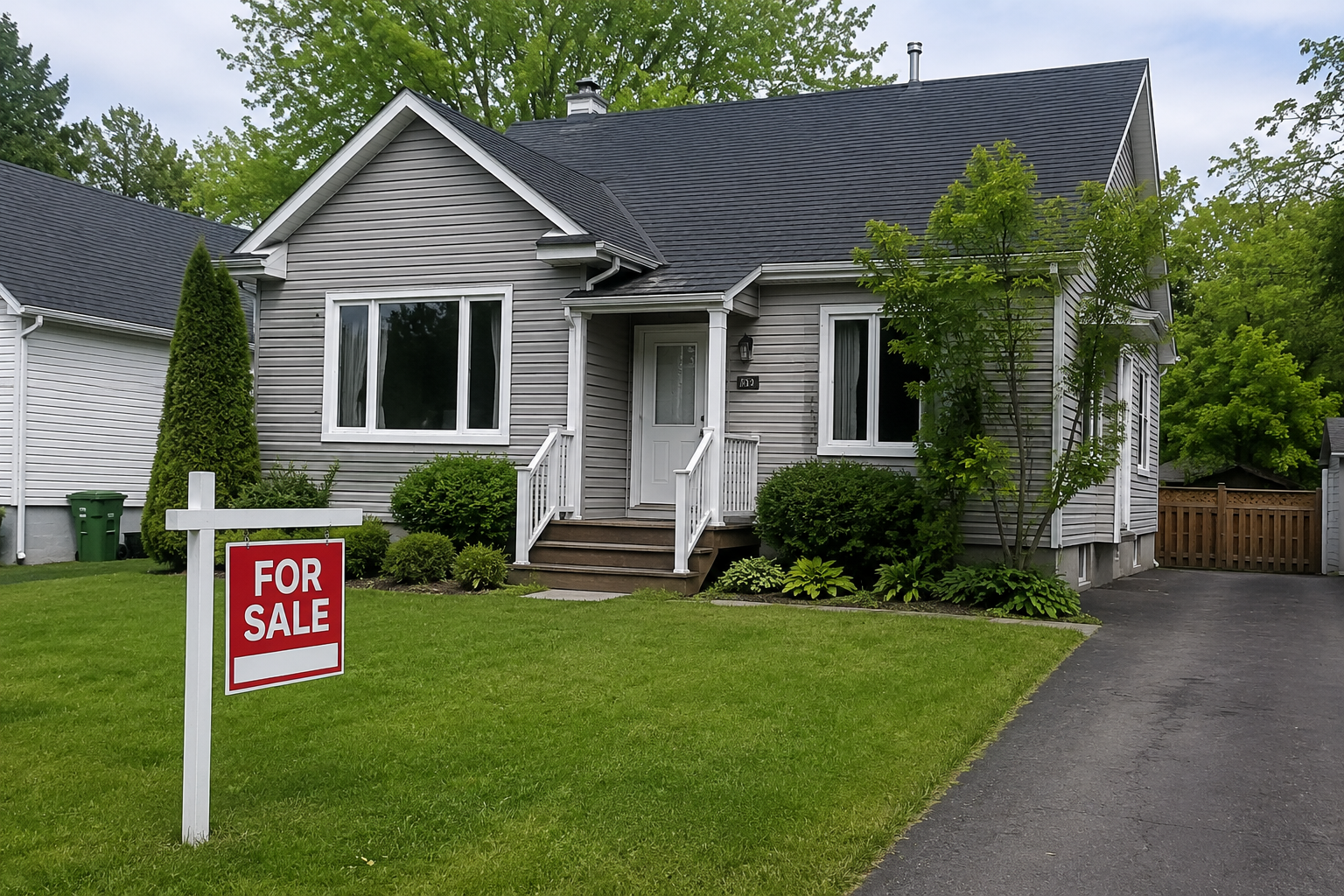
If you plan to sell your property in the short or medium term, a transferable crack injection warranty can be a valuable asset.
Real estate disclosure obligations and legal remedies for undisclosed defects vary by province and territory. If a buyer discovers basement water infiltration shortly after taking possession, the buyer may claim that the problem existed before the transaction and that it was not adequately disclosed.
A transferable warranty and complete documentation can reassure the buyer and make it easier to obtain service for a covered recurrence. They do not, however, eliminate the seller’s potential liability for an undisclosed defect, a misleading statement, an excluded problem, or an inadequate repair.
You can include the original invoice and warranty certificate with the property disclosure documents or other records provided during the sale.
The transfer of a contractual warranty is governed by the contractor’s or manufacturer’s terms. It may require written notice, a transfer form, proof of purchase, payment of a fee, or confirmation from the company.
The buyer can first contact the waterproofing company to see whether the warranty remains valid, is transferable, and applies to the problem. The buyer may still have legal remedies against the seller or other parties if the company refuses to perform the work, the warranty has expired, the damage is excluded, or the problem involves a separate defect.
Conclusion and Recommendations When Comparing Contractors
Repairing a foundation crack through pressurized injection is a proven, fast, and effective way to address many forms of basement water infiltration. The value of that peace of mind, however, depends heavily on the quality of the contract between the homeowner and the contractor.
Before choosing a contractor and authorizing waterproofing work:
Verify licensing and registration: Confirm that the contractor holds any licence, registration, insurance, or trade qualification required for the proposed work in your province, territory, or municipality. When in doubt, contact the relevant regulatory or licensing authority.
Require clear written terms: Make sure the contract precisely identifies the location of the crack, the injection method used, whether polyurethane or epoxy, the exact warranty conditions for both materials and labour, and any transferability clause.
Be cautious about unusually low prices: An abnormally low estimate may indicate limited after-sales service, insufficient preparation, or lower-quality materials that are not well suited to foundation movement and Canadian freeze-thaw conditions.
To begin the process with reliable information about your foundation, compare several foundation contractors in your area. Obtain more than one technical opinion and carefully compare the warranties offered to protect your home’s structure and long-term value.
Looking for something else?
Related articles
The latest industry news, interviews, technologies, and resources.

Cynthia Pigeon
•24 Oct 2024
Since basements are especially isolated compared to the rest of the house, ventilation is essential to ensure that humidity levels are kept under control.

Editorial Team
•24 Mar 2025
Are you the proud owner of a home with a basement, but said space is still unfinished? Looking to turn it into a bedroom, playroom, or fully-loaded apartment? Here’s what you need to know before jumpstarting a basement finishing project.
Collaboration
•11 Aug 2025
Dead outlets often result from tripped breakers, faulty wiring, or overloaded circuits. While resetting the breaker or checking connections may resolve minor issues, persistent problems could indicate deeper electrical faults. For complex situations, professional assessment is crucial to make sure safety and proper repairs. Understanding these causes helps homeowners address electrical troubleshooting effectively and maintain a reliable power supply throughout their homes.
Cynthia Pigeon
•07 May 2026
Building a pool house in Canada usually requires a building permit and strict compliance with local setback rules. These setbacks vary by municipality, but they often determine how close your structure can be to property lines, fences, neighbouring buildings and easements. Any electrical or plumbing work should be completed by qualified, licensed trades in accordance with provincial regulations. Your pool house must also respect local pool safety requirements to ensure it does not create unsafe or unsupervised access to the swimming area.

Cynthia Pigeon
•19 May 2026
In Canada, the cost of interlocking paver installation generally ranges from $150 to $350 per square metre, or about $15 to $35 per square foot. In Quebec, prices often fall within the same range, especially for turnkey residential projects that include excavation, granular base preparation, paver installation, and labour.