Budget and Safety: What Is the Real Cost of a Walk-In Tub Conversion in Quebec?
By Cynthia Pigeon
Updated on June 29, 2026
Aging in place is a priority for many Quebec seniors and people with mobility limitations. Staying at home, in a familiar environment, provides an unmatched sense of comfort and stability. However, the family home can sometimes present hidden hazards, and the bathroom is often one of the riskiest rooms. With its slippery surfaces and physical obstacles, it can quickly become a stressful space as independence decreases.
Stepping over the wall of a standard bathtub, which is generally 15 to 18 inches high, can become a major daily challenge. Given the ever-present risk of falls and slips, especially during our harsh winters when physical fatigue can increase, adapting this room becomes essential.
Transforming the bathing area is one of the key steps in adapting a home. To make this space safer, homeowners are increasingly turning to walk-in tubs or modifications to existing structures. However, budget remains a major concern for families and caregivers. How much should you really expect to pay for this type of work in 2026? What is the real impact on your wallet after government financial assistance is applied?
This complete guide highlights real costs in the Quebec market, compares the available technical options, and explains how to make the most of available grants and tax credits.
Two Conversion Options and Their Prices in 2026
Source: Kim Lacharité designer d'intérieur
When safety becomes a concern, two main renovation approaches are available in the Quebec market. The right choice depends directly on the user’s physical condition, the current bathroom layout, and the available budget. To make an informed decision, it is recommended that you shop around and compare several quotes from qualified contractors.
Option 1: Bathtub Cut-Out ($800 to $1,600)
Cutting into the existing bathtub is the fastest, least invasive, and most economical solution for tighter budgets. This technique involves modifying the bathtub already in place, whether it is made of acrylic, fibreglass, or enamelled steel, without touching the wall coverings or changing the existing plumbing layout.
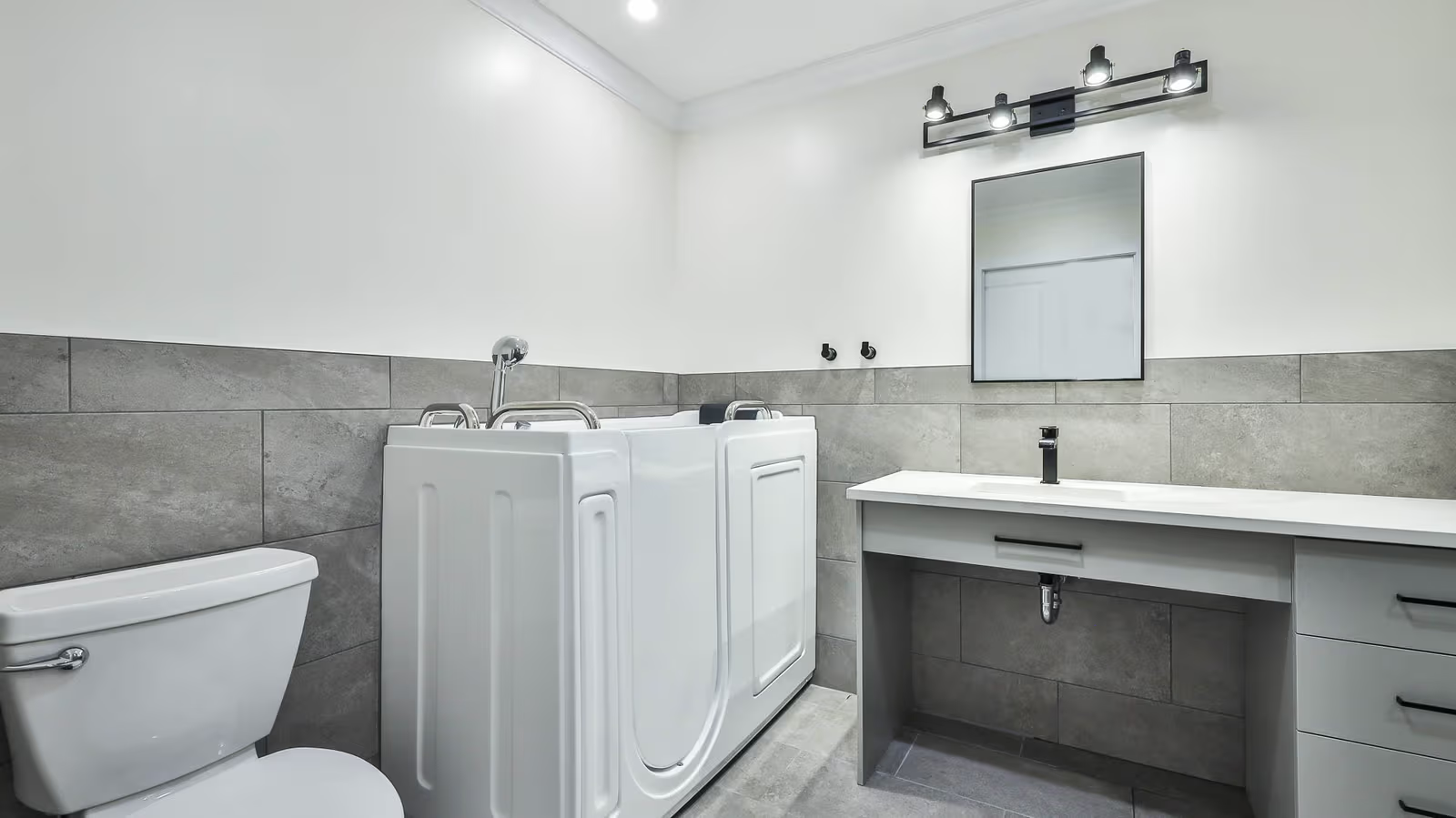
A specialized technician cuts out a section of the front wall of the tub to lower the step-over threshold to only a few inches from the floor. A watertight and visually clean cap is then moulded and installed over the opened structure. Depending on your needs, this opening can remain open, creating access similar to a low-threshold shower, or it can be fitted with a small watertight swinging door to preserve the full bath function.
Key benefits: The work is generally completed in less than a day, avoiding the inconvenience of dust and long renovation projects. It is a quick and affordable solution, especially for people who need an urgent intervention at a lower cost. In a rental unit, however, the landlord’s authorization is required before modifying the bathtub.
Limitations: Although this option greatly improves bathroom safety, it keeps the original dimensions of the tub and does not include a raised, moulded seat. This may be insufficient for people who have serious difficulty getting up from the bottom of the tub.
Option 2: Installing a New Walk-In Tub ($5,000 to $12,000)
If you are looking for optimal comfort and a durable long-term solution to help seniors maintain their independence, purchasing a new freestanding unit designed specifically for walk-in access is often the best option. However, this project involves more extensive renovation work, including removing the old bathtub, potentially modifying drywall or tile, and realigning the plumbing.
A new walk-in bathtub stands out for its watertight structure, its sealed door, whose warranty varies by manufacturer and model, and its ergonomic raised seat at standard chair height, or about 17 inches. The user enters the tub while it is dry, closes the door, sits comfortably, and turns on the faucet.
The price of this option varies significantly depending on the range of the unit selected:
Basic models ($5,000 to $7,500, including installation): Standard-sized acrylic or fibreglass tubs with an inward-opening door, basic faucet, and integrated grab bars.
High-end therapeutic models ($7,500 to $12,000 and more, including installation): Units equipped with hydrotherapy jets, chromotherapy systems, heated backrests to reduce chills while the tub fills, and, most importantly, an ultra-fast drain system that can empty the water in less than two minutes so the user can get out quickly without getting cold.
Comparison Criteria | Option 1: Bathtub Cut-Out | Option 2: New Walk-In Tub |
Average Price Range | $800 to $1,600 | $5,000 to $12,000 |
Project Duration | 3 to 6 hours | 2 to 4 days |
Demolition Level | None, local modification only | Moderate to high, full removal |
Seating Comfort | At the bottom of the tub, or with an add-on bench | Integrated raised seat at chair height |
Best Suited For | Limited budgets, quick shower access | Advanced loss of mobility, therapeutic care |
Factors That Influence the Price of Your Plumbing Work
Source: Rénovation Hélain inc.
The total cost shown on your quote does not depend only on the method selected or the product brand, including Bath Fitter–type alternatives. Several technical factors related to your home’s structure can significantly affect the final invoice. It is wise to assess these elements carefully before planning your residential renovation project.
1. Structural Plumbing Modifications
New walk-in tubs often require plumbing adjustments. The drain on a walk-in model rarely lines up perfectly with the old drain from a standard bathtub. If the contractor has to move the drainage piping through a concrete floor, such as in a basement, or drill through structural joists, labour costs will increase quickly.
2. Residential Water Heater Capacity
This is an element buyers often overlook. A true walk-in tub has a larger filling volume than a traditional bathtub, and the user sits inside before turning on the water. To prevent the water from becoming cold before the tub finishes filling, your water heater must be powerful enough.
If you have a standard 40-gallon tank, it may not be sufficient to completely fill the new tub while maintaining a comfortable temperature. Replacing your tank with a 60-gallon model or adding an auxiliary tankless water heater can add between $1,200 and $2,500 to the total project cost.
3. Faucet Relocation and Access
For obvious safety reasons, the faucet must be easy to reach from a seated position. Moving hot and cold water lines inside the walls requires opening the walls, which increases plastering and painting costs. In addition, if the home’s doorways or corridors leading to the bathroom are too narrow for the new one-piece tub to pass through, the contractor may need to temporarily remove door frames, adding extra labour.
Grants in Quebec: How to Reduce Project Costs?
Source: La SHOP cuisine
The PAD aims to support people with disabilities in remaining at home by making their housing more accessible and safer. Quebec offers certain programs and tax credits that can help finance home adaptations, but eligibility varies according to age, disability status, type of work, and whether the programs are currently open.
The Home Adaptation Program (PAD) from the SHQ
Managed by the Société d’habitation du Québec (SHQ), the Home Adaptation Program, or HAP, can be one of the most important financial tools for eligible individuals. It is intended for people with a significant and persistent disability that limits their daily activities at home. According to the Government of Quebec pages updated on May 21, 2026, no new applications to the HAP have been accepted since April 1, 2025, until further notice. Work is underway to allow applications to reopen, so it is important to verify the program’s status with the SHQ before planning any work.
Amount of assistance: The HAP includes two options. Option 1 can provide up to $50,000 in assistance per eligible person, while Option 2 provides up to $12,000 for adaptation work inside the dwelling and $12,000 for work related to exterior access.
Essential criterion: For HAP Option 1, the work must not begin before the certificate of eligibility has been issued. For Option 2, it is possible to apply for assistance for work completed up to 12 months before the SHQ receives the application, but work completed without authorization is only eligible if the program budget allows it. Under Option 1, an occupational therapist assessment is required, including through the health and social services network, although the eligible person may also choose a private-sector occupational therapist. Option 2 does not include an assessment of adaptation needs.
Tax Credit for Expenses Incurred by a Senior to Maintain Independence
For the purchase or installation of a walk-in tub or walk-in shower, the most directly relevant credit is the tax credit for expenses incurred by a senior to maintain independence.
Eligibility: You must reside in Quebec on December 31 of the taxation year in question and be 70 years of age or older on that date.
How the process works: The tax credit for home-support services for seniors mainly covers eligible services and excludes construction, renovation, or repair work, as well as work requiring a licence. For a walk-in tub, walk-in shower, or an item that helps a person get into a bathtub or shower, the relevant credit is instead the tax credit for expenses incurred by a senior to maintain independence. It equals 20% of eligible expenses, after the first $250 has been excluded.
Why Hire a Licensed Contractor?
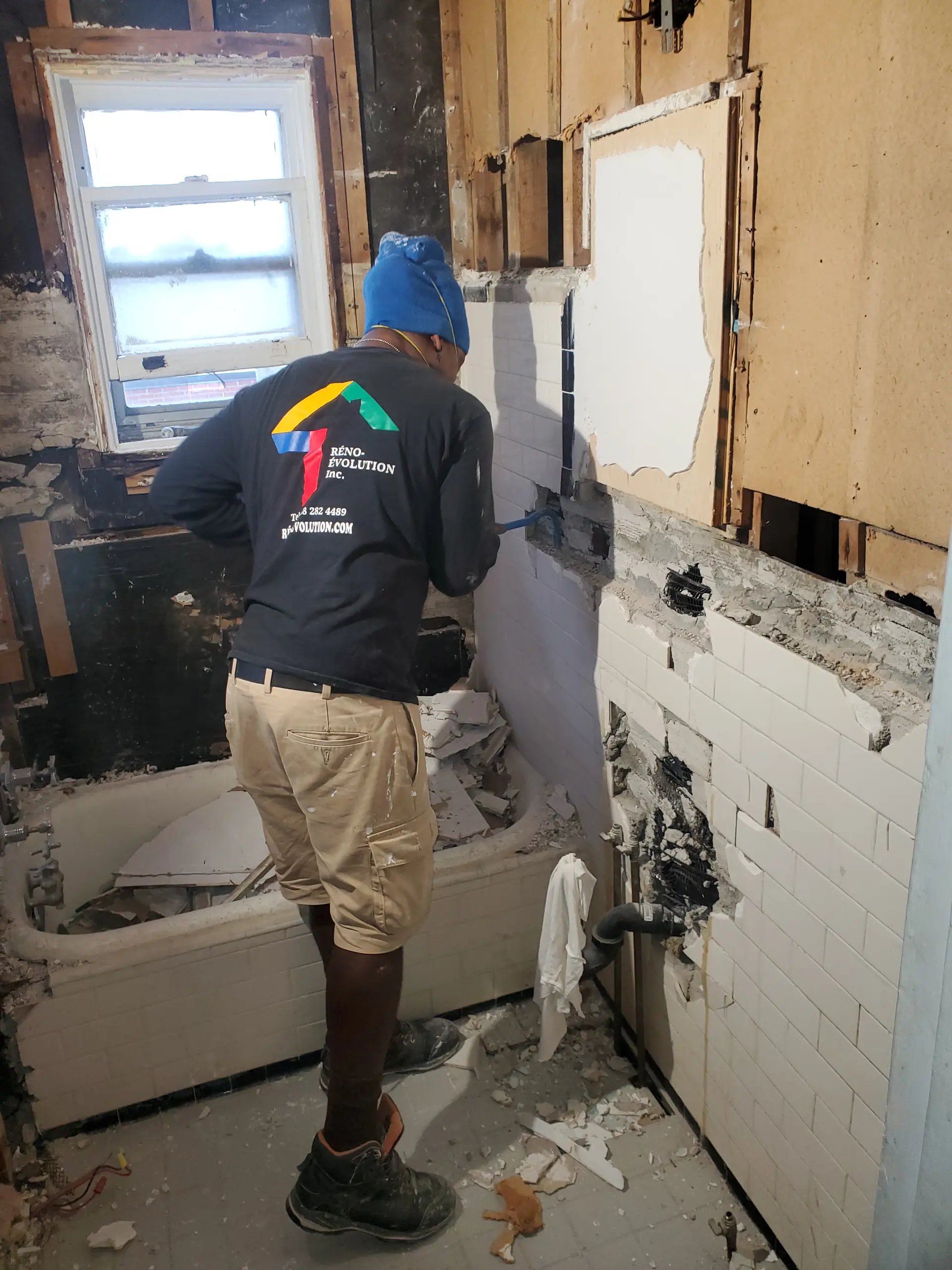
Source: Réno-Évolution inc.
It can be tempting to save a few hundred dollars by hiring a handyman or trying to carry out supposedly simple bathroom modifications yourself. In Quebec, this approach represents a major risk to your physical safety, your property, and your wallet.
Hiring a contractor or plumber holding the appropriate licence, which can be verified with the Régie du bâtiment du Québec (RBQ) or the CMMTQ depending on the type of work, offers better protection.
A watertight and compliant installation: A walk-in tub holds a large volume of water against a movable wall. The slightest installation defect, poor-quality sealant, or improperly tightened drain connection can cause hidden water infiltration. In Quebec homes, these leaks can damage the subfloor and encourage mould growth inside the walls.
Compliance with accessibility standards: A qualified contractor can install the equipment according to the applicable rules and the recommendations of the professional responsible for the file, but precise accessibility needs must be assessed according to the person’s situation and the layout of the home. The contractor can carry out the work according to the applicable rules, the recommendations of the responsible professional, and the requirements specific to the building.
Validity of insurance and grants: To obtain payments from programs such as the SHQ’s HAP, you must provide official invoices from businesses in good standing with the RBQ. In addition, in the event of water damage, non-compliant work or work performed without the appropriate licence may complicate a home insurance claim.
To begin your project with confidence, take the time to obtain a clear and detailed estimate for the plumbing work from contractors holding the appropriate licence in your region. This will help you avoid unpleasant surprises and allow you to enjoy your new living space with peace of mind.
Looking for something else?
Related articles
The latest industry news, interviews, technologies, and resources.

Christine Simard
•08 Nov 2023
Thinking of renovating your kitchen or bathroom floor? There are already several materials on the market that can give you a professional and original finish, which will give your room a breath of fresh air. If you've been considering slate for your new home improvement project but are still unsure, maybe this information can help you!

Editorial Team
•08 Nov 2023
Facilitating independence and make everyday life at home easier for individuals with reduced mobility or suffering from various other disabilities are desirable lifestyles nowadays. Knowing that people are less and less marginalized and can, with ease, share their real needs with others lends a helping hand to the cause).

Amanda Harvey
•08 Nov 2023
Industrial style is excellent for the homeowner who is looking for a concept that lacks any sort of pretentiousness. The visual appeal and charm of industrial style lie in its ability to showcase utilitarian surfaces, stripped-back architecture and salvaged objects. If you’re looking to celebrate humble materials, then this is the home decor option worth considering!

Editorial Team
•08 Nov 2023
Summer might be over, but that doesn’t mean all dreams of being whisked away seaside have to fade. What if we told you that travelling to a coastal haven with sandy beaches was a possibility without having to leave your cozy pad?
Editorial Team
•11 May 2026
A framing nailer, or nail gun, is defined as the standard tool used to streamline jobsites. Discover the material and tools needed to efficiently nail your framing together.