Commercial renovation: what are the laws in Calgary? | Renovation Quotes
By Amanda Harvey
Updated on November 8, 2023
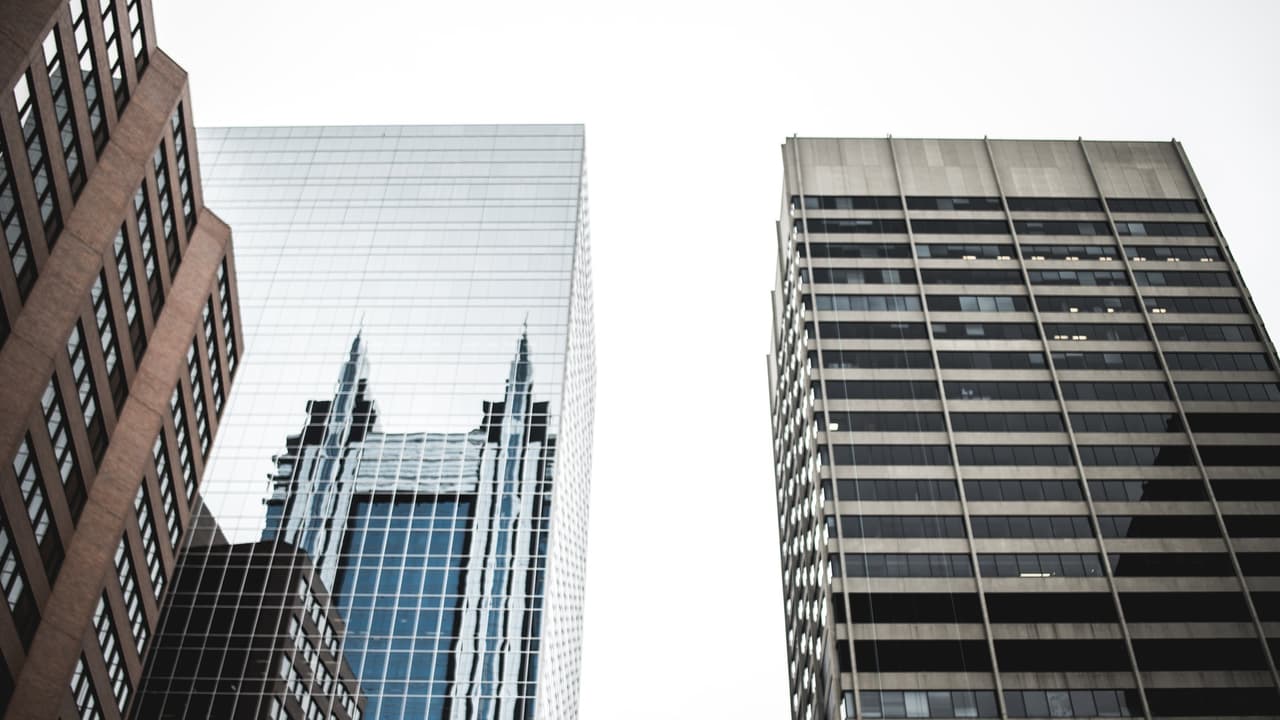
Running a business has its advantages and disadvantages. Regardless if you own an office, a storefront or a restaurant, there are plenty of aspects to take care of and consider when it comes to looking after a commercial space. Maybe the structure needs updating or repair or the building's plumbing or electricity is outdated. Therefore, you could be contemplating taking on a renovation. However, there are specific laws that designate what can and can’t be done to commercial properties, and this generally includes a permit application.
So, if you’re a Calgary resident and a commercial building owner who's interested in renovation, then we’ve got you covered on what to consider before getting started.
Here are the laws that determine Calgary commercial property renovations

source: unsplash
Planning your commercial renovation
Before diving headfirst into your commercial renovation, it’s important to mention that all commercial spaces in Alberta must comply with the Land Use Bylaw, as well as safety codes as established by the Government of Alberta which include fire, electrical, fire, plumbing and gas. If you’re moving into a new building, make sure to consult an expert or professional in the field before tackling any major renovations. There could be serious legal repercussions if you decide to move forward with a renovation with the proper paperwork. In order to avoid a headache, we suggest you look into instances where a permit will be required.
When is a commercial building permit required in Calgary?
First and foremost, even if you are simply buying or changing ownership of a commercial building, a permit may be required. Mainly, this is to review health and safety codes and make sure that everything is up to date. The specific permit required will depend on the type of business you’re running as well as the conditions of the space and lastly, the type of work you intend on executing.
Luckily, we can provide some examples of exactly when you’ll need a permit. They are as follows:
If you are the first tenant in the space, any changes will require a permit;
If you’re changing the space from one type of business to another. For example, if your commercial space operates as a bar but you’re interested in expanding to open a restaurant, you’ll need a permit;
If construction is being done on the premises, including structural changes, walls built or removed, any mechanical changes as well as any work involving plumbing, heating or gas;
If equipment on the premises needs to be repaired, changed or upgraded. You could also need a permit if equipment that is up to code will be changing its function;
If you’re in need of a health review due to the nature of your business. This is most common in restaurants, daycares, pools, personal services like hair and nail salons, tattoo shops, massage parlours and so forth;
The occupant load of the building grows;
If you have a kitchen on the premises, a permit will be required if any changes are made to the ventilation system.
In a few cases, a permit will not be required and this will be
If the use and/or the space remains unchanged;
If the work is simply cosmetic. For example, if you are painting the space alone, a permit will not be required.
Permit details and drawings

source: unsplash
Professional drawings are necessary alongside your permit application. The type of drawing as well as any additional documents required will be directly dependant on the type of permit you're applying for. Drawings should be accurate and clear while listing all information regarding the specifics of the renovation you're planning. This will include details about the placement of mechanical, plumbing and electrical systems. Make sure to carefully review the list of requirements as stated by the Alberta Building Code.
Depending on the difficulty of the drawings, you may be required to work with a professional. If this is the case, make sure they are stamped by the designing professional before they are submitted, otherwise, it’s unlikely they’ll be approved.
How is your commercial building classified?
If you haven’t been asked this question before, it’s a good thing we’re bringing it up now. When you purchase or use a building as a commercial space, it will be necessary for a designer or architect to complete a code analysis in order to determine the classification of your building. This is to determine whether it's suitable for the type of business you’re interested in running. It is necessary to determine the classification of your commercial space, as varying classifications are garnered by different rules and regulations.
The classification of your building will come down to its size, the type of material the structure is made from and the occupancy. As mentioned, The renovations you plan on conducting need to accommodate the classification of your building. If they don't comply, you could face some serious setbacks. These steps cannot be avoided, so do take the necessary initiative to avoid legal repercussions!
Get 3 renovation quotes for your commercial renovation project
RenoQuotes.com can help you get quotes for. By submitting your boutique renovation project to us, we’ll put you in contact with top-rated contractors. Fill in the form on the homepage (it only takes a few minutes), and you will get estimates from trusted professionals.
Dial 1-844 828-1588 to speak with one of our customer service representatives
Looking for something else?
Related articles
The latest industry news, interviews, technologies, and resources.

Editorial Team
•08 Nov 2023
Often on the blog, we discuss decor and design trends but we usually focus on the home front. This allows our readers to find inspiration to create the perfect layout for their interiors and exteriors. But what about those looking for ideas for their business?

Editorial Team
•08 Nov 2023
Industrial air conditioners are, contrary to what their names suggest, units that can do more than just air conditioning. A variety of air handling operations are possible, ranging from controlling incoming air pollution, humidity and, in some cases, also acting as a heater.
Cynthia Pigeon
•18 May 2026
Renovating a home goes far beyond refreshing a room or replacing outdated materials. It is part of a more thoughtful process, shaped by both personal taste and long-term planning. Whether you live in a detached house, townhouse, condo, or shared ownership property, rethinking your living space means creating a place where comfort, health, and durability work together.
Editorial Team
•18 Jun 2025
Real bricks and fake bricks are currently a staple on the home decor scene: when used as a wall covering material, they add a lot of warmth and character to interior decor. Learn more about the different characteristics of this material, which is durable and stylish.

Léa Plourde-Archer
•27 Jul 2026
Ceramic and porcelain flooring hold numerous advantages. In addition to being exceptionally durable and water-resistant, tile requires very little routine maintenance and can significantly increase a home’s resale value. Beyond floor surfaces, ceramic is versatile enough to serve as a stylish wall covering in bathrooms or a decorative backsplash over kitchen countertops.