Advice from a Contractor to Renovate a Cornice Moulding
By Editorial Team
Updated on June 13, 2025

You've probably landed here looking for information about cornice mouldings and how to repair them. Knowing that this information isn't always easy to find, we asked one of our contractors, Felix Deblois-Beaucage, to tell us more about this type of renovation project.
What are the main steps of a cornice moulding renovation project?
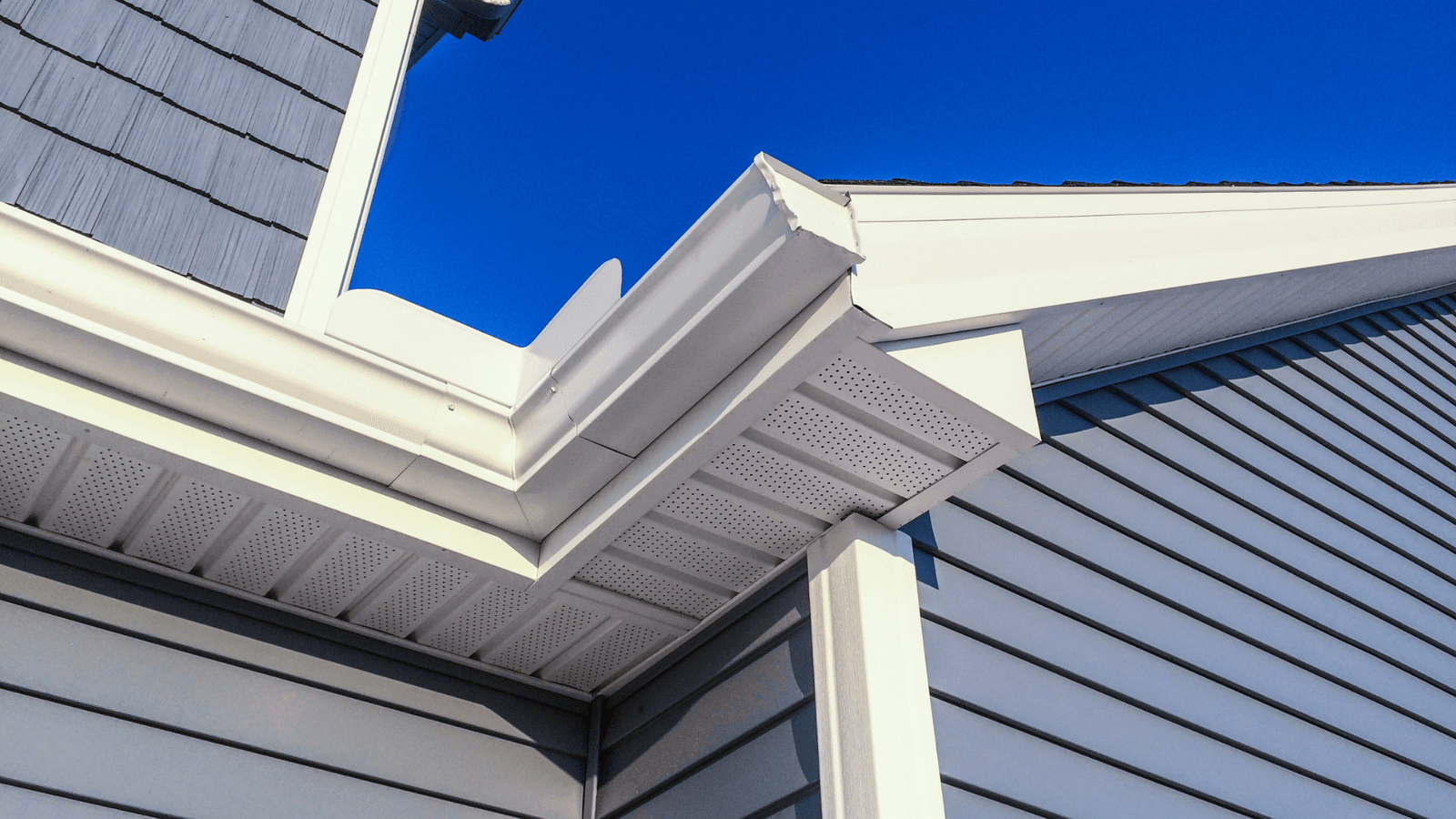
Every project is different. For the project we are currently completing, we had to remove the old paint first. This created big holes in the wood because at least 1/4 inch of paint was removed. Next, we filled in the holes with putty- a very strong filler also used to fill in holes on cars. For wood knots, we used shellac- a resin- to seal them.
Afterwards, we sanded the whole surface to even it out. A water-based primer was then used to cover everything and create a nice base for the new coat of paint. Once the primer had dried, we applied 2 coats of water-based paint. It was almost the same colour as the old paint.
For the stucco (also called roughcast) of this cornice, we scraped its' surface and repainted it in the same colour.
What colour should we use for a cornice?
It depends on the client. In certain cases, I’ve been asked to paint cornices using very bright colours like red or sky blue. Those types of colours often require up to three coats to look good.
It usually takes more time and work for bright colours. If you want to change the colour of your cornice moulding, for instance from a dark colour to a pale one, you’ll need a good primer to decrease the number of finishing coats needed for the pale paint to come across well.
What type of paint should we use for a cornice moulding?

I prefer to use water-based 100% acrylic paint and primer for cornice mouldings. Nowadays most of the paint products used for outdoor projects are water-based. Oil-based paints are dangerous for the environment and difficult to work with – it's hard to breathe while applying this type of paint. As I mentioned before, for wood knots, we use shellac. It is a high coverage sealant made of resin, usually sprayed. This product allows us to seal wood knots and it doesn’t let them show through the paint.
How much time does it take?

Source : Summa Inc
It depends on the type of cornice you have. For this project, due to bad weather, it took us one week – because of the rain, we weren't able to work for a few days. If the weather had been perfect, it could have taken us less than 3 days! Also, this cornice needed a lot of repairs, which takes more time. If we only had to paint, it would have taken even less time.
What are the major challenges of a cornice moulding renovation?

The weather is a major problem because you can’t paint when it’s too humid or too hot. Unfortunately, paint doesn’t adhere well when the temperature soars above 35°C. Plus. it's hard on the workers to paint in these conditions.
Therefore, make sure you have at least 2 days of good weather after the renovation before you start the project. If it rains before the end of the drying time, the paint will drip and you’ll have to do it again.
Therefore, if you want a nice and durable finish, make sure the weather forecast is good before you start the job. Another challenge is height. Since cornices are high, we need tools that are made specifically for working at heights, like ladders and scaffolds.
It can be very dangerous and requires experimented workers that are used to working at heights. They also have to move ladders frequently to reach every part of the cornice moulding.
Should we only work with a contractor who is specialized in cornice moulding renovations?
Not necessarily, but they must know how to repair a cornice moulding (fill in holes with putty, different steps of the process…) and should be comfortable with working at heights. A conventional painter could do it but will probably take twice the time if they are not used to this type of work. Also, the result might be less professional than if you worked with someone who has experience. My workers and I are used to renovating cornice mouldings so we don’t find it difficult anymore. When you renovate that part of your house, you want it to last at least 20 to 30 years so the job needs to be well done.
When is the best time to renovate a cornice moulding in Canada?
Since the weather can get so cold in Canada, I would say the best time is the beginning of the summer, in June. But in reality, most people do it in mid-summer. Contractors tend to be more available at that time of the year. In the early summer, we take care of other tasks such as patios and we don’t have the time to renovate cornice mouldings. In wintertime, this type of renovation project is impossible.
Does your home have a special status?
From the get-go, the renovation of a heritage building must respect certain rules. If your home has this unique status, some restrictions will frame any changes you can make to the cornice. Essentially, you will have to respect the original style of it and avoid the use of synthetic materials.
Due to the thoroughness required to renovate a cornice adorning a heritage building, it is best to hire a professional to do so. The latter will be able to restore your old cornice so that it gets as close as possible to its original version. If the cornice is in an advanced state of decomposition, the expert responsible for the work will sometimes use old photos to create a cornice whose style is in line with that of the house.
How much does a cornice moulding renovation cost?

gain, it depends on many factors, like the type of roof, the cornice, the amount of prep work… For this project, since we had a lot of repairs to do and we also had to cut in the edges – between the beige stucco and the brown cornice- the price reflected the amount of work we had to do. If we only had to repaint the cornice, it would have been a lot cheaper.
But this is rarely the case for cornice mouldings; you almost always have to repair something. For this cornice, the total price was $2000. Keep in mind that this kind of task is done at heights so it will always be more expensive than painting at ground level.
Looking for something else?
Related articles
The latest industry news, interviews, technologies, and resources.
Cynthia Pigeon
•15 May 2026
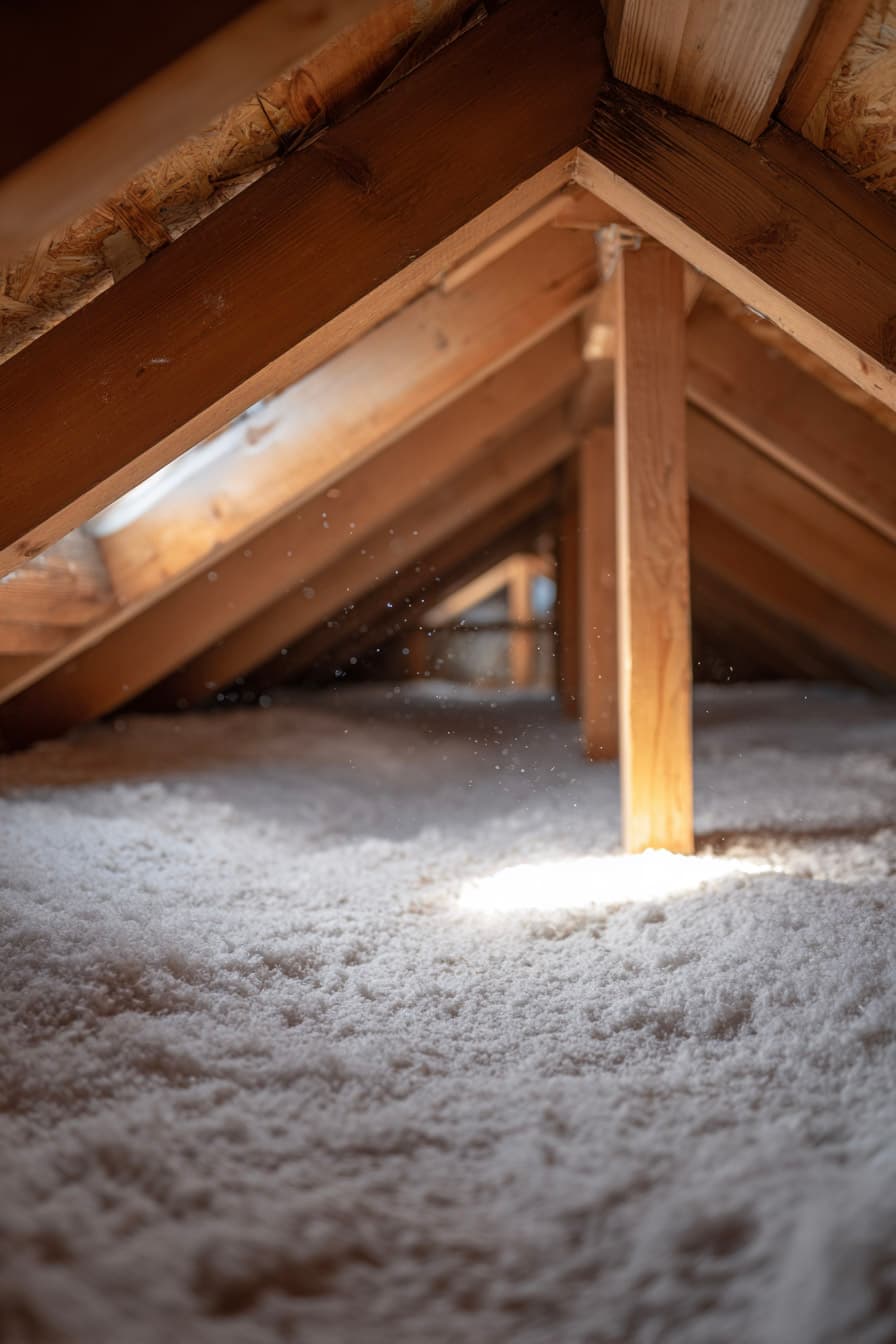
In Canada, where winters can be harsh and seasonal temperature swings are significant, proper attic insulation is essential for improving comfort and reducing heat loss. Among the most common insulation materials, cellulose and spray foam, also known as sprayed polyurethane foam, stand out for their performance, cost, and long-term value.
Léa Plourde-Archer
•06 Mar 2025
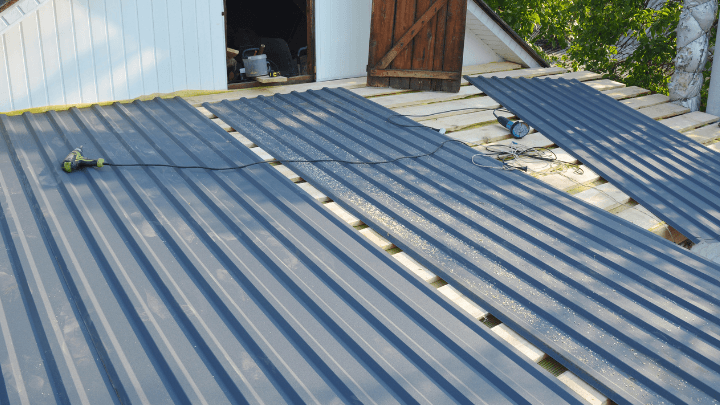
In Canada, many buildings are equipped with flat rooftops. This type of roofing is very practical and often less expensive than a slanted roof. However, since we don’t see their surface, we’re more likely to forget to check their current condition.
Editorial Team
•08 Nov 2023
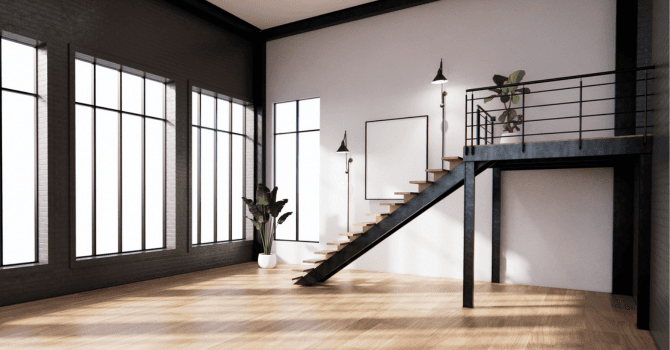
Are you curious about changing the layout of your mezzanine to improve the design of this living space, and are looking for some ideas before you begin this project? Take a peek at these wonderful examples of mezzanines to offer you some inspiration.

Editorial Team
•10 May 2024
Plunging into the world of well-being and relaxation, without even leaving home, is a dream come true for many homeowners. Creating a spa oasis on your own property offers a haven of relaxation and revitalisation, where the stress of daily life dissipates in the soothing waters.

Editorial Team
•27 Aug 2025
Canada is known for its dynamic economy and diverse population, which attracts a lot of foreign workers every year. To streamline their professional integration process and meet the needs of local employers, the government developed a pilot project for recognized employers in Canada. This pilot project was established to simplify the hiring process of foreign workers and provide them with a faster and simpler way to receive their Canadian permanent resident status. This article will focus on an in-depth overview detailing the different aspects factored into this pilot project.