Designing a Barrier-Free Kitchen: Accessibility Guide for Quebec
By Cynthia Pigeon
Updated on June 25, 2026
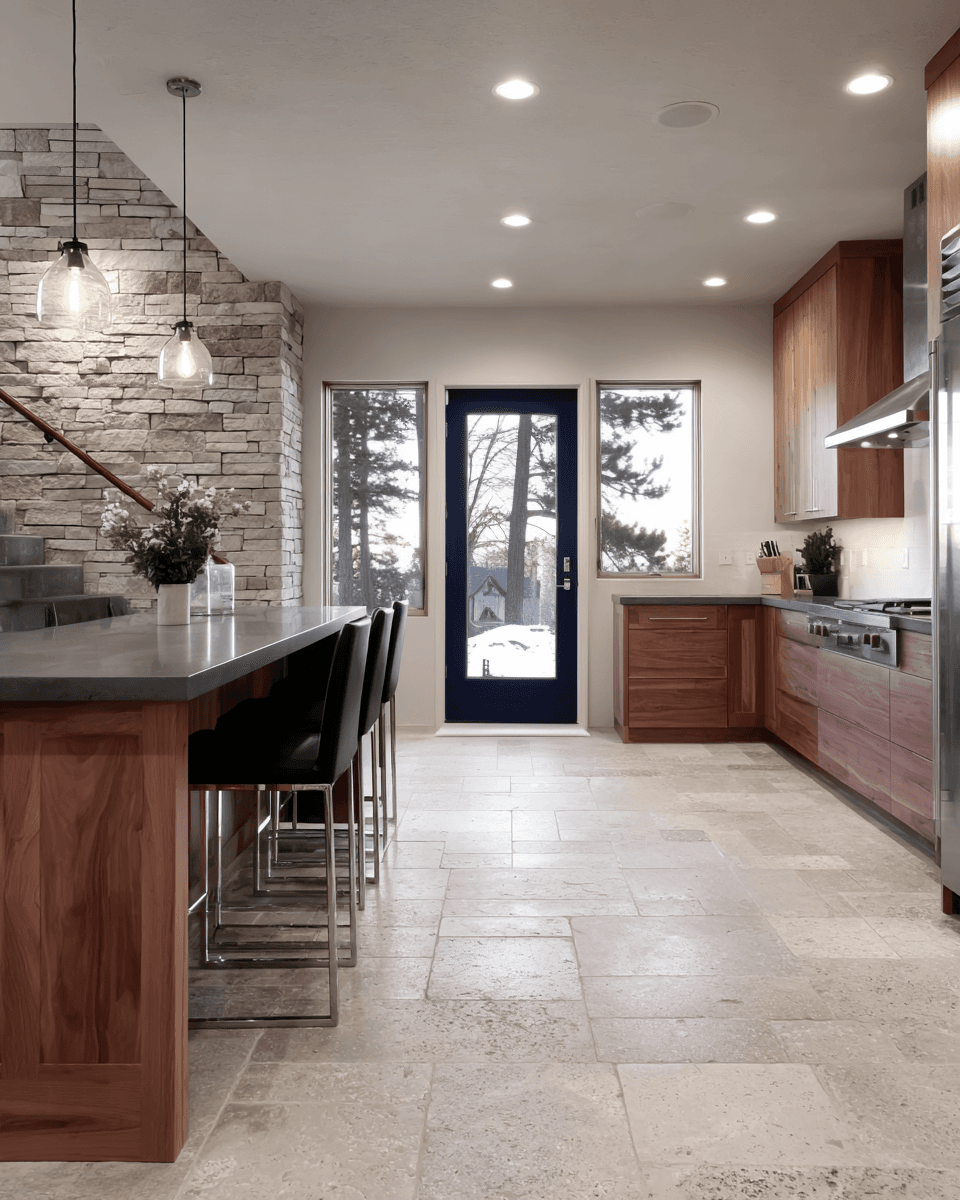
Kitchens are traditionally considered the heart of the Quebec home, a place for gathering, sharing and cooking. Yet, for a wheelchair-bound individual, a senior facing a gradual loss of autonomy or a person with reduced mobility, this room can quickly become a complex and hazardous obstacle course. Counters that are too high, inaccessible kitchen cabinets and poorly positioned appliances can significantly limit a person’s ability to prepare their own meals, directly affecting their dignity and day-to-day independence.
According to demographic projections from the Institut de la statistique du Québec, the proportion of people aged 65 and over will continue to increase over the coming decades. It is expected to rise from about 20% of the population in 2021 to 25% in 2031, then to 27% in 2071. In this context, aging in place is not only a preference shared by a large majority of citizens, but also a major social solution.
For caregivers and health professionals, adapting the home environment is a priority. Designing a barrier-free kitchen according to the principles of universal design makes it possible to create a safe, functional and inclusive living space that can adapt to changes in users’ physical abilities without compromising the home’s appearance.
Key Principles of Universal Kitchen Design
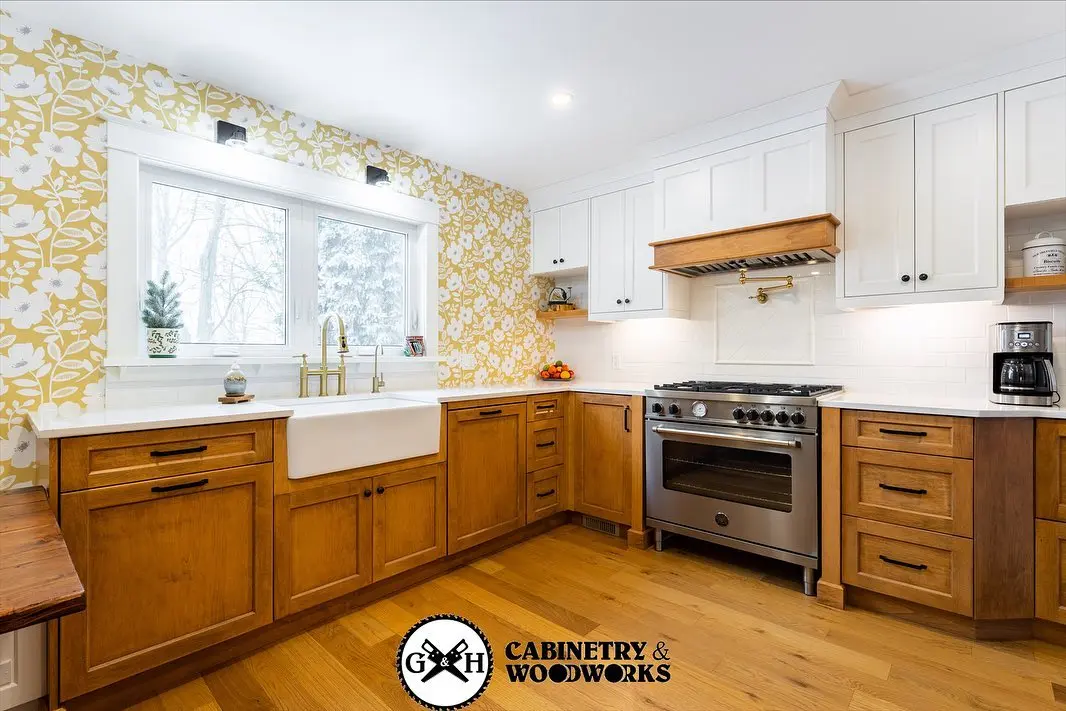
Source: G&H Cabinetry and Woodworks
Universal design does not aim to create a space that looks institutional or hospital-like. On the contrary, it aims to structure the environment so it can be used by as many people as possible, regardless of physical ability, height or age. In a kitchen, this involves rethinking circulation and spatial ergonomics.
The classic work triangle—which optimizes the distance between the refrigerator, sink and cooking surface—must be reassessed from an accessibility standpoint. For a person using a walker or wheelchair, paths must be direct, fully fluid and free of any floor-level obstacles.
To allow a wheelchair to manoeuvre properly, plenty of clearance must be planned, often around 1,525 mm x 1,525 mm for a manual wheelchair or walker. A power wheelchair or mobility scooter may require approximately 1,830 mm x 1,830 mm. Narrow galley kitchens often need to be converted into L-shaped or U-shaped layouts that open onto the rest of the home in order to provide this essential clearance.
Finally, the choice of flooring should provide excellent slip resistance, even when water or cooking grease is present. Small-format textured ceramic tile or commercial-grade vinyl flooring are excellent options for reducing the risk of falls.
Counter Height and Adjustable Work Surfaces
In a standard kitchen, the fixed counter height is usually 36 inches, or 915 mm, from the floor. This dimension is designed exclusively for use while standing. For a seated user, this height can cause significant shoulder and neck strain, in addition to limiting grip strength.
Variable-height counters: The ideal solution in a universal design project is to install motorized or mechanically adjustable counter sections. Using electric actuators controlled by simple push buttons located at the front, the work surface height can range from 28 to 34 inches, or 710 to 865 mm. This allows a family member in a wheelchair and a standing caregiver to share the same work area ergonomically.
Multi-level fixed counters: If the budget does not allow for motorized systems, installing fixed counters at different strategic heights is an excellent alternative. A lowered section at 30 inches, or 760 mm, from the floor, ideally placed near the refrigerator or cooking area, can serve as the main preparation zone for tasks that require strength or prolonged seated work.
Retractable pull-out shelves: Adding sturdy pull-out shelves hidden under the main counter, similar to large rimless drawers, instantly creates an auxiliary work surface at knee height for setting down hot dishes or mixing ingredients.
Before undertaking modifications of this scale, it is strongly recommended to assess the overall budget for your project. You can consult a detailed kitchen renovation cost guide to analyze the investments required for structural components and custom cabinetry.
Essential Clearance Under the Sink and Cooktop
For a seated person to wash dishes or cook safely, they must be able to get as close as possible to the equipment. This requires removing traditional cabinets under the sink and cooktop to create an empty space known as knee clearance.
Accessible design benchmarks: For a sink used from a seated position, sufficient knee clearance must be provided. Recommended dimensions can vary depending on the guide or standard used; CMHC indicates, for example, 760 mm in height, 785 mm in width and 610 mm in depth for an accessible sink.
Thermal protection for plumbing: When cabinet doors are removed under the sink, hot water supply pipes and the drain trap become exposed. To reduce the risk of skin burns or injury from direct contact with the user’s legs, especially when thermal sensitivity may be reduced, protection should be provided. This can include setting the plumbing back, insulating the pipes or installing a recessed protective panel.
Faucet technology: Traditional faucet handles can be difficult to use for someone with severe arthritis or reduced fine motor skills. Installing a motion-sensor faucet or a touch-activated electronic faucet can significantly improve the user experience. In addition, adding a thermostatic mixing valve with an automatic temperature limiter helps prevent scalding when water pressure fluctuates.
Cabinets and Appliances Redesigned for Accessibility
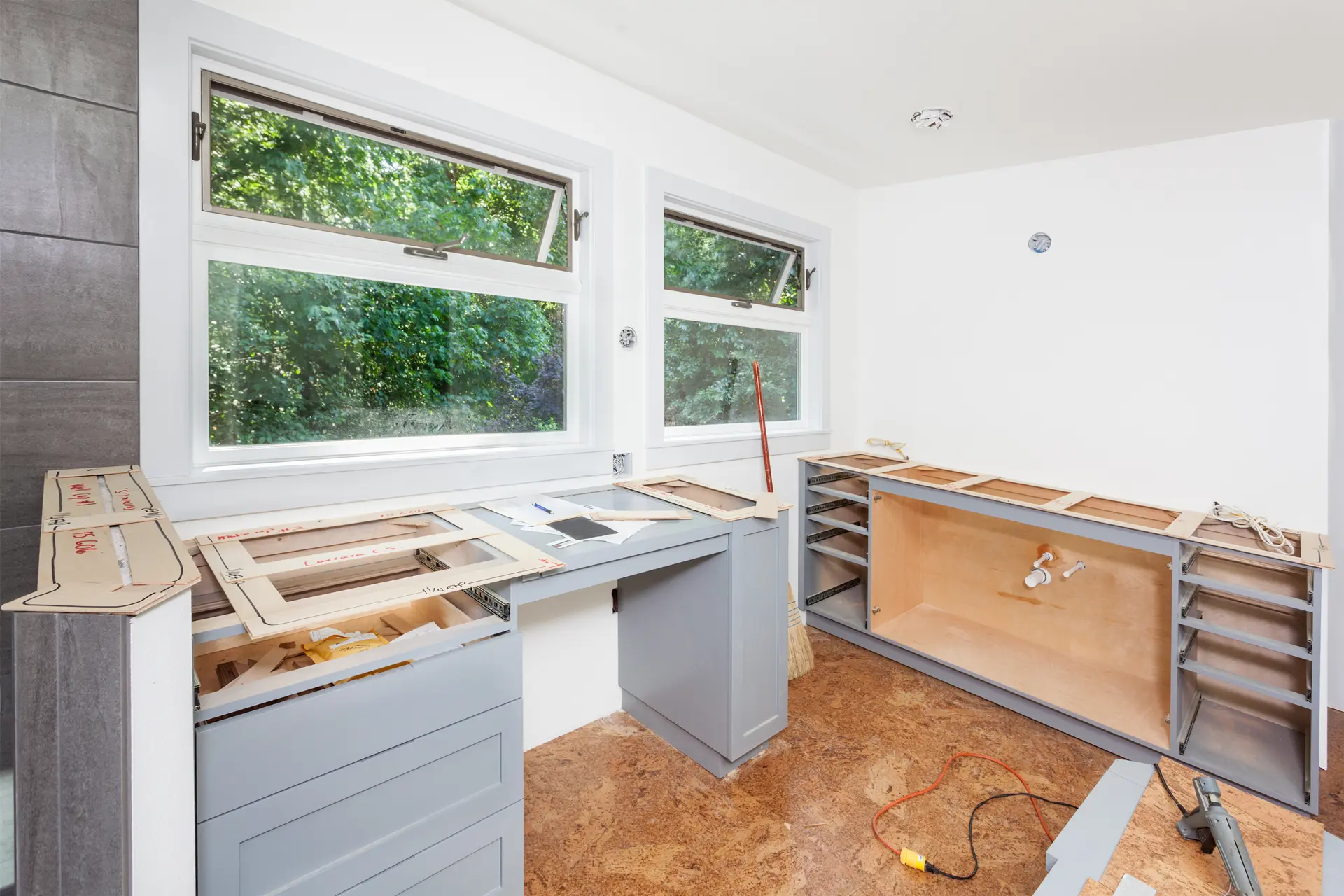
Source: H Man Reno
Reaching the back of a lower cabinet or lifting a heavy object from an upper cabinet can be a serious challenge for many seniors experiencing a loss of autonomy. Carefully reorganizing storage areas and choosing the right appliances are essential components of a successful barrier-free kitchen.
Cabinets with Pull-Out Drawers and Adapted Hardware
Everyday items should be accessible without excessive effort, trunk twisting or the need for a step stool, which is a major source of serious household accidents in Quebec.
Prioritize large pull-out drawers: In the lower sections of the kitchen, systematically replace swing doors and fixed shelves with full-extension drawers with high sides. When the drawer is opened, all of its contents move outward and become fully visible and accessible from above. This prevents the user from having to kneel or search blindly in the back of a dark cabinet.
Pull-down cabinet hardware: To maximize the use of upper kitchen cabinets, integrate pull-down shelving mechanisms. With an ergonomic handle, the user can pull the entire inner structure downward and forward, bringing the cabinet contents down to eye and hand level.
Choosing handles: Round knobs and recessed pulls require significant grip strength. Choose wide, tubular D-shaped handles instead. They allow users to easily slide in their fingers, or even their whole hand, to open drawers with minimal effort, which is especially helpful for people living with joint limitations.
Choosing and Positioning Appliances
Appliance integration should focus both on the ergonomics of the appliance itself and on its built-in height in relation to the floor.
Oven and stovetop: A traditional oven located below the range requires the user to bend toward the floor while handling a heavy, hot load. In an accessible kitchen, a wall oven installed in a tall cabinet is preferred, positioned so the centre rack sits at counter height or elbow height for the user. Choose a model with a side-opening door rather than a drop-down door. This allows a person in a wheelchair to get as close as possible to the oven cavity without being blocked by the open door. For the stovetop, induction surfaces are recommended because they reduce burn risks, as the surface itself does not heat up in the same way, along with touch controls located at the front of the work surface.
Raised dishwasher: Loading and unloading the lower rack of a standard dishwasher requires repeated bending. The universal design solution is to raise the appliance by 6 to 12 inches, or 150 to 300 mm, by installing it on a structural platform or reinforced cabinet base. This makes the racks easier to access without placing strain on the lower back.
Refrigerator: Side-by-side models or French-door refrigerators with a lower freezer drawer are preferable because they provide partial access to both refrigerated and frozen areas within the accessible reach range, between 15 and 48 inches from the floor.
Grants and Renovation Compliance in Quebec
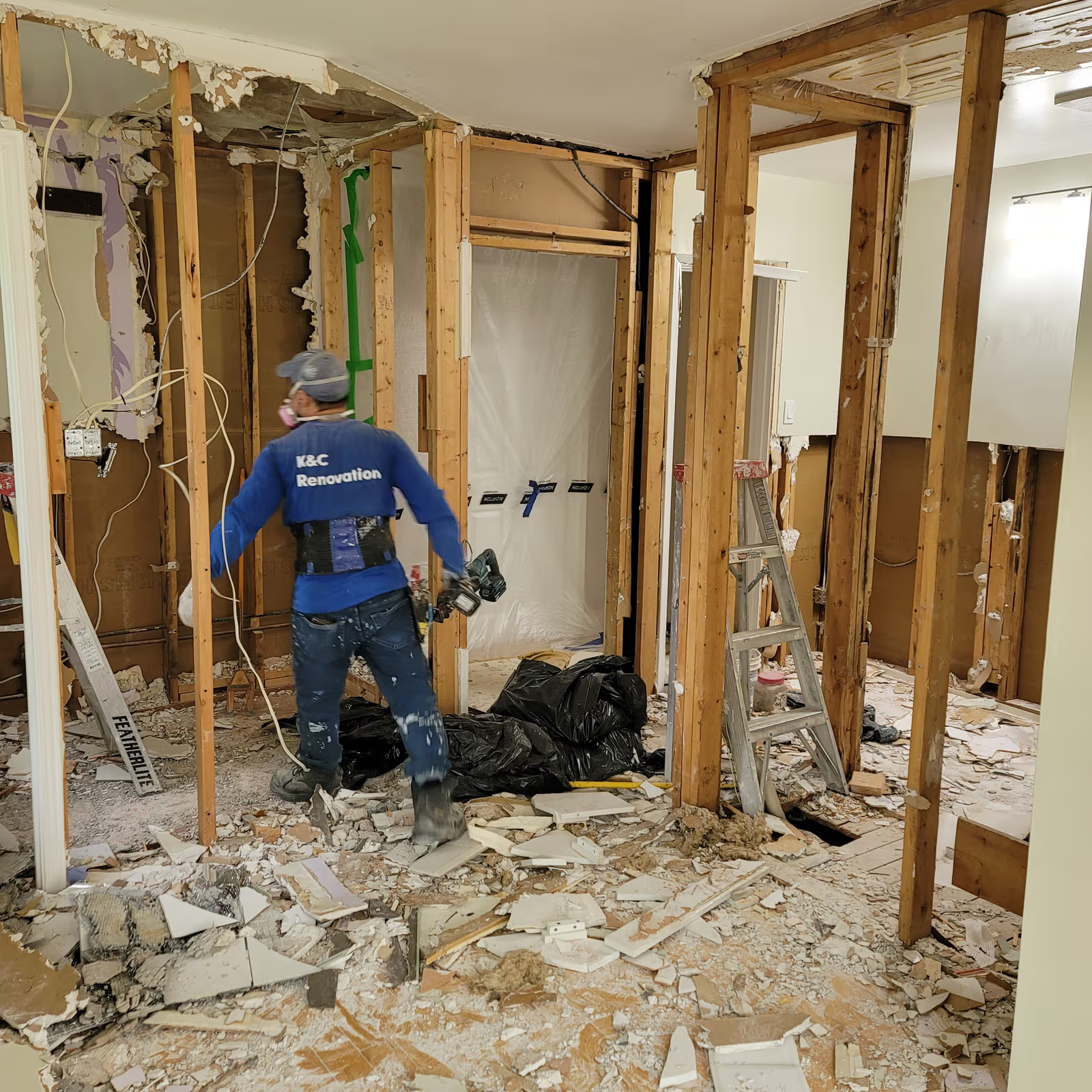
Source: KC Renovation
Transforming a residential kitchen for universal accessibility can involve significant costs related to structural adjustments, plumbing reconfiguration and specialized cabinetry. Fortunately, important financial assistance measures and provincial tax incentives are in place to support households and reduce this financial burden.
The SHQ Home Adaptation Program
The Home Adaptation Program, known in French as the Programme d’adaptation de domicile, or PAD, is administered by the Société d’habitation du Québec. It provides financial assistance to homeowners for adaptation work in a dwelling occupied by a person with a disability. The program aims to support aging in place and independent living by making essential rooms, including the kitchen, more accessible and safe. However, it is important to check the registration status before planning an application. According to Québec.ca, no new applications have been accepted since April 1, 2025, until further notice. Work is underway to allow registrations to resume, and the reopening date will be announced on the program’s official page.
Role of the occupational therapist, according to the selected option: Under Option 1 of the HAP, support includes the involvement of an occupational therapist and an accredited inspector. The process may vary depending on the option selected and the registration status of the program. Option 2 works differently, since eligible applicants can choose adaptation work themselves from a list established by the SHQ; needs assessments for adaptation and the preparation of plans and specifications are not included under this option.
Eligibility of work: SHQ grants apply exclusively to modifications deemed essential, functional and cost-effective in response to the identified disabilities. Expenses related purely to aesthetics or very high-end materials, such as choosing an exotic quartz countertop instead of a functional standard adapted material, remain the responsibility of the homeowner.
Timing rule: Depending on the option selected, the certificate of eligibility or required authorization must be obtained before work begins. For Option 1, work carried out or started before authorization from the municipality or RCM is not eligible. For Option 2, specific conditions may apply, including for work completed before the application, subject to the program budget.
Process Step | Main Stakeholder | Required Action |
1. Initial application | Homeowner / caregiver | Submit the official form to the SHQ with supporting medical documentation. |
2. Functional assessment | Option 1: occupational therapist | Assessment of needs and adaptation recommendations under Option 1 only. |
3. Plans, specifications and quotes | Accredited inspector / licensed contractors | Under Option 1, the inspector prepares the plans and specifications for eligible work based on the occupational therapist’s recommendations. The homeowner then requests quotes from contractors listed in the RBQ licence holders register and holding the appropriate licences. |
4. File approval | Municipality, RCM or SHQ depending on the applicable option | Review of the file and issuance of the required authorization or certificate before eligible work begins. |
5. Work completion | Contractor holding a valid RBQ licence | Carry out the work according to the strict standards of the Quebec Construction Code. |
Planning Your Accessible Kitchen Project with an Expert
Changing the spatial layout of a kitchen can involve critical building systems, including relocating drainage pipes, moving dedicated high-power electrical circuits, such as 240 V circuits for the cooktop and oven, modifying range hood ventilation and sometimes even removing load-bearing walls to widen the clearance.
For work entrusted to a general contractor, that contractor must hold a valid RBQ licence and the appropriate licence subclasses. Some work carried out by an owner-occupant in their own home may be allowed without a licence, except in particular for work involving electricity, gas or petroleum equipment, which must be performed by a contractor holding the appropriate licence.
Working with a contractor who holds a valid RBQ licence allows you to verify that they have the right to carry out the work in question and that they hold the appropriate licence subclasses.
Better regulatory compliance: A licensed contractor must hold the appropriate subclasses for the work outlined in the contract and comply with the applicable requirements of the construction sector.
Structured financial protection: The licence security bond may provide compensation in certain situations, including deposits related to work that was not carried out, non-completion of work, or defects and poor workmanship discovered within 12 months of the end of the work, subject to the RBQ’s criteria, available amounts and exclusions.
Eligibility for assistance programs: Depending on the applicable option and the nature of the work, PAD requirements may call for the use of a contractor holding a valid RBQ licence. Program terms should be verified before signing a contract or starting the work.
Take the time to compare thoroughly and carefully. It is strongly recommended to compare qualified contractors who specialize in residential accessibility in Quebec. By checking their references and licence number in the RBQ’s public register, you can move forward with greater confidence.
To take the first concrete step toward completing your aging-in-place project, request detailed professional quotes. This will give you a clear and transparent picture of the costs and work schedule, helping ensure that your family or clients have a safe, inclusive and durable living space for years to come.
Looking for something else?
Related articles
The latest industry news, interviews, technologies, and resources.

Cynthia Pigeon
•31 Jul 2026
Given the harshness of Quebec’s climate, where temperatures drop drastically in winter and humidity rises sharply in summer, keeping your home comfortable is a constant financial challenge. In 2026, the financial assistance landscape has changed, particularly with the closure of the main federal programs to new applications and the growing importance of provincial and municipal programs.
Editorial Team
•02 Oct 2024
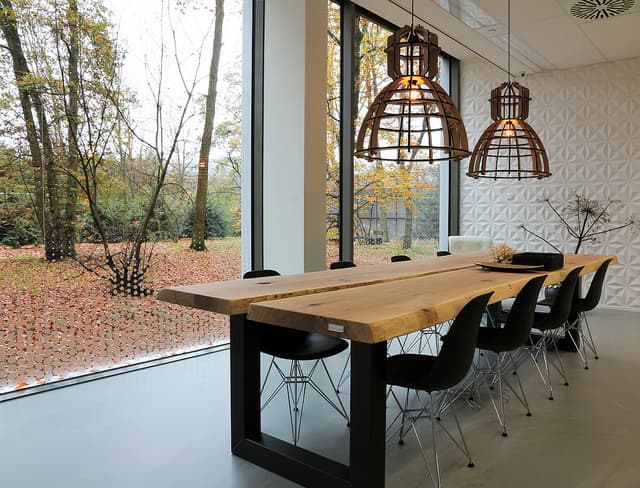
Decorative panels are great in that they serve both practical and decorative purposes. These characteristics surely play a part in their sudden surge in popularity. Here are a few things you should know about this type of wall covering:

Editorial Team
•24 Jul 2026
If you’re paying attention to the Canadian news cycle, you may know about the 2021 Freeland Budget. This is the first budget from Canada’s Deputy Prime Minister and Federal Finance Minister Chrystia Freeland.
Cynthia Pigeon
•13 Apr 2026
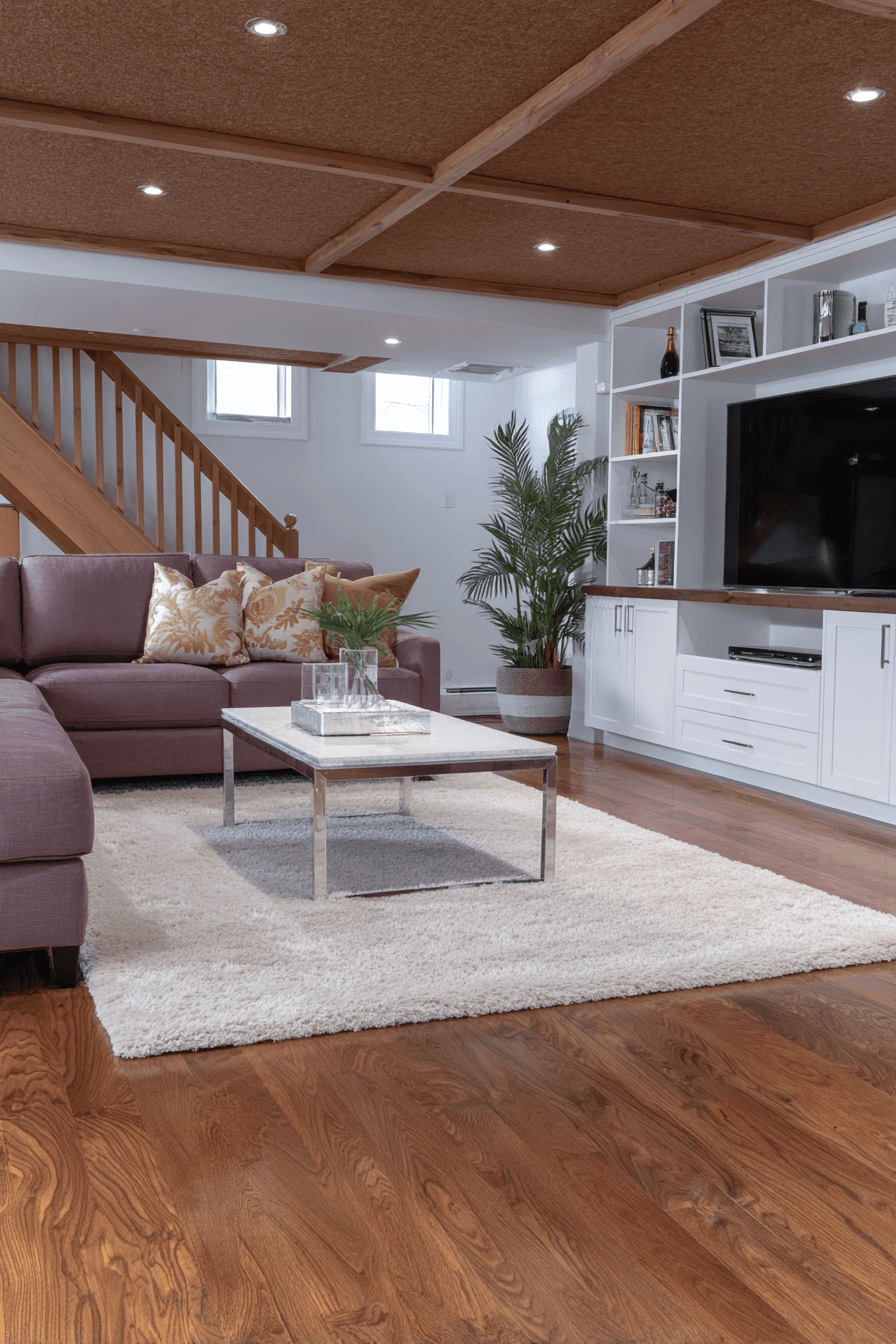
In 2026, the cost of finishing a basement in Canada typically ranges between $60 and $110 per square foot, depending on the scope of work, materials selected, and whether features like a bathroom or custom spaces are included. For a 1,000 sq. ft. basement, homeowners should generally budget between $65,000 and $95,000 for a full renovation, including partitions, a family room, a compliant bedroom, and a bathroom.
Editorial Team
•09 Jan 2024
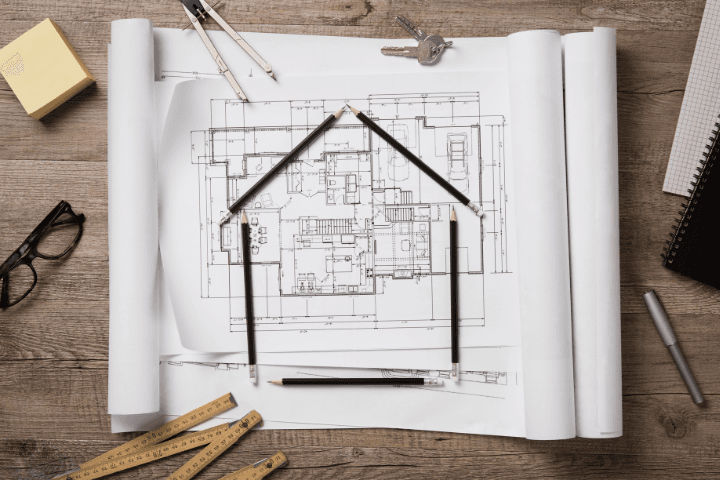
Regardless if it’s large or small, almost every renovation project is going to involve careful planning, close attention to detail, patience and perseverance. For the novice builder among us, you may not understand what each stage of a building project entails. If you’re hoping to take on a frame alteration, a renovation or a completely new build, there are some aspects you’ll need to consider.