Exterior Renovations Summer 2026: What Projects to Prioritize in Canada?
By Editorial Team
Updated on May 11, 2026
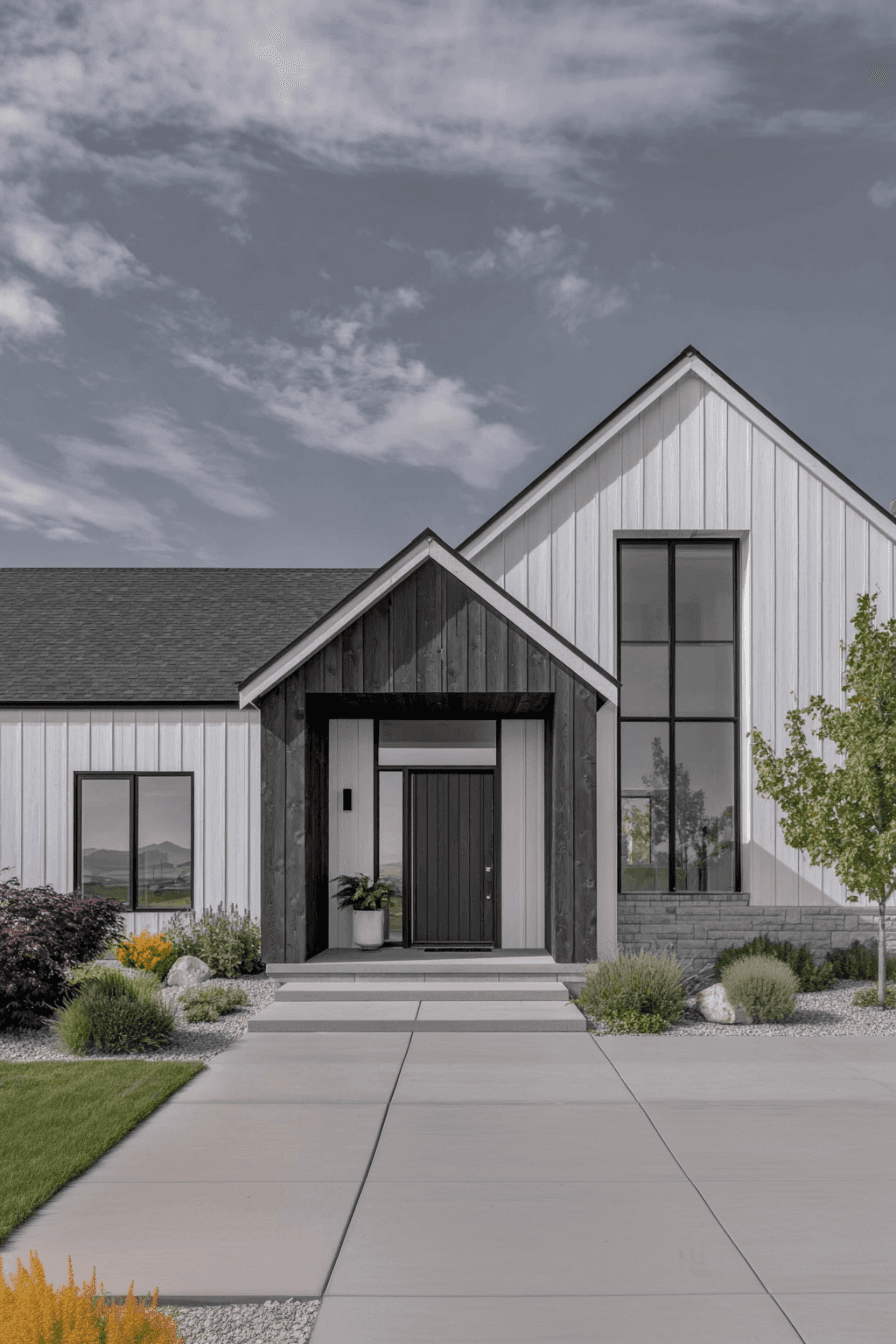
Successfully completing exterior renovations during the summer of 2026 in Canada requires careful planning as early as spring to account for municipal permit timelines. Prioritize deck upgrades, siding maintenance, and roof inspections to protect your building envelope before colder weather returns. Hiring a properly licensed contractor ensures the outsourced work meets local regulations and helps maximize your property’s resale value in a competitive real estate market.
Exterior Renovations: Priority Projects to Tackle This Summer
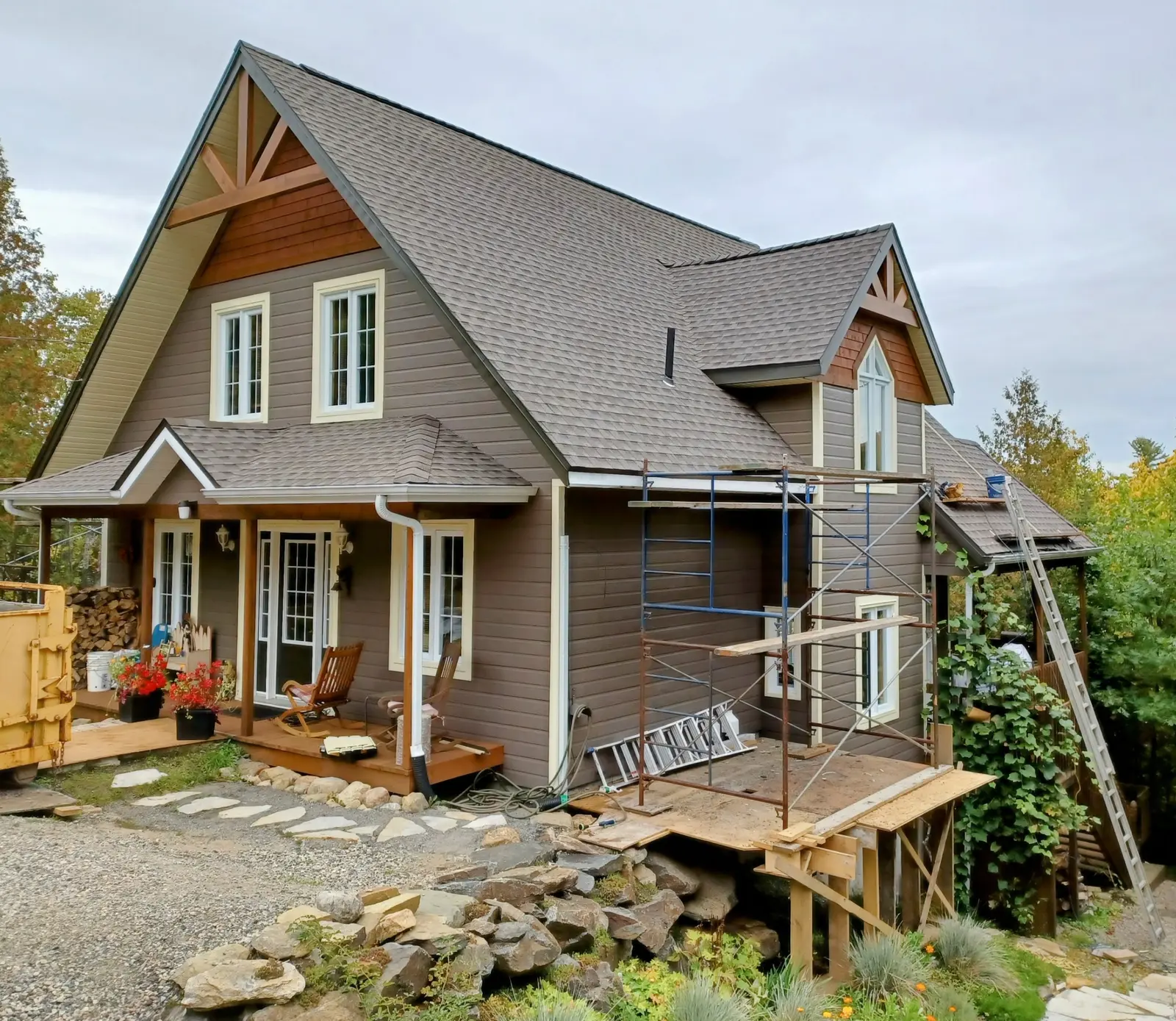
Source: Toiture Vincent Isabelle
Across Canada, the brief warm weather window turns every project into a race against time. The typical work window spans late spring to early fall, but varies considerably depending on the region, climate, and nature of the work. Summer 2026 is expected to be particularly active in the renovation sector, driven by a growing interest in transforming outdoor spaces into genuine home extensions.
Investing in your home’s exterior is not just about curb appeal—it is a strategic way to increase property value while preventing costly structural damage caused by moisture and freeze-thaw cycles common in many Canadian regions.
Why Is Summer the Ideal Season for Renovations?
Summer provides favourable conditions that are difficult to replicate during other seasons, especially for finishing work.
Optimal drying conditions: Applying stain on a deck or paint on siding requires low humidity and stable temperatures for proper adhesion.
Concrete and paving stone work: Foundation work, retaining walls, and paver installations should wait until the ground has fully thawed (timing varies by region) to prevent shifting and cracking.
Accessibility: Snow-free conditions allow for full inspections of foundations and drainage systems, helping identify issues that may go unnoticed during winter.
Exterior Siding: Maintaining Your Home’s Protection
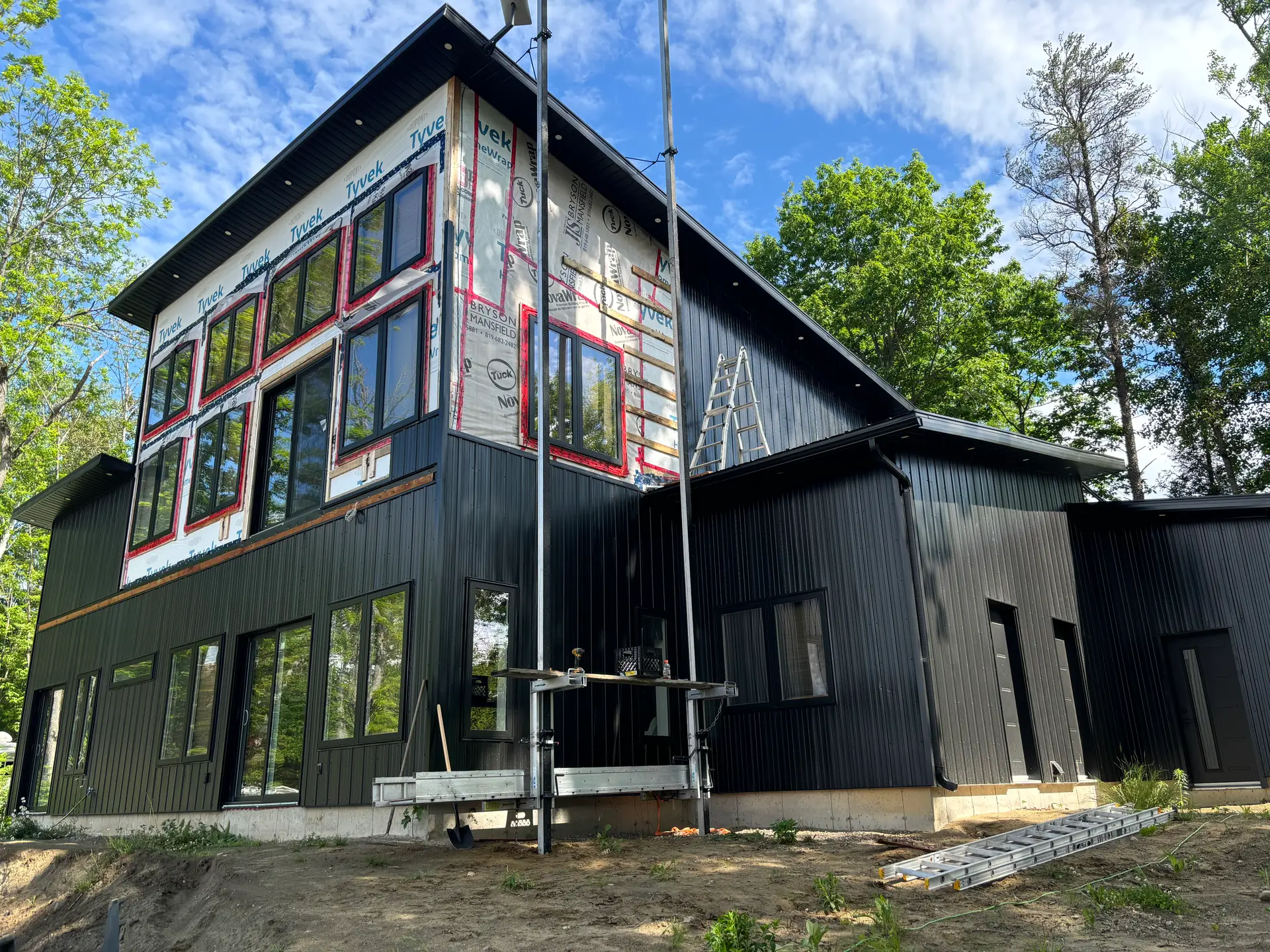
Source: Groupe Boisvert Construction Inc.
Exterior siding plays a key role in protecting the building envelope. Signs such as fading or cracking may indicate deterioration that can impact the home’s watertightness.
Overall maintenance: For real wood siding (such as Maibec), maintenance, including cleaning, sanding when needed, and applying protective stain, is typically recommended every 5 to 7 years. This timeframe is realistic for certain opaque finishes or favourable conditions, but other products may require more frequent maintenance—sometimes every 1 to 3 years—depending on exposure and climate.
Replacement: If your vinyl or aluminum siding is warped or damaged, summer is an ideal time to upgrade to more durable materials such as fibre cement or engineered steel siding (wood-look), which are increasingly popular across Canada for their durability and pest- and fire-resistance.
Caulking: Warm temperatures are ideal for resealing joints around doors and windows. Sealants applied in cold conditions may not cure properly.
Deck and Patio Renovation: Wood vs. Composite
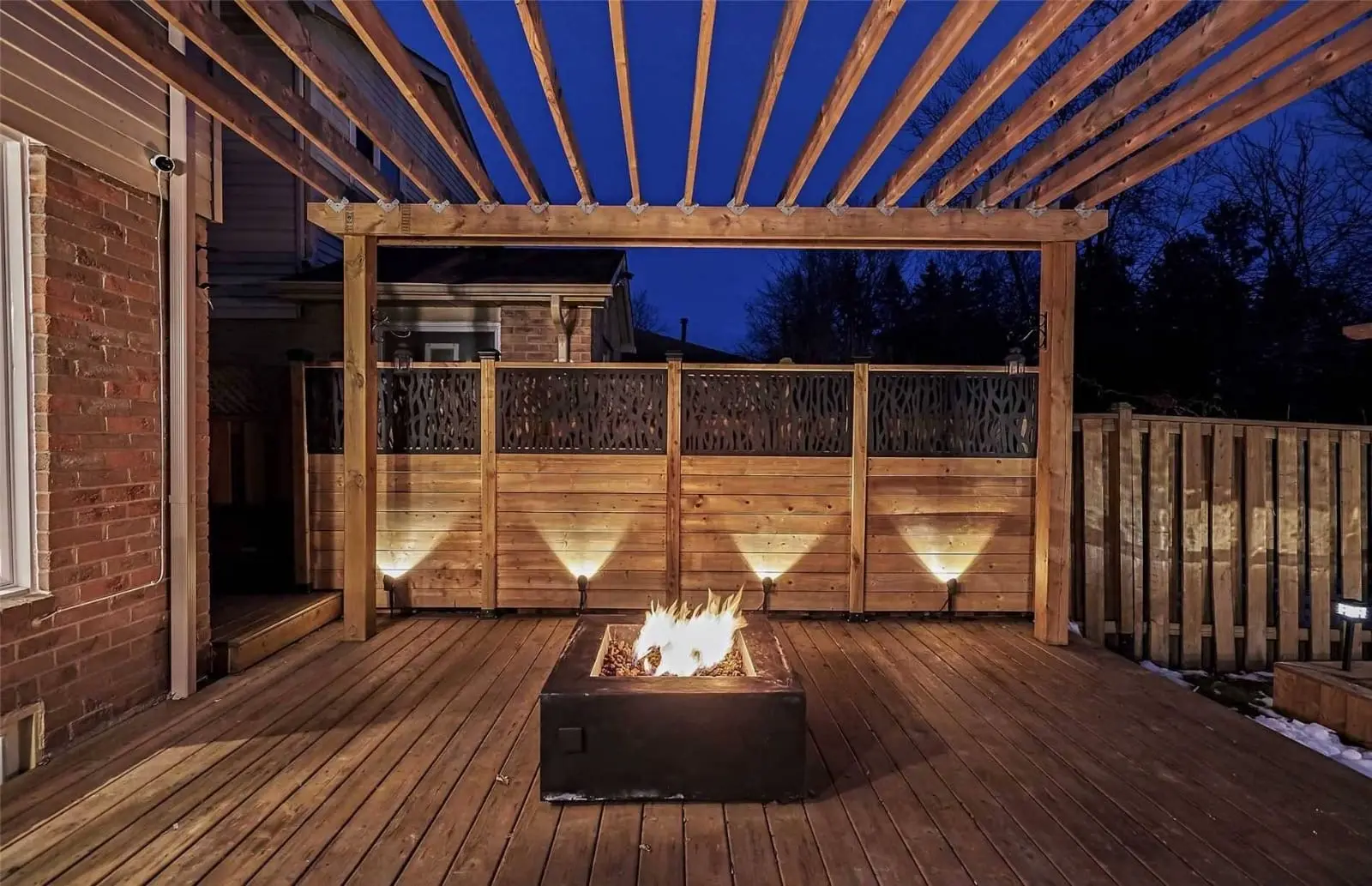
Source: C&D Contracting
A patio or deck is key to summer living across Canada. Your material choice will directly impact maintenance requirements.
Pressure-treated wood or cedar: A cozy-looking and cost-effective option, but it requires regular maintenance (cleaning and sealing). Western red cedar remains a popular choice due to its natural resistance to decay.
Composite decking: Although more expensive upfront, composite materials are gaining popularity across Canada due to their low maintenance and resistance to cracking under strong sun exposure. It is a practical, long-term investment for homeowners seeking durability.
To compare costs, check out our deck construction pricing guide.
Landscaping and Pavers: Designing Functional Outdoor Spaces
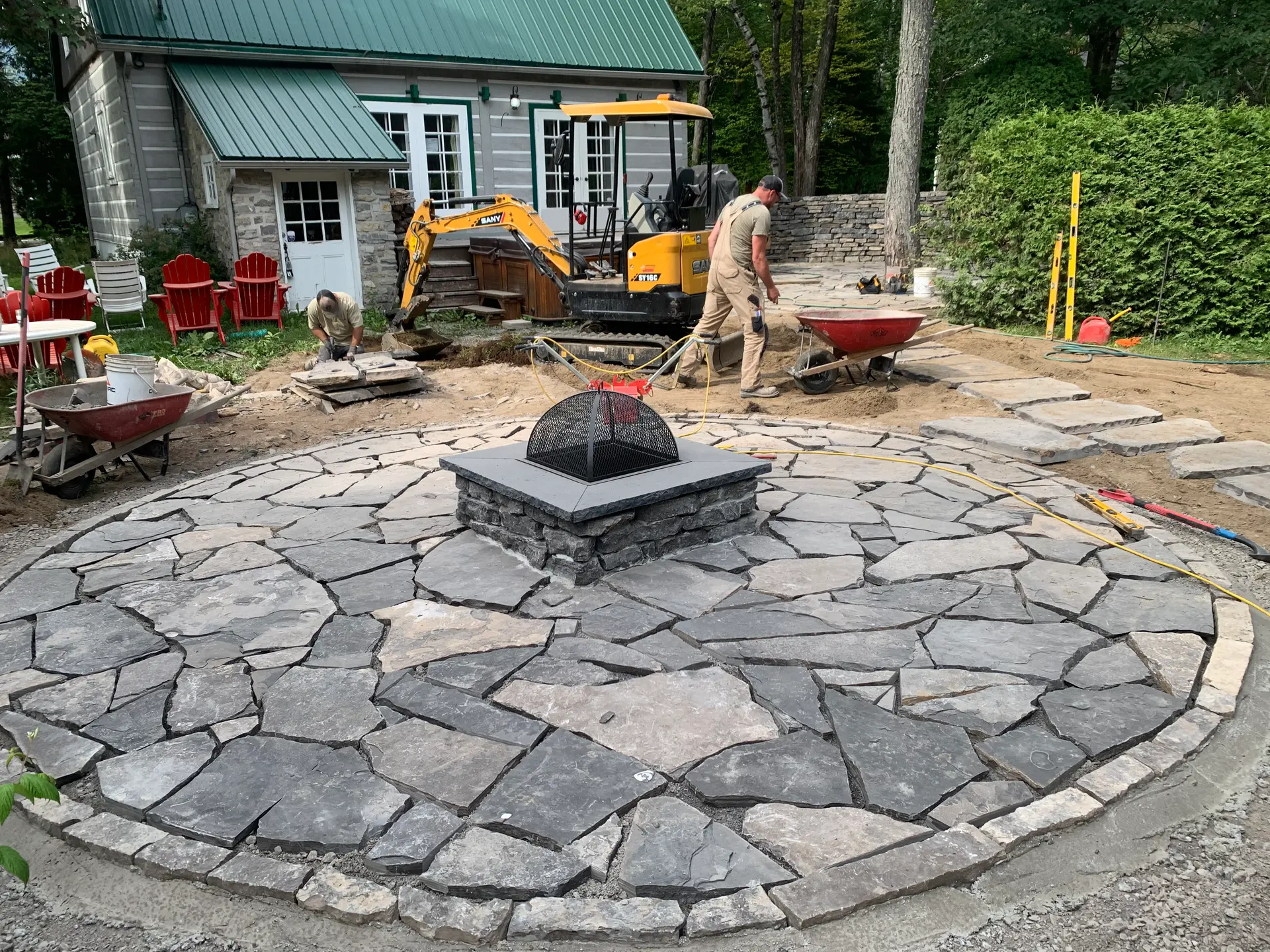
Source: Terre à Terre Paysagement
A well-designed landscape balances aesthetics and functionality, particularly when it comes to water management.
Pavers: Ideal for driveways and walkways, some modern paver systems offer permeability that helps manage stormwater during heavy rainfall. However, not all pavers are permeable—this feature applies only to systems specifically designed for water management. Proper base preparation with compacted crushed stone is essential to prevent settling.
Native plants: Across Canada, there is a growing trend toward edible gardens (foodscaping) and native plants. These species are better adapted to local climates and typically require less maintenance and watering.
Surface drainage: Summer is the best time to adjust grading to ensure water flows away from the foundation, reducing the risk of water infiltration and basement flooding.
Roofing and Gutters: Preventing Seasonal Damage
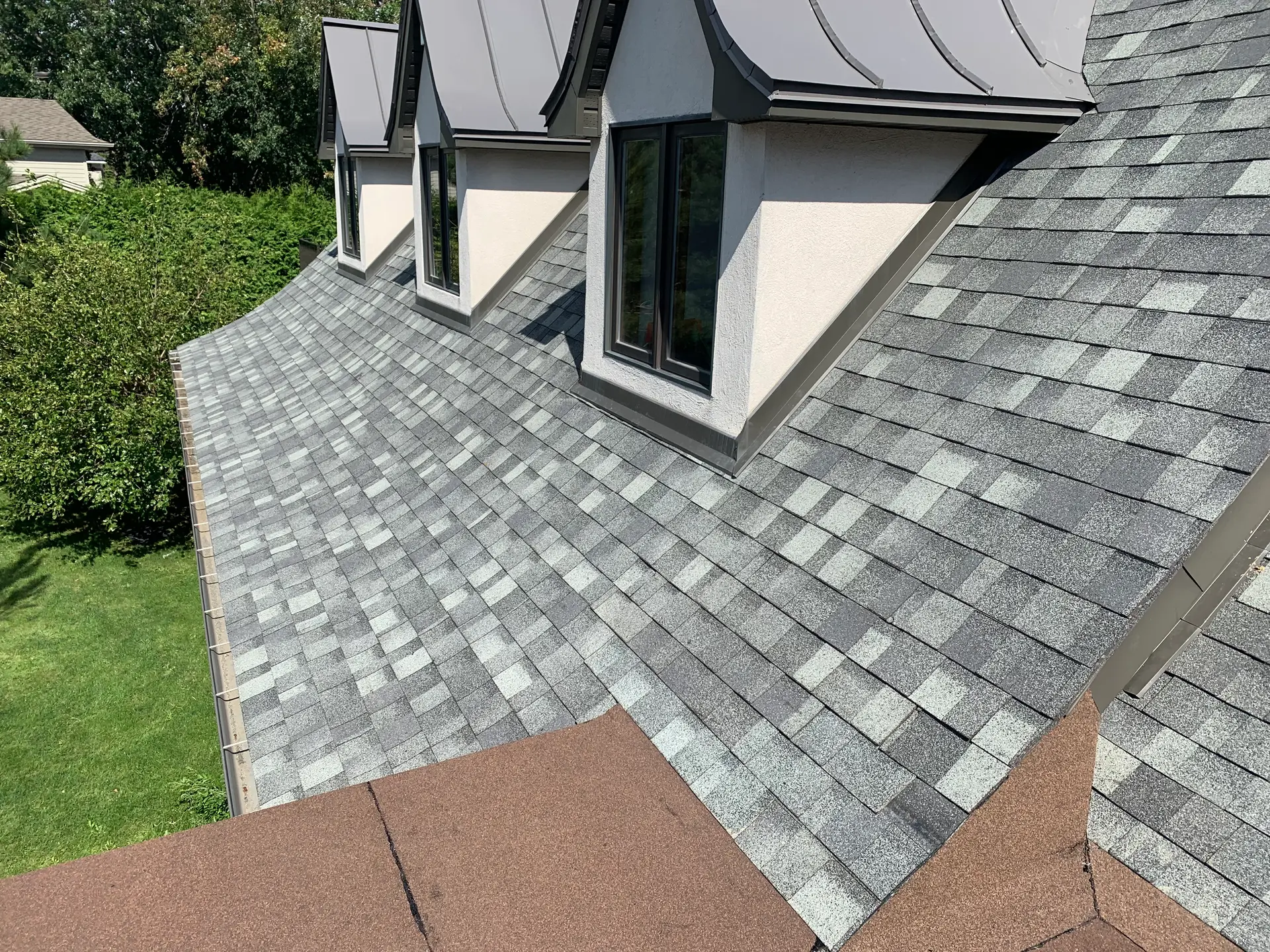
Source: Toiture Alextrême inc.
After enduring snow, ice, and harsh winter conditions, your roof should be inspected before fall weather settles in.
Shingle inspection: Look for granules accumulating in gutters, which can indicate that shingles are nearing the end of their lifespan.
Gutter cleaning: Blocked or clogged gutters can lead to overflow and water pooling near the foundation. Installing gutter guards is a simple upgrade that can reduce maintenance and prevent issues.
Metal roofing: For full replacements, metal roofing is increasingly considered for its durability and ability to shed snow efficiently in Canadian climates.
Planning: Permits and Hiring the Right Contractor
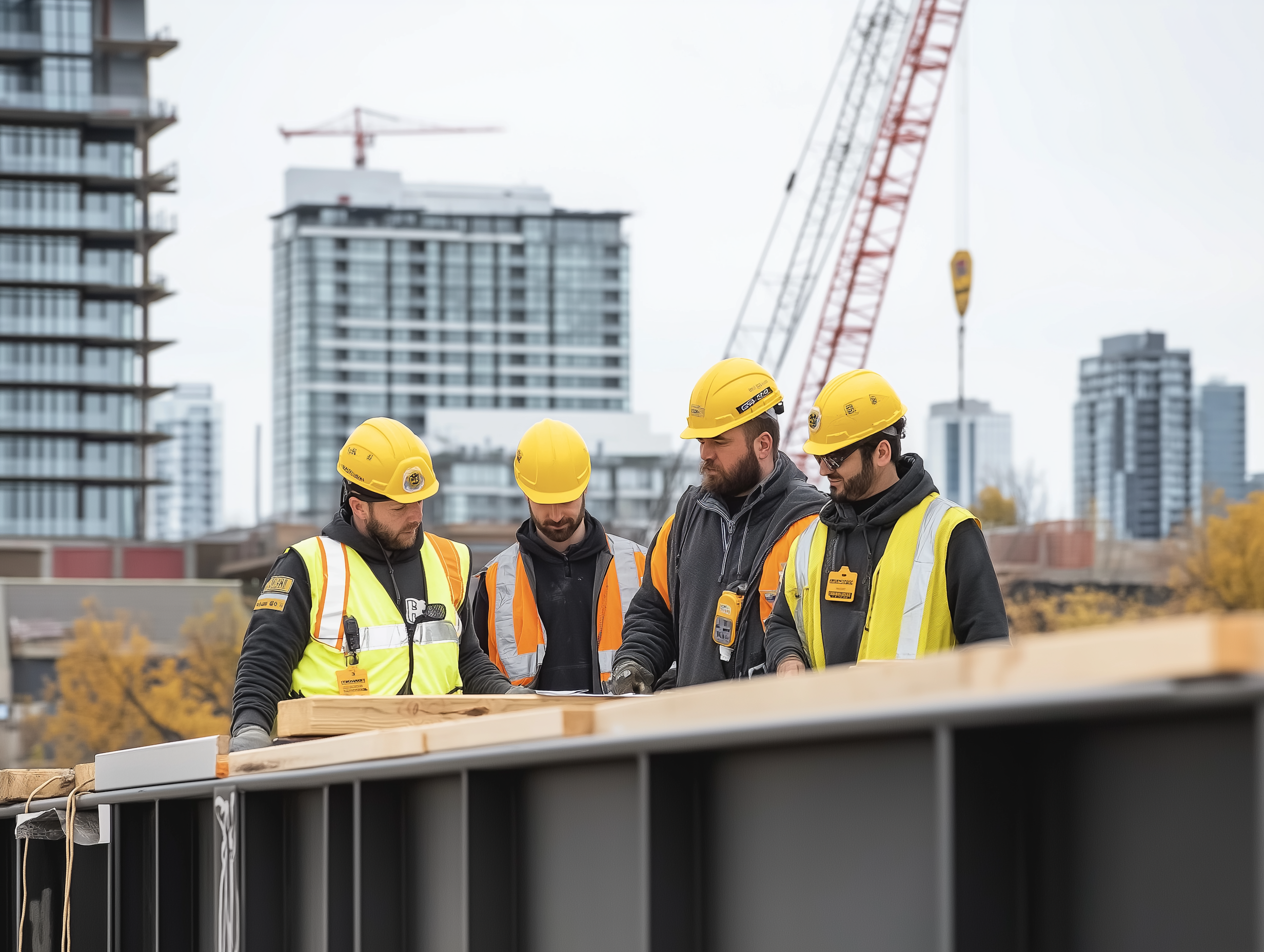
Source: RenoQuotes
Many projects are delayed due to administrative oversight. Planning is just as critical as execution.
Building permits: Most municipalities across Canada require permits for projects such as decks, siding replacement, or fencing. Processing times vary widely depending on location and demand. Always confirm local requirements before starting work.
Contractor verification: For major projects, ensure your contractor is properly licensed and insured according to provincial regulations. This helps protect you and ensures compliance with building standards.
Written contract: Always work with a detailed contract outlining scope, timeline, and payment terms. Using a trusted contractor sourcing platform can help you find qualified professionals.
Conclusion: Make the Most of Summer by Protecting Your Investment
Completing exterior renovations during summer 2026 allows you to fully enjoy your property while preparing it for the seasons ahead. By choosing durable materials and qualified professionals, you strengthen your home’s performance and long-term value.
Looking for something else?
Related articles
The latest industry news, interviews, technologies, and resources.
Editorial Team
•01 Apr 2025
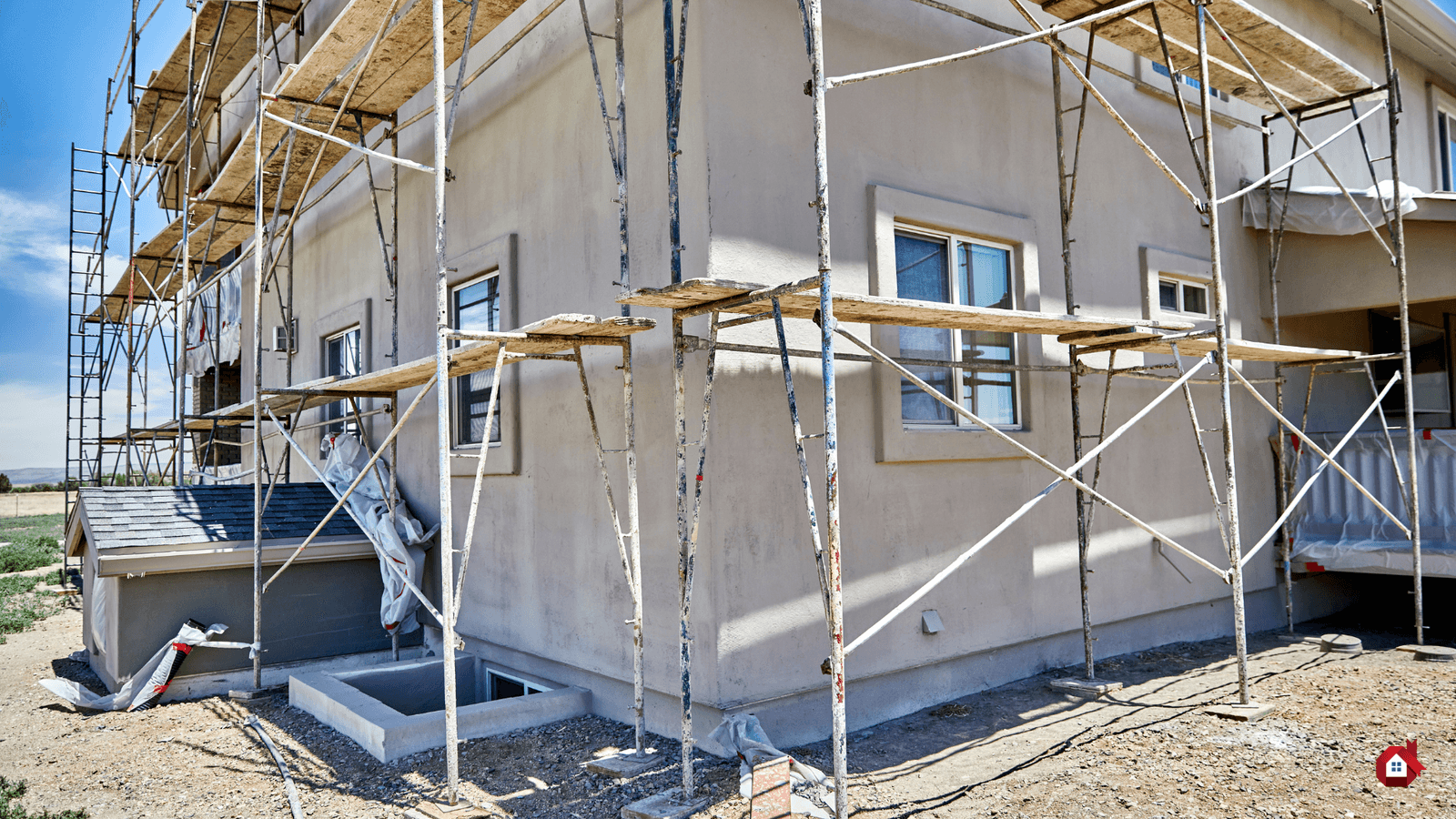
Exterior parging is an above-grade coating commonly used on houses and buildings with exposed concrete foundations. Renowned for its durability and aesthetic, parging has many benefits. Learn about the different kinds of parging and how to use it for flawless results.

Editorial Team
•08 Nov 2023
Wood window frames add a naturally beautiful element to both the interior and exterior of your home. However, as with everything of natural beauty, wood needs to be carefully looked after so that it can continue to have pure charm and appeal. You can easily extend the life of wood frames by making sure they are properly inspected and maintained, saving time and money in the long run.

Editorial Team
•08 Nov 2023
When we discuss decor or design on the blog, we usually focus on the home front. This allows our readers to find sources of inspiration to create the perfect layout for their interiors and exteriors. But what about those looking for ideas for their business?
Cynthia Pigeon
•29 Sep 2026
How much does a turnkey basement renovation cost in Montréal in 2026? Depending on the level of finishing, expect to pay $60 to $ 125+ per square foot. For a 1,000-square-foot basement, a complete renovation with standard finishes can cost between $65,000 and $95,000. Explore renovation costs based on square footage, the work involved, and the unique characteristics of Montreal homes and multiplexes.

Editorial Team
•11 Jul 2024
Elper was founded in 2016 by two Quebec-based entrepreneurs under the brand name Hoptimize Pro, representing the willingness to become an everyday partner in managing construction businesses. In 2024, the company changed its name to Elper, which was essentially a play on words with the well-known expression “helper.”