Home Inspection Cost in Canada: 2026 Price Guide
By Editorial Team
Updated on October 1, 2026
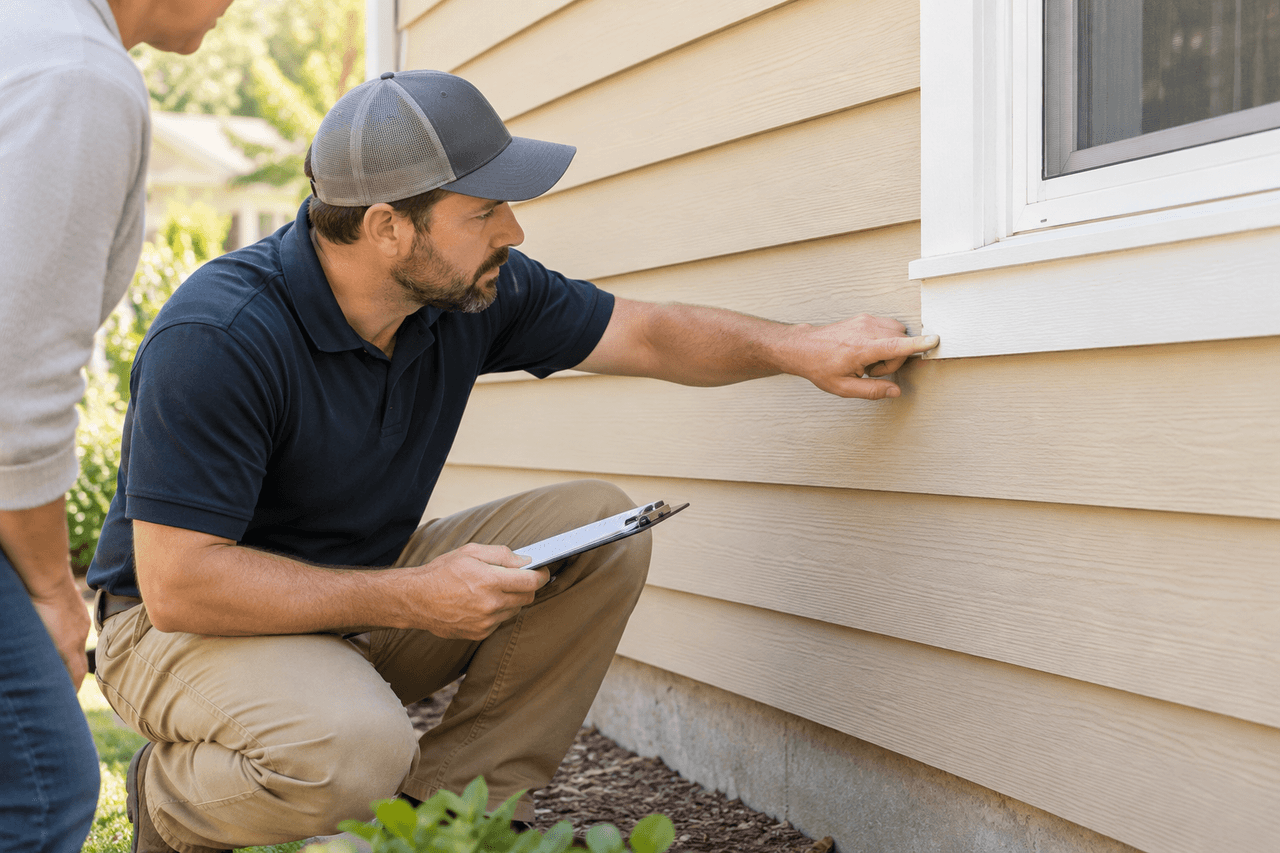
A home inspection costs $300 to $800 in Canada, with most buyers paying between $400 and $600. A condo runs $300 to $450, a standard detached house $450 to $650, and a large or rural property $850 to $1,500.
On a $600,000 purchase, a $500 inspection is roughly 0.08% of the price. This guide covers what it costs where you live, what's included, which add-ons are worth paying for, and what to do with the report once you have it.
How much does a home inspection cost?
Source: Reno Quotes
Cost by Property Type
Property type | Typical cost | Duration |
Condo or apartment, under 1,000 sq. ft. | $300 to $450 | 1.5 to 2 hours |
Townhouse or duplex | $400 to $550 | 2 to 3 hours |
Detached house, under 2,000 sq. ft. | $450 to $650 | 2.5 to 3.5 hours |
Detached house, 2,000 to 3,000 sq. ft. | $550 to $900 | 3 to 4 hours |
Detached over 3,000 sq. ft. or with a suite | $850 to $1,200 | 4+ hours |
Acreage or rural property | $900 to $1,500 | Half day |
Commercial property | $800 to $2,500+ | Varies |
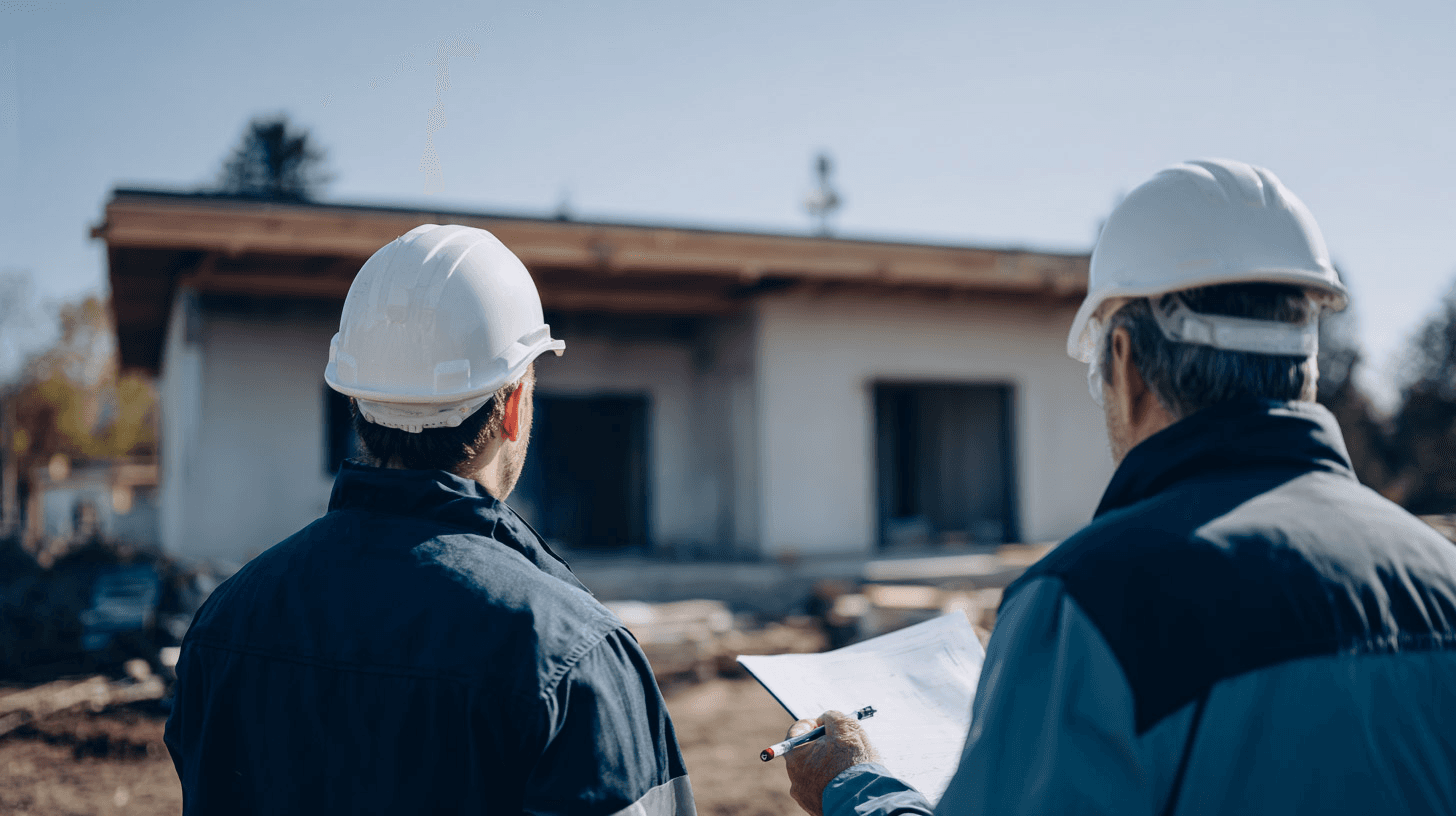
Condos cost least because the scope is smallest. The inspector evaluates the unit's interior and its immediate systems, not the roof, the building envelope or the common elements.
A common pricing structure adds roughly $70 and 30 minutes per additional 500 square feet beyond the base size.
Cost by Province
Province or city | Range | Average |
British Columbia | $350 to $800 | $500 |
Vancouver | $400 to $975 | $500 |
Alberta | $400 to $600 | $500 |
Calgary | $340 to $700 | $495 |
Ontario | $260 to $610 | $430 |
Toronto | $400 to $650 | $492 |
Ottawa | $400 to $650 | $500 |
Quebec | $350 to $600 | $450 |
Atlantic Canada | $300 to $550 | $425 |
Ontario is the least expensive major market and BC the most. That reflects labour rates and, as we'll come to, the fact that BC and Alberta license inspectors while Ontario does not.
Rural properties carry travel surcharges, commonly beyond 50 km from the inspector's base.
What Drives the Price
Square footage: The single biggest factor. A larger home takes more time and produces a longer report.
Property age and condition: Homes built before the 1980s take longer because of outdated wiring, potential asbestos, and more complex plumbing configurations.
Property type: Condo, townhouse, detached and acreage each carry different scopes.
Secondary living areas: A legal suite has its own utilities, kitchen and exit pathways, all of which need separate evaluation.
Location and local demand: Urban rates exceed rural ones, and busy markets price higher.
Inspector experience and credentials: Rates vary more in provinces without licensing requirements.
Advanced tools: Thermal imaging and drone roof scans are included by some inspectors and billed by others.
Scope of the inspection: Whether specialty add-ons are bundled or priced separately.
What's Included in a Home Inspection
A standard inspection is a visual, non-invasive evaluation of the home's accessible systems and components. The inspector doesn't open walls, move heavy furniture or dismantle equipment.
Structural and Exterior
Foundation, checked for cracks, settlement and moisture intrusion
Structural components, including framing where visible
Roofing, walked where safe or assessed from a ladder or drone
Exterior cladding, trim, and visible flashing
Grading and drainage around the perimeter
Decks, porches, walkways and driveways
Systems
Electrical systems, including the panel, visible wiring, and a sampling of outlets and switches
Plumbing systems, including supply lines, drains, water heater and visible shut-offs
HVAC system, with the furnace, air conditioning and ductwork operated where conditions permit
Insulation and ventilation in the attic and accessible crawl spaces
Interior
Walls, ceilings, floors, windows and doors
Kitchen and bathrooms, including visible plumbing and fixture operation
Built-in appliances, tested for basic function
Stairs, railings and smoke alarms
What's Not Included
A standard inspection excludes anything concealed, anything requiring specialized certification, and anything outside the building envelope.
That means no mould sampling, no radon measurement, no asbestos testing, no sewer camera, no septic evaluation, no well testing, no pest or rodent inspection beyond visible evidence, and no assessment of pools or hot tubs.
Each of those is available as an add-on, covered below.
Specialty and Add-On Inspections
Add-on | Typical cost |
Sewer scope inspection | $150 to $400 |
Radon testing | $150 to $400 |
Mould inspection and sampling | $200 to $500 |
Oil tank scan | $150 to $350 |
Asbestos inspection | $150 to $800 |
Pest or termite inspection | $100 to $300 |
Well inspection and water testing | $250 to $600 |
Septic system check | $300 to $700 |
Chimney inspection | $150 to $400 |
Pool and hot tub inspection | $200 to $450 |
Drone roof inspection | $100 to $250, often included |
Thermal imaging | $100 to $300, often included |
Structural engineer assessment | $500 to $1,500 |
Stacking specialty inspections adds up fast. Adding $1,000 to $1,500 on top of the base fee is common when several apply.
Which Ones Are Worth It
A sewer scope: The highest-value add-on on most older urban properties. A collapsed or root-infiltrated lateral costs $10,000 to $30,000 to replace, and nothing in a standard inspection detects it.
An oil tank scan: Matters in older BC, Atlantic and Ontario neighbourhoods. A buried tank is an environmental liability that transfers with the property.
Radon testing: Worth it across most of Canada, and particularly in parts of the Prairies, Quebec and the Atlantic provinces where levels run high.
A well and septic evaluation: Essentially mandatory on a rural property. These two systems represent $10,000 to $45,000 of replacement cost and neither is visible.
A structural engineer: The escalation rather than the starting point. Book one when the inspector flags something they can't fully assess.
New Construction Inspections
New builds need inspections too, and they're priced separately.
Inspection type | Typical cost |
Pre-drywall inspection | $340 to $500 |
Pre-possession or pre-delivery inspection | $450 to $600 |
11-month warranty inspection | $450 to $600 |
The 11-month inspection is the one people miss. New home warranty programs cover workmanship defects for the first year, including Tarion in Ontario, which also governs the mandatory pre-delivery inspection on new builds. An inspection at month eleven catches deficiencies while the builder is still obligated to fix them.
Common Issues Found During Inspections
Source: Groupe Able
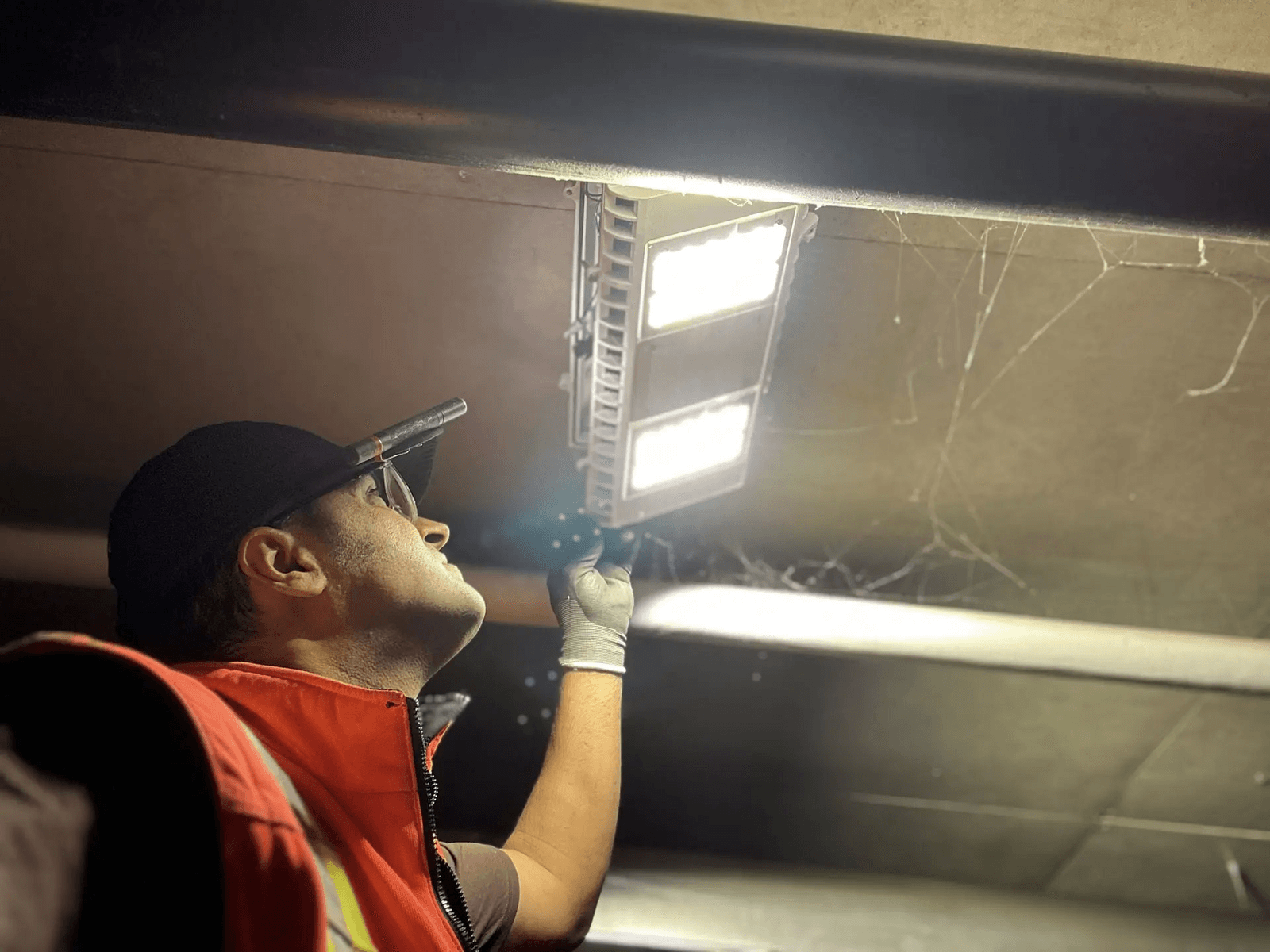
Knowing what inspectors typically find helps you read the report proportionately.
Structural and Envelope
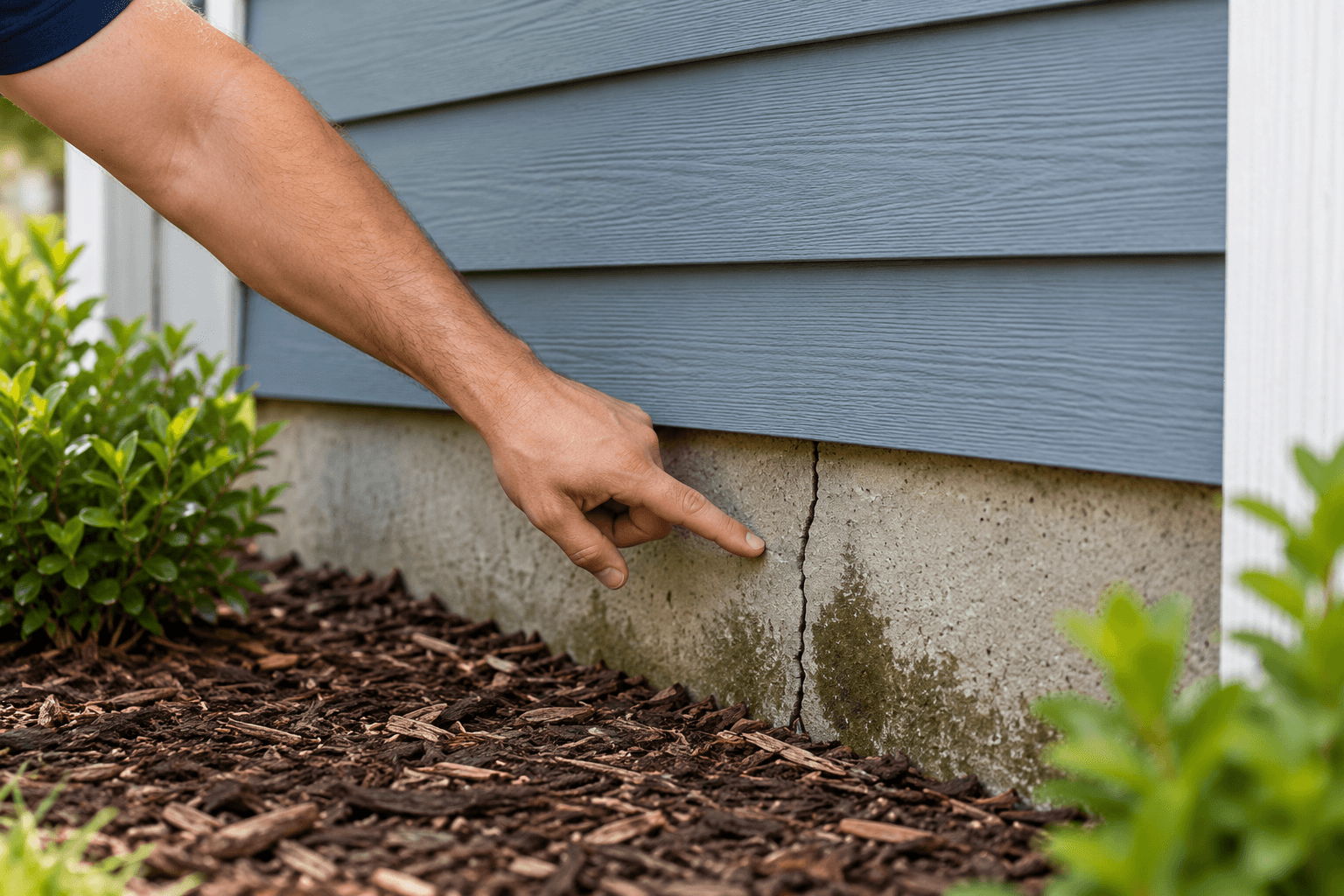
Foundation integrity: The most consequential category of finding. Horizontal cracks, bowing walls and significant settlement all point to serious expense, while fine vertical cracks usually don't.
Roof condition: Inspectors estimate remaining life, and a roof with two years left becomes a negotiating point on the purchase price.
Moisture intrusion: Shows up around windows, in basements and in attics. Inspectors use moisture meters and thermal imaging cameras to find it behind finishes.
Electrical
Knob-and-tube wiring: Appears in homes built before roughly 1950. Many insurers refuse coverage or demand replacement, at $8,000 to $20,000 for a full rewire.
Aluminum wiring: Common in Canadian homes built between about 1965 and 1975. Requires pigtailing or replacement and carries similar insurance implications.
Outdated or undersized panels: Particularly 60-amp services and certain recalled panel brands, which frequently need upgrading.
Plumbing
Galvanized steel plumbing: Corrodes from the inside, restricting flow and eventually failing. Replacement runs $5,000 to $15,000.
Poly-B piping: Installed in Canadian homes from 1978 to 1997, most heavily in the West, and only removed from the National Plumbing Code in 2005. Prone to failure and increasingly difficult to insure.
Kitec plumbing: Installed from 1995 to 2007 and the subject of a $125 million Canadian class action settlement. Claims closed in January 2020, so current owners bear the replacement cost themselves.
Hazardous Materials
Asbestos: In insulation, flooring, plaster or vermiculite, common in homes built before 1990.
Lead-based paint: In homes painted before 1976 to 1980, when Canadian consumer paints were restricted and then effectively eliminated.
Insulation deficiencies: Not hazardous but an ongoing cost. Many pre-1980 Canadian homes fall well short of current attic R-value standards.
Home Inspection vs Home Appraisal
These are routinely confused and they serve entirely different parties.
Home inspection | Home appraisal | |
Purpose | Assess the condition of the home | Establish market value |
Who orders it | The buyer | The lender |
Who it protects | You | The bank |
What's assessed | Structure, systems, safety | Comparable sales, size, location |
Output | Detailed condition report with photos | Valuation figure |
Cost | $300 to $800 | $300 to $500 |
Optional? | Yes, but strongly advised | Usually required by the lender |
The appraisal tells your lender the house is worth what you're paying. The inspection tells you what you're buying.
An appraiser walks through in under an hour and notes obvious condition issues only as they affect value. An inspector spends three hours documenting the state of every accessible system and delivers a photo-rich report running 30 to 60 pages.
You need both on most purchases, and neither substitutes for the other.
How to Choose a Home Inspector
Licensing Varies by Province
This is the most important thing to understand, and most Canadians don't know it.
Only Alberta and British Columbia currently require home inspectors to be licensed. Both provinces mandate training, certification and insurance before an inspector can practise.
Quebec is mid-transition. Under Bill 16, the Régie du bâtiment du Québec has issued inspector certificates since October 1, 2024, and certification becomes mandatory on October 1, 2027. Until then it remains voluntary, so a Quebec buyer should specifically ask whether their inspector is already certified. Note that this certificate is separate from an RBQ contractor licence, so the contractor registry won't show it.
Ontario, Manitoba, Saskatchewan and Atlantic Canada have no province-wide regulation. There is no legal requirement to hold any qualification, and the industry self-regulates through voluntary associations.
That doesn't mean unregulated provinces have bad inspectors. It means the burden of verifying competence falls entirely on you.
Credentials to Look For
A provincial licence: Required in BC and Alberta. Verify it with the provincial regulator rather than taking the inspector's word.
An RBQ inspector certificate in Quebec: Voluntary until October 1, 2027 and mandatory after. Certified inspectors work to the BNQ 3009-500 standard and carry professional liability insurance, which makes an already-certified inspector the safer choice today.
CAHPI membership: The Canadian Association of Home and Property Inspectors maintains national standards of practice and a code of ethics, with provincial chapters.
InterNACHI certification: The International Association of Certified Home Inspectors operates in Canada and requires continuing education.
AIBQ membership in Quebec: The Association des inspecteurs en bâtiments du Québec is a voluntary professional association, distinct from RBQ certification.
Errors and omissions insurance: Plus general liability. Ask for a certificate rather than an assurance.
A professional engineer designation: Held by some inspectors, and it matters on structural questions.
Questions to Ask Before Booking
"How many inspections have you completed, and how many on homes like this one?" Condo, century home and acreage each require different experience.
"Can I see a sample report?" This tells you more than anything else. A good report is photo-rich, organized by system, and distinguishes safety issues from maintenance items.
"Can I attend the inspection?" The answer should be yes, enthusiastically. Walking through with the inspector is worth more than the report.
"What's included, and what costs extra?" Thermal imaging and drone roof scans are bundled by some and billed by others.
"How long will it take?" Under two hours on a detached house is a warning sign.
"What's your turnaround on the report?" Twenty-four hours is standard.
Warning Signs
Be cautious of an inspector who was recommended solely by the listing agent, who quotes substantially below everyone else, who won't provide a sample report, who discourages you from attending, or who also offers to perform the repairs they identify.
Is a home inspection worth it?
Source: Reno Quotes
The Arithmetic
A $500 inspection on a $600,000 purchase is 0.08% of the price. A single significant finding, whether an end-of-life furnace, aluminum wiring, a failing roof or a compromised foundation, represents thousands to tens of thousands of dollars.
The value isn't only the money. It's negotiation power, and it's the ability to walk away from a purchase that would have gone badly.
When Buyers Skip It
In competitive markets, buyers sometimes waive the inspection condition to strengthen an offer. It's understandable and it's genuinely dangerous.
A pre-offer inspection is the compromise. You inspect before submitting, then bid without a condition. It costs the same, you may pay for inspections on homes you don't win, and it preserves your ability to know what you're bidding on.
Pre-Listing Inspections for Sellers
Sellers increasingly commission their own inspection before listing. The logic is straightforward: you find the problems first, fix or price them on your terms, and remove the buyer's leverage.
It also reduces the chance of a deal collapsing at the condition stage, which costs more than the inspection did.
What It Doesn't Do
An inspection is a snapshot of visible conditions on one day. It's not a warranty, not a guarantee, and not a prediction.
Inspectors can't see inside walls, can't test systems that weren't operable that day, and can't detect hidden damage behind finishes. A report saying the roof looks fine doesn't mean it won't leak next spring.
That limitation is exactly why your home insurance policy and, on a new build, your new home warranty matter alongside it.
Next Steps After the Inspection
The report arrives and it looks alarming. Most do. Here's how to work through it.
Sort the Findings
A good report separates issues into tiers, and you should read it that way.
Safety and health hazards: Anything electrical, structural, or involving gas, asbestos or mould. These need addressing regardless of the negotiation.
Major systems near end of life: The roof, furnace, water heater and electrical panel. Budget items rather than emergencies, and knowing a furnace has two years left lets you plan rather than react.
Deferred maintenance: Caulking, grading and minor repairs, which make up the bulk of most reports. Not a negotiating point.
Cosmetic items: Largely ignore these at this stage.
Get Contractor Quotes
This is the step that turns a report into leverage. "The roof needs work" is an opinion. "Three roofers quoted $14,500 to $18,000" is a number the seller has to respond to.
Get quotes on the significant findings before you negotiate. It also tells you whether your own budget works if you proceed.
Negotiating
Three common outcomes:
A price reduction reflecting the repair cost. The cleanest approach, and it lets you choose your own contractor.
Seller concessions in the form of a credit at closing.
Seller repairs before the sale completes. Slower, and you have no control over who does the work or how well.
In Canada, funds held back for outstanding work are typically kept in trust by your lawyer or notary and released on completion, rather than in an escrow account, which is an American mechanism.
If You're Buying a Condo
The inspection covers your unit. It doesn't cover the building's finances or its long-term capital needs.
That's what the status certificate in Ontario, the strata documents and depreciation report in BC, or the equivalent condo documentation in your province tells you. A pending special assessment can cost more than everything in your inspection report combined.
Review both, and have your lawyer read the condo documents.
Building a Maintenance Plan
The findings you don't act on immediately still matter. A report noting a furnace at 15 years, a roof at 18, and a water heater at 9 is a schedule.
Use it. Renovations and replacements are considerably cheaper when planned than when urgent.
How to Save on a Home Inspection
Compare three inspectors: Judge them on credentials, sample reports and inclusions rather than price alone. The spread on a standard house is usually $150, which is not where your savings are.
Bundle specialty services: Most inspectors discount a sewer scope or radon test booked alongside the main inspection rather than separately.
Ask what's already included: Thermal imaging and drone roof scans come bundled with many inspectors, so paying extra for them elsewhere is waste.
Book off-peak if you can: Spring is the busiest season in most Canadian markets.
Skip add-ons that don't apply: An oil tank scan on a 1990s build with no history of oil heat is unnecessary.
Ask the seller about a pre-listing inspection: If they have one, review it, though you should still commission your own since their inspector worked for them.
Where not to economize: the inspector's qualifications, the time they spend, and the add-ons that apply to your property. A $150 sewer scope that finds a collapsed lateral is the best money you'll spend on the whole transaction.
What should you budget?
For most Canadian buyers, a home inspection costs $400 to $600, with a condo at the low end and a large detached home or acreage well above it. Add $150 to $400 for each specialty inspection your property calls for.
Two things determine where you land. Property size and type set the base fee, and which add-ons apply decides the rest. On an older urban home, a sewer scope is worth booking. On a rural property, well and septic evaluations aren't optional.
Budget $600 to $1,000 all in for a typical detached house with one or two relevant add-ons, and treat it as the cheapest insurance in the transaction.
Frequently Asked Questions
How much does a home inspection cost in Canada?
$300 to $800, with most buyers paying $400 to $600. A condo runs $300 to $450, a detached house under 2,000 sq. ft. costs $450 to $650, and acreage or large properties reach $900 to $1,500.
How long does a home inspection take?
One and a half to two hours for a condo, two to three for a townhouse, and two and a half to four for a detached house. Anything under two hours on a detached home suggests a superficial inspection.
Who pays for the home inspection?
The buyer, in almost all cases, as part of due diligence during the condition period. Sellers pay when they commission a pre-listing inspection to identify issues before going to market.
Do home inspectors need a licence in Canada?
In Alberta and British Columbia, yes. In Quebec, RBQ certification has been available since October 2024 and becomes mandatory on October 1, 2027. Ontario, Manitoba, Saskatchewan and Atlantic Canada have no province-wide requirement and rely on voluntary associations such as CAHPI and InterNACHI. Verify credentials yourself outside the regulated provinces.
What's the difference between an inspection and an appraisal?
An inspection assesses the home's condition and protects you. An appraisal establishes market value and protects your lender. You typically need both, and neither substitutes for the other.
Is a home inspection worth it?
A $500 inspection on a $600,000 purchase is 0.08% of the price, and a single finding such as aluminum wiring or a failing roof represents thousands of dollars. Beyond the money, it gives you negotiation leverage and the ability to walk away.
What does a home inspection not cover?
Anything concealed or requiring specialized testing: mould sampling, radon, asbestos, sewer lines, septic systems, wells, pests beyond visible evidence, and pools. Each is available as a paid add-on.
Should I get a sewer scope?
On an older urban property, yes. It costs $150 to $400 and detects a problem that costs $10,000 to $30,000 to fix. Nothing in a standard inspection looks inside your sewer lateral.
Can I attend the home inspection?
You should, and a good inspector will encourage it. Walking through with them is worth more than the written report, because you can ask questions and see the issues yourself.
What do I do with the report?
Sort findings into safety hazards, major systems near end of life, deferred maintenance and cosmetics. Get contractor quotes on the significant items, since a written quote is far stronger in negotiation than a report comment. Keep the rest as a maintenance schedule.
Is an inspection enough when buying a condo?
No. The inspection covers your unit, not the building's finances. You also need the status certificate in Ontario, or the strata documents and depreciation report in BC. A pending special assessment can cost more than every issue in your inspection report.
Do I need an inspection on a new build?
Yes, and arguably three. A pre-drywall inspection at $340 to $500, a pre-possession inspection at $450 to $600, and an 11-month warranty inspection before your first-year workmanship coverage expires. In Ontario, Tarion governs both the pre-delivery inspection and the warranty period.
Looking for something else?
Related articles
The latest industry news, interviews, technologies, and resources.
Cynthia Pigeon
•30 Apr 2026
Across Canada, the cost of an asbestos test for a residential property typically ranges between $200 and $950. A simple DIY sampling kit costs around $200, while a full professional inspection with a certified report generally falls between $500 and $950. Testing materials before any demolition or renovation—especially in homes built or heavily renovated between 1930 and 1990—is a critical step to protect occupants’ health and ensure compliance with occupational health and safety regulations.

Editorial Team
•11 Nov 2024
Structural framing is one of the key components of building a new home and plays a crucial part in the strength and durability of the structure as a whole. The type of frame chosen can, and will, have a significant impact on overall construction costs. Naturally, custom framing costs more per square foot than a prefab.
Editorial Team
•31 Jul 2026
LogisVert is the financial assistance program that was launched by Hydro-Québec over the summer of 2023, encouraging homeowners to carry out energy-efficient renovations. In the hopes of favouring an energy-efficient transition while also reducing the carbon footprint left behind by residential buildings, this program was established to financially aid homeowners who are considering improving the energy efficiency of their homes. In this article, we’ll take a closer look at the primary factors encompassing the LogisVert program and its eligibility criteria.
Léa Plourde-Archer
•05 Dec 2025
If you've ended up here, you’re probably starting a major bathroom renovation project. Renovating a bathroom from top to bottom is a project that involves several stages and can easily be spread out over several weeks.

Karine Dutemple
•27 Aug 2024
Thinking of renovating your old basement soon? If you already have a fairly precise idea of the main objective of this project, it is possible that some questions still remain.