Grants and Tax Credits for Home Renovations in Alberta
By Amanda Harvey
Updated on July 23, 2026

As we know all too well, renovating a home can be extremely costly, not to mention a stressful and time-consuming process. Not everyone is able to spend the necessary funds on projects they may want or need to carry out. Luckily, across Canada, there are several options in the realm of funding, subsidies, tax credits, and grants that can be applied to your province-specific home renovation project.
Alberta has a few available options, like grants tax credits and rebates for homeowners who wish to make their homes more accessible as well as increasingly eco-friendly.
Can You Claim House Renovations or Improvements On Your Federal Taxes in Canada?

Source: Canva
RAMP & Home Accessibility Tax Credit
The Residential Access Modification Program, also known as RAMP, provides grants to assist lower-income households in Alberta who face mobility challenges to alter their homes to facilitate access and mobility throughout. Those who are eligible for RAMP can receive up to $12,000 per benefit year (running from April 1 to March 31) and up to a lifetime maximum of $24,000 within a 10-year period.
Regardless of your age, all wheelchair users who meet the program's financial criteria are eligible. However, you must be a Canadian citizen or permanent resident, have lived in Alberta for a consecutive period of 90 days, and hold a valid provincial health card to receive these home renovation grants. This eligibility also extends to anyone living with a progressive neurodegenerative disease—including multiple sclerosis, muscular dystrophy, ALS, COPD, Parkinson's, Alzheimer's, spina bifida, spinal cord injuries, or non-recovering stroke—as well as those who require a continuous walking aid.
There are many specifications for this grant application, including strict household income guidelines based on family size, the permanent nature of the home renovations, and priority applicant rankings. Therefore, if you believe that you are eligible and are interested in applying, thoroughly check out the Human Services Alberta webpage for more details.
Another program available for Canadians is the HATC, the Home Accessibility Tax Credit. This is a non-refundable tax credit that allows qualifying individuals (seniors aged 65+ or those eligible for the Disability Tax Credit) to claim 15% of up to $20,000 in eligible renovation expenses (for a maximum tax reduction of $3,000). To qualify, the renovations must be tailored to help the individual gain access to, or be mobile and safe within, their dwelling. Note that starting in the 2026 tax year, you can no longer claim the same renovation expense under both the HATC and the Medical Expense Tax Credit (METC).
What is the home renovation tax credit offered by the CRA for 2023?
As part of Budget 2022, the Government of Canada introduced the Multigenerational Home Renovation Tax Credit, also known as the MHRTC, which is a refundable tax credit offered to assist qualifying individuals in renovating their dwellings to add a secondary unit (multigenerational home) to cohabitate with immediate qualifying relatives. In order to obtain this tax credit, the qualifying individuals must be seniors, meaning 65 years of age or older before the end of the tax year or persons of 18 years of age or older before the end of the taxation period during which the renovations occurred and are eligible for deduction under the Disability Tax Credit. For more information about this tax credit, visit the Government of Canada website.
Renewable Energy Home Renovation Initiatives in Alberta

Source: Canva
Going green pays off! In Alberta, homeowners have access to several financial incentives to reduce their emissions and carbon footprint, including measures designed to offset carbon pricing on fuel. Alberta households also automatically receive the Canada Carbon Rebate when filing their income tax returns. At the same time, new energy-efficiency programs have been introduced to help households reduce their energy bills more directly.
For low- and middle-income households, the Home Upgrades Program provides a free energy assessment and fully covers the installation of energy-efficient products, such as insulation, high-efficiency furnaces, programmable thermostats, and LED light bulbs, in several cities across the province.
For other homeowners, the Clean Energy Improvement Program (CEIP), which is available in Calgary among other municipalities, can finance up to 100% of major upgrades, including solar panel and heat pump installations. Repayment is flexible and convenient, with costs added directly to the property’s tax bill over time.
Also, Banff residents can apply for rebates and incentives if they choose to add green and/or energy-efficient features to their homes to reduce home energy use. Water use reduction, as well as home energy use reduction, are two ways that Banff homeowners can save money while receiving rebates after the installation of eco-friendly appliances.
Several rebate options are available to help reduce household water consumption. Eligible upgrades may include replacing a toilet with a dual-flush or high-efficiency model, installing an Energy Star-certified washing machine or dishwasher, and adding rain barrels to collect rainwater.
To reduce energy consumption at home, homeowners can lower their electricity and natural gas bills, as well as the energy use and greenhouse gas emissions associated with excessive consumption, by installing Energy Star-certified products. These may include full-size refrigerators, certified solar water-heating systems, programmable thermostats, heat pumps, and heat pump water heaters.
The amount of the rebate will vary from household to household and product to product, though if this is something you've been considering, take a look at Banff's website for more information on the subject matter.
As a homeowner, eligible senior, or individual who qualifies for the Disability Tax Credit, it is both important and financially beneficial to determine whether you are eligible for tax credits, incentives, or grants for home renovations and improvements.
Looking for something else?
Related articles
The latest industry news, interviews, technologies, and resources.
Amanda Harvey
•08 Nov 2023
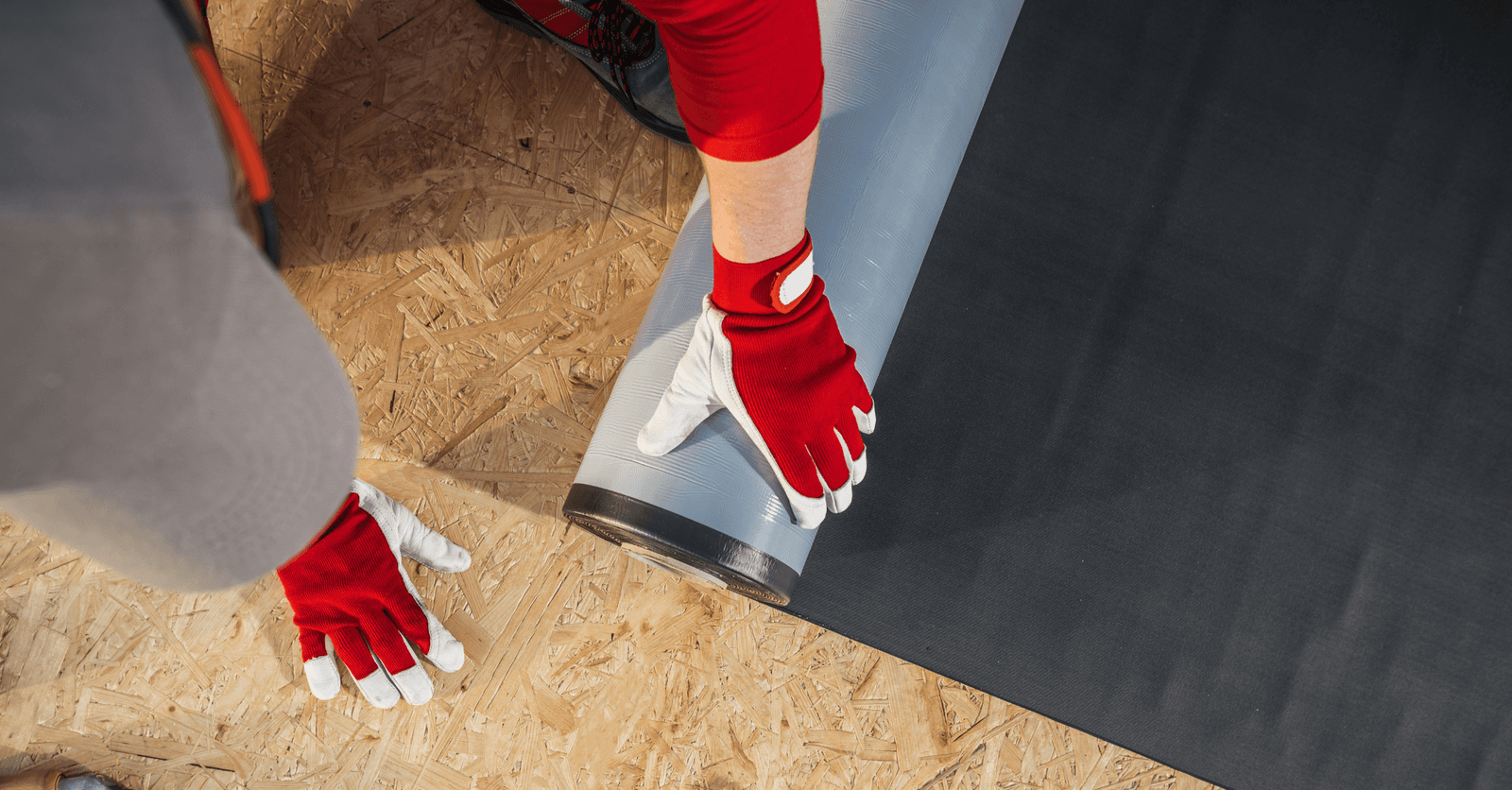
When building a new home, air barriers are not always part of the equation. However, air barriers are crucial structures that assist in aiding with energy efficiency as well as maintaining a comfortable and cozy home environment.
Cynthia Pigeon
•06 Aug 2026
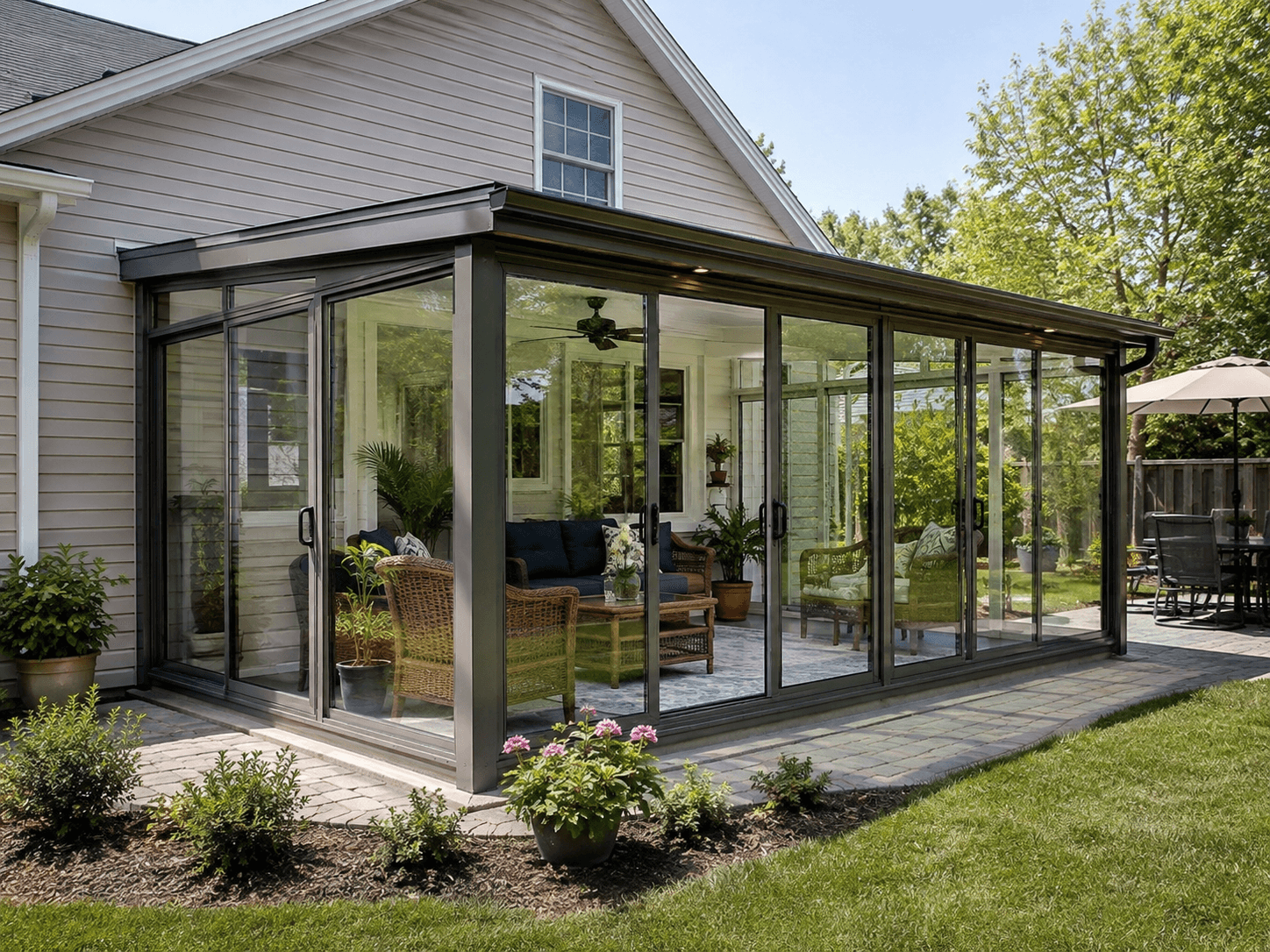
Expanding a single-family home to bring more natural light into its living spaces is a dream for many Canadian homeowners. With our bright summers and long winters, maximizing sunlight can provide an invaluable sense of well-being. However, when it is time to move forward with an addition, one fundamental question arises: should you choose a three-season sunroom or invest in a four-season sunroom?
Editorial Team
•21 Jun 2024
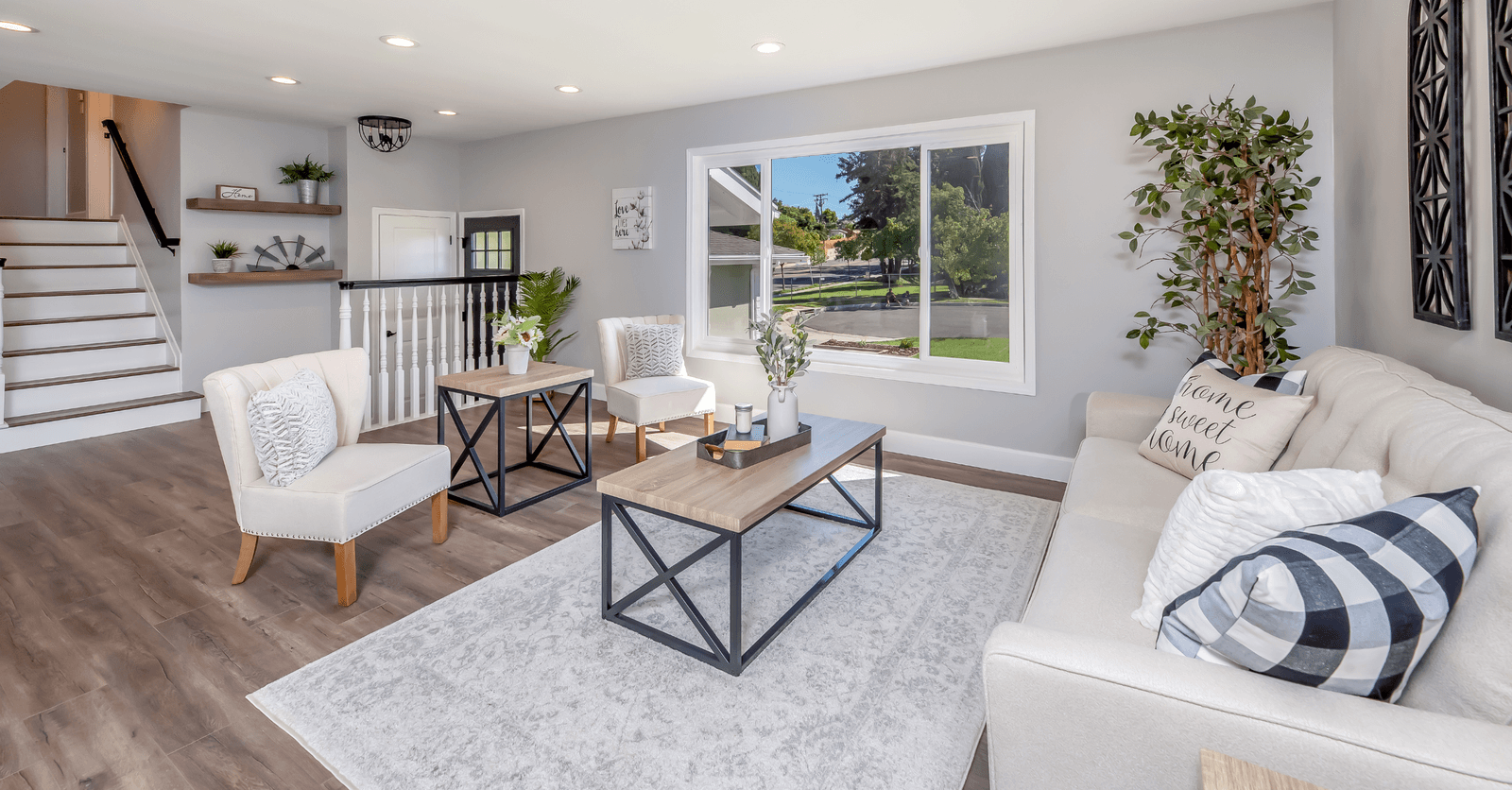
In general, the living room is a space associated with relaxation, entertainment, and gatherings with friends or family. It's a room that often serves as the central point of the home, so architects will strategically place it.

Editorial Team
•26 Jun 2026
Digital twin technology is revolutionizing various industries, including construction in Canada. At RenoQuotes, we are committed to keeping you informed about cutting-edge technologies that can enhance your projects. How can digital twins improve the efficiency, safety, and project management of your construction projects? What are the specific benefits of this technology in the Canadian construction landscape? Let’s explore how digital twins are shaping the future of construction and the advantages they bring to the industry.
Léa Plourde-Archer
•17 Apr 2024
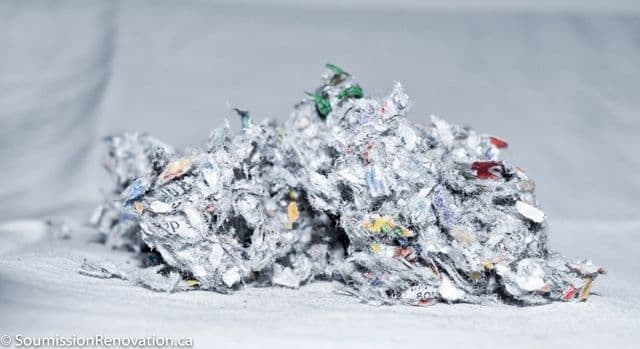
In today’s climate, plenty of homeowners are looking for ways to directly deal with their carbon footprint and the lasting effects on the environment.