Balcony Maintenance: Cleaning, Repairs, and Inspection Tips
By Editorial Team
Updated on June 17, 2026
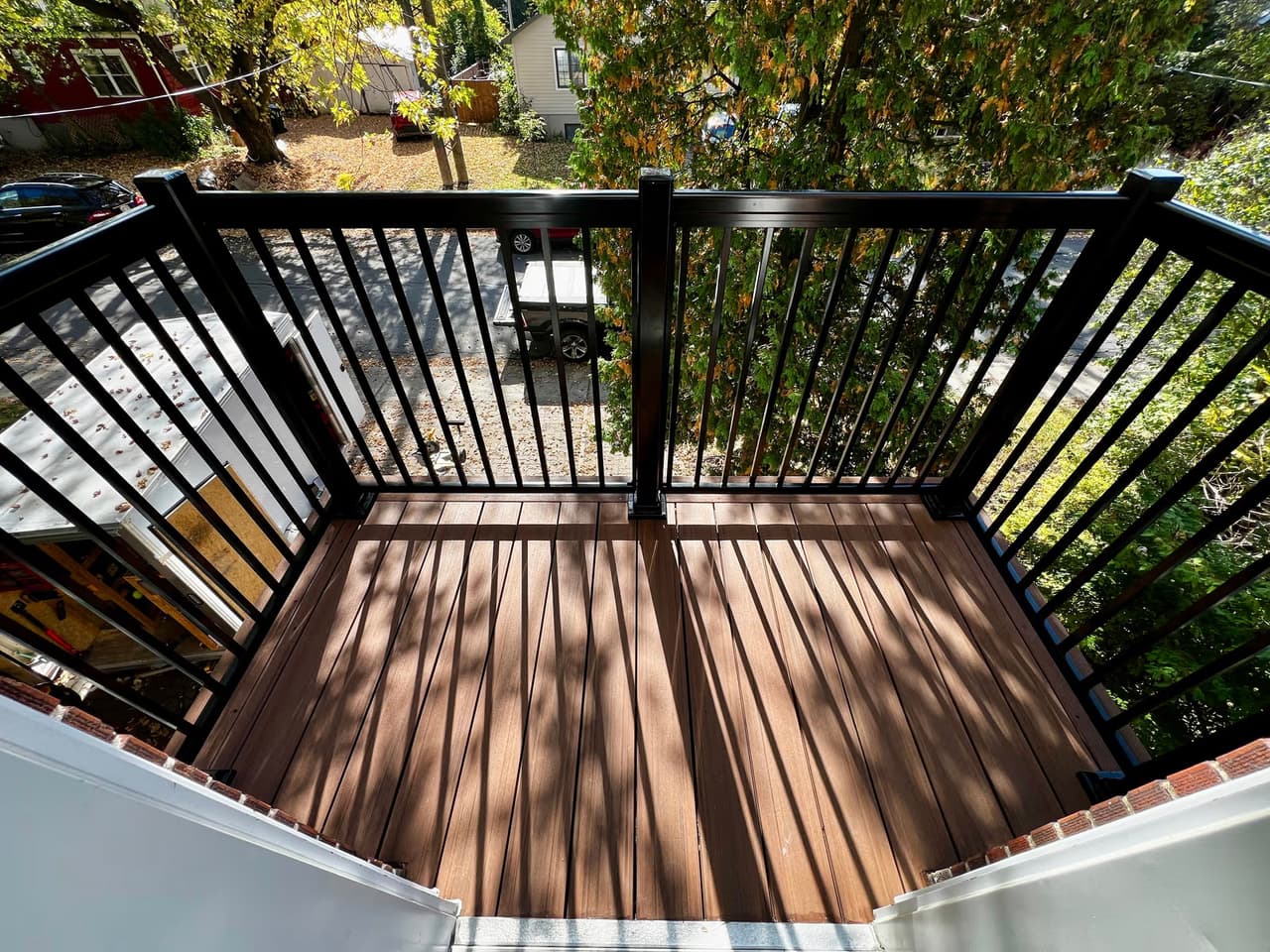
Summer is peak season for enjoying your home, and a clean, safe balcony can make outdoor living feel much more inviting. With a few quick wins, such as clearing drains, washing surfaces, checking railings, refreshing furniture, and touching up worn finishes, you can improve curb appeal while helping prevent bigger repair issues later.
Balcony maintenance does not have to mean a major renovation. Whether your balcony is made of concrete, wood, composite, or metal, small preventive tasks and simple aesthetic upgrades can help you enjoy the space more comfortably throughout the season while protecting it from long-term wear and damage.
Why Balcony Maintenance Matters
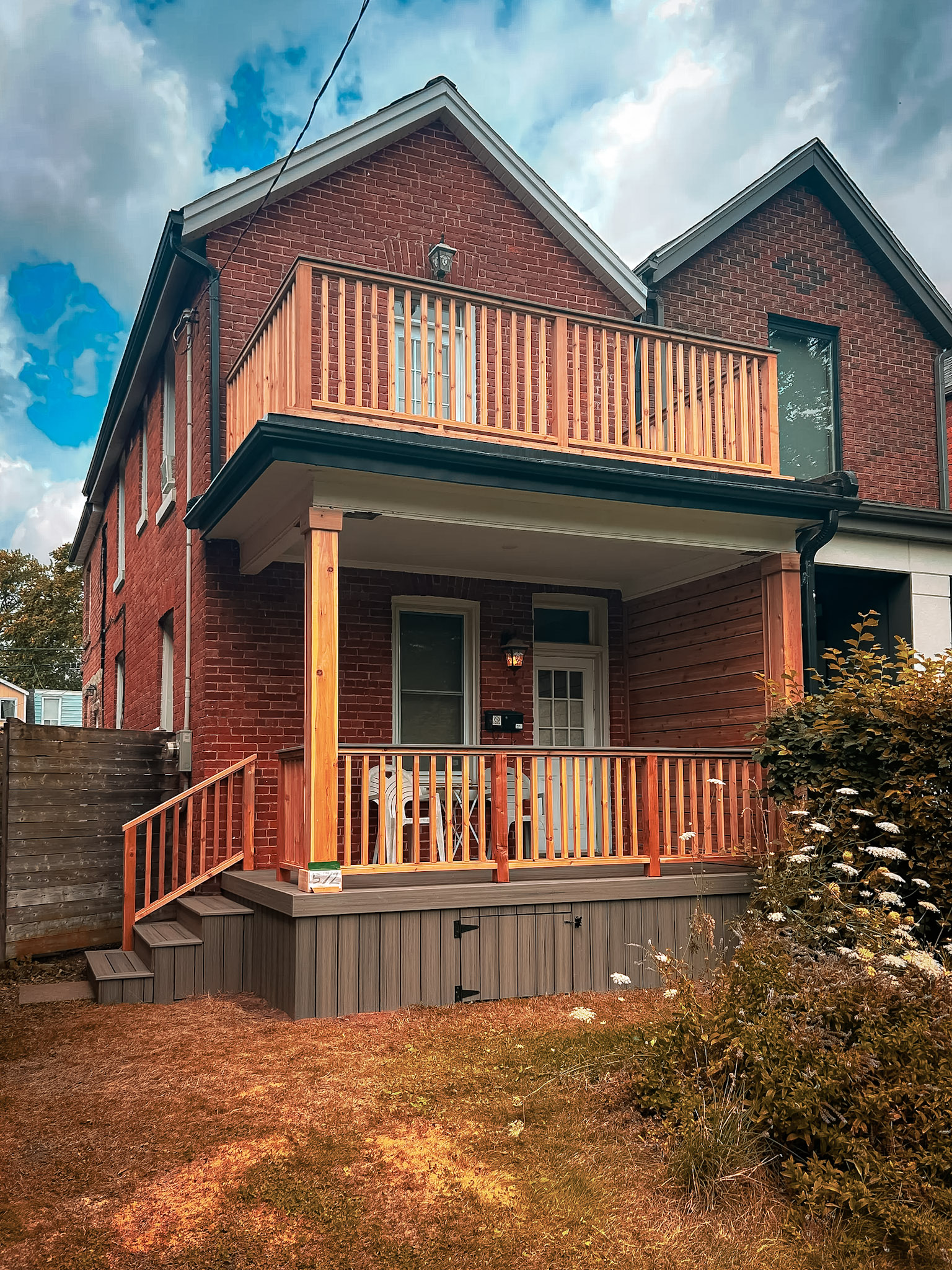
Source: Entelechy carpentry
Many homeowners focus on keeping their balcony clean but overlook the structural components that require ongoing attention. Regular maintenance helps:
Prevent water infiltration and moisture damage
Reduce the risk of wood rot, corrosion, and concrete deterioration
Extend the life of waterproof membranes and protective coatings
Maintain balcony safety and structural integrity
Preserve curb appeal and property value
Avoid expensive emergency repairs
Water is often the biggest threat to balconies. Poor drainage, damaged membranes, and neglected cracks can allow moisture to penetrate the structure, causing deterioration that may remain hidden until significant damage has occurred. Regular inspections and cleaning help identify issues before they become serious.
From a financial perspective, preventative maintenance is often the most cost-effective approach. A clogged drain or small crack may cost only a few hundred dollars to address, while extensive concrete repairs, waterproofing failures, or structural restoration can cost thousands of dollars if left untreated.
Cleaning Your Balcony Properly
Remove Furniture and Loose Items
Start by removing all furniture, planters, rugs, and decorative items from the area. Clearing these items gives you full access to the entire surface, making it easier to spot any stains, dirt, or damage that may have gone unnoticed. It also allows you to thoroughly clean spaces that are typically hidden or hard to reach, ensuring a more effective and comprehensive cleaning process.
Sweep Away Dirt and Debris
Use a stiff-bristle broom to remove:
Dirt and dust
Leaves and twigs
Bird droppings
Pollen and organic debris
Keeping surfaces clear helps prevent clogged drains and water pooling, which can contribute to long-term moisture problems.
Clean Railings, Walls, and Glass
Before washing the floor, clean surrounding surfaces.
For glass doors and railings:
Use a glass cleaner and squeegee
Work in an "S" pattern to reduce streaking
For walls and metal railings:
Use warm water and a mild all-purpose cleaner
Remove grease, dirt, and environmental contaminants
Rinse thoroughly
If your balcony includes a barbecue, grease stains may require a stronger degreasing solution.
Wash the Balcony Floor
The appropriate cleaning method depends on the flooring material.
Generally:
Scrub using a brush and mild detergent.
Rinse thoroughly.
Remove standing water.
Allow surfaces to dry completely.
Avoid overly aggressive pressure washing on older wood, concrete with surface damage, or waterproof membrane systems unless approved by the manufacturer.
Maintaining Balcony Drainage Systems
Proper drainage is one of the most important aspects of balcony maintenance.
Keep the following clear:
Floor drains
Scuppers
Gutters
Drainage channels
Blocked drainage systems can cause water to pond on the balcony surface, increasing the likelihood of membrane failure and structural damage.
Avoid placing:
Outdoor rugs over drains
Large planters that obstruct drainage
Storage containers that trap moisture
How often should you clean a balcony?
Most balconies should be cleaned:
Monthly during spring and summer
After major storms
Before winter
Whenever debris begins accumulating
Drains and gutters should be checked and cleaned at least twice per year.
Balcony Inspection Checklist
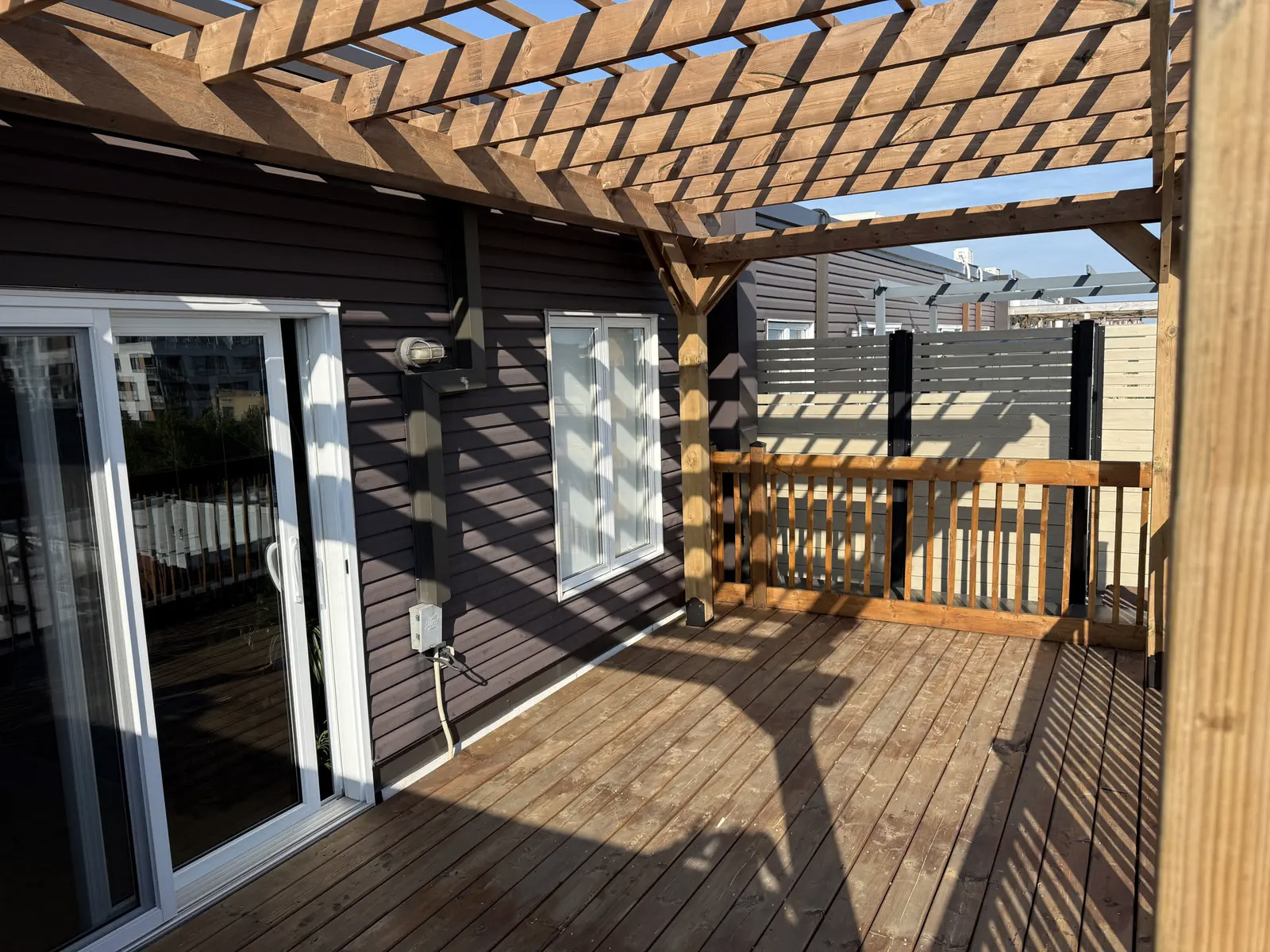
Source: ARCconstructiongroup
Cleaning is also the ideal time to inspect for signs of deterioration, such as cracks, discoloration, or areas where materials may be wearing down. By carefully examining surfaces and components during cleaning, you can identify potential problems early and take steps to address them before they become more serious.
Look For Cracks And Surface Damage
Watch for:
Concrete cracks
Flaking or spalled concrete
Damaged deck boards
Splitting wood
Surface delamination
Concrete spalling, where pieces of concrete begin breaking away, may indicate more significant structural concerns and should be evaluated by a professional.
Check for Water Pooling
Water should drain freely from the balcony.
Standing water can indicate:
Blocked drains
Drainage system problems
Insufficient slope
Structural settlement
Persistent water pooling can accelerate membrane deterioration and increase the risk of leaks.
Inspect Railings and Fasteners
Loose railings represent a serious safety concern.
Check for:
Rusted railings
Corroded fasteners
Loose bolts
Movement when pressure is applied
Any unstable railing should be repaired immediately.
Examine Waterproof Membranes
Many balconies rely on waterproof membranes to protect the underlying structure from moisture intrusion.
Look for:
Tears
Cracks
Blisters
Peeling edges
Open seams
Punctures
Even small membrane failures can allow water to penetrate beneath the surface and cause hidden damage.
Common Balcony Problems Homeowners Encounter
Water Infiltration
Water infiltration is one of the most common causes of balcony deterioration.
Potential warning signs include:
Water stains on ceilings below
Peeling paint
Mold growth
Damp areas around doors
Leaks after rainfall
If water intrusion is suspected, repairs should be completed quickly to prevent structural damage.
Rust and Corrosion
Metal components are vulnerable to corrosion, especially in regions with heavy rainfall, road salt exposure, or freeze-thaw cycles.
Common problem areas include:
Railings
Fasteners
Connectors
Structural supports
Surface rust should be addressed promptly before it spreads.
Wood Rot
Wood balconies require regular inspection for:
Soft spots
Discolouration
Warping
Rotting boards
Insect damage
Moisture trapped beneath decking or around fasteners can accelerate deterioration.
Concrete Deterioration
Concrete balconies may develop:
Hairline cracks
Surface scaling
Spalled areas
Exposed reinforcement bars
When reinforcing steel begins to rust, expansion can cause surrounding concrete to crack and break apart.
Permits and Code Considerations
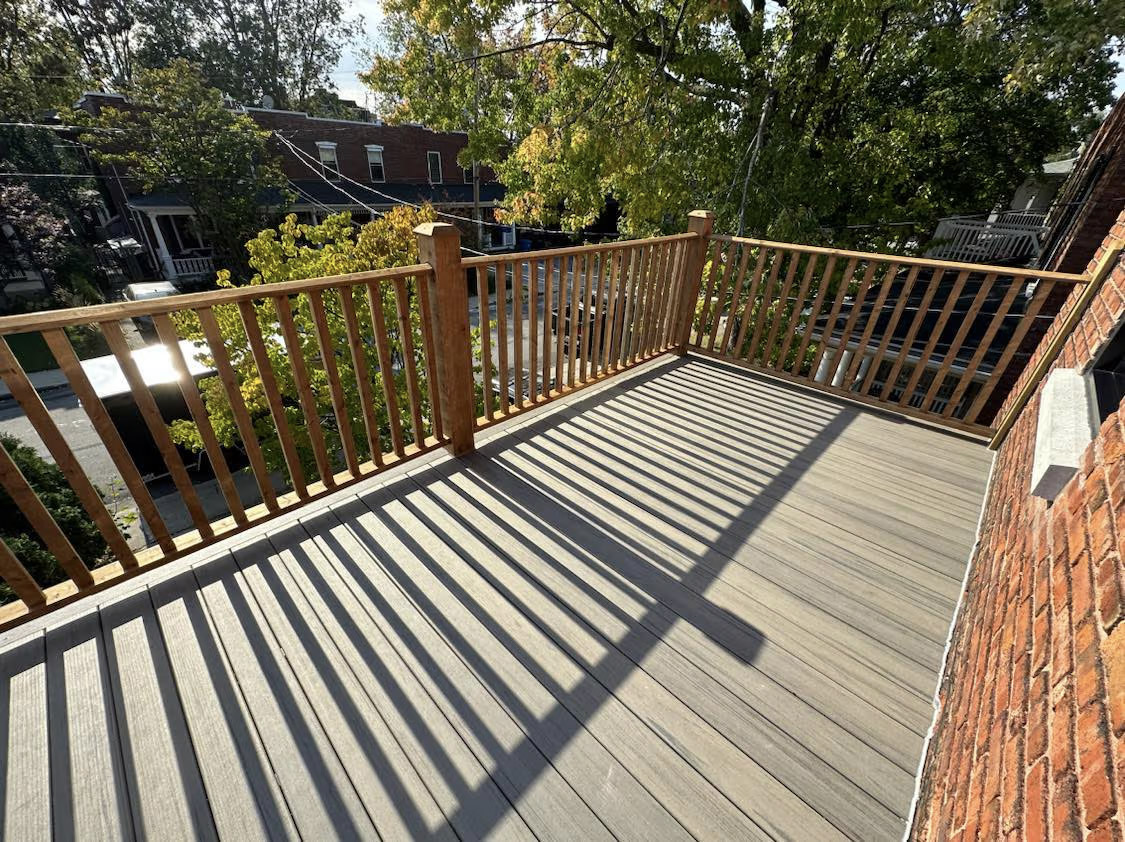
Source: Construction Innovision inc.
Depending on the scope of work and municipality, balcony repairs may require permits.
Projects that often require approval include:
Structural repairs
Guardrail replacement
Major renovations
Balcony rebuilding
Changes to load-bearing components
Homeowners should consult local municipal requirements before beginning significant repair work. In many cases, structural modifications may also require engineering review.
Balcony Maintenance by Material
Wood Plastic Composite (WPC) Balconies
Composite decking requires relatively low maintenance but still benefits from routine care.
Best practices include:
Sweep regularly
Wash periodically with composite-safe cleaners
Remove spills immediately
Keep drains clear
Avoid bleach unless specifically approved by the manufacturer
Stains can become permanent if left untreated for extended periods.
Natural Wood Balconies
Natural wood requires more maintenance but can provide exceptional longevity when properly cared for.
Recommended maintenance includes:
Cleaning several times per year
Applying decking oil every 6 to 12 months
Re-staining or sealing when finishes begin to fade
Repairing damaged boards promptly
Regular treatment helps protect wood from UV damage and moisture absorption.
Concrete Balconies
Concrete balconies should be:
Inspected annually
Sealed when appropriate
Checked for cracking and spalling
Protected from prolonged standing water
Small cracks can often be repaired before larger restoration work becomes necessary.
When should you hire a professional?
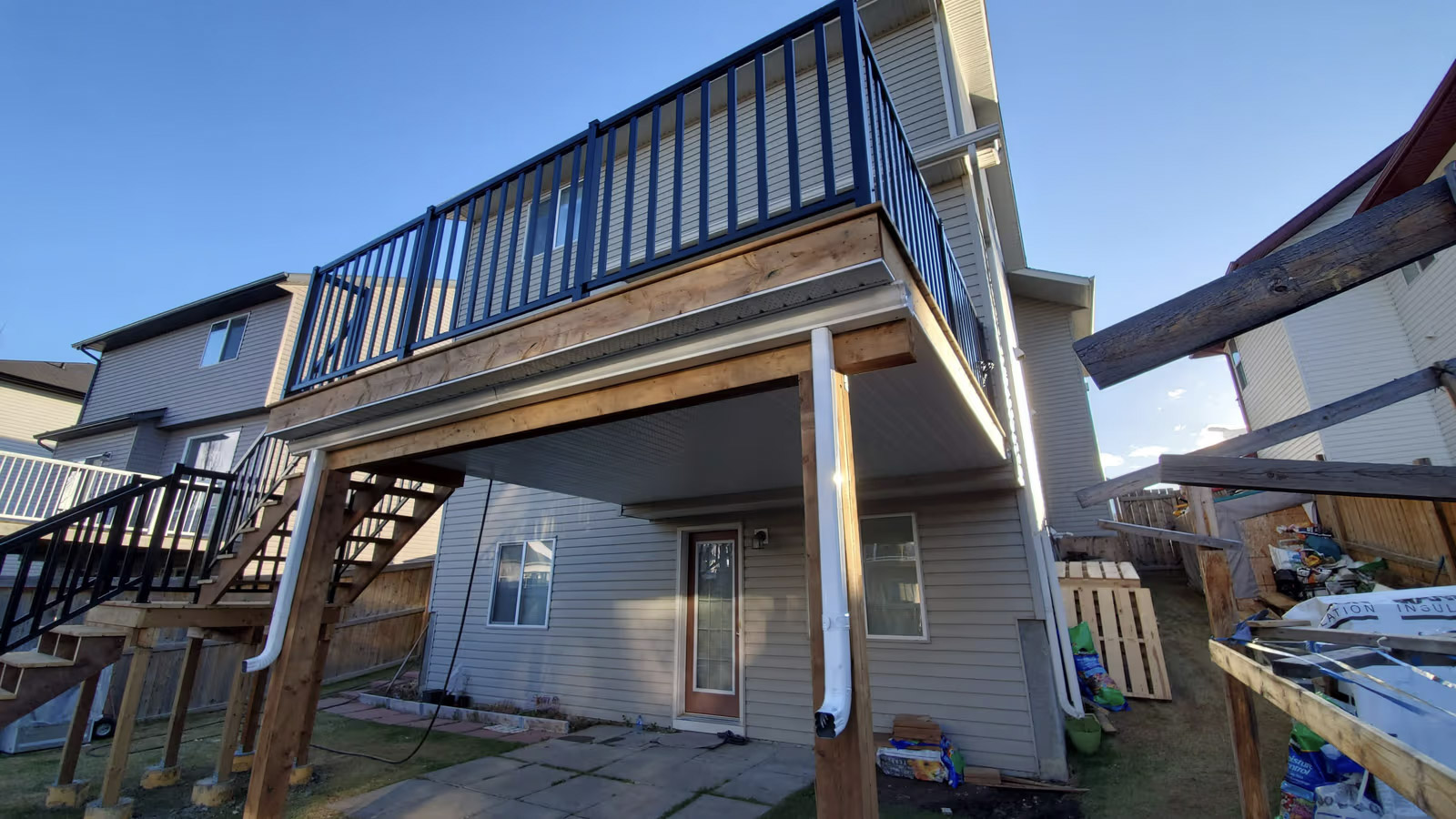
Source: Blueform Construction Services Inc.
Some maintenance tasks can be handled by homeowners, but certain issues require professional assessment.
Contact a qualified contractor, building envelope consultant, or structural engineer if you notice:
Large cracks
Concrete spalling
Exposed reinforcing steel
Persistent leaks
Structural movement
Significant wood rot
Loose or unstable railings
Damaged waterproof membranes
Professional inspections can identify hidden issues and help determine whether localized repairs or larger renovations are necessary.
Balcony Maintenance and Repair Costs
Balcony maintenance and repair costs vary depending on the size of the balcony, the materials involved, accessibility, and the extent of any damage. In Canada, routine maintenance is relatively affordable, while structural repairs and full replacements can become significant investments.
Service | Typical Cost Range (Canada) |
Professional balcony cleaning | $150-$500 |
Minor wood or composite repairs | $300-$1,500 |
Railing repairs | $50-$150 per linear foot |
Concrete crack repairs | $500-$2,000+ |
Concrete restoration | $7-$15 per sq. ft. |
Balcony waterproofing repairs | $10-$20 per sq. ft. |
Waterproof membrane replacement | $20-$40 per sq. ft. |
Structural balcony repairs | $25-$50 per sq. ft. |
Engineering inspection or report | $500-$2,000 |
Full balcony replacement | $8,000-$25,000+ |
Small repairs are generally far less expensive than addressing advanced deterioration caused by water infiltration, corrosion, or structural damage. Regular inspections and maintenance can help homeowners identify problems early and avoid major restoration costs.
In Conclusion
Regular balcony maintenance is essential for protecting both the appearance and structural integrity of your outdoor space. By cleaning surfaces regularly, inspecting for signs of deterioration, maintaining drainage systems, and addressing minor issues early, homeowners can significantly extend the lifespan of their balcony.
Whether your balcony is constructed from concrete, wood, or composite materials, a proactive maintenance routine can help prevent water infiltration, structural damage, and costly repairs while ensuring the space remains safe and enjoyable for years to come.
Frequently Asked Questions
How often should balcony maintenance be performed?
Basic cleaning should be performed throughout the year, while a thorough inspection should be completed at least annually. Multi-unit residential buildings may require more formal inspection schedules depending on building age and local requirements.
What are the signs that a balcony needs repairs?
Common signs include cracks, loose railings, rust, wood rot, water pooling, leaking ceilings below the balcony, damaged waterproof membranes, and concrete spalling.
Can I repair balcony cracks myself?
Small cosmetic cracks may be repairable, but structural cracks, concrete deterioration, or water infiltration issues should be evaluated by a qualified professional.
How long does a balcony waterproof membrane last?
Lifespan varies by product, climate, installation quality, and maintenance. Regular inspections can help identify deterioration before leaks occur.
Does balcony maintenance increase property value?
Yes. A well-maintained balcony improves curb appeal, enhances safety, and helps prevent costly repairs that could negatively impact a property's market value.
Looking for something else?
Related articles
The latest industry news, interviews, technologies, and resources.
Editorial Team
•08 Apr 2026
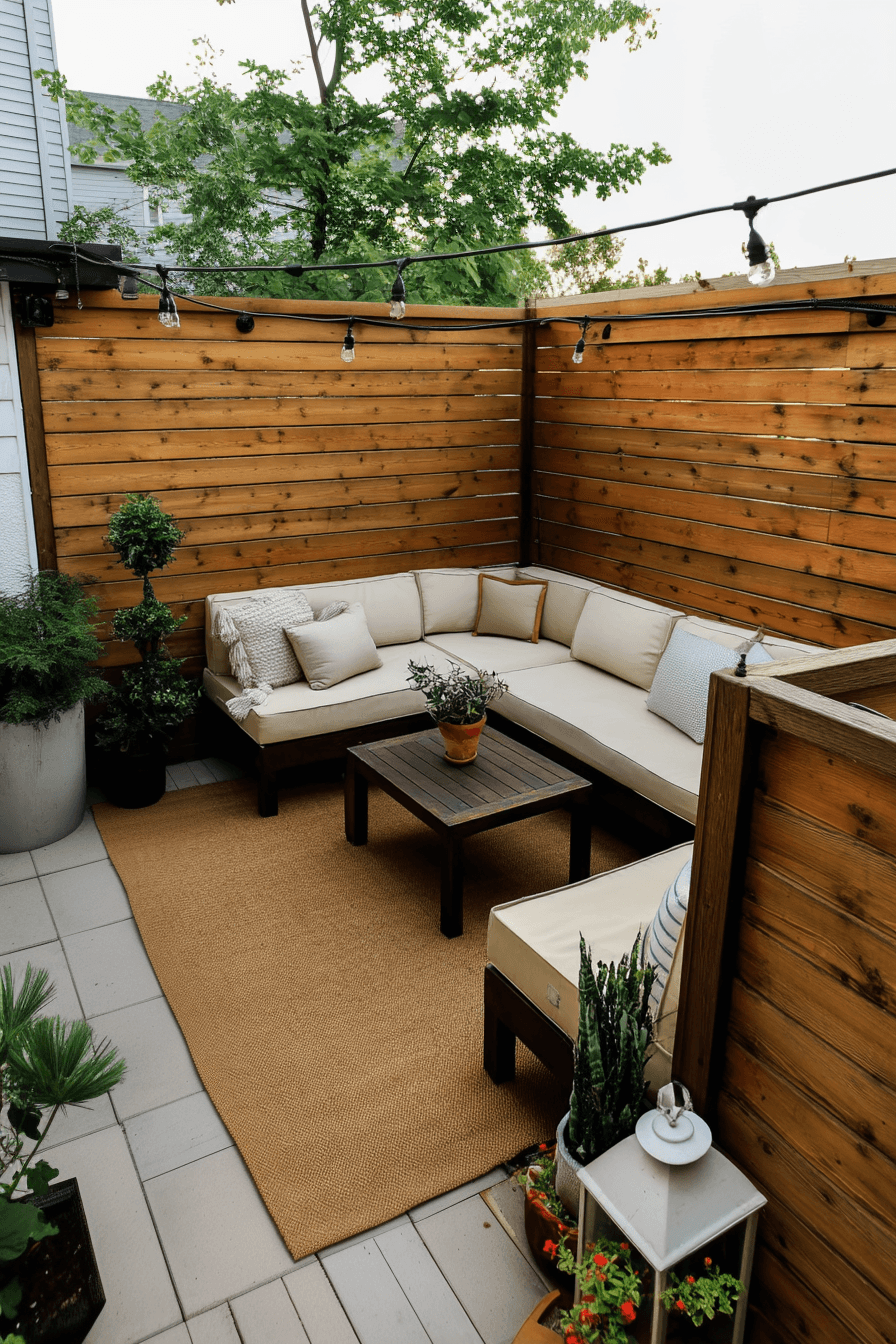
In 2026, the average cost to build a deck or patio in Canada typically ranges from $35 to $130 per square foot, installation included, with higher-end prices usually tied to premium materials such as high-end composite, aluminum, and glass railing systems. For a standard 12 x 12-foot deck (144 sq. ft.), homeowners can generally expect a budget starting at around $5,500 for pressure-treated wood and climbing to $18,000 or more for a premium composite build with glass railings and helical piles. Material choice and foundation type remain two of the biggest factors affecting your final quote.
Editorial Team
•28 Jan 2026
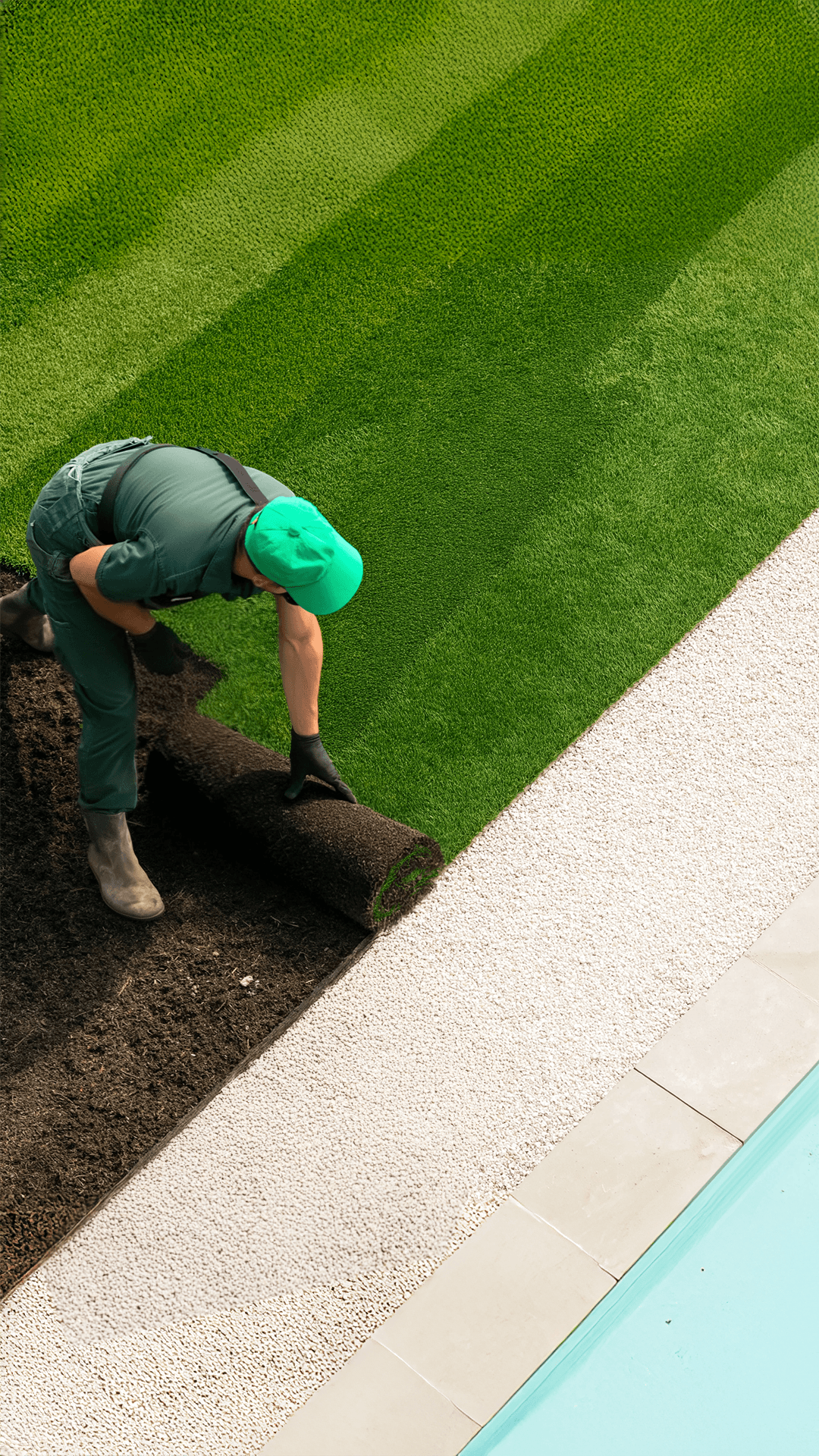
In 2026, the landscaping industry in Quebec is booming. With increasing demand for sustainable outdoor spaces and creative landscape design, residents across the province are turning to qualified landscapers to transform their properties. Whether you're looking to improve your curb appeal or completely revamp your backyard, understanding the role of a landscaper is crucial to a successful project.
Cynthia Pigeon
•03 Nov 2025
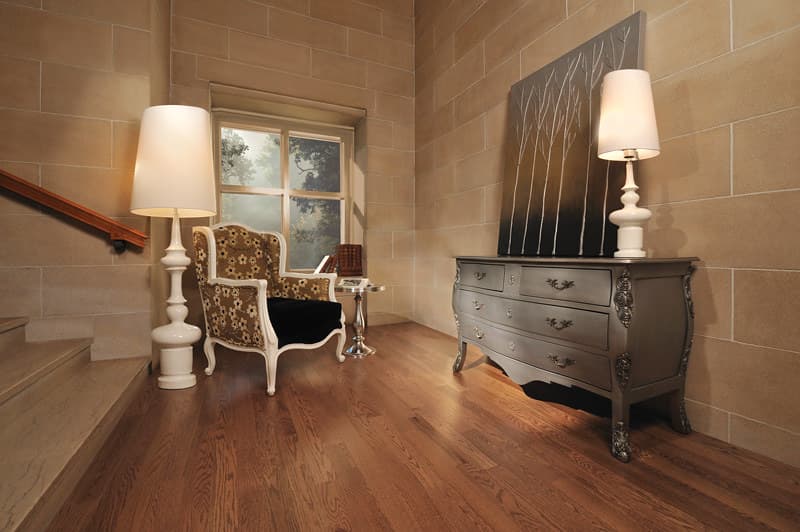
Are you looking to add hardwood floors in the common areas of your house hoping to create a rustic feel? Cherry wood flooring, although not the cheapest option, has an exotic essence and makes for a durable choice due to its sustainable material.
Amanda Harvey
•08 Nov 2023
Walking into a cramped bathroom or a tiny kitchen is a familiar feeling for anyone who’s rented an apartment or shared a space with multiple roommates. As we grow older, we hope that our home will be a spacious, big and beautiful place.

Léa Plourde-Archer
•08 Feb 2025
The contract has been signed, the work has started and all of a sudden, the contractor is asking you to pay. This leads to a lot of questions. Does the contractor have the right to make this request? Can he stop working if you refuse to pay?