
Are you envisioning transforming your outdoor space into a haven of relaxation and beauty? Whether you're already the proud owner of a house boasting a patio, greenhouse, pergola, or veranda, or you're contemplating adding these features to your property, the choice of roofing material is crucial.
Enter polycarbonate sheets - a versatile and durable option that deserves serious consideration. In this comprehensive article, we'll explore the myriad benefits of polycarbonate sheets, comparing them to popular alternatives like modified glass, acrylic, and modified acrylic. From their exceptional durability and versatility to their ability to enhance natural light while providing protection from the elements, we'll delve into the characteristics that make polycarbonate sheets stand out.
Additionally, we'll address any minor drawbacks to ensure you have a complete understanding. Finally, we'll provide insights into the average pricing of polycarbonate sheets, empowering you to make an informed decision about this exceptional roofing material.
Polycarbonate: What Is It?
Polycarbonate is a durable, lightweight, and transparent material commonly used in various applications. It is a type of thermoplastic polymer that exhibits excellent impact resistance, making it suitable for applications where toughness and transparency are required.
Polycarbonate Sheet Roofing: Features & Benefits

Source: Canva
First, note that there are several types of polycarbonate sheets. The two main types are solid polycarbonate, known as "compact," and honeycomb polycarbonate. While the former is generally used to design glass walls, the latter is perfectly suited for exterior roofing of sheds, garages, greenhouses, patios, pergolas, verandas, and much, much more!
Honeycomb polycarbonate consists of multiple layers of polycarbonate sheets pieced together. Its air-filled cavities allow for many advantages, ranging from being lightweight, which makes polycarbonate roofs ideal for aluminum or PVC structures, to its good insulating capacity, which allows you to regulate (to some extent) the energy consumption of your outdoor living space.
Polycarbonate roofing also allows natural light to shine through evenly while providing optimal protection against UV rays. Last but not least, it's considered a rather decent soundproofing material, thus reducing noise pollution, whether it emanates from inside or outside.
On the market, in Quebec, this type of roofing is available in several colours and finishes, including crystal white, opaque, and opaline, as well as see-through smoke brown, and more. It's easy to trim/cut and install, just like its maintenance: simply spray it with vinegar and water to effectively clean your polycarbonate roof.
Keep in mind that, when shopping for polycarbonate roofing, honeycomb panels will typically not be labelled as such. These panels are more commonly known as twinwall, which has two layers, and multiwall, which has three or more.
How Strong Is a Polycarbonate Roof Panel?
Despite its light weight, honeycomb polycarbonate is very sturdy: approximately 200 times stronger than glass, 30 times stronger than acrylic, and 15 times stronger than modified acrylic. Polycarbonate roofs are more than just reliable: the robustness of the material used in their making allows them to bear heavy loads, such as plants, lights, and ceiling fans.
This type of roofing can withstand shocks and other weather-related issues for years, maintaining the same resistance even when subjected to extreme temperatures up to 100°C (or more) without altering in shape.
But Is a Polycarbonate Roof Good for Snow?
Yes! Polycarbonate is highly durable and capable of enduring severe weather conditions such as hail, strong winds, and heavy snow, often outperforming metal roofing panels. In Canada, where a wide range of temperature fluctuations, humidity, rain, and snow are common, polycarbonate panels can handle the harsh climate more effectively and last longer than metal roofing panels.
What's the Disadvantage of Using Polycorbonate Roofing?
While polycarbonate has many advantages, it does have some drawbacks. For starters, polycarbonate is a material that, despite its potential to filter certain noises, tends to amplify those generated by rain, hail, and other similar types of impact.
Moreover, while this type of roof protects against UV rays, it doesn't block light (except for corrugated or opaque polycarbonate roofing sheets). Therefore, installing a blackout system (such as roller shutters or blinds) is highly recommended to avoid excessive sunlight in the summer.
What Is the Lifespan of a Polycarbonate Roof?
With proper maintenance, polycarbonate roofing panels can last 10 to 20 years before needing replacement, though exposure to harsh elements, especially in colder climates with frequent severe weather, can affect their lifespan.
On average, their lifespan is limited to 15 years, which is significantly shorter than the 70 years that tiles offer and even further from the century-long durability of slate and sheet metal. However, manufacturers often provide extended warranties for these panels.
Side Note: Corrugated Plastic
Corrugated polycarbonate (plastic) is another type of polycarbonate sheeting, one which is less common and generally used for double-skin or steel roofs. It can be easily combined with another layer of honeycomb polycarbonate for added insulation. For example, it can be used to create a skylight in a steel roof.
Are Polycarbonate Roofs Expensive? Models and Pricing

Source: Canva
In Quebec, a lot of construction companies carry polycarbonate sheets for sale. For a standard-sized polycarbonate sheet, the average price is around $50 to $80.
For example, a 24" x 8" Vicwest Suntuf clear polycarbonate roof panel costs $55, while a 12' Tuftex corrugated polycarbonate roofing sheet, is about $62. In comparison, costs for a solarium/sunroom, which is roughly 85% glass, vary between $15 000 and $40 000.
Because of its many advantages, such as being lightweight, flexible, and UV-resistant, polycarbonate is a great option for those who want to shield their verandas, pergolas, greenhouses, and any other outdoor structure, while keeping the whole process rather simple.
Polycarbonate is also a very good alternative to modified glass at a (significantly) lower price. Although this material has limited durability, it's still worth the investment, depending, of course, on your needs and expectations for your future roof.
When shopping for roof panels, remember that many factors can and do affect the pricing. These factors include the thickness and quality of the panels, the size and dimensions required for your project, whether it's solid, twin-wall, or multiwall, as well as any additional features such as UV protection or insulation properties.
Additionally, supplier pricing and market fluctuations can also impact the overall cost. Therefore, it's essential to carefully consider your specific requirements and compare quotes from multiple suppliers to ensure you get the best value for your investment.
Looking for something else?
Related articles
The latest industry news, interviews, technologies, and resources.
Cynthia Pigeon
•10 Sep 2026
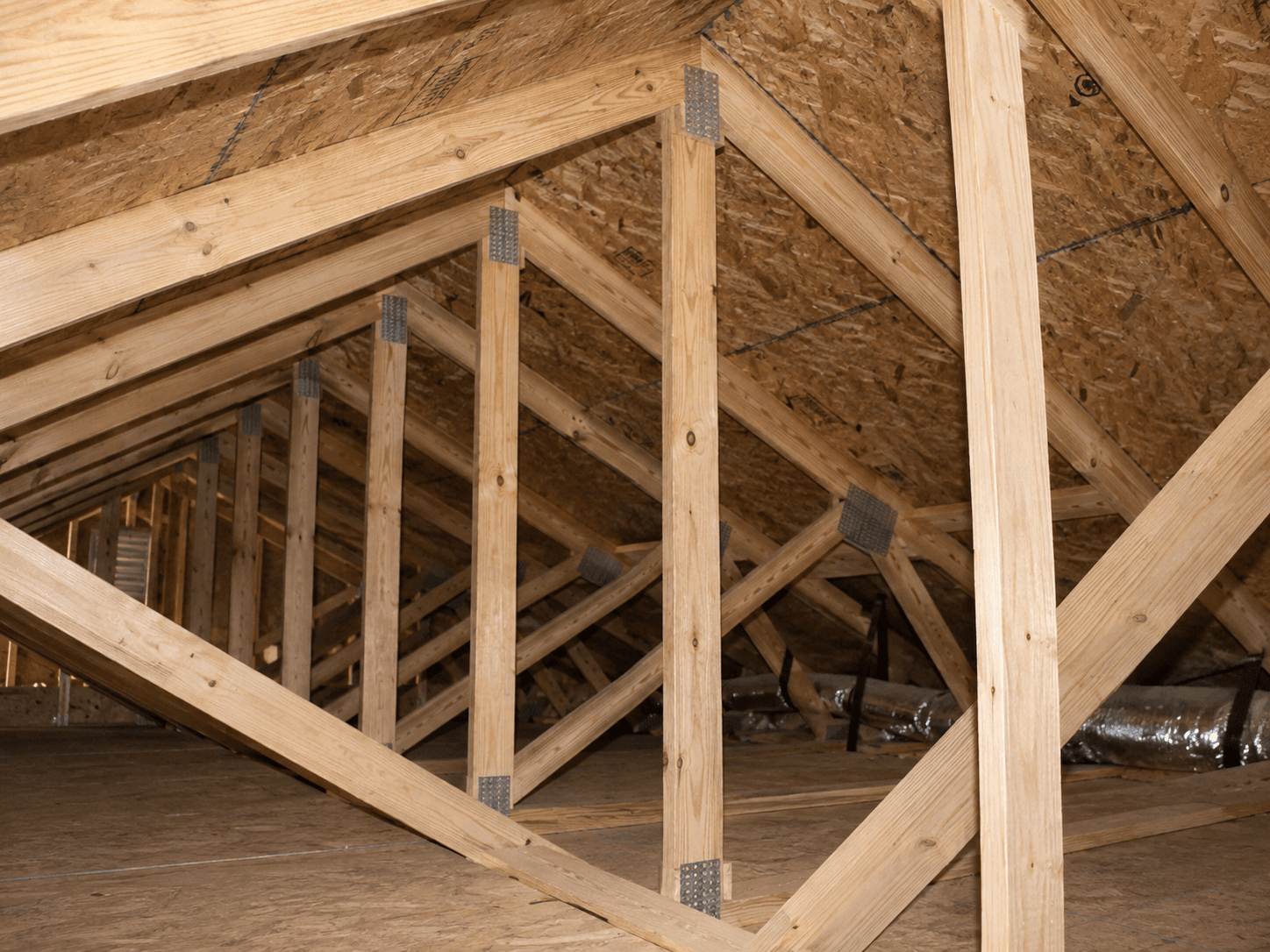
Single-family homes, bungalows, and cottages built in Quebec since the 1960s are very commonly topped with prefabricated roof trusses (also known as engineered roof framing). Designed in a factory using sophisticated structural calculation software, these wood assemblies joined with toothed metal connector plates provide excellent strength while remaining lightweight and cost-effective.
Cynthia Pigeon
•08 Nov 2023
Techniseal® is a Canadian company that has for the past four years served the construction industry. They offer a range of products for elastomeric roof coatings. Not only are they one of the leading partners in roof repairs and maintenance, but their products are highly regarded by professionals in Quebec.
Editorial Team
•15 Nov 2024
Ethanol fireplaces are increasingly sought-after, making for an aesthetic and odourless solution to create a warm ambiance. Unlike conventional fireplaces, such units don’t need a chimney or direct vent, streamlining their installation. Smoke-free, chimneyless, nothing but a gentle warmth inside your home. This article will focus on the benefits of ethanol fireplaces. Amongst all the different types of fireplaces out there, “Ethanol fireplaces are best suited for ambiance purposes,” states Stéphanie Ouimet, an Eco-Feu representative.

Cynthia Pigeon
•08 Nov 2023
Are you looking to close off your double living room, kitchen, closet, or guest bedroom? The space itself is already divided, all you need is a door, really. Hinged, swinging, sliding, pocket, folding, pivoting: there are a ton of door models out there, and you are bound to find one that will fit your needs, and that will not clash with your decor.

Editorial Team
•08 Nov 2023
When it comes to choosing a garage door, many homeowners naturally gravitate towards metallic options. Factory-painted steel garage doors are an appealing option for many reasons, including their low maintenance requirements and the diverse array of available colours and finishes.