How Much Does It Cost to Soundproof a Party Wall in Quebec?
By Cynthia Pigeon
Updated on June 17, 2026
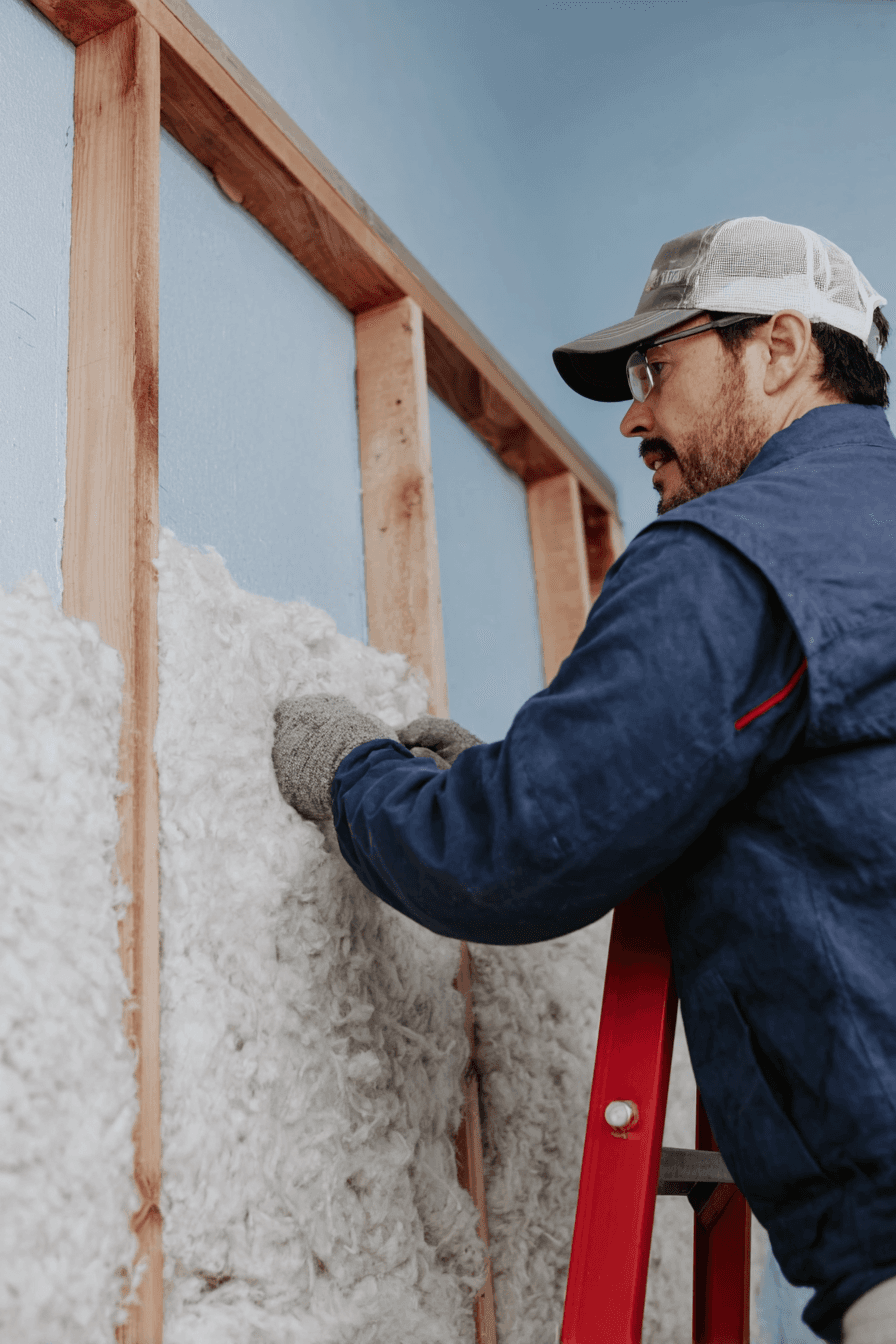
Living in a condominium, townhouse, or semi-detached home has many advantages, but being close to neighbours can sometimes test your patience. Whether it’s a crying child, rhythmic footsteps, an overly powerful home theatre system, or vibrations from your neighbour’s heat pump, noise disturbances can significantly affect your quality of life. When Quebec winter sets in and we spend most of our time indoors, these noises become even more noticeable and irritating.
Fortunately, lasting solutions exist to help restore peace of mind. However, before starting this type of renovation project, it is essential to understand the costs associated with soundproofing a party wall in Quebec so you can properly plan your investment.
Factors That Influence the Cost of Soundproofing a Party Wall
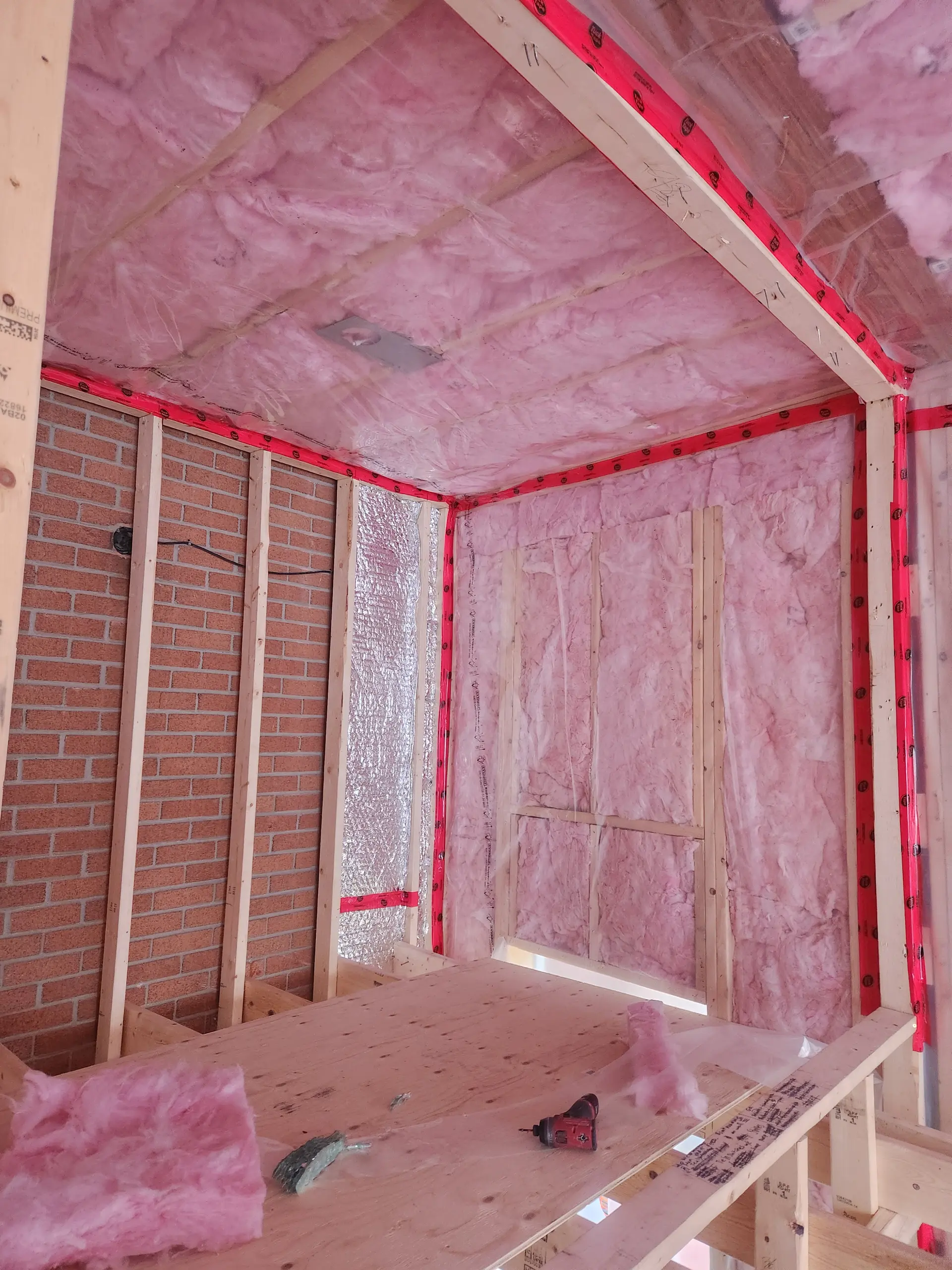
Source: GD Construction & Projects Management Inc.
The final cost of your soundproofing project does not depend solely on the surface area to be covered in square feet. Several variables affect the complexity of the work and, therefore, the amount shown on your quote.
Type of Noise: Airborne vs. Impact Noise
There are two main categories of noise, and each requires a different technical approach:
Airborne noise: Voices, music, television, or barking. These sounds travel through the air and pass through poorly insulated walls. They are generally easier and less expensive to block.
Impact or structure-borne noise: Footsteps, falling objects, vibrations from mechanical equipment, or cabinet doors closing. These sounds vibrate through the building structure itself, including studs and joists. To properly reduce them, acoustic bridges must be eliminated by decoupling the wall, which is a heavier and more expensive operation.
Accessibility and Home Layout
Working on the ground floor of a semi-detached house is simpler than carrying dozens of heavy, dense acoustic drywall panels up to the third floor of a condominium complex in Montréal without an elevator. Access constraints, ceiling height, and the presence of windows or complex angles along the party wall can increase labour time.
Electrical and Mechanical Components
A party wall is rarely empty. It may contain electrical outlets, switches, ventilation grilles, or plumbing pipes. Every opening creates a path where sound can leak through, also known as an acoustic leak. Soundproofing these components requires sealed electrical boxes, acoustic sealant, and careful caulking techniques, all of which can increase the contractor’s bill.
Material Costs: Rock Wool, Acoustic Drywall, and Membranes
Source: RenoQuotes
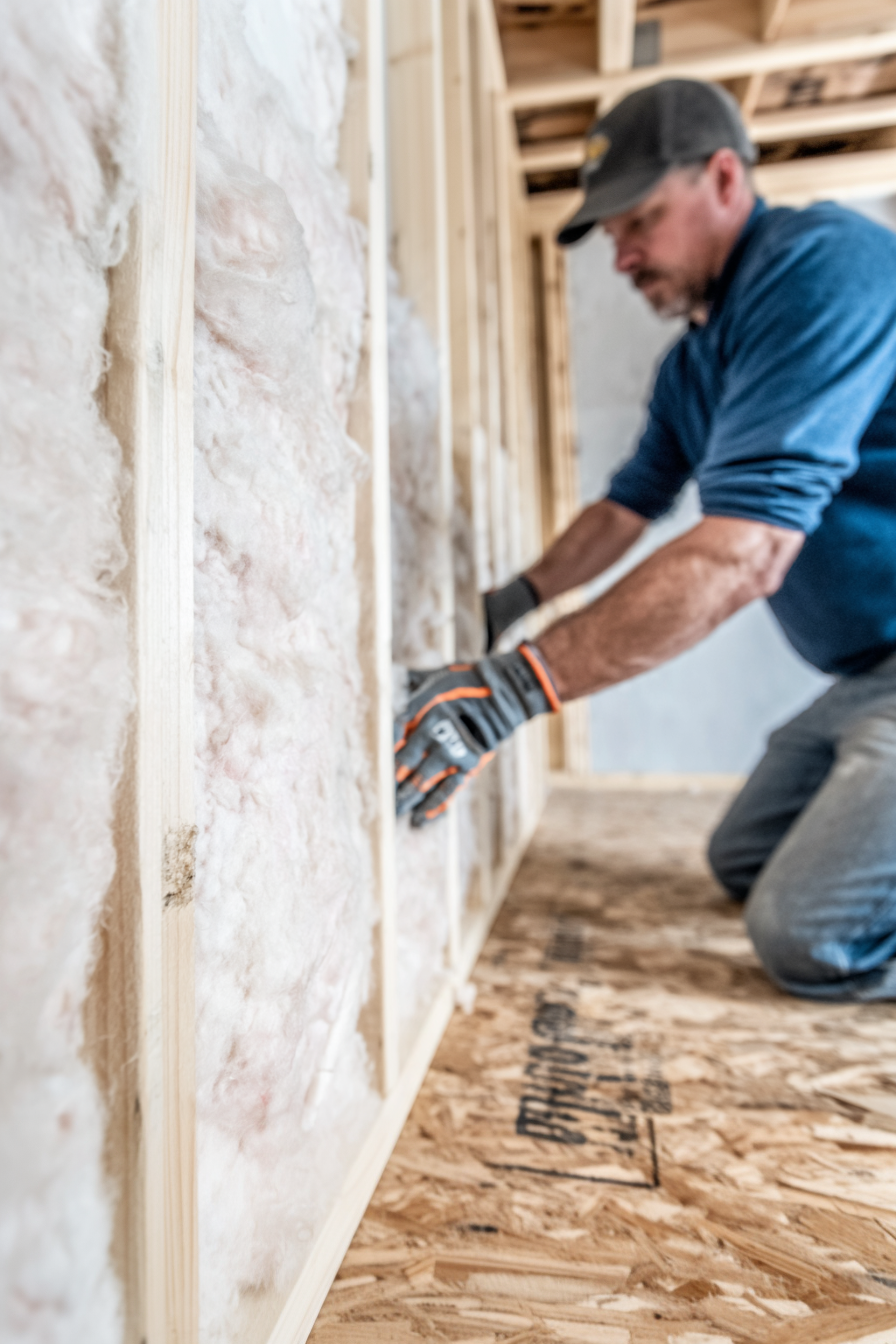
If you have strong renovation skills and decide to take on the soundproofing work yourself, materials will be your main expense. In 2026, Quebec's market shows the following average retail prices for acoustic materials:
Acoustic Material | Main Purpose | Average Price per Square Foot |
Rock wool, such as Safe ’n’ Sound | Absorbs airborne noise inside the wall cavity | $1.00 to $1.80 |
Type X drywall or specialized acoustic drywall | Adds dense mass to block sound | $1.50 to $3.50 |
Resilient channels | Mechanical decoupling to reduce vibrations | $0.35 to $0.65 |
Acoustic membrane, mass-loaded vinyl/MLV | High-density barrier against low frequencies | $2.00 to $5.00 |
Acoustic sealant/caulking | Acoustic sealant/caulking | About $10 to $15 per cartridge |
By combining rock wool insulation, resilient channels, and a double layer of drywall, including acoustic drywall, the material budget generally falls between $3 and $10 per square foot.
Installation Cost with a Certified Contractor
Source: RenoQuotes
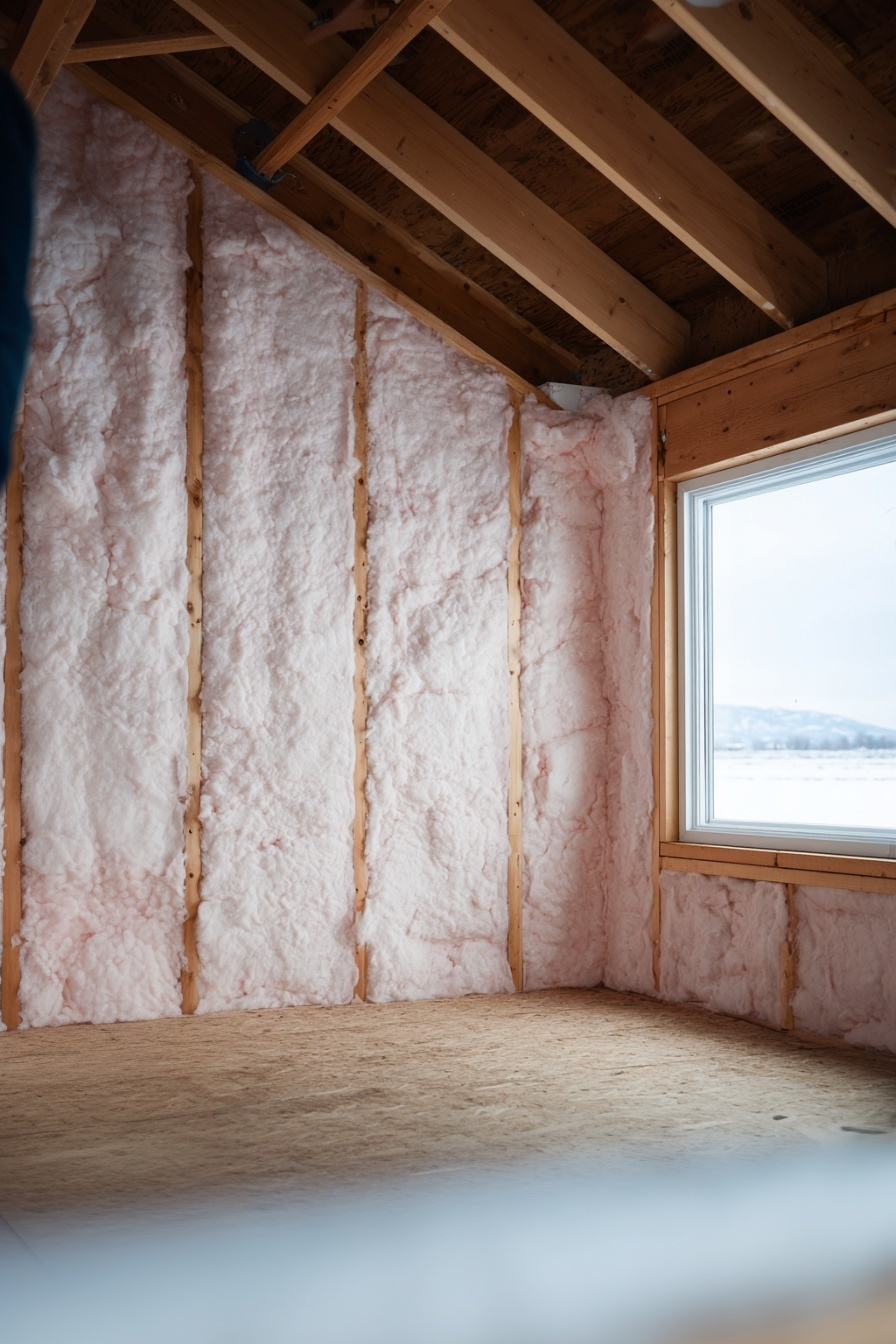
Although purchasing materials may seem affordable, installing acoustic systems leaves very little room for error. A single acoustic bridge or major sound leak can significantly reduce the system’s overall soundproofing performance. This is why most homeowners choose to entrust the project to professionals.
A turnkey project completed by a certified contractor generally includes:
Protecting the work area, including floors and remaining furniture.
Demolishing the existing drywall if the chosen method requires it.
Installing insulation, such as rock wool, resilient channels, or a new wall structure.
Installing membranes and drywall panels.
Mudding, applying the three required coats, and sanding.
Cleaning the job site.
For this complete service, Quebec pricing generally ranges from $15 to $30 per square foot, depending on the scope of work and the desired level of finish. For example, for a standard party wall measuring 8 feet high by 20 feet wide, or 160 square feet, the cost of a professional turnkey project will range from $2,400 to $4,800. To get an accurate estimate adapted to your property, it is strongly recommended to request a detailed renovation quote from qualified contractors in your area.
Soundproofing Solutions Based on Your Budget
Source: Gestion Harvey Martin Nicolas inc.
Each budget corresponds to a specific technical approach. Here are the two main methods used in Quebec to improve the acoustic comfort of a room.
Budget-Friendly Option: Cellulose Injection Without Demolition
If you do not want to start a major renovation project that creates dust for several days, cellulose injection is a particularly appealing option. This method can improve acoustic comfort and reduce certain airborne noises, but its performance generally remains lower than that of a solution involving wall decoupling.
Technique: The contractor drills small holes of about 2 inches near the top of the existing party wall, between each stud. They then inject cellulose, a thermal and acoustic insulation made from treated recycled paper, at high density to completely fill the empty wall cavities. The holes are then patched and plastered.
Average cost: $5 to $12 per square foot, including drywall repair but often excluding paint.
Effectiveness: This solution noticeably improves the sound transmission class, or STC, against light airborne noises such as conversations and background noise. However, it offers very limited results against impact noise and structural vibrations, since the existing drywall remains screwed directly to the same wood studs as the neighbour’s side.
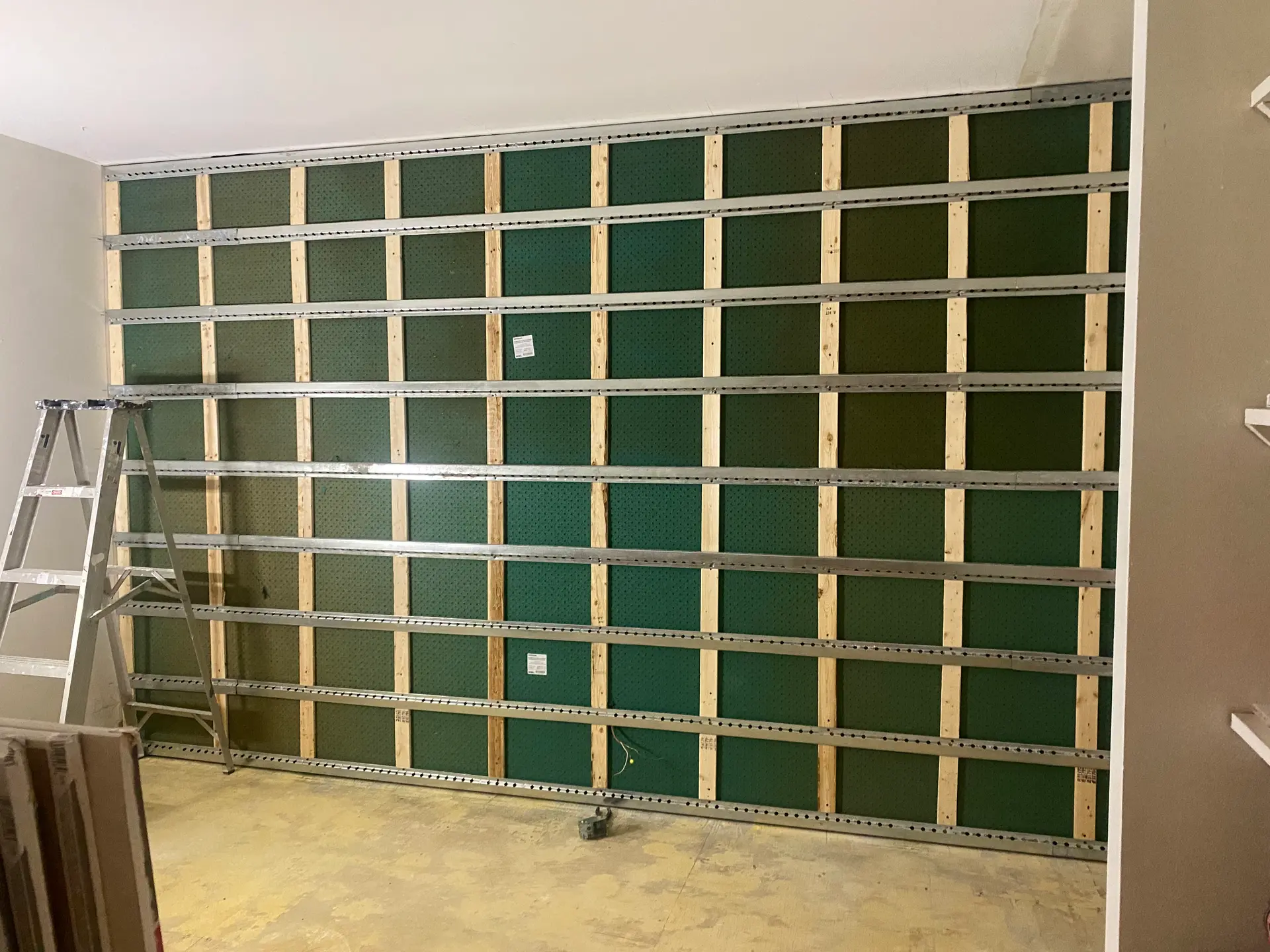
High-Performance Option: Double Wall and Acoustic Drywall
For condo or townhouse owners who deal with intense daily noise or want to install a home theatre without disturbing the neighbourhood, a decoupled double-wall system is the benchmark solution.
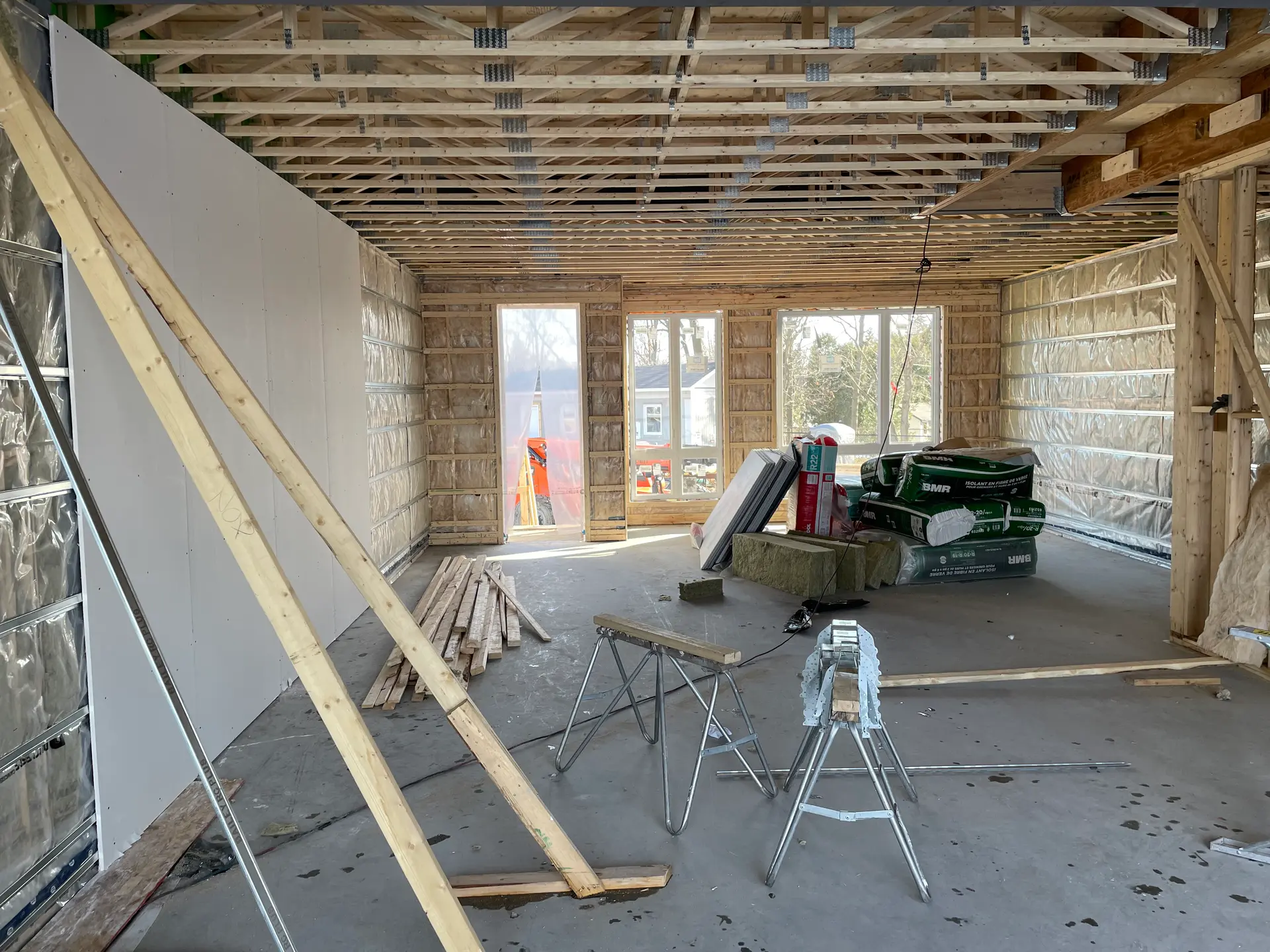
Technique: Professionals demolish the existing drywall to expose the structure. They install a new row of staggered studs or build a second independent wall, leaving at least a 1-inch air gap between the two structures to prevent direct contact. The space is then filled with high-density rock wool. Depending on the design, professionals may use a decoupled double wall, resilient channels, or a combination of several acoustic techniques. One or more layers of drywall, sometimes combined with specialized acoustic membranes, are then installed to complete the assembly.
Average cost: $25 to $35 per square foot, or more if complex ventilation ducts or electrical panels need to be relocated.
Effectiveness: This is the only method capable of effectively blocking low frequencies, such as the sub-bass from an audio system, and drastically reducing footsteps or slamming doors.
RBQ Standards and Available Subsidies
Source: Construction Magcor Inc.
The construction sector is governed by strict rules in Quebec. If you plan to modify the separation structure between two properties, you must comply with the applicable legislation.
National Building Code Requirements
According to the current standards enforced by the Régie du bâtiment du Québec, a party wall separating two dwellings or two condominium units must generally reach a minimum acoustic rating equivalent to an STC of approximately 50, in accordance with the applicable requirements of the Quebec Construction Code.
An STC of 50 means that a loud conversation on the other side of the wall should not be intelligible, although a murmur or dull noise may still be heard in very quiet conditions. In high-quality new constructions, professionals often aim for an STC of 55 to 60 to ensure optimal comfort.
When hiring a professional to improve the soundproofing of a party wall, make sure the proposed method can achieve an acoustic performance level suited to your situation and compliant with applicable requirements.
What About Government Subsidies?
This is an important point for homeowners to keep in mind: the provincial Rénoclimat subsidy program explicitly excludes all insulation and soundproofing work on party walls.
Government financial assistance programs focus only on improving the energy efficiency of the building’s exterior envelope, such as exterior walls, roof insulation, and foundations. Soundproofing between two housing units is considered an interior comfort improvement. As a result, the main provincial energy-efficiency programs generally do not fund party wall soundproofing work. You should expect to cover the full cost.
To optimize your budget without compromising performance, the best strategy is to compare professional prices through RenoQuotes to find a specialized team offering a competitive quality-to-price ratio and strong expertise in modern acoustic systems.
Looking for something else?
Related articles
The latest industry news, interviews, technologies, and resources.
Cynthia Pigeon
•19 Sep 2026
Toilet installation costs $260 to $960 in Canada with the fixture included, and most homeowners pay around $520 for a standard two-piece toilet supplied and installed. Labour alone runs $150 to $400 if you've already bought the toilet.
Editorial Team
•02 Apr 2026
What are the factors that influence the cost of finishing a basement? What steps should be considered to determine an accurate budget? In this article, we detail the various stages and factors that affect the final cost, from material choices to the complexity of the necessary work.
Editorial Team
•08 Nov 2023
Whether preparing for or washing up after a meal, filling a cup of water or a vase with fresh flowers, your kitchen sink is a fairly integral piece of the puzzle. A sink comes up against plenty of wear and tear, and thus, the possibility of it becoming worn before other parts of the room is plausible.
Cynthia Pigeon
•21 Jul 2026
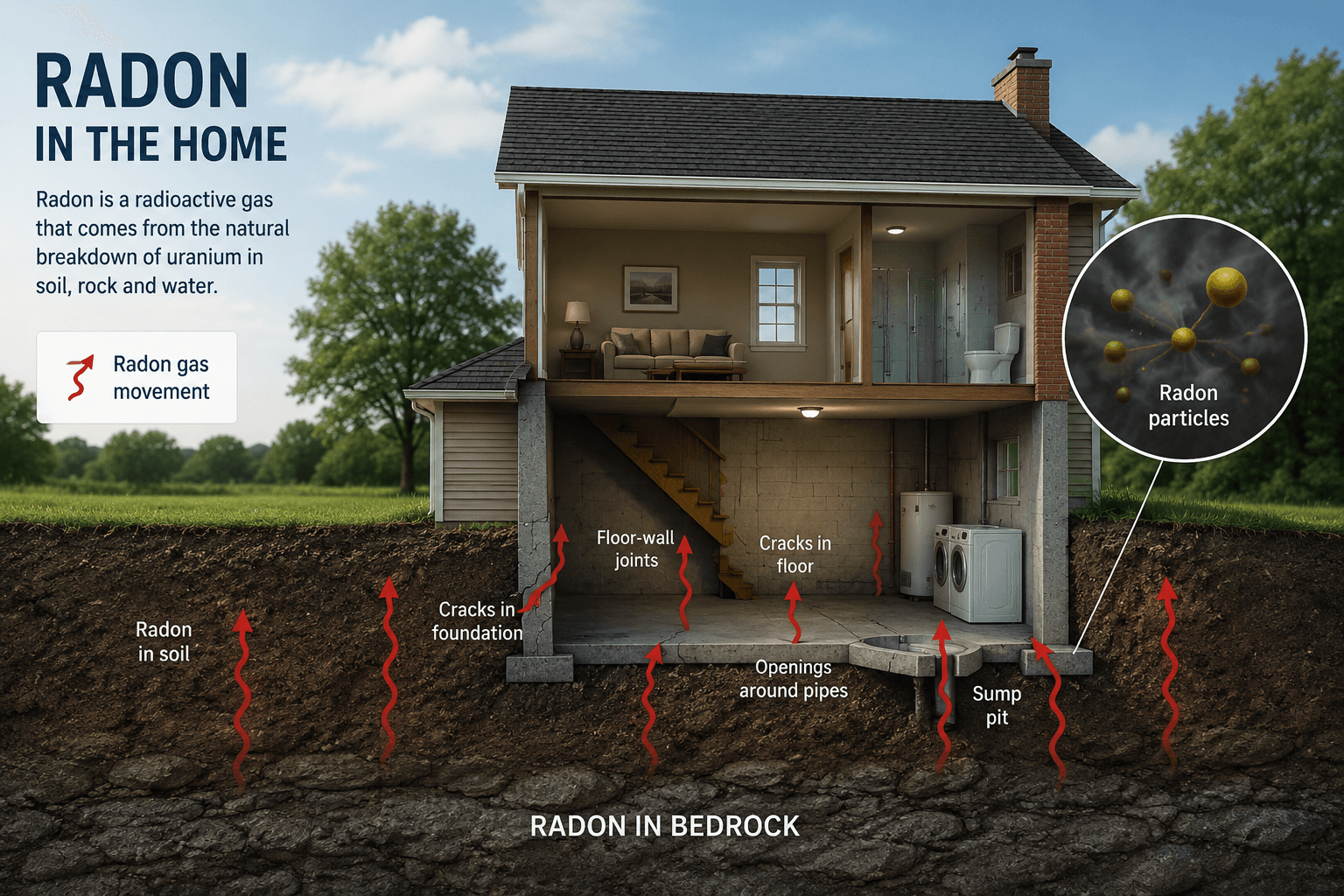
Odourless, colourless, and tasteless, radon is an invisible threat that can enter homes unnoticed. Across Canada, radon concentrations may be higher in lower levels, particularly basements and crawl spaces, because the gas typically enters through openings in contact with the ground and can accumulate when indoor air exchange is limited.
Amanda Harvey
•24 Oct 2024
Buying a new home is an exciting venture, with endless possibilities laid out in front of you. Of course, everyone has an idea of their ideal home and for most this includes the extra space that a basement encompasses. With the right basement and the assistance of a good contractor, you could host an alternative living area, game room, a home gym or a place for washer and dryer. When shopping for a house, it can be difficult to tell the condition a basement is in; so how do you figure out what to look for?