What Type of Subfloor Should You Choose for a Basement Gym?
By Cynthia Pigeon
Updated on July 1, 2026
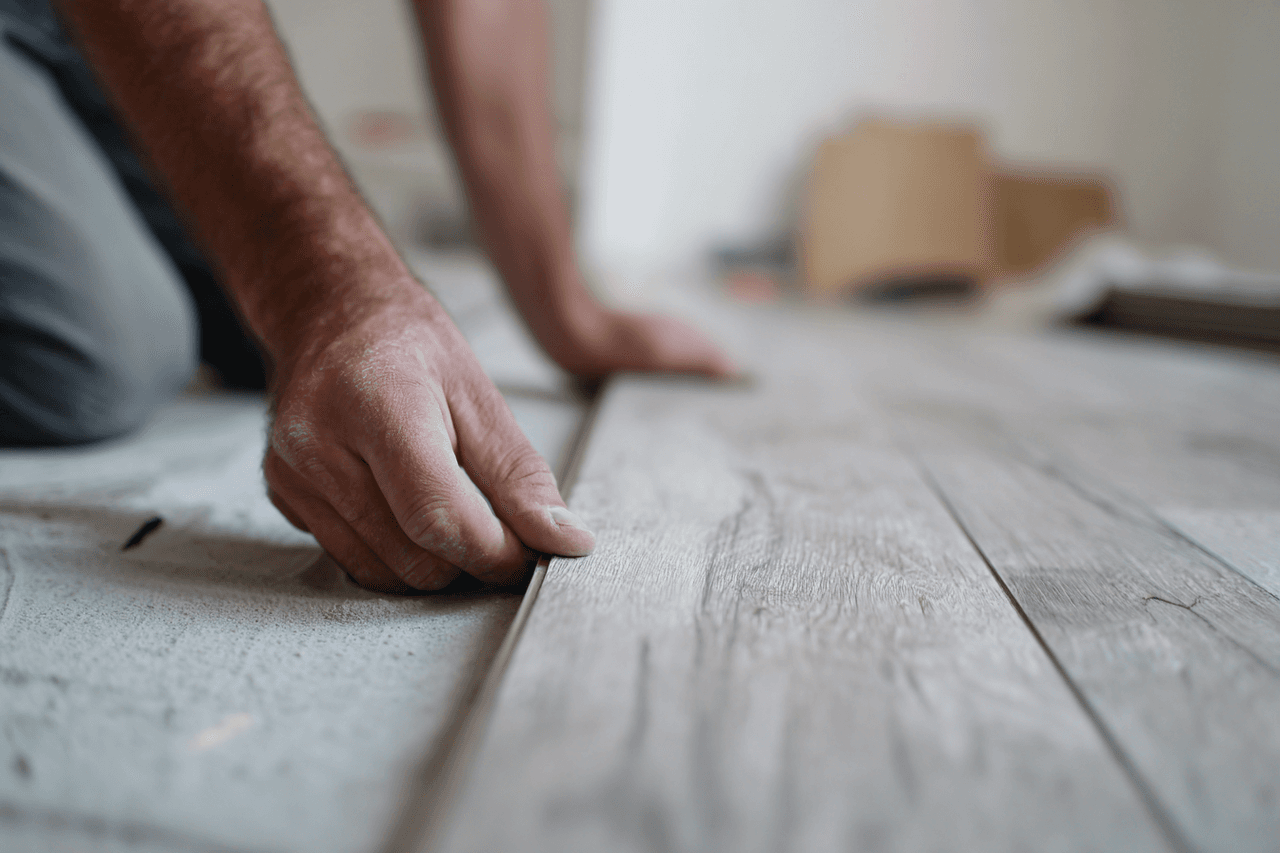
Having your own home gym is the dream of many fitness enthusiasts in Quebec. Imagine no longer having to face January snowstorms or look for parking after a long workday just to lift weights. Your space is there whenever you need it, set up exactly the way you want it. It’s an exciting project that adds undeniable value to your quality of life and your property.
However, the most common mistake is spending the entire budget on workout equipment and attractive flooring while neglecting what sits directly under your feet. Building a workout area in a Quebec basement comes with specific technical challenges caused by our extreme climate. Before rolling out your mats or placing heavy weights, you need to build a solid interior foundation. Your choice of subfloor will determine not only your comfort during workouts, but also the cleanliness and durability of the room for decades to come.
Crucial Importance of a Subfloor in a Quebec Basement
Source: RenoQuotes
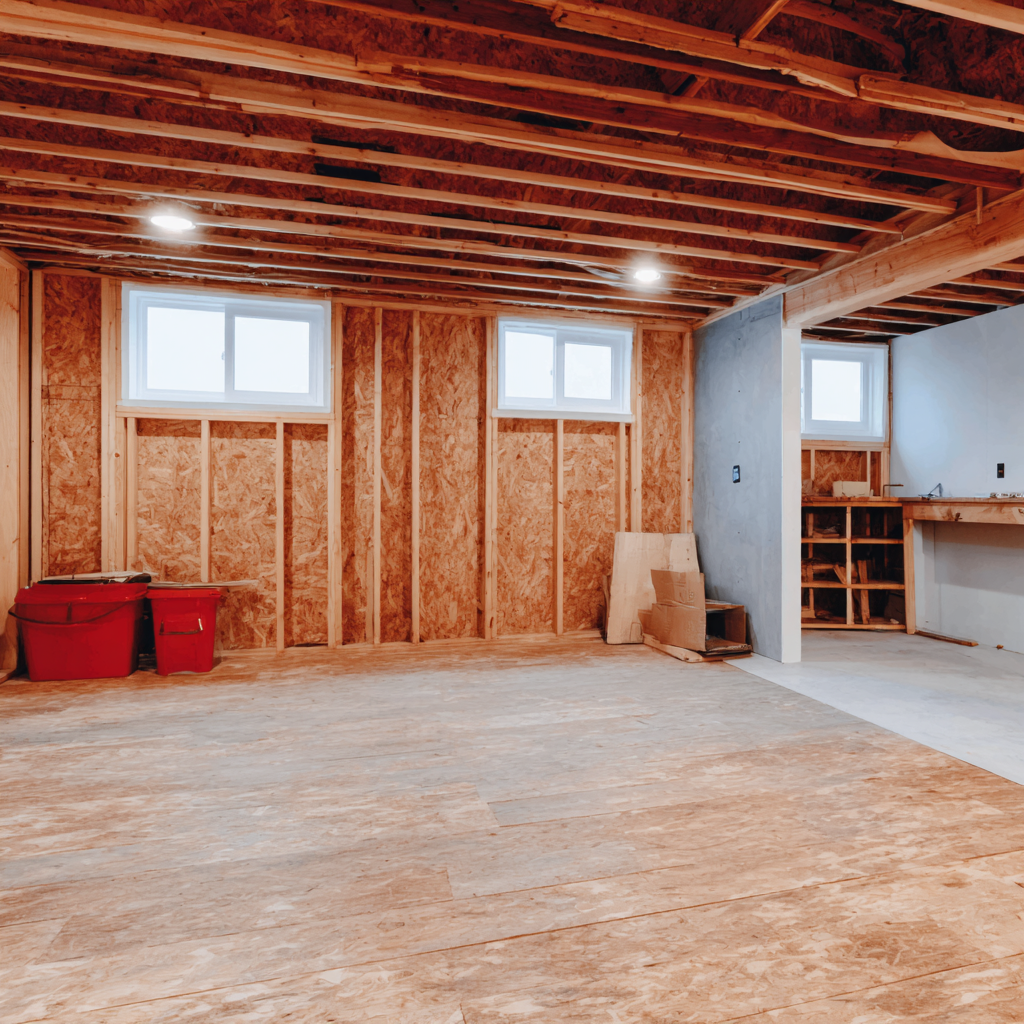
In Quebec, basements are put to the test. Outdoor soil goes through intense freeze-thaw cycles, which can maintain moisture pressure against the foundation and concrete slab. Concrete is a porous material; by nature, it acts like a sponge that allows water vapour from the soil to migrate into the home.
If you make the mistake of installing a watertight flooring, such as rubber tiles, directly on the concrete slab, you trap this creeping moisture. Without air circulation or a thermal barrier, condensation can form under your feet. Over time, this stagnant moisture can breed hidden mould growth, create stubborn musty odours, and affect the air quality throughout the home.
In addition, an uninsulated concrete slab stays cold throughout the winter. Working out at floor level on a freezing surface makes the space uncomfortable, cools the body quickly during floor stretches, and increases the risk of muscle strain. The subfloor therefore acts as an essential thermal break to make your home gym warmer and more inviting.
Selection Criteria for a Residential Workout Space
Source: Melianco inc.
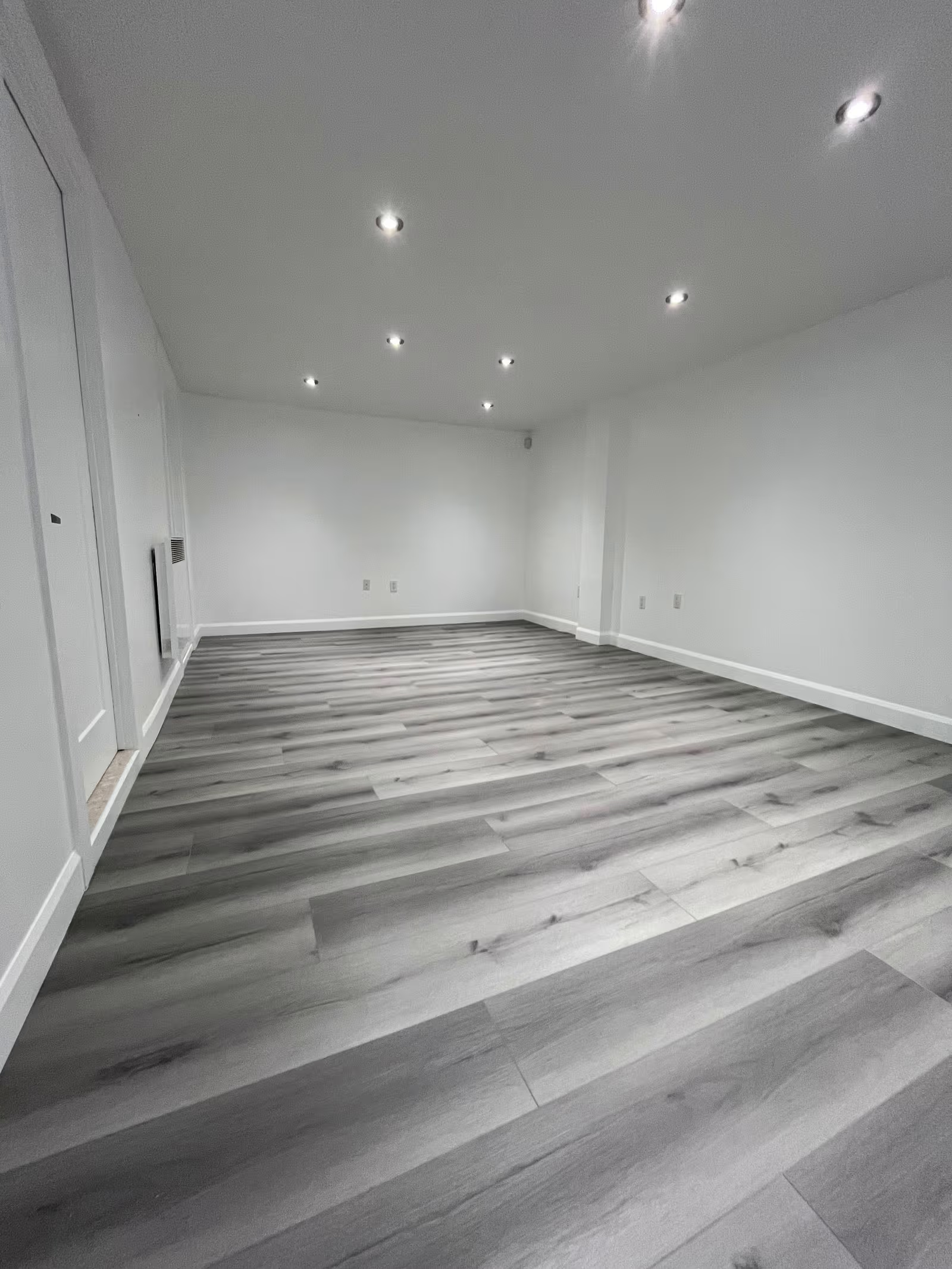
Choosing a subfloor for a laundry room or home theatre is very different from choosing one for a home gym. A residential gym must meet significant physical demands:
Compression resistance: Home gym racks, dumbbells, and treadmills exert enormous localized pressure. The subfloor must not sag, crush, or deform under stationary or dynamic loads of several hundred pounds.
Thermal insulation (R-value): The higher the R-value of the subfloor assembly, the more effective the barrier against the cold slab. This can help reduce the heating required to keep the room comfortable in winter, a point supported by Hydro-Québec’s energy-efficiency guidance.
Shock absorption and soundproofing: Dropping a dumbbell or skipping rope creates strong impact noise that travels through the home’s wood structure. A good subfloor absorbs part of this mechanical energy before it reaches the concrete or resonates through the upper floors.
Water vapour management: The system chosen must include a subfloor membrane or air space that allows the slab to breathe and moisture to move toward the perimeter instead of being trapped under the structure.
Best Types of Subfloors Currently Available
Source: Construction Magcor Inc.
To complete your basement renovation project, you will find several effective options in major Quebec hardware stores and renovation centres, such as Canac, Rona, BMR, and Réno-Dépôt. Two main installation approaches stand out for workout rooms.
All-in-One Vapour-Barrier Panels (DRICORE, Barricade)
Interlocking panel systems, led by brands such as DRICORE and Barricade, are a preferred solution for DIYers because they are extremely easy to install.
These square panels, roughly 2 feet by 2 feet, are made of two factory-bonded layers: a sturdy dimpled plastic base, or high-density polystyrene foam, facing the concrete, topped with a premium OSB panel.
How it works: The raised plastic matrix creates a continuous air space of nearly a quarter-inch above the concrete. If a very small amount of moisture escapes from the slab, it can circulate freely under the panels and naturally evaporate toward the perimeter walls without ever touching the wood structure or your gym flooring.
Benefits: Installation is done using tongue-and-groove joints, without the need to screw or glue the panels to the concrete slab. It is a floating system. The panels also provide instant thermal insulation, creating a noticeable comfort gain underfoot, as well as excellent rigidity for supporting weight benches and stationary bikes.
Traditional Method: Polystyrene and Plywood
For serious strength-training enthusiasts or those who practise powerlifting at home, the traditional site-built method remains the benchmark for durability. It takes more time and care, but it offers unmatched structural resistance.
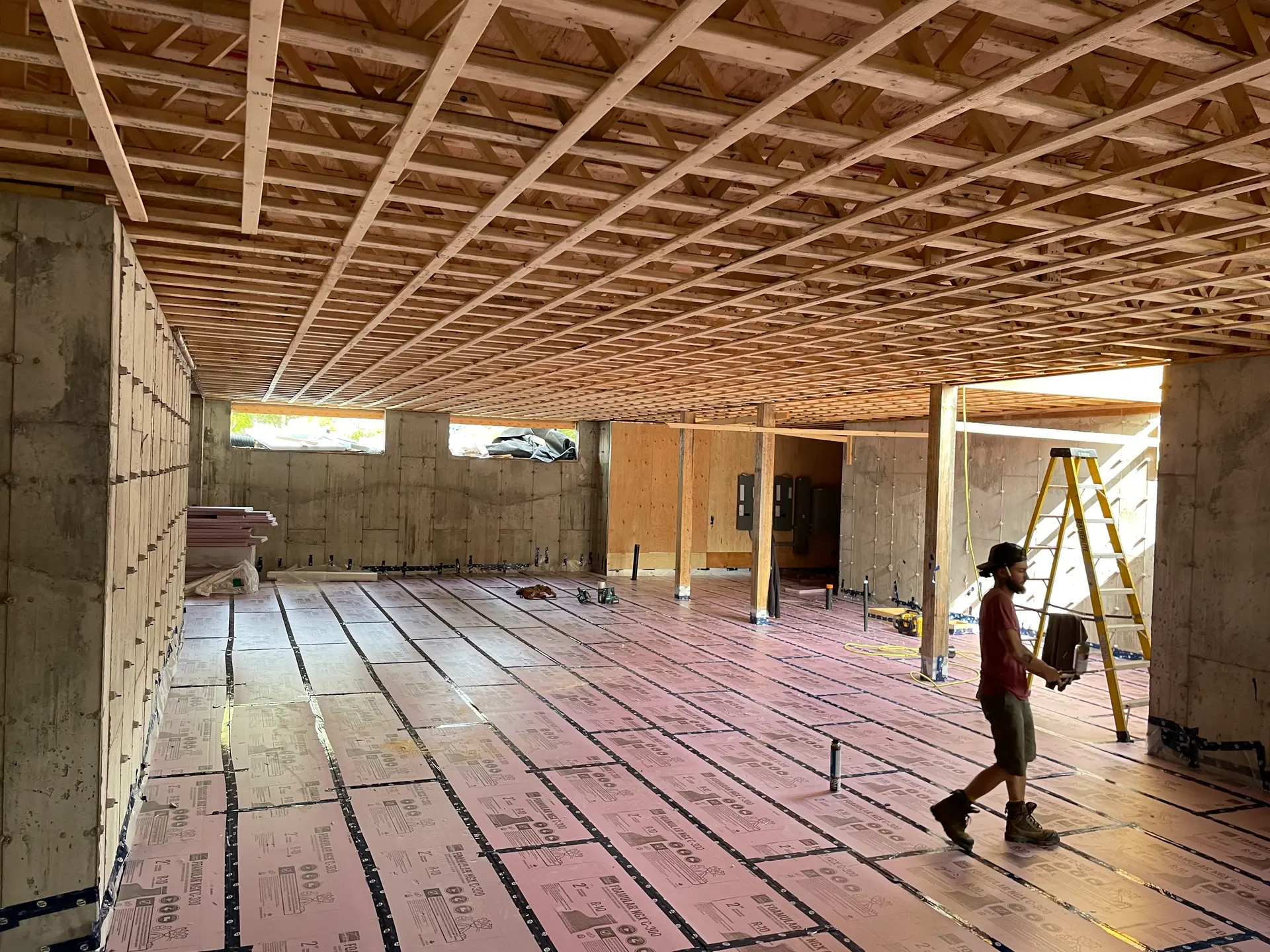
Installing the vapour barrier: Start by laying a heavy-duty 6-mil polyethylene membrane over the entire concrete slab, carefully sealing the joints with specialized tape.
Thermal insulation: Next, install large extruded polystyrene panels, also known as XPS and often pink or blue, directly over the vapour barrier. These panels are typically 1 to 2 inches thick. Extruded polystyrene has excellent compression resistance and offers a high thermal insulation value, around R-5 per inch of thickness.
Load-distribution layer: Over the insulation, install one or two crossed layers of 5/8-inch or 3/4-inch OSB or plywood panels. These rigid panels are screwed together or mechanically fastened into the concrete slab using masonry anchors, such as Tapcon screws.
This method creates an exceptionally rigid load-distribution platform. When you place or drop heavy weights, the impact is distributed over a very large plywood surface, which helps spread the load and reduce the risk of cracking the slab or causing localized compression of the insulation.
What Type of Flooring Should You Install Over Your Subfloor?
Source: Epoxy 360
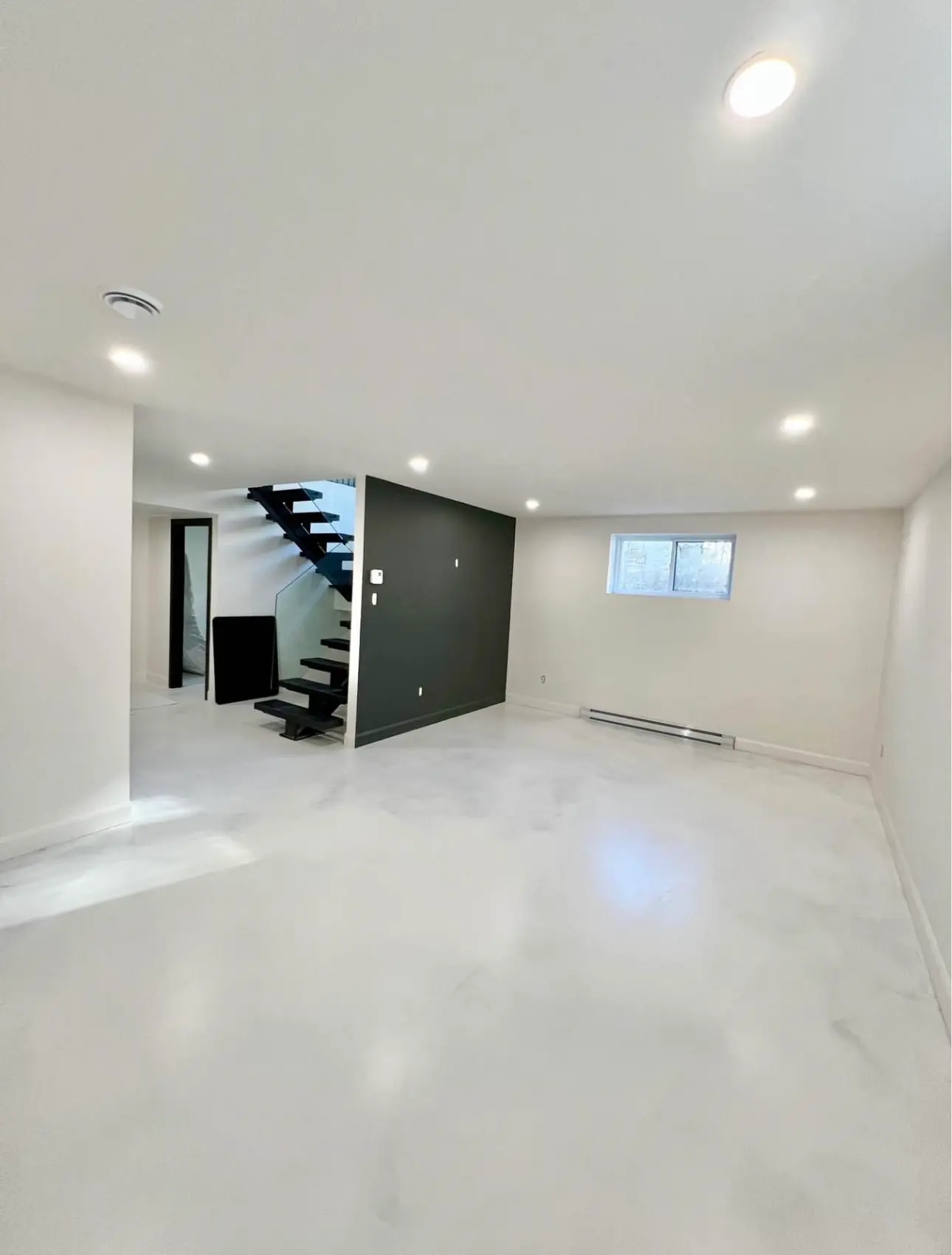
Once your subfloor is installed, sealed, and level, it is time to choose the finish layer. For a workout room, the choice generally comes down to two main options, each with very different characteristics.
Feature | Interlocking Rubber Tiles | Commercial Vinyl Rolls |
Ideal Thickness | 3/8 in. to 1/2 in. | 2 mm to 4 mm |
Impact Absorption | Excellent; ideal for free weights | Low to moderate |
Ease of Installation | Very simple; they interlock like puzzle pieces | Moderate to difficult; requires precise cuts |
Water Resistance | Excellent for the material itself, but the joints between tiles are not necessarily watertight | Very good, depending on the type of installation and joint sealing |
Acoustic Comfort | Greatly reduces vibrations | Transmits noise more easily |
Rubber tiles are the logical choice for weight training. They protect the subfloor from repeated impacts and provide a non-slip texture, even when you sweat. Choose high-density vulcanized rubber tiles with a minimum thickness of 3/8 inch.
Vinyl rolls, on the other hand, are better suited to spaces dedicated to cardio, yoga, or Pilates. Vinyl offers a clean look, is very easy to disinfect, and is water-resistant, but it does not provide the necessary protection against dropped heavy dumbbells. To get a clearer idea of the budget required, you can estimate the cost of renovation work for your floor surfaces.
Installation Tips to Maximize Structural Durability
Source: Epoxy 360
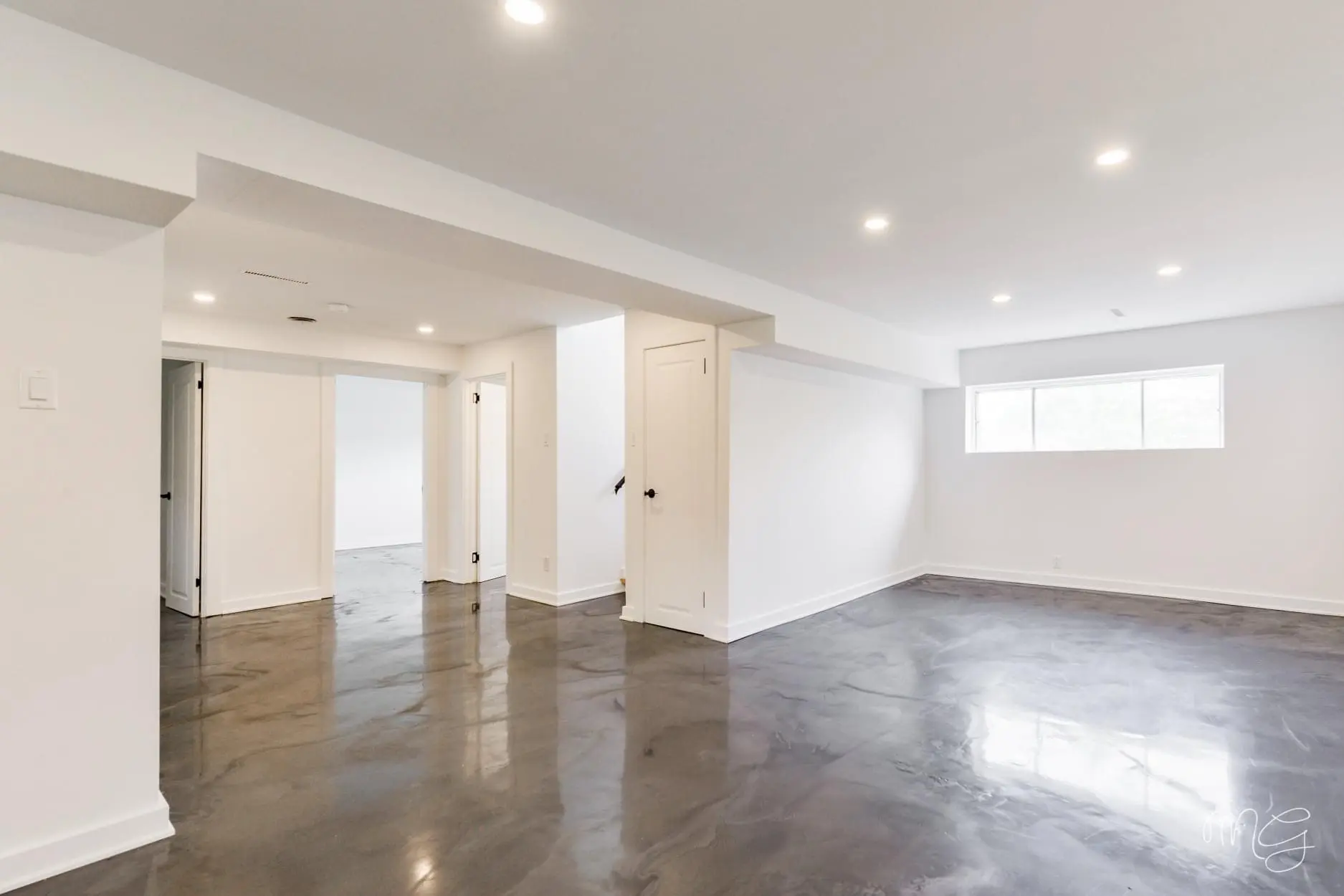
Before even buying your subfloor materials at a hardware store, a careful inspection of your concrete slab is essential. Never skip this step, or you may have to tear everything out after only a few months.
Check for active water infiltration: If your basement regularly experiences water infiltration during snowmelt or heavy fall rains, a subfloor will not solve the problem. You first need to seal foundation cracks by injection or install a functional floor-drain system with a sump pump.
Look for efflorescence: Efflorescence is a fine white powder that appears on the surface of concrete. It indicates that moisture has migrated through the concrete or masonry. This may point to active infiltration, but it can also indicate a more intermittent or older moisture problem. Scrape these areas, clean them, and apply a penetrating concrete sealer if necessary before installing the panels.
Leave an expansion gap: The wood in OSB or plywood panels reacts to temperature and humidity changes throughout Quebec’s seasons. When installing your subfloor, whether it is made of DRICORE panels or large plywood sheets, always leave a clearance of about 1/4 to 1/2 inch between the panels and the concrete foundation walls. This space allows the material to expand without buckling and ensures the perimeter air circulation required to evacuate moisture.
If your slab has significant level variations, such as dips or bumps of more than a quarter inch, apply a self-levelling compound before beginning the installation to ensure the stability of your future cardio or weight-training equipment. For complex work, or if you would rather entrust the job to experienced hands, consider hiring a qualified general contractor in your area.
By taking the time to design a healthy, moisture-resistant base that is insulated from the cold, you can create a home gym that will stand the test of time without compromising the health of your home. You will be able to work out with peace of mind, in a warm space perfectly suited to your performance goals. When you are ready to launch your project, you can easily get a quote for your flooring and subfloor work to start your renovation on a solid foundation.
Looking for something else?
Related articles
The latest industry news, interviews, technologies, and resources.
Editorial Team
•21 Nov 2024
In keeping with tradition and spanning eras, stunning without fail courtesy of its timeless appeal, a wooden staircase still needs, without a doubt, an eventual facelift to maintain its beauty. Before applying a new coat of paint or stain, stripping the wood is an essential step. How can you go about this sort of project, abiding by good practices, without damaging the wood? What are the most effective methods of stripping a wooden staircase? Keep reading to discover the best practices and techniques to revamp your staircase.
Amanda Harvey
•08 Nov 2023
Regardless if you’re a renovation novice or an expert, a contractor even, the world of building permit requests is tricky to navigate. Of course, if you’ve taken on a renovation project or two, then you’re most likely aware of everything that's of importance, like applying for permits in the first place. In 1976, Ontario established the Building Code Act, to regulate and increase renovation quality control while offering homeowners protection. Therefore, if you’re renovating a structure in the City of Ottawa, you have to determine whether or not a work permit is required.
Editorial Team
•08 Nov 2023
Reducing energy costs is one of the most important factors when choosing home insulation, as the right insulation can reduce energy bills drastically.
Léa Plourde-Archer
•23 Sep 2026
The renovation sector in Canada is constantly evolving, with new materials, technological advancements, and design concepts tailored to the current needs of citizens. By 2026, a shift towards sustainability, quality, functionality, and value optimization is expected. Furthermore, faced with high housing costs, many homeowners are choosing to renovate their homes rather than relocate.
Cynthia Pigeon
•05 Dec 2025
A common question among those renovating their bathroom is whether to opt for a bathtub or shower. While the initial focus is often on space constraints, there are other factors that come into play when making the final decision. So, what exactly are these factors? Keep reading to find out!