Driveway Paving Cost in Canada: 2026 Cost per Square Foot
By Editorial Team
Updated on August 26, 2026
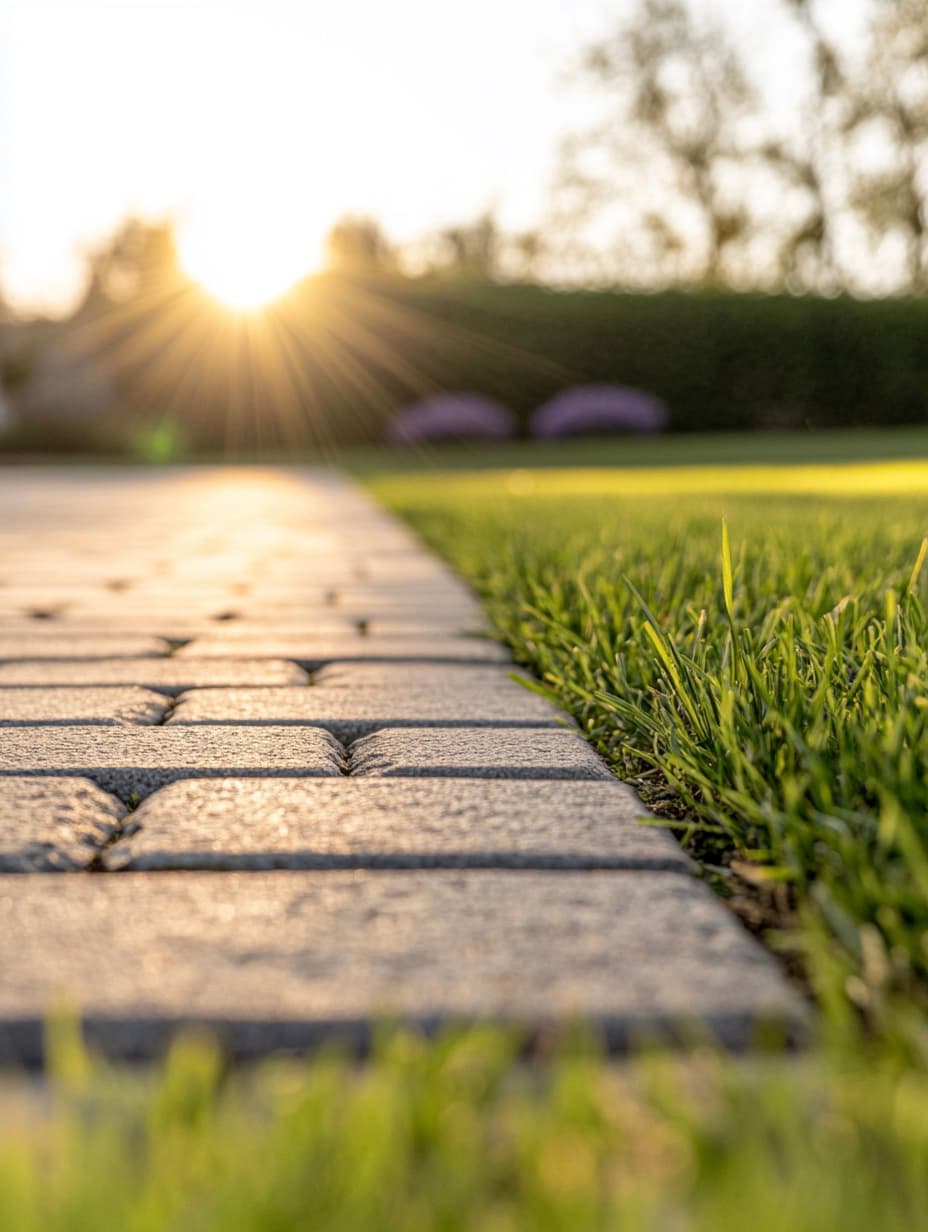
Paving a driveway in Canada costs $1 to $30 per square foot depending on the material, which works out to roughly $400 to $12,000 for a standard two-car driveway. A driveway goes through a lot of daily wear and tear because of vehicle traffic, temperature changes, and the damaging effects of freeze-thaw cycles. While some driveway materials last longer than others, there comes a time when repairing, repaving, or replacing your driveway becomes unavoidable.
So, how much does it cost to pave a driveway in Canada? What materials should you choose to ensure durability and curb appeal? This driveway paving cost guide gives you a look at the most common driveway materials, average paving cost per square foot, and the factors that can affect your total project budget.
How much does it cost to pave a residential driveway?
Source: Groupe Richer
Driveway Material Option | Average Cost |
Gravel | $1 to $4 per square foot |
Crushed stone | $2 to $5 per square foot |
Asphalt | $3 to $20 per square foot |
Concrete | $7 to $20 per square foot |
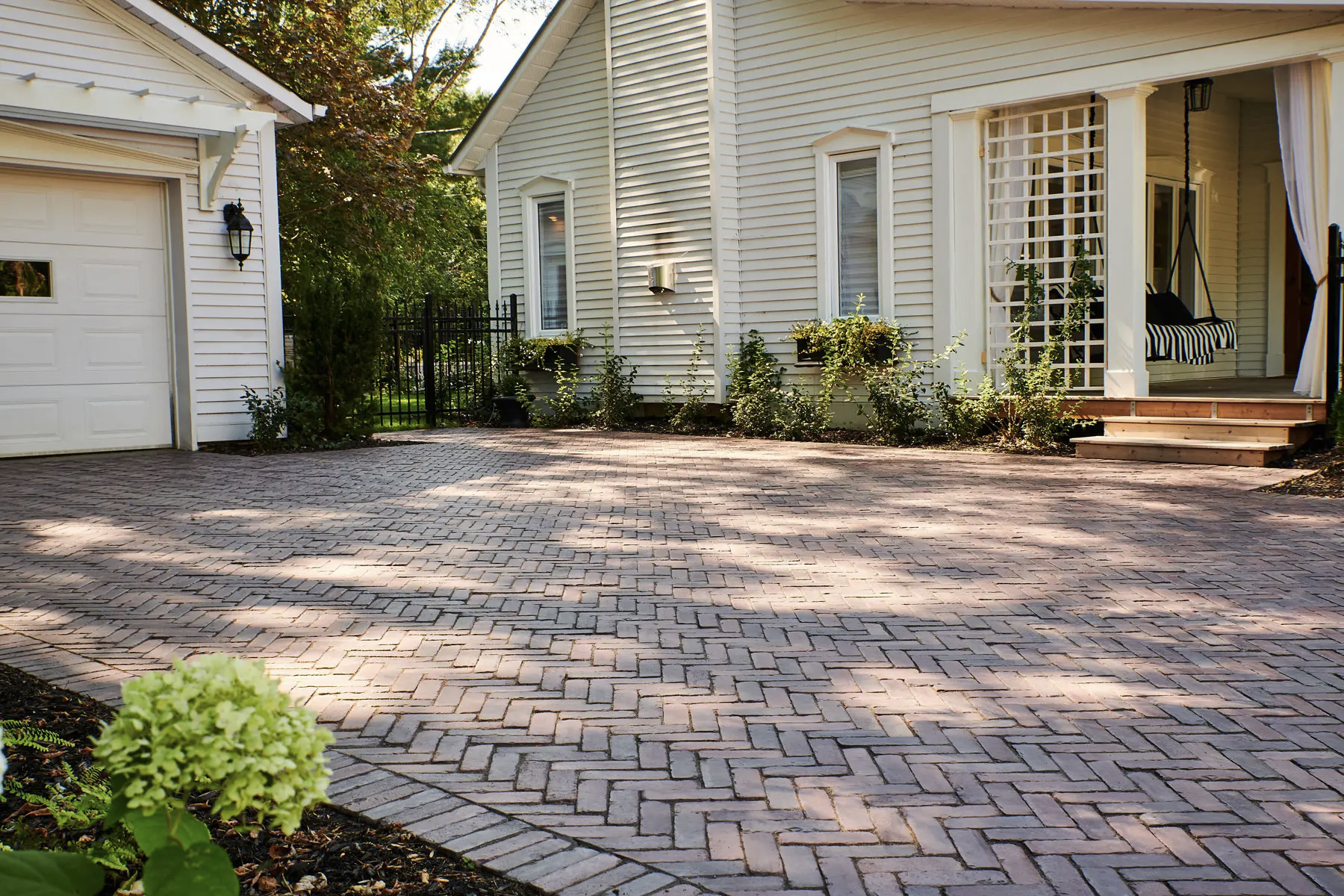
Paving stones (interlocking pavers) | $10 to $30 per square foot |
The pricing listed above varies based on several factors, such as square footage, material quality, region, driveway condition, excavation needs, and contractor. Once you've made up your mind, let your contractor know what kinds of vehicles are regularly parked or driven on your driveway. This can affect the required asphalt, concrete, or base thickness.
What does that work out to for a whole driveway?
Most homeowners are pricing one of three common sizes. Applying the rates above gives you a working budget before you request quotes.
Material | 1-car (200 sq. ft.) | 2-car (400 sq. ft.) | Long or rural (600 sq. ft.) |
Gravel | $200 to $800 | $400 to $1,600 | $600 to $2,400 |
Crushed stone | $400 to $1,000 | $800 to $2,000 | $1,200 to $3,000 |
Asphalt | $600 to $4,000 | $1,200 to $8,000 | $1,800 to $12,000 |
Concrete | $1,400 to $4,000 | $2,800 to $8,000 | $4,200 to $12,000 |
Interlocking pavers | $2,000 to $6,000 | $4,000 to $12,000 | $6,000 to $18,000 |
These totals cover the paving surface only. Excavation, old driveway removal, drainage work, and permits are quoted separately, which is often where two estimates for the same project diverge.
Affordable Option: How much does a gravel driveway cost?
Gravel is one of the most cost-effective driveway paving options, making it an attractive choice for tight budgets, rural properties, or large driveways. It is easy to install and repair, and its water permeability can help reduce the risk of surface pooling.
However, unlike concrete or asphalt, gravel requires more frequent maintenance. Homeowners may need to fill in ruts created by tires, rake uneven areas, add more material over time, and remove weeds.
The average gravel driveway cost is $1 to $4 per square foot.
Step-Up Option: How much does a crushed stone driveway cost?
A crushed stone driveway is a step up from gravel, offering a more stable and refined surface while still being budget-friendly. Because the stones are angular, they compact better and shift less under vehicle weight compared to rounded gravel. This makes crushed stone a longer-lasting option that still drains well and resists pooling.
Homeowners also like crushed stone for its variety of sizes and colours, which allows for a more tailored look than plain gravel. The tradeoff is that it still requires occasional raking, edging, and topping off over time to maintain appearance and stability.
The average crushed stone driveway cost is $2 to $5 per square foot.
Mid-Range Option: How much does an asphalt driveway cost?
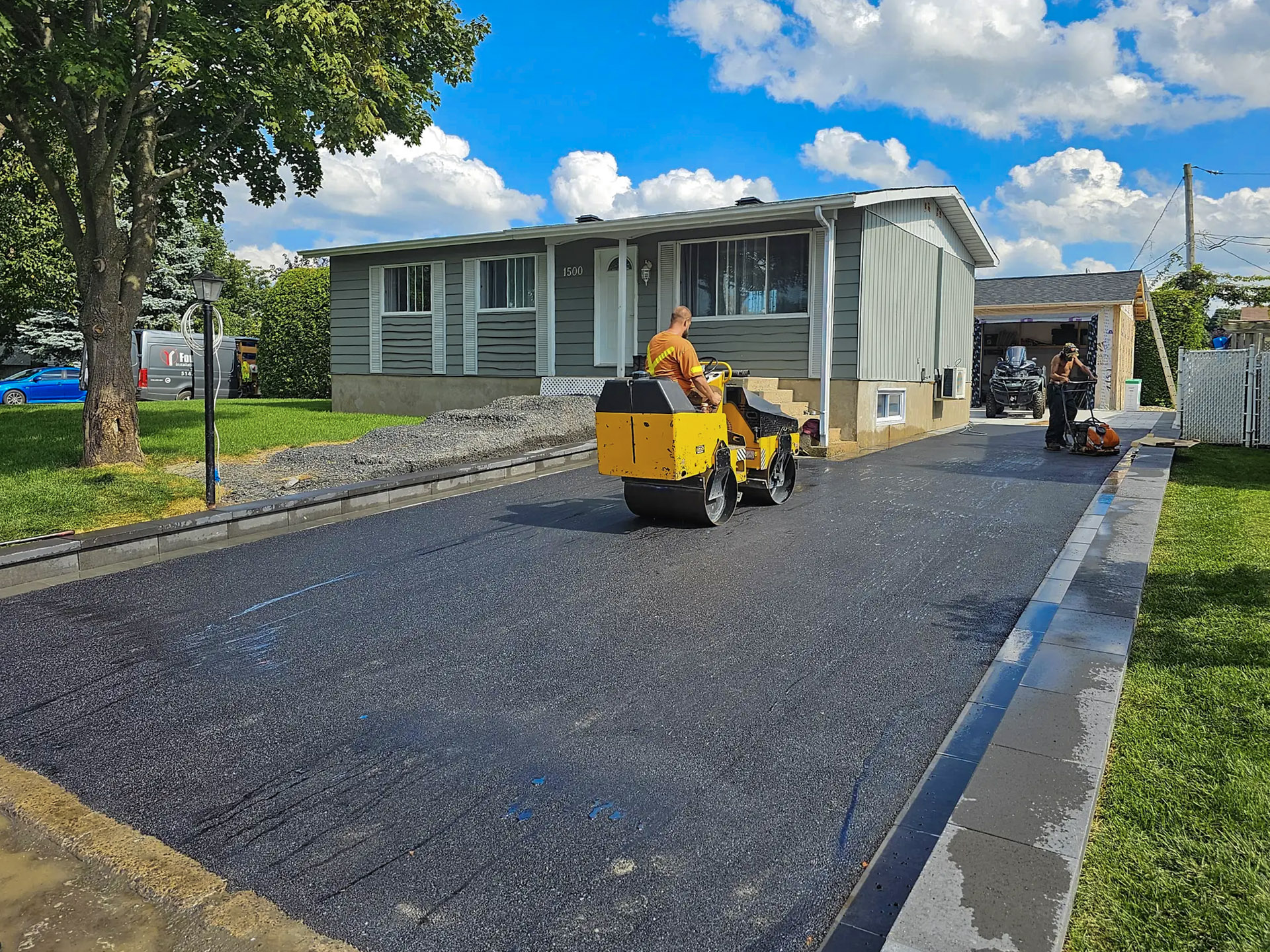
Asphalt is one of the most common driveway paving materials in Canada because it is relatively affordable and well suited to many residential driveways. If it has a solid crushed stone aggregate foundation, an asphalt driveway can last up to 20 years. However, asphalt is typically more maintenance-intensive than concrete.
The average asphalt driveway cost is $3 to $20 per square foot.
Standard hot-mix asphalt on a straightforward residential job usually sits in the lower half of that range. The upper end reflects premium work such as stamped or coloured asphalt, thicker base builds for heavy vehicles, or difficult site access.
Mid-Range Option: How much does it cost to repave a driveway with concrete?
Made with sand, cement, and aggregate, concrete is poured on site and can create a clean, durable, and appealing driveway surface. When paving with concrete, there are also various colours, finishes, and patterns to choose from, depending on the look you want.
The average concrete driveway cost ranges from $7 to $20 per square foot.
High-End Option: How much do driveway pavers cost?
Not unlike concrete, pavers are made with sand, cement, and aggregate and can have a similar lifespan. However, interlocking paving stones allow for a wide range of textures, colours, shapes, and patterns to embellish your drive.
Even though installation is more expensive, pavers can be cost-effective in the long run when properly maintained. Driveway pavers can last up to 30 years. Since pavers are installed one by one, individual units can also be removed if the ground shifts, allowing the base to be relevelled before the pavers are repositioned.
To save money without compromising curb appeal, you can limit paving stones to specific sections of your driveway and use asphalt for the rest.
The average paver driveway cost ranges from $10 to $30 per square foot, depending on the type of paver.
What factors affect driveway paving cost?
Source: Pavage Excellence Inc.
Paving Material Selected
The paving material you choose will significantly affect your driveway cost and performance. Asphalt, concrete, gravel, crushed stone, and pavers each have unique advantages and price points.
Asphalt tends to be one of the most common cost-effective choices for homeowners looking to minimize upfront expenses. Concrete provides strong durability and longevity, which may translate into lower upkeep costs over time. Pavers, while generally more costly, offer a distinctive aesthetic that can improve curb appeal.
Labour
Labour is another crucial factor when planning your driveway paving project. Labour costs can vary based on installation complexity and the area in which you live. Hiring qualified experts is essential to help ensure a proper and safe installation, especially since poor workmanship can lead to problems and costly repairs down the line.
Shape and Size
The shape and size of your driveway will also have a significant impact on the project's overall cost. Larger driveways require more materials and labour. Differing shapes, curves, slopes, and access challenges may also require more planning and preparation, which can lead to additional fees.
As a result, it's important to plan your driveway's layout carefully to balance curb appeal, performance, and budget.
Drainage
Integrating a proper drainage system into your paving project is essential to prevent water build-up and help maintain your driveway's durability. Good drainage helps prevent landscape erosion and protects the structural integrity of the driveway base.
What are the additional costs?
Source: Pavage Sealtec
Maintenance and Replacement Costs
Your driveway's upkeep is another aspect to consider. After years of use, cracks may appear on the surface and need to be filled. Pavers can also break or shift and may need to be replaced or reset.
Regular maintenance helps preserve your driveway's integrity, prevent costly repairs, and maintain curb appeal.
Site Preparation
Site preparation can lead to extra fees, as it often involves additional time and labour. For example, if the current driveway material needs to be removed before laying the new one, demolition work and debris removal will extend the project's timeline and increase the overall driveway replacement cost.
Removing an existing asphalt driveway commonly runs $1.50 to $4 per square foot depending on thickness and access, and in a full replacement quote it often accounts for 20% to 30% of the total.
Protective Coatings
Sealing a driveway is an important preventative measure that can help prolong its lifespan and protect it from damage. By sealing asphalt, concrete, or paver driveways, you can reinforce the surface against moisture, scratches, and general wear.
Sealing can also help reduce cracking caused by water and temperature variations while preserving the driveway's appearance. Professionals often recommend regularly applying a sealant so your driveway remains in better condition over time. Sealcoating typically costs $0.15 to $0.35 per square foot in Canada, which puts most residential driveways between roughly $90 and $280 per application.
Permits and Municipal Requirements
Permit requirements vary by municipality. Resurfacing an existing driveway within its current footprint often does not require one, but widening a driveway, changing the curb cut, altering drainage, or paving a new driveway on a recently built home frequently does.
Permit costs are usually modest, but approval timelines can affect scheduling. Confirm requirements with your municipality before the work is booked rather than after.
Site Conditions and Access
Difficult-to-access locations add cost. Narrow lots, steep grades, overhead wires, mature landscaping, or a driveway that a paving truck cannot reach directly may require smaller equipment, more hand work, or additional labour hours.
Rural properties may also see fuel or delivery surcharges when materials travel a long distance, and regional price variations across provinces can shift quotes for otherwise identical projects.
New Driveway Pavement: How to Excavate for Stabilization
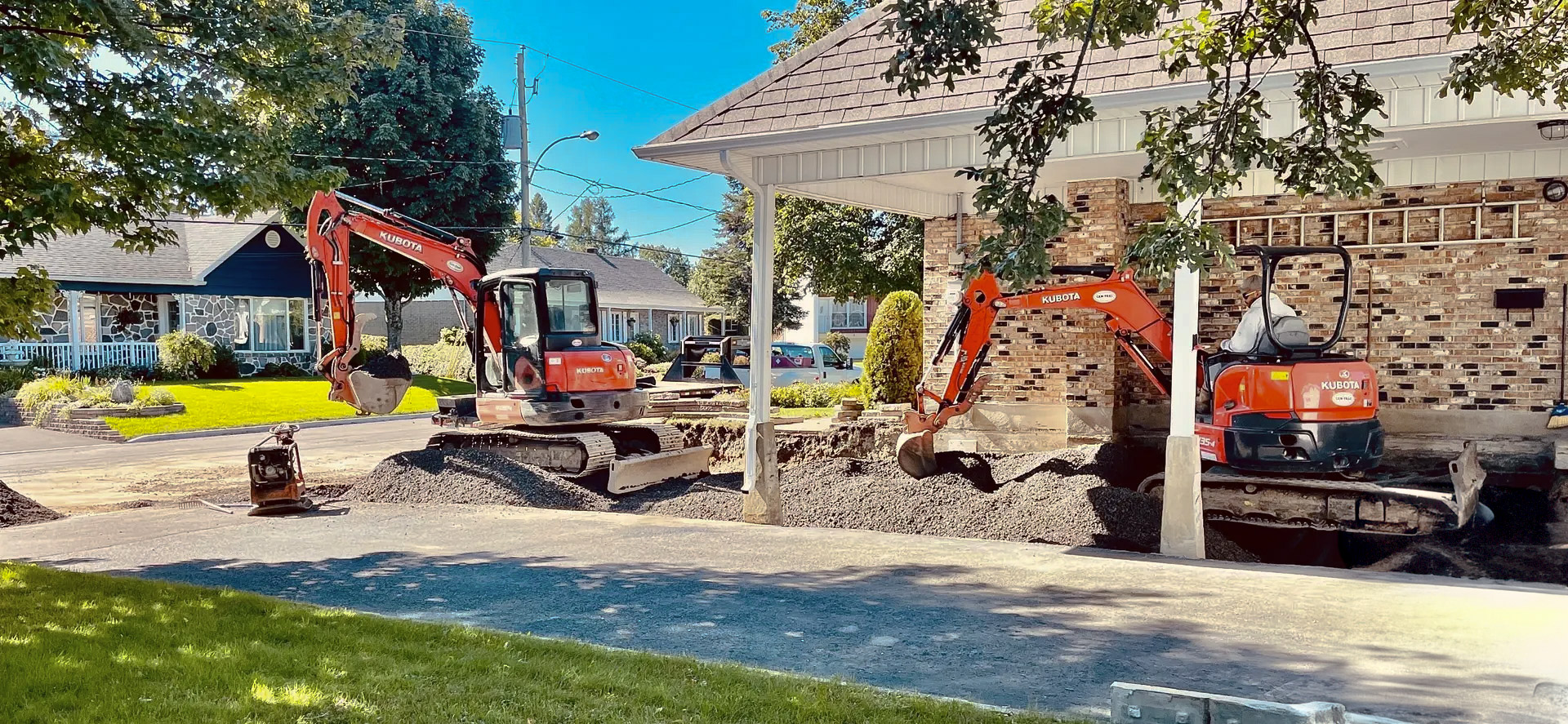
To ensure that the driveway has a long service life, proper excavation is necessary. Industry professionals advise against coating the existing driveway with new material and instead recommend redoing it completely when the base is no longer stable. Proper excavation helps stabilize the driveway's base and limits the risk of cracks appearing down the line.
However, cracks may still form due to temperature changes. If the driveway is well built and maintained, cracking should be more limited.
Preparing the Base
Proper preparation protects the investment. Preparing a residential driveway correctly helps prevent the need to redo it after only a few years. For asphalt, we're talking about a potential 20-year lifespan.
On existing properties, excavate and fill with gravel, then wait. For houses built several years ago, waiting for a full freeze-thaw cycle isn't necessary before laying a new paving material. Excavate, fill the cavity with gravel, then wait about two weeks before pouring the asphalt so the gravel compacts firmly. Don't overlook this step.
Ask about geotextile fabric. A geotextile layer can be laid to improve drainage. Check with your contractor to see what they suggest for the best stability possible.
Timing the Work
On new builds, wait a year before paving. Give the site at least one freeze-thaw cycle so the soil and gravel compact properly under the weight of rain and snow.
Check municipal regulations first. Contact your municipal authorities about driveway paving rules, especially if you've just purchased a newly built home. Many recommend paving after the first year of construction, and educating yourself beforehand avoids a lot of issues.
Pave in warm weather. Much like roofing, this work should not be carried out when it's cold outside. In Canada, June through September is ideal.
Protecting the Surface Afterward
Watch your snowplough blade. Some blade types can scratch paving and damage the surface. Ask your contractor whether there are specific recommendations for your driveway material.
Recycled and Sustainable Driveway Options
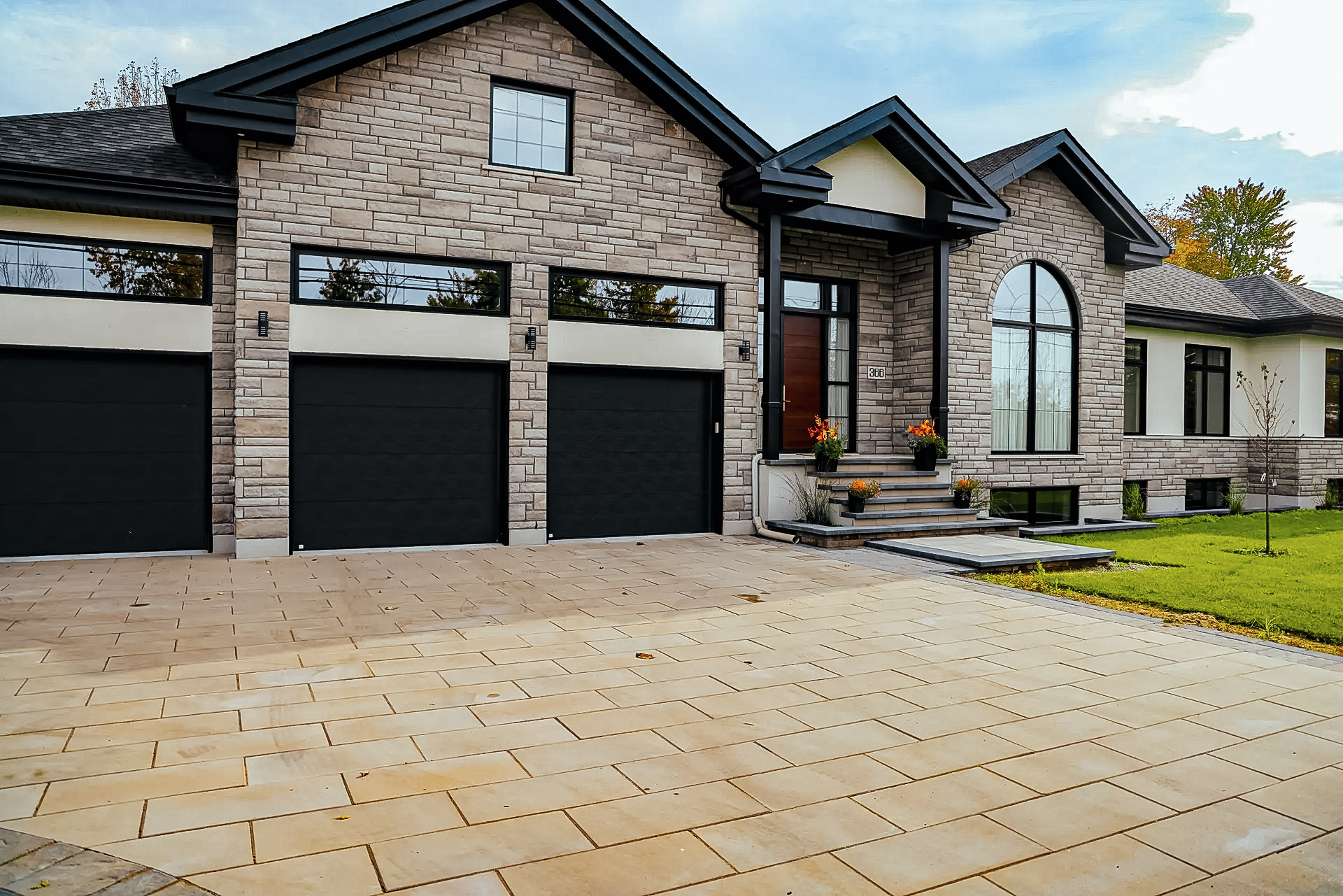
Source: Verdeko Paysagement
Reclaimed asphalt pavement, usually shortened to RAP and also sold as crushed asphalt or millings, is old pavement that has been ground up, reprocessed, and relaid. It compacts into a surface that looks close to gravel but binds like asphalt, and it produces far less dust and mud than loose stone.
Installed recycled asphalt typically costs $2 to $5 per square foot in most Canadian provinces, roughly 20% to 40% less than virgin hot-mix, with residential driveways needing 7 to 10 centimetres over a properly graded base. The environmental case is substantial: about 80% of reclaimed pavement is reused annually, and in Canada every 10 tonnes of RAP avoids roughly one tonne of CO₂e.
The tradeoff is finish quality. Recycled asphalt is rougher than new hot-mix and may need more maintenance, so it suits rural properties, long driveways, and farm lanes better than high-visibility ones. Permeable paving is the other sustainable route worth pricing, since porous asphalt and open-jointed pavers let water filter through instead of running off, which can matter in municipalities with runoff restrictions.
Hiring a Driveway Paving Contractor
Base preparation is where driveway projects succeed or fail, and it is also the part you cannot inspect once the job is done. That makes contractor selection more consequential here than the material choice.
Should you DIY a driveway?
Spreading gravel or crushed stone on a small, level driveway is realistically within reach for a capable homeowner with access to a plate compactor. Repairing cracks and small holes in existing asphalt is also a common DIY job.
Laying asphalt, pouring concrete, or installing interlocking pavers across a full driveway is not. These require specialised equipment, correct compaction in layers, and accurate grading for drainage. A driveway that drains toward the house or settles unevenly costs far more to correct than it would have cost to have done properly.
What To Ask Before You Sign
What excavation depth and base thickness are included, and what aggregate is used?
How will compaction be done, and in how many layers?
What slope is planned, and where will water drain to?
Is removal and disposal of the existing driveway included?
Are permits included, and who applies for them?
What warranty covers the surface, and what covers settlement of the base?
Are you insured, and can you provide proof?
What happens if poor soil or drainage problems are found during excavation?
Comparing Quotes Properly
Compare at least three itemized estimates rather than three total prices. An experienced paving company that specifies 8 inches of compacted granular base will quote higher than one specifying 4 inches, and the cheaper quote is not the better deal in a freeze-thaw climate.
Booking outside peak season can also help. Paving crews are busiest in midsummer, and asking about off-peak scheduling in early June or September sometimes yields a better rate.
Choosing the Right Driveway Material for Your Home
Choosing a driveway material is essential to ensure durability and curb appeal when faced with harsh weather conditions and daily vehicle traffic. The different options, whether asphalt, concrete, pavers, gravel, or crushed stone, all have unique advantages and disadvantages that can influence not only installation costs but long-term maintenance too.
It's crucial to consider material, labour, driveway size, drainage, excavation, maintenance, and replacement costs when planning your project. By considering all these aspects, and by comparing itemized quotes that spell out base depth and drainage rather than just a bottom-line number, you can make a well-informed decision that meets your needs and budget.
FAQ About Driveway Paving Costs and Materials
What is the cheapest option for paving a driveway?
Gravel is usually the cheapest driveway option, followed by crushed stone, asphalt, and concrete. Paving stones are typically the most expensive option, but they can offer strong curb appeal and long-term repair flexibility.
How much does it cost to pave a driveway in Canada?
The cost to pave a driveway in Canada depends on the material, size, site preparation, region, and labour. As a general reference, gravel costs $1 to $4 per square foot, crushed stone costs $2 to $5 per square foot, asphalt costs $3 to $20 per square foot, concrete costs $7 to $20 per square foot, and paving stones cost $10 to $30 per square foot.
How much does it cost to pave a 2-car driveway?
A standard two-car driveway measuring 20 feet by 20 feet is about 400 square feet. At average rates, that works out to roughly $400 to $1,600 for gravel, $800 to $2,000 for crushed stone, $1,200 to $8,000 for asphalt, $2,800 to $8,000 for concrete, and $4,000 to $12,000 for interlocking pavers. Excavation, drainage, and removal of the old driveway are additional.
How much does a recycled asphalt driveway cost?
Recycled asphalt, or RAP, typically costs $2 to $5 per square foot installed in Canada, which is roughly 20% to 40% less than virgin hot-mix asphalt. It suits rural and large driveways well but produces a rougher surface than new asphalt.
When should you pave a driveway?
Paving a driveway should be done in warm temperatures when the ground isn't frozen. In Canada, the ideal time to pave a driveway is generally June through September.
How do you maintain a paved driveway?
During winter, be careful when using a snowplough. Depending on the type of blade, it may damage the paving. Check with your contractor to see if they have specific maintenance tips to help protect your driveway's surface and durability.
What are the telltale signs of a damaged driveway?
If you notice water building up in your driveway, this could indicate a pavement-related issue, whether it's with the paving itself or the surface drainage system. Over time, standing water can damage the driveway.
Moreover, it's important to inform the hired contractor about what types of vehicles are likely to use your driveway, as this may affect the material thickness required when paving.
Do you need a permit to pave a driveway in Canada?
It depends on the municipality and the scope. Resurfacing within the existing footprint often does not require a permit, while widening the driveway, changing the curb cut, or altering drainage usually does. Check with your municipality before booking the work.
Are there recycled or sustainable alternatives for driveway paving?
Yes. Reclaimed asphalt pavement saves around 20% to 40% in costs while reducing environmental impact, and permeable options such as porous asphalt and open-jointed pavers allow water to filter through the surface. Recycled asphalt may be less smooth, may need more maintenance, and may not be ideal for high-traffic areas, but it works well for rural or large driveways.
Looking for something else?
Related articles
The latest industry news, interviews, technologies, and resources.
Cynthia Pigeon
•12 May 2026
Replacing a bathtub with a shower in Canada is a strategic renovation that generally costs between $5,000 and $12,000, depending on the materials, the existing plumbing, and the complexity of the work. This upgrade can improve the functionality, comfort, and perceived value of a home, especially when it supports accessibility, aging in place, or a more modern bathroom layout. Given that this type of project may involve plumbing, drainage, waterproofing, ventilation, and sometimes floor preparation, it is important to plan carefully. Depending on the province or municipality, plumbing work may need to be completed by a licensed plumber or qualified contractor. In many bathtub-to-shower conversions, the existing drain may also need to be assessed or upgraded to meet the requirements of the new shower installation.
Editorial Team
•01 May 2026
Homeownership is synonymous with home security, and this is exactly the topic we’ll broach in this article about home security systems and associated costs. Given the rise in home burglaries and the development of new technologies, such products are needed more than ever. Brands offer a broad range of alarm systems connected directly to your mobile device.
Editorial Team
•08 Nov 2023
A standard water heater takes up a lot of space in a home since it has a hot water tank that supplies warm water needed for dishes, showers, sinks, and any other household needs. Also, the tank may run out periodically when the demand for hot water exceeds the tank’s water storage capacity.
Editorial Team
•12 Apr 2024
When it comes to commercial cleaning services, a thorough cleaning from time to time doesn’t guarantee clean and healthy spaces for employees and occupants.
Editorial Team
•01 May 2026
The sheer size of a home's plumbing system can make plumbing issues seem rather complex. There are pipes in the basement, drains outside, bits of pipe coming out on the roof, valves, and J-bends under the sinks...